Hollywood Smile
October 5, 2026
What Is Hydrogen Peroxide Dental Whitening and Is It Safe?
 Dr. Rifat Alsaman
Hydrogen peroxide dental whitening is one of the most widely used methods for brightening stained or yellowed teeth. The same compound appears in professional bleaching gels, whitening strips, and some rinses. Knowing how it works, where it helps, and what risks come with misuse helps you choose the safest approach.
What Is Hydrogen Peroxide Dental Whitening?
Hydrogen peroxide dental whitening uses a peroxide-based agent to lighten the natural color of teeth. Unlike polishing, which only removes surface stains, peroxide reaches into enamel and dentin. There, it breaks down deeper discoloration. It is available as in-clinic treatment, dentist-supervised home trays, and milder over-the-counter products.
How Hydrogen Peroxide Works to Whiten Teeth
Hydrogen peroxide releases reactive oxygen molecules that pass through enamel into the dentin. There, they break apart large pigmented molecules, called chromogens, into smaller, lighter ones. These smaller molecules reflect less color. This oxidation process explains why whitening results reach beyond the tooth surface.
Hydrogen Peroxide Dental Bleaching and Stain Removal
Hydrogen peroxide dental bleaching works well on yellow and brown stains. These are often caused by aging, coffee, tea, and tobacco. Gray stains from certain medications or fluorosis respond more slowly and may need longer treatment. Bleaching lightens natural teeth only. It does not change the color of crowns, veneers, or composite fillings.
Hydrogen Peroxide Dental Benefits
Hydrogen peroxide dental benefits include visible whitening, antibacterial action, and support in cleaning certain oral wounds. Used correctly, it lightens teeth by several shades and can reduce bacteria temporarily. A dental professional adds protective measures that keep gums and enamel safe. This makes results fast and predictable.
Find out causes and solutions for a mucocele lip
How Does Hydrogen Peroxide Affect Dental Health?
Hydrogen peroxide can support oral hygiene when used correctly, but it may irritate tissues when misused. Its oxidizing action kills some bacteria and lifts stains. That is why it appears in both cleaning and whitening products. Concentration, contact time, and frequency decide whether its effect is helpful or harmful.
Hydrogen Peroxide and Dental Health
The relationship between hydrogen peroxide and dental health depends on how it is used. Low concentrations used for short periods are generally safe and may reduce plaque bacteria. High concentrations or prolonged daily use can cause sensitivity, gum irritation, and soft-tissue changes.
Hydrogen Peroxide and Dental Care
In dental care, hydrogen peroxide has several roles: whitening, short-term rinsing, wound cleaning, and surface disinfection. Hydrogen peroxide and dental care work best together when the product supports brushing and flossing. It should never replace them. Even whitening treatments should complement a solid daily oral hygiene routine.
Can Hydrogen Peroxide Help Reduce Oral Bacteria?
Yes, temporarily. Hydrogen peroxide releases oxygen that is especially harmful to anaerobic bacteria. These bacteria are linked to gum disease and bad breath. The foaming action also helps loosen debris. However, the effect is short-lived. It cannot remove hardened tartar or replace professional cleaning, brushing, and flossing.
Note : All images used are for editorial and illustrative purposes only and may not originate from the original news provider or associated company.
What Are the Common Dental Uses of Hydrogen Peroxide?
Beyond hydrogen peroxide dental whitening, this compound has several other dental uses. Dentists use it in pre-procedure rinses, bleaching gels, wound and pocket cleaning, and equipment disinfection. Each use requires a different concentration. Products made for one purpose are not interchangeable.
Hydrogen Peroxide Dental Rinse
A hydrogen peroxide dental rinse is a diluted solution, typically around 1.5 percent, used briefly to clean the mouth. It may help soothe minor gum irritation, reduce bacteria, and freshen breath. Commercial rinses come pre-diluted. Household 3 percent solution must be mixed with equal parts water before rinsing.
Dental Rinse With Hydrogen Peroxide
A dental rinse with hydrogen peroxide should be swished for about 30 to 60 seconds, then spat out. Never swallow it. Some whitening rinses contain low peroxide levels, but their effect is mild compared with whitening gels. A dental hydrogen peroxide rinse works mainly as a cleanser.
Dental Pre-Rinse With Hydrogen Peroxide
A dental pre-rinse with hydrogen peroxide is used before some procedures to reduce bacteria in the mouth. It also lowers bacteria in the aerosols produced by dental instruments. Dentists commonly use about a 1 to 1.5 percent solution for this purpose. Evidence on its effect against viruses is still limited.
Hydrogen Peroxide Dental Gel
Hydrogen peroxide dental gel is the main agent in tray-based and in-clinic whitening. Home gels contain lower concentrations. Professional gels are much stronger and are applied with gum protection. The gel form keeps peroxide in contact with the teeth, making whitening more effective and controlled.
Hydrogen Peroxide Dental Floss
Some floss products are coated with peroxide or other whitening agents. Hydrogen peroxide dental floss can help clean between teeth and may slightly reduce surface stains there. However, its whitening effect is minimal. Its real value is the same as regular floss: removing plaque and food between teeth.
Debridement and Hydrogen Peroxide in Dentistry
During debridement, dental hydrogen peroxide may be used as an irrigant. It helps flush periodontal pockets, clean infected wounds, and decontaminate implant surfaces. Its bubbling action loosens debris and dead tissue. This professional use is carefully controlled. It should not be copied at home with household products or higher concentrations.
Clinical Note
Hydrogen peroxide is useful in dentistry, but its effect depends on concentration, contact time, and correct application. The Vitrin Clinic dental team notes that many problems come from strong or undiluted products used without guidance. Professional hydrogen peroxide dental whitening at Vitrin Clinic is the safest way to achieve whiter teeth.
Discover treatment options for a recessed maxilla
How to Use Hydrogen Peroxide for Dental Care Safely?
Safe use means choosing the right concentration, limiting contact time, and avoiding swallowing. Whether you use a rinse or try whitening at home, follow product directions and your dentist's advice. Short-term use of low concentrations is generally safe. Stronger products should only be applied under professional supervision.
How to Use Hydrogen Peroxide for Dental Care
When learning how to use hydrogen peroxide for dental care, start with a dentist-approved product. For a rinse, mix 3 percent hydrogen peroxide with equal parts water. Swish for up to one minute, spit it out, and rinse with plain water. Never swallow it, and stop if irritation appears.
Should You Dilute Hydrogen Peroxide Before Using It?
Yes. Household hydrogen peroxide is usually 3 percent and should be diluted to about 1.5 percent before rinsing. Undiluted solution can irritate the gums, cheeks, and tongue. Ready-made dental products are already formulated at safe strengths. That is why whitening should rely on proper dental products, not homemade mixtures.
How Often Can Hydrogen Peroxide Be Used?
A diluted rinse is generally used short-term, such as a few times a week. It can also be used for a limited period your dentist recommends. Long-term daily use may irritate soft tissues. In some people, it can also cause temporary tongue discoloration. Use whitening products exactly as the instructions or your dentist direct.
What Percentage of Hydrogen Peroxide Is Used for Dental Equipment?
People often ask what percentage hydrogen peroxide for dental equipment is appropriate. Surface disinfectants commonly use accelerated hydrogen peroxide at about 0.5 to 2 percent. Some high-level disinfectant solutions contain around 7.5 percent. These products are for equipment only, never for the mouth. Always follow the manufacturer's instructions.
Tips for the Patients
Before trying hydrogen peroxide dental whitening or rinses at home, keep these tips in mind:
Use only products made for oral use.
Dilute household 3% hydrogen peroxide before rinsing.
Never swallow it.
Stop if sensitivity or gum irritation develops.
Choose professional whitening at a dental clinic for the safest results.
What Are the Risks of Using Hydrogen Peroxide on Your Teeth?
Most risks come from high concentrations, long contact time, or frequent use. Hydrogen peroxide dental whitening done incorrectly may cause sensitivity, gum irritation, enamel changes, and soft-tissue damage. These effects are usually temporary at low strengths. Misuse of strong products, however, can cause more lasting problems.
Tooth Sensitivity
Sensitivity is the most common side effect of peroxide whitening. Peroxide temporarily makes enamel and dentin more permeable, so stimuli reach the nerve more easily. It usually appears during treatment and fades within a few days. Desensitizing toothpaste and shorter application times can help reduce the discomfort.
Gum Irritation
When peroxide touches the gums, it can cause whitening, burning, or soreness of the tissue. Poorly fitting trays and excess gel are common causes. In professional hydrogen peroxide dental whitening, a protective gum barrier is applied first. This is one reason in-clinic treatment carries a much lower irritation risk.
Enamel Damage From Improper Use
At recommended concentrations, peroxide whitening does not significantly harm enamel. Problems arise with very high concentrations or long exposure times. Mixing peroxide with abrasive or acidic homemade ingredients may also roughen the enamel and increase sensitivity. Avoid do-it-yourself pastes and follow professional instructions to protect the tooth's outer layer.
Soft-Tissue Irritation
Strong hydrogen peroxide can irritate the cheeks, tongue, lips, and throat. This may cause burning, white patches, or peeling. Swallowing concentrated solutions can harm the digestive tract. Low concentrations, properly fitted trays, and professional application help prevent these painful reactions.
Why Concentration and Exposure Time Matter
The effect of peroxide depends on how strong it is and how long it stays on the teeth. Higher concentrations work faster but raise sensitivity and irritation risk. Professional whitening balances both factors carefully. The dentist adjusts gel strength and timing to each patient's teeth for safe, effective results.
Explore the breakdown of whole mouth dental implants cost
Can Hydrogen Peroxide Be Used With Dental Implants?
Hydrogen peroxide may be used around implants in specific professional settings, but home use needs caution. Implant crowns do not respond to hydrogen peroxide dental whitening. Whitening natural teeth can therefore create a color mismatch. Patients with implants should consult their dentist before using peroxide rinses, gels, or whitening products.
Hydrogen Peroxide and Dental Implants
Hydrogen peroxide and dental implants interact mainly in professional treatment. Dentists sometimes use it to decontaminate implant surfaces when treating peri-implantitis, an infection around the implant. For daily home care, gentle brushing and interdental cleaning are usually more appropriate. Use any rinse your dentist recommends instead of routine peroxide.
Does Hydrogen Peroxide Affect Implant Materials?
Implant posts are titanium, while crowns are usually ceramic or zirconia. Peroxide does not whiten these materials. High concentrations may also alter the titanium surface under certain conditions. This is why whitening is planned carefully in patients with implants. The goal is for natural teeth to match existing restorations afterward.
Hydrogen Peroxide Around Dental Implant Gums
The gum around an implant is more vulnerable to irritation and infection than gum around natural teeth. Strong peroxide may irritate this delicate tissue. If you notice bleeding, swelling, or tenderness around an implant, see your dentist. Do not self-treat with peroxide, as a professional assessment is needed.
Clinical Note
Patients with implants, crowns, or veneers need special planning before whitening. The Vitrin Clinic dental team evaluates existing restorations first. This way, hydrogen peroxide dental whitening lightens natural teeth to a shade that matches them. Where needed, restorations may be replaced after whitening for a uniform, natural-looking smile.
Ready to transform your smile?
Talk to our team and get a personal FREE treatment plan.
Is Hydrogen Peroxide Dental Whitening Better Than Professional Whitening?
Professional treatment is itself a form of hydrogen peroxide dental whitening. However, it uses stronger, controlled gels with gum protection and expert supervision. At-home products are milder and slower. For most people, whitening at a dental clinic such as Vitrin Clinic is faster, more even, and safer.
At-Home Hydrogen Peroxide Whitening
At-home options include whitening strips, toothpastes, rinses, and tray kits with low peroxide concentrations. They are convenient and affordable but work slowly, often over weeks. Results can be uneven, especially with generic trays that fit poorly. Without a professional assessment, issues such as cavities or enamel defects may be missed.
Professional Dental Whitening
Professional hydrogen peroxide dental whitening is performed in a dental clinic after a full examination. It uses higher-strength gels. The dentist protects the gums, controls application time, and monitors sensitivity. Many patients see noticeable results in a single visit. At Vitrin Clinic, this controlled approach is the recommended way to whiten teeth.
Whitening Results and Safety
Professional treatment produces faster, more predictable results, often lightening teeth by several shades in one session. Home products take weeks for a milder change. Safety is also higher in a clinic. The dentist checks the teeth first, isolates the gums, and manages sensitivity. With good care, results typically last months to years.
When Professional Treatment May Be More Appropriate
Professional care is better if you have sensitive teeth, gum problems, deep or uneven stains, or existing restorations. It also helps if home products have disappointed you before. A dentist can identify the cause of discoloration and choose the right method. In these situations, supervised whitening at Vitrin Clinic is the safer choice.
Understand the symptoms and treatment of salivary gland infection
Hydrogen Peroxide and Dental Care: What Should You Avoid?
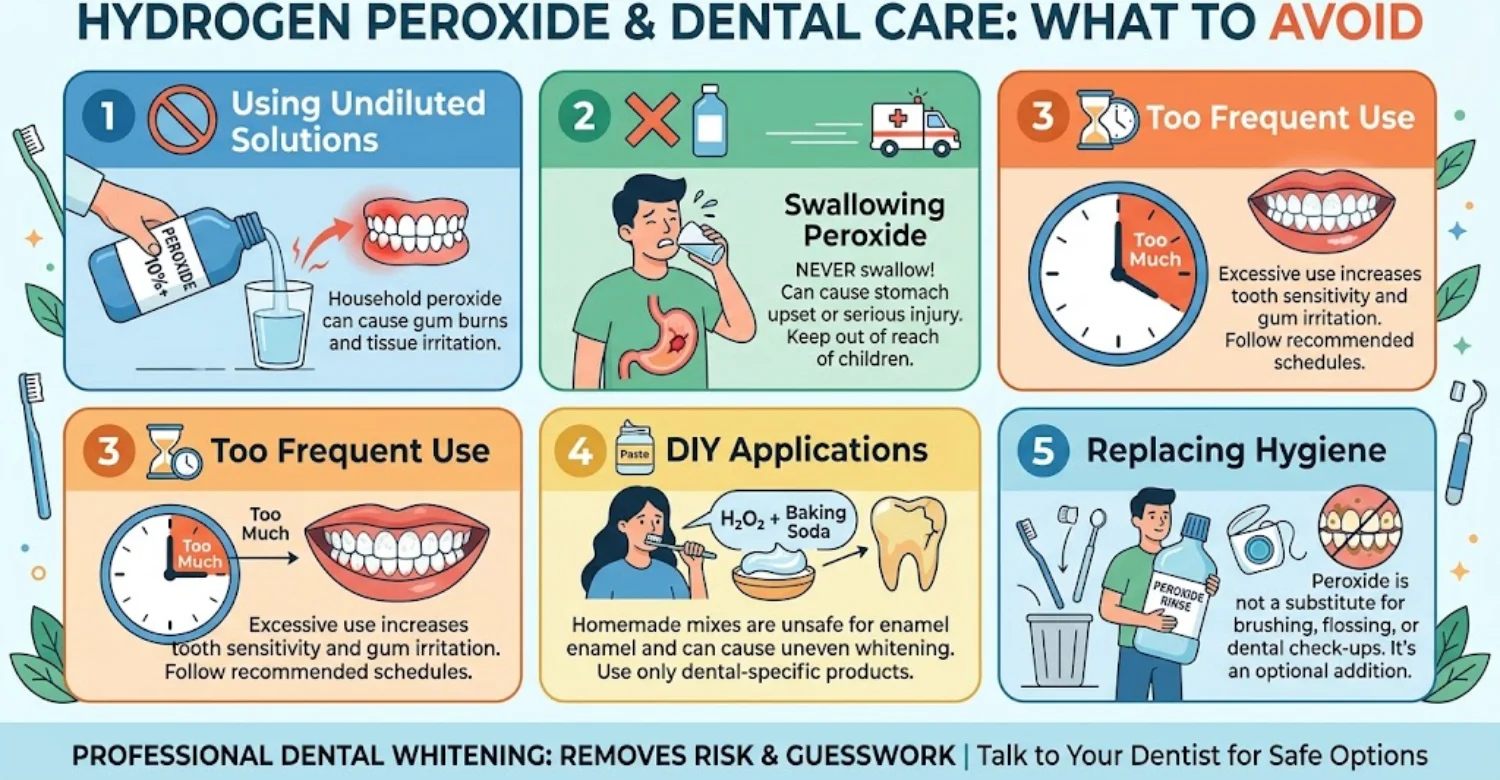
Most problems with peroxide come from avoidable mistakes. These include using undiluted or household solutions, swallowing them, overusing products, or replacing brushing with rinses. Avoiding these errors protects your teeth and gums. Choosing professional whitening removes much of the guesswork and risk.
Using Undiluted Hydrogen Peroxide
Even at 3 percent, undiluted solutions can burn the gums and soft tissues when used as a rinse. Stronger concentrations sold for hair or cleaning are far more dangerous. Always dilute household peroxide properly for rinsing. Better still, use products made and labeled for oral use.
Swallowing Hydrogen Peroxide
Hydrogen peroxide should never be swallowed. Small accidental amounts of diluted solution may cause stomach upset. Swallowing stronger concentrations can cause serious injury and needs urgent medical attention. Supervise children closely and store peroxide products safely. Always spit out rinses and excess whitening gel completely.
Using It Too Frequently
More is not better. Frequent peroxide rinsing can irritate soft tissues. Repeated whitening sessions may increase sensitivity and make teeth look chalky or translucent. Follow recommended schedules and allow time between courses. A dentist can advise how often hydrogen peroxide dental whitening touch-ups are right for you.
Applying Household Hydrogen Peroxide Directly to Teeth
Soaking cotton or a toothbrush in household peroxide and applying it to teeth is risky. It can cause uneven whitening, gum burns, and sensitivity. Homemade pastes with baking soda or lemon may also damage enamel. Household products are not designed for teeth, so dental-specific products are much safer.
Replacing Regular Oral Hygiene With Hydrogen Peroxide
Peroxide rinses cannot replace brushing twice daily with fluoride toothpaste. They also cannot replace cleaning between teeth or regular dental checkups. Rinses do not remove plaque from all surfaces, and they do not remove tartar. A dental rinse hydrogen peroxide product is only an optional addition to your daily routine.
Tips for the Patients
These tips help you use peroxide safely and get better whitening results:
Avoid undiluted or household-strength products in your mouth.
Never swallow rinses or gels.
Do not exceed the recommended frequency.
Keep brushing and flossing daily.
Choose professional hydrogen peroxide dental whitening at Vitrin Clinic for safe, supervised results.
When Should You See a Dentist About Teeth Whitening?
See a dentist before starting any whitening, and again if problems appear. A checkup before hydrogen peroxide dental whitening identifies cavities, gum disease, or restorations that affect results. You should also seek care for lasting sensitivity or irritated gums. The same applies to severe discoloration or results that fall short of expectations.
Persistent Tooth Sensitivity
Mild sensitivity during whitening is common and short-lived. See a dentist if it lasts more than a few days after stopping. The same applies if it becomes severe or affects one tooth in particular. It may signal enamel wear, exposed roots, a crack, or decay that needs treatment first.
Bleeding or Irritated Gums
Gums that burn, bleed, peel, or stay sore after using peroxide products need evaluation. The cause may be chemical irritation, poorly fitting trays, or underlying gum disease. A dentist can treat the irritation and check gum health. They can also recommend a safer whitening method that protects the soft tissues.
Severe Tooth Discoloration
Deep gray, brown, or uneven stains often do not respond well to home products. These stains may come from medications, fluorosis, trauma, or a dead nerve. A dentist can identify the cause and recommend the right treatment. Options include in-clinic whitening, internal bleaching for a single dark tooth, or veneers.
Existing Cavities or Damaged Enamel
Peroxide entering cavities, cracks, or worn enamel can cause sharp pain and irritate the nerve. Leaking fillings may also allow deeper penetration. These problems should be treated before whitening. A dental examination ensures teeth are healthy enough for bleaching. It also prevents painful, avoidable complications during treatment.
Whitening Results That Do Not Meet Expectations
If home whitening produced little change or uneven color, a dentist can explain why. Some stains need stronger professional gels, longer treatment, or different methods. Restorations will not change color at all. A professional assessment sets realistic expectations and helps you reach a brighter, more uniform shade.
Learn more about the pain of toothache
How Can Vitrin Clinic Help With Professional Teeth Whitening?
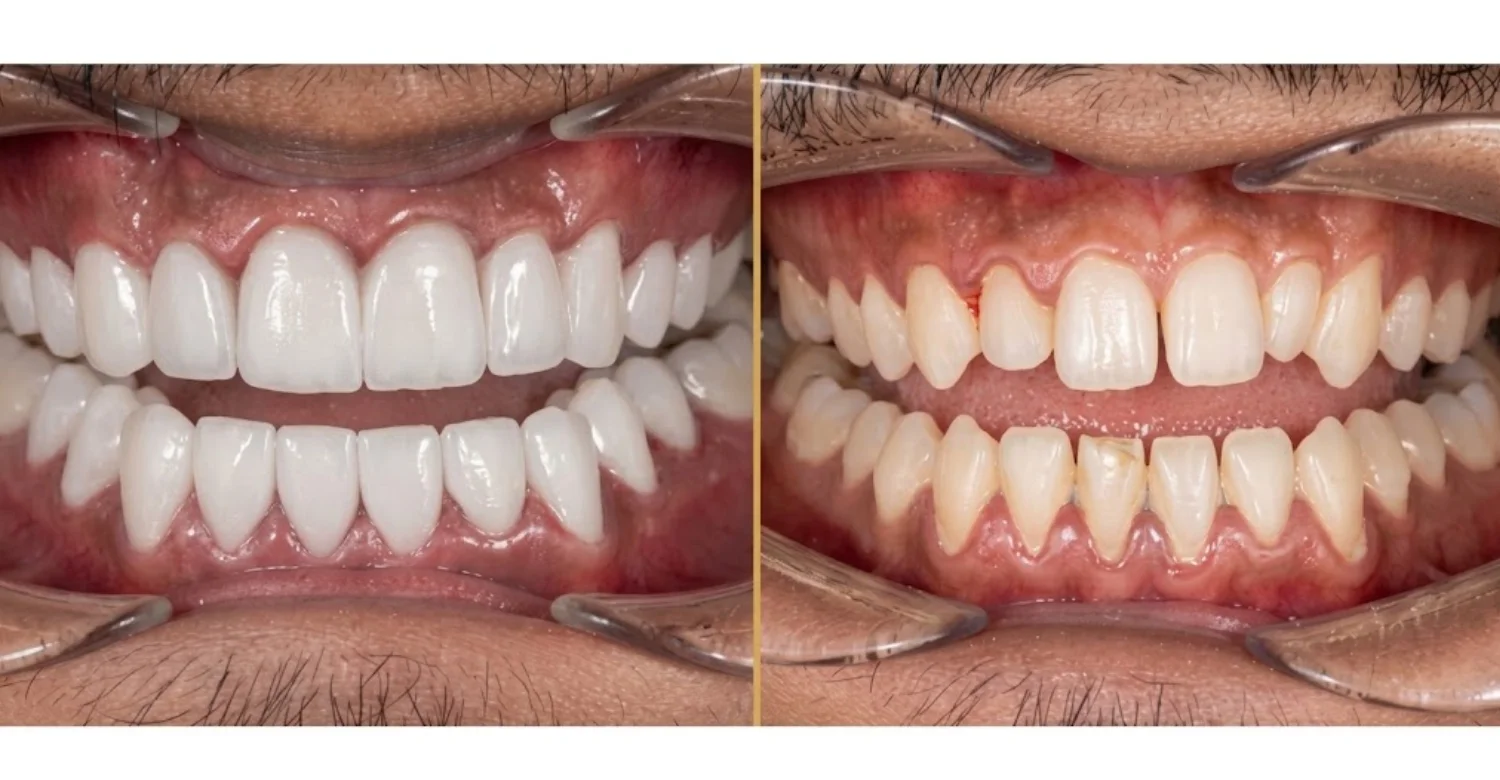
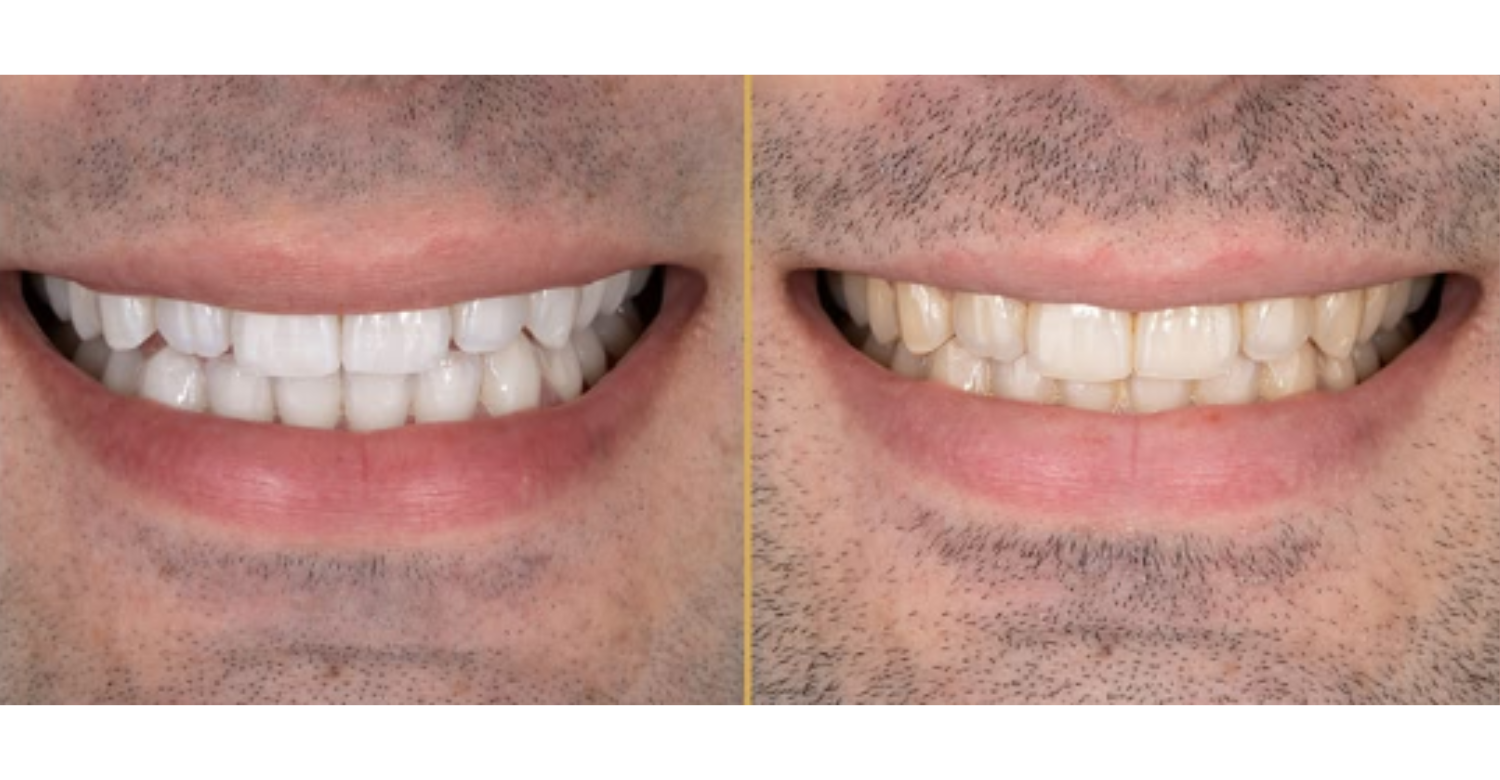
Vitrin Clinic is an excellent choice for safe, effective teeth whitening. The dental team performs professional hydrogen peroxide dental whitening after a full examination. Controlled gel strengths and gum protection are used throughout. Every treatment is tailored to the patient's teeth, sensitivity, and goals for a bright, lasting smile.
.jpg)
Professional Teeth Whitening at Vitrin Clinic
At Vitrin Clinic, whitening is performed by experienced dental professionals in a controlled clinical setting. Gums and soft tissues are protected, and gel application is timed precisely. Progress is monitored throughout. This approach delivers noticeable results, often in one visit. It also carries far less risk than home products or homemade remedies.
Personalized Whitening Assessment
Before treatment, Vitrin Clinic examines the teeth and gums and identifies the type and cause of staining. The team also checks for cavities, sensitivity, or restorations. Shade goals are discussed openly. This assessment confirms that peroxide whitening suits each patient and that expectations are realistic.
Safe and Controlled Whitening Procedures
Vitrin Clinic uses professional-grade gels with carefully selected concentrations. Protective gum barriers and precise application times are part of every session. Sensitivity is managed before, during, and after treatment. Patients also receive aftercare advice to maintain results. Where suitable, custom trays allow safe, supervised home touch-ups over time.
Clinical Perspective From Vitrin Clinic
The Vitrin Clinic medical team recommends assessing the teeth and gums before choosing a whitening method. Treatment is planned around each patient's dental condition, whitening goals, and overall oral health. This ensures the chosen approach is both effective and safe for the long term.
What We Notice Clinically
The Vitrin Clinic team often sees sensitivity, gum irritation, and uneven color after strong home products. Clinically, professional hydrogen peroxide dental whitening after a proper exam gives brighter, more even results. It also causes far less discomfort. That is why in-clinic treatment remains the recommended option.
Understand what factors affect your bite strength
Resource:
https://pubmed.ncbi.nlm.nih.gov/30562408/
https://link.springer.com/article/10.1007/s00784-009-0302-4
https://pubmed.ncbi.nlm.nih.gov/26245272/
FAQs
Dr. Rifat Alsaman has more than 5 years of clinical experience in dentistry and currently serves as the Head of the Medical Team at Vitrin Clinic. He is dedicated to providing exceptional patient care, overseeing treatment planning, and ensuring the highest clinical standards across the team. His expertise, attention to detail, and commitment to continuous professional development have helped countless patients achieve healthier, more confident smiles.


