Hollywood Smile
September 27, 2026
Hollywood Smile vs Veneers: What Is the Difference?
 Dr. Rifat Alsaman
Choosing a cosmetic dental option starts with understanding what each term actually means. Veneers are specific restorations bonded to the front surfaces of teeth. A Hollywood smile is broader and can combine several cosmetic treatments into one plan. The Hollywood smile vs veneers question therefore compares a treatment concept with a single restoration type. The right approach depends on tooth structure, gum health, bite, facial proportions, and aesthetic goals. Patients may benefit from whitening, bonding, veneers, crowns, orthodontics, or gum contouring. Research supports careful long-term planning for ceramic veneers. One systematic review estimated a 95.5% cumulative survival rate after ten years. At Vitrin Clinic, every plan begins with a personalized examination rather than a package name.
What Is a Hollywood Smile?
A Hollywood smile describes a highly customized cosmetic smile transformation. The term does not name one restoration, material, or clinical procedure. A plan may improve color, shape, symmetry, spacing, or visible tooth proportions. The exact combination differs because natural teeth and oral conditions vary between people. A makeover can involve veneers, whitening, bonding, crowns, or gum procedures. A conservative plan can improve the smile while preserving healthy natural tooth structure. Planning should also consider chewing, speech, gum health, and bite relationships. Digital smile planning may improve communication between clinicians and patients. Vitrin Clinic evaluates these factors before recommending any cosmetic pathway.
Is a Hollywood Smile a Specific Dental Treatment?
No, the phrase describes a cosmetic outcome rather than one standardized dental procedure. No fixed material, tooth count, or restoration type is attached to it. One patient's plan may use porcelain veneers. Another may use composite bonding and professional whitening. A third may need crowns because certain teeth are structurally weak. Patients should therefore ask which exact procedures their plan includes. This keeps marketing language from replacing a clear clinical explanation.
What Treatments Can Be Included in a Hollywood Smile?
A cosmetic smile plan can include several treatments, depending on the starting condition. Common options include veneers, bonding, whitening, crowns, and gum contouring. Some patients need orthodontic correction before any restorations are placed. Others need decay or gum disease treated first. Materials may include ceramic, lithium disilicate, composite resin, or zirconia. Each material has different indications, appearance, and maintenance needs. The procedures chosen should reflect clinical need, not a predetermined package.
Porcelain or Ceramic Veneers
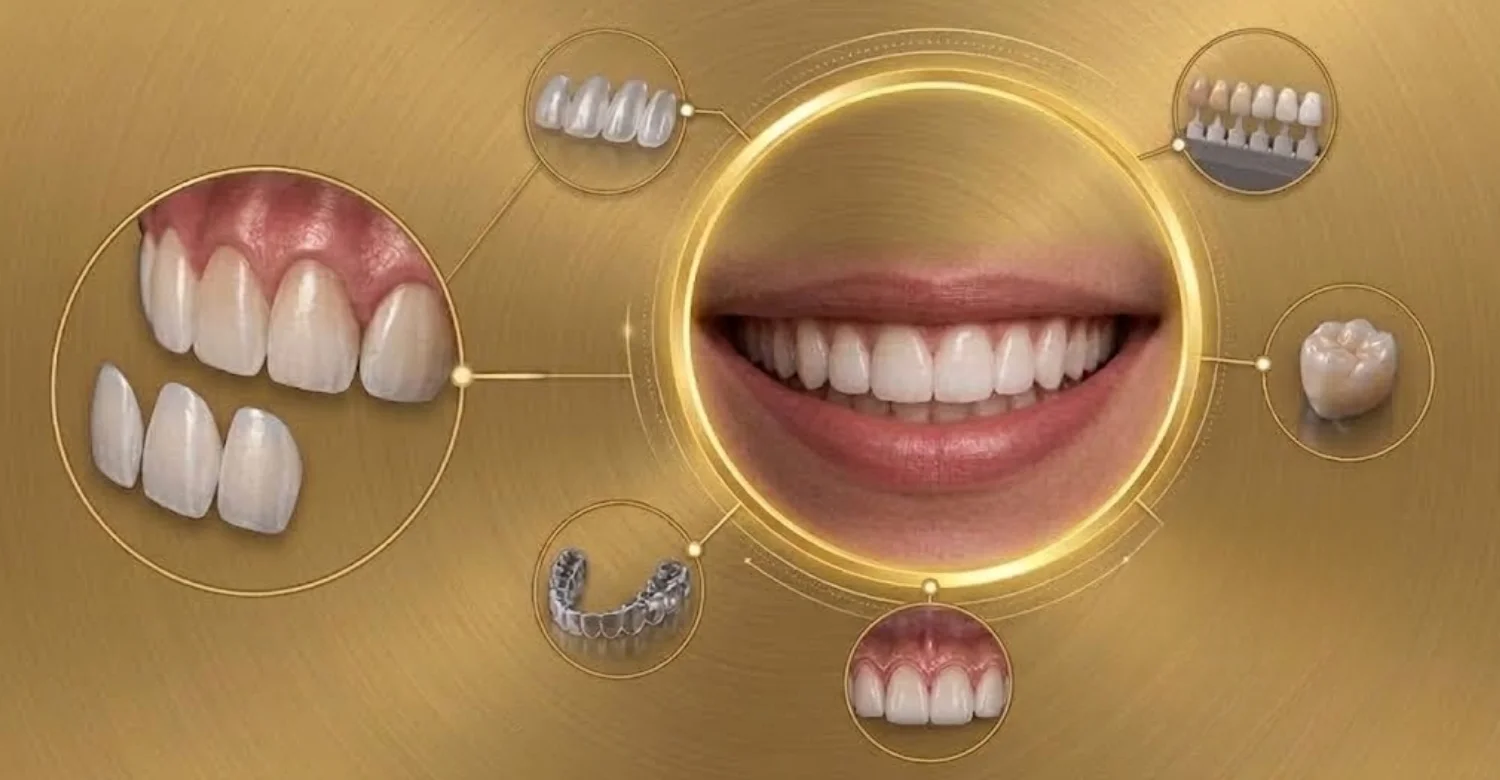
Ceramic veneers are thin shells covering the visible surfaces of selected teeth. They can change color, shape, proportion, and minor surface defects. Most conventional ceramic veneers need some enamel preparation. Preserving enamel supports stronger and more predictable bonding. The laboratory customizes shade, translucency, and surface texture for each tooth. Long-term evidence shows high survival, though fracture and debonding remain possible.
Composite Veneers or Bonding
Composite veneers use tooth-colored resin shaped directly on the tooth surface. They suit small gaps, minor chips, and localized discoloration. This option often preserves more natural tooth structure. Small chips can usually be repaired without replacing the whole restoration. However, resin stains and wears faster than ceramic. Composite also works well for testing a design before committing to ceramic.
Teeth Whitening
Professional whitening changes tooth color but not tooth shape. Results depend on the cause of staining and the starting shade. Existing fillings and crowns do not whiten like natural enamel. Whitening is often done before veneers to set the target shade. Cavities and gum irritation should be treated before whitening begins.
Dental Crowns When Clinically Indicated
Crowns cover much more of the tooth than veneers. They suit heavily damaged, weakened, or some root-treated teeth. Crowns require noticeably greater tooth reduction than veneers. Healthy teeth should not receive crowns purely for cosmetic change. Patients should ask why each proposed crown is clinically necessary.
Gum Contouring or Other Cosmetic Procedures
Gum contouring reshapes the gum line around selected teeth. It can correct an uneven margin or excessive gum display. Gums must be healthy before any elective reshaping. The dentist also considers periodontal anatomy and tooth proportions. Removing too much tissue may cause sensitivity or recession.
What Does a Hollywood Smile Usually Aim to Change?
Most plans aim to balance tooth color, shape, position, and visible proportions. Some patients mainly want brighter teeth. Others focus on chipped edges, uneven lengths, small spaces, or asymmetry. The design should suit the patient's face rather than a universal template. Teeth must look natural both at rest and when smiling. Restorations must also function comfortably during chewing and speech.
Tooth Color
Color is often the most noticeable feature of a smile. Discoloration may come from staining, aging, trauma, medication, or old restorations. Veneers can change color and shape together. The dentist should identify the source of discoloration before choosing treatment. Very bright shades may look artificial without natural translucency. Restorations cannot be whitened after placement, so shade selection matters.
Tooth Shape and Proportion
Tooth shape strongly influences overall smile balance. Short, narrow, worn, or irregular teeth may look asymmetrical. Veneers can adjust selected dimensions within the available space. Oversized teeth may affect speech, bite, or lip support. Small natural variations often look more realistic than identical teeth.
Tooth Alignment and Symmetry
Minor rotations or spaces can sometimes be masked with restorations. Larger alignment problems may need orthodontics first. Forcing perfect symmetry with restorations can require excessive tooth preparation. Symmetry is judged against the lips, face, and gum margins. Slight left-right differences are normal and often look natural.
Smile Line and Tooth Display
The smile line describes how teeth, lips, and gums appear when smiling. Lip movement can make the same restoration look different between patients. Tooth length should therefore be planned with the face in motion. Excessive length may affect speech or bite contacts. The gum display also changes how balanced the smile appears.
Read more about Dentinogenesis Imperfecta and Tooth Loss
What Are Dental Veneers?
Dental veneers are thin restorations bonded to the visible surfaces of teeth. They treat selected concerns involving color, shape, size, or minor surface defects. Veneers can be made from ceramic or composite materials. Preparation varies with the material and the clinical situation. Some cases need conventional enamel reduction. Others qualify for minimal-preparation approaches. When patients weigh Hollywood smiles vs veneers, they should remember veneers are one defined tool. Success depends on diagnosis, preparation, bonding, bite, material, and maintenance. Veneers are not interchangeable with crowns, which cover far more of the tooth.
How Do Veneers Work?
Veneers change the visible surface of a tooth with a custom restorative layer. The dentist prepares the tooth according to the chosen approach. A digital scan or impression then records the prepared shape. The laboratory fabricates each veneer to the prescribed design and shade. During try-in, the dentist checks appearance, margins, and contacts. Final bonding follows a careful adhesive protocol. Enamel preservation strongly supports bond strength. Good hygiene and regular reviews help veneers last.
What Types of Veneers Are Available?
Veneers differ by material, thickness, fabrication method, and preparation needs. Porcelain and ceramic veneers are laboratory-made and durable. E-max usually refers to lithium-disilicate ceramic with good translucency and strength. Composite veneers are placed directly in the dental chair. Minimal-preparation and no-prep options suit selected cases only. The right type depends on tooth position, color, enamel, bite, and goals.
Porcelain and Ceramic Veneers
Porcelain veneers are custom restorations bonded to the front of teeth. Different ceramic systems offer different optical and mechanical properties. A systematic review of 25 studies covered about 6,500 veneers. It estimated 95.5% cumulative survival after ten years. That figure describes study populations, not a personal guarantee.
E-max Veneers
E-max veneers are made from lithium-disilicate glass ceramic. The material combines useful strength with natural-looking translucency. E-max does not automatically mean no-preparation treatment. Bite forces and grinding also influence suitability. A 2024 meta-analysis reported 96.81% pooled ten-year survival for lithium-disilicate veneers.
Composite Veneers
Composite veneers are resin restorations shaped directly on the tooth. They suit minor shape or surface changes. Small defects can often be repaired without full replacement. Resin may stain and wear over time. Composite should be chosen for clinical fit, not price alone.
No-Prep and Minimal-Preparation Veneers
These veneers aim to reduce removal of natural tooth structure. They suit teeth with favorable shape, position, and available space. Adding material without space can create bulky contours. Cleveland Clinic notes that no-prep veneers often still require some enamel removal. Patients should ask exactly how much enamel will change.
Are Veneers the Same as a Hollywood Smile?
No. Veneers are specific restorations, while the other term describes an overall cosmetic plan. A patient can receive veneers without a full makeover. Another patient can have a makeover without any veneers. This is the core of the Hollywood smile vs veneers distinction. A clear plan lists every procedure separately and explains why each is needed.
Learn more about Tooth Autotransplantation in Young Patients
Hollywood Smile vs Veneers: What Is the Difference?
The central difference is scope. Veneers are a specific restorative method. A Hollywood smile describes a broader outcome involving one or several treatments. Veneers may form one part of that broader plan. So the Hollywood smile vs veneers comparison is not a choice between equals. Treatment can range from a few front restorations to wider rehabilitation. Materials may include ceramic, lithium disilicate, composite, or zirconia. A useful comparison focuses on procedures, materials, preparation, indications, and maintenance. Digital planning can make these differences clearer before treatment starts.
Hollywood Smile vs Veneers at a Glance
The points below summarize the Hollywood smile vs veneers comparison factor by factor. Terminology alone cannot establish a treatment plan. A broader makeover may include veneers, but it does not have to.
Definition
A Hollywood smile is a broad cosmetic treatment concept. Veneers are a specific dental restoration bonded to visible tooth surfaces. This definition gap sits at the heart of every Hollywood smile vs veneers discussion.
Treatment Components
A smile plan may combine whitening, bonding, veneers, crowns, orthodontics, or gum contouring. Veneer treatment focuses mainly on the veneer restorations themselves. Put simply, Hollywood smile vs veneers means a full plan versus one procedure.
Tooth Preparation
Preparation in a broader plan depends on every selected procedure. Whitening needs none, while crowns need substantial reduction. Veneer preparation depends on the veneer type and design. Some veneers need minimal enamel change, others controlled reduction.
Materials
A broader plan can use ceramic, composite, zirconia, or other materials. Veneers are commonly ceramic, lithium disilicate, or composite. Material choice in Hollywood smile vs veneers planning should follow anatomy and bite.
Number of Teeth Treated
Both approaches treat a variable number of teeth. Some patients need only a few front restorations. Others need wider treatment for shade or symmetry. The count should follow the smile design, not a package.
Customization
A smile plan is customized at the level of the whole smile. It balances teeth, gums, lips, and facial proportions. Veneers are customized tooth by tooth for shape, shade, and translucency. Good Hollywood smile vs veneers planning uses both levels together.
Maintenance
A broader plan needs maintenance for every procedure performed. Whitened teeth, composite, and crowns each have different care needs. Veneers need good hygiene, regular reviews, and protection from grinding.
Cost
A smile makeover is priced on the complete treatment plan. Veneers are usually priced per tooth or restoration. That is why Hollywood smile vs veneers quotes can differ so sharply.
Veneers vs Hollywood Smile: Which One Is Actually a Treatment?
Veneers are a defined restorative treatment. The broader term is better understood as a descriptive cosmetic concept. This distinction affects consultations, quotes, and informed consent. Patients should request a detailed procedure list, not a package title. The list should show tooth count, material, preparation, and extra procedures. Framing Hollywood smiles vs veneers this way helps patients compare quotes accurately.
Can Veneers Be Part of a Hollywood Smile?
Yes. Veneers are often a central part of a comprehensive smile plan. They may be combined with whitening or other restorations. Some patients need only upper front veneers. Others need more restorations to balance a wider smile. Healthy teeth should not be altered without a clear reason. The plan should explain preparation, materials, risks, and future replacement.
Can You Have a Hollywood Smile Without Veneers?
Yes. Whitening can change natural tooth color without any restorations. Bonding can reshape limited areas of teeth. Orthodontics can correct alignment and spacing. Gum contouring can adjust soft-tissue proportions. The most conservative option sometimes solves the main concern with less tooth alteration. Vitrin Clinic considers all options rather than assuming veneers are needed.
Understand the details of Folate Deficiency and Oral Health
How Is a Hollywood Smile Planned?
Planning begins with diagnosis and clear goal setting. The dentist evaluates teeth, gums, bite, facial proportions, and existing restorations. Digital smile design turns aesthetic goals into proposed tooth dimensions. The plan should follow the least invasive suitable sequence. Necessary restorative or gum care comes before elective cosmetic work. A 2025 systematic review linked digital smile design with better satisfaction and communication. However, it noted varied study methods and limited evidence quality. Patients should also understand maintenance and possible replacement from the start.
What Does a Cosmetic Dentist Assess Before Treatment?
The dentist first checks overall oral health and each tooth's condition. Enamel, old restorations, wear, and visible defects are all reviewed. Gums are examined for inflammation, bleeding, and recession. The bite is checked for heavy contacts or functional risks. Imaging can reveal problems invisible during a visual examination. The dentist then compares the patient's goals with realistic options.
Tooth and Gum Health
Healthy gums form the foundation for predictable cosmetic work. Inflammation affects appearance, restoration margins, and long-term maintenance. Decay around restorations can cause future complications. Cosmetic work should never replace necessary dental care. Treating disease first creates a more stable foundation.
Tooth Structure and Existing Restorations
Remaining tooth structure shapes restoration choice and bonding. Teeth with good enamel often suit adhesive veneers. Heavily filled teeth may need a different approach. Existing crowns may require replacement rather than new veneers. A ten-year study linked extensive dentin exposure with more future interventions.
Bite and Occlusion
Occlusion describes how upper and lower teeth meet during function. Heavy contacts can raise the risk of fracture or debonding. Deep bites add extra load to front restorations. Veneer length and edge coverage also affect functional forces. A cosmetic result should never be planned separately from function.
Tooth Proportions and Facial Symmetry
Dentists assess tooth width, length, and gum display against the face. Perfect numerical symmetry is rarely necessary. Small natural differences often look more realistic. Oversized teeth may cause speech or bite problems. Very narrow teeth may fail to balance the smile.
Existing Tooth Color and Staining
Baseline shade affects material choice and final appearance. Whitening is often recommended before choosing the veneer shade. Trauma-related staining may need restorative treatment instead. Very dark teeth may require specific masking strategies. Veneers change color permanently but cannot be whitened later.
Why Is a Smile Design Important Before Veneers?
Smile design turns broad preferences into measurable restorative targets. It sets tooth length, width, contour, shade, and symmetry. Without it, veneers may clash with neighboring teeth or facial features. Patients can agree on preferred shapes before anything is fabricated. The design also exposes functional concerns early. It guides treatment but does not guarantee the final result.
Can Digital Smile Design Show the Potential Result Before Treatment?
Digital smile design simulates proposed tooth dimensions and smile proportions. Patients can compare design options before any tooth preparation. Lighting, lip movement, and material translucency still affect real results. Research shows positive patient outcomes, though studies are small and varied. Treat the simulation as a planning aid, not a promise.
When Are X-Rays, CBCT, or 3D Scanning Used?
Imaging is chosen according to the clinical question. X-rays can reveal decay, bone levels, or hidden problems. CBCT gives three-dimensional detail when deeper evaluation is needed. It is not required for every veneer case. 3D intraoral scans record tooth surfaces for digital workflows. Radiation exposure should always be justified by clinical benefit.
Explore the facts on Tirzepatide Dental Side Effects
Who May Be a Candidate for Veneers or a Hollywood Smile?
Good candidates have healthy mouths and realistic expectations. Teeth are checked for decay, fractures, gum disease, and structural weakness. Severe bite problems may need orthodontics first. Grinding influences material choice and protective planning. Veneers suit patients with sound enamel and selected cosmetic concerns. A broader makeover may suit several concerns at once. In the Hollywood smile vs veneers decision, more treatment is not automatically better. Conservative options come first when they can meet the patient's goals.
Which Cosmetic Concerns Can Veneers Address?
Veneers can treat discoloration, minor shape irregularities, localized wear, and small spaces. They can also improve selected asymmetries and proportions. They are especially useful when color and shape both need change. Orthodontics may suit major positional problems better. Whitening may be enough when color is the only concern.
When Might Other Dental Treatments Be Needed First?
Necessary dental care should come before elective cosmetic work. Decay, gum inflammation, cracks, bite problems, and severe wear all need attention. Treating these first creates a stronger foundation for aesthetic work. Sequencing depends on urgency and clinical findings. Patients should understand any untreated problems before cosmetic procedures begin.
Tooth Decay
Active decay must be treated before veneer placement. Covering a cavity does not remove the underlying disease. The tooth may need a filling or further care first. Deep decay can affect the pulp and require root canal treatment.
Gum Disease
Gum disease affects both appearance and restoration longevity. Inflamed gums bleed and complicate margin placement. Swelling can also distort apparent tooth proportions. Professional cleaning and periodontal therapy may be needed first.
Cracked or Weakened Teeth
A thin veneer may not protect a structurally damaged tooth. A crown can be more suitable in some cases. The decision depends on crack depth, location, and symptoms. Imaging may help when hidden cracks are suspected.
Bite Problems
Deep bites, crossbites, open bites, or heavy contacts can threaten restorations. Crowding may also limit restorative space. Orthodontics can reposition teeth more conservatively than heavy preparation. A nightguard may help patients who grind.
Severe Tooth Wear
Wear may come from grinding, erosion, abrasion, or a mix of these. The cause should be managed before restoring worn teeth. Otherwise the same forces may damage new restorations. Restoring height requires careful planning of bite space.
When Might Veneers Not Be the Appropriate First Choice?
Veneers may not come first when other conditions need treatment. Active decay, uncontrolled gum disease, or weak teeth change the sequence. Major alignment problems may need orthodontics first. Severe grinding increases restorative risk. Very protrusive teeth may need repositioning rather than coverage. Patients should ask whether a less invasive option could meet their goal.
What We Notice Clinically
Clinical evaluation often shows that cosmetic labels miss the full dental picture. Two patients requesting similar smiles may need very different treatments. One may need only whitening and limited bonding. Another may need restorative care before any aesthetic work. Photographs alone cannot show every relevant factor. X-rays may reveal decay, bone changes, or old treatment problems. A conservative plan targets the specific problem rather than maximizing restorations. This practical view reframes Hollywood smile vs veneers as a question of clinical fit.
A Hollywood Smile Does Not Automatically Mean Full-Mouth Veneers
The term does not require veneers on every visible tooth. Some teeth may need only whitening or minor bonding. Others may need ceramic restorations for color or shape. Full-mouth treatment can unnecessarily alter healthy teeth. Patients should ask which teeth need treatment and why.
Healthy Natural Teeth Should Be Assessed Before Cosmetic Treatment
Healthy teeth should not be prepared automatically for cosmetic reasons. Whitening or minor reshaping may be enough. Sound enamel supports strong adhesive bonding. One ten-year study found higher intervention needs when dentin covered over half the bonding surface. This supports conservative, individualized preparation.
Tooth Preparation Can Differ Significantly Between Cases
Preparation is not identical for every patient. Some teeth need minimal enamel reduction. Others need more because of position, color, or old restorations. Over-preparation exposes dentin and complicates bonding. Under-preparation can create bulky contours or thin material. The dentist should explain the planned depth before treatment.
Aesthetic Goals Should Be Balanced With Bite, Function, and Tooth Structure
Aesthetics should never be planned separately from function. Tooth length affects speech, guidance, and bite contacts. Bulky contours can make cleaning difficult. Material choice should reflect expected chewing forces. The final result must support comfortable chewing and easy hygiene.
Why “Before and After” Photos Do Not Tell the Whole Clinical Story
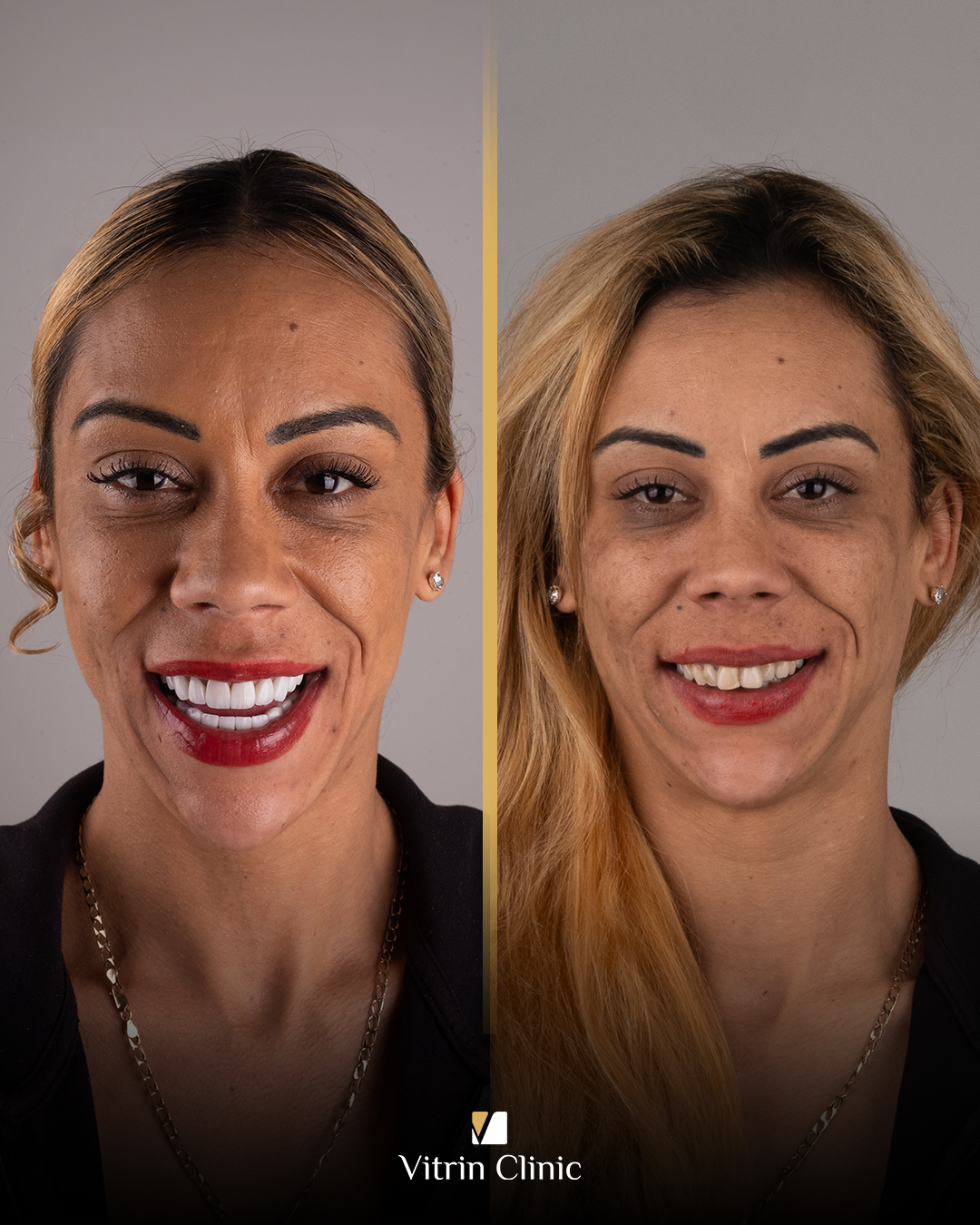
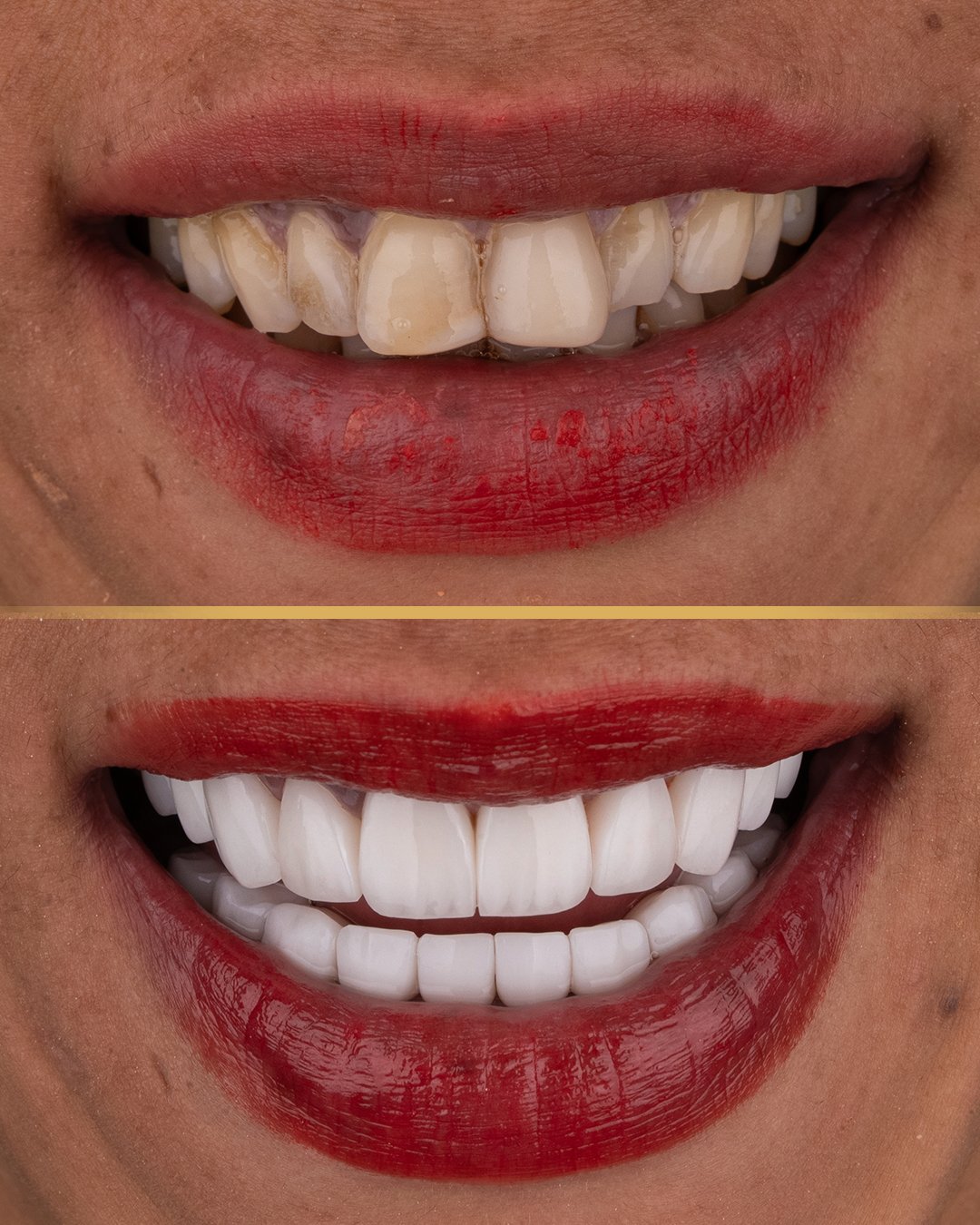
Photos show visual change but hide the clinical process. They cannot show enamel removal, bite contacts, or restoration margins. Lighting, angles, and editing can also differ between images. Use photos as style references, not proof of quality. Ask what material was used and how much tooth was prepared.
Common Misconceptions About Hollywood Smiles and Veneers
Marketing language often blurs the line between treatments. Many patients assume every cosmetic smile uses identical materials and preparation. That assumption is clinically inaccurate. Veneers differ in material, thickness, preparation, and fabrication. A broader makeover may include procedures unrelated to veneers. Clearing up Hollywood smiles vs veneers myths helps patients ask better questions. Patients should also learn which procedures are permanent and which are reversible.
“Hollywood Smile” Always Means Veneers
The term does not automatically mean veneers. Whitening, bonding, crowns, gum contouring, and orthodontics may all appear in plans. Some patients achieve their goal with conservative options alone. Ask for a tooth-by-tooth explanation of any proposed plan. This also makes price comparisons between clinics more accurate.
More Treated Teeth Always Means a Better Result
Treating more teeth does not guarantee a better result. Extra restorations add preparation, cost, maintenance, and risk. Some concerns involve only a few front teeth. The dentist should define the minimum appropriate treatment area. Patients should ask why each proposed tooth is included.
Veneers Are Always Completely Reversible
Veneers are not automatically reversible. Conventional veneers usually require removing some enamel. Enamel does not grow back once removed. Even minimal-preparation methods can permanently change teeth. Patients should plan for possible future replacement.
All Veneers Require the Same Amount of Tooth Preparation
Preparation depends on tooth position, anatomy, material, and desired change. Some cases need minimal preparation. Others need controlled reduction to create space. Existing restorations and dark shades can also change requirements. Each tooth should be assessed individually.
Clinical Note
Cosmetic dentistry involves both biology and aesthetics. An attractive design still needs stable gums, sound teeth, and a functional bite. Patients should understand why each restoration is proposed. This includes preparation depth, material, tooth selection, and maintenance. Evidence shows veneers can survive well over the long term. One systematic review found fracture was the most commonly reported complication. Debonding was another recognized problem. Cosmetic dentistry should be approached as restorative healthcare, not only appearance enhancement.
Dr. Rifat Alsaman, Head of the Medical Team at Vitrin Clinic and cosmetic dentist, on Individualized Smile Planning
Dr. Rifat Alsaman leads the medical team at Vitrin Clinic and practices cosmetic dentistry. He emphasizes individualized smile planning for every patient. Teeth, gums, bite, and goals differ widely between people. A standard package may not reflect those differences. Assessment should therefore come before any recommendation. The final design must stay within the limits of healthy tooth structure.
Why the Appropriate Treatment Depends on Tooth Structure, Gum Health, Bite, and Aesthetic Goals
The same concern can have different causes in different patients. Discoloration may need whitening in one case and veneers in another. Short teeth may reflect natural anatomy or severe wear. Gum asymmetry can change how long teeth appear. Bite forces decide which designs are safe. Treatment should follow assessment, not a fixed package.
Check out the connection between X-linked Hypophosphatemia and Dental Damage
Hollywood Smile vs Veneers: Treatment Process Compared
The process depends on whether the patient needs limited veneers or a broader plan. Veneer treatment moves through examination, design, preparation, fabrication, and bonding. A broader makeover adds other procedures in a planned sequence. Whitening may come before final shade selection. Orthodontics may be needed before restorative work begins. Timelines for Hollywood smile vs veneers treatment can differ by weeks or months. The exact schedule should be explained before travel or treatment begins.
What Happens During a Veneer Treatment?
Veneer treatment follows several planned clinical stages. It begins with an examination and discussion of goals. Records and scans support the design. Teeth are prepared, scanned, and sometimes fitted with temporaries. Final veneers are tried in, bonded, and checked for bite. Patients then receive maintenance instructions.
Consultation and Clinical Examination
The consultation clarifies the patient's priorities and starting point. The dentist reviews concerns about color, shape, spacing, and alignment. The mouth is checked for decay, gum problems, cracks, and wear. Photos and scans document the baseline smile. The dentist then explains suitable options and their limits.
Smile Design and Treatment Planning
Smile design converts preferences into a structured plan. Tooth widths, lengths, and contours are assessed together. Digital tools can preview proposed changes. The plan specifies which teeth receive which restoration. It also lists any preliminary treatment needed.
Tooth Preparation When Required
Preparation removes a controlled amount of tooth when the design requires it. The goal is enough space while keeping healthy enamel. Some teeth need very little reduction. Others need more because of shape or old restorations. Preparation should match the laboratory design, not an arbitrary depth.
Digital or Conventional Impressions
Impressions record the teeth for laboratory fabrication. Intraoral scanners create a three-dimensional digital model. Conventional physical impressions also work well when used correctly. Digital scans simplify storage and laboratory communication. The scan must capture margins, contacts, and relevant anatomy accurately.
Temporary Restorations When Appropriate
Temporaries protect prepared teeth while the laboratory works. They also let patients test the proposed shape. Their look and strength differ from final restorations. Sticky or hard foods may damage them. Any looseness or fracture should be reported promptly.
Veneer Try-In and Bonding
Try-in lets the dentist check veneers before permanent bonding. Shape, shade, length, margins, and fit are assessed. Adjustments can be made at this stage. Bonding then follows careful isolation and surface treatment. Proper bonding reduces the risk of later debonding.
Final Bite and Aesthetic Checks
Final checks confirm comfort and appearance. The dentist tests bite contacts during closing and movement. The smile is reviewed from several angles and during natural expression. Hygiene access around margins is also confirmed. Small polishing adjustments may be made before the patient leaves.
What Happens During a Broader Hollywood Smile Makeover?
A broader makeover combines several procedures in a coordinated order. Necessary fillings or gum treatment come first. Whitening may follow before final shade selection. Veneers, crowns, or bonding are then placed. Orthodontics may add a longer preliminary phase. Each stage should have a clear purpose.
How Long Does the Treatment Take?
Duration depends on the number of teeth and procedures. Limited veneer cases need fewer appointments than full makeovers. Laboratory time also affects the schedule. Orthodontics or gum therapy can extend treatment considerably. International patients should receive a clear itinerary before booking flights. Exact timing should always be confirmed clinically.
Can a Hollywood Smile Be Completed in One Visit?
Some procedures, like direct bonding or whitening, can be done in one visit. Traditional ceramic veneers usually need planning and fabrication time. Same-day options depend on case suitability and digital workflows. Rushing can compromise diagnosis and design. Ask whether same-day treatment changes the material or process.
Discover how Peri-Implant Bone Loss is Detected
Hollywood Smile vs Veneers: Side Effects and Risks
Cosmetic restorations can last for years, but they are not risk-free. Possible issues include sensitivity, gum irritation, fracture, debonding, marginal staining, and secondary decay. Risk depends on preparation, bonding, material, bite forces, and hygiene. Grinding adds mechanical stress to restorations. A broader plan carries the combined risks of every included procedure. That makes Hollywood smile vs veneers risk discussions highly individual. A review of 25 studies listed fracture and debonding among the commonest problems. Patients should understand possible complications before starting treatment.
What Are the Possible Side Effects of Veneers?
Effects range from short-term sensitivity to long-term restorative problems. Some patients feel sensitivity after preparation. Gums may be irritated while adapting to new margins. Ceramic can chip under heavy force. Veneers can debond or develop marginal staining. None of these outcomes is inevitable.
Temporary Tooth Sensitivity
Sensitivity can follow enamel preparation or bonding. Cold, hot, or sweet foods may trigger it. Mild sensitivity usually fades as teeth settle. Persistent or worsening sensitivity needs professional assessment. Severe or throbbing pain should be checked promptly.
Gum Irritation
Mild redness can follow tissue handling during treatment. Gums usually settle with gentle, consistent hygiene. Persistent bleeding may signal excess contour or gum disease. Swelling that does not improve should be evaluated. Avoid aggressive brushing near healing gums.
Chipping or Fracture
Ceramic veneers can chip under excessive force. Hard foods, objects, and grinding increase risk. Small chips may be polished or repaired. Larger fractures usually need replacement. Never use restored teeth to open packages.
Debonding
Debonding means the veneer separates from the tooth. Causes include adhesive failure, contamination, or heavy bite forces. Never reattach a veneer at home. Keep the veneer safe and see the dentist promptly. The dentist will check the cause to prevent recurrence.
Marginal Discoloration
Staining can appear where the veneer meets the tooth. Coffee, tea, smoking, and plaque can contribute. Ceramic resists staining better than composite. Minor stains may be polished away professionally. A dark margin does not always mean treatment failure.
Secondary Caries Around Restorations
Decay can develop around restoration margins. Poor plaque control is the main preventable factor. Veneers do not make teeth immune to decay. Regular checkups catch early changes. Food trapping or gum inflammation deserve prompt evaluation.
What Risks Depend on Tooth Preparation?
Preparation affects sensitivity, bonding, and tooth strength. Deeper preparation exposes more dentin. Dentin bonds less predictably than enamel. Excessive removal also weakens the natural tooth. Ask whether preparation will stay within enamel.
Can Veneers Affect the Bite?
Poorly designed veneers can change bite contacts. Tooth length and edge coverage influence function. The dentist checks the bite at try-in and after bonding. Report any tooth that consistently touches first. Ongoing bite changes add stress to restorations.
Can Veneers Require Replacement?
Yes. Veneers are durable but not permanent. Fracture, wear, debonding, or margin problems may require replacement. Survival statistics describe groups, not individual guarantees. Replacing a veneer may involve further preparation. This is why long-term planning matters from the start.
What Can Increase the Risk of Veneer Complications?
Several factors raise complication risk. They include poor hygiene, grinding, weak planning, and excessive preparation. Smoking and staining habits affect appearance. Protective measures can reduce some risks. These include nightguards, dietary changes, and hygiene support.
Poor Oral Hygiene
Plaque near margins drives inflammation and decay. Brush twice daily with fluoride toothpaste. Clean between teeth every day. Some patients find a water flosser helpful. Book regular professional cleanings.
Bruxism or Teeth Grinding
Grinding places heavy repeated forces on restorations. It can cause chipping, fracture, or debonding. Many people grind during sleep without knowing. Flattened edges or morning jaw pain may be signs. A nightguard is often recommended.
Inadequate Treatment Planning
Weak planning affects looks, function, and longevity. The dentist should define exactly which teeth need treatment. Digital design supports but never replaces examination. The laboratory needs accurate design information. Patients should get clear answers before treatment starts.
Excessive Tooth Preparation
Over-preparation removes more teeth than necessary. It exposes dentin and complicates future treatment. No single depth suits every patient. Ask how much structure will be removed. Ask whether minimal-preparation options fit your case.
When Should You Contact Your Dentist After Cosmetic Dental Treatment?
Contact the dentist when symptoms persist, worsen, or affect function. Mild sensitivity should improve, not intensify. Swelling or significant gum changes need assessment. Loose or cracked restorations need prompt review. Never attempt permanent home repairs. Early review can stop small issues becoming complex.
Persistent or Increasing Pain
Worsening pain may signal pulp irritation or bite trauma. Its cause cannot be judged from symptoms alone. Avoid testing the tooth with extreme temperatures. Pain relief should not replace a dental assessment.
Significant Sensitivity
Sensitivity lingering after the trigger deserves evaluation. Note the trigger, duration, and intensity. Desensitizing toothpaste may help meanwhile. Keep brushing unless told otherwise.
Swelling or Gum Changes
Persistent swelling may indicate infection or inflammation. Handle irritated gums gently. Keep cleaning carefully around the area. A dentist should check the margins and tissue.
A Loose, Cracked, or Chipped Restoration
Stop chewing on the damaged restoration. Avoid hard or sticky foods nearby. Keep any detached veneer safe. The dentist will decide between repair and replacement.
Changes in Bite That Do Not Resolve
A high contact overloads the restoration. Chewing discomfort may point to a bite issue. Never adjust the restoration yourself. Minor professional adjustments usually fix it.
Relief and Recovery After Veneers or a Hollywood Smile
Recovery is usually manageable. Temporary sensitivity or gum irritation may occur. Symptoms depend on the procedures and preparation depth. Follow the personal instructions from your dental team. Soft foods may feel more comfortable at first. Extreme temperatures can aggravate sensitivity briefly. Good hygiene remains important throughout recovery. International patients should know how to reach the clinic after returning home.
How Can Patients Manage Temporary Sensitivity?
Avoid very cold, hot, acidic, or sweet foods for a while. Try a desensitizing toothpaste. Brush gently with a soft toothbrush. Keep cleaning around veneers to protect the gums. Sensitivity should ease gradually, not intensify. See the dentist if it persists.
What Can Help With Mild Gum Irritation After Treatment?
Brush carefully along restoration margins. Clean between teeth daily to remove plaque. Warm salt-water rinses may soothe tissues. Smoking irritates healing gums and increases staining. Persistent bleeding is not a normal long-term outcome.
What Should Patients Avoid Immediately After Veneer Placement?
Avoid biting hard objects with new restorations. Sticky foods can dislodge temporaries. Do not open packages with your teeth. Avoid nail biting and pen chewing. Extreme temperatures may trigger sensitivity. Follow any procedure-specific instructions from your dentist.
When Is Professional Follow-Up Needed Instead of Home Relief?
Seek follow-up for persistent, severe, or worsening symptoms. Home care cannot diagnose underlying problems. Loose veneers need professional assessment, not home bonding. Swelling and bite changes also need review. Keep the clinic's contact details before traveling home.
Find out the link in Peripheral Artery Disease and Periodontitis
How Long Do Veneers and Hollywood Smile Results Last?
Longevity depends on material, preparation, bonding, bite forces, hygiene, and maintenance. Ceramic veneers can function for many years when well planned. A review of 25 studies estimated 95.5% ten-year survival for porcelain laminate veneers. A 2024 meta-analysis reported 96.81% for lithium-disilicate veneers at about ten years. These figures describe groups, not individual guarantees. Grinding, poor hygiene, or an unfavorable bite raise personal risk. On longevity, Hollywood smile vs veneers differs because each extra procedure has its own lifespan.
How Long Can Ceramic Veneers Last?
Ceramic veneers often last many years under good conditions. Survival varies between materials, studies, and patients. Several ceramic categories show long-term survival above 90%. Fracture and debonding remain the main technical risks. Regular reviews help catch problems early.
What Factors Affect Veneer Longevity?
Longevity depends on the restoration and its environment. Material properties influence fracture resistance and appearance. Bonding quality affects retention. Tooth structure, bite forces, and hygiene all matter. Regular professional care ties these factors together.
Material and Manufacturing Quality
Different ceramics have different strengths and translucency. Laboratory fabrication affects fit and form. Digital manufacturing supports consistent workflows. Technology never replaces careful clinical planning. Ask for the exact material name.
Bonding Surface and Tooth Structure
Enamel provides the most reliable bonding surface. Extensive dentin exposure may increase future interventions. Good isolation during bonding also matters. Ask how much enamel will remain after preparation.
Bite Forces and Bruxism
Grinding greatly increases repeated loading. Trauma and hard-object biting also cause fractures. Report jaw pain, flattened teeth, or known clenching. A nightguard can protect restorations.
Oral Hygiene
Plaque around margins drives inflammation and decay. Brush twice daily and clean between teeth. Professional cleanings remove what home care misses. Watch for bleeding, swelling, or recession.
Regular Dental Maintenance
Reviews check margins, gums, bite, and restoration integrity. Early fractures or debonding are easier to manage. Review intervals depend on personal risk. Continue checkups after returning home from treatment abroad.
Does a Hollywood Smile Need Ongoing Maintenance?
Yes. Any restored smile needs ongoing care. Natural teeth still need brushing, cleaning, and checkups. Whitened teeth may need periodic touch-ups. Composite surfaces need polishing more often than ceramic. A nightguard may be advised for grinders. Ask about replacement expectations before treatment.
Can Veneers Be Repaired or Do They Need Replacement?
Small defects can sometimes be polished or repaired. Larger fractures usually need a new veneer. Debonded veneers may sometimes be recemented. The dentist should first identify why failure happened. Never attempt adhesive repairs at home.
Hollywood Smile vs Veneers Cost: Turkey vs USA vs UK
Prices vary widely between countries and clinics. Veneer pricing depends on material, tooth count, preparation, and laboratory work. Packages may also include diagnostics, hotels, transfers, or aftercare. The Hollywood smile vs veneers cost gap grows with every added procedure.
How Much Do Veneers Cost in Turkey?
2026 market guides place Turkish veneers around 200–500 per tooth. One guide lists porcelain or E-max veneers at about 200–400. Another reports roughly 180–350 per tooth. Material, laboratory, preparation, and clinic change the final price. A low headline price may reflect fewer teeth or a different material. Always request an itemized quote.
How Much Do Veneers Cost in the USA?
US private-market guides show roughly 900–2,500 per ceramic veneer. Location, dentist experience, and laboratory costs affect fees. Extra diagnostics or restorations raise the total. Separate single-tooth prices from full-smile totals. Confirm whether temporaries and follow-ups are included.
How Much Do Veneers Cost in the UK?
2026 guides report UK ceramic veneers around 900–1,500 per tooth. London and other large cities may charge more. NHS pricing does not reflect private cosmetic veneer fees. Ask whether consultation, imaging, and follow-up are included. Compare like-for-like private services when looking abroad.
What Is the Average Hollywood Smile Cost in Turkey, the USA, and the UK?
The table compares approximate market ranges and their midpoints.
Market | Approximate veneer cost per tooth | Approximate full-smile range* | Approximate midpoint for comparison |
Turkey | 200–500 | 3,250–7,800 | ~$5,525 |
USA | 900–2,500 | 15,000–40,000 | ~$27,500 |
UK | 900–1,500 | 16,000–24,000 | ~$20,000 |
*Ranges vary with tooth count, material, and included services. These are illustrative figures, not fixed Vitrin Clinic quotes. The final price follows a clinical examination.
Why Does the Cost of a Hollywood Smile Vary So Much?
Treatment plans are rarely identical. One patient needs six veneers, while another needs twenty restorations. Materials carry different laboratory and manufacturing costs. Extra fillings, gum care, whitening, or crowns raise totals. Travel packages and aftercare also change overall value.
Number of Teeth
Tooth count is the most direct cost factor. Ten veneers naturally cost more than four. The number should follow the visible smile, not a package. Package terms should state exactly how many restorations are included. Ask why each tooth is included.
Veneer Material
Material choice strongly affects laboratory costs. Terms like "premium veneers" say very little. Ask for the precise material name. Match the material to anatomy and bite, not price alone.
Ceramic, E-max, or Composite Options
E-max is a lithium-disilicate ceramic. Ceramic options need laboratory fabrication and several visits. Composite is placed directly and often needs fewer appointments. Long-term evidence is strongest for ceramic veneers. Compare properties and maintenance, not just price.
Tooth Preparation
Complex preparation adds clinical time and cost. Minimal preparation suits selected cases only. Poorly planned conservative work can look bulky. Preparation should be decided clinically, not by package.
Smile Design and Digital Planning
Digital planning involves photos, scans, and design software. It improves communication but adds planning steps. It does not guarantee the exact final look. Ask whether design and mock-ups are included.
Additional Dental Treatments
Fillings, gum therapy, root canals, orthodontics, or crowns add cost. These should be identified before treatment begins. Quotes should separate necessary care from elective work.
Laboratory and Manufacturing Costs
Technicians craft restorations to clinical specifications. Shade characterization adds laboratory steps. A cheaper laboratory may use different materials or workflows. Ask where restorations are made.
Follow-Up and Aftercare
Aftercare is part of long-term value. Ask what happens if a veneer chips after you return home. Confirm whether adjustments are included. Some packages cover follow-up, while others charge separately.
What Should Patients Compare Instead of Looking Only at the Price?
Compare the exact treatment, not the headline number. Check material, tooth count, preparation, diagnostics, and laboratory details. Confirm whether crowns are proposed instead of veneers. Check what temporaries and aftercare cover. In Hollywood smile vs veneers pricing, identical labels can hide very different treatments. A detailed written plan makes comparison meaningful.
Does a Lower Veneer Price Mean a Lower-Quality Treatment?
Not necessarily. Prices reflect overheads, laboratory arrangements, local economics, and package structure. Unusually low prices still deserve careful questions. Confirm material, tooth count, diagnostics, and follow-up. A premium price does not guarantee suitability either. Compare identical treatment specifications.
Read about Alveolar Ridge Preservation After Tooth Extraction
Hollywood Smile vs Veneers in Turkey
Turkey is a major destination for cosmetic dental care. Patients often compare local prices with private fees at home. However, dental tourism involves more than price. Patients should verify the restoration type, material, and preparation plan. Diagnostics and aftercare should also be clearly defined. For Hollywood smile vs veneers in Turkey, clinical assessment should drive the final plan. Vitrin Clinic coordinates consultation and planning for international patients.
Why Do Patients Search for Hollywood Smile vs Veneers Turkey?
Many international patients search Hollywood smile vs veneers Turkey when comparing packages. They meet different terms for veneers, crowns, or combinations. A "smile makeover" may contain different procedures at each clinic. Patients need to know whether a quote covers veneers or crowns. Price alone cannot reveal treatment quality. Qualifications, diagnostics, materials, and aftercare matter just as much.
What Should Patients Check Before Choosing Cosmetic Dental Treatment in Turkey?
Verify the treatment plan and the team's qualifications. The quote should list materials and restoration count. Preparation should be explained clearly. Ask about laboratory processes and timelines. Confirm who handles follow-up after you return home. Avoid relying only on social media photos.
Note : All images used are for editorial and illustrative purposes only and may not originate from the original news provider or associated company.
Dentist Qualifications and Experience
Review the dentist's qualifications and restorative experience. Ask how often they perform the proposed treatment. Ask who performs each clinical stage. Verify credentials through official sources where possible.
Treatment Plan and Clinical Examination
A written plan should follow a full examination. It should list each procedure and its purpose. Necessary care should be separated from elective work. Receive the treatment sequence before traveling.
Material and Laboratory Information
Ask whether veneers are ceramic, lithium disilicate, or composite. Ask whether crowns are zirconia or another system. Ask whether restorations are digitally designed. Generic terms can hide major differences.
Tooth Preparation Approach
Ask how much enamel each tooth will lose. Ask whether minimal preparation is possible. Clarify what "no-prep" actually means. Any deeper preparation should be explained.
Digital Smile Preview
A preview shows the proposed aesthetic direction. Ask which parts are simulated. Ask how the design transfers to physical restorations. It is not a final guarantee.
Aftercare and Follow-Up Arrangements
Know whom to contact after returning home. Ask whether reviews or adjustments are included. Ask how repairs or replacements are handled. Keep all treatment records for future dentists.
Hollywood Smile vs Veneers in Istanbul: What Should International Patients Ask?
Clarify the exact restoration type before booking. Confirm tooth count and material for each tooth. Ask about planned preparation depth. Request details of the examination and diagnostics. Confirm the number of appointments and total duration. Ask what happens if problems arise after you return home. Istanbul prices vary widely by material and package.
What Should Be Included in a Dental Tourism Treatment Quote?
A good quote lists procedures and tooth count. It names the material and laboratory process. It explains diagnostic fees and temporaries. Required fillings or gum care appear separately. Accommodation, transfers, and aftercare are clearly stated. A quote saying only "Hollywood smile" lacks necessary detail.
Tips for Patients Considering a Hollywood Smile or Veneers
Treat cosmetic dentistry as a long-term restorative decision. Understand exactly what is proposed for each tooth. Ask about preparation, material, bite, and maintenance. Discuss conservative alternatives where appropriate. Compare quotes using identical specifications. Review aftercare arrangements before any international travel. These tips turn Hollywood smiles vs veneers from a slogan into a clear plan.
Ask Whether the Recommended Treatment Is Veneers, Crowns, Bonding, or a Combination
Know what will go on each tooth. Veneers and crowns are not interchangeable. Bonding uses composite resin applied directly. Crowns cover much more of the tooth. Request a tooth-by-tooth treatment list.
Ask How Much Natural Tooth Structure Will Be Preserved
Ask whether preparation stays mainly within enamel. Ask about minimal-preparation alternatives. Extensive preparation exposes more dentin. No single depth suits every case.
Request a Personalized Treatment Plan Before Treatment Begins
The plan should list procedures, teeth, materials, and sequence. It should separate necessity from elective care. It should state visits, temporaries, and follow-up. A written plan prevents misunderstandings.
Ask Which Material Will Be Used and Why
Request the exact material name. "Premium ceramic" tells you very little. Different ceramics behave differently. The choice should match anatomy, bite, and aesthetic goals.
Discuss Your Bite and Any History of Teeth Grinding
Tell the dentist about grinding or jaw discomfort. Grinding increases fracture and debonding risk. Heavy contacts may change the design. A nightguard may protect your restorations.
Ask About Temporary Teeth, Try-In Options, and Final Adjustments
Temporaries protect teeth and preview the design. Try-in allows changes before bonding. Confirm that final bite adjustments are included. This matters most in larger plans.
Understand Maintenance, Repair, and Replacement Requirements
Restorations need lifelong care. Veneers may eventually need replacement. Some minor chips can be repaired. Get a written aftercare plan before leaving.
Do Not Choose a Treatment Based Only on Social Media Before-and-After Photos
Photos hide preparation, bite contacts, and underlying disease. Use them to show style preferences. Ask what restoration and tooth count each example used. Clinical examination must still guide the decision.
Hollywood Smile and Veneer Treatment at Vitrin Clinic
Vitrin Clinic approaches cosmetic dentistry through individualized assessment and digital planning. Patients arrive with concerns about color, shape, alignment, or wear. The team evaluates existing teeth before choosing procedures. Options include veneers, zirconia crowns, E-max crowns, and professional whitening. The combination depends on oral health and aesthetic goals. At Vitrin Clinic, Hollywood smile vs veneers is answered tooth by tooth. International patients receive coordinated treatment and aftercare.
How Vitrin Clinic Assesses Patients Considering a Hollywood Smile
Assessment starts with consultation and clinical examination. The team reviews teeth, gums, restorations, proportions, and bite. Expectations are discussed openly before planning. Photographs support aesthetic analysis. Imaging is added when clinically appropriate. Any necessary restorative or gum care is identified first.
Digital Smile Design and Personalized Aesthetic Planning
Digital Smile Design analyzes tooth width, length, alignment, and smile line. Previews help patients discuss preferences before treatment. Evidence reports positive patient outcomes, though studies vary. The final result still depends on anatomy and laboratory work. Patients can discuss shapes, shades, and proportions throughout planning.
How Digital X-Rays, CBCT, and 3D Intraoral Scanning May Support Treatment Planning When Clinically Appropriate
Digital X-rays can reveal hidden decay. CBCT adds three-dimensional detail when clinically justified. Intraoral scanning records surfaces for digital workflows. Vitrin Clinic's iCam scanner captures implant positions when implants are involved. Not every cosmetic patient needs CBCT. Imaging is always selected by clinical need.
Veneer and Cosmetic Dentistry Options Available at Vitrin Clinic
Vitrin Clinic offers veneers, zirconia crowns, E-max crowns, and teeth whitening. Some patients need one procedure. Others need a combination for different concerns. Bite, gums, and existing restorations guide the choice. Material is chosen individually, never by default.
Zirconia Crowns
Zirconia crowns provide strong full coverage. They suit teeth needing more protection than veneers offer. Crowns require more reduction than veneers. Healthy teeth should not receive them for cosmetic reasons alone.
E-max Crowns
E-max crowns use lithium-disilicate ceramic. They offer natural translucency and good strength. They cover more teeth than E-max veneers. Crown treatment involves more extensive preparation.
Dental Veneers
Veneers change color, shape, and proportion on selected teeth. Many patients need them only on front teeth. Bite and gum health guide the design. Digital planning supports the process when appropriate.
Teeth Whitening
Whitening lightens natural teeth without restorations. It often precedes veneer shade selection. Existing restorations will not whiten. The cause of discoloration is assessed first.
Why the Final Treatment Plan Depends on the Patient's Existing Teeth and Oral Health
Decay may need fillings first. Weak teeth may need crowns instead of veneers. Gum inflammation may need periodontal care. Bite problems influence preparation and material. Tooth position may favor orthodontics. Color concerns may need whitening alone. That is why identical packages produce different plans. The same Hollywood smile vs veneers question gets different answers in different mouths.
How Vitrin Clinic Supports Your Treatment Journey
International care requires coordination beyond the procedure. Patients need clear communication before travel and during treatment. The journey covers consultation, diagnostics, planning, treatment, and follow-up. Each stage follows the approved plan. Digital workflows support records and laboratory communication.
Initial Consultation and Clinical Assessment
The team learns your goals and examines teeth, gums, and bites. Clinical limits are explained early. Necessary care is separated from elective work.
Digital Diagnostics When Clinically Appropriate
X-rays, CBCT, and scans are used when clinically useful. Each tool serves a clear diagnostic purpose. You can ask what each scan contributes.
Personalized Smile and Treatment Planning
Tooth proportions, gum display, color, and bite are assessed together. You can share preferred shapes and references. The plan states teeth and materials.
Coordination of Cosmetic and Restorative Treatments
Fillings, gum care, whitening, and crowns are sequenced logically. Orthodontics is added when alignment requires it. Nothing important is overlooked.
Treatment Follow-Up and Aftercare for International Patients
Patients receive guidance on hygiene, diet, and restoration care. Follow-up continues remotely after returning home. Keep copies of your treatment records.
Questions Patients Can Discuss With the Dental Team Before Traveling
Ask for a written plan before booking travel. Confirm tooth count, restorations, and materials. Discuss preparation depth, temporaries, and try-ins. Confirm duration and included aftercare. Ask how complications are handled after you return home.
When Should You See a Dentist Before Choosing Cosmetic Treatment?
A dental examination should precede any elective cosmetic treatment. Pain, sensitivity, bleeding gums, swelling, and loose teeth need attention. Untreated decay and bite changes also matter. Cosmetic work should improve appearance without replacing necessary care. Photos cannot confirm dental health. Imaging may be added when the examination suggests a need. Addressing these issues first answers the Hollywood smile vs veneers question more safely.
Warning Signs That Should Be Evaluated Before Cosmetic Dentistry
Some symptoms need evaluation before cosmetic treatment. Share them at your consultation. Treating them first makes results safer and more predictable.
Tooth Pain or Persistent Sensitivity
Pain may signal decay, cracks, or pulp irritation. Restorations should never mask unresolved symptoms. Describe triggers and duration to your dentist.
Bleeding or Swollen Gums
Bleeding gums suggest inflammation needing treatment. It is not simply part of brushing. Healthy gums support better margins.
Loose or Damaged Teeth
Loose teeth may need stabilization first. A veneer cannot fix inadequate support. A crown may suit a weakened tooth better.
Untreated Tooth Decay
Active decay must be treated before cosmetic work. Deep decay may need root canal treatment. The dentist decides the correct sequence.
Changes in Bite or Jaw Comfort
Bite changes may signal functional problems. Report clicking, discomfort, or grinding. These affect design and durability.
Why Cosmetic Treatment Should Not Replace Necessary Dental Care
Cosmetic procedures change appearance but do not treat disease. Cavities, gum disease, and cracks need proper care first. Severe wear may need broader functional treatment. Clear plans separate necessary from elective procedures.
Key Takeaways
Understanding the terms is the first step to informed planning. Veneers are specific restorations. A broader smile plan can combine veneers with other procedures. The Hollywood smile vs veneers choice should follow a full examination. Long-term research supports strong veneer survival, but complications remain possible. Compare costs using material, tooth count, preparation, diagnostics, and aftercare.
Hollywood Smile vs Veneers: The Main Difference
The main difference is scope. Veneers are bonded restorations. The broader term describes an overall smile transformation. It may add crowns, whitening, bonding, or gum work. Compare treatment components, not labels.
Veneers Are a Specific Restoration, While a Hollywood Smile Can Describe a Broader Cosmetic Treatment Plan
This distinction prevents confusion in consultations and quotes. Request an itemized plan showing what happens to each tooth.
Treatment Should Be Based on Tooth Structure, Gum Health, Bite, Function, and Aesthetic Goals
Structure affects preparation and bonding. Gums affect margins. Bite affects durability. Goals set shape and color.
Relief and Medical Tips for Managing Short-Term Sensitivity or Irritation
Avoid temperature extremes and acidic foods briefly. Use desensitizing toothpaste if advised. Keep brushing gently.
Side Effects and Complications Patients Should Understand Before Treatment
Possible complications include sensitivity, gum irritation, fracture, debonding, staining, and secondary decay. Risk varies by patient.
When Professional Dental Evaluation Is Appropriate
Seek evaluation for persistent pain, swelling, or restoration damage. Early review prevents bigger problems.
Why Treatment Cost Should Be Compared Alongside Materials, Preparation, Diagnostics, Aftercare, and the Number of Teeth Treated
Headline prices hide differences in material, tooth count, and preparation. Some quotes include diagnostics and temporaries, while others do not. Compare complete plans, not single numbers. This matters most when comparing Hollywood smiles vs veneers quotes across countries.
At Vitrin Clinic
At Vitrin Clinic, cosmetic dentistry begins with individualized assessment. The team reviews teeth, gums, bite, proportions, and aesthetic goals. Digital Smile Design helps patients visualize proposed changes. Digital X-rays, CBCT, and 3D scanning are used when clinically appropriate. Options include veneers, zirconia crowns, E-max crowns, and teeth whitening. The final plan depends on natural tooth structure and oral health. International patients receive coordinated consultation, planning, and aftercare. The goal is an individualized plan, not a standardized package.
Reference
FAQs
Dr. Rifat Alsaman has more than 5 years of clinical experience in dentistry and currently serves as the Head of the Medical Team at Vitrin Clinic. He is dedicated to providing exceptional patient care, overseeing treatment planning, and ensuring the highest clinical standards across the team. His expertise, attention to detail, and commitment to continuous professional development have helped countless patients achieve healthier, more confident smiles.


