Hollywood Smile
September 27, 2026
Professional Teeth Whitening vs Whitening Strips: Which Is Better?
 Dr. Rifat Alsaman
Teeth whitening is one of the most popular cosmetic dental treatments. Patients usually choose between whitening supervised by a dentist and at-home whitening strips. When comparing professional teeth whitening vs whitening strips, the main factors are effectiveness, speed, safety, sensitivity, cost, and convenience. This guide explains each factor to help you decide.
What Is Professional Teeth Whitening?
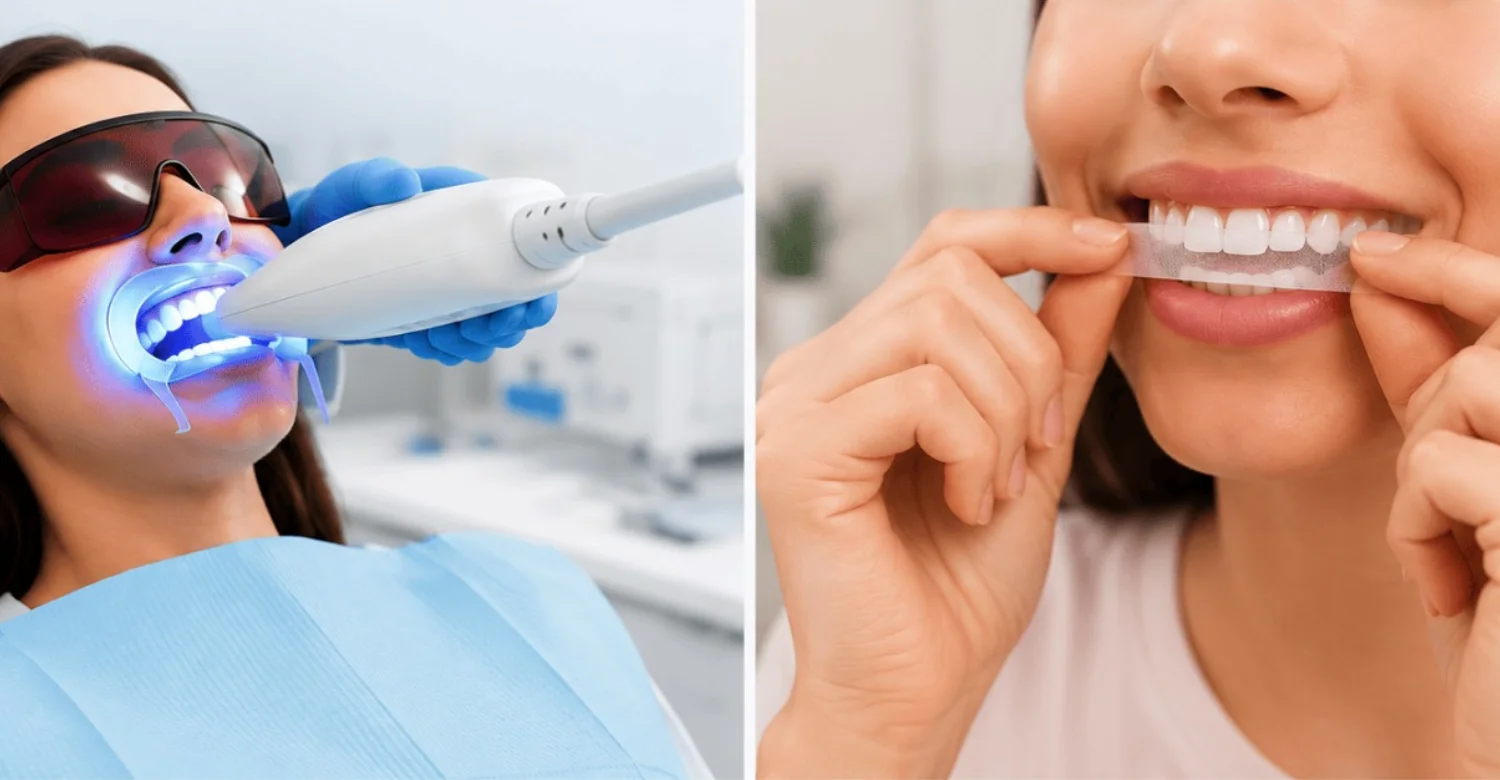
Professional teeth whitening is a cosmetic treatment performed or prescribed by a dentist using higher-concentration bleaching agents. It includes in-office whitening completed in the dental chair and custom-tray whitening at home under supervision. A dental examination beforehand identifies the cause of discoloration and any problems that should be treated first.
How Professional Teeth Whitening Works
Whitening gels contain hydrogen peroxide or carbamide peroxide, which breaks down into hydrogen peroxide. The peroxide penetrates enamel and dentin and breaks apart the pigmented molecules that cause stains. In the office, the gums are protected with a barrier before a high-concentration gel is applied, sometimes activated with a special light.
Types of Professional Whitening
The two main types are in-office whitening, where the dentist applies a strong gel during a visit of about an hour, and take-home whitening, where the dentist provides custom-fitted trays and a lower-concentration gel used daily for one to two weeks. Some patients combine both for faster, longer-lasting results.
Benefits of Professional Whitening
Professional whitening produces noticeable results quickly, often several shades lighter in one visit. The dentist protects the gums, controls the concentration, and manages sensitivity. When considering professional teeth whitening vs whitening strips, supervision and customization are its key advantages, especially for deeper stains or patients with sensitive teeth.
Limitations of Professional Whitening
Professional whitening costs more than home products and requires appointments. Temporary sensitivity and gum irritation are common. It does not change the color of crowns, veneers, or fillings, and some intrinsic stains, such as those from certain medications, respond slowly. Results also fade over time, particularly with coffee, tea, or tobacco use.
What Are Whitening Strips?
Whitening strips are thin, flexible plastic strips coated with a low-concentration peroxide gel that patients apply at home. Sold over the counter, they are a popular and affordable option for mild surface stains. Understanding how they work is essential before choosing a whitening method.
How Whitening Strips Work
The strips are pressed onto the front surfaces of the teeth, where the peroxide gel gradually penetrates the enamel and breaks down stain molecules. They are usually worn for about 30 minutes once or twice a day, depending on the product. Because the gel is weaker, whitening happens more gradually than with professional treatment.
Benefits of Whitening Strips
Whitening strips are affordable, widely available, and easy to use at home without appointments. They can effectively lighten mild yellow stains from food and drinks. Their main advantages are low cost and convenience, especially for patients with healthy teeth and mild discoloration.
Limitations of Whitening Strips
Strips are one-size-fits-all, so they may not cover every tooth evenly, especially crowded or back teeth. They are less effective on deep or intrinsic stains. Overuse can cause sensitivity and gum irritation, and they do not whiten restorations. Without an examination, underlying dental problems may also go unnoticed.
How Long Do Whitening Strips Take to Work?
Many users notice some lightening within a few days, but full results usually take about one to three weeks of consistent daily use, depending on the product's strength and the type of staining. Results often last several months, and periodic touch-ups may be needed according to the manufacturer's instructions.
Explore the difference between Hollywood Smile vs Veneers
How to Use Whitening Strips Safely
Whitening strips should be used according to the instructions supplied with the specific product. Application time, frequency, and the recommended treatment period vary by formulation, so there is no single schedule that applies to every whitening strip.
1. Read the Product Instructions
Check the recommended application time, how often the strips should be used, and how many days the treatment should continue. Do not assume that instructions for one brand apply to another.
2. Prepare Your Teeth as Directed
Follow the product's directions on whether to brush before application and whether the teeth should be dry. Avoid adding extra whitening products to the same routine unless a dental professional advises you to do so.
3. Apply the Strips Correctly
Place each strip against the tooth surfaces specified by the manufacturer. Press it gently into place without pushing the whitening gel onto the gums. Avoid swallowing the strip or gel.
4. Leave the Strips on for the Recommended Time
Keep the strips in place only for the period stated in the product instructions. Leaving them on longer does not guarantee better results and may increase the risk of tooth sensitivity or gum irritation.
5. Remove the Strips as Directed
Remove and dispose of the strips according to the package instructions. Follow any directions about rinsing your mouth or removing remaining gel.
6. Monitor Your Teeth and Gums
Temporary tooth sensitivity or gum irritation can occur during whitening. Stop using the strips and seek dental advice if you develop significant pain, persistent sensitivity, or ongoing irritation.
7. Avoid Overusing Whitening Products
Do not exceed the recommended frequency or treatment duration, and do not immediately repeat a course simply because you want a lighter shade. If you have untreated cavities, gum disease, existing sensitivity, or visible dental damage, seek dental advice before whitening.
Important: Whitening strips do not change the color of crowns, veneers, or fillings. If you are unsure whether whitening is appropriate for your teeth, ask a dentist before starting.
Professional Teeth Whitening vs Whitening Strips: Key Differences
The main differences in professional teeth whitening vs whitening strips involve effectiveness, speed, peroxide concentration, supervision, sensitivity, convenience, cost, and long-term results. Both use peroxide to whiten teeth, but they differ in strength, fit, and control. The sections below compare each factor to help you choose wisely.
Whitening Effectiveness
Professional whitening generally produces more noticeable and even results, especially on stubborn stains, because of higher concentrations and precise application. Strips can work well for mild surface staining. In professional teeth whitening vs whitening strips, effectiveness depends heavily on the type of stain and how consistently the treatment is used.
Treatment Speed
In-office whitening can lighten teeth several shades in a single session of about 60 to 90 minutes. Professional take-home trays usually take one to two weeks, while whitening strips typically need one to three weeks of daily use. For patients with an upcoming event, professional treatment is usually the faster option.
Whitening Agent Concentration
In-office gels typically contain about 25 to 40 percent hydrogen peroxide, while professional take-home gels use lower concentrations, such as 10 to 20 percent carbamide peroxide. Over-the-counter strips generally contain lower levels of hydrogen peroxide. Concentration is one of the most important differences between the two whitening approaches.
Professional Supervision
Professional whitening is performed or directed by a dentist who examines the teeth, protects the gums, and adjusts treatment when needed. Whitening strips are used without supervision, so problems such as cavities, gum disease, or cracked teeth may be missed. Supervision adds safety and helps patients achieve predictable, even results.
Tooth Sensitivity
Temporary sensitivity is the most common side effect of both methods. Professional treatment may cause more immediate sensitivity because of stronger gels, but dentists can apply desensitizing agents and adjust the plan. With strips, sensitivity often results from overuse. Sensitivity management therefore differs significantly between the two options.
Convenience
Whitening strips can be used at home at any time without appointments, which makes them very convenient. In-office whitening requires a dental visit but completes treatment quickly. Professional take-home trays combine home convenience with dental guidance. The best option depends on your schedule, preferences, and how quickly you want results.
Cost
Whitening strips are the least expensive option, usually costing a small fraction of professional treatment. In-office whitening is the most expensive, and take-home trays fall in between. The higher cost of professional care reflects stronger materials, customization, supervision, and generally faster, more even results.
Long-Term Results
Results from both methods are not permanent. Professional whitening often lasts from several months to a few years, depending on diet and habits, while strip results may fade sooner. Avoiding staining foods, not smoking, practicing good oral hygiene, and occasional touch-ups all help maintain a brighter smile for longer.
Note : All images used are for editorial and illustrative purposes only and may not originate from the original news provider or associated company.
See what works best for you with Fixed Retainers vs Removable Retainers
Whitening Strips vs Professional Whitening: Which Is More Effective?
The question of whitening strips vs professional whitening has no single answer. Professional treatment is generally stronger and more predictable, while strips may be enough for mild stains. The right choice in professional teeth whitening vs whitening strips depends on the stain type, desired results, sensitivity, and budget.
When Professional Whitening May Be Considered
Professional whitening may be considered for deeper or long-standing stains, noticeable yellowing, patients who want faster results, those with sensitive teeth who need supervision, and those with crowns, veneers, or fillings in visible areas. It is also recommended when previous home whitening has produced disappointing results.
When Whitening Strips May Be Suitable
Whitening strips may be suitable for healthy teeth with mild surface staining, for patients seeking a lower-cost option, and for those who can follow instructions consistently. A dental checkup beforehand is still advisable to rule out cavities, gum disease, or other problems that whitening could worsen or hide.
Factors That Affect Whitening Results
Results depend on the cause and type of stain, natural tooth shade, enamel thickness, peroxide concentration, contact time, and consistency of use. Yellow stains respond well, while gray or brown intrinsic stains respond less. Diet, smoking, and oral hygiene affect how long results last in professional teeth whitening vs whitening strips.
Dentist Whitening vs Strips: What Is the Difference?
The dentist whitening vs strips comparison highlights the value of professional care. A dentist examines the teeth, customizes treatment, manages sensitivity, addresses different types of discoloration, and monitors progress. These steps explain much of the difference in results and safety between professional teeth whitening vs whitening strips.
Dental Examination
Before professional whitening, the dentist examines the teeth and gums, checks for cavities, cracks, gum disease, exposed roots, and existing restorations, and records the starting shade. Problems are treated first, because whitening over untreated decay or gum inflammation can cause pain and may hide conditions that need attention.
Treatment Customization
Dentists tailor gel concentration, application time, and number of sessions to each patient. Custom trays fit precisely, keeping the gel on the teeth and away from the gums. This customization allows more even whitening, better comfort, and safer treatment than standard products designed to fit every mouth the same way.
Managing Tooth Sensitivity
Dentists can reduce sensitivity by applying fluoride or potassium nitrate desensitizing agents, shortening sessions, or spacing treatments further apart. Patients with a history of sensitivity may start on lower concentrations. This proactive management is a major advantage of dentist-supervised whitening for patients prone to discomfort.
Treating Different Types of Discoloration
Extrinsic stains from coffee, tea, or tobacco respond well to bleaching. Intrinsic stains from medications, fluorosis, or trauma often need longer treatment or alternatives such as bonding or veneers. A tooth that darkened after root canal treatment may need internal bleaching from inside the tooth, which only a dentist can perform.
Monitoring the Whitening Process
During professional whitening, the dentist monitors shade change, gum response, and sensitivity, adjusting treatment as needed. Follow-up visits confirm results and guide touch-ups. Without monitoring, strip users may overuse products or continue despite irritation, which increases side effects without necessarily improving the final shade.
Learn what treatment you need in Dental Inlays vs Onlays
Professional Whitening vs OTC Strips: Which Option Should You Choose?
Choosing between professional whitening vs OTC strips depends on your stain type, goals, budget, and dental health. Both can be effective in the right situation. Knowing who benefits most from each option makes the decision clearer and helps avoid disappointing results.
Professional Whitening May Be Considered For
Faster cosmetic results: a noticeable change is often achieved in a single visit.
More difficult discoloration: deeper or long-standing stains respond better to stronger gels.
Patients who want professional supervision: examination and monitoring throughout treatment.
Patients with sensitivity concerns: desensitizing care and adjusted concentrations.
Patients with existing crowns, veneers, or fillings: planning to match restorations after whitening.
OTC Whitening Strips May Be Considered For
Mild tooth discoloration: light surface stains from food and drinks.
Convenient home treatment: no appointments needed.
Patients looking for a lower-cost option: affordable and widely available.
Patients who can follow product instructions consistently: correct use is essential for results and safety.
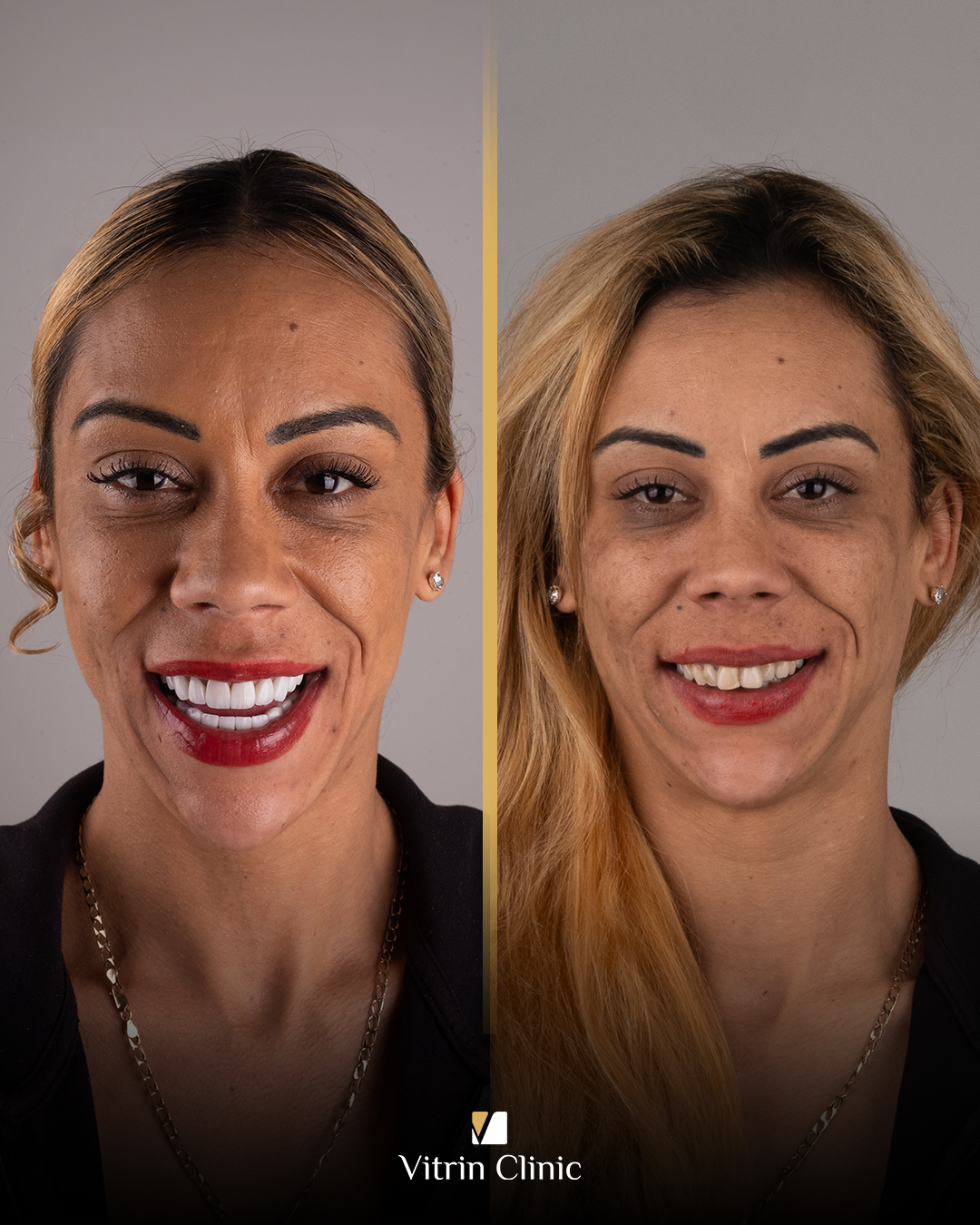
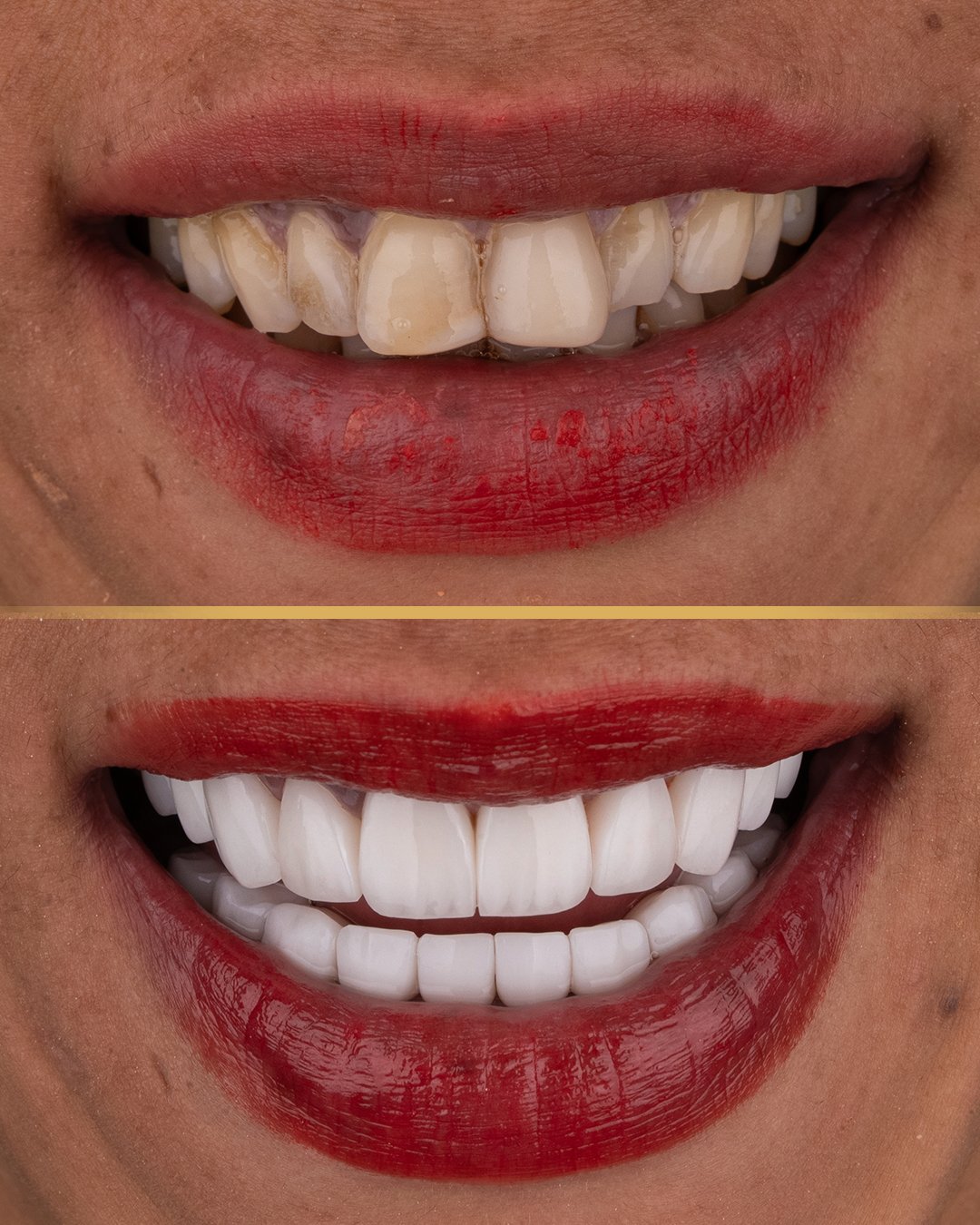
Whitening Strips vs In-Office Whitening
The whitening strips vs in-office whitening comparison focuses on process, duration, results, safety, and cost. In-office whitening delivers the strongest supervised treatment in a single visit, while strips offer gradual whitening at home. Each suits different needs within the broader question of professional teeth whitening vs whitening strips.
Treatment Process
In-office whitening involves cleaning, recording the shade, protecting the gums, and applying a high-concentration gel in several short cycles. With strips, patients apply pre-coated strips to their teeth at home for a set time each day. The in-office process is controlled entirely by the dental team from start to finish.
Treatment Duration
In-office treatment usually takes about 60 to 90 minutes in one visit, sometimes followed by a second session. Whitening strips require daily applications, commonly around 30 minutes each, for one to three weeks. Of all the available options, in-office treatment offers the shortest overall timeline.
Expected Results
In-office whitening often lightens teeth several shades immediately, although the shade may settle slightly over the following days as the teeth rehydrate. Strips produce more gradual, modest changes and work best on mild yellow stains. Final results with either option vary according to each person's teeth and type of staining.
Safety and Sensitivity
Both methods are generally safe when used correctly. In-office whitening may cause short-term sensitivity, which the dentist manages with protective barriers and desensitizers. Strips may irritate the gums or cause sensitivity when overused. Following instructions and seeking professional advice reduces risk with either method.
Convenience and Cost
Strips are inexpensive and can be used at home on your own schedule. In-office whitening costs more and requires a visit, but it is completed quickly under supervision. For many patients, the decision comes down to balancing budget against speed, predictability, and the value of professional oversight.
Find your ideal smile with Teeth Whitening vs Veneers
Causes of the Condition
Tooth discoloration can come from outside the tooth (extrinsic stains) or from within its structure (intrinsic stains). Common causes include staining foods, tobacco, poor oral hygiene, aging, medications, trauma, fluorosis, and natural tooth color. Identifying the cause is essential when choosing between professional teeth whitening vs whitening strips.
Coffee, Tea, and Other Staining Foods
Coffee, tea, red wine, cola, berries, and dark sauces contain pigments called chromogens that cling to enamel. Acidic drinks can also soften enamel, making it easier to stain. These extrinsic stains usually respond well to whitening, and rinsing with water after consuming them can help reduce buildup.
Tobacco Use
Tar and nicotine in cigarettes and other tobacco products cause yellow to brown stains that can penetrate enamel over time. Tobacco also raises the risk of gum disease and oral cancer. Quitting improves both oral health and whitening results, which fade faster in people who continue to smoke.
Poor Oral Hygiene
Inadequate brushing and flossing allow plaque and tartar to build up, causing yellow or brown discoloration. Tartar cannot be removed with whitening products and requires professional cleaning. A dental cleaning before whitening often improves tooth color on its own and allows the whitening gel to work more evenly.
Aging
With age, enamel gradually thins through wear, revealing more of the naturally yellow dentin underneath. Dentin also becomes thicker and darker over time, and years of accumulated stains add to the change. Age-related yellowing often responds to whitening, although results may be more modest in teeth with thin enamel.
Certain Medications
Tetracycline antibiotics taken while teeth are developing can cause gray, brown, or banded intrinsic stains. Some mouth rinses, such as chlorhexidine, and certain other medications may cause surface staining. Medication-related intrinsic stains respond slowly to bleaching and may require extended treatment or alternatives such as veneers.
Dental Trauma
A blow to a tooth can damage its nerve and blood supply, causing it to darken to gray, brown, or black. This single-tooth discoloration may signal a dying or dead pulp. It needs dental evaluation, since whitening strips will not correct it; root canal treatment and internal bleaching may be required.
Fluorosis
Fluorosis results from excessive fluoride intake while teeth are developing in childhood. It causes white spots or streaks and, in severe cases, brown patches. Mild fluorosis may improve with professional whitening combined with techniques such as microabrasion, while more severe cases may benefit from bonding or veneers.
Natural Tooth Color
Tooth shade varies naturally from person to person because of genetics, enamel thickness, and dentin color. Some people have naturally yellower or grayer teeth without any disease. Whitening can lighten natural color, but results are limited by each person's tooth structure and should be discussed realistically beforehand.
Problems Caused by Tooth Discoloration
Tooth discoloration is mainly a cosmetic concern, but it can also affect confidence and sometimes signal underlying dental problems. Understanding these effects helps patients decide whether to seek treatment, and whether their whitening journey should begin with a dental examination.
Cosmetic Concerns
Stained or yellow teeth can make a smile look older or less healthy. Many patients seek whitening before weddings, job interviews, or other important events. Cosmetic concerns are valid reasons for treatment, provided the teeth and gums are healthy and expectations are realistic.
Uneven Tooth Color
Some teeth may look darker than others because of trauma, restorations, fluorosis, or uneven staining. Whitening strips may worsen an uneven appearance if they do not cover all teeth equally. Professional assessment identifies the reason for color differences and plans treatment that produces a balanced, natural result.
Reduced Confidence When Smiling
Discolored teeth can make people self-conscious about smiling, laughing, speaking in public, or appearing in photos. Improving tooth color often boosts confidence and willingness to smile. When choosing a whitening method, many patients value predictable, even results for exactly this reason.
Persistent Discoloration
Stains that do not improve with whitening may be intrinsic, caused by medications, trauma, or fluorosis, or may involve restorations that cannot be bleached. Persistent discoloration should be evaluated by a dentist, who can recommend options such as bonding, veneers, or internal bleaching when appropriate.
Underlying Dental Problems
Discoloration can sometimes indicate decay, a dying nerve, leaking fillings, or enamel defects. Dark spots or a single grayish tooth may need treatment rather than whitening. Using whitening products without an examination can mask these problems, delaying diagnosis and allowing them to worsen over time.
Compare options in Snap-On Veneers vs Porcelain Veneers
Patient's Perspective
Patients choosing a whitening method often weigh results, comfort, cost, and time. Understanding common questions and how whitening fits into daily life helps set realistic expectations. From the patient's point of view, professional teeth whitening vs whitening strips is often a balance between convenience and predictable results.
Common Patient Concerns
How white will my teeth become? It depends on natural shade and stain type; many patients achieve several shades lighter.
Will whitening cause sensitivity? Mild, temporary sensitivity is common and usually resolves within a few days.
How long will results last? Typically from several months to a few years, depending on habits.
Are whitening strips effective? Yes, for mild surface stains with consistent use.
Is professional whitening worth the cost? Many patients find the faster, more even results worthwhile.
Will crowns and veneers whiten? No; restorations keep their original color.
How Whitening Can Affect Daily Life
During whitening, patients may need to limit coffee, tea, and red wine, and avoid very hot or cold foods if sensitivity occurs. Afterward, most people feel more confident in social and professional settings. Maintaining results involves good oral hygiene, regular cleanings, and occasional touch-ups as advised by the dentist.
Doctor's Perspective
From a clinical perspective, whitening begins with diagnosis rather than bleaching. The dentist evaluates the teeth and gums, identifies the cause of discoloration, checks restorations, assesses sensitivity risk, selects a method, and sets realistic expectations. This approach guides the choice in professional teeth whitening vs whitening strips for each patient.
Evaluating the Teeth and Gums
The dentist checks for cavities, cracks, worn enamel, gum inflammation, and receding gums with exposed roots. These conditions can cause pain during whitening and may need treatment first. Healthy teeth and gums are the foundation for safe, comfortable, and effective whitening with any method.
Identifying the Cause of Discoloration
Determining whether stains are extrinsic or intrinsic helps predict results. Surface stains respond well to bleaching, while stains from trauma, medication, or fluorosis may need longer treatment or other options. Identifying the cause also reveals whether discoloration signals an underlying problem that requires treatment instead of whitening.
Assessing Existing Dental Restorations
Crowns, veneers, bonding, and fillings do not change color with whitening. If they are in visible areas, whitening the natural teeth may create a mismatch. The dentist plans treatment so restorations can be replaced to match the new shade, usually about two weeks after whitening, once the color has stabilized.
Evaluating Sensitivity Risk
Patients with thin enamel, exposed roots, gum recession, or a history of sensitivity are more likely to feel discomfort. The dentist may recommend desensitizing toothpaste before treatment, lower concentrations, or shorter sessions. Assessing this risk in advance is an important step before any whitening decision.
Selecting an Appropriate Whitening Method
Based on the findings, the dentist may recommend in-office whitening, custom take-home trays, a combination of both, or supervised use of over-the-counter products. For stains that bleaching cannot correct, alternatives such as bonding or veneers may be suggested. The method is chosen to match the patient's goals and oral health.
Setting Realistic Expectations
Whitening cannot make every tooth brilliantly white, and results vary with natural shade and stain type. The dentist explains the expected shade change, how long results may last, possible side effects, and maintenance needs. Clear expectations help patients feel satisfied and avoid overusing whitening products in pursuit of unrealistic goals.
When Is It Serious and Requires a Checkup?
Some types of discoloration signal problems that whitening cannot fix. Whatever your choice in professional teeth whitening vs whitening strips, see a dentist promptly if you notice:
Sudden or unexplained tooth discoloration
Discoloration affecting only one tooth
Tooth discoloration with pain
Swelling
Persistent sensitivity
Discoloration following dental trauma
Visible tooth damage
Bleeding or swollen gums
Whitening that does not improve the discoloration
Signs of dental infection, such as a bad taste, pus, or fever
When the Patient Should Rest
Whitening does not require physical rest or time off from normal activities. However, teeth may need a short recovery period from sensitivity, and certain foods and habits should be limited temporarily. Giving teeth time to settle helps maintain comfort and supports the best possible whitening results.
After Professional Whitening
Most patients return to normal activities immediately after in-office whitening. For the first 24 to 48 hours, teeth are more prone to staining and sensitivity, so avoid dark foods and drinks, smoking, and extreme temperatures. Following the dentist's aftercare instructions helps the results settle and stabilize.
When Temporary Sensitivity Occurs
If sensitivity occurs, pause home whitening for a day or two and use a toothpaste containing potassium nitrate or fluoride. Sensitivity usually resolves within a few days. If it persists or becomes severe, stop whitening and contact your dentist for evaluation and advice.
After Multiple Whitening Sessions
Repeated whitening sessions may increase sensitivity and gum irritation, so allow your teeth time to recover between sessions as recommended. Overusing whitening products does not improve results beyond a certain point and may cause discomfort. Follow a professional plan when considering additional sessions.
When Certain Foods or Drinks Trigger Sensitivity
If cold drinks, hot beverages, or acidic foods trigger discomfort after whitening, avoid them temporarily. Choose lukewarm drinks and mild foods, and consider using a straw for cold beverages. Sensitivity usually settles within days, after which you can gradually return to your normal diet.
Rest Tips
Simple habits help your teeth recover comfortably after whitening, whichever option you choose in professional teeth whitening vs whitening strips. These tips:
Reduce sensitivity and discomfort.
Protect the gums from irritation.
Help maintain whitening results for longer.
Avoid Very Hot and Cold Foods
Choose lukewarm foods and drinks for the first few days.
Avoid ice-cold water, ice cream, and very hot beverages if they trigger sensitivity.
Use a straw for cold drinks to limit contact with the teeth.
Limit Acidic Foods and Drinks Temporarily
Reduce citrus fruits, sodas, sports drinks, and vinegar-based foods for a few days.
Acids can increase sensitivity and soften enamel after whitening.
Rinse with water after consuming acidic foods.
Wait before brushing after acidic meals to protect enamel.
Follow Whitening Instructions
Use products only for the recommended time and frequency.
Do not leave strips or gel on longer than instructed.
Follow your dentist's aftercare instructions after professional whitening.
Stop and seek advice if irritation develops.
Use Recommended Sensitivity Care
Use toothpaste with potassium nitrate or fluoride as advised.
Ask your dentist about desensitizing gels or treatments.
Brush gently with a soft-bristled toothbrush.
Avoid Combining Multiple Whitening Products
Do not use strips, whitening gels, and whitening rinses at the same time.
Combining products increases the risk of sensitivity and gum irritation.
Ask your dentist before adding any product after professional whitening.
Allow Teeth to Recover Between Treatments
Leave time between whitening courses as recommended.
Do not repeat treatment immediately if you want a lighter shade.
Discuss touch-up schedules with your dentist to avoid overuse.
About Vitrin Clinic
Vitrin Clinic offers personalized whitening care based on a careful examination of each patient's teeth, gums, and existing restorations. Our team identifies the cause of discoloration and recommends the most suitable approach, helping patients weigh professional teeth whitening vs whitening strips with clear guidance on expected results, comfort, and maintenance.
What We Notice Clinically
Dr. Rifat Alsaman, Head of the Medical Team at Vitrin Clinic and a Cosmetic Dentist, emphasizes identifying the cause of discoloration before whitening. A professional assessment of tooth sensitivity, existing restorations, enamel condition, and desired results helps determine whether professional whitening or an at-home option is more appropriate for each patient.
Clinical Note
Whitening results vary according to the cause and severity of discoloration. Natural teeth respond differently from crowns, veneers, and other restorations, which do not change color. Whitening should never be used to mask untreated dental problems, whichever whitening option is chosen.
Tips for the Patients
Have your teeth assessed before professional whitening when appropriate.
Follow product instructions carefully.
Do not overuse whitening products.
Avoid combining multiple whitening products without professional guidance.
Manage sensitivity according to dental advice.
Maintain good oral hygiene.
Check out the comparison of Immediate Dental Implants vs Delayed ImplantsAvoid common staining foods and drinks when possible.
Resource:
https://pubmed.ncbi.nlm.nih.gov/26245272/
FAQs
Dr. Rifat Alsaman has more than 5 years of clinical experience in dentistry and currently serves as the Head of the Medical Team at Vitrin Clinic. He is dedicated to providing exceptional patient care, overseeing treatment planning, and ensuring the highest clinical standards across the team. His expertise, attention to detail, and commitment to continuous professional development have helped countless patients achieve healthier, more confident smiles.


