Hollywood Smile
September 3, 2025
Top 10 Teeth Whitening Treatments for a Perfect Hollywood Smile
 Dr. Rifat Alsaman
Teeth whitening treatments are the fastest, most reliable way to achieve a Hollywood Smile, and choosing the right one depends on your budget, sensitivity level, and how dramatic a change you want. The best options include in-office laser whitening, Zoom whitening, dentist-prescribed custom trays, prescription bleaching gel, whitening strips, whitening gels and pens, LED whitening kits, whitening toothpaste, over-the-counter trays, and internal (non-vital) whitening for root-canal-treated teeth. Professional treatments deliver faster, longer-lasting results, while at-home options offer a more affordable, gradual path to a brighter smile.
What Are Teeth Whitening Treatments and How Do They Work?
Teeth whitening treatments remove stains and discoloration to brighten your smile. They use safe, peroxide-based gels that break down surface stains. In-office treatments offer fast, dramatic results, while at-home kits work gradually over time. Always consult a dentist to ensure safe and effective whitening.
Why Do Teeth Become Stained or Discolored?
Tooth discoloration happens due to various factors: coffee, red wine, smoking, and even aging. As enamel thins, yellowish dentin underneath becomes more visible, making your teeth appear dull or stained.
How Does Teeth Whitening Improve the Appearance of Your Smile?
Teeth whitening treatments use bleaching agents like hydrogen peroxide or carbamide peroxide to break down stains at a molecular level. This removes both surface-level and deeper discoloration, revealing a brighter, cleaner smile.
What Is the Connection Between Teeth Whitening and a Hollywood Smile?
A Hollywood Smile is all about perfect, luminous teeth that enhance your overall appearance. Teeth whitening treatments are a key first step, it's non-invasive, fast, and often all you need to dramatically transform your look.
What Are the Different Types of Professional Teeth Whitening Treatments?
Types of Professional Teeth Whitening Treatments:
In-office whitening (Chairside whitening).
Custom take-home whitening trays.
Laser teeth whitening.
Internal whitening (for root-canal treated teeth).
Types of Non-Professional / Over-the-Counter Whitening Options:
Whitening toothpastes.
Whitening strips.
Whitening gels & pens.
Over-the-counter whitening trays (non-custom).
Whitening mouth rinses.
How Does In-Office Laser Teeth Whitening Work?
Laser teeth whitening treatments involve applying a concentrated bleaching gel to your teeth and activating it with a laser or LED light. The heat accelerates the whitening process, making it one of the fastest methods available.
What Is Zoom Teeth Whitening and How Effective Is It?
Zoom whitening is a popular in-office treatment using a specialized LED light to activate a proprietary hydrogen peroxide gel. Patients typically see their teeth brighten by several shades in just one session.
How Do Customized Whitening Trays from a Dentist Compare to Laser Treatments?
Dentist-made trays are custom-fitted to your teeth and used at home with professional-strength gel. While results take longer, they offer excellent control and are often better for sensitive teeth.
Which Professional Whitening Method Is Best for Achieving a Hollywood Smile?
Zoom and laser teeth whitening treatments offer rapid, dramatic results, while trays provide gradual whitening with less risk of sensitivity. The best choice depends on your personal goals, time frame, and dental health.
What Are the At-Home Teeth Whitening Treatments Available?
Whitening Toothpaste: Removes surface stains; mild effect over time.
Whitening Strips: Flexible plastic coated with peroxide; used daily for 1–2 weeks.
Whitening Gels or Pens: Applied directly to teeth with a brush; effects vary.
LED Whitening Kits: Includes peroxide gel and an LED light to accelerate whitening.
Custom Trays (From Dentist): More effective than over-the-counter trays; filled with whitening gel and worn at home.
How Do Whitening Strips Work and Are They Safe?
Whitening strips contain a thin layer of peroxide-based gel that adheres to your teeth. They're effective for mild to moderate stains and are generally safe if used as directed.
Do Whitening Toothpaste and Mouthwashes Really Work?
These products can remove surface stains and help maintain whitening, but they won't significantly change the natural shade of your teeth.
Are Over-the-Counter Whitening Gels Effective?
Gels from drugstores can lighten teeth gradually. While not as strong as professional versions, they're convenient and budget-friendly.
Can Home Remedies Like Baking Soda or Charcoal Whiten Teeth?
DIY remedies can sometimes lift surface stains but may also damage enamel if overused. Charcoal and baking soda should be used cautiously and not as primary whitening solutions.
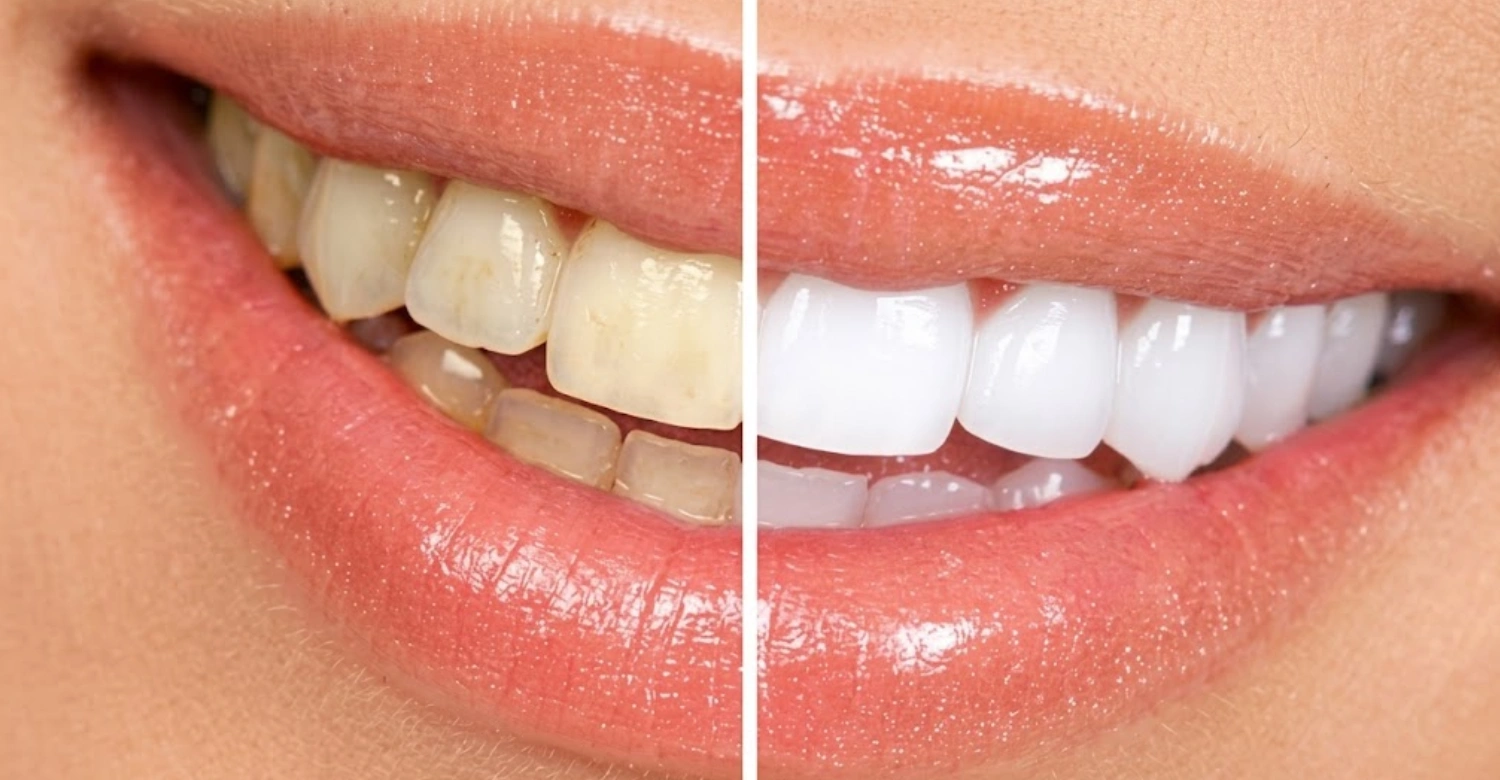
How Do Professional Teeth Whitening Treatments Compare to At-Home Options?
Feature | Professional Whitening | At-Home Whitening |
Effectiveness | High — up to 8 shades brighter | Moderate — 1–3 shades brighter |
Time Required | 1 session (30–60 mins) | 1–2 weeks of daily use |
Longevity | 6–12 months (or more with care) | Shorter (1–3 months) |
Safety | Supervised by dentist | Risk of misuse or gum irritation |
Cost | More expensive | Affordable and widely available |
Clinics like Vitrin Clinic offer laser or LED-assisted teeth whitening treatments for faster and more even results.
Which One Gives Faster and More Visible Results?
Professional teeth whitening treatments like Zoom or laser methods provide near-instant results, while at-home options require several days or weeks.
What About the Cost Difference Between Professional and At-Home Whitening?
Professional treatments can cost between $300 and $1,000 depending on location and method. At-home kits range from $20 to $150, making them more accessible.
Are Results from At-Home Whitening Long-Lasting?
They can be, but they usually fade faster than professional treatments. Maintenance and lifestyle habits greatly affect how long results last.
Which Option Is Safer for Sensitive Teeth?
Custom-fitted trays and low-peroxide formulas are gentler. If you have sensitive teeth, consult your dentist before starting any whitening routine.
What Are the Benefits of Teeth Whitening for a Hollywood Smile?
Brighter, more radiant smile. Removes deep stains from coffee, wine, smoking, etc. Boosts confidence and self-esteem. Enhances the appearance of other cosmetic work (veneers, bonding, etc.). Quick transformation without altering tooth structure.
It's often the first step in a Hollywood Smile makeover to set a uniform base color.
How Does Whitening Improve Confidence and First Impressions?
A white smile instantly enhances your appearance. People associate it with health, confidence, and success making it a powerful tool in both personal and professional life.
Why Is Whitening an Essential Step in a Hollywood Smile Makeover?
A bright base enhances other cosmetic procedures like veneers or bonding. Whitening is often the first step in a complete smile makeover.
Can Whitening Treatments Alone Create a Hollywood Smile?
If your teeth are well-shaped and aligned, whitening might be all you need. Otherwise, treatments like veneers or aligners can complement the whitening process.
What Are the Risks and Side Effects of Teeth Whitening Treatments?
Tooth sensitivity (especially to hot or cold). Gum irritation from contact with whitening agents. Uneven whitening if you have restorations (crowns, veneers won't whiten). Overuse damage (from too frequent whitening). Temporary discomfort in gums or teeth after treatment.
Professional teeth whitening treatments minimize these risks through proper application and protection.
Does Whitening Cause Tooth Sensitivity?
Yes some people experience temporary sensitivity to hot or cold foods. Using desensitizing toothpaste before and after treatment can help.
Can Whitening Damage Tooth Enamel?
When done correctly, whitening doesn't damage enamel. Overuse or using harsh DIY methods can cause harm, so it's best to follow professional advice.
Are Whitening Treatments Safe for People with Restorations?
Whitening won't change the color of crowns, veneers, or fillings. You may need to replace restorations if they no longer match your new shade.
How Long Do Teeth Whitening Results Last?
Professional teeth whitening treatments: 6 to 12 months or longer with good care. At-home kits: 1 to 3 months. Longevity depends on diet, oral hygiene, and lifestyle habits (smoking, drinking coffee, etc.).
Regular touch-ups (every 6–12 months) help maintain results.
What Factors Affect Longevity?
Staining habits (coffee, smoking, wine), oral hygiene, and diet all impact how long your whitening results last.
How Can You Maintain White Teeth After Treatment?
Brush and floss daily, avoid stain-heavy foods and drinks, and consider whitening toothpaste or occasional touch-up treatments.
How Often Should You Repeat Whitening Treatments?
Most people get touch-ups every 6–12 months. However, this varies based on lifestyle and whitening method used.
How Much Do Teeth Whitening Treatments Cost?
Cost comparison by region: Turkey: $100–$300. Europe: $300–$700. USA/UK: $500–$1,200. Clinics in Turkey like Vitrin Clinic offer premium services at significantly lower costs, without compromising on technology or safety.
Are At-Home Whitening Kits Worth It?
They're ideal for minor discoloration or maintenance after professional teeth whitening treatments. With proper use, they offer noticeable results at a fraction of the cost.
Which Option Offers the Best Value?
If you're after fast, dramatic results and lasting impact, professional teeth whitening treatments are worth the investment. At-home kits are best for maintenance and budget-friendly brightness.
Who Is the Right Candidate for Teeth Whitening Treatments?
You're a good candidate if: you have healthy teeth and gums; you have yellow or stained teeth (not gray or tetracycline-stained); you don't have crowns, veneers, or large fillings on front teeth; you don't have extreme sensitivity or gum disease; you want non-invasive enhancement of your smile.
Can Anyone Whiten Their Teeth Safely?
Most adults with healthy gums and teeth can undergo whitening. A dental consultation ensures you're a good candidate.
Who Should Avoid Whitening?
People with active cavities, gum disease, enamel erosion, or recent dental work should wait or consult a dentist first.
Is Whitening Safe During Pregnancy or Breastfeeding?
There's limited research, so most experts recommend postponing whitening treatments during pregnancy and nursing.
What Should You Expect During Professional Teeth Whitening Treatments?
Initial Evaluation: Dentist checks oral health and discusses goals.
Tooth Cleaning: Removes plaque for best whitening results.
Protection: Gums and lips are covered to avoid irritation.
Whitening Gel Application: Peroxide-based gel applied to teeth.
Light Activation (if needed): Laser or LED light enhances results.
Multiple Rounds: Gel may be reapplied 1–3 times in a session.
Post-Treatment Care: Instructions to avoid staining foods for 24–48 hours.
Treatment takes 30 to 60 minutes, with visible results immediately after.
How Long Does It Take?
A single in-office session lasts about 60–90 minutes and can lighten teeth by 3–8 shades, depending on the method used.
Is the Treatment Painful?
The procedure is generally painless. You may feel mild tingling or sensitivity during or after the session, but it usually subsides quickly.
What's the Aftercare Process?
Avoid staining food/drinks for 24–48 hours, use sensitive toothpaste, and follow up with your dentist for touch-up options.
How Do Teeth Whitening Treatments Fit into a Hollywood Smile Makeover?
Teeth whitening treatments are often the first or final step in a Hollywood Smile makeover: before veneers or bonding, to establish a lighter shade for matching; after orthodontics, to brighten newly aligned teeth; as a stand-alone boost, when no other major dental work is needed.
Teeth whitening treatments enhance the overall brightness and harmony of your smile, completing the aesthetic transformation.
Whitening vs Veneers
Teeth whitening treatments enhance natural enamel. Veneers reshape, resize, or cover imperfections and are often paired with whitening for best results.
Should You Whiten Before Veneers or Crowns?
Yes, whitening beforehand is the recommended order. Once veneers or crowns are placed, their shade is permanent and won't lighten with future whitening treatments. By whitening first, your dentist can match the restoration to your brightest natural shade, giving you a more seamless, uniform smile that ages well alongside your real teeth.
Can Whitening Be Combined with Orthodontics or Implants?
Yes, many patients choose to whiten their teeth right after finishing orthodontic treatment or before implant placement. Post-orthodontics, whitening helps refresh teeth that were covered by brackets and shows off the newly aligned smile. Before implants, it lets your dentist select a crown shade that matches your ideal, brightened color for a natural, harmonized result.
Severe Discoloration: What Causes Teeth to Turn Black?
Whitening cannot address every type of discoloration, so it helps to understand what causes black teeth stains before choosing a treatment. Black or dark-brown staining usually comes from deep decay, an old nerve-dead tooth, long-term tetracycline use, heavy tobacco staining, or mineral deposits from certain mouth rinses. Surface whitening gels lighten yellow and mild brown stains, but true black discoloration often signals an underlying dental problem that needs treatment first.
Is Black Tooth Discoloration Always a Sign of Decay?
Not always, but it is common enough that a dentist should check it. Cavities, old fillings, and internal nerve damage can all turn a tooth black or grey. In some cases, it's simply mineral staining from iron supplements or antiseptic mouthwash, which a professional cleaning can remove.
Can Whitening Treatments Fix Black Teeth?
Standard whitening gels rarely lighten black stains caused by decay or a dead nerve. These cases usually need internal (non-vital) whitening, a filling, or a crown. Addressing the root cause first gives whitening a real chance to work afterward.
Evaluating Alternative Over-the-Counter Options: Paint-On Varnishes and Whitening Chewing Gum
Beyond strips and trays, two lesser-known over-the-counter products are paint-on dental varnishes and whitening chewing gum. Paint-on dental varnishes are brush-applied peroxide coatings that dry over the tooth surface for a few hours, offering mild, gradual brightening. Whitening chewing gum uses mild abrasives and enzymes to lift light surface stains during normal chewing, but it does not penetrate enamel the way a bleaching gel does.
How Effective Are Paint-On Dental Varnishes?
Paint-on dental varnishes are convenient for touch-ups between professional sessions, but their peroxide concentration is low and contact time is short. Expect subtle brightening rather than dramatic shade changes, and always let the coating dry fully before eating or drinking.
Does Whitening Chewing Gum Actually Whiten Teeth?
Whitening chewing gum mainly helps with surface polish and fresh breath rather than true bleaching. It can complement a whitening routine by reducing new surface stains between treatments, but it should not replace professional or at-home bleaching for real color change.
The Role of Dentist-Prescribed Prescription Bleaching Gels
A prescription bleaching gel is a higher-concentration peroxide formula that a dentist provides for use in custom-fitted trays at home, under supervision. Compared with over-the-counter kits, prescription bleaching gel delivers stronger, more even whitening because the dentist controls the concentration and monitors sensitivity throughout the process. This option suits patients who want professional-level results without repeated in-office visits.
How Is Prescription Bleaching Gel Different from Store-Bought Gel?
Prescription bleaching gel typically contains a higher percentage of carbamide or hydrogen peroxide than anything sold over the counter, and it's dispensed only after a dental exam. This allows faster, more predictable whitening while a dentist manages any sensitivity that develops.
Who Should Consider Prescription-Strength Whitening?
Patients with moderate to stubborn staining, or those who haven't seen results from drugstore products, are good candidates. A dentist first confirms there's no decay, gum disease, or exposed root surfaces before prescribing the gel.
Tips for Patients
Book a dental exam before starting any whitening product, especially if staining looks dark or uneven.
Use desensitizing toothpaste for a week before and after treatment to reduce sensitivity.
Avoid coffee, red wine, and smoking for 48 hours after whitening to protect fresh results.
Don't mix multiple whitening products (strips, gum, varnish) at once, as this raises irritation risk without adding benefit.
Ask your dentist directly whether over-the-counter options or a prescription bleaching gel fit your case better.
Keep in mind that dental insurance rarely covers whitening, so ask about clinic payment plans in advance.
Financial Planning: Does Dental Insurance Cover Teeth Whitening Treatments?
Most patients ask does insurance cover teeth whitening before booking a session, and the honest answer is usually no. Dental insurance plans classify whitening as a cosmetic procedure rather than a medically necessary one, so it's typically excluded from coverage. Some clinics offer payment plans or package pricing to make treatment more manageable for patients planning the cost themselves.
Are There Any Exceptions Where Insurance Helps?
Occasionally, internal whitening tied to a covered procedure like a root canal may receive partial reimbursement, but this is rare and plan-dependent. It's best to call the insurance provider directly and ask about cosmetic exclusions before committing to treatment.
How Can Patients Budget for Whitening Without Insurance?
Many clinics, including Vitrin Clinic, bundle teeth whitening treatments with other Hollywood Smile packages at a reduced combined rate. Comparing at-home versus in-office pricing, and asking about seasonal offers, helps patients plan costs realistically.
What We Notice Clinically
Dr. Rifat Alsaman, Head of the Medical Team and cosmetic dentist at Vitrin Clinic, notes that the cases he sees most often aren't the simple yellow-stain cases people expect. Dr. Rifat Alsaman explains that patients frequently arrive believing a whitening gel will fix black or grey discoloration, when in fact the tooth needs restorative treatment first. In his clinical experience, one of the most overlooked clinical disadvantages of teeth whitening treatments is that it can create a mismatch with existing crowns or veneers, since restorations never change shade. Dr. Rifat Alsaman, Head of the Medical Team at Vitrin Clinic, always recommends a full oral exam before any bleaching gel, prescription or over-the-counter, touches a patient's teeth.
About Vitrin Clinic
Vitrin Clinic is a cosmetic dental clinic in Istanbul, Turkey, known for combining advanced whitening technology with personalized treatment planning for international patients. Under the guidance of Dr. Rifat Alsaman, Head of the Medical Team and cosmetic dentist at Vitrin Clinic, the team designs each whitening plan around the patient's specific stain type, sensitivity level, and smile goals. Patients traveling for treatment benefit from multilingual support, transparent pricing, and follow-up care that extends beyond a single visit.
Which Professional Teeth Whitening Treatment Is Most Effective? A Comparison Outline
In-Office Whitening: Light-Activated Systems
In-office treatments like Zoom or laser whitening use clinician-applied gel and activating light. They often produce the fastest visible results in a single visit.
Dentist-Provided Custom Trays
Dentist-provided custom trays use higher-strength gel than over-the-counter kits. They offer gradual, supervised whitening with less immediate sensitivity risk.
Matching the Method to the Patient
Effectiveness depends on stain type, enamel health, and follow-up care. As a research option, Vitrin Clinic can assess which professional method suits you.
References:
FAQs
Dr. Rifat Alsaman has more than 5 years of clinical experience in dentistry and currently serves as the Head of the Medical Team at Vitrin Clinic. He is dedicated to providing exceptional patient care, overseeing treatment planning, and ensuring the highest clinical standards across the team. His expertise, attention to detail, and commitment to continuous professional development have helped countless patients achieve healthier, more confident smiles.


