General Dentistry
September 17, 2026
Tongue Bumps: What Causes Them and When Should You See a Dentist?
 Dr. Rifat Alsaman
Tongue bumps can have several causes, ranging from normal tongue anatomy to temporary irritation or infection. Most changes are harmless and improve with time. However, persistent, changing, or unusual lesions deserve professional evaluation. Tongue Bumps may involve the papillae, ulcers, swollen tissue, or other oral changes. The appearance alone does not always identify the underlying cause. Location, duration, discomfort, color, texture, and recent triggers can provide useful clues. Transient lingual papillitis, for example, can create small painful red or white bumps. These commonly resolve within several days. A persistent lesion requires a different approach. Dental professionals can examine the tongue and surrounding tissues for changes that require further investigation. Vitrin Clinic emphasizes individualized assessment rather than assuming every visible bump has the same cause. Prompt evaluation is particularly important when symptoms persist, recur frequently, bleed, or interfere with swallowing or speaking.
What Are Tongue Bumps?
Tongue bumps describe raised areas or small projections noticed on the tongue's surface. Some are completely normal structures called papillae. Others develop because of irritation, inflammation, ulcers, infections, allergies, or other conditions. The tongue naturally contains several types of papillae. They contribute to taste, texture perception, and movement of food. Some papillae are more visible than others. Temporary inflammation can make normally subtle structures appear larger or more noticeable. A person may therefore notice a sudden change without developing a dangerous condition. Other lesions may appear as white, red, yellowish, swollen, or ulcerated areas. Their location can also provide useful clinical information. A dentist considers the complete presentation rather than one feature. Symptoms, duration, medical history, medications, and recent trauma can all influence the assessment. Cleveland Clinic notes that many tongue spots are not dangerous and often improve without treatment.
Are Bumps on the Tongue Normal?
Yes, some bumps are a normal part of tongue anatomy. Papillae cover the tongue and include structures associated with taste and sensation. They can look like tiny raised dots across different areas. Their size and visibility naturally vary between individuals. Circumvallate papillae are larger structures toward the back of the tongue. They can appear especially prominent when someone examines the tongue closely. Foliate papillae occur along the sides and may also look raised. Fungiform papillae can appear as small redder structures near the front and sides. These normal features should not automatically be mistaken for disease. However, a new change may deserve attention when it looks different from the person's usual tongue. Pain, bleeding, ulceration, rapid growth, or persistent changes require additional consideration. Regular dental examinations can help distinguish normal anatomy from abnormalities. The key is understanding what is normal for the individual rather than judging appearance alone.
What Do Normal Tongue Papillae Look Like?
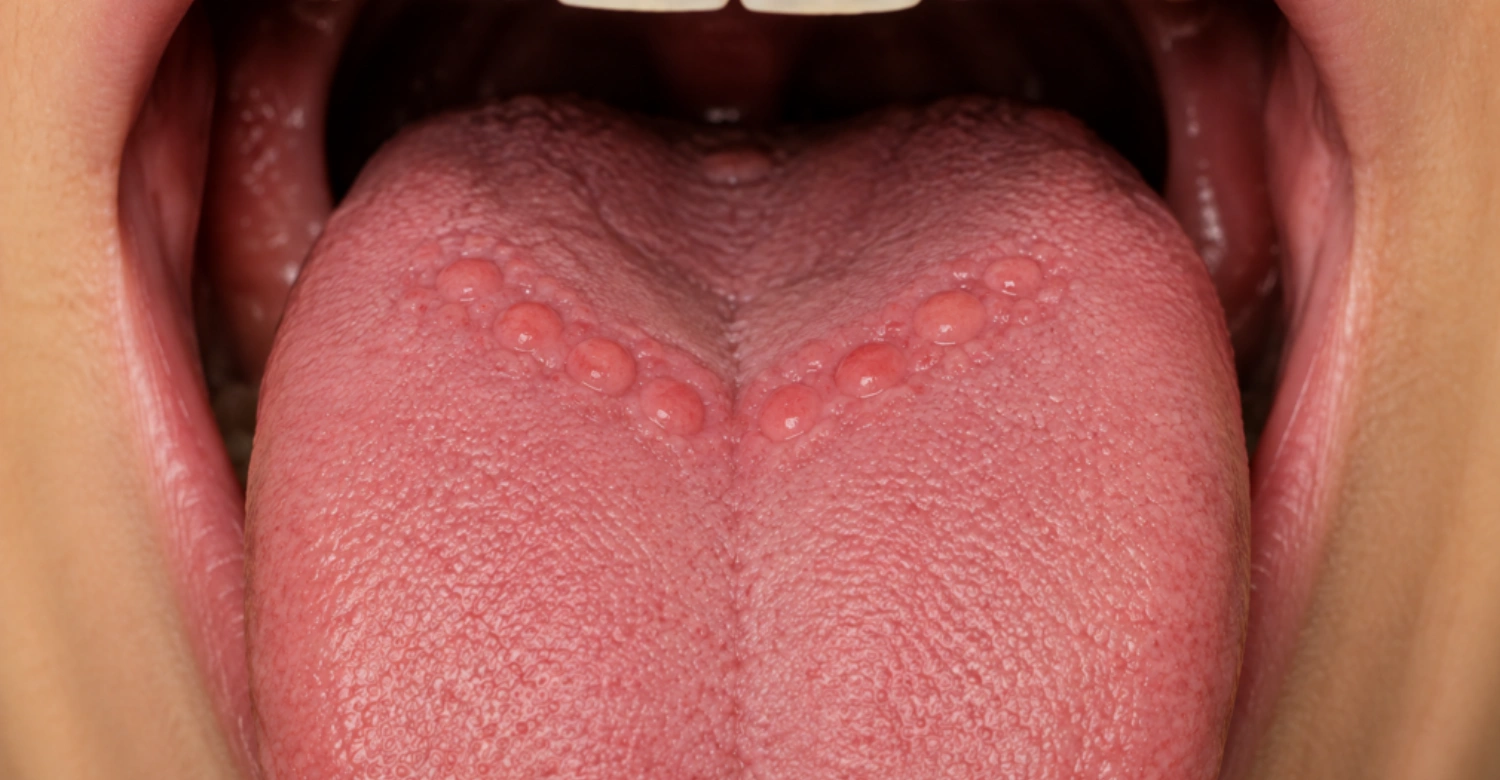
Normal papillae usually appear as small projections or textured areas on the tongue. Their appearance varies depending on their anatomical type and location. Fungiform papillae can appear rounded and slightly red. Circumvallate papillae are larger and arranged near the rear portion of the tongue. Foliate papillae appear as vertical folds or ridges along the sides. Filiform papillae create much of the tongue's rough surface texture. These structures are normal and serve important sensory and mechanical functions. They may become more noticeable after irritation or inflammation. Normal papillae generally remain relatively stable over time. They should not suddenly develop persistent bleeding or significant ulceration. Comparing both sides of the tongue can sometimes reveal whether a feature is symmetrical. However, self-examination cannot replace professional assessment. A dentist can evaluate the tongue using direct visual and tactile examination when necessary.
Why Does the Tongue Naturally Have Small Bumps?
The tongue is not naturally smooth because its surface contains specialized structures. Papillae help create texture and support taste-related functions. Filiform papillae contribute to mechanical handling of food during chewing and swallowing. Fungiform papillae contain taste buds and appear mainly toward the front and sides. Circumvallate papillae contain numerous taste buds and sit toward the back. Foliate papillae are located along the lateral tongue margins. Together, these structures create the tongue's characteristic uneven appearance. Normal anatomy can therefore resemble small bumps when viewed closely. Lighting, hydration, and the angle of examination can also change how prominent these structures appear. People may notice them more after using a mirror or taking close-up photographs. A naturally bumpy surface does not necessarily indicate inflammation. Changes become more relevant when they are new, painful, asymmetric, or persistent. Understanding normal anatomy can reduce unnecessary concern about harmless tongue structures.
What Is the Difference Between Normal Papillae and Abnormal Bumps?
Normal papillae usually form predictable anatomical patterns and remain relatively stable. Abnormal lesions may appear suddenly or show changes in color, size, texture, or sensitivity. Irritated papillae can become temporarily enlarged and painful. Ulcers may develop a pale center surrounded by redness. Infections can create white plaques, redness, swelling, or soreness. Some lesions may appear as persistent thickened areas or irregular growths. Duration is particularly important when assessing an unfamiliar oral change. A short-lived irritated area may improve after removing the trigger. A lesion that remains unchanged or worsens requires professional assessment. The American Dental Association recommends careful examination of suspicious oral lesions. Persistent or concerning abnormalities may require biopsy or specialist referral. Patients should avoid attempting to diagnose lesions from photographs alone. Clinical examination provides information that photographs cannot reliably capture.
What Causes Bumps on the Tongue?
Several factors can produce raised areas on the tongue. Minor trauma is one common explanation for temporary swelling. Biting the tongue can damage surface tissue and cause localized tenderness. Hot foods can also burn the tongue and create temporary swelling. Spicy or acidic foods may aggravate already irritated tissue. Transient lingual papillitis can cause small painful bumps when papillae become inflamed. Mouth ulcers can also occur on the tongue. Viral, fungal, and bacterial conditions may produce different types of oral changes. Allergic reactions can sometimes affect oral tissues and cause swelling or discomfort. Other conditions may create persistent growths or areas of thickening. The appearance and duration of a lesion help determine which possibilities require consideration. A dental professional may also ask about recent illness, medication changes, dietary triggers, or oral habits. Therefore, identifying the cause requires more than simply describing the bump's color.
Common Causes of Tongue Bumps
Common causes include irritation, minor trauma, inflamed papillae, mouth ulcers, and certain infections. Biting the tongue can produce a localized swollen area that becomes uncomfortable while eating. Hot beverages may cause thermal irritation and temporary inflammation. Sharp teeth, rough restorations, braces, or dental appliances can repeatedly rub the tongue. Transient lingual papillitis can cause small red or white painful bumps. Canker sores can create painful ulcerated areas on the tongue. Dietary triggers may worsen discomfort without necessarily causing the original lesion. Some people also notice recurrent symptoms during periods of stress or illness. The NHS identifies trauma, burns, food reactions, dental irritation, and some medical factors among possible mouth-ulcer triggers. Most minor causes improve after the trigger is removed. Persistent or unusual lesions should not automatically be attributed to irritation.
Irritation or Minor Trauma
Minor trauma can cause localized inflammation and swelling. The tongue may become irritated after accidental biting or repeated contact with a sharp surface. Dental appliances can also rub against the tongue during speaking or eating. Even a small injury can feel significant because the tongue moves constantly. Repeated contact may delay healing and prolong soreness. Identifying the source of irritation can therefore be an important part of management. A dentist can check whether a sharp tooth, rough filling, denture, or orthodontic component is contributing. The NHS lists biting, rough fillings, braces, poorly fitting dentures, and burns among causes of mouth ulcers. Avoiding additional trauma can allow irritated tissue to recover. Patients should not repeatedly touch or scrape the affected area. If symptoms continue despite removing the suspected irritant, professional assessment becomes more appropriate.
Inflamed Taste Buds and Transient Lingual Papillitis
Transient lingual papillitis involves inflammation of papillae on the tongue. It is commonly associated with small painful red or white bumps. The bumps may occur on the tip, sides, or other tongue areas. Irritation, trauma, spicy foods, viral illnesses, and other factors may contribute. Cleveland Clinic describes the condition as generally temporary and not serious. Symptoms commonly disappear within several days or about one week. The condition can return when the triggering factor remains unidentified. Treatment usually focuses on reducing irritation and managing discomfort. Patients should avoid deliberately popping or scraping the bumps. Unlike skin pimples, these structures are part of the tongue. Persistent symptoms should receive professional evaluation rather than repeated self-treatment. A dentist can determine whether the appearance fits transient papillitis or another oral condition.
Canker Sores and Other Mouth Ulcers
Canker sores are painful ulcers that can develop inside the mouth. They may occur on the tongue, cheeks, lips, or other oral tissues. A typical ulcer may begin as a painful red area before developing a pale center. Most uncomplicated ulcers heal without specific treatment within one or two weeks. Trauma, stress, dietary factors, and certain medical conditions can contribute. Some people experience recurrent ulcers without an identifiable trigger. Treatment generally focuses on protecting the area and controlling discomfort. Avoiding spicy, acidic, salty, or rough foods may reduce irritation. A soft toothbrush can also make oral hygiene more comfortable. Ulcers that persist beyond the expected healing period require professional evaluation. The NHS advises assessment when an ulcer lasts longer than three weeks.
Biting or Burning the Tongue
Accidental biting can produce a swollen and painful area. The injury may occur during eating, speaking, or physical activity. Thermal burns can happen after consuming food or beverages that are excessively hot. Both injuries may cause temporary redness, swelling, tenderness, or surface damage. Continued irritation can make the area feel worse during eating. Cool fluids and soft foods may reduce discomfort while tissue heals. Avoiding additional trauma is also important. Patients should not repeatedly inspect, press, or scrape the injured area. A sharp tooth or dental restoration may cause repeated trauma after the initial injury. If symptoms do not improve, a dental examination can identify possible mechanical causes. Persistent swelling should not automatically be assumed to result from an old bite. The timing and progression of symptoms help distinguish temporary injury from other causes.
Spicy, Acidic, or Very Hot Foods
Spicy, acidic, and very hot foods can irritate sensitive oral tissues. They may worsen discomfort from an existing ulcer or inflamed papilla. Citrus foods, vinegar, spicy sauces, and hot beverages can be particularly uncomfortable. The reaction does not necessarily mean that these foods caused the original lesion. Sometimes they simply intensify an already irritated area. Temporarily reducing exposure can make eating more comfortable while the tissue recovers. The NHS recommends avoiding spicy, acidic, and very hot foods when the tongue or mouth is sore. Cool drinks and softer foods may also reduce mechanical and thermal irritation. Patients should maintain gentle oral hygiene despite temporary discomfort. If symptoms repeatedly occur after specific foods, discussing the pattern with a professional may be useful. Recurrent reactions can have several possible explanations.
Infections That Can Cause Tongue Bumps
Infections can produce different changes on the tongue and surrounding oral tissues. Viral illnesses may cause sores, blisters, or inflammatory changes. Fungal infections such as oral candidiasis can produce white patches and soreness. Bacterial conditions can sometimes cause localized swelling or other oral symptoms. Infection should be considered alongside the patient's broader symptoms. Fever, swollen lymph nodes, sore throat, widespread mouth changes, or difficulty swallowing can provide additional clues. Oral candidiasis, for example, may cause white patches, redness, soreness, and pain during eating or swallowing. A healthcare professional may use examination findings and medical history to determine whether testing is appropriate. Treatment depends on the specific organism and underlying cause. Antibiotics should not be used automatically for unexplained oral bumps. Appropriate treatment requires an accurate clinical assessment.
Viral Infections
Certain viral infections can cause oral lesions or tongue discomfort. Some produce clusters of small blisters or ulcers. Others can produce broader mouth inflammation accompanied by systemic symptoms. The exact appearance depends on the virus and stage of infection. A healthcare professional may ask about recent illness, fever, exposure, or lesions elsewhere. Viral infections generally require different management from bacterial or fungal conditions. Therefore, self-prescribing antibiotics is inappropriate when a viral cause is possible. Some viral oral conditions resolve with supportive care. Others may require specific antiviral treatment based on the clinical situation. The location and pattern of lesions can help guide evaluation. New oral lesions accompanied by significant systemic symptoms deserve professional attention. Persistent or worsening symptoms should also be reassessed.
Fungal Infections Such as Oral Thrush
Oral thrush is an infection caused by overgrowth of Candida yeast. It can produce white patches on the tongue, cheeks, palate, or throat. Redness and soreness may accompany the white areas. Some people experience a cotton-like sensation or altered taste. Pain during eating or swallowing can also occur. Risk can vary depending on health conditions, medications, and other factors. Diagnosis is usually based on clinical examination and relevant history. Treatment typically requires an antifungal approach when candidiasis is confirmed. Scraping away a white area does not treat the underlying infection. Patients should seek professional guidance when persistent white patches develop. Other conditions can also create white oral lesions. Therefore, assuming every white tongue patch represents thrush can lead to incorrect treatment.
Bacterial Causes
Bacterial conditions can sometimes contribute to oral inflammation. However, a visible tongue bump does not automatically indicate a bacterial infection. Bacterial causes need to be considered alongside symptoms, examination findings, and clinical history. Localized dental infection can sometimes produce swelling in nearby oral tissues. More widespread bacterial illnesses may produce systemic symptoms. Appropriate treatment depends on identifying the source. Antibiotics are not appropriate for every oral lesion. Unnecessary antibiotic use can contribute to resistance and medication-related adverse effects. A dental professional can determine whether bacterial infection is clinically suspected. Additional testing may sometimes be necessary. Patients should not attempt to drain or puncture a swollen oral area themselves. Rapidly increasing swelling, fever, or difficulty swallowing requires prompt assessment.
Can Allergies Cause Bumps on the Tongue?
Allergic reactions can affect oral tissues and may cause swelling, itching, burning, or discomfort. Food-related reactions can sometimes produce symptoms shortly after exposure. Certain products used inside the mouth may also cause contact reactions. These can include ingredients in toothpaste, mouthwash, dental materials, or other products. A suspected allergy should be evaluated based on the complete symptom pattern. A localized irritated area does not automatically prove an allergy. Timing is particularly useful when considering a possible trigger. Symptoms that consistently appear after a specific exposure may provide important information. Severe allergic reactions can cause rapid swelling of the tongue or throat. Breathing or swallowing difficulty during sudden swelling requires emergency medical care. Patients should not wait for a tongue lesion to resolve when airway symptoms develop.
Food and Oral Allergic Reactions
Some food reactions can cause itching, tingling, burning, or swelling inside the mouth. Symptoms may develop shortly after consuming a particular food. Fresh fruits, vegetables, nuts, and other foods can trigger oral reactions in susceptible individuals. The symptoms and severity vary considerably. A dental professional can assess oral findings, while an allergy specialist may be appropriate when an allergic cause is suspected. Keeping a record of foods and symptoms can help identify patterns. However, removing multiple foods unnecessarily can create nutritional problems. Professional guidance is preferable when reactions are recurrent or significant. Sudden tongue swelling combined with breathing difficulty represents an emergency. Patients should seek emergency medical care immediately in that situation. Mild recurring symptoms still deserve discussion with an appropriate healthcare professional.
Tongue Allergy Bumps and Other Allergy Symptoms
An allergic reaction may involve more than a localized tongue change. Symptoms can include itching, tingling, swelling, hives, or facial swelling. The timing after exposure may provide useful information. Rapid symptoms occurring repeatedly after the same exposure deserve careful assessment. A mild localized sensation does not necessarily mean a dangerous allergy. However, swelling affecting the tongue or throat can potentially compromise the airway. Difficulty breathing, wheezing, faintness, or significant throat tightness requires emergency care. Patients should not rely on home observation when airway symptoms are present. For recurring but non-emergency symptoms, professional assessment can help identify potential triggers. A symptom diary may help document food, medication, dental product, and timing patterns. This information can make subsequent evaluation more efficient.
Other Possible Causes of Raised or Swollen Tongue Bumps
Not every raised tongue area results from irritation or infection. Cysts, benign growths, inflammatory conditions, and other lesions can also occur. Some changes remain stable for long periods. Others may enlarge, change color, become painful, or develop surface breakdown. Persistent lesions should receive an appropriate clinical examination. A dentist may evaluate the lesion directly and determine whether observation is appropriate. Additional testing may be recommended when the appearance is unusual. The ADA recommends conventional visual and tactile examination during oral assessment. Suspicious lesions may require biopsy or specialist referral. Patients should avoid assuming that a painless lesion is automatically harmless. Pain is only one characteristic among many. Duration, growth, texture, and location also influence clinical decisions.
Cysts and Other Benign Oral Growths
Some oral growths are benign and may remain relatively stable. They can appear as localized raised areas or small lumps. Their exact appearance depends on their tissue of origin. Some may cause no symptoms and only become noticeable during routine examination. Others may become irritated by chewing or repeated contact. A dentist can determine whether the lesion appears consistent with a benign process. Observation may sometimes be appropriate when clinical findings are reassuring. Persistent growths may require imaging, biopsy, or specialist assessment. Patients should not attempt to remove an oral growth themselves. Cutting or squeezing the area can cause bleeding and secondary infection. A professional examination provides a safer way to determine the appropriate next step.
Inflammatory or Systemic Conditions
Some inflammatory or systemic conditions can affect oral tissues. Recurrent ulcers may sometimes occur alongside gastrointestinal, immune, nutritional, or inflammatory disorders. The majority of recurrent mouth ulcers do not necessarily indicate a serious systemic disease. However, additional symptoms can change the clinical picture. A healthcare professional may ask about skin changes, digestive symptoms, fatigue, medications, or other health concerns. Blood tests may sometimes be considered when a systemic cause is suspected. Treatment depends on the underlying condition rather than the visible tongue lesion alone. Patients should avoid assuming that supplements or restrictive diets will resolve recurrent symptoms. Professional evaluation is more useful when symptoms are frequent, severe, or accompanied by other unexplained changes.
When a Persistent Bump Needs Further Evaluation
Persistence is one of the most important reasons to seek professional assessment. A bump that does not resolve within the expected healing period should be examined. The ADA notes that persistent oral abnormalities may require further investigation. Other concerning features include bleeding, ulceration, increasing size, thickening, or unexplained pain. Difficulty swallowing or moving the tongue also warrants assessment. A persistent lesion does not automatically mean cancer. Many non-cancerous conditions can produce prolonged oral changes. The purpose of the examination is to identify the cause accurately. Dentists may monitor some lesions while investigating others. Biopsy can provide a definitive diagnosis when clinically indicated. Early assessment can therefore prevent unnecessary delay when further investigation is appropriate.
What Do Different Types of Tongue Bumps Look and Feel Like?
Different lesions can have very different appearances and sensations. Some are tiny and painless, while others are swollen and uncomfortable. Color can range from normal pink to red, white, yellowish, or mixed shades. Surface texture may be smooth, rough, ulcerated, or folded. Some lesions occur singly, while others appear in clusters. Location also matters because different tongue regions contain different anatomical structures. A temporary irritated papilla can look very different from an ulcer. Oral thrush can create raised white areas rather than isolated bumps. These descriptions can help patients understand possibilities but cannot establish a diagnosis. A professional examination becomes more important when a lesion persists or changes. Taking a photograph can sometimes help document progression between appointments. However, photographs should supplement rather than replace clinical evaluation.
Small Red Bumps on the Tongue
Small red bumps can represent normal papillae or temporary inflammation. Fungiform papillae naturally appear somewhat reddish because of their structure and location. Inflamed papillae may become more prominent and sensitive. Transient lingual papillitis can produce small red painful bumps. Minor trauma may produce localized redness and swelling. A red lesion that remains unchanged for an extended period deserves professional evaluation. Color alone cannot determine whether a lesion is harmless. The surface, duration, location, and symptoms provide additional information. Patients should avoid repeatedly touching the area while monitoring it. Spicy and acidic foods can worsen irritation in sensitive tissue. If the lesion grows, bleeds, ulcerates, or becomes increasingly painful, dental assessment is appropriate.
Tiny or Little Bumps on the Tongue
Tiny bumps are often related to normal papillae. They can become more noticeable when the tongue is irritated or dry. Small transient bumps may also occur with inflammation or minor trauma. Their significance depends on whether they are new and symptomatic. Multiple symmetrical small structures are often more consistent with normal anatomy. A sudden cluster accompanied by pain may have a different explanation. The duration of symptoms provides an important clue. Short-lived irritation commonly improves after removing the suspected trigger. Persistent or changing bumps should be assessed by a dental professional. Patients should not scrape or squeeze small bumps to determine what they contain. Such manipulation can increase inflammation and delay healing. Good oral hygiene and adequate hydration can support normal oral tissue function.
Painful or Sore Bumps on the Tongue
Painful bumps commonly result from inflammation, trauma, ulcers, or irritated papillae. Transient lingual papillitis can cause sharp or burning discomfort. Mouth ulcers can also become painful when exposed to food or friction. Biting or burning the tongue may produce localized tenderness. Pain does not necessarily indicate a serious condition. However, severe, persistent, or unexplained pain deserves professional evaluation. The timing of symptoms can help identify potential triggers. Pain after eating spicy food may reflect irritation rather than infection. Pain associated with a persistent lump requires a broader assessment. Patients should avoid picking or pressing painful areas. A dentist can determine whether the lesion requires treatment or simple monitoring.
Swollen or Inflamed Tongue Bumps
Swelling indicates that the tissue has changed from its usual appearance. Inflammation can occur after trauma, burns, irritation, infection, or allergic reactions. A single swollen area may result from accidental biting. More widespread swelling can have different causes. The speed of onset is clinically important. Sudden swelling accompanied by breathing difficulty requires emergency medical care. Slower localized swelling can often be assessed through a dental appointment. Patients should avoid irritating foods while waiting for evaluation. They should also avoid attempting to drain swollen oral tissue. Professional assessment becomes particularly important when swelling increases rather than improves. The surrounding tongue and oral tissues should also be examined for additional changes.
White or Yellowish Bumps
White or yellowish areas can have several explanations. Mouth ulcers commonly develop a pale or yellowish center with surrounding redness. Oral thrush can produce raised white patches across the tongue and other tissues. Other persistent white lesions have different clinical implications. A white area that cannot be explained by temporary irritation should be evaluated. The ability to wipe or scrape an area away can provide information, but it is not diagnostic alone. Patients should not aggressively scrape the tongue to remove a lesion. Persistent white or red areas may require professional examination. The ADA recommends further evaluation of persistent oral mucosal abnormalities.
Bumps on the Side of the Tongue
The tongue sides contain normal anatomical structures that can appear raised. Foliate papillae are located along the lateral tongue and may look like folds or ridges. Irritation from teeth, dental appliances, or biting can also affect this area. Persistent lesions on the lateral tongue deserve particular attention because this region can experience repeated mechanical contact. The appearance and duration remain more important than location alone. A dentist may examine the area carefully using visual and tactile assessment. If the lesion appears suspicious, further investigation may be recommended. Patients should monitor changes without repeatedly touching the area. Any persistent lump, thickening, ulcer, bleeding, or unexplained color change should be assessed professionally.
Bumps on the Back of the Tongue
The rear tongue naturally contains larger structures than the front. Circumvallate papillae can appear as prominent rounded bumps arranged toward the back. They are normal anatomical structures associated with taste. People may suddenly notice these structures when examining their tongue closely. Their symmetrical arrangement can help distinguish them from many abnormal lesions. However, new or asymmetric changes should not automatically be considered normal. Persistent swelling, ulceration, bleeding, or significant pain requires evaluation. The back of the tongue can also be difficult to inspect accurately without proper examination. A dentist or physician can assess areas that are difficult for patients to see.
Why Are There Larger Raised Bumps Toward the Back of the Tongue?
Larger bumps toward the back may circumvallate papillae. These structures are normally larger than many papillae near the tongue tip. They often form a curved or V-shaped arrangement near the rear tongue. Their prominence can vary between individuals. They may become more noticeable when someone begins examining the tongue closely. These structures contain many taste buds and serve normal sensory functions. Their presence alone does not indicate disease. However, a newly appearing isolated lump should not automatically be labeled a normal papilla. Professional assessment is appropriate when the appearance differs from the surrounding anatomy. Location, symmetry, surface characteristics, and duration can help distinguish normal structures from new lesions.
When Back-of-Tongue Bumps May Be Concerning
Back-of-tongue changes become more important when they are new, persistent, asymmetric, or progressive. Persistent ulcers, thickening, bleeding, or unexplained lumps deserve clinical evaluation. Difficulty swallowing, speaking, or moving the tongue adds further concern. The ADA identifies persistent oral lesions and symptoms such as swallowing difficulty among findings requiring further investigation. These symptoms do not establish a specific diagnosis. They indicate that an examination should not be delayed. The back of the tongue is difficult to inspect accurately at home. Professional examination allows better visualization and palpation. If necessary, referral or biopsy may provide additional diagnostic information.
One Bump on the Tongue That Hurts
A single painful bump may result from irritation or transient inflammation. Accidental biting is a common possible trigger. Transient lingual papillitis can also cause one or several painful bumps. An ulcer can begin as a painful spot before becoming more clearly defined. The timing of the lesion can provide useful information. A bump appearing after trauma may improve as the tissue heals. Persistent pain or growth requires a different approach. Patients should avoid squeezing, puncturing, or scraping the area. If the bump remains after the expected healing period, a dental examination is appropriate. Professional assessment can distinguish a temporary inflammatory lesion from other causes.
Why Do Tongue Bumps Hurt?
Pain occurs when inflammation or tissue injury stimulates sensory nerve endings. The tongue contains many sensory receptors, making minor injuries feel particularly noticeable. Inflamed papillae can therefore produce sharp or burning sensations. Mouth ulcers may hurt because exposed tissue is repeatedly contacted during eating and speaking. Hot, spicy, or acidic foods can intensify discomfort. Mechanical friction can also prolong symptoms. Pain alone does not identify the underlying condition. A dental professional considers pain alongside appearance, duration, location, and associated symptoms. Severe pain may warrant earlier assessment. Pain combined with persistent swelling, bleeding, or difficulty swallowing requires particular attention. Appropriate treatment depends on identifying the cause rather than simply suppressing discomfort.
What Causes Painful Tongue Bumps?
Painful bumps can result from trauma, inflamed papillae, ulcers, infections, or allergic irritation. Accidental biting can produce localized tissue damage. Hot food can cause a burn and temporary inflammation. Transient lingual papillitis can create painful red or white bumps. Canker sores can also be painful during eating and speaking. Infections may produce broader soreness alongside visible changes. Allergic reactions can cause swelling and burning sensations. Persistent pain requires assessment when the cause is unclear. A professional can identify whether the lesion appears inflammatory, infectious, traumatic, or otherwise unusual. Self-treatment should focus on avoiding irritation rather than manipulating the lesion.
Why Can Irritated or Inflamed Papillae Become Sore?
Papillae contain sensory structures and can become uncomfortable when inflamed. Irritation may occur after biting, friction, dietary triggers, or other exposures. Inflamed tissue can swell slightly and become more sensitive to contact. Eating and speaking repeatedly move the tongue against nearby structures. This constant movement can amplify discomfort. Transient lingual papillitis is one example of inflamed papillae producing painful bumps. Symptoms commonly resolve within several days. Avoiding suspected irritants can support recovery. Persistent symptoms should be evaluated rather than repeatedly self-treated. A dentist can assess whether the appearance remains consistent with temporary inflammation.
Why Do Bumps Hurt When Eating or Talking?
Eating and talking repeatedly moves the tongue across the teeth and palate. A swollen or ulcerated area can therefore experience frequent mechanical contact. Food temperature and acidity can also stimulate sensitive tissue. Spicy foods may create additional burning sensations. Mouth ulcers can become especially painful when exposed to irritating foods. Soft foods and cool drinks may reduce temporary discomfort. Gentle oral hygiene should continue during recovery. Persistent pain may indicate that the underlying cause has not been resolved. Professional evaluation is appropriate when symptoms interfere with normal eating or communication.
What Can Cause Repeated Sore Bumps on the Tongue?
Repeated symptoms can have several explanations. Recurrent trauma, dietary triggers, mouth ulcers, or transient inflammation may contribute. Some people develop recurring aphthous ulcers without an obvious trigger. Certain systemic conditions can also be associated with recurrent oral ulceration. A symptom diary can help identify relationships between episodes and possible triggers. Patients can record foods, medications, injuries, stress, illness, and duration. Repeated lesions should not automatically be treated with the same medication each time. Professional assessment may help identify patterns that self-observation misses. Blood tests may sometimes be considered when systemic causes are suspected.
When Does Tongue Pain With a Bump Need Professional Evaluation?
Professional evaluation becomes important when pain persists, worsens, or repeatedly returns. Persistent swelling, bleeding, ulceration, or tissue thickening also deserves attention. Difficulty swallowing, speaking, or moving the tongue increases the need for assessment. The ADA identifies persistent oral abnormalities as findings requiring further investigation. A lesion does not need to be extremely painful to justify examination. Some concerning changes can be relatively painless. Conversely, many painful lesions are harmless and temporary. The purpose of the examination is accurate identification rather than assuming the worst. Vitrin Clinic recommends individualized evaluation when symptoms do not follow an expected healing pattern.
Clinical Note
A tongue lesion should be evaluated according to its clinical pattern rather than one visual characteristic. Duration, location, surface, color, pain, and progression can all influence assessment. Temporary irritation often improves after the trigger is removed. Persistent abnormalities require a more careful approach. Dental professionals may use visual and tactile examination before deciding whether additional testing is necessary. The ADA recommends conventional oral examination and appropriate follow-up for suspicious findings. Patients should avoid diagnosing themselves from online images. Similar-looking lesions can have very different causes. Professional assessment provides a safer basis for treatment decisions.
Dr. Rifat Alsaman, Head of the Medical Team at Vitrin Clinic and cosmetic dentist, on evaluating painful tongue bumps
From a clinical perspective, painful oral changes should be assessed according to their duration and behavior. A short-lived lesion after accidental trauma may improve naturally. A persistent or changing lesion deserves direct examination. The location can also help identify possible mechanical irritation from teeth or dental appliances. Patients should report recent injuries, dietary triggers, medications, and previous episodes. This information can make the clinical assessment more focused. At Vitrin Clinic, patient concerns are considered individually rather than treated according to appearance alone. Persistent symptoms may require additional evaluation when clinical findings warrant it. Patients should also avoid manipulating the affected tissue while waiting for assessment.
Are Certain People More Likely to Develop Tongue Bumps?
Certain exposures and habits can increase the likelihood of temporary tongue irritation. People who frequently consume irritating foods may notice more discomfort. Individuals with dental appliances can experience mechanical friction. Dry mouth may increase oral discomfort and tissue sensitivity. Some medications can also affect oral tissues or saliva production. Recurrent mouth ulcers can occur in people with individual susceptibility. Underlying medical conditions may sometimes influence oral symptoms. These factors do not mean a person will definitely develop a lesion. They simply provide possible context for repeated symptoms. A dental professional can consider these factors during an assessment. Keeping track of recurring triggers may help identify preventable causes.
Common Irritants and Lifestyle Factors
Common irritants include very hot foods, spicy dishes, acidic drinks, and rough foods. Tobacco exposure can also contribute to oral irritation and other oral health risks. Excessive mechanical friction can occur from biting or poorly fitting dental appliances. Stress may coincide with recurrent mouth ulcers for some individuals. The NHS lists several local irritants among potential causes of mouth ulcers. Identifying a specific trigger is more useful than avoiding every possible irritant. Patients can monitor whether symptoms improve after removing a suspected cause. Persistent symptoms should still be professionally assessed.
Oral Habits That May Irritate the Tongue
Repeated biting, tongue rubbing, and aggressive scraping can irritate oral tissue. Some people habitually press the tongue against teeth or dental appliances. Tongue piercing can also create mechanical irritation and injury. Repeated contact may prolong an existing lesion. Patients should avoid picking or squeezing visible bumps. Such behavior can increase inflammation and introduce bacteria. Gentle oral hygiene is preferable to aggressive cleaning. If a sharp tooth or dental restoration repeatedly contacts the tongue, a dentist can identify the problem. Correcting the mechanical source may allow the tissue to recover.
Dietary Triggers
Spicy, acidic, salty, and very hot foods can worsen discomfort. Citrus fruits, vinegar-based foods, and spicy sauces may be particularly irritating during an active lesion. These foods do not necessarily cause the original condition. They may simply increase sensitivity in already inflamed tissue. The NHS recommends avoiding irritating foods during mouth-ulcer episodes. A temporary bland diet can make eating more comfortable. Patients should maintain adequate nutrition and hydration during recovery. Persistent food-related symptoms may warrant discussion with a healthcare professional. Unnecessary long-term dietary restriction should be avoided without appropriate guidance.
Dry Mouth and Oral Irritation
Saliva helps maintain moisture and supports normal oral function. Reduced saliva can make oral tissues feel dry or irritated. Some medications and medical conditions can contribute to dry mouth. Dryness may also increase discomfort from existing lesions. Drinking water regularly can help maintain hydration. Patients should discuss persistent dry mouth with a dental professional. Saliva substitutes or other management strategies may sometimes be appropriate. The underlying cause should be considered when dryness is persistent. Dry mouth combined with recurrent oral changes deserves comprehensive assessment.
Medical Conditions and Medications That May Affect Oral Tissues
Certain medical conditions can influence oral tissues or the frequency of mouth symptoms. Some medications can contribute to dryness or mucosal changes. Recurrent ulcers can occasionally occur alongside systemic conditions. A complete medication and health history can therefore be clinically useful. Patients should tell their dentist about prescription medicines, supplements, and recent medication changes. They should not stop prescribed medication without medical advice. If a systemic cause is suspected, a physician may become part of the evaluation. Testing should be based on clinical findings rather than performed automatically.
What We Notice Clinically
Clinical assessment focuses on patterns rather than isolated visual features. Dentists consider location, color, size, texture, tenderness, and duration. The relationship with recent trauma or dietary exposure can also matter. A lesion that changes quickly may require different consideration from a stable anatomical structure. Recurrent symptoms can suggest ongoing irritation or a recurring condition. Persistent lesions may require further investigation. The ADA emphasizes visual and tactile examination when assessing oral abnormalities. A careful history can provide information that is not visible during examination. Patients should describe when symptoms began and whether they have changed. This approach supports a more accurate clinical assessment.
Common Patient Patterns With Tongue Bumps
Patients commonly notice bumps after irritation, accidental biting, or eating irritating foods. Others discover normal papillae while examining their tongue. Some patients seek assessment because a bump has remained longer than expected. Recurrent ulcers can create another common pattern. Oral infections may produce additional symptoms beyond one localized bump. The clinician considers whether the presentation is isolated or part of a broader oral change. The patient's medical history can provide additional context. At Vitrin Clinic, assessment can be individualized according to the patient's symptoms and findings. The goal is to understand the cause before selecting appropriate care.
Why Location, Appearance, and Duration Matter
Location can help identify whether a structure corresponds to normal anatomy. Appearance provides information about color, surface, and tissue changes. Duration helps distinguish temporary irritation from persistent abnormalities. No single characteristic is sufficient for diagnosis. A small painful bump lasting several days differs clinically from a painless lesion persisting for months. The same color can occur in several unrelated conditions. Therefore, online descriptions should not be used as definitive diagnoses. Professional examination combines several findings into one clinical assessment. This approach can reduce both unnecessary concern and delayed evaluation.
Common Misconceptions About Bumps on the Tongue
One misconception is that every tongue bump represents an infection. Another is that every bump is a swollen taste bud. Some patients also assume that a painless lesion cannot require assessment. These assumptions are unreliable. Many temporary bumps are harmless, but persistent lesions can have different causes. Another misconception is that tongue bumps should be popped like skin pimples. This is particularly inappropriate for inflamed papillae. Cleveland Clinic specifically advises leaving transient lingual papillitis bumps alone. Patients should focus on observation and appropriate professional assessment instead.
Normal Bumps at the Back of the Tongue Versus New or Changing Lesions
Large symmetrical structures toward the back can represent normal circumvallate papillae. Their location and arrangement are usually consistent with normal anatomy. A new isolated lump may have a different clinical significance. Changes in surface, color, size, or texture should be considered. Persistent abnormalities should receive professional evaluation. Patients often cannot see the rear tongue clearly enough to assess changes accurately. A dentist can examine the area directly and determine whether the appearance is normal. This is especially important when symptoms persist or progress.
Why A Single Symptom Is Not Enough to Identify the Cause
A bump's color alone cannot establish its cause. Pain alone cannot distinguish irritation from infection or other conditions. Location alone also cannot provide a definitive diagnosis. Clinical assessment requires multiple pieces of information. The history of the lesion may be particularly important. Recent trauma, food exposure, illness, medication changes, and recurrence patterns can all contribute. Professional examination combines these details with visual and tactile findings. Additional testing may be considered when the findings warrant it.
How Are Tongue Bumps Diagnosed?
Diagnosis begins with a detailed history and oral examination. The clinician evaluates the tongue and surrounding tissues visually and by touch. Questions usually focus on onset, duration, pain, progression, and possible triggers. Medical history and medication use may also be reviewed. Most temporary lesions can be assessed clinically without extensive testing. Additional tests depend on the appearance and suspected cause. Swabs may help investigate certain infections. Blood tests can sometimes evaluate suspected systemic causes. A biopsy may be considered when a persistent or suspicious lesion requires tissue diagnosis. The ADA recommends conventional visual and tactile examination for oral assessment.
What Does a Dentist or Doctor Look for During an Oral Examination?
The examination may assess size, shape, color, texture, location, and tenderness. The clinician may compare the affected area with surrounding tissue. Symmetry can be useful when evaluating anatomical structures. The professional may also examine teeth, gums, cheeks, palate, and throat. This broader assessment can identify possible sources of irritation. Dental appliances and restorations may also be checked. Medical history provides additional context for oral findings. Persistent abnormalities may require additional testing or referral. The ADA recommends examination of the oral cavity using visual and tactile methods.
Note : All images used are for editorial and illustrative purposes only and may not originate from the original news provider or associated company.
Questions a Dental Professional May Ask About Tongue Bumps
A dental professional may ask when the lesion first appeared. They may ask whether it hurts or feels irritated. Changes in size, color, shape, or texture are also relevant. Recent biting, burns, illness, medication changes, or dietary exposures may provide useful clues. Previous episodes can help identify recurrent patterns. The clinician may also ask about tobacco use and oral habits. Patients should provide an accurate medication and health history. These questions help distinguish temporary irritation from conditions requiring further evaluation.
When the Bump Appeared
The onset date provides important context. A bump noticed yesterday has a different clinical history from one present for several months. Sudden changes may follow trauma, burns, or irritation. Gradual changes may have different explanations. Patients should estimate the timing even when they cannot remember the exact date. Photographs can help document changes over time. A timeline may be particularly useful for recurrent lesions.
Whether It Is Painful or Sore
Pain intensity and timing can provide additional information. Patients should describe whether pain is constant or triggered by eating. Burning, tingling, tenderness, and sharp sensations can also be relevant. The presence or absence of pain does not determine seriousness alone. Persistent painless lesions can still require examination. Severe pain may warrant earlier assessment.
Whether It Is Changing in Size, Color, or Shape
Changes over time are clinically significant. A lesion that becomes larger or develops new colors should be evaluated. Surface changes can also be important. Patients should document noticeable progression rather than repeatedly touching the area. A professional can determine whether the change requires further investigation.
Recent Injury, Illness, Food Exposure, or Medication Changes
Recent events can provide important clues about possible causes. A tongue bite or burn may explain a new painful area. Recent illness may provide context for inflammatory or infectious changes. New foods or oral products may suggest irritation or allergy. Medication changes can also affect oral tissues. Patients should mention all relevant changes during the consultation.
When Are Additional Tests Needed?
Additional tests depend on clinical findings. Many temporary lesions do not require laboratory testing. A suspected infection may justify a swab or other laboratory assessment. Blood tests can sometimes help investigate systemic conditions associated with recurrent oral symptoms. Persistent or suspicious lesions may require biopsy. The ADA identifies biopsy as the reference approach for diagnosing potentially malignant oral lesions. Testing should be targeted rather than automatic. The purpose is to answer a specific clinical question. A dentist or physician can determine whether referral is appropriate.
Swabs or Laboratory Testing for Suspected Infection
A swab may be considered when an infection is suspected. Testing can help identify certain organisms when clinical findings are unclear. Oral candidiasis is often diagnosed clinically, but additional testing may sometimes be considered. The choice depends on the patient's symptoms and examination. Patients should not self-treat suspected infections indefinitely without diagnosis. Incorrect treatment can delay appropriate care.
Blood Tests When a Systemic Cause Is Suspected
Blood tests may be considered when recurrent oral symptoms suggest an underlying systemic issue. The decision depends on medical history and examination findings. Recurrent mouth ulcers can occasionally be associated with systemic conditions. Most people with recurrent ulcers do not necessarily have a systemic disorder. Testing should therefore be guided by clinical indications. A physician or dentist can determine whether laboratory investigation is appropriate.
Biopsy or Specialist Referral for a Persistent or Unusual Lesion
A biopsy may be recommended when a lesion remains unexplained or appears clinically suspicious. The ADA identifies biopsy as the reference standard for diagnosing potentially malignant oral disorders. Referral to an oral medicine, oral surgery, or other specialist may also be appropriate. A biopsy does not mean that cancer has been diagnosed. It means tissue needs examination to establish the diagnosis. Patients should follow professional recommendations when persistent lesions require investigation.
Clinical Note
Persistent oral changes should not be evaluated through appearance alone. A professional assessment considers clinical history, examination findings, and progression. Additional testing is selected when necessary. The goal is accurate diagnosis rather than unnecessary procedures. Patients should seek assessment when a lesion remains unexplained or changes over time.
Why an In-Person Examination May Be Needed for Persistent Tongue Bumps
An in-person examination allows direct visualization and palpation. A dentist can assess texture, firmness, tenderness, and surrounding tissue. These features cannot always be evaluated through a photograph. The clinician can also inspect teeth and restorations for possible irritation. Persistent abnormalities may require further investigation. The ADA recommends direct examination when assessing oral lesions.
How to Get Rid of Tongue Bumps
The appropriate approach depends on the underlying cause. Temporary irritation may improve after removing the trigger. Inflamed papillae often resolve without specific treatment. Mouth ulcers generally heal naturally while supportive care reduces discomfort. Infections require treatment appropriate to the identified organism. Persistent lesions require professional evaluation rather than repeated home remedies. Patients should avoid popping, cutting, scraping, or squeezing bumps. Gentle oral hygiene should continue during recovery. Cool fluids and soft foods may reduce discomfort. Persistent symptoms should not be masked indefinitely with pain-relief products. A dental professional can determine whether treatment is necessary.
Do Tongue Bumps Always Need Treatment?
No. Many temporary bumps resolve without specific treatment. Normal papillae require no treatment at all. Transient lingual papillitis often disappears within several days. Minor mouth ulcers commonly heal within one or two weeks. Treatment becomes more important when the underlying cause requires targeted management. Persistent, unusual, or worsening lesions should be examined. The objective is to treat the cause rather than simply remove the visible bump.
How to Treat Tongue Bumps Caused by Irritation
Treatment begins with removing the source of irritation. Patients can temporarily avoid spicy, acidic, salty, and very hot foods. A soft toothbrush can reduce mechanical irritation. Adequate hydration can also improve comfort. Sharp teeth or rough dental restorations may require professional correction. Patients should not manipulate the lesion. Most minor irritation improves once the trigger is removed. Persistent symptoms indicate that another cause may need investigation.
Safe Ways to Relieve Soreness at Home
Home care should focus on reducing irritation and supporting normal healing. Cool fluids may soothe uncomfortable oral tissue. Soft foods can reduce friction during eating. Gentle brushing maintains oral hygiene without aggressively contacting the lesion. The NHS recommends avoiding irritating foods during mouth-ulcer episodes. Patients can ask a pharmacist or dental professional about suitable pain-relief options. Medication suitability varies between individuals. Persistent symptoms should not be managed indefinitely at home.
Avoiding Foods and Drinks That Irritate the Tongue
Spicy, acidic, salty, rough, and very hot foods may worsen discomfort. Patients can temporarily choose softer and milder foods. Cool drinks may also be easier to tolerate. The NHS specifically recommends avoiding foods and drinks that irritate mouth ulcers. Dietary restrictions should generally remain temporary unless a professional identifies a specific trigger.
Maintaining Gentle Oral Hygiene
Oral hygiene should continue even when the tongue feels sore. A soft-bristled toothbrush can reduce mechanical irritation. Patients should avoid aggressive scraping over painful areas. Good oral hygiene helps maintain a healthy oral environment. If brushing becomes extremely uncomfortable, professional advice may help identify alternatives.
Staying Hydrated
Adequate hydration supports normal oral moisture. Dryness can make irritated tissues feel more uncomfortable. Drinking water regularly can help maintain comfort. Patients with persistent dry mouth should discuss the symptom with a dentist or physician. The underlying cause may require separate evaluation.
Avoiding Picking, Scraping, or Popping a Bump
Tongue bumps should not be popped like skin pimples. Inflamed papillae are part of the tongue rather than blocked skin pores. Cutting or squeezing oral tissue can cause bleeding and additional irritation. Manipulation can also make clinical assessment more difficult. Leaving the area alone is safer.
How Treatment Depends on the Underlying Cause
Treatment should match the diagnosis. Irritation may require removal of the mechanical or dietary trigger. Mouth ulcers may require supportive care or prescription treatment when severe. Oral infections may require antimicrobial medication. Allergic reactions require identification and avoidance of triggers. Persistent lesions may require biopsy or specialist referral. Treating an unexplained lesion without diagnosis can delay appropriate care. A professional should determine the appropriate treatment pathway.
Treatment for Mouth Ulcers
Most simple mouth ulcers heal naturally. Pain relief and protective measures can improve comfort. Avoiding spicy, acidic, salty, and rough foods may help. Severe or persistent ulcers may require prescription treatment. Corticosteroid preparations can sometimes be used under professional guidance. Ulcers lasting longer than three weeks should be professionally assessed.
Treatment for Oral Infections
Treatment depends on the infection involved. Oral thrush may require antifungal treatment when diagnosed. Viral conditions generally require different management. Bacterial infections may require targeted treatment when confirmed or strongly suspected. Patients should avoid using antibiotics without professional guidance.
Management of Allergic Reactions
Management begins with identifying and avoiding the suspected trigger. Mild recurring oral symptoms may require evaluation by a healthcare professional. Severe swelling affecting breathing or swallowing requires emergency care. Patients with known severe allergies should follow their established emergency plan. A healthcare professional can provide individualized guidance.
Treatment of Persistent or Abnormal Oral Lesions
Persistent lesions require diagnosis before treatment. Some can be monitored while others require biopsy or specialist referral. The ADA recommends appropriate investigation of suspicious oral abnormalities. Treatment depends entirely on the eventual diagnosis.
How Long Do Tongue Bumps Usually Last?
Duration varies according to the cause. Transient lingual papillitis commonly resolves within several days to about one week. Many mouth ulcers heal within one or two weeks. Normal papillae remain naturally present. Persistent lesions should not be judged solely by expected timelines. The NHS recommends professional assessment for mouth ulcers lasting longer than three weeks. Other oral lesions may require earlier evaluation depending on their characteristics. Increasing size, bleeding, thickening, or significant pain should prompt assessment.
Tips for Patients
Patients should monitor changes without repeatedly disturbing the affected tissue. Record when the lesion appeared and whether it changes. Note recent injuries, foods, illnesses, medications, and oral products. Avoid known irritants while symptoms are active. Maintain gentle oral hygiene and adequate hydration. Most temporary lesions improve naturally. Persistent or unusual changes should receive professional assessment. Patients should seek urgent medical attention for sudden tongue swelling with breathing difficulty. These symptoms can indicate a potentially serious allergic reaction. A dental professional can provide individualized advice when symptoms do not follow an expected course.
What You Can Do When You First Notice a Tongue Bump
First, avoid touching or manipulating the area. Consider whether recent biting, burning, spicy food, or dental irritation occurred. Maintain gentle oral hygiene and drink adequate fluids. Monitor the lesion for changes in size, color, pain, and surface. Taking a dated photograph can help document progression. If the lesion improves quickly, continued observation may be reasonable. Persistent or worsening changes should receive professional evaluation.
What to Avoid While the Tongue Is Irritated
Avoid spicy, acidic, salty, rough, and very hot foods. Avoid smoking and other irritants that can aggravate oral tissues. Do not scrape, cut, squeeze, or pop the lesion. Avoid repeatedly checking the area with your fingers. Excessive manipulation can prolong irritation. Continue gentle oral hygiene during the healing period.
How to Monitor a Tongue Bump Safely
Observe the lesion without repeatedly touching it. Record its approximate size and appearance. Note whether pain is improving or worsening. Monitor for bleeding, ulceration, color changes, or increased swelling. A photograph can provide useful documentation. If the lesion persists or changes, arrange professional assessment. Self-monitoring should never replace evaluation of persistent abnormalities.
What Information to Tell Your Dentist or Doctor
Tell the clinician when the lesion began. Explain whether it hurts and what makes it worse. Mention recent biting, burns, illness, food exposures, and medication changes. Report whether similar lesions have occurred previously. Include relevant medical and dental history. This information can help guide examination and testing.
When Not to Rely on Home Treatment
Home care should not replace professional evaluation for persistent lesions. Seek assessment when a lesion grows, changes, bleeds, or remains unexplained. Difficulty swallowing, speaking, or moving the tongue also warrants attention. Sudden swelling with breathing difficulty requires emergency care. Home treatment should be supportive rather than diagnostic.
When Should You See a Dentist or Doctor About Tongue Bumps?
A dental or medical evaluation is appropriate when symptoms persist or behave unexpectedly. Persistent oral abnormalities can have many causes, including benign conditions. However, professional assessment is necessary when the cause is unclear. The ADA recommends investigation of persistent or suspicious oral lesions. Patients should also seek assessment for unexplained bleeding, significant pain, thickening, or functional difficulties. Sudden tongue swelling with breathing problems is an emergency. These situations should not be managed through routine dental appointments alone.
Tongue Bumps That Need Routine Dental Evaluation
Routine evaluation is appropriate for lesions that persist, recur frequently, or remain unexplained. A dentist can assess whether the lesion corresponds to normal anatomy. They can also identify possible irritation from teeth or dental appliances. Persistent changes may require monitoring or additional testing. Early assessment can clarify whether observation is appropriate.
Red Flags That Require Prompt Medical or Dental Assessment
Red flags include persistent lesions, unexplained bleeding, increasing size, significant pain, and tissue thickening. Persistent red or white oral changes may also require investigation. The ADA notes that abnormalities persisting for two weeks or more can warrant further assessment. Difficulty swallowing, speaking, or moving the tongue can also be clinically important. These findings do not establish a diagnosis. They indicate that professional evaluation should not be unnecessarily delayed.
A Bump That Does Not Heal or Keeps Returning
A lesion that does not heal deserves assessment. Recurrent lesions also deserve attention when they occur frequently or follow no obvious pattern. Mouth ulcers usually resolve within one or two weeks. A longer-lasting lesion should therefore be evaluated. Recurrent symptoms may require investigation into local or systemic triggers.
A Persistent Lump or Thickened Area
A persistent lump should be examined even when it is painless. Thickening can have several causes, including benign changes. However, persistent tissue abnormalities may require further investigation. The ADA identifies oral lumps and thickened areas among symptoms that can warrant assessment.
Unexplained Bleeding or Significant Pain
Bleeding without an obvious injury should be professionally evaluated. Significant or persistent pain also deserves assessment. Minor trauma can explain temporary bleeding, but unexplained recurrence changes the situation. Professional examination can identify whether further investigation is necessary.
A Lesion That Changes in Size, Color, or Appearance
Changes in appearance should be documented and assessed. Enlargement, new discoloration, ulceration, or surface changes can be clinically relevant. Persistent progression should not be attributed automatically to irritation. A professional can determine whether monitoring or further testing is appropriate.
Associated Difficulty Swallowing, Speaking, or Moving the Tongue
Functional problems can indicate that a lesion or swelling is affecting normal tongue movement. Difficulty swallowing or speaking deserves professional assessment. The ADA identifies swallowing difficulty and impaired tongue movement among symptoms that can accompany significant oral disease.
When Tongue Swelling Can Be an Emergency
Sudden tongue swelling can sometimes represent a severe allergic reaction. The immediate concern is whether swelling affects breathing or swallowing. Emergency medical attention is required when airway symptoms develop. Patients should not wait for a routine dental appointment in that situation. Rapid swelling accompanied by facial swelling, hives, wheezing, or throat tightness can be especially concerning.
Sudden Tongue Swelling With Trouble Breathing
Sudden swelling with breathing difficulty is an emergency. Airway obstruction can develop rapidly in severe allergic reactions. Emergency medical services should be contacted immediately. Patients should follow their prescribed emergency allergy plan when applicable. Delaying care to observe the tongue is unsafe.
Rapid Swelling With Signs of a Severe Allergic Reaction
Rapid swelling with widespread allergic symptoms requires urgent medical care. Symptoms can include hives, facial swelling, throat tightness, wheezing, dizziness, or breathing difficulty. Severe reactions should be treated according to established emergency guidance. Routine dental evaluation is not an appropriate substitute for emergency care.
Can Tongue Bumps Be Prevented?
Not every cause can be prevented. Normal papillae require no prevention because they are part of normal anatomy. Temporary irritation can sometimes be reduced by avoiding known triggers. Protecting the tongue from trauma can also reduce some lesions. Gentle oral hygiene supports overall oral health. Patients with recurring symptoms may benefit from identifying specific triggers. Persistent recurrence should be professionally investigated rather than managed indefinitely through avoidance alone.
Reducing Common Sources of Tongue Irritation
Avoid foods that repeatedly worsen symptoms. Allow hot foods and drinks to cool before consumption. Maintain dental appliances appropriately and address sharp dental surfaces. Avoid aggressive tongue scraping. If a particular toothpaste or mouthwash consistently causes irritation, discuss alternatives with a professional. Removing a trigger can help prevent repeated inflammation.
Protecting the Tongue From Injury
Chewing carefully can reduce accidental tongue biting. Dental appliances should fit appropriately. Sharp teeth or rough restorations should be assessed by a dentist. Patients should avoid habits that repeatedly traumatize the tongue. Professional correction of mechanical irritants may prevent recurring lesions.
Maintaining Good Oral Hygiene
Gentle brushing helps maintain oral cleanliness. A soft-bristled toothbrush can reduce unnecessary irritation. Patients should clean their teeth regularly while avoiding aggressive contact with painful lesions. Routine dental visits can also identify sources of irritation. Good oral hygiene supports overall oral health but does not prevent every tongue condition.
Managing Known Food or Oral Irritants
Identifying specific triggers can help reduce repeated irritation. Patients can record foods, products, and symptoms when patterns are unclear. Avoiding a confirmed trigger may reduce recurrence. However, extensive dietary restrictions should not be adopted without appropriate professional guidance.
When Recurrent Tongue Bumps Should Be Investigated
Frequent recurrence deserves professional evaluation. Repeated episodes may indicate ongoing trauma, dietary triggers, recurrent ulcers, or another condition. A symptom diary can help identify patterns. A dentist or physician can determine whether additional testing is appropriate. Recurrent symptoms should not automatically be treated with the same medication.
At Vitrin Clinic
Vitrin Clinic approaches oral concerns through individualized clinical assessment. A tongue lesion may require simple observation, dental care, or further evaluation depending on its findings. The clinic's dental team can assess the oral environment and consider possible sources of irritation. Diagnostic technology can be used when clinically relevant. The purpose of technology is to support assessment rather than replace clinical judgment. Patients with persistent or unusual findings may require referral when appropriate. Treatment planning should follow the clinical diagnosis. Vitrin Clinic can also provide guidance about relevant dental care when oral findings are connected with broader dental needs.
Oral Examination and Personalized Assessment
An oral examination allows the dental team to assess the tongue and surrounding tissues. The evaluation can consider appearance, location, symptoms, and duration. Dental factors such as sharp surfaces or appliances can also be reviewed. Personalized assessment helps avoid assuming every lesion has the same cause.
Digital Diagnostics When They Are Relevant to the Patient's Oral Condition
Digital diagnostic tools can support dental assessment when clinically appropriate. Vitrin Clinic uses technologies such as digital imaging and intraoral scanning for relevant dental conditions. These technologies are not automatically necessary for every tongue concern. The appropriate diagnostic method depends on clinical findings. A clinician determines which tools provide useful information.
Personalized Treatment Planning Based on Clinical Findings
Treatment planning should follow the clinical assessment. Some tongue changes require only observation and supportive care. Others may require dental treatment or referral. The plan should reflect the patient's findings rather than a generic protocol. Vitrin Clinic emphasizes individualized treatment planning for patients requiring dental care.
When a Tongue-Related Concern May Require Referral or Further Evaluation
Some persistent oral lesions may require evaluation outside routine cosmetic dentistry. Referral to an appropriate specialist may be recommended when clinical findings warrant it. This can include oral medicine, oral surgery, or medical assessment. Referral is part of responsible clinical care when additional expertise is appropriate.
Internal Linking Opportunities to Relevant Vitrin Clinic Treatment Pages and Oral Health Articles
This article can naturally connect readers with relevant Vitrin Clinic dental resources. Internal links should match the patient's actual concern rather than being inserted for keyword density. Relevant pages may include general dental examination, oral health, restorative dentistry, and other clinically related services. Internal linking should help readers understand available treatment pathways. It should not imply that every tongue concern requires a dental procedure.
How Vitrin Clinic Supports Your Treatment Journey
Vitrin Clinic can support patients through consultation, assessment, treatment planning, and appropriate follow-up. The exact pathway depends on the patient's clinical findings. Some concerns may require observation rather than treatment. Others may need dental intervention or referral. International patients can receive guidance about arranging appropriate dental care. The clinic's digital workflow can support treatment planning when relevant. Patient communication remains important throughout the process. The objective is to provide care based on individual clinical needs.
Initial Consultation and Assessment
The initial consultation provides an opportunity to discuss symptoms and concerns. The dental team can review the patient's oral and dental history. Examination findings can help determine appropriate next steps. Patients should describe the duration and progression of their symptoms accurately. This information supports individualized planning.
Digital Treatment Planning When Appropriate
Digital planning can support certain dental procedures when indicated. Imaging and scanning technologies can help clinicians evaluate relevant dental structures. These tools are not required for every oral complaint. Their use should depend on the patient's clinical needs.
Coordinating the Right Dental Care Based on the Diagnosis
Treatment should be coordinated according to the underlying diagnosis. A temporary lesion may require no dental procedure. A mechanical irritation may require correction of a dental source. A persistent lesion may require referral. Vitrin Clinic can help coordinate appropriate dental care when indicated.
Patient Guidance Before and After Treatment
Patients should understand what to expect before treatment. Post-treatment instructions can help protect oral tissues and support recovery. The specific guidance depends on the procedure performed. Patients should report unexpected symptoms rather than ignoring them. Clear communication can improve continuity of care.
Follow-Up and Ongoing Oral Care
Follow-up allows the dental team to assess healing and address ongoing concerns. The need for follow-up depends on the patient's diagnosis and treatment. Patients should continue recommended oral hygiene practices. Persistent or new changes should be reported promptly.
Key Takeaways
Tongue bumps have many possible explanations. Normal papillae can look like small raised structures. Temporary irritation can make these structures more prominent. Transient lingual papillitis commonly resolves within days. Mouth ulcers often heal within one or two weeks. Persistent or changing lesions require professional evaluation. The appearance alone cannot establish the diagnosis. Location, duration, symptoms, and progression provide important clinical information. Patients should avoid manipulating visible lesions. Sudden tongue swelling with breathing difficulty requires emergency medical attention.
Most Tongue Bumps Have Common and Treatable Causes
Many tongue changes result from normal anatomy, irritation, trauma, or temporary inflammation. These conditions often improve without complex treatment. However, persistent symptoms require a different approach. Professional assessment can distinguish temporary problems from lesions requiring further investigation.
Appearance, Location, Pain, and Duration Help Determine the Possible Cause
No single symptom can reliably identify a lesion. Appearance, location, pain, duration, and progression should be considered together. A dental professional can combine these findings with medical and dental history. This approach provides a more reliable clinical assessment.
Avoid Irritation and Do Not Pick or Pop Tongue Bumps
Manipulating a tongue lesion can increase irritation and cause bleeding. Inflamed papillae should not be treated like skin pimples. Gentle oral hygiene and avoiding known irritants are safer approaches. Persistent symptoms should be assessed professionally.
Persistent, Changing, or Unusual Bumps Should Be Professionally Evaluated
A lesion that remains, enlarges, bleeds, or changes appearance deserves attention. Persistent oral abnormalities may require additional investigation. Professional evaluation does not automatically indicate a serious diagnosis. It provides a way to identify the actual cause.
Seek Urgent Care for Sudden Tongue Swelling With Breathing or Swallowing Problems
Sudden tongue swelling can become an emergency when it affects the airway. Difficulty breathing or swallowing requires immediate medical attention. Patients should not wait for a routine dental appointment. Emergency care should take priority.
Reference
FAQs
Dr. Rifat Alsaman has more than 5 years of clinical experience in dentistry and currently serves as the Head of the Medical Team at Vitrin Clinic. He is dedicated to providing exceptional patient care, overseeing treatment planning, and ensuring the highest clinical standards across the team. His expertise, attention to detail, and commitment to continuous professional development have helped countless patients achieve healthier, more confident smiles.


.webp&w=3840&q=75)

