General Dentistry
September 15, 2026
Tongue Function: What Does the Tongue Do in Digestion, Speech, and Oral Health?
 Dr. Rifat Alsaman
Tongue function is something most people never think about until eating, speaking, or swallowing suddenly feels different. The tongue is a muscular organ with several essential roles beyond helping us taste food. It shapes speech, moves food, supports swallowing, and keeps the mouth comfortable.
Understanding tongue function helps patients recognize changes in swallowing, speech, chewing, taste, and oral comfort. These changes are often subtle at first. Tongue movement, oral hygiene, digestion, and overall oral comfort are closely connected, so a small shift in one area can affect the others.
From a professional perspective, the tongue is routinely assessed during dental examinations. Its appearance and movement can provide useful clinical information about oral health. Not every tongue variation signals disease. Many differences are simply normal anatomy, while persistent changes deserve professional assessment rather than guesswork.
Tongue Function: What Is the Function of the Tongue?
The function of the tongue is to help move food, shape speech sounds, detect taste, and keep the mouth clean and comfortable. It rarely works alone. The tongue coordinates closely with the teeth, jaw, palate, cheeks, and salivary glands to complete everyday oral tasks smoothly.
This is why the function of tongue activity is considered coordinated rather than isolated. Functions of tongue movement overlap constantly, since chewing, swallowing, and speaking all rely on the same muscular structure working with surrounding tissues at the same time.
So what is the function of the tongue in daily life? It positions food, assists swallowing, forms speech sounds, and senses texture and temperature. Functions of the tongue are best understood as a connected system rather than a single isolated job performed in the mouth.
Why the Tongue Is Considered a Muscular Organ
The tongue is made almost entirely of muscle, allowing it to move in many directions at once. It has intrinsic muscles, which change its shape, and extrinsic muscles, which move its position within the mouth. This combination is central to tongue function.
Because of this muscular design, the tongue can stretch, curl, flatten, and retract with precision. This range of movement allows it to perform very different tasks, from gently forming a food bolus to producing fine, rapid movements needed for clear speech sounds.
How the Tongue Works With Other Oral Structures
Tongue function depends on coordination with the teeth, lips, cheeks, hard and soft palate, jaw, and saliva. The tongue pushes food toward the teeth, while the cheeks and lips help keep food from escaping the mouth during chewing.
Saliva keeps the process comfortable and helps the tongue move food smoothly. Normal tongue movement, working alongside these structures, supports efficient chewing and swallowing. When one part of this system is restricted, tongue function elsewhere can also be affected.
Note: All images used are for editorial and illustrative purposes only and may not originate from the original news provider or associated company.
What Are the 5 Functions of the Tongue?
The 5 functions of tongue activity are commonly discussed as separate categories, though in practice they overlap significantly. Moving food, swallowing, speech, taste, and oral sensation all depend on the same muscular tissue working in different coordinated ways.
Looking at tongue function this way helps patients understand why a single change, such as reduced movement, can affect multiple tasks at once. These functions of the tongue are interconnected rather than independent, which is an important concept in oral health.
1. Moving and Manipulating Food
One key aspect of tongue function is moving food around the mouth during chewing. The tongue repositions food so it reaches the chewing surfaces of the teeth repeatedly, ensuring it is broken down evenly rather than staying in one place.
The tongue also positions food between the teeth for effective chewing. As chewing continues, the tongue gradually shapes the food into a soft, manageable bolus. This bolus formation is an essential step that prepares food for a safe and comfortable swallow.
2. Helping With Swallowing
Tongue function plays a central role in swallowing. Once a bolus has formed, the tongue moves it toward the back of the mouth in a coordinated wave-like motion. This guides it toward the throat so swallowing can begin smoothly and safely.
Coordinated tongue movement is important for an efficient swallow, since poor coordination can lead to discomfort or inefficient clearing of food. Persistent swallowing difficulty should always be professionally evaluated, since it may reflect an underlying functional or structural issue.
3. Supporting Speech
Speech relies heavily on tongue function, since tongue position and movement shape many consonant and vowel sounds. Small, precise adjustments in tongue placement change how air flows through the mouth, directly affecting clarity and pronunciation during normal conversation.
The tongue interacts constantly with the palate, teeth, and lips to produce accurate sounds. Speech depends on coordinated movement rather than the tongue working alone, which is why tongue function is often considered alongside jaw position and bite during assessment.
4. Taste and Sensory Function
Tongue function includes detecting taste through taste buds located within small structures called papillae. These receptors respond to different taste qualities, though no single region of the tongue is responsible for only one taste, contrary to a common myth.
Taste perception also involves smell and other sensory systems working together. This is part of why food can taste different during congestion. Understanding this broader picture helps explain why tongue function alone does not fully control the overall taste experience.
5. Supporting Oral Cleansing and Oral Sensation
Normal tongue movement helps move saliva and food particles around the mouth, supporting a basic level of natural oral cleansing throughout the day. This constant motion assists in reducing leftover debris between the teeth and along the gumline.
The tongue also has a strong sensory role, detecting temperature, texture, pressure, and irritation. Because of this sensitivity, unexplained changes in tongue sensation may be worth discussing with a dentist, especially when discomfort continues or intensifies over time.
What Is the Function of the Tongue in the Digestive System?
The function of tongue in digestive system terms begins the moment food enters the mouth. Digestion starts orally through chewing, saliva production, and preparation of food for swallowing, long before food ever reaches the stomach or intestines.
Rather than digesting food itself, the tongue primarily helps prepare and transport food toward the next stage of digestion. This early mechanical role is essential, since poorly prepared food can affect comfort and efficiency later in the digestive process.
How the Tongue Helps Prepare Food for Digestion
This function includes mechanical manipulation, moving food repeatedly across the chewing surfaces of the teeth. This constant repositioning helps break food into smaller, more manageable pieces before it moves further into the mouth for continued preparation.
At the same time, saliva mixes thoroughly with the food, softening it and beginning limited enzymatic activity. The tongue helps distribute saliva evenly, supporting bolus formation, which shapes food into a rounded mass ready for a safe, controlled swallow.
How Tongue Function Connects the Mouth to Swallowing
As chewing finishes, this ability shifts toward transitioning food from the mouth into the swallowing phase. The tongue gathers the bolus and positions it for the transfer toward the back of the oral cavity in one motion.
Coordinated tongue movement matters greatly before food enters the throat and esophagus, since poor timing can affect comfort. This connection between chewing and swallowing highlights why this role is considered part of the earliest digestive stage.
Tongue Function and Oral Health: What Can Dentists Learn From the Tongue?
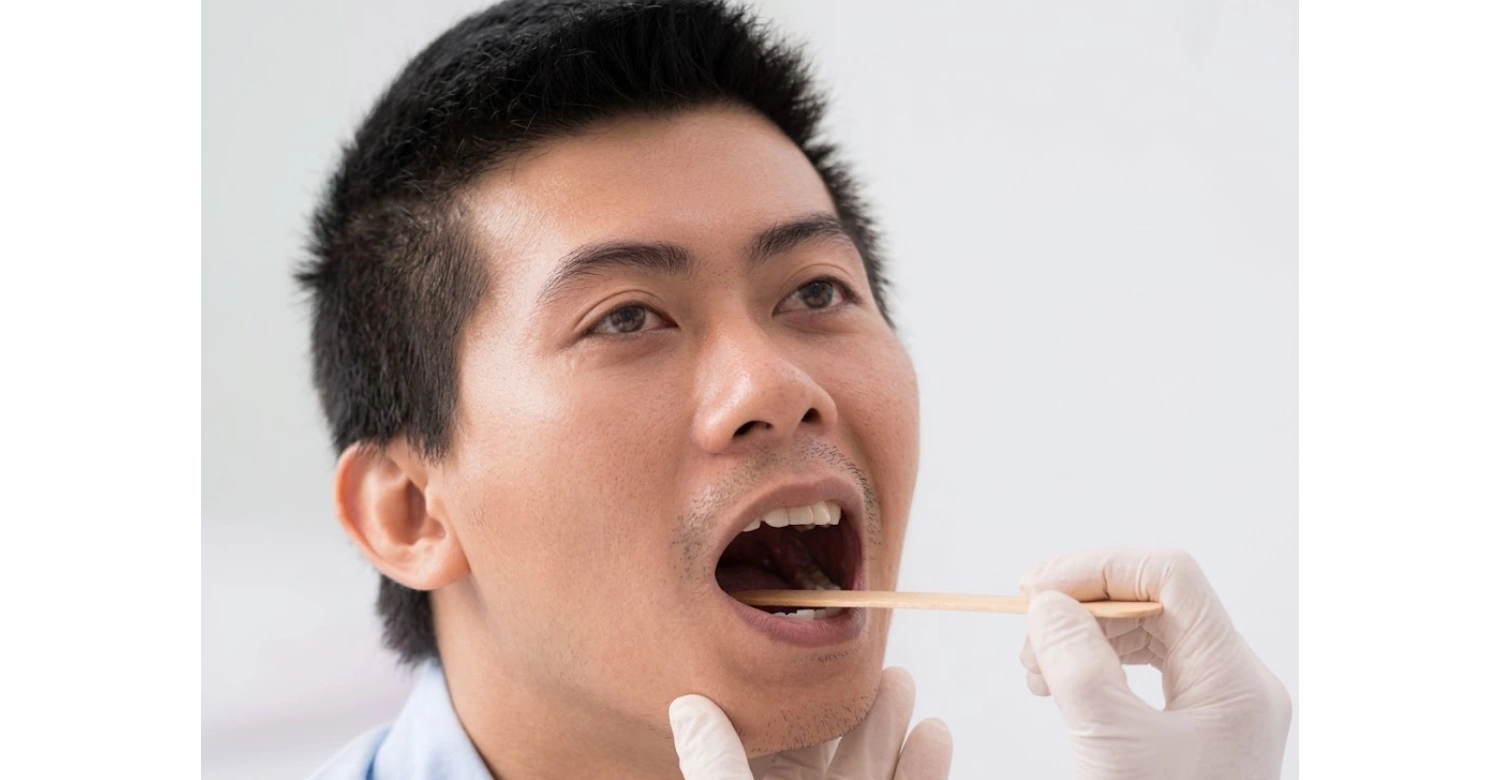
Dentists routinely inspect the tongue during examinations because this coordination and appearance often reflect broader oral health patterns. Color, surface texture, movement, symmetry, and moisture are all noted as part of a standard clinical assessment.
The tongue can accumulate bacteria, food debris, and other material over time, particularly along the back surface. A single tongue finding alone does not establish a diagnosis, but it may prompt further discussion about habits, hydration, or oral hygiene.
Tongue Movement and Oral Hygiene
Limited or unusual tongue movement may affect this process related to natural oral cleansing, since reduced motion allows debris to linger longer. Regular brushing paired with gentle tongue cleaning supports a more balanced oral environment overall.
Aggressive scraping is unnecessary and may irritate the tongue's sensitive surface. A gentle approach, done consistently, is usually more effective than forceful cleaning. Supporting healthy this activity does not require harsh or excessive daily habits.
When Changes in Tongue Function Should Be Checked
Certain signs suggest that this function should be professionally reviewed rather than monitored at home. These include persistent pain or burning, new difficulty moving the tongue, and swallowing difficulties that continue beyond a few days.
Other signs include significant changes in speech, persistent numbness or altered sensation, unexplained swelling, or a lesion that does not heal. Any change that worsens progressively, rather than resolving, is a reasonable reason to schedule an evaluation.
Tips for Patients
Brush the teeth twice daily with fluoride toothpaste.
Clean the tongue gently as part of regular oral hygiene.
Avoid excessive tongue scraping or brushing that causes irritation.
Stay adequately hydrated.
Maintain regular dental examinations.
Avoid smoking and other habits that can negatively affect oral tissues.
Pay attention to persistent changes in taste, sensation, movement, or swallowing.
Do not attempt to diagnose persistent tongue changes from photographs or online descriptions.
Seek professional advice when symptoms continue, worsen, or interfere with normal eating or communication.
Common Concerns That Can Affect Tongue Function
Several everyday concerns can influence this role without necessarily indicating a serious condition. Understanding these common issues helps patients recognize when something is likely temporary and when professional input might be genuinely useful.
Tongue-Tie and Restricted Tongue Movement
Ankyloglossia, commonly called tongue-tie, occurs when the tissue beneath the tongue restricts its range of motion. This restriction can affect selected aspects of this coordination, depending on severity, though not every case causes noticeable difficulty.
Treatment decisions depend on symptoms, age, anatomy, and clinical assessment rather than appearance alone. Some individuals adapt well without intervention, while others experience functional limitations that warrant further evaluation and discussion with a dental professional.
Dry Mouth and Its Effect on Tongue Comfort
Reduced saliva can affect this process by making the surface feel rough, dry, or uncomfortable. This often leads to altered taste perception and difficulty handling certain foods, particularly dry or textured items that require adequate lubrication.
Persistent dry mouth deserves attention, since it can gradually affect comfort and daily eating habits. Addressing hydration and underlying causes often improves both comfort and overall this activity over a relatively short period of time.
Tongue Irritation and Surface Changes
Everyday causes of tongue irritation include minor trauma, dehydration, or reactions to certain foods. These changes are usually temporary and resolve without specific treatment once the underlying trigger is removed from the daily routine.
Persistent or unexplained changes should always be assessed rather than self-diagnosed, since surface appearance alone cannot confirm a cause. Professional evaluation helps distinguish between simple irritation and something that may affect this function longer term.
Changes in Taste or Tongue Sensation
Altered taste or sensation can have multiple causes, ranging from oral irritation to systemic or medication-related factors. Because this ability overlaps with sensory processing, changes are not always limited to the tongue itself.
Considering oral, systemic, medication-related, and sensory factors together provides a more complete picture. This broader approach helps identify whether a change reflects something temporary or a pattern that deserves further professional attention.
Can Tongue Function Affect Speech, Chewing, or Swallowing?
Speech, chewing, and swallowing all depend on coordinated tongue movement, meaning that a reduction in this role can influence more than one activity at once. Temporary difficulties often differ meaningfully from persistent functional problems requiring evaluation.
Professional assessment is encouraged when symptoms interfere with eating, communication, or daily comfort. Recognizing this distinction early allows patients to seek appropriate guidance rather than assuming every temporary change reflects a lasting problem.
Tongue Function During Chewing
During chewing, this coordination includes positioning food accurately and moving it between the chewing surfaces of the teeth repeatedly. This repeated motion ensures food is broken down evenly rather than remaining concentrated in one area.
The tongue also mixes food with saliva throughout chewing, gradually preparing the bolus for swallowing. This preparation stage is essential, since inadequate mixing can make swallowing feel less comfortable or less efficient overall.
Tongue Function During Swallowing
This process during swallowing centers on bolus control, guiding the food mass with a forward-to-backward movement toward the throat. This motion must be timed correctly to avoid discomfort or an inefficient swallowing pattern.
Coordination with other swallowing structures, including the palate and throat muscles, is essential. When this coordination is disrupted, this activity related to swallowing may feel noticeably less smooth or consistent than usual.
Tongue Function During Speech
Speech requires precise tongue positioning for consonants and other specific speech sounds, with small adjustments producing noticeably different results. This precision is a clear example of this function operating at a highly detailed level.
Coordination with the palate, teeth, lips, and airflow shapes the final sound produced. Because so many structures work together, this ability during speech is rarely isolated from the rest of the oral cavity.
How Is Tongue Function Evaluated by a Dentist?
A dental evaluation of this role typically includes visual inspection, checking mobility, symmetry, surface appearance, and surrounding oral tissues. This process helps identify whether findings appear typical or warrant closer clinical attention.
Additional evaluation may be recommended when findings suggest a specific underlying issue affecting this coordination. Testing is not routinely needed for normal variations, since many differences fall within an expected and harmless range.
Questions a Dentist May Ask
A dentist assessing this process may ask when a change began and whether pain or altered sensation is present. These details help build a clearer picture of the timeline and possible contributing factors.
Further questions may include whether swallowing or speech has changed, and whether the problem is constant or intermittent. Recent medications, injuries, or oral changes could also be relevant to the current concern.
When Additional Assessment May Be Needed
Referral or additional testing depends entirely on clinical findings related to this activity, rather than being applied automatically. Routine testing is not suggested for normal tongue variations that fall within expected anatomical differences.
When findings suggest something beyond typical variation, further assessment helps clarify the underlying cause. This measured approach avoids unnecessary testing while still addressing genuine concerns about this function appropriately.
Clinical Note
Normal tongue appearance varies considerably between individuals, and this variation is a normal part of oral anatomy. A coated tongue, mild surface variation, or temporary irritation does not automatically indicate disease affecting this ability.
Persistent functional changes, pain, swelling, numbness, or an unexplained lesion deserve professional assessment rather than assumption. Online information cannot replace an examination when symptoms persist, since photographs cannot capture texture, sensation, or movement accurately.
Clinical note from the perspective of Dr. Rifat Alsaman, Head of the Medical Team at Vitrin Clinic and cosmetic dentist. Dental assessment should consider both oral appearance and this role together whenever a patient reports a persistent concern.
Can Tongue Function Be Improved or Treated?
Treatment for reduced coordination depends entirely on the underlying cause, since no single approach applies universally. A healthy tongue usually does not require any specific procedure when movement and comfort remain normal.
Understanding the root cause first allows for a more targeted approach. This individualized method avoids unnecessary treatment while still addressing genuine functional concerns when they are clearly identified during assessment.
Treatment for Restricted Tongue Movement
Selected patients with clinically significant restriction affecting this activity may be evaluated for treatment options. Not every case requires intervention, since many individuals adapt naturally without experiencing meaningful functional limitation.
Treatment should be based on functional need rather than appearance alone. This distinction matters, since addressing this function should focus on genuine difficulty with eating, speech, or comfort rather than cosmetic preference.
Managing Oral Conditions That Affect Tongue Comfort
Treating the underlying oral condition may improve tongue comfort and support this ability over time. Addressing dryness, irritation, or another contributing factor often resolves discomfort without requiring a separate dedicated procedure.
Individualized diagnosis is emphasized rather than applying one treatment for every symptom. Since causes vary widely, an approach tailored to the specific finding tends to produce more consistent and comfortable results.
When Dental or Medical Referral May Be Appropriate
A dentist may recommend assessment by another healthcare professional when findings related to this role fall outside a typical dental scope. This referral pathway ensures patients receive appropriately specialized evaluation when needed.
The discussion around referral remains realistic, since dental treatment is not appropriate for every tongue-related condition. Recognizing this boundary helps set accurate expectations before any treatment planning begins.
What Should Patients Expect After Treatment or Management?
Outcomes after addressing these concerns depend heavily on the underlying cause identified during assessment. Realistic expectations are important, since no single outcome applies to every patient or every situation.
For restricted movement, functional improvement in this process varies between patients based on severity and individual anatomy. For oral irritation or hygiene-related concerns, improvement may occur once the underlying trigger is properly addressed. Follow-up is emphasized whenever it is recommended.
Tongue Function: When Should You See a Dentist?
Persistent tongue pain, unexplained changes in appearance, or difficulty moving the tongue are reasonable reasons to schedule a dental visit. These concerns are easier to address when identified early rather than later.
Persistent swallowing or chewing problems, changes in speech, altered sensation or numbness, and persistent taste changes also warrant attention. Any oral change that does not resolve as expected deserves a professional evaluation of this function.
What We Notice Clinically: Dr. Rifat Alsaman's Perspective
Dr. Rifat Alsaman, Head of the Medical Team at Vitrin Clinic and a cosmetic dentist, offers a clinical perspective on this ability. Even when a patient visits primarily for cosmetic dentistry, oral structures work as one coordinated system.
Dr. Rifat Alsaman's opinion is that a healthy smile should not be evaluated only by the appearance of the teeth. Dentists should also consider how the tongue, teeth, bite, jaw, and surrounding oral structures function together in daily use.
Assessing this role is important before recommending cosmetic or restorative treatment, since changes to bite or tooth position can influence tongue movement. Dr. Rifat Alsaman emphasizes that concerns about speech, chewing, swallowing, or tongue movement should be understood before treatment planning begins.
Cosmetic dental treatment should preserve this practical coordination rather than focusing only on appearance. Dr. Rifat Alsaman, Head of the Medical Team at Vitrin Clinic and a cosmetic dentist, connects this functional assessment with individualized dental planning for every patient.
Why Choose Vitrin Clinic for a Comprehensive Dental Assessment?
Vitrin Clinic takes an individualized approach to dental assessment and treatment planning, considering this process alongside teeth, bite, and surrounding oral structures. This comprehensive view helps ensure treatment decisions reflect each patient's actual needs.
Relevant technology, including digital imaging, CBCT and 3D planning, and intraoral scanning, supports detailed assessment where clinically appropriate. These tools help evaluate teeth, bite, and functional concerns, including this activity, before any treatment recommendation is made.
Dr. Rifat Alsaman, Head of the Medical Team at Vitrin Clinic and a cosmetic dentist, is part of the clinic's clinical leadership guiding these assessments. Treatment recommendations are based on individual examination findings rather than a one-size-fits-all approach.
References:
FAQs
Dr. Rifat Alsaman has more than 5 years of clinical experience in dentistry and currently serves as the Head of the Medical Team at Vitrin Clinic. He is dedicated to providing exceptional patient care, overseeing treatment planning, and ensuring the highest clinical standards across the team. His expertise, attention to detail, and commitment to continuous professional development have helped countless patients achieve healthier, more confident smiles.


