.webp&w=3840&q=75)
Tooth decay pain occurs when bacteria damage the enamel and dentin, leading to cavities. The discomfort ranges from mild sensitivity to sharp, throbbing irritation, especially when eating sweet, hot, or cold foods. Symptoms include visible holes, discoloration, bad breath, and swelling. If left untreated, decay can reach the pulp, causing severe agony and infection. Temporary relief includes over-the-counter painkillers, saltwater rinses, or clove oil. Long-term treatment requires dental intervention like fillings, crowns, or root canals. Good oral hygiene and regular check-ups help prevent cavities and the development of this condition.
Understanding Tooth Decay and Its Pain
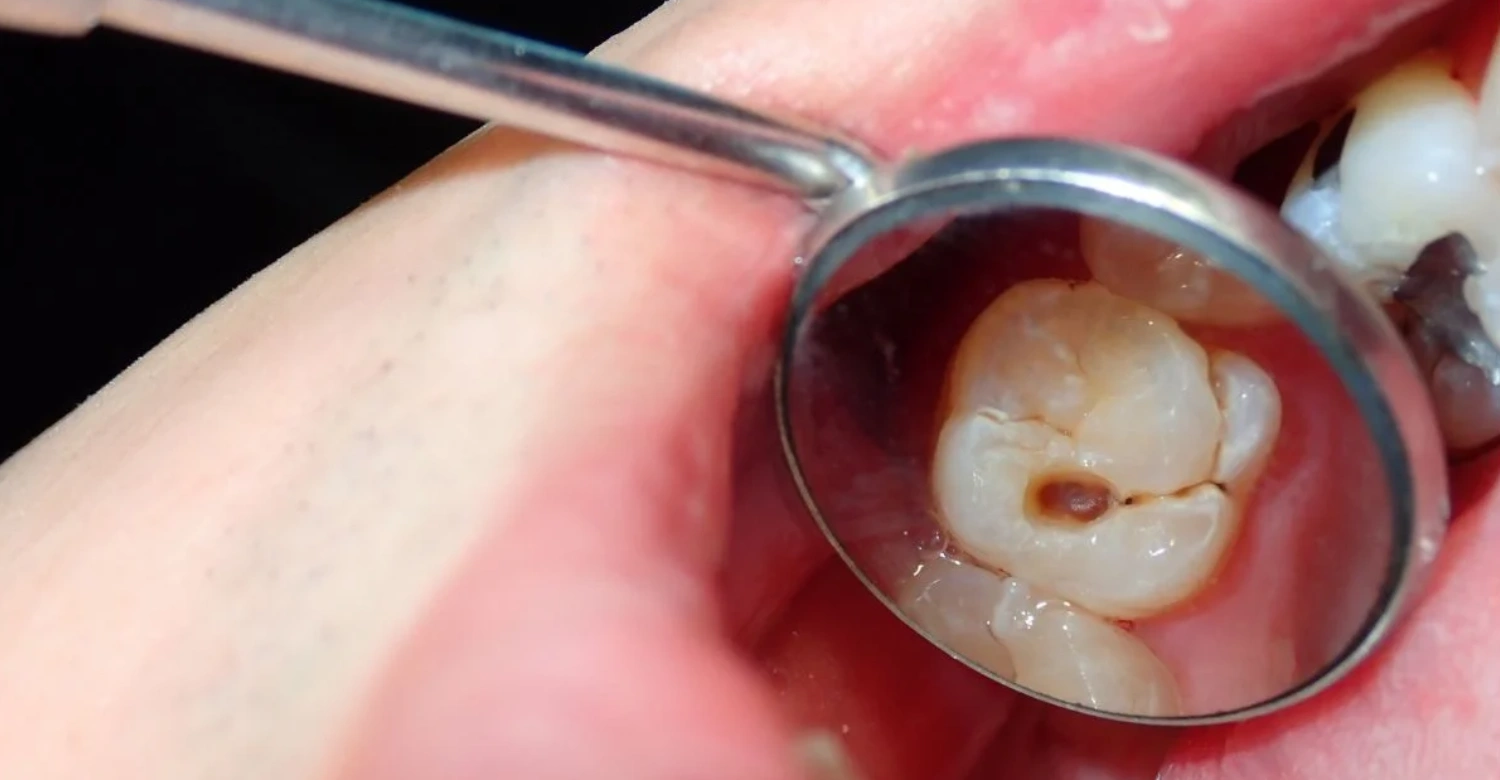
Tooth decay, also known as dental caries, is the breakdown of enamel by acids from bacteria. This leads to cavities that expose sensitive inner layers, causing intense pain. The sensation may be constant or triggered by sweet, hot, or cold foods.
Symptoms include visible holes, dark spots, bad breath, and gum irritation. If decay reaches the pulp, it can cause severe throbbing and infection. Temporary relief includes painkillers, saltwater rinses, or clove oil. Permanent solutions involve fillings, crowns, or root canals, along with proper oral hygiene. Learn about types of tooth pain to understand your dental health and prevent complications.
What Is Tooth Decay?
Tooth decay is a bacterial infection that creates cavities by destroying enamel. This allows bacteria to reach inner tooth layers. Understanding this helps patients recognize that the pain results from progressive bacterial damage.
Acids from bacteria dissolve enamel, creating holes that expose sensitive dentin and pulp. Significant cavities require treatment for resolution. Recognizing decay characteristics enables timely professional care to prevent tooth loss. Review tooth infection symptoms to identify symptoms and seek care quickly.
How Tooth Decay Pain Develops
Pain develops when a cavity reaches the dentin or pulp, which contain nerves. This creates sensitivity and discomfort. Understanding this helps patients recognize that discomfort signals progressive decay needing treatment.
Shallow cavities cause mild sensitivity, while deep decay creates severe throbbing. A professional assessment determines severity, guiding treatment from a filling to root canal therapy. Pain indicates advancing decay that requires intervention before infection spreads.
Early Signs vs Advanced Symptoms
Early signs include sensitivity to sweet, hot, or cold. Advanced symptoms show constant, severe discomfort. Recognizing progression helps patients seek early intervention to prevent severe pain.
Initial sensitivity indicates treatable superficial decay. A professional evaluation determines cavity depth and appropriate treatment. Recognizing early signs enables prompt treatment, preventing progression to advanced discomfort.
The Progression of Cavities: What Stage of Tooth Decay Is Painful?
Understanding what stage of tooth decay is painful helps patients recognize why discomfort intensifies as a cavity advances. Pain typically follows four stages, from a painless white spot to severe throbbing once the pulp is involved. Knowing these stages allows patients to seek treatment before the nerve is affected, when a simple filling can resolve the problem instead of a root canal or extraction.
Stage 1 & 2: Enamel Decay and Mild Sensitivity
In Stage 1, demineralization creates a chalky white spot on the enamel with no pain, since the outer enamel has no nerve endings. Stage 2 develops as acid breaks through the enamel, creating a small cavity that produces brief, mild sensitivity to sweet or cold. Understanding these early stages helps patients recognize that mild sensitivity is an early warning sign. A professional check at this point can resolve the cavity with a straightforward filling.
Stage 3 & 4: Dentin Involvement and Severe Throbbing Agony
Stage 3 occurs once decay penetrates the dentin. This softer layer is packed with tiny nerve channels. It produces sharper and longer-lasting sensitivity. By Stage 4, bacteria reach the pulp chamber itself. Severe cavity throbbing pain relief becomes urgent to seek. The exposed nerve reacts to pressure, temperature, and even rest. Understanding this final stage helps patients recognize constant, throbbing agony. It signals pulp infection requiring a root canal or extraction. A professional evaluation at Stage 3 or 4 is essential. It prevents the infection from spreading beyond the tooth.
Common Symptoms of a Tooth Cavity
Common symptoms include cavity irritation, sensitivity, visible holes, discoloration, bad breath, and difficulty chewing on the affected side. Understanding these symptoms helps patients recognize that cavity-related discomfort indicates a bacterial infection. It requires professional treatment intervention. Knowledge about this discomfort reveals that pain patterns vary. They range from intermittent sensitivity to constant throbbing, depending on the stage. A professional assessment determines cavity severity. It also determines the appropriate treatment approach for complete resolution. Recognizing these discomfort characteristics enables an appropriate response. Seek timely professional dental evaluation and care.
Recognizing Tooth Cavity Pain
Cavity discomfort presents as sharp sensitivity when eating sweet foods, drinking cold beverages, or biting on the affected tooth. Understanding these discomfort patterns helps patients identify symptoms accurately. They can then seek a professional evaluation to manage their condition. Knowledge reveals that triggers indicate exposed dentin or pulp from bacterial enamel destruction. A professional diagnosis determines the discomfort source. It enables appropriate treatment to address the infection and restore the tooth structure. Recognizing cavity discomfort enables prompt treatment. It prevents progression to severe infection requiring extensive dental intervention. We highly recommend exploring why toothaches hurt so bad for additional insights into maintaining your optimal oral health.
Pain From a Hole in the Tooth
Understanding hole-in-tooth discomfort involves recognizing that a visible cavity creates an opening. This opening allows food, bacteria, and temperature changes to reach the nerves. Knowledge about this problem reveals that larger cavities create more severe pain due to greater nerve exposure. A professional evaluation when a hole in the tooth hurts determines cavity depth and treatment needs. These range from a filling to a root canal. Recognizing that a hole in the tooth hurts as an urgent symptom ensures timely intervention. It prevents infection spread that causes an abscess. A visible hole indicates advanced decay requiring immediate professional treatment. This prevents tooth loss complications.
Other Warning Signs
Warning signs include swelling around the tooth, bad breath from a bacterial infection, difficulty chewing, and visible discoloration indicating decay. Understanding additional symptoms helps patients recognize that tooth decay pain often accompanies other indicators. Knowledge about signs reveals that swelling indicates a spreading infection. Bad breath suggests bacterial accumulation in the cavity. A professional assessment of warning signs determines the infection extent. It guides appropriate treatment to prevent serious complications from decay. Multiple warning signs with dental discomfort indicate an advanced cavity. This requires immediate professional dental intervention.
Causes and Risk Factors of Tooth Decay
Causes include poor oral hygiene, frequent sugar consumption, dry mouth, and bacteria accumulation creating dental discomfort. Understanding causes helps patients recognize factors contributing to cavity development. These factors ultimately lead to severe pain. Knowledge about causes reveals that bacterial acid production dissolves enamel. This creates cavities that produce sensitivity. Professional identification of specific causes enables targeted prevention strategies. It reduces future cavity risk significantly. Multiple risk factors often combine, accelerating cavity development. A comprehensive prevention approach is needed for protection.
Poor Oral Hygiene and Plaque Formation
Poor oral hygiene allows plaque accumulation harboring bacteria that produce acids. These acids create cavities that cause dental discomfort. Understanding hygiene impact helps patients recognize that inadequate brushing and flossing is the primary preventable cause of tooth decay pain. Knowledge about plaque reveals that bacterial colonies establish on teeth. They produce acids that dissolve enamel continuously. A professional emphasis on hygiene ensures patients understand that daily cleaning prevents most cavity cases. Improving oral hygiene eliminates the bacterial source. It prevents future cavity formation and associated discomfort. For further information, reading benefits of root canal provides essential guidance on managing your dental discomfort effectively.
Dietary Habits Leading to Decay
Frequent sugar consumption, acidic beverages, and constant snacking promote cavity development. Diet impacts dental health significantly. Sugar feeds bacteria, while acids weaken enamel. This accelerates cavity formation. Professional nutritional counseling helps patients optimize their diet. Strategic dietary modifications reduce cavity likelihood through daily food choices.
Genetics and Other Health Conditions
Genetics determine enamel strength and saliva composition. Health conditions like diabetes increase cavity susceptibility. Inherited traits affect individual risk variations. Certain medical conditions compromise immune function or reduce saliva. A professional assessment considers these factors when evaluating cavity risk. Genetic predisposition requires enhanced preventive care.
Expert Tips to Relieve Tooth Decay Pain at Home
Home relief includes saltwater rinses, clove oil, a cold compress, and over-the-counter pain medication. These provide temporary comfort. Understanding home options helps patients manage discomfort before professional care. Home treatments address symptoms temporarily. They do not eliminate the underlying cavity. Professional guidance ensures safe use while patients arrange urgent dental appointments.
Safe Home Remedies
Safe remedies include a gentle saltwater rinse, diluted clove oil, a cold compress, and proper oral hygiene. These gentle approaches manage pain without worsening cavity problems. Mild natural methods provide modest symptom relief. They avoid enamel damage. A professional recommendation ensures appropriate use. Safe approaches provide temporary symptom management while arranging professional treatment.
Pain Management and When to Seek Help
Pain management includes over-the-counter pain relievers, avoiding triggers, and gentle cleaning. Seek help for severe symptoms. Persistent or worsening discomfort requires immediate professional assessment. Professional care is necessary when discomfort continues beyond a few days. Severe discomfort with swelling or fever requires an emergency dental evaluation.
Preventing Worsening of Tooth Decay
Prevention includes daily brushing twice, flossing once, avoiding sugary foods, and prompt professional care. Protective habits prevent discomfort from advancing to severe stages. Early intervention stops cavity progression. A professional emphasis on prevention ensures patients develop habits preventing future discomfort. Preventive measures protect teeth from progressive damage.
How to Stop Tooth Decay Pain Instantly at Home: Step-by-Step Emergency Relief
Patients searching for how to stop this discomfort instantly need a clear, safe sequence of steps. This emergency home relief routine is designed to calm a flare-up. It is not a replacement for professional treatment.
Rinse with warm saltwater for 30 seconds to clear debris and reduce bacterial irritation around the cavity.
Apply a cold compress to the outside of the cheek for 15 minutes to numb throbbing nerves.
Dab a small amount of diluted clove oil directly on the affected tooth for its natural numbing effect.
Take an appropriate dose of an over-the-counter pain reliever to control inflammation and discomfort.
Elevate your head while resting, since lying flat increases blood flow and intensifies throbbing.
Avoid very hot, cold, or sugary foods that trigger sharp pain in the exposed area.
Understanding how to stop this discomfort with this step-by-step approach helps patients stay comfortable safely. A professional evaluation determines definitive treatment for the cavity itself.
Complications of Untreated Cavities: From Tooth Abscesses to Systemic Health Risks
Untreated tooth decay complications extend far beyond ongoing discomfort. Bacteria left unaddressed can spread from the pulp into surrounding bone and soft tissue. A tooth abscess, a painful pocket of infection at the root tip, is one of the most common outcomes of an ignored cavity. It can cause facial swelling, fever, and severe throbbing pain. Understanding these risks helps patients recognize that delaying treatment allows the infection to travel through the bloodstream. This can lead to sinus infections, jaw bone loss, and in rare cases, cardiovascular complications. A professional evaluation before decay reaches this stage prevents these serious complications and protects both oral and overall health.
Professional Dental Treatments for Tooth Decay
Professional treatments include fillings, root canals, crowns, and extractions. These address various cavity severities that cause dental discomfort. Understanding professional options helps patients recognize available treatments when cavities require intervention. Knowledge about treatments reveals that dentists address infection and restore structure, eliminating discomfort sources completely. Professional expertise ensures appropriate treatment selection based on cavity depth and symptom severity. Definitive treatment eliminates causes, preventing recurrence of discomfort. Understanding how to find a good dentist is crucial for maintaining a healthy, pain-free smile.
Fillings and Cavity Restoration
Fillings remove decay and restore tooth structure. This eliminates discomfort from exposed nerves and bacterial infection. Understanding restorative treatment helps patients recognize that structural repair addresses the causes of the ache from a cavity directly. Knowledge about fillings reveals that removing infection and sealing the tooth prevents stimuli from reaching nerves. Professional placement eliminates the discomfort source, enabling normal function without sensitivity. Proper restoration provides lasting relief through complete cavity treatment and tooth protection.
Root Canal Therapy for Severe Decay
A root canal removes infected pulp, eliminating severe discomfort from irreversible nerve damage or deep infection. Understanding endodontic treatment helps patients recognize that a root canal saves the tooth while stopping severe pain. Knowledge about the procedure reveals that removing damaged nerve tissue eliminates the discomfort source permanently. Professional root canal therapy provides definitive treatment for severe symptoms caused by a deep cavity reaching the pulp. A root canal is essential when symptoms indicate extensive infection requiring complete nerve removal.
Crowns and Advanced Procedures
Crowns protect weakened teeth after extensive decay treatment. They prevent future discomfort from structural failure. Understanding advanced options helps patients recognize that severely damaged teeth require comprehensive restoration to prevent recurring pain. Knowledge about crowns reveals that full coverage protects the remaining tooth structure after removing extensive decay. Professional placement ensures long-term relief through complete structural protection. Advanced procedures address complex cases, preventing recurrent discomfort from inadequate initial treatment.
Modern Alternatives for Advanced Tooth Decay Treatment
Patients facing advanced tooth decay today have access to modern alternatives beyond traditional drilling and filling. Laser dentistry allows precise removal of decayed tissue with less discomfort and faster healing. Digital CAD/CAM technology enables same-day crowns milled to an exact fit, reducing the number of visits. Biomimetic dental materials now replicate the natural strength and flexibility of enamel and dentin, extending restoration lifespan. Understanding these modern alternatives helps patients make informed decisions when advanced treatment is needed, choosing options that combine comfort, precision, and durability.
Preventing Tooth Decay and Maintaining Oral Health
Prevention includes excellent daily hygiene, regular dental visits, a balanced diet, and fluoride use. Understanding prevention helps patients recognize that maintaining oral health prevents most issues associated with tooth decay pain. Knowledge about prevention reveals that consistent protective care is more effective than treating recurring cavities. Professional guidance ensures patients develop habits for optimal long-term oral health. A comprehensive prevention strategy addresses all risk factors, reducing cavity likelihood through multiple protective approaches.
Daily Oral Care Routine
Daily care includes brushing twice with fluoride toothpaste, flossing once, using mouthwash, and limiting sugary snacks. Understanding routine importance helps patients recognize that consistent cleaning prevents bacterial accumulation. Knowledge about care reveals that mechanical plaque removal prevents the acid production that creates cavities. A professional demonstration ensures patients use effective techniques, preventing cavities through proper daily maintenance. Excellent daily care is the foundation of cavity prevention through consistent bacterial control.
Regular Dental Checkups
Regular checkups enable early cavity detection. They include professional cleaning, fluoride treatment, and monitoring. These steps prevent cavity development. Understanding checkup importance helps patients recognize that professional monitoring targets tooth decay pain through early intervention. Knowledge about visits reveals that six-month examinations identify decay before symptoms appear. Professional cleanings remove tartar. This prevents bacterial accumulation that creates cavities. Consistent dental visits are essential for maintaining tooth brightness.
Diet and Lifestyle Tips
Diet tips include limiting sugar and avoiding acidic beverages. Eat tooth-healthy foods and stay hydrated to support saliva production. Understanding dietary impact helps patients recognize that food choices affect cavity risk. Knowledge about diet reveals that reducing sugar limits bacterial fuel. Calcium strengthens teeth to resist decay. Professional nutritional guidance helps patients optimize their diet. Healthy lifestyle choices support cavity prevention and enhance overall health.
People Also Ask
How to stop tooth decay pain? Rinse with warm saltwater, apply a cold compress, dab diluted clove oil on the tooth, take an over-the-counter pain reliever, and avoid hot, cold, or sugary triggers while arranging an urgent dental visit for lasting relief.
What stage of tooth decay is painful? Pain typically begins in Stage 2, once the cavity breaks through the enamel, and becomes severe and throbbing in Stage 3 and 4 as decay reaches the dentin and pulp.
What We Notice Clinically
Dr. Rifat Alsaman, Head of the Medical Team and cosmetic dentist at Vitrin Clinic, notes that patients rarely present at Stage 1 or 2. At those stages, a cavity is still painless and easiest to treat with a simple filling. Dr. Rifat Alsaman observes that most people delay a visit until throbbing pain from dentin or pulp involvement disrupts sleep or eating. At that point, a root canal often becomes necessary instead of conservative restoration. Dr. Rifat Alsaman also points out that patients who try to manage severe cavity throbbing pain relief with home remedies alone frequently arrive with a developing abscess. Clove oil and painkillers mask the infection rather than treat it. Based on years of clinical cases, Dr. Rifat Alsaman recommends that any sensitivity lasting more than a few days be evaluated promptly. Early intervention consistently produces simpler, less invasive treatment outcomes.
About Vitrin Clinic
Vitrin Clinic is a cosmetic and restorative dental clinic in Istanbul, Turkey. It serves international patients who travel for high-quality, affordable dental care. The clinic combines advanced technology, including digital scanning and modern restorative materials, with a patient-centered approach led by Dr. Rifat Alsaman. From urgent dental caries discomfort relief to full smile transformations, Vitrin Clinic supports patients throughout their treatment journey. It offers multilingual coordination, transparent pricing, and comprehensive aftercare. Every patient leaves with a healthy, confident smile.
Tooth Decay Pain Management at Vitrin Clinic
Vitrin Clinic provides comprehensive care for the ache from a cavity through accurate diagnosis and effective treatment. Understanding the clinic's services helps patients access quality care when severe cavity discomfort requires professional evaluation. Knowledge about Vitrin Clinic reveals a commitment to pain relief through experienced professionals and advanced technology. Professional excellence ensures appropriate treatment for various cavity severities. A patient-centered approach prioritizes lasting relief through comprehensive management strategies.
Why Choose Vitrin Clinic for Tooth Pain
Vitrin Clinic offers expertise in cavity treatment, advanced technology, compassionate patient care, and comprehensive pain management solutions. Understanding these advantages helps patients recognize a quality provider when cavity discomfort requires an expert evaluation. Knowledge about expertise reveals that Vitrin Clinic employs professionals skilled in managing such pain effectively. A professional commitment to excellence ensures optimal outcomes through proven techniques. A comprehensive approach provides confidence in successful resolution and prevention.
Treatment Options Offered
Treatment options include fillings, root canals, crowns, preventive care, and pain management. These address all cavity discomfort types. Understanding available treatments helps patients recognize that Vitrin Clinic provides complete care. Knowledge about services reveals solutions from simple fillings to complex restorations. Professional expertise ensures appropriate treatment selection based on individual causes and severity. Comprehensive care resolves cavity discomfort and prevents recurrence.
Patient Success Stories
Success stories demonstrate effective relief. Patients experience lasting comfort after Vitrin Clinic treatment. Understanding results helps patients recognize that professional care produces significant improvement. Knowledge about outcomes reveals that comprehensive treatment resolves even complex cavity problems. A professional commitment to quality ensures consistently positive outcomes. Patient satisfaction reflects the superior management provided by experienced professionals.
References:
FAQs

Dr. Rifat Alsaman has more than 5 years of clinical experience in dentistry and currently serves as the Head of the Medical Team at Vitrin Clinic. He is dedicated to providing exceptional patient care, overseeing treatment planning, and ensuring the highest clinical standards across the team. His expertise, attention to detail, and commitment to continuous professional development have helped countless patients achieve healthier, more confident smiles.


