
Tooth gems are a popular way to add sparkle to a smile. Still, many people worry about tooth gems and enamel damage before booking an appointment. The good news is that a professionally applied gem is generally low-risk. Problems usually come from poor bonding, weak hygiene, or DIY removal, all explained below.
What Are Tooth Gems and How Are They Applied?
Knowing how gems are applied helps you understand the risks. A gem sits on the outer enamel surface and is held in place by a dental bonding material. Surface preparation and product choice directly affect long-term tooth gem safety.
What Are Tooth Gems?
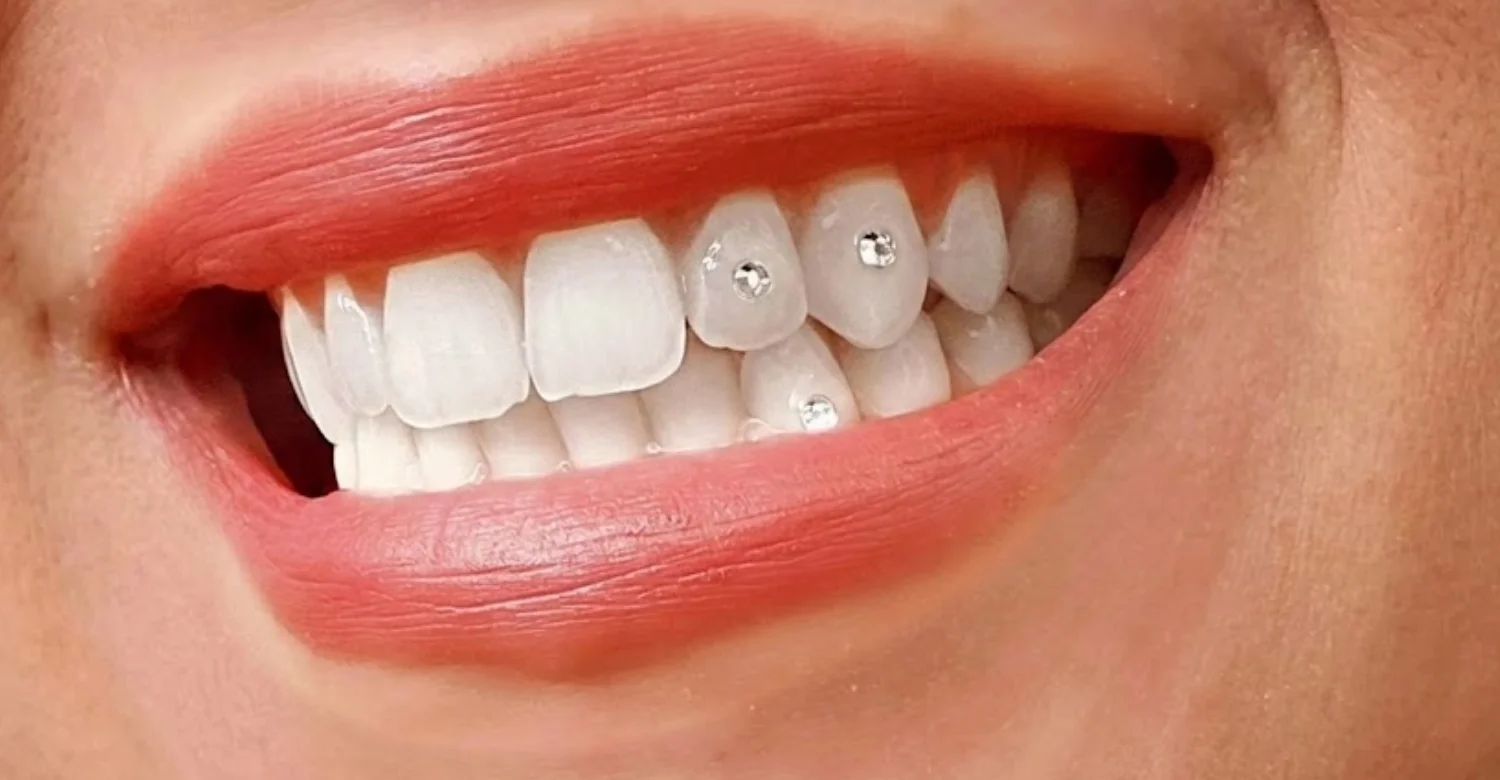
Tooth gems are small decorative stones, often crystals or gold pieces, attached to the front of a tooth. They are a non-invasive cosmetic accessory, so no drilling is needed. Most people choose a single gem on an upper front tooth or canine. There, it catches the light when they smile.
How Are Tooth Gems Attached to Teeth?
First, the tooth is cleaned, polished, and dried. Next, a mild etching gel is applied to a small area of enamel to help the bond grip. A thin layer of bonding material is placed, the gem is positioned, and a curing light hardens it. Done carefully, the process takes under an hour and protects the enamel.
Tooth Gem Glue and Tooth Gem Adhesive
Professional tooth gem glue is not household glue. A proper tooth gem adhesive is a dental-grade composite or bonding resin. It is similar to the material used for orthodontic brackets. These materials are designed for the mouth and bond reliably to etched enamel. A professional can also remove them later without harming the tooth.
How Long Do Tooth Gems Stay on Teeth?
A professionally bonded tooth gem can last from several months to a year or more. This depends on bite forces, eating habits, and oral hygiene. Chewing hard foods or biting nails can loosen it sooner. When it comes off or is removed, a dentist should check the enamel for any changes.
Clinical Note
Tooth gems do not necessarily damage enamel when they are properly placed and monitored. The link between tooth gems and enamel damage usually comes from technique. Common causes include over-etching, unsuitable adhesives, gems placed too close to the gums, or forceful removal. Careful bonding and gentle professional removal keep the risk low.
Tooth Gems and Enamel Damage: Can Gems Harm Your Enamel?
The honest answer is that harm is possible but not inevitable. Enamel does not regenerate, so any loss is permanent. Most issues are preventable with professional application, good daily cleaning, and no at-home removal. DIY removal is the biggest cause of avoidable enamel injury.
How Tooth Gems May Affect Enamel
Etching removes a microscopic layer of surface mineral so the adhesive can bond. Done correctly, this loss is minimal. However, the area around the gem can trap plaque. Acids from that plaque may cause white chalky spots, known as demineralisation. These spots are an early warning sign of tooth gems and enamel damage.
Can Removing Tooth Gems Damage Teeth?
Yes, if done incorrectly. Prying a gem off with fingernails, tweezers, or sharp objects can chip or scratch enamel. Leftover adhesive can also roughen the surface. Professional tooth gem removal uses dental instruments to lift the gem. The remaining material is then polished away to protect the tooth.
Tooth Gem Removal and Enamel Safety
Removal is the stage that needs the most care. A dentist removes the gem, carefully clears the remaining adhesive, and polishes the enamel smooth. They can also check for white spots or early decay beneath or around the gem.
Tips for the Patients
Avoid removing tooth gems by yourself, as force can chip or scratch enamel. Have a dental professional assess the tooth before and after removal so early changes are caught. Watch for sensitivity, roughness, discoloration, or changes around the gem. Report them to your dentist promptly.
What Are the Possible Tooth Gem Side Effects?
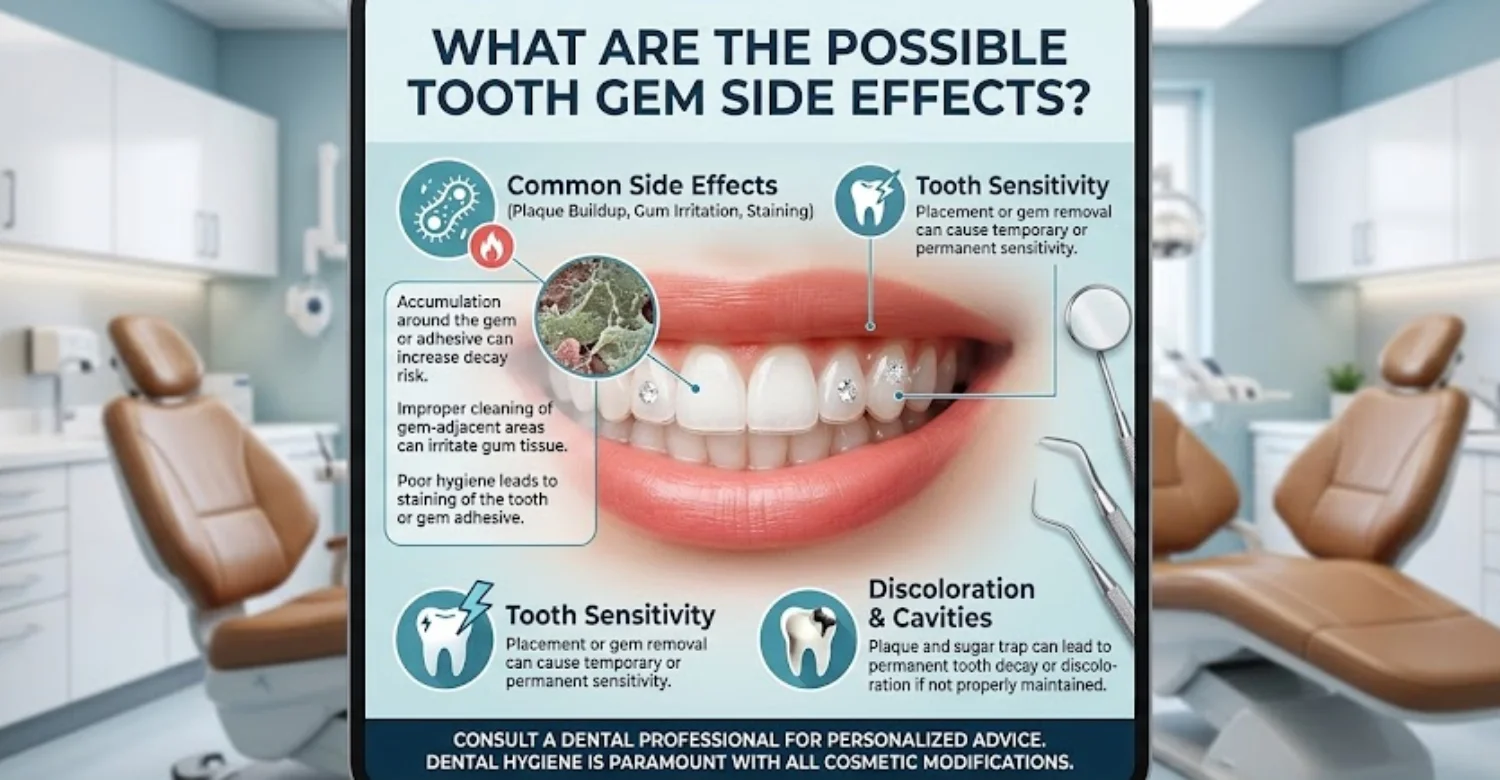
Most people wear tooth gems without problems, but it helps to know the possible side effects. These range from mild plaque buildup to sensitivity and staining. Knowing the risks of tooth gems and enamel damage in advance helps you spot changes early. You can then act before they become serious.
Tooth Gem Side Effects You Should Know
Common tooth gem side effects include plaque around the gem and minor gum irritation. Some people also notice temporary sensitivity after placement or staining at the adhesive edges. Less commonly, poor technique or DIY products can lead to enamel wear or decay. Most effects are manageable when a dentist identifies them early.
Can Tooth Gems Cause Tooth Sensitivity?
Some people notice mild sensitivity shortly after a gem is placed, usually because of the etching step. This generally settles quickly. Lingering or worsening sensitivity may point to enamel loss, a cavity, or gum recession near the gem. It should be checked rather than ignored or treated with home remedies.
Can Tooth Gems Cause Enamel Wear?
Enamel wear from tooth gems is usually caused by friction or poor removal. A gem placed where an opposing tooth hits it can wear that tooth's enamel over time. Scraping off adhesive at home can also thin the surface. A careful bite check during placement helps prevent this.
Can Tooth Gems Cause Tooth Discoloration?
Discoloration can occur when stains from coffee, tea, or smoking collect at the adhesive edge. Plaque left around the gem can also cause white or brown spots. After removal, the enamel underneath may look slightly different in shade. A dentist can often improve this with polishing.
Clinical Note
Complications depend on four main factors. These are application technique, daily oral hygiene, the type of adhesive, and the removal method. When all four are handled well, the risk of tooth gems and enamel damage stays low for most healthy adults.
Can Tooth Gems Cause Cavities?
Tooth gems and cavities are connected indirectly. The gem does not cause decay by itself, but it creates an extra edge where plaque and food collect. If that area is not cleaned well, bacteria produce acids that weaken enamel. Over time, this can lead to cavities.
How Tooth Gems May Contribute to Cavities
Bacteria feed on sugars and release acids that dissolve enamel minerals. The margin where the gem and adhesive meet the tooth is harder to reach with a toothbrush. As a result, plaque can stay there longer. Over time, this can lead to white spots and eventually a cavity.
Tooth Gems and Cavities: What Is the Connection?
The connection comes down to cleaning access. A gem on healthy enamel that is brushed carefully twice a day carries little added risk. A gem on a tooth with existing decay, weak enamel, or poor hygiene raises the chance of new cavities.
Why Plaque Can Build Up Around Tooth Gems
Plaque builds up wherever a surface is uneven. The raised gem and the adhesive edge create small ledges that hold food and bacteria, especially near the gumline. Rushed brushing tends to skip around the gem. This allows plaque to mature and become harder to remove at home.
Tooth Gems Plaque Buildup and Tooth Decay
Tooth gems plaque buildup is one of the clearest paths to decay. Plaque left for days can harden into tartar, which only a dental professional can remove. Meanwhile, acids continue softening the enamel. Regular cleaning and checkups break this cycle before decay starts.
Tips for the Patients
Brush carefully around the gem using a soft-bristled brush angled towards its edges. Floss regularly to clean between teeth and near the gumline. Check the area around the gem for plaque or white spots. Keep routine dental examinations so early changes can be found and treated quickly.
Ready to transform your smile?
Talk to our team and get a personal FREE treatment plan.
Can Tooth Gems Cause Gum Damage?
Tooth gems gum damage is uncommon when gems are placed correctly. However, it can happen if a gem sits too close to the gumline or plaque builds up. Healthy gums matter just as much as healthy enamel for a lasting result.
How Tooth Gems May Affect the Gums
Plaque near the gem can irritate nearby gum tissue, causing redness, swelling, or bleeding when brushing. If adhesive spreads onto the gum margin, it creates a rough edge that traps bacteria. Untreated inflammation can progress to gingivitis, which may become more serious if ignored.
Tooth Gems Gum Damage and Irritation
Signs of tooth gems gum damage include tenderness, puffiness, bleeding, or a bad taste near the gem. These symptoms usually come from bacterial buildup rather than the gem itself. Better cleaning around the area often helps. Persistent irritation should be assessed to rule out tartar, excess adhesive, or infection.
Can Improperly Placed Tooth Gems Irritate the Gums?
Yes. A gem placed too low, or excess adhesive on the gumline, can rub soft tissue and hold plaque. This is a common issue with non-professional placement. Placing the gem in the middle of the tooth keeps it away from the gums and easier to clean.
Tips for the Patients
Brush gently along the gumline twice a day to keep the area around the gem clean. Do not ignore persistent gum irritation, bleeding, or swelling, as these are signs of inflammation. If symptoms last more than a week or two, seek a professional evaluation. Do not try to fix it yourself.
Note - All images used are for editorial and illustrative purposes only and may not originate from the original news provider or associated company.
Is Tooth Gem Glue or Adhesive Safe for Teeth?
The safety of tooth gem glue depends on the product and the person applying it. Dental-grade materials are designed for enamel, while household glues are not. Choosing the right material is one of the most important steps in protecting your teeth.
What Is Tooth Gem Glue?
Tooth gem glue is a common term for the material that holds the gem in place. In a professional setting, this is a light-cured dental bonding agent, not a craft or nail glue. The term can be misleading. This is why some people wrongly try household glues at home.
What Is Tooth Gem Adhesive?
Tooth gem adhesive usually refers to a dental composite resin or orthodontic bonding material. It is applied in a thin layer and hardened with a curing light. The result is a strong but removable bond. Because it is designed for the mouth, it is compatible with enamel and can be polished away later.
Can Tooth Gem Adhesive Damage Enamel?
A properly used dental-grade tooth gem adhesive should not harm enamel. Risks rise with over-etching, thick layers that trap plaque, or careless removal. Non-dental glues such as superglue or nail glue pose a far bigger risk of tooth gems and enamel damage. They are not made for oral use.
Why Professional Application Matters
Professional application ensures the right materials, controlled etching, correct gem position, and a bite check. A trained clinician also checks the tooth for decay or weak enamel before placing anything. This assessment is a key part of tooth gem safety and reduces later complications.
Clinical Note
Dental bonding materials and application techniques directly affect the safety of tooth gems. Inappropriate adhesives should never be used on teeth. They may contain chemicals not intended for the mouth and bond unpredictably. They can also be hard to remove without scraping, which raises the risk of enamel damage.
How Can You Prevent Tooth Gems and Enamel Damage?
Protecting tooth gems dental health is mostly about routine. Good habits keep the gem looking bright and prevent many common problems. Consistent brushing, flossing, and regular checkups protect the enamel and gums for as long as you wear the gem.
Tooth Gems Dental Health: What You Should Know
Tooth gems dental health starts before placement. Gems are best placed on healthy, decay-free enamel, and existing gum problems should be treated first. Once the gem is in place, the tooth needs the same care as any other. Give extra attention to the edges, where plaque tends to collect.
Tooth Gems Oral Health and Daily Hygiene
Good tooth gems oral health relies on daily hygiene. Brush twice a day for two minutes, angling the brush around the gem. Clean between teeth daily, limit sugary snacks and drinks, and rinse with water after meals. These simple steps reduce the acid attacks behind tooth gems and enamel damage.
How to Clean Around Tooth Gems
Use a soft-bristled manual or electric toothbrush and small, gentle circles around the gem. An interdental brush or floss helps clean nearby gaps. Avoid hard scrubbing, highly abrasive whitening toothpastes, or picking at the gem. These habits can weaken the bond or scratch enamel.
How Often Should You Check Your Teeth?
Most people with tooth gems should have a checkup and professional cleaning every six months, or sooner if advised. Between visits, look at the gem in a mirror weekly for plaque, white spots, or gum redness. Early checks are the simplest way to stop tooth gems and enamel damage from progressing.
Tips for the Patients
Brush twice daily with fluoride toothpaste. Floss around the tooth gem carefully. Avoid picking or scratching the gem. Monitor for plaque, sensitivity, gum irritation, or discoloration, and note any changes. Keep regular dental checkups so your dentist can clean hard-to-reach areas and assess the enamel around the gem.
What Should You Do If Your Tooth Gem Is Causing Problems?
If you notice changes around your gem, act early. Most issues are easier to manage in their first stages. A dental examination can identify the cause, whether it is plaque, adhesive, or decay. It can also show whether professional tooth gem removal is needed.
Signs of Tooth Gems and Enamel Damage to Watch For
Warning signs include sensitivity, gum bleeding or swelling, discoloration, persistent pain, and visible plaque around the gem. Any of these can point to early enamel or gum problems. Booking a check promptly gives your dentist the best chance to treat the issue simply and preserve your enamel.
Tooth Sensitivity
Sensitivity to hot, cold, or sweet foods around the gem may suggest enamel thinning, early decay, or exposed roots. Mild sensitivity after placement is normal, but lasting or sharp sensitivity is not. A dentist can identify the cause and recommend treatment, such as desensitising products or a filling.
Gum Bleeding or Swelling
Gums that bleed when brushing or look swollen near the gem usually indicate plaque-related inflammation. This early form of gum disease often improves with better cleaning and a professional scale and polish. If it continues, the gem's position or excess adhesive may need to be reviewed.
Tooth Discoloration
White chalky spots, brown marks, or a dark line around the gem can signal demineralisation, staining, or decay. These are all early signs of tooth gems and enamel damage. Such changes are easier to treat when caught early. Options include polishing, fluoride treatment, or removing the gem.
Pain or Persistent Irritation
Ongoing pain, throbbing, or irritation of the lip or cheek against the gem should never be ignored. Pain may indicate a cavity, cracked enamel, or gum infection. Rubbing usually suggests the gem is poorly positioned. A dentist can examine the area and decide whether adjustment or tooth gem removal is required.
Plaque Buildup Around the Gem
A visible yellow or white film around the gem is a sign of tooth gems plaque buildup. If brushing does not remove it, it may have hardened into tartar. A professional cleaning removes it safely. Your dentist can also show you better ways to clean around the gem and protect the enamel.
Tips for the Patients
Do not attempt DIY tooth gem removal, as prying the gem off can chip enamel. Avoid scraping off the adhesive with sharp objects or abrasive products. Arrange a dental examination if you notice changes in the tooth or gums. Early treatment keeps small problems from growing.
How Can Vitrin Clinic Help You Protect Your Teeth When You Have Tooth Gems?
At Vitrin Clinic, our dental team helps patients enjoy cosmetic accessories while protecting their natural teeth. We focus on prevention, early detection, and careful treatment. Preventing tooth gems and enamel damage is part of every assessment, cleaning, and removal appointment.
.webp)
.jpg)
Professional Assessment of Tooth Gems and Enamel Damage
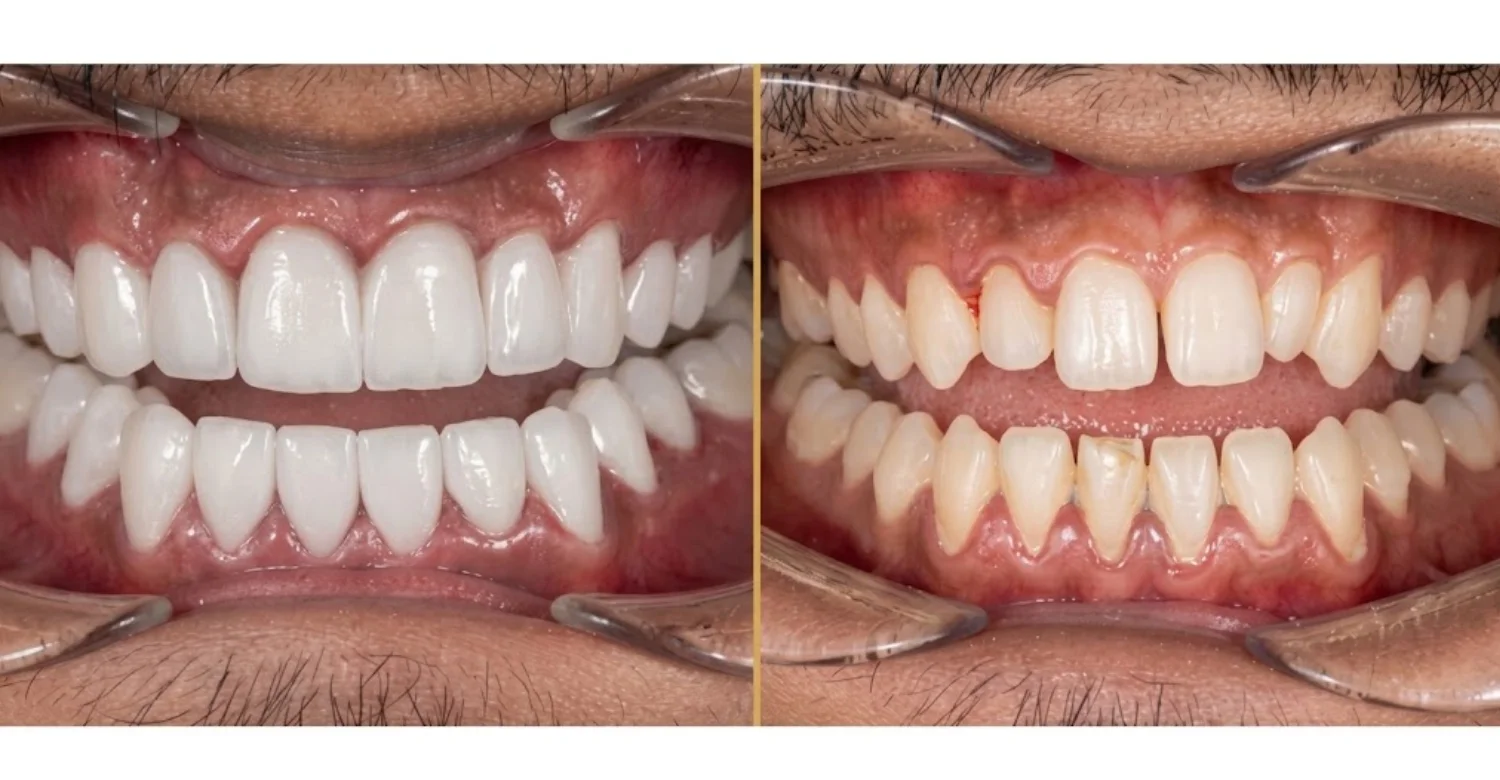
Our dentists examine the gem, the adhesive margin, and the surrounding enamel. We look for white spots, roughness, wear, or early decay. We also review your bite to see whether opposing teeth knock against the gem. This detailed assessment gives a clear picture of your risk.
Checking for Cavities and Plaque Buildup
We look closely for signs of tooth gems and cavities, including soft enamel or shadowing near the gem. Dental X-rays are used where needed. Any tooth gems plaque buildup or tartar is removed with professional cleaning. We also give practical advice on brushing and flossing around the gem at home.
Professional Tooth Gem Removal
If a gem is loose, causing irritation, or no longer wanted, Vitrin Clinic offers professional tooth gem removal. We gently detach the gem, remove the remaining adhesive, and polish the enamel smooth. This controlled approach minimises the risk of enamel damage during removal.
Protecting Your Enamel and Gum Health
After assessment or removal, we may recommend fluoride treatment to strengthen enamel. Polishing can improve shade, and gum care can reduce inflammation. Our goal is to protect long-term tooth gems oral health. Your smile stays healthy whether you keep your gem, replace it, or remove it.
What We Notice Clinically
At Vitrin Clinic, Dr. Rifat Alsaman is Head of the Medical Team and a cosmetic dentist. He notes that most cases of tooth gems and enamel damage come from hygiene gaps or DIY removal. The gem itself is rarely the cause. He advises checking the enamel and gums before removal. He also recommends gentle brushing, fluoride, regular checkups, and professional removal.
Clinical Note
Professional assessment can identify early enamel, cavity, or gum concerns before they become painful or costly. Small white spots, mild inflammation, or early decay can often be managed simply. Regular reviews are the most reliable way to keep tooth gems and enamel damage from becoming a larger problem.
Resource:
https://pmc.ncbi.nlm.nih.gov/articles/PMC6947563/
https://jada.ada.org/article/S0002-8177(22)00574-8/fulltext
https://pmc.ncbi.nlm.nih.gov/articles/PMC4843382/
FAQs

Dr. Rifat Alsaman has more than 5 years of clinical experience in dentistry and currently serves as the Head of the Medical Team at Vitrin Clinic. He is dedicated to providing exceptional patient care, overseeing treatment planning, and ensuring the highest clinical standards across the team. His expertise, attention to detail, and commitment to continuous professional development have helped countless patients achieve healthier, more confident smiles.


