General Dentistry
September 6, 2026
How Are Teeth Numbered? Understanding Tooth Numbering and Dental Tooth Numbers
 Dr. Rifat Alsaman
A tooth numbering system is the method dentists use to label every tooth with a specific number or letter. It makes it easy to record findings, plan treatment, and talk with patients. Several systems exist worldwide, including the Universal System and the FDI System. Each one assigns numbers differently. Understanding a tooth numbering system helps patients follow their charts, X-rays, and treatment plans with confidence. This guide covers every major system. It explains tooth names and numbers. It also shows how a tooth chart with numbers works in everyday dental care, including how Vitrin Clinic applies tooth numbers to support clear patient communication.
What Is Tooth Numbering?
Tooth numbering is a standardized method dental professionals use to identify each tooth. Instead of describing a tooth by location alone, every tooth gets a unique number or code. This lets dentists, hygienists, and specialists reference the same tooth across records, X-rays, and conversations. It reduces confusion during diagnosis, treatment planning, and follow-up care.
Why Do Dentists Use Tooth Numbers?
Dentists use tooth numbers because verbal descriptions can be unclear. "Upper left back tooth" means different things to different people. A tooth number removes that ambiguity. Everyone reviewing a chart, referral, or insurance claim understands exactly which tooth is involved. This supports safer, more accurate dental treatment.
How Does Tooth Numbering Help Identify Each Tooth?
Tooth numbering assigns a fixed number or letter to each tooth based on its position. This lets dental teams instantly locate a tooth on a chart. There is no need for lengthy descriptions. Whether reviewing X-rays or writing treatment notes, this consistent labeling keeps identification accurate. It stays easy to communicate at every stage of care.
Why Accurate Tooth Identification Matters in Dental Treatment
Accurate tooth identification prevents mistakes, such as treating the wrong tooth or misreading a chart. When every tooth has a clear number, dental teams can plan procedures precisely. They can communicate with labs and specialists with confidence. Patients also get a clear picture of exactly which tooth is being discussed or treated.
What We Notice Clinically
At Vitrin Clinic, the dental team relies on accurate tooth numbering during consultations. It helps them plan treatments step by step. It also helps avoid confusion when multiple teeth are involved in one procedure. This keeps patients informed throughout their care.
Clinical Note
Numbering systems give a standardized way to identify individual teeth in records, treatment plans, X-rays, and patient communication. They form the foundation for organized, error-free dental documentation used across clinics worldwide.
What Are the Different Tooth Numbering Systems?
Several systems are used around the world to number teeth, and each organizes them differently. The most common are the Universal System, the FDI System, and the Palmer System. The underlying goal stays the same in every case. Still, the numbers or codes assigned to each tooth vary between systems.
The Universal Tooth Numbering System
This system assigns permanent teeth numbers 1 through 32. Numbering starts from the upper right and moves around the mouth. It is widely used across the United States. You will often see it on dental charts, insurance forms, and treatment records in American practices.
How Does the Universal Tooth Numbering System Work?
This system starts at the upper right third molar, which is tooth number 1. Numbering continues across the upper arch to tooth 16. It then drops to the lower left as tooth 17. It finishes at the lower right as tooth 32. This sequential approach makes it simple to track every tooth in order.
The FDI Tooth Numbering System
This system is used internationally. It organizes teeth using two-digit codes. The first digit represents the quadrant of the mouth. The second identifies the tooth's position within that quadrant. It is common in many countries outside the United States.
How Does the FDI Tooth Numbering System Work?
The FDI system pairs a quadrant digit with a position digit. Together, these build each tooth's code. Tooth 21, for example, sits in quadrant 2 at position 1. This structured format allows quick identification. You do not need to memorize one long, continuous list of numbers.
Palmer Tooth Numbering System
This method uses numbers, letters, and bracket symbols together. They show which quadrant and tooth position is being referenced. It is less common today. Some orthodontists still use it, particularly for tracking primary teeth or specific orthodontic cases.
How Is the Palmer System Different From Other Systems?
Unlike the Universal or FDI systems, the Palmer System uses a bracket symbol. It appears alongside a number or letter to show quadrant and tooth position visually. This visual style can help with quick charting. It is used less often in general dental practice today.
Tips for Patients
Patients reviewing a dental chart or treatment plan should feel comfortable asking which numbering system is in use. Tooth numbers can differ between systems. Understanding the format helps make treatment discussions clearer and less confusing.
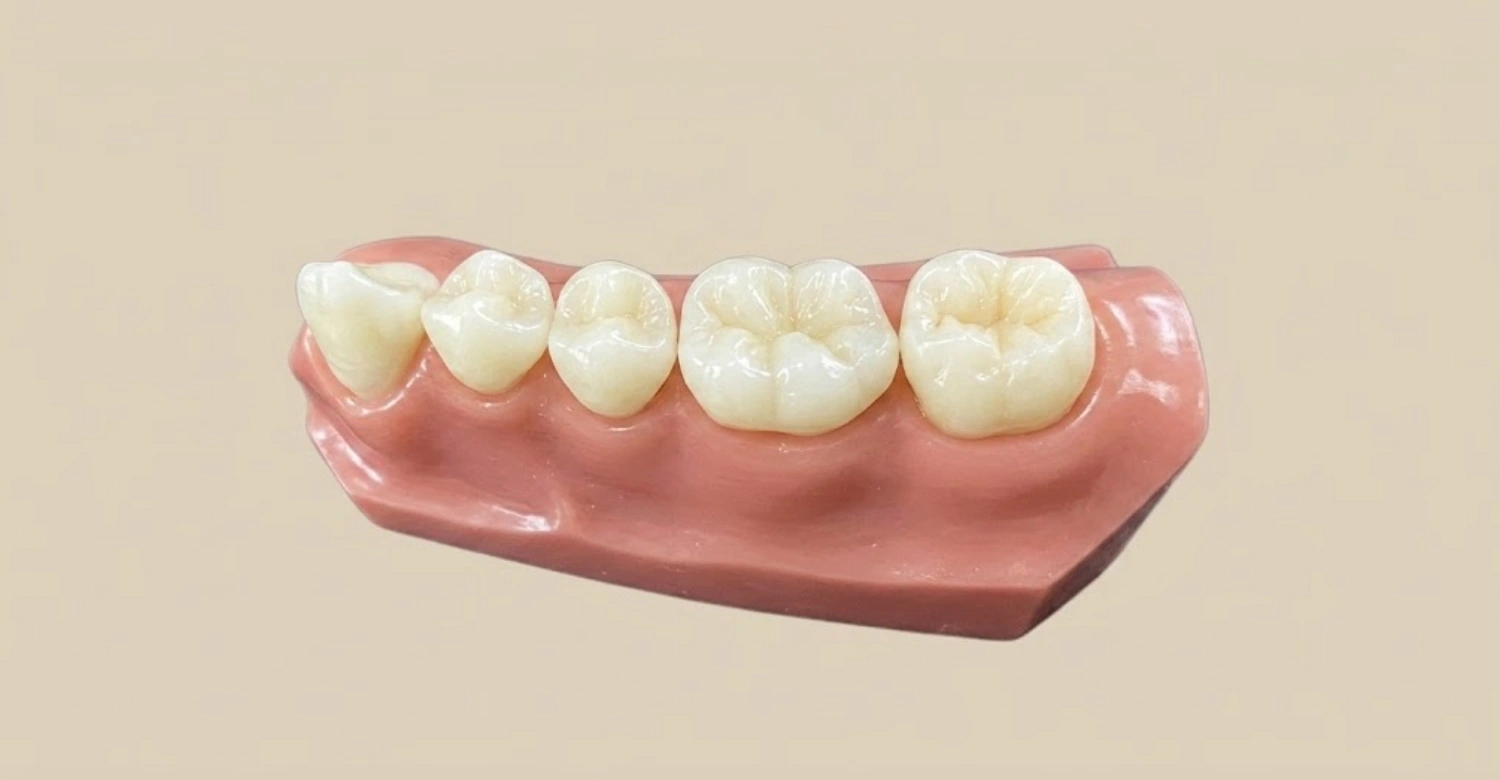
What Is the Universal Tooth Numbering System?
The Universal System is a widely used method that assigns permanent teeth numbers 1 through 32. This approach is common in American dental offices. It appears frequently on tooth charts, X-rays, and treatment plans. It offers a simple, sequential way to identify every adult tooth.
How Are Adult Teeth Numbered in the Universal System?
Adult teeth are numbered from 1 to 32. Numbering starts at the upper right third molar and moves left across the upper arch. It then continues to the lower left and around to the lower right. This continuous sequence allows every permanent tooth to be tracked without repeating numbers.
Tooth Numbers 1 to 16 in the Upper Jaw
Tooth numbers 1 through 16 represent the upper jaw. The sequence begins with tooth 1 at the upper right third molar. It ends with tooth 16 at the upper left third molar. This range covers all upper incisors, canines, premolars, and molars in one easy-to-follow sequence.
Tooth Numbers 17 to 32 in the Lower Jaw
Tooth numbers 17 through 32 cover the lower jaw. The sequence starts at the lower left third molar as tooth 17. It finishes at the lower right third molar as tooth 32. This ensures every lower tooth has its own distinct, easily referenced number.
How Are Baby Teeth Numbered in the Universal System?
Baby teeth, also called primary teeth, use letters rather than numbers in the Universal System. This distinguishes primary tooth identification from the permanent system. It helps dental teams quickly recognize whether a chart refers to a child's developing teeth or an adult's permanent set.
Primary Tooth Letters A Through T
Primary teeth are labeled A through T. Labeling starts at the upper right second molar and follows the same directional path used for permanent teeth. This letter-based system keeps baby teeth clearly separated from adult tooth numbers. It also maintains a consistent, easy-to-follow charting pattern.
Clinical Note
The Universal System is commonly used in dental practices in the United States. It assigns numbers to permanent teeth from 1 through 32. This makes it one of the most recognized formats in American dentistry today.
What Is the FDI Tooth Numbering System?
The FDI System is an internationally recognized method that uses two-digit codes to identify teeth. It is widely adopted outside the United States. This system organizes the mouth into quadrants. It is a preferred format for many dental professionals, researchers, and international dental records.
How Does the Two-Digit FDI Tooth Numbering System Work?
The FDI system pairs a quadrant digit with a tooth position digit. Together, they create a two-number code for each tooth. Tooth 21, for example, refers to quadrant 2, tooth position 1. This structured format allows quick identification without a long, sequential list to memorize.
What Do the First and Second Numbers Mean?
The first number identifies which quadrant of the mouth the tooth sits in. The second identifies the tooth's position within that quadrant, counted outward from the center. Together, these two digits form a precise reference for locating any given tooth on a chart.
Understanding Quadrants in the FDI System
The FDI system divides the mouth into four quadrants for permanent teeth. They are numbered 1 through 4, covering the upper right, upper left, lower left, and lower right sections. This quadrant-based structure is central to the FDI approach. It helps standardize dental charting across many countries.
Understanding Tooth Positions Within Each Quadrant
Within each quadrant, teeth are numbered 1 through 8. Numbering starts from the central incisor and moves back toward the third molar. This positional detail allows dentists to pinpoint exactly which tooth is involved, regardless of quadrant.
What Is a Tooth Chart With Numbers?
A tooth chart with numbers is a visual diagram. It shows every tooth in the mouth alongside its assigned number. This tool combines anatomy with tooth identification. It gives patients and dental teams an easy reference for identifying teeth during consultations, X-ray reviews, and treatment planning discussions.
How Does a Dental Tooth Numbering Chart Work?
This chart maps out the full set of teeth in their natural arrangement. Each tooth is labeled according to a chosen system. By pairing a visual layout with tooth numbers, it becomes simple to locate and understand which tooth is being referenced at a glance.
What Information Can You Find on a Tooth Numbers Chart?
A tooth numbers chart typically shows tooth position, tooth type, and sometimes treatment notes for each numbered tooth. This combination of details makes it a useful reference. Patients can connect a specific number to real information about their dental anatomy and care.
Tooth Position
Tooth position on a chart shows whether a tooth sits in the upper or lower jaw, and on the right or left side. This spatial information, paired with a clear numbering layout, helps patients visually locate any tooth mentioned during a consultation or treatment plan discussion.
Tooth Type
Tooth type identifies whether a numbered tooth is an incisor, canine, premolar, or molar. Including tooth type alongside its assigned number gives patients a clearer picture of shape and function. This makes it easier to understand why certain treatments are recommended.
Treatment Information
Some tooth charts include treatment notes next to each tooth number, such as fillings, extractions, or planned procedures. This added detail turns a basic tooth numbers chart into a practical record. Patients can reference it to track their ongoing dental care and treatment history over time.
Tips for Patients
Patients can use a tooth numbering system chart to better understand treatment recommendations. Match the tooth numbers mentioned during appointments to the chart. This makes it easier to follow along and identify exactly which teeth are being discussed.
What Are the Different Tooth Names and Numbers?
Tooth names and numbers work together to describe each tooth's identity and function. The coding format assigns a specific number or code. Tooth names, like incisor, canine, premolar, and molar, describe the tooth's shape and role. Together, they give a fuller picture of dental anatomy.
Incisor Tooth Numbers
Incisors are the flat, front teeth used for biting. Their tooth numbers vary depending on the system used. In the Universal System, incisors typically fall within numbers 7 through 10 and 23 through 26. The FDI system places them at position 1 or 2 in each quadrant.
Central Incisors
Central incisors are the two front teeth in each jaw, closest to the midline. On most charts, they are usually labeled as position 1 in the FDI system. In the Universal System, they carry specific numbers like 8 and 9, depending on upper or lower placement.
Lateral Incisors
Lateral incisors sit next to the central incisors and are slightly smaller. In FDI charting, they occupy position 2 in each quadrant. The Universal System assigns them numbers such as 7 and 10. This helps distinguish them clearly from neighboring teeth.
Canine Tooth Numbers
Canine teeth, often called cuspids, are pointed teeth used for tearing food. Their tooth numbers fall at position 3 in each FDI quadrant. The Universal System labels them with numbers like 6, 11, 22, and 27, depending on location in the mouth.
Premolar Tooth Numbers
Premolars sit between the canines and molars and help crush food. They occupy positions 4 and 5 within each FDI quadrant. The Universal System assigns them a range of numbers on both the upper and lower arches, varying by side.
Molar Tooth Numbers
Molars are the large back teeth used for grinding food. They occupy positions 6, 7, and 8 in each FDI quadrant. In the Universal System, molars occupy several numbers near the beginning and end of the 1 through 32 sequence.
First Molars
First molars are typically the earliest permanent molars to appear. They hold a consistent position on any chart. They sit at position 6 in each FDI quadrant. The Universal System assigns them specific numbers depending on whether they are upper or lower teeth.
Second Molars
Second molars sit just behind the first molars and follow a similar pattern. In the FDI system, they occupy position 7. The Universal System gives them the next sequential number. This keeps identification consistent across dental charts and records.
Third Molars
Third molars, commonly known as wisdom teeth, sit at the very back of the mouth. They occupy position 8 in each FDI quadrant. They typically appear as the highest or lowest numbers in Universal System charts, marking the end of each arch.
Clinical Note
Tooth names describe the type and function of the tooth. Tooth numbers provide a specific identification system. Understanding both together gives a more complete picture of how this format supports accurate dental communication.
What Tooth Numbers Are Wisdom Teeth?
Wisdom teeth, or third molars, sit at the back corners of the mouth. They are typically the last teeth to develop. On any dental chart, wisdom teeth occupy the outermost positions. This makes them easy to identify regardless of which numbering system is used.
Wisdom Tooth Numbers in the Universal Tooth Numbering System
In the Universal System, wisdom teeth are numbered 1, 16, 17, and 32. These mark the very beginning and end of the full sequence. These four numbers consistently represent the upper and lower third molars on both sides of the mouth.
Wisdom Tooth Numbers in the FDI Tooth Numbering System
Within the FDI system, wisdom teeth occupy position 8 in each quadrant. They appear as codes 18, 28, 38, and 48. This consistent position across all four quadrants makes wisdom teeth easy to identify using the FDI structure.
Upper Wisdom Teeth
Upper wisdom teeth correspond to tooth numbers 1 and 16 in the Universal System. In the FDI system, they are codes 18 and 28. These teeth sit at the back of the upper arch. They are often discussed during evaluations for extraction or monitoring.
Lower Wisdom Teeth
Lower wisdom teeth are identified as tooth numbers 17 and 32 in the Universal System. Under the FDI system, they are codes 38 and 48. These teeth sit at the back of the lower arch. They are frequently referenced when discussing impaction or removal.
Tips for Patients
Patients should review their dental X-rays with their dental professional. Ask them to explain the position and numbering of your wisdom teeth. Understanding this makes conversations about extraction or monitoring much clearer.
How Are Adult Teeth Numbered?
Adult teeth are numbered using either the Universal System or the FDI System. The Universal System runs 1 through 32. The FDI System uses two-digit quadrant-based codes. Either way, this chart approach gives every permanent tooth a distinct identity. This supports accurate record-keeping and treatment planning.
Understanding Tooth Numbers 1 to 32
Tooth numbers 1 through 32 represent the complete set of adult permanent teeth in the Universal System. The sequence moves from the upper right third molar around to the lower right third molar. This straightforward sequence is widely recognized in American dental practices.
Upper and Lower Tooth Numbering
Upper teeth generally occupy one portion of the number range. Lower teeth occupy the remaining numbers. This division helps quickly distinguish upper arch teeth from lower arch teeth on any chart, no matter which numbering format is being reviewed.
Right Side Tooth Numbers
Right side tooth numbers typically appear at the start and end of the Universal System sequence. They cover both upper and lower right teeth. This positioning makes it simple to identify which teeth belong to the right side of the mouth.
Left Side Tooth Numbers
Left side tooth numbers fall in the middle portion of the Universal System sequence. They cover both upper and lower left teeth. Recognizing this pattern helps patients and dental teams quickly locate left-sided teeth on any chart or X-ray.
Clinical Note
Adult permanent teeth are identified using different numbering systems. Numbers may vary depending on the system being used. This is why understanding the specific format on a chart matters before interpreting treatment details.
How Are Baby Teeth Numbered?
Baby teeth, also known as primary teeth, follow their own conventions separate from permanent teeth. Both the Universal and FDI systems use distinct formats for primary teeth. This ensures a child's developing set is never confused with adult tooth numbers.
Primary Teeth in the Universal System
In the Universal System, primary teeth are labeled with letters A through T instead of numbers. They follow the same directional pattern used for permanent teeth. This letter-based approach clearly separates baby teeth from the numerical system used for adult teeth.
Primary Teeth in the FDI System
In the FDI system, primary teeth use quadrant numbers 5 through 8 instead of 1 through 4. These pair with a tooth position digit. This shift in quadrant numbers helps distinguish primary teeth from permanent teeth while keeping the same overall structure.
Understanding Baby Tooth Charts
Baby tooth charts visually display primary teeth using their designated letters or FDI codes. They mirror the layout of adult tooth charts. This consistent structure helps parents and dental teams track a child's developing teeth through each stage of growth.
Tooth Numbering Chart: Universal System vs FDI System
Comparing a Universal chart to an FDI chart highlights how differently each system organizes the same set of teeth. The Universal System uses a single sequential number. The FDI system relies on quadrant-based two-digit codes for the same teeth.
Key Differences Between the Universal and FDI Systems
The main difference lies in structure. The Universal System numbers teeth 1 through 32 in one continuous sequence. The FDI system combines a quadrant digit with a position digit. Both achieve the same goal of clear tooth identification through different formats.
Which Tooth Numbering System Is Used in Different Countries?
The Universal System is primarily used in the United States. The FDI System is used more broadly across Europe, Asia, and many other regions worldwide. Knowing which system applies helps when reviewing international dental records.
Universal Tooth Numbering Chart
This chart displays teeth 1 through 32 in sequential order across the upper and lower arches. The format is commonly used on charts, X-rays, and treatment plans within American dental practices for straightforward tooth identification.
FDI Tooth Numbering Chart
An FDI tooth numbering chart divides the mouth into four quadrants, each containing teeth labeled 1 through 8. This visual layout reflects the two-digit coding system used internationally. It offers a structured alternative to the sequential Universal format.
Clinical Note
The same tooth can have different numbers depending on the numbering system used. This makes it important to identify which dental tooth numbering chart applies before interpreting a treatment plan accurately.
Why Is Tooth Numbering Important in Dentistry?
Tooth numbering plays a central role in dentistry by creating a shared language for identifying teeth. From record-keeping to X-rays and treatment planning, consistent numbering reduces errors and improves communication. It ensures every member of a dental team understands exactly which tooth is involved.
Tooth Numbering for Dental Records
Dental records rely on a clear numbering system to document findings, treatments, and history for each tooth. This consistency allows dental teams to track changes over time. It ensures that patient records remain clear and accurate across multiple visits or providers.
Tooth Numbering for Treatment Planning
Treatment planning depends on tooth numbers to specify exactly which teeth need attention, whether for fillings, extractions, or restorative work. Clear numbering helps dental teams organize multi-step treatment plans. It also helps communicate the sequence of procedures to patients.
Tooth Numbering for Dental X-Rays
X-rays rely on tooth numbers to label images accurately. This ensures findings are attributed to the correct tooth. It is especially important when reviewing multiple X-rays over time, since consistent numbering makes it easy to compare changes in a specific tooth.
Tooth Numbering for Clear Communication
Clear communication between patients, dentists, and specialists depends heavily on a consistent numbering system. Referring to a tooth by its number, rather than a general description, reduces misunderstandings. It helps everyone involved in a patient's care stay aligned on treatment details.
Tips for Patients
Patients should keep copies of their dental records. Ask questions whenever tooth numbers come up during consultations. Understanding this method makes it easier to follow treatment recommendations and track dental history over time.
How Can Patients Understand Their Own Tooth Numbers?
Patients can better understand their own tooth numbers by learning the basics of the system. Reviewing a dental chart during appointments also helps. Recognizing how each number corresponds to a specific tooth makes it easier to follow treatment discussions and ask informed questions.
How to Read a Tooth Numbering Chart
Reading a tooth numbering chart starts with identifying whether it follows the Universal or FDI format. Next, locate the upper and lower arches. Once the format is clear, matching each number to its corresponding tooth position becomes straightforward with a little practice.
How to Identify Your Teeth on a Dental Chart
Identifying teeth on a dental chart involves matching tooth numbers to their position in the mouth. Start from a reference point, like the upper right third molar. With a clear chart as a guide, patients can trace their own teeth across the layout accurately.
Using Your Dental X-Rays and Treatment Plan
Dental X-rays and treatment plans often include tooth numbers next to each image or recommendation. Referring back to a tooth numbers chart while reviewing these documents helps patients connect the numbers to real teeth. It builds a better understanding of their dental care.
Tips for Patients
Ask the dental team to point out specific tooth numbers during appointments. Have them explain what each number means. This makes the tooth numbering system easier to follow throughout ongoing visits and treatment updates.
How Does Vitrin Clinic Use Tooth Numbering in Dental Care?
Vitrin Clinic incorporates tooth numbering throughout patient care, from initial consultations to detailed treatment planning. Using standardized tooth numbers keeps records organized. It also helps patients clearly understand which teeth are involved in their recommended dental treatments.
Clear Communication During Dental Consultations
During consultations, Vitrin Clinic uses clear tooth numbers to explain findings and recommendations in a way patients can easily follow. Referencing specific numbers, instead of general descriptions, helps patients understand exactly which teeth are being discussed at every stage of their visit.
Tooth Numbering for Personalized Treatment Planning
Vitrin Clinic applies tooth numbering when developing personalized treatment plans. Each recommended procedure is linked to a specific, clearly identified tooth. This approach supports organized, step-by-step planning that patients can review and understand alongside their dental team.
Digital Dental Records and Tooth Identification
Vitrin Clinic maintains digital dental records that incorporate a consistent numbering system for accurate, long-term tracking. This digital approach allows the clinic to reference tooth numbers consistently across visits, X-rays, and treatment updates for organized, accessible patient care.
Understanding Your Dental Treatment Plan
Patients at Vitrin Clinic can review their treatment plan alongside a tooth numbers chart. This shows exactly which teeth are involved in each recommended step. This transparency helps patients feel more confident and informed about their overall dental care journey.
What We Notice Clinically
At Vitrin Clinic, accurate tooth numbering supports organized dental records, clearer treatment discussions, and precise communication throughout the patient journey. Dr. Rifat Alsaman, Head of the Medical Team at Vitrin Clinic and a cosmetic dentist, notes that this helps patients better understand their treatment options and planned procedures at every step.
Clinical Note
Vitrin Clinic uses modern dental approaches and careful treatment planning, supported by a clear numbering system. This helps patients understand their oral health needs and the specific teeth involved in their recommended treatment.
Resource
In conclusion, a tooth numbering system is essential for accurately identifying teeth during diagnosis, treatment, and recordkeeping. Research published on PubMed highlights the importance of accurate tooth identification in preventing errors, including wrong-site tooth extraction. A clear, standardized numbering system helps dental professionals communicate effectively, maintain accurate records, and improve patient safety and the overall quality of dental care.
https://pubmed.ncbi.nlm.nih.gov/28546594/
https://pubmed.ncbi.nlm.nih.gov/34658378/
https://pmc.ncbi.nlm.nih.gov/articles/PMC7036480/figure/fig3-0022034519897910/
FAQs
Dr. Rifat Alsaman has more than 5 years of clinical experience in dentistry and currently serves as the Head of the Medical Team at Vitrin Clinic. He is dedicated to providing exceptional patient care, overseeing treatment planning, and ensuring the highest clinical standards across the team. His expertise, attention to detail, and commitment to continuous professional development have helped countless patients achieve healthier, more confident smiles.

.webp&w=3840&q=75)


