Cosmetic Dentistry
September 16, 2025
Is Tooth Reshaping Worth It? Discover the Amazing Benefits in Turkey 2026
 Dr. Rifat Alsaman
What Is Tooth Reshaping and How Does It Work?
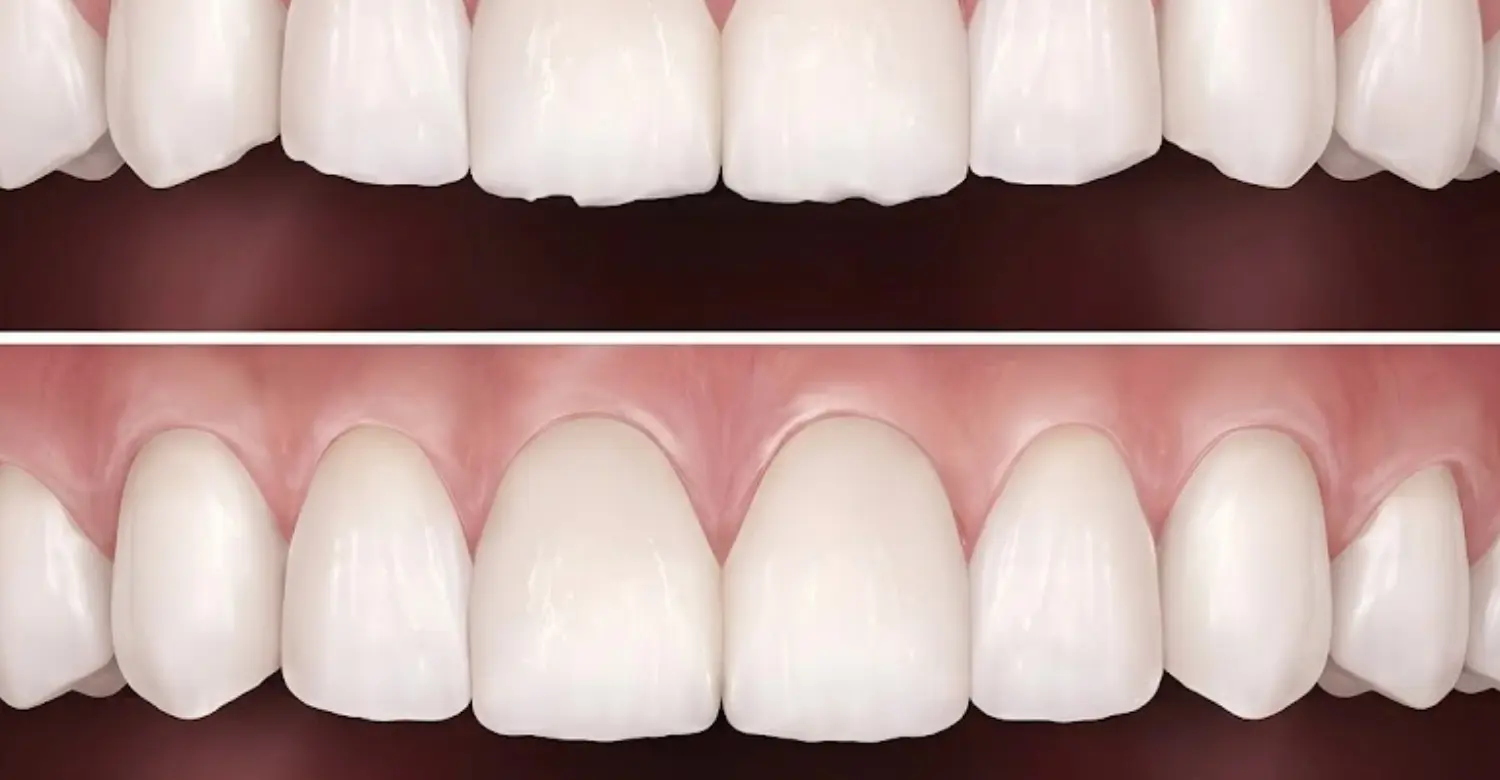
Tooth reshaping, also known as enamel shaping or dental contouring, is a cosmetic dental procedure that gently removes small amounts of enamel to improve the size, shape, or length of teeth. It’s a simple yet effective solution for people with slightly uneven, chipped, or irregularly shaped teeth who want a more balanced smile without invasive treatments.
How does a dentist perform tooth reshaping?
During the procedure, the dentist uses fine instruments to carefully file away excess enamel. They may smooth rough edges, adjust length, or refine the tooth’s outline for better harmony with surrounding teeth.
What tools are used in tooth contouring?
Dentists typically use diamond burs, sanding discs, and polishing strips. These tooth contouring tools are designed to safely remove minimal enamel while maintaining tooth strength.
How much enamel can safely be removed?
Only about 0.5 to 1 millimeter of enamel is removed, ensuring that the tooth’s protective structure remains intact. Anything beyond this may pose risks such as sensitivity.
Is tooth reshaping considered cosmetic or medical?
Primarily, reshaping is cosmetic. However, in cases where overlapping teeth cause bite imbalance, it may have functional benefits too.
How does tooth reshaping differ from dental bonding?
Bonding and Shaping often go hand-in-hand. While reshaping removes enamel, dental bonding adds composite material to build up teeth. Together, they create symmetrical results.
Clinical Terminology: Understanding Enameloplasty as a Medical Standard
is a minimally invasive cosmetic dental procedure that refines the natural shape of teeth by removing very small amounts of enamel. It is considered a standard clinical technique because it preserves healthy tooth structure while correcting minor imperfections such as uneven edges, slight overlaps, small chips, or irregular contours. Unlike veneers or crowns, enameloplasty does not involve placing artificial materials over the tooth in most cases. At Vitrin Clinic, every enameloplasty procedure begins with a comprehensive smile analysis, digital assessment, and bite evaluation to ensure the treatment is both safe and aesthetically beneficial. By following conservative treatment principles, patients can achieve noticeable improvements while maintaining the strength and function of their natural teeth.
What Is Enameloplasty?
Enameloplasty is the clinical term used for it or dental contouring, a conservative cosmetic procedure that involves carefully removing tiny amounts of enamel to improve tooth shape, symmetry, and overall smile aesthetics. Unlike restorative treatments, enameloplasty preserves the natural tooth structure while correcting minor imperfections such as uneven edges, small chips, or slightly irregular contours. At Vitrin Clinic, every enameloplasty procedure begins with a detailed smile assessment to ensure enough healthy enamel is present before treatment. This careful planning allows patients to achieve natural-looking improvements while maintaining long-term dental health and function.
When Do Dentists Recommend Enameloplasty?
Dentists typically recommend enameloplasty for patients with minor cosmetic concerns that do not require veneers or crowns. It is commonly used to smooth rough edges, shorten slightly long teeth, improve tooth symmetry, or prepare teeth before cosmetic bonding. At Vitrin Clinic, treatment decisions are based on digital smile analysis and bite evaluation to ensure reshaping will not affect tooth strength or function. Because enamel does not regenerate, only minimal adjustments are made, making professional assessment essential before proceeding with the procedure.
Why Should You Consider Tooth Reshaping in Turkey?
Turkey has become a global hub for dental aesthetics, offering a unique blend of high-quality care, advanced technology, and competitive pricing. Patients from all over the world, particularly from Europe and the US, are flocking to Turkey for procedures like Enamel Shaping and other cosmetic treatments. The country has a reputation for combining a dental trip with a vacation, making it a popular choice for dental tourism.
What makes Turkey a popular destination for dental aesthetics?
Turkey is internationally recognized for affordable, high-quality dental care. Patients choose it not only for cosmetic treatments like reshaping but also for full smile makeovers.
How do Turkish clinics ensure high-quality dental reshaping?
Clinics use modern digital imaging and experienced cosmetic dentists. Patients often see a preview of expected results before undergoing tooth contouring.
What is the cost advantage of tooth reshaping in Turkey?
cost in Turkey is significantly lower than in Europe or the U.S., while maintaining high standards of safety and aesthetics.
How do Turkish prices compare with Europe or the US?
The cost of it in Turkey is typically 50-70% lower than in Western countries. In Turkey, reshaping may cost between $50–$150 per tooth, compared to $200–$500 in the U.S.
Are there package deals including travel and treatment?
Yes. Many Turkish clinics, specializing in dental tourism, offer comprehensive package deals. Clinics offer travel-inclusive deals covering airport transfers, hotel stays, and dental procedures.
Who Is a Good Candidate for Tooth Reshaping?
Tooth reshaping is a great option for people with minor dental imperfections. The ideal candidate has healthy teeth and gums and is looking to make subtle changes to their smile. This is a conservative approach, so it’s not for everyone, but for the right person, the results can be life-changing.
What dental issues can be corrected with reshaping?
Slightly uneven edges
Small chips or cracks
Minor overlapping
Teeth that appear too long or sharp
Can tooth reshaping fix uneven or chipped teeth?
Yes, tooth reshaping can effectively fix these issues. By carefully filing down uneven edges and smoothing out chipped areas, a dentist can restore a tooth’s symmetry and a smooth surface.
Is tooth reshaping suitable for children or teens?
While a great option for adults, tooth reshaping is generally not recommended for children or teens. Their teeth are still developing, and the pulp inside is larger, making it more vulnerable. Removing enamel at a young age could lead to future complications, which is why dentists usually advise waiting until the teeth are fully mature.
Who should avoid tooth reshaping?
Individuals with severely misaligned, decayed, or weak teeth should avoid tooth reshaping. It’s also not suitable for people with very thin enamel, as the procedure could lead to increased tooth sensitivity and structural damage.
Latest Technological Advances and Innovation in Enameloplasty Procedures
Modern cosmetic dentistry has transformed enameloplasty through advanced digital technologies that improve both precision and patient outcomes. High-resolution intraoral scanners, digital smile design software, magnification systems, and fine polishing instruments enable dentists to carefully evaluate tooth proportions before any enamel is removed. These innovations help create more predictable, conservative, and symmetrical results while minimizing unnecessary enamel reduction. At Vitrin Clinic, digital treatment planning allows patients to visualize potential smile improvements before treatment begins, enhancing communication and confidence throughout the process. As cosmetic dentistry continues to evolve in 2026, enameloplasty is increasingly combined with minimally invasive procedures such as professional whitening and composite bonding to deliver comprehensive smile enhancements while preserving the natural tooth structure.
Modern Technology Making Tooth Reshaping More Precise
Modern cosmetic dentistry has significantly improved the precision of enameloplasty through digital imaging, intraoral scanners, magnification systems, and advanced polishing instruments. These technologies allow dentists to visualize tooth proportions before removing enamel, resulting in more predictable and natural outcomes. At Vitrin Clinic, digital smile planning helps patients preview expected improvements while allowing dentists to preserve as much healthy enamel as possible. Advances in finishing and polishing systems also create smoother enamel surfaces, reducing plaque retention and enhancing the natural shine of the teeth after reshaping.
Trends in Enameloplasty 2026
Current cosmetic dentistry trends increasingly focus on minimally invasive procedures that preserve natural teeth. In 2026, enameloplasty continues to gain popularity because it often provides immediate cosmetic improvement without injections, extensive drilling, or long recovery periods. Combined with digital smile design and adhesive cosmetic techniques, tooth reshaping has become part of comprehensive smile enhancement rather than a standalone treatment. At Vitrin Clinic, dentists frequently combine enameloplasty with whitening or composite bonding to deliver balanced, natural-looking smile transformations.
What Are the Benefits of Tooth Reshaping?
The benefits of tooth reshaping go beyond just aesthetics. While the primary goal is to improve your smile, the procedure can also have positive effects on your oral health and overall well-being. It is a simple step that can yield significant positive changes.
How does tooth reshaping improve dental aesthetics?
Tooth reshaping creates a more uniform and symmetrical smile. It can make teeth look more balanced and proportional, eliminating distracting imperfections. It’s a simple change that can make a dramatic difference in the overall appearance of your smile. Many people find that this procedure makes their smile look more polished and refined.
Can tooth reshaping enhance oral health?
Yes, it can. By correcting minor overlaps or crowding, tooth reshaping can make it easier to brush and floss effectively, reducing the risk of plaque buildup and gum disease. A smoother tooth surface can also make it harder for plaque to accumulate, contributing to better oral hygiene.
How does it impact confidence and self-esteem?
A better smile can lead to a significant boost in confidence. Many people who feel self-conscious about minor imperfections find that tooth reshaping gives them the confidence to smile freely and openly. This can positively impact their personal and professional lives.
Does tooth reshaping provide immediate results?
One of the greatest advantages of tooth reshaping is the immediate gratification. The results are visible as soon as the procedure is complete, with no waiting period for recovery or healing. You can walk out of the clinic with a new smile in a single session.
Specialized Maintenance: Long-Term Oral Hygiene and Caring for Bonded Teeth
Although tooth reshaping does not require extensive aftercare, maintaining excellent oral hygiene is essential for preserving long-term results. Patients should brush twice daily with fluoride toothpaste, floss every day, attend regular dental examinations, and avoid habits such as chewing ice or biting hard objects that may damage the enamel. When enameloplasty is combined with cosmetic bonding, additional care is recommended because composite resin can stain or chip over time. At Vitrin Clinic, every patient receives personalized maintenance instructions based on their treatment plan, ensuring both reshaped enamel and bonded restorations remain healthy and aesthetically pleasing. Routine professional polishing and periodic evaluations also help maintain the natural appearance of the smile for many years.
Caring for Teeth After Tooth Reshaping
Although reshaped teeth require no special maintenance beyond normal oral hygiene, maintaining excellent dental habits helps preserve long-term results. Patients should brush twice daily with fluoride toothpaste, floss every day, and attend regular professional cleanings. At Vitrin Clinic, patients also receive personalized maintenance instructions based on their bite, enamel thickness, and cosmetic goals. Avoiding habits such as nail biting, chewing ice, or opening packages with teeth helps protect reshaped enamel from unnecessary wear.
Caring for Bonded Teeth After Tooth Reshaping
Many patients combine tooth reshaping with cosmetic bonding to correct larger imperfections. Bonded teeth require additional care because composite resin can stain or chip over time. Patients should minimize excessive coffee, tea, tobacco use, and avoid biting hard objects directly with bonded teeth. At Vitrin Clinic, regular follow-up appointments allow dentists to polish composite restorations and monitor the condition of both the natural enamel and bonded material, helping maintain a beautiful smile for many years.
What Are the Risks or Limitations of Tooth Reshaping?
While tooth reshaping is a safe procedure when done by a skilled professional, it’s important to be aware of the potential risks and limitations. Knowing the disadvantages of teeth reshaping helps you make an informed decision.
Can reshaping weaken the enamel?
Yes, if too much enamel is removed, it can weaken the tooth’s structure, making it more prone to damage and decay.
Is there a risk of tooth sensitivity?
In rare cases, if the enamel layer is thinned too much, it can expose the dentin layer underneath, leading to increased tooth sensitivity to hot and cold temperatures. An expert dentist will be very careful to avoid this.
What are the long-term effects of tooth reshaping?
The effects of tooth reshaping are permanent because enamel does not grow back. The teeth will be more symmetrical, but if over-contoured, the enamel will be gone for good. This is why the dentist must be precise.
How do dentists prevent over-contouring?
To prevent over-contouring, dentists meticulously plan the procedure and use precision tools. They also work conservatively, removing only what is necessary to achieve the desired result.
What Is the Procedure for Tooth Reshaping in Turkey?
The procedure for tooth reshaping in Turkey starts with a detailed consultation, where the dentist examines your teeth, checks enamel thickness, and discusses your cosmetic goals. Using precise tools like fine diamond burs and polishing discs, the dentist gently removes small amounts of enamel to smooth edges, correct minor chips, or refine the shape.
How should patients prepare before the procedure?
A dental check-up is required to ensure there are no cavities or gum issues.
What happens during the reshaping process?
The dentist marks areas for adjustment, removes minimal enamel, and polishes the surface.
How long does a typical session take?
Usually 30 to 60 minutes, depending on the number of teeth.
Is anesthesia required for tooth reshaping?
No, because the process is painless and non-invasive.
What aftercare is needed following the treatment?
Normal brushing and flossing are sufficient. Desensitizing toothpaste may help if mild sensitivity occurs.
How many visits are usually required?
Typically, only one session is needed unless combined with dental bonding.
How Much Does Tooth Reshaping Cost in Turkey?
The cost of tooth reshaping in Turkey is a major factor in its popularity. While the price is significantly lower than in many Western countries, the final cost can vary based on a few factors.
What factors affect the cost of tooth reshaping?
Number of teeth reshaped
Clinic reputation
Whether bonding and shaping are combined
How does cost in Turkey compare internationally?
The tooth reshaping cost in Turkey is often a fraction of the price found in the US, Canada, or Europe. Patients can save up to 70% compared to Western Europe or the U.S.
Are there financing or installment options?
Some Turkish clinics offer payment plans or installment options for larger, more expensive cosmetic procedures, but for something as affordable as tooth reshaping, it’s usually paid for upfront.
Does dental insurance cover cosmetic reshaping?
As a cosmetic procedure, tooth reshaping is typically not covered by dental insurance. Patients should check with their insurance provider to confirm coverage, but it’s best to assume it’s an out-of-pocket expense.
How Does Tooth Reshaping Compare to Other Treatments?
When considering a cosmetic procedure, it’s essential to understand how tooth reshaping stacks up against other popular treatments like veneers and bonding. Knowing the differences can help you make the right choice for your goals.
What are the differences between reshaping and veneers?
This is a common question, as Tooth Contouring vs. Veneers is a key comparison. The main difference lies in their invasiveness and purpose. Tooth reshaping is a conservative procedure that removes a small amount of enamel to correct minor imperfections.
Veneers are a more extensive and irreversible treatment that involves covering the entire front surface of the tooth with a thin shell of porcelain or composite. Veneers are a better option for more significant issues like severe discoloration, large gaps, or badly misaligned teeth. Reshaping is a great first step for minor changes.
Is bonding a better alternative for certain cases?
Yes, Bonding is often a better alternative for certain cases. If a tooth is chipped or has a gap, adding material to it with Bonding may be a better option than removing enamel. Bonding can also be used to fill in small gaps between teeth and to make a tooth longer..
How does tooth reshaping compare to crowns?
Crowns are a much more extensive treatment than tooth reshaping. A crown is a cap that covers the entire tooth. It is used to restore a tooth that is severely damaged, decayed, or broken. A crown provides strength and protection, while tooth reshaping is a purely cosmetic procedure.
Can reshaping be combined with whitening or orthodontics?
Yes, tooth reshaping can be a great final step in a smile makeover. It’s often used in combination with teeth whitening to create a bright, uniform smile. It can also be performed after orthodontic treatment to fine-tune the teeth and create a perfect final result.
How Long Do Results of Tooth Reshaping Last?
The results of tooth reshaping are permanent, as enamel does not grow back. The new shape of your teeth will remain, but the overall appearance will depend on your oral hygiene and habits. Avoiding habits like nail-biting, teeth grinding, or using teeth as tools can help preserve the results.
Does reshaping require maintenance or touch-ups?
No, tooth reshaping does not require maintenance or touch-ups, as the results are permanent. However, maintaining good oral hygiene is essential to keep your teeth healthy and your smile looking great.
How does diet and lifestyle affect results?
Eating hard foods or chewing on non-food items can cause chips and fractures, which can alter the look of your newly reshaped teeth. Habits like nail-biting or teeth grinding can also affect the results.
Can reshaped teeth become uneven again over time?
No, the teeth themselves will not become uneven again unless there is some form of trauma. The shape of the teeth is permanently altered.
How to Choose the Right Clinic for Tooth Reshaping in Turkey?
Choosing the right clinic in Turkey is the most important step in ensuring a successful and satisfying tooth reshaping experience. Look for clinics with experienced cosmetic dentists who specialize in reshaping and contouring procedures. Checking patient reviews, before-and-after photos, and the clinic’s use of modern technology can also help you make a confident decision.
What credentials should you look for in a dentist?
Look for a dentist with specialized training in cosmetic dentistry and extensive experience in Enamel Shaping and other aesthetic procedures. A good dentist will have a portfolio of their work and be transparent about their credentials.
How important are patient reviews and before/after photos?
Patient reviews and before/after photos are incredibly important. They give you a real-world look at the clinic’s work and patient satisfaction levels. They are the best way to see the quality of their work.
Should you choose a clinic specializing in dental aesthetics?
Yes, choosing a clinic that specializes in dental aesthetics is highly recommended. These clinics are focused on cosmetic procedures and have the experience and equipment to deliver the best possible results.
How do language and communication affect treatment?
Effective communication is crucial for a successful treatment. Many Turkish clinics have staff who are fluent in English, which makes communication easy and ensures that your needs and desires are understood.
What Should Patients Expect During Recovery?
The recovery process for tooth reshaping is extremely minimal. This is one of the reasons it’s such a popular procedure. Most patients can return to their normal activities immediately after treatment without any downtime. Mild sensitivity may occur but usually disappears within a few days.
Is there pain or discomfort after reshaping?
No, there is typically no pain or discomfort after tooth reshaping. The procedure is painless, and there is no healing period. Patients can return to their normal daily activities immediately.
How soon can you eat and drink normally?
You can eat and drink normally immediately after the procedure. There are no restrictions on your diet.
Are there foods or habits to avoid post-treatment?
Avoid biting down on very hard foods or objects to prevent chipping the newly reshaped teeth. Maintaining good oral hygiene is the most important thing to do.
How often should follow-up visits be scheduled?
Follow-up visits are not typically required for tooth reshaping. However, it’s always a good idea to have regular dental check-ups to maintain your oral health.
How Does Tooth Reshaping Fit into a Smile Makeover?
Tooth reshaping is a versatile procedure that can be a standalone treatment or part of a larger smile makeover plan. It is often combined with treatments like whitening, veneers, or orthodontics to create a balanced and harmonious look. By addressing minor imperfections in tooth size or shape, reshaping enhances the overall aesthetic outcome. This makes it an ideal choice for patients seeking a subtle yet impactful improvement as part of their smile transformation.
Can reshaping be part of a full dental aesthetics plan?
Yes, tooth reshaping is often the first step in a full dental aesthetics plan. It can be used to refine and prepare teeth for other procedures like veneers, crowns, or teeth whitening.
How does it work with orthodontics or Invisalign?
After orthodontic treatment has straightened the teeth, tooth reshaping can be used to perfect the final result by creating a more uniform look. It’s a great way to finalize a smile makeover after braces or Invisalign.
Can tooth reshaping be the first step before veneers?
Yes, Front tooth reshaping vs veneers is a common discussion. Reshaping can be a great first step before veneers to adjust the size or shape of teeth, creating a better foundation for the veneers.
Choosing tooth reshaping is a decision to invest in your confidence and well-being. If you’re considering this life-changing procedure, the quality, affordability, and seamless experience available in Turkey make it an excellent choice. To learn more and start your journey, visit vitrinclinic.com for a Free Consultation today.
Real-World Evidence: Clinical Case Studies and Patient Success Stories From the Practice
Clinical experience consistently shows that enameloplasty delivers the most successful outcomes when patients are carefully selected and treatment is planned conservatively. Individuals with minor cosmetic concerns, healthy enamel, and good oral hygiene often experience immediate improvements in smile balance without the need for more invasive restorative procedures. At Vitrin Clinic, dentists evaluate tooth anatomy, bite alignment, facial proportions, and smile aesthetics before recommending tooth reshaping, ensuring each treatment is personalized to the patient's needs. Over years of clinical practice, patient satisfaction has remained consistently high because enameloplasty offers immediate results, minimal discomfort, and preservation of natural tooth structure, making it an effective option for suitable candidates seeking subtle yet meaningful smile enhancement.
Common Patient Profiles
Patients seeking tooth reshaping come from many different backgrounds, but they often share similar cosmetic concerns. Some have naturally uneven front teeth, while others have experienced minor enamel wear or small chips from daily life. Many simply want subtle smile improvements without veneers or orthodontic treatment. At Vitrin Clinic, treatment plans are individualized after a comprehensive clinical examination to determine whether enameloplasty alone or a combination of cosmetic procedures will provide the most predictable outcome.
What Clinical Experience Shows
Clinical experience consistently demonstrates that conservative tooth reshaping can produce significant aesthetic improvements when patients are carefully selected. The best candidates have healthy enamel, good oral hygiene, and realistic expectations. At Vitrin Clinic, dentists carefully evaluate tooth anatomy, bite relationships, and smile proportions before recommending enameloplasty. This patient-centered approach helps achieve natural-looking, long-lasting improvements while preserving healthy tooth structure whenever possible.
The Vitrin Clinic Smile Design Approach to Enameloplasty
At Vitrin Clinic, tooth reshaping is viewed as part of a complete smile design strategy rather than a standalone cosmetic procedure. Before treatment, our dental team carefully analyzes tooth proportions, gum symmetry, facial aesthetics, and bite function to determine whether enameloplasty alone or a combination of cosmetic treatments will provide the best outcome. Depending on the patient's needs, tooth reshaping may be combined with professional teeth whitening, cosmetic bonding, or other minimally invasive procedures to create a naturally harmonious smile. By combining advanced digital planning with the expertise of our cosmetic dentists, Vitrin Clinic helps patients achieve beautiful, long-lasting smile improvements while preserving as much healthy tooth structure as possible.
What We Notice Clinically
According to Dr. Rifat Alsaman, Head of the Medical Team at Vitrin Clinic and a cosmetic dentist, the patients who achieve the best tooth reshaping results are those with healthy enamel and realistic cosmetic goals. Dr. Rifat Alsaman explains that removing only the smallest amount of enamel often creates a remarkable improvement in smile symmetry without compromising tooth integrity. In daily clinical practice at Vitrin Clinic, Dr. Rifat Alsaman frequently observes that combining enameloplasty with professional polishing or cosmetic bonding produces more balanced and natural-looking smiles for carefully selected patients. He also emphasizes that digital smile planning allows dentists to identify exactly where reshaping will have the greatest aesthetic impact while preserving as much healthy enamel as possible.
Dr. Rifat Alsaman's Clinical Perspective
According to Dr. Rifat Alsaman, Head of the Medical Team at Vitrin Clinic and a cosmetic dentist, the most successful tooth reshaping results come from conservative treatment planning rather than aggressive enamel removal. Dr. Rifat Alsaman explains that many patients only require very small adjustments to dramatically improve smile harmony. In his clinical experience at Vitrin Clinic, digital smile analysis helps identify exactly where reshaping will provide the greatest aesthetic improvement while preserving healthy enamel. Dr. Rifat Alsaman also emphasizes that enameloplasty is often even more effective when combined with professional polishing or cosmetic bonding for selected patients.
H2: Why Choose Vitrin Clinic for Tooth Reshaping in Turkey?
Choosing the right clinic is one of the most important factors in achieving safe, natural-looking tooth reshaping results. At Vitrin Clinic, every treatment begins with a comprehensive consultation that evaluates your smile, facial proportions, bite alignment, and enamel thickness before any reshaping is performed. Our experienced cosmetic dentists follow a conservative approach, removing only the minimum amount of enamel necessary to enhance your smile while preserving long-term tooth health. Using advanced digital smile design and modern dental technology, we create personalized treatment plans that deliver predictable, aesthetically balanced results. From your first consultation to your final follow-up, Vitrin Clinic is committed to providing exceptional care, precision, and patient satisfaction.
Conclusion
Tooth reshaping, or enameloplasty, is a safe and minimally invasive cosmetic procedure that can significantly enhance the appearance of your smile when performed on the right candidate. Whether you want to smooth uneven edges, improve tooth symmetry, or make subtle aesthetic refinements, professional treatment can deliver immediate and natural-looking results while preserving healthy tooth structure. At Vitrin Clinic, every treatment is personalized using advanced digital smile planning and modern cosmetic dentistry techniques to ensure precision, safety, and long-term satisfaction. If you're considering tooth reshaping in Turkey, our experienced team is ready to help you achieve a confident, balanced smile with a treatment plan tailored to your unique needs.
Reference
Tooth Reshaping is a conservative cosmetic dental procedure, also known as enameloplasty or dental contouring, that improves the shape, length, or surface of teeth by removing small amounts of enamel. It is commonly used to correct minor imperfections such as uneven edges, slight overlaps, small chips, or irregular tooth shapes while preserving the natural tooth structure. The following references provide more information about tooth reshaping, indications, benefits, limitations, treatment procedures, and long-term outcomes:
https://onlinelibrary.wiley.com/doi/10.1111/j.1708-8240.2011.00446.x
https://www.scielo.br/j/dpjo/a/Gb7mdwmyhbj47PqJTHZv9Hq/?lang=en
FAQs
Dr. Rifat Alsaman has more than 5 years of clinical experience in dentistry and currently serves as the Head of the Medical Team at Vitrin Clinic. He is dedicated to providing exceptional patient care, overseeing treatment planning, and ensuring the highest clinical standards across the team. His expertise, attention to detail, and commitment to continuous professional development have helped countless patients achieve healthier, more confident smiles.


