Cosmetic Dentistry
September 28, 2026
Craze Lines: What Causes These Lines on Teeth and How to Fix Them?
 Dr. Rifat Alsaman
Most fine lines on tooth enamel form gradually from years of chewing pressure. Grinding, clenching, biting hard objects, and repeated temperature changes can also contribute. In most cases, these lines are superficial and harmless. How they are managed depends on what the line represents. Painless enamel lines often need monitoring only. If appearance bothers you, polishing, bonding, or veneers may be considered after assessment. If a deeper crack is suspected, restorative treatment may protect the tooth.
Craze lines are very fine surface lines that can appear in tooth enamel. You may notice them when looking closely in a mirror, especially on your front teeth. Seeing a thin line can be worrying. However, a visible line does not automatically mean your tooth is seriously cracked. Some lines stay within the outer enamel. Others may signal a deeper tooth crack that needs attention, so telling them apart matters. Appearance, symptoms, location, and a dental examination all help determine what a line represents. This guide explains what causes these lines, how they differ from cracks, when treatment may be needed, and what you can do to protect your teeth every day.
What Are Craze Lines on Teeth?
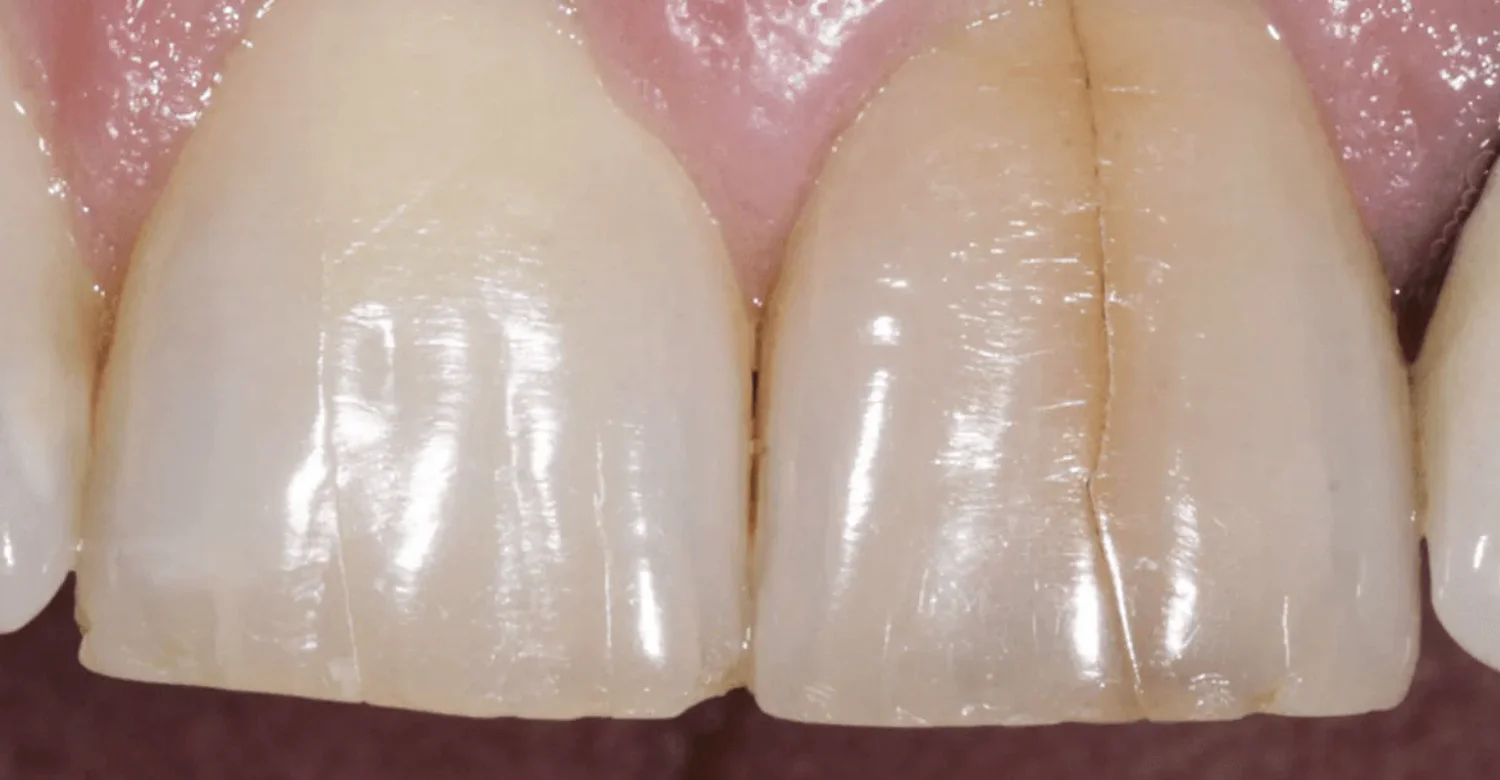
Craze lines are very small, superficial cracks in the enamel, the hard outer layer of the tooth. Craze lines on teeth often develop from repeated everyday stress. They may look more obvious under bright lighting or when the teeth are dry. Most cause no pain and do not affect chewing. An enamel-level line is different from a crack that extends deeper into the tooth. However, you cannot judge a line's depth by appearance alone. That requires a clinical assessment.
Where Do Craze Lines Usually Appear?
These fine lines can appear on almost any tooth. However, they are most often noticed on teeth you can see easily. The front teeth face direct light, so small surface changes stand out. Back teeth may also have enamel lines, but they are harder to spot without dental tools. Where a line appears influences how noticeable it is. It does not, by itself, tell you how deep or serious the line is. The sections below explain why.
Craze Lines on Front Teeth
Front teeth are the most visible part of your smile, so craze lines on front teeth tend to attract attention. Light passes through the thin edges of these teeth. Dry enamel also makes surface lines stand out. A close-up or magnifying mirror can reveal details you never noticed before. Many people ask, "Why can I suddenly see lines on my front teeth?" Often, the lines were already there. Better lighting or closer inspection simply made them visible.
Lines on Front of Teeth and Other Visible Areas
Lines on front of teeth are a common cosmetic concern because they affect how a smile looks up close. Similar superficial lines may also appear on canines, premolars, or molars. Location alone does not indicate severity. A line on a front tooth is not automatically more serious than one elsewhere. A dentist considers the tooth's structure, your symptoms, your bite, and the clinical findings. Appearance is only one part of the picture, not the full diagnosis.
See the risks of Purposely Avoiding Dental Checkups and Tooth Loss
What Causes Craze Lines?
Several factors can contribute to fine enamel lines. Some are part of everyday life, such as chewing and the natural ageing of teeth. Others involve habits that place extra stress on enamel, such as grinding or biting hard objects. Previous dental work and changes in your bite can also play a role. Often, more than one factor is involved. The following sections move from common everyday causes to situations that may need closer clinical assessment.
Normal Wear and Repeated Pressure
Your teeth handle thousands of chewing cycles every day. Over the years, this repeated pressure can create tiny changes on the enamel surface. When people ask what causes these lines, normal wear is one of the most common answers. Such lines are a frequent finding in adults and usually develop gradually without symptoms. Enamel is strong, but it is not completely flexible. Long-term use can leave fine surface lines while the tooth stays healthy and functional.
Teeth Grinding and Clenching
Bruxism means grinding or clenching your teeth, often during sleep or periods of stress. These habits can create forces much stronger than normal chewing. Over time, that extra pressure may add stress to the enamel. You might wake with jaw tension or headaches. You may also notice worn, flattened tooth surfaces or new sensitivity. Grinding does not always cause visible lines. However, it is an important factor to discuss with your dentist when fine lines appear.
Biting Hard Foods or Objects
Biting ice, hard sweets, popcorn kernels, pens, or fingernails concentrates force on a small area of the tooth. Occasional exposure is unlikely to cause major problems. Repeated habits, however, may add stress to enamel over time. Opening packages with your teeth carries similar risks. If you notice a new line, pain, or a change in the tooth after biting something hard or after a blow to the mouth, arrange a professional assessment. Sudden changes deserve attention.
Temperature Changes
Enamel expands and contracts slightly with heat and cold. Drinking hot coffee followed by iced water, for example, creates rapid temperature shifts. Repeated exposure over many years may add stress within the tooth structure. However, temperature changes alone do not prove the cause of a visible line. They are usually one contributing factor among several. A dentist looks at your habits, bite, and tooth condition together rather than blaming temperature alone.
Previous Dental Work and Other Structural Factors
Fillings, crowns, and other restorations can change how chewing forces travel through a tooth. Tooth shape, an old injury, or a shift in your bite can also affect force distribution. Because of this, the clinical significance of a line varies from tooth to tooth. A line near a large filling may need closer attention than one on an untouched tooth. For this reason, a dentist may assess the surrounding teeth and your bite, not only the visible line.
Understand the effects of Frequent Snacking and Tooth Decay
Tips for Patients
A little preparation helps your dentist understand what you have noticed:
Take a clear photo of the line if it is difficult to see consistently.
Note whether sensitivity happens with cold, heat, sweets, or biting.
Avoid repeatedly testing the tooth by biting hard foods.
Tell your dentist about grinding, clenching, or nail-biting habits.
Mention any previous injury or dental treatment involving the tooth.
Ask whether the line appears superficial and whether monitoring is appropriate.
What Other Symptoms Might You Notice With These Lines?
Many superficial enamel lines cause no symptoms at all. You may only notice them visually. However, some signs can suggest a deeper structural problem. You may notice sensitivity when you drink something cold. You might feel discomfort when biting. You may notice the tooth feels different after an injury. Symptoms do not automatically prove that the visible line is the cause. Decay, gum problems, or worn fillings can create similar sensations. When symptoms appear, a professional assessment helps identify the real source.
Explore Electrolyzed Saline and Airborne Bacteria in Dental Procedures
Craze Lines vs Cracked Tooth: What Is the Difference?
The two terms are often used interchangeably, but they describe different situations. Understanding this difference helps you judge when to seek care.
Feature | Craze Lines | Deeper Cracked Tooth |
Typical depth | Usually superficial | May extend deeper |
Symptoms | Often none | May cause pain or sensitivity |
Appearance | Very fine lines | May be less predictable visually |
Function | Often unaffected | May cause discomfort when biting |
Treatment | Often observation or cosmetic management | Depends on depth and tooth condition |
Visual inspection alone may not show how deep a crack extends. Some deeper cracks are barely visible, while harmless lines can look dramatic under bright light. When pain, sensitivity, or biting discomfort is present, a clinical examination becomes especially important.
Are Hairline Cracks in Teeth Always a Problem?
No, not always. Many people use "hairline cracks in teeth" to describe any thin visible line. This is an everyday description, not a formal dental diagnosis. The term can create unnecessary worry because "crack" sounds serious. In reality, many of these lines are superficial and stable. Location, depth, symptoms, and the stability of the tooth matter more than the label. A dentist may investigate further if you have pain, a recent injury, or a line near a large filling.
Learn more about Rodent-Borne Disease and Dental Health
Can You Treat Superficial Cracks in Teeth at Home?
You cannot repair damaged enamel at home, and you cannot determine crack depth yourself. However, some low-risk steps can protect superficial cracks in teeth while you wait for assessment:
Avoid biting very hard objects.
Reduce habits such as chewing ice.
Keep brushing gently and maintain daily oral hygiene.
Pay attention to sensitivity or biting discomfort.
These steps may protect the tooth, but they do not replace a diagnosis. Avoid unnecessary products and aggressive DIY methods, such as abrasive kits or filing.
.webp)
.jpg)
When Should You See a Dentist About Craze Lines?
Most fine enamel lines do not need urgent care. Many can simply be checked during your next routine visit. However, certain signs suggest a line may be more than a surface change. Pain, swelling, trauma, and changes in how you chew all deserve attention. Knowing these signs helps you avoid both unnecessary worry and delayed treatment. The list below outlines when a professional assessment is worth arranging sooner rather than later.
Signs That Deserve Professional Assessment
Arrange a dental assessment if you notice:
Pain when biting or releasing a bite.
New or persistent sensitivity.
A line that appeared after dental trauma.
A visible change that seems to be progressing.
Swelling or tenderness around the tooth.
A chipped or fractured area.
Difficulty chewing on the affected side.
Severe pain, swelling, or a broken tooth may need faster assessment. Not every visible line requires treatment, but these signs should not be ignored.
Compare options in Traditional Bridge vs Cantilever Bridge
How to Fix Craze Lines: What Treatment Might You Need?
The right way to fix these lines depends on what they actually represent. Purely superficial lines may need no treatment. Lines that affect your smile's appearance may be managed cosmetically. Lines linked to another structural issue need a different approach. Your dentist first decides which situation applies. Treatment can then match the real concern rather than the visible line alone. The options below range from simple monitoring to restorative care.
Monitoring and Preventive Care
Observation is often appropriate when a line is painless, superficial, and stable. Your dentist may photograph the tooth and review it during regular examinations. This allows any change to be spotted early. Monitoring also includes managing risk factors such as grinding or hard-food habits. When there are no concerning symptoms or structural findings, treatment may not be necessary at all. Careful observation is a valid clinical decision, not a lack of care.
Cosmetic Options for Visible Craze Lines
When appearance is the main concern, cosmetic treatment may be considered. Options are chosen only when clinically appropriate:
Enamel polishing in selected situations.
Tooth-colored restorative treatment, such as bonding, when indicated.
Veneers or other cosmetic procedures, only after assessing tooth structure.
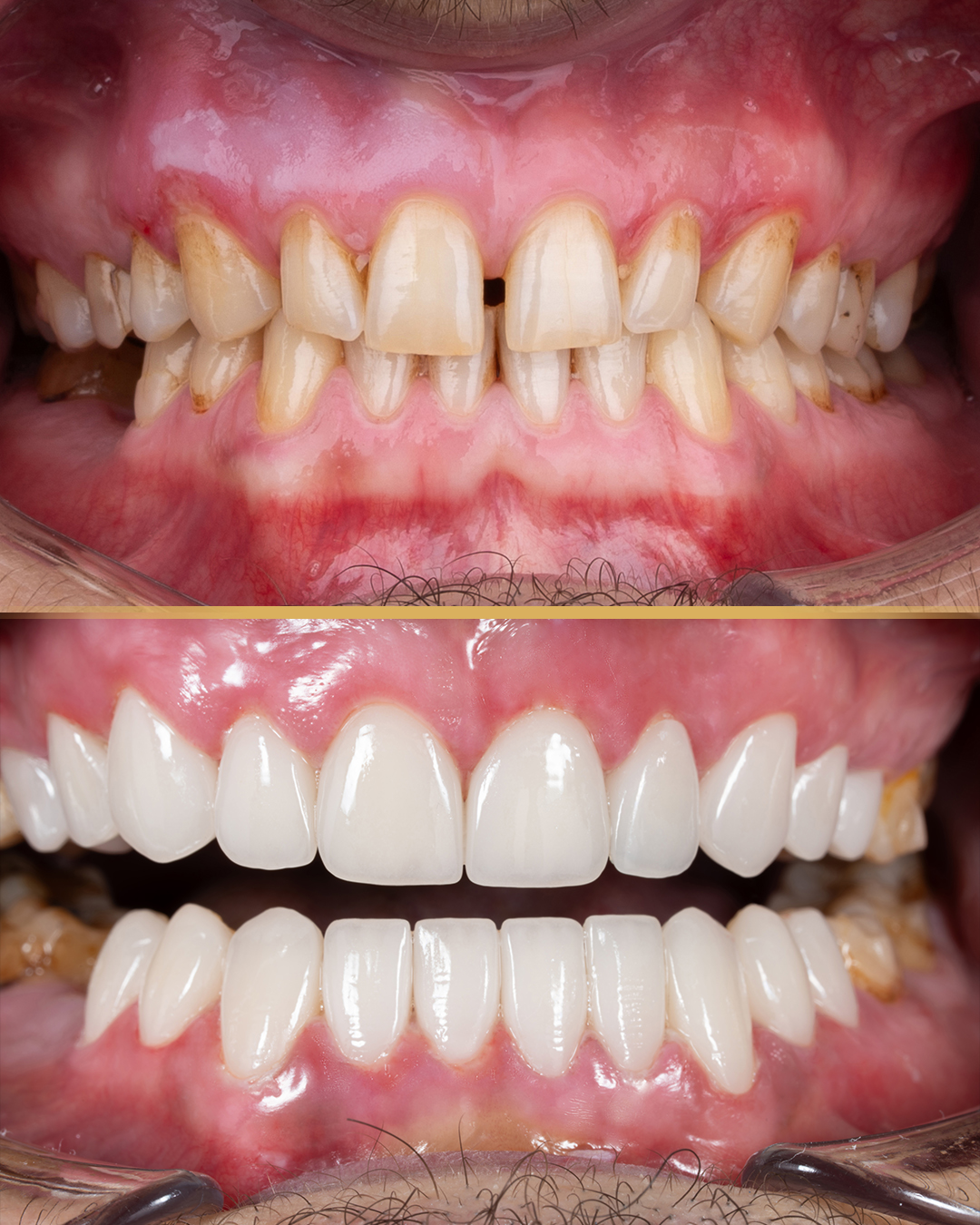
Removing healthy tooth structure solely to hide a superficial line requires careful consideration. Conservative options are usually explored first. Your dentist can explain what each option realistically achieves before you decide.
Treatment When a Deeper Crack Is Suspected
A deeper crack requires a different treatment approach. The goal becomes protecting the tooth and limiting further damage. Depending on the tooth and extent of damage, options may include a bonded restoration, an onlay, or a crown. If the crack reaches the pulp, the inner nerve tissue, root canal treatment may be needed. In some cases, more extensive intervention is required. The right procedure can only be confirmed after diagnosis.
What Is Included in Craze Lines Treatment?
Treatment for these lines is not one universal procedure. It begins with a structured assessment:
Dental examination.
Symptom history.
Bite assessment.
Evaluation of tooth structure.
Imaging when clinically indicated.
Treatment should then address the underlying concern, not simply the visible line. Cosmetic and structural treatment have different goals. Cosmetic care improves appearance. Structural care protects the tooth's strength and function. Some patients need one, some need both, and many need neither.
Find the differences in Root Canal vs Apicoectomy
What We Notice Clinically
Fine enamel lines are commonly identified during routine dental examinations. Patients often become concerned because bright lighting or drying the teeth makes these lines easier to see. Clinical assessment focuses on whether a line appears superficial and whether symptoms or structural concerns are present. Dr. Rifat Alsaman, Head of the Medical Team and cosmetic dentist at Vitrin Clinic, emphasizes that a line's visible appearance should not be interpreted in isolation. Dr. Rifat Alsaman, Head of the Medical Team and cosmetic dentist at Vitrin Clinic, advises that treatment decisions consider tooth structure, symptoms, bite forces, and the patient's cosmetic concerns.
Clinical Note
Clinical Note: Not every visible vertical line represents active tooth damage. Vertical lines on teeth that are painless and superficial may require monitoring rather than immediate restorative treatment. However, pain, sensitivity, trauma, or changes in function can alter the clinical picture. Dr. Rifat Alsaman, Head of the Medical Team and cosmetic dentist at Vitrin Clinic, may recommend assessing the affected tooth in context rather than treating the visible line alone. Conservative decisions are preferred where appropriate. An examination is needed before deciding whether cosmetic or restorative treatment is justified.
See which suits you in Maryland Bridge vs Traditional Bridge
Can You Prevent Craze Lines?
Can you stop every line from forming? Not always. Teeth experience years of chewing forces, so some superficial enamel lines are part of normal wear. However, you can reduce avoidable stress and protect tooth structure:
Avoid chewing ice and very hard non-food objects.
Address persistent teeth grinding or clenching.
Use a professionally recommended mouthguard when appropriate.
Maintain regular dental examinations.
Treat significant bite-related concerns when identified.
Wear appropriate protective equipment during contact sports.
Realistic prevention protects your teeth, even if every line cannot be avoided.
Takeaway: What Should You Do About Craze Lines?
Fine enamel lines are often superficial and may not need active treatment. Still, these lines should be distinguished from deeper cracks through clinical assessment when symptoms or risk factors are present. You can protect your teeth by avoiding unnecessary biting forces, keeping up good oral hygiene, and addressing grinding or clenching when relevant. Pay attention to how the tooth feels. Seek professional evaluation if you have pain, sensitivity, trauma, swelling, or changes in how the tooth feels when you chew. Appearance alone rarely tells the full story. If you are unsure whether a visible line is superficial or a deeper concern, arrange a dental assessment rather than trying to diagnose it from appearance alone.
Vitrin Clinic Approach to Craze Lines and Tooth Cracks
At Vitrin Clinic, assessment begins with understanding what you have noticed and whether the tooth has any symptoms. Each tooth receives an individualized examination rather than automatic treatment for every visible line. Digital diagnostic tools or imaging are used when clinically indicated, not by default. Cosmetic concerns are considered separately from structural ones. Dr. Rifat Alsaman, Head of the Medical Team and cosmetic dentist at Vitrin Clinic, oversees individualized cosmetic and restorative planning. Conservative care comes first, with more extensive treatment only when clinically justified.
Choose your treatment in Professional Teeth Whitening vs At-Home
References:
FAQs
Dr. Rifat Alsaman has more than 5 years of clinical experience in dentistry and currently serves as the Head of the Medical Team at Vitrin Clinic. He is dedicated to providing exceptional patient care, overseeing treatment planning, and ensuring the highest clinical standards across the team. His expertise, attention to detail, and commitment to continuous professional development have helped countless patients achieve healthier, more confident smiles.


