General Dentistry
September 1, 2026
Tooth Ridges and Grooves: Understanding Their Role in Tooth Anatomy and Oral Health
 Dr. Rifat Alsaman
Tooth ridges and grooves are normal anatomical features that shape how your teeth work every day. They are part of everyday tooth morphology, and they matter most on the chewing surfaces of premolars and molars. Ridges guide chewing forces safely across the tooth surface, while grooves naturally collect food particles and bacterial plaque during the day. Some grooves run deeper or more complex than others, and these may need closer monitoring over time. Understanding normal occlusal anatomy helps patients recognize when this anatomy may raise their risk of tooth decay. This article covers the types of ridges and grooves, their clinical significance, prevention strategies, treatment options, and when a professional assessment becomes necessary.
Tooth Ridges and Grooves: What Are They?
Tooth Ridges and Fissures are two opposite but related anatomical structures found on the tooth surface. Ridges are raised areas of enamel, while grooves are natural depressions or channels running between them. Together, these structures give teeth their strength and their ability to grind food efficiently. They are especially visible on posterior teeth, where chewing forces are greatest. Every one of these features connects back to normal tooth morphology, which develops as the tooth forms and erupts into the mouth.
What Are Dental Ridges?
Dental ridges are raised anatomical structures found on different surfaces of a tooth, most notably molars and premolars. They give each tooth its distinct shape and help direct food during chewing. Dental ridges also reinforce the tooth against the pressure of daily biting. Patients may notice several ridge types when reviewing their tooth morphology, including marginal ridges and triangular ridges, each with its own role in maintaining strong, functional occlusal anatomy across the dental arch.
Marginal Ridge
The marginal ridge sits along the edges of the occlusal and lingual surfaces of a tooth. It forms a raised boundary that helps contain food within the central part of the tooth during chewing. This ridge plays an important structural role, supporting the overall shape of the tooth. A healthy marginal ridge helps maintain normal tooth anatomy and prevents excessive wear on neighbouring tooth structures over time.
Triangular Ridge
The triangular ridge extends from the tip of a cusp toward the central area of the occlusal surface. It forms a sloped, functional path that helps guide food as the teeth come together. This ridge contributes to efficient chewing anatomy by directing forces evenly across the tooth. Together with other ridges, it supports balanced, comfortable chewing during normal biting and grinding movements.
What Are Tooth Grooves?
Tooth grooves are natural depressions found in the enamel surface, particularly on molars and premolars. These include central grooves, developmental grooves, and smaller pits scattered across the occlusal surface. Grooves are not automatically a sign of decay; they are simply part of normal tooth morphology. However, their shape and depth can influence how easily plaque and food particles are removed during brushing, which is why dentists pay close attention to them.
Developmental Grooves
Developmental grooves form where different lobes of a tooth join together during its formation. Some developmental grooves are shallow and easy to clean, while others run deep and narrow. Deeper developmental grooves can be harder to reach with a toothbrush, allowing plaque to build up more easily. This relationship between developmental grooves and plaque accumulation is a key reason dentists monitor tooth grooves and ridges during routine visits. Sugar alternatives: Erythritol Vs Xylitol For Teeth
Why Do Tooth Ridges and Fissures Matter for Oral Health?
Tooth grooves and ridges matter because they directly affect chewing efficiency and cleaning access. Ridges help break down food, while grooves allow food to move naturally across the occlusal surface during mastication. Deep grooves can be difficult for toothbrush bristles to fully reach, leaving space for plaque to settle. It is important to separate normal anatomical grooves from pathological changes caused by decay or wear. Dentists assess these structures at every routine examination to catch early changes.
How Grooves Can Increase the Risk of Tooth Decay
Plaque and food debris can become trapped within deep grooves, especially where the tooth surface narrows sharply. Because these areas are hard to see and clean, early decay can develop quietly, without pain or obvious symptoms. Children and teenagers often need particular attention here, since newly erupted molars have grooves that are not yet worn smooth. Monitoring tooth ridges and grooves early helps catch fissure decay before it progresses further.
How Ridges Contribute to Tooth Function
Ridges help maintain the three-dimensional structure that gives posterior teeth their strength. They direct and distribute occlusal forces evenly, reducing stress on any single point of the tooth. When a ridge wears down or becomes damaged, it can shift how forces travel through the tooth. This affects the overall balance of occlusal anatomy and may alter a person's bite over time if left unaddressed. Childhood habits: Screen Time And Tooth Decay
Common Problems Affecting Tooth Ridges and Grooves
Deep or Narrow Tooth Grooves
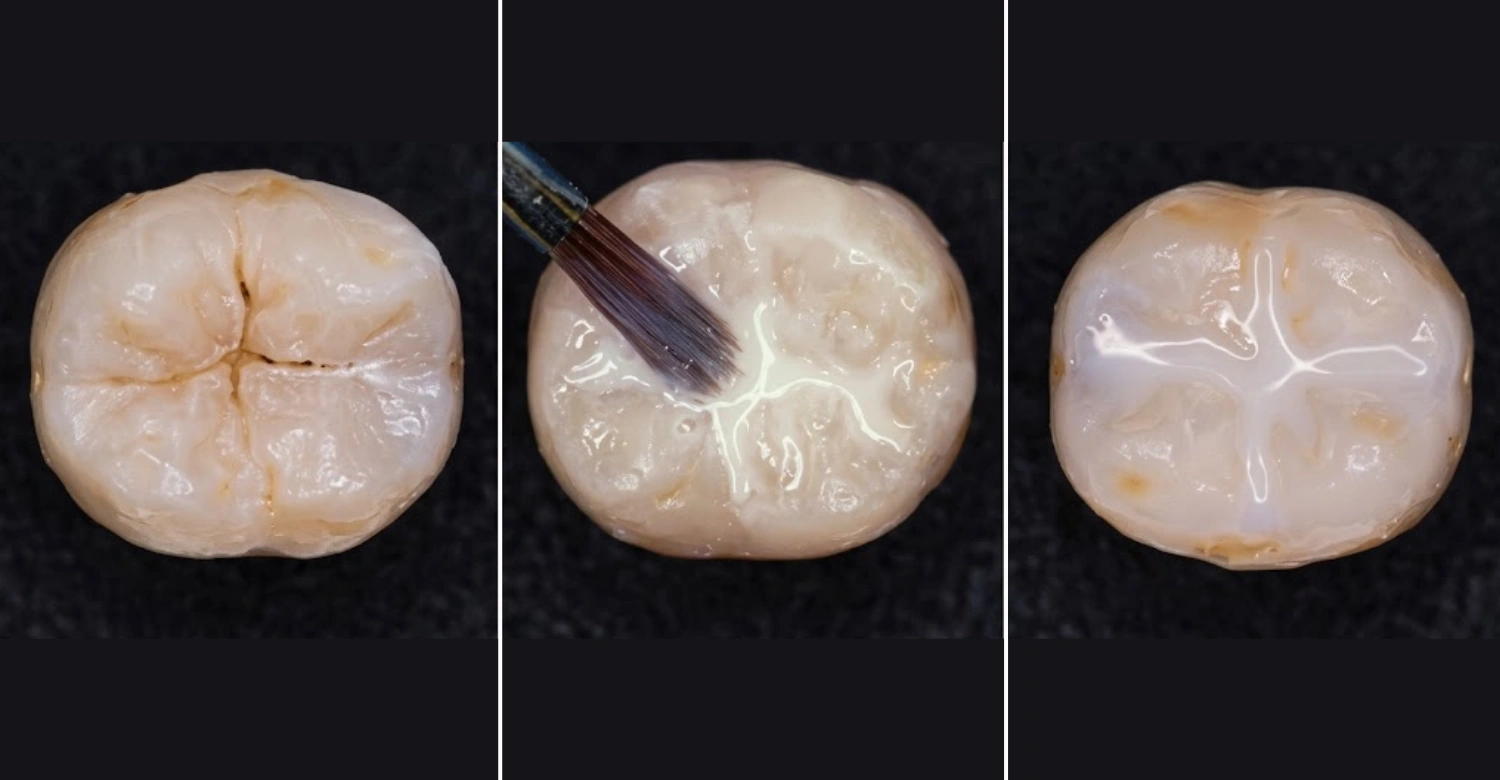
Some tooth grooves are naturally deeper or narrower than others, based purely on individual anatomy. These grooves can retain plaque more easily and present a cleaning challenge for standard brushing. In many cases, monitoring alongside improved home care is sufficient. In other cases, preventive treatment such as sealants may be recommended to protect vulnerable tooth ridges and grooves from developing decay.
Caries Developing Within Grooves
Fissure and pit caries develop specifically within the narrow spaces of tooth grooves. Early signs, such as slight discolouration or a sticky texture, may be identified during a routine dental examination. Radiographs are sometimes needed to confirm the depth of decay, depending on the clinical picture. Identifying caries early within Tooth Ridges and Fissures allows for smaller, more conservative treatment.
Worn or Damaged Dental Ridges
Chewing forces, tooth grinding, trauma, or previous restorative treatment can all alter the shape of dental ridges over time. A dentist examines the extent of this change and decides whether treatment is required. Minor wear may simply be monitored, while significant damage affecting bite or function often calls for restorative care to protect the remaining tooth structure.
Developmental Grooves That Extend Deeply
Certain developmental grooves extend unusually deep into the enamel, creating areas that are genuinely difficult to clean at home. When this anatomy is unusually pronounced, professional monitoring becomes more important. These teeth may benefit from additional preventive steps, since natural brushing alone may not adequately protect these especially vulnerable Tooth Ridges and Fissures from plaque buildup. Breathing and oral health: Lung Disease And Dental Health
How Are Tooth Ridges and Grooves Examined?
Clinical Examination
A clinical examination involves a visual check under proper lighting and, where needed, magnification. The dentist looks for plaque, staining, enamel breakdown, cavitation, and any changes in normal anatomy. This step forms the foundation of assessing Tooth Ridges and Fissures, helping determine whether any structure needs closer monitoring, preventive care, or further diagnostic imaging based on what is visible.
Dental X-Rays
Bitewing or other radiographic imaging can reveal decay hidden beneath the enamel surface, particularly within grooves that appear healthy on the surface. Imaging is selected according to each patient's clinical findings and individual risk factors, not used routinely for every visit. X-rays give a clearer picture of tooth ridges and grooves below what the eye alone can assess.
Digital Dental Technology
Digital imaging and modern diagnostic tools support a more detailed assessment of tooth structure. These records allow dentists to track subtle changes over time, comparing images from one visit to the next. This ongoing comparison helps confirm whether the anatomy is stable or whether early intervention would help preserve healthy enamel.
Tips for Patients
Brush twice daily with fluoride toothpaste.
Pay particular attention to the chewing surfaces of molars.
Avoid assuming that dark grooves automatically mean tooth decay.
Do not attempt to dig into grooves with sharp objects.
Maintain regular dental examinations.
Ask your dentist whether your child's newly erupted permanent molars have deep or high-risk grooves.
Follow professional recommendations regarding sealants or fluoride.
Report sensitivity, pain, food trapping, or visible changes in a tooth.
Maintain a balanced diet and limit frequent exposure to sugary foods and drinks.
Treatment Options for Problematic Tooth Grooves
Preventive Monitoring
Not every groove requires active treatment. Many cases of naturally deep tooth grooves are simply monitored over time, alongside improved home care techniques. Regular checkups allow the dental team to track any change in colour, texture, or depth. This conservative approach protects Tooth Ridges and Fissures while avoiding unnecessary intervention on healthy enamel.
Dental Sealants
Pit and fissure sealants are thin protective coatings applied to susceptible grooves, sealing them against plaque and food debris. The procedure is quick and painless, involving cleaning the tooth and applying the sealant material directly. Children with newly erupted molars often benefit most. With proper care, sealants can protect vulnerable tooth ridges and grooves for several years before reassessment is needed.
Fluoride-Based Preventive Care
Fluoride plays a key role in strengthening enamel and helping prevent early caries from developing. Professional fluoride applications may be recommended when clinical findings suggest a higher risk of decay within grooves. This preventive step works alongside daily hygiene, reinforcing the natural resistance of dental ridges and tooth grooves against acid attack from plaque bacteria.
Conservative Restorative Treatment
When decay has already developed within a groove, a conservative restoration removes only the affected tissue. Minimally invasive techniques are used whenever possible, preserving as much healthy enamel as it can. This principle guides most restorative decisions involving Tooth Ridges and Fissures, since keeping natural tooth structure intact supports long-term strength and function.
Treatment for More Advanced Decay
Deeper decay may require a larger restoration than a simple filling can provide. If decay reaches the pulp, root canal treatment may need to be considered to save the tooth. Treatment decisions always depend on the extent of disease present, not on the existence of a groove alone. This distinction is central to responsibly managing Tooth Ridges and Fissures. Function of Periodontal Ligament
Benefits of Treating High-Risk Tooth Grooves
Reducing the Risk of Tooth Decay
Sealing susceptible grooves reduces the surface area where plaque can accumulate undisturbed. This directly lowers the chance of fissure caries developing over time. Addressing high-risk Tooth Ridges and Fissures early is a proactive step that protects long-term oral health with a simple, low-intervention procedure.
Preserving Healthy Enamel
Preventive and minimally invasive approaches protect natural enamel rather than removing it unnecessarily. This conservative philosophy keeps healthy tooth structure intact for as long as possible, supporting stronger, more resilient teeth over a person's lifetime.
Maintaining Normal Occlusal Anatomy
Preserving functional ridges and grooves supports normal chewing patterns and bite alignment. When natural occlusal anatomy remains intact, the tooth continues to distribute chewing forces as intended, protecting both the treated tooth and its neighbours from added strain.
What to Expect Before and After Treatment
Before treatment, the dentist completes an examination and risk assessment to identify susceptible tooth ridges and grooves. During treatment, cleaning is followed by preventive or restorative care matched to the diagnosis. Afterward, surfaces are smoother or protected, making home cleaning easier. Preventive treatment never replaces the ongoing need for brushing, fluoride, and regular dental examinations.
Clinical Note
Natural tooth ridges and grooves are an essential part of normal tooth anatomy, and their presence alone never signals disease. However, unusually deep grooves, plaque retention, enamel breakdown, or early caries may call for closer evaluation. Diagnosis should always come before treatment. Dentists aim to preserve healthy enamel whenever possible, and recommendations vary according to age, oral hygiene, caries risk, tooth anatomy, and existing restorations. Detailed structure of Gingival Sulcus
How Can You Prevent Problems in Tooth Ridges and Fissures?
Daily Oral Hygiene
Proper brushing technique, paired with fluoride toothpaste, forms the foundation of prevention. Cleaning between teeth, where appropriate, removes plaque from areas a toothbrush cannot fully reach. Consistent daily habits are the simplest way to protect tooth ridges and grooves from decay.
Professional Preventive Care
Regular examinations allow early identification of high-risk anatomy before problems develop. Professional cleaning removes plaque and tartar that home brushing may miss. Fluoride and sealant assessments, done routinely, add another protective layer for vulnerable developmental grooves.
Monitoring Changes
Watch for changes in colour, texture, sensitivity, or food trapping around any tooth. Rather than self-diagnosing, seek a professional assessment when something feels different. Early attention to changing tooth ridges and grooves prevents small issues from becoming larger ones. Anatomical overview of Tooth Surfaces
What We Notice Clinically
Dr. Rifat Alsaman, Head of the Medical Team at Vitrin Clinic and a cosmetic dentist, evaluates each patient's natural tooth morphology individually rather than treating every groove as a problem by default. Distinguishing normal anatomy from early caries, enamel defects, cracks, or abnormal wear is central to this approach. Depth, accessibility, colour, plaque accumulation, and enamel integrity are all examined closely within tooth ridges and grooves before any recommendation is made, ensuring decisions reflect real clinical findings rather than.
How Dr. Rifat Alsaman Approaches Tooth Morphology
Dr. Rifat Alsaman prioritizes preserving natural anatomy whenever clinically possible. Conservative dentistry is favoured before considering the removal of any healthy enamel. This means carefully balancing the protection of vulnerable anatomy against maintaining the tooth's natural occlusal anatomy, so that treatment supports both immediate oral health and the tooth's long-term structural integrity. Medical query: Can A Tooth Infection Cause Elevated Liver Enzymes
When Should You See a Dentist About Tooth Grooves?
See a dentist if food persistently gets trapped in a groove, or if you notice new sensitivity to cold or sweets. Darkening or visible changes within a groove, pain when biting, or a chipped cusp or ridge all warrant an assessment. Newly erupted permanent molars with particularly deep grooves, or a previous history of decay in pits and fissures, are also good reasons to schedule a review of your Tooth Ridges and Fissures sooner rather than later.
Why Choose Vitrin Clinic for Comprehensive Dental Care?
Vitrin Clinic is a patient-focused dental clinic that combines clinical expertise with modern dental technology. Evidence-based diagnosis always comes before any treatment recommendation, supporting a conservative approach that prioritizes preserving healthy tooth structure. Digital diagnostic technology supports treatment planning where clinically appropriate, adding precision to every assessment. Dr. Rifat Alsaman, Head of the Medical Team at Vitrin Clinic and a cosmetic dentist, leads a clinical team providing thorough professional assessment and treatment planning. Recommendations are personalized, based on tooth anatomy, oral health, aesthetic considerations, and each patient's individual needs and goals for their tooth ridges and grooves.
Book a Professional Dental Assessment
Do not self-diagnose deep grooves at home. Speak with the dental team about preventive options, sealants, restorative treatment, or simple monitoring based on your specific anatomy. Book a consultation with Vitrin Clinic to understand your tooth ridges and grooves and protect your smile with the right treatment plan. Identifying Dental Signs Of Mouth Breathing
References:
FAQs
Dr. Rifat Alsaman has more than 5 years of clinical experience in dentistry and currently serves as the Head of the Medical Team at Vitrin Clinic. He is dedicated to providing exceptional patient care, overseeing treatment planning, and ensuring the highest clinical standards across the team. His expertise, attention to detail, and commitment to continuous professional development have helped countless patients achieve healthier, more confident smiles.

.webp&w=3840&q=75)


