Dental Veneers in Turkey
August 18, 2026
Veneers in Turkey: Where Can You Get Them for Less Than in the UK or USA?
 Dr. Rifat Alsaman
Anyone comparing private dentistry prices at home will quickly understand why Veneers in Turkey have become one of the most searched cosmetic dental treatments. UK and US patients search for this option constantly. Turkey's dental tourism industry processes over 600,000 international patients annually. Istanbul, Antalya, and Izmir are the most common cities for cosmetic dentistry (Kiss Dental, UK, industry overview). The appeal usually comes down to a mix of lower prices, modern clinics, and the option to combine treatment with travel. But the real picture is more nuanced than a headline price. It is worth understanding exactly what drives the cost difference before booking anything. Patients interested in how treatment speed has evolved can also read about same-day veneers and smile makeovers.
What are dental veneers?
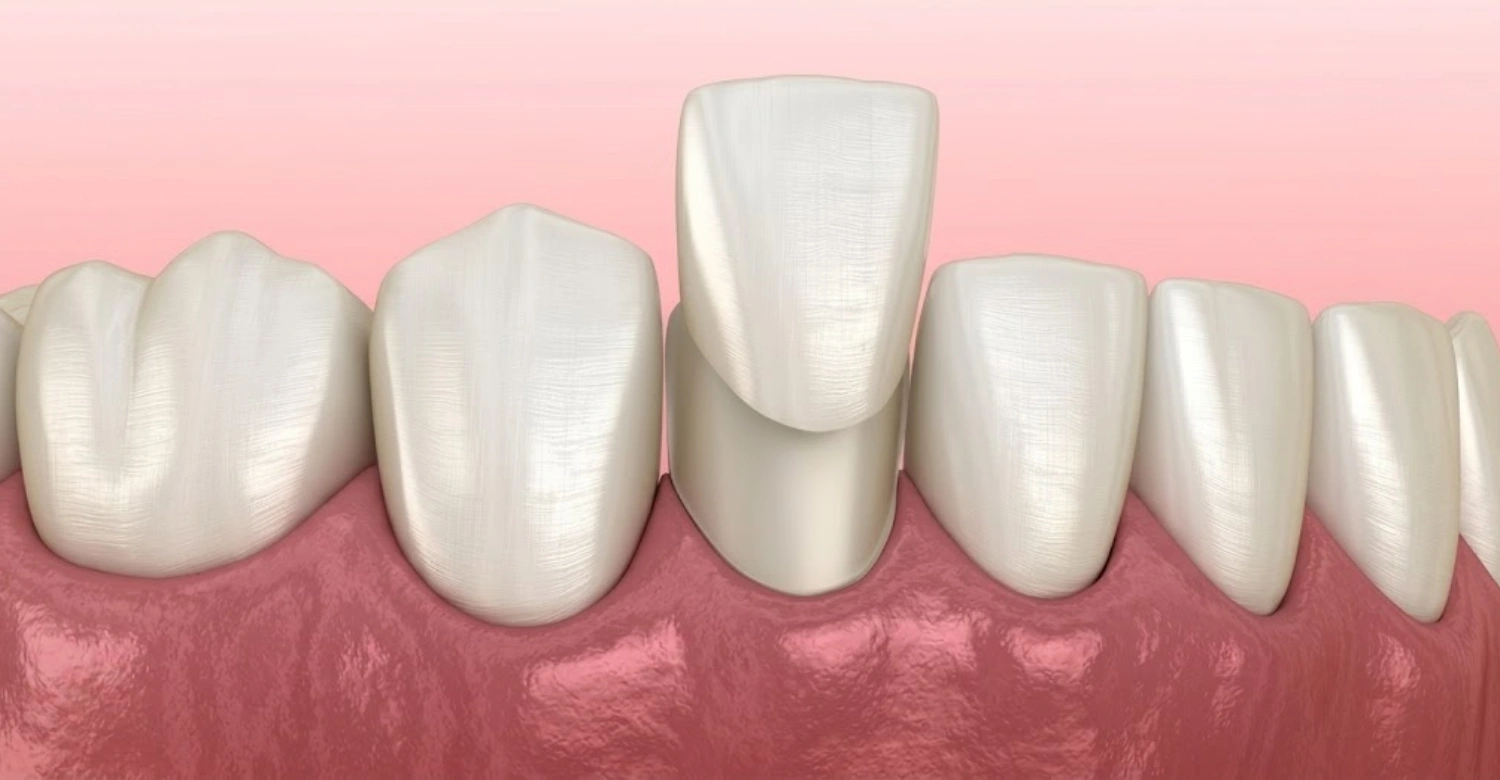
Dental veneers are thin shells made of porcelain or composite resin that are custom-fitted to the front surface of teeth. They are used to improve the appearance of teeth by addressing issues such as discoloration, chips, gaps, or misalignment. Veneers can enhance the shape, size, and color of teeth, providing a more uniform and aesthetically pleasing smile. The process typically involves minimal tooth preparation and can be completed in a few appointments.
Why Do Patients Choose Turkey for Veneers?
The growing popularity of Veneers in Turkey comes down to a few key factors. These include competitive pricing, modern dental technology, and a wide choice of cosmetic treatment options. Dedicated international-patient services also help, such as transfers, translators, and coordinated appointment scheduling. UK and US patients often compare Turkey with their local private-dentistry prices. A single porcelain veneer can cost several hundred pounds or dollars at home. That makes even a modest smile makeover a significant expense. Clinics such as Vitrin Clinic have built their international-patient services around this comparison. They offer structured treatment plans for patients travelling from abroad. Clear communication is part of this, so expectations are set before the patient ever boards a flight. Patients can also review the latest Turkey vs UK dental costs in 2026 before making a decision.
Are Veneers in Turkey Really Cheaper?
Turkey can genuinely offer substantially lower prices than the UK or USA. But the advertised price should never be the only consideration when researching Veneers in Turkey. Composite veneers cost roughly £120–£200 per tooth in Turkey. Porcelain veneers cost around £150–£300 per tooth. Overall savings run 55–75% compared with UK, US, Canadian, and Australian rates (HayatMed, price guide, 2026). It is essential to compare identical materials and treatment specifications rather than generic package names. Two clinics quoting very different prices may not actually be offering the same product. Travel, accommodation, any additional procedures, and aftercare should also be factored into the real total cost. Looking at the per-tooth price in isolation can be misleading. Patients comparing alternatives can also review the latest composite bonding cost in Turkey.
Veneers in Turkey vs. UK and USA: Complete Price Comparison
Veneer Type | Turkey, Per Tooth | UK, Per Tooth | USA, Per Tooth |
Composite veneer | About £125+ | About £500+ | About $500–$1,000 |
Zirconia veneer | About £150–£250 | About £450+ | About $800–$1,500 |
E.max / laminate veneer | About £200–£350 | About £750–£1,300+ | About $1,000–$2,500 |
Porcelain veneer | Roughly £200–£500 | Roughly £600–£1,200+ | Roughly $1,000–$2,500 |
These figures give a general sense of the price gap between countries. Every clinic sets its own rates depending on materials, laboratory partnerships, and the level of aftercare included. Patients are encouraged to treat this table as a starting point for research, not a fixed quotation. Always request an itemized breakdown before comparing any two clinics directly against one another. For a broader comparison of implant-related treatment costs, see our Dental Implants Turkey 2026 cost guide.
How Much Do 8 Veneers Cost in Turkey vs. UK and USA?
For a full smile makeover of 8 veneers, the price gap between Veneers in Turkey and UK or US pricing becomes very visible. UK patients may save several thousand pounds by treating abroad. US patients can see even larger savings, given higher domestic private-dentistry rates. These figures are indicative rather than guaranteed quotes. Material choice, tooth condition, and treatment complexity can significantly change the final price a clinic gives after examination. A patient with healthy teeth needing only cosmetic reshaping will typically get a lower quote. One who also needs gum treatment, extractions, or restorative work will usually pay more. Patients considering full-mouth restorative treatment can also compare Full Mouth Restoration in Turkey.
What Is Included in the Cost of Veneers in Turkey?
A typical quotation for Veneers in Turkey usually includes the consultation, digital scans, and X-rays where appropriate. It also covers the veneers themselves, laboratory work, temporary restorations, fitting, bite adjustment, and a follow-up appointment. Many packages also include hotel accommodation and airport transfers. A stated warranty and aftercare support once the patient returns home are usually included too. Reputable clinics set all of this out clearly in writing before treatment begins. That way, patients know exactly what they are paying for and can compare clinics on a like-for-like basis. Patients can also learn about the practical dental clinic experience in Turkey before travelling.
What Is Usually Not Included?
Flights are rarely included in quoted packages. Patients should budget for these separately when calculating the total cost of treatment. Additional treatment is typically charged separately too. This includes root canal therapy, extractions, gum treatment, bone or restorative procedures, extra crowns, and future repairs. Any treatment needed after returning home is also charged separately. Patients should ask for a full breakdown before committing to any clinic offering veneers in Turkey. Understanding these exclusions in advance helps avoid unexpected costs once treatment is already underway. This is one of the most common sources of confusion among first-time dental tourists. Patients can also review what documents are needed for dental treatment in Turkey.
What Types of Veneers Can You Get in Turkey?
Several veneer materials are available, each with its own balance of aesthetics, strength, and cost. The right choice depends on the individual patient's teeth, bite, and aesthetic goals. Understanding the differences between these materials before requesting a quote makes prices far easier to compare between clinics. For another cosmetic option, patients can also read about Snap On Smile as a removable alternative.
E.max Veneers in Turkey
E.max veneers are made from lithium-disilicate ceramic, valued for their aesthetics and translucency. They are a popular material choice for Veneers in Turkey. They are often selected for cosmetic cases where a natural, light-reflecting result is a priority. Suitability always depends on the individual patient's teeth and bite. A proper clinical assessment should confirm whether this material is the right fit before treatment begins. Patients considering alternative ceramic restorations can also explore Empress crown veneers.
Porcelain Veneers in Turkey
Porcelain veneers are prized for their aesthetics and durability. They remain one of the most requested options among patients researching this treatment. Their price is influenced by the specific porcelain system used, the laboratory fabricating them, and the number of teeth being treated. This is why quotes for porcelain veneers can vary noticeably between clinics offering seemingly similar treatments. Patients looking at conservative alternatives may also compare dental resins.
Zirconia Veneers in Turkey
Zirconia restorations used for Veneers in Turkey are known for their strength and increasingly refined aesthetics. They may be recommended in selected cases where extra durability is a clinical priority. Patients with a heavier bite or a history of grinding may be steered towards zirconia over more delicate ceramic options. This should always be confirmed through a clinical examination, not assumed in advance.
Composite Veneers in Turkey
Composite veneers are a more affordable option compared with ceramic alternatives. That makes them attractive to patients researching Veneers in Turkey on a tighter budget. They generally require more maintenance over time and may have a shorter lifespan. This is worth weighing against the lower upfront cost when choosing between composite and ceramic materials for a smile makeover. The latest gap tooth treatment guide also explains when bonding or veneers may be considered.
How do I choose the right veneer option?
Choosing the right veneer option involves considering several factors:
1. Material Type: Options include porcelain, composite resin, and ceramic. Porcelain is durable and stain-resistant, while composite is more affordable but may not last as long.
2. Aesthetic Goals: Think about the color, shape, and size you want. Porcelain veneers can mimic natural teeth very well.
3. Durability: Porcelain veneers are generally more durable than composite. If you have a history of teeth grinding, porcelain might be the better choice.
4. Cost: Composite veneers are usually less expensive than porcelain. Consider your budget when making a decision.
5. Procedure and Time: Porcelain veneers typically require multiple visits and more preparation, while composite can often be applied in one visit.
6. Consultation: Speak with a cosmetic dentist to discuss your specific needs and get professional advice tailored to your situation.
Researching local dentists who specialize in cosmetic dentistry can also help you make an informed choice.
Veneers vs. Crowns in Turkey: What Is the Difference?
Veneers and crowns are often confused with one another. Yet they involve very different amounts of tooth reduction and suit different clinical situations. Understanding this distinction is one of the most important steps a patient can take before agreeing to any treatment plan abroad. Patients researching more extensive restorations can also compare their options through our full mouth dental implants cost guide.
Are Turkey Teeth Always Veneers?
The term "Turkey teeth" is often used loosely in media coverage. It does not always mean veneers; it sometimes refers to full-coverage crowns. Patients should always confirm exactly which restoration type is being proposed. The two involve very different amounts of tooth reduction. Mistaking one for the other can lead to unrealistic expectations about how much natural tooth structure will be affected.
Why Is Tooth Preparation So Important?
Preserving healthy enamel matters because tooth preparation is largely irreversible once it has taken place. The British Dental Association has expressed concern that patients often do not fully understand the difference between veneers and crowns. Some clinics exploit this knowledge gap, leading to unnecessary aggressive tooth reduction. A proper clinical examination should always come first. That way, the least invasive option suitable for the individual case can be identified, rather than defaulting to the most profitable one. For patients with spacing concerns, our detailed guide to diastema causes, types and costs provides further context.
Can You Get Veneers Without Shaving Your Teeth?
Whether minimal-preparation veneers are appropriate depends on tooth position, shape, enamel thickness, bite, and the veneer design chosen. "No-prep" veneers are not suitable for every patient. Minimal preparation should never be requested without a proper clinical assessment first. Forcing a no-prep approach onto unsuitable teeth can compromise both the fit and the long-term health of the tooth underneath.
How Does the Veneers in Turkey Treatment Process Work?
The treatment process generally follows a structured sequence, from initial consultation through to final fitting and aftercare. The exact steps can vary slightly between clinics. Most reputable providers follow a broadly similar pathway designed to minimise surprises once the patient arrives. International patients can also learn how treatment duration and stay length in Turkey may affect their travel planning.
Step 1: Remote Consultation
The process for Veneers in Turkey usually starts with a remote review of photographs and dental history. This includes a discussion of aesthetic goals and preliminary treatment planning. This initial stage lets the clinic give the patient a realistic idea of suitability and likely cost before any travel commitment is made. Clear communication is particularly important, which is why patients can also learn about language support during dental tourism.
Step 2: In-Person Examination
Once in Turkey, patients undergo a dental examination and X-rays or scans where required. A gum and tooth assessment and a bite evaluation follow. This in-person stage is where the preliminary remote plan is either confirmed or adjusted, based on what the clinical team actually finds. Understanding the first clinical visit can be useful, so patients can read about the dental clinic experience in Turkey.
Step 3: Digital Smile Design and Treatment Planning
Digital smile planning is used to assess tooth proportions and overall smile aesthetics. It confirms the number of veneers needed. This step gives the patient a preview of the expected outcome. It also allows discussion of adjustments before any permanent work begins. For patients with smaller cosmetic concerns, the latest solutions for closing gaps between teeth can also be considered.
Step 4: Tooth Preparation and Temporaries
Preparation is carried out only where clinically necessary. Temporary restorations are fitted while healthy tooth structure is preserved as far as possible. Temporaries also let the patient trial the general shape and length of the new smile before the final veneers are bonded in place.
Step 5: Laboratory Fabrication
The final restorations are created in a dental laboratory. Material selection and laboratory precision directly affect the final result. This stage typically takes several days. During this time, the shade, shape, and fit of each veneer are carefully matched to the patient's individual smile design.
Step 6: Veneer Fitting and Bite Adjustment
The dental team checks fit, evaluates shade and shape, adjusts occlusion, and confirms aesthetics before final bonding takes place. Patients are usually given the chance to view the veneers before permanent bonding. That way, any final adjustments can be made while changes are still possible.
Step 7: Aftercare
Aftercare covers oral hygiene guidance, regular dental check-ups, a night guard when clinically recommended, and ongoing follow-up. Sensitivity affects 15–25% of patients in the first month after treatment (HayatMed, clinical price guide). It usually resolves within 4–6 weeks as secondary dentin forms. This is a normal part of the adjustment period, not a sign of a problem, in most cases. Patients travelling for treatment can also plan practical transport with the Istanbul transportation guide.
What Should You Check Before Booking Veneers in Turkey?
Before booking, it is worth asking the clinic detailed questions covering the treatment plan, the materials used, and the final price. Gather this information in writing before travelling. Doing so can prevent misunderstandings once the patient is already in Turkey and less able to negotiate freely. Patients should also understand the airport transfer process for dental tourists.
Questions About the Clinic
Ask whether there is a detailed treatment plan and whether materials are clearly specified. Check whether the quotation is itemized, and whether X-rays, scans, and temporary restorations are included. Confirm whether aftercare is explained. A clinic that answers these questions clearly and in writing is generally easier to trust than one offering only a vague verbal estimate.
Questions About the Veneers
Confirm the exact material and brand being used, and which laboratory will manufacture them. Ask how many teeth will receive veneers and whether any will need crowns instead. Also confirm how much preparation is expected. These details directly affect both the price and the long-term durability of the final result. They should never be left to assumption.
Questions About the Final Price
Clarify exactly what is included and excluded. Confirm whether hotel and transfers are covered, and whether additional treatments are charged separately. Ask what the warranty actually covers. A transparent clinic should be able to answer all of these points before the patient has even booked flights, without pressure to commit on the spot. Accommodation planning can also be easier with the guide to hotels near Vitrin Clinic.
How Can You Compare Veneers in Turkey Prices Safely?
Comparing prices safely means looking beyond the headline number. Make sure every quote covers an identical treatment specification. Without this discipline, it becomes very easy to compare two entirely different treatments purely on price. This is one of the most common mistakes made by first-time dental tourists. Patients looking at broader implant treatment can also compare the All-on-8 dental implant cost guide to understand how treatment complexity changes pricing.
Get at Least Three Like-for-Like Quotes
Comparing three identical treatment specifications gives a far more meaningful comparison. This beats comparing vague "Hollywood Smile" packages against each other. Requesting the same detailed specification from several clinics makes it much easier to see where genuine differences in quality or service exist. Otherwise, differences may come purely from vague wording.
Use This Veneer Quote Checklist
When requesting a quote from any clinic, ask specifically for: 8 upper E.max lithium-disilicate veneers, and minimal preparation where clinically suitable. Also request the consultation, X-rays/scans, temporary restorations, laboratory work, final fitting, and bite adjustment. Ask about a night guard where recommended, hotel and airport transfers if required, and a list of all possible additional charges. Using the same checklist with every clinic makes the resulting quotes far easier to line up side by side.
Compare the Total Treatment Cost
Avoid comparing only the price per tooth. Calculate flights and accommodation, and consider any additional dental treatment. Factor in aftercare and possible future repairs. Always compare the actual treatment specification rather than the marketing name of the package. A slightly higher quote that includes more of these elements may ultimately work out cheaper than a lower one with hidden extras.
What Are the Risks of Getting Veneers in Turkey?
As with any dental treatment carried out abroad, there are risks worth weighing alongside the potential savings of Veneers in Turkey. Being aware of these risks in advance allows patients to ask better questions. It also helps them choose a clinic that manages risk responsibly, rather than discovering problems only after treatment has already taken place. Patients can also understand the practical realities of international care through the latest transportation guide for dental patients in Istanbul.
Why Conservative Treatment Matters
Preserving healthy enamel and selecting appropriate cases matters, because crowns should never automatically replace healthy teeth. A survey highlighted in the British Dental Journal found that 86% of dentists treated cases with complications following overseas treatment, including abscesses and nerve damage. A study in the Journal of Prosthetic Dentistry found that around 15% of teeth prepared for full-coverage crowns eventually need root canal treatment within ten years. This underlines why long-term function matters as much as appearance. Overall, the evidence here is mixed and comes mostly from industry sources, dental associations, and clinic-reported surveys, rather than independent controlled studies. Outcomes depend heavily on individual clinic quality.
Clinical Note
A successful smile makeover should balance aesthetics, tooth preservation, function, gum health, and long-term maintenance, not price alone. Chasing the cheapest possible quote without checking these factors is one of the most common reasons patients end up dissatisfied with the final result.
Tips for the Patients
Before accepting a treatment plan, ask the Vitrin Clinic team why each restoration is recommended. Also ask whether a more conservative option is clinically suitable. A clinic willing to explain its reasoning in plain language, rather than simply presenting a price list, is generally a good sign of a responsible, patient-focused approach.
Are Veneers in Turkey Worth It?
Whether the savings are worth it depends on more than the price alone. This is best judged case by case, rather than assumed from marketing material. Patients who research clinics thoroughly tend to report far better outcomes than those who book based on price alone.
Turkey vs. UK: Is the Price Difference Worth It?
Comparing indicative costs shows that Veneers in Turkey can save UK patients thousands of pounds. Travel and aftercare arrangements need to be calculated into the full picture before deciding. Once these additional costs are factored in, the savings are often still substantial. They are rarely as large as the headline per-tooth figure alone might suggest. A wider cost comparison is available in the Turkey vs UK dental costs guide.
Turkey vs. USA: Is the Price Difference Worth It?
US patients may see an even bigger price difference, given typically higher domestic rates. Travel, accommodation, treatment quality, and long-term maintenance should all be weighed alongside the savings. For many US patients, even after adding flights and a short stay, the total cost of treatment abroad remains considerably lower than treatment at home.
What Matters More Than the Price?
Several factors matter more than the headline price when choosing where to have this treatment carried out. These include clinical assessment, the dentist's treatment plan, material quality, laboratory work, and conservative preparation. Bite management, aftercare, warranty terms, and long-term maintenance matter too. Industry surveys suggest patient satisfaction rates at established, well-reviewed dental tourism clinics in Turkey run between 85% and 95%. This reinforces how much outcomes depend on clinic quality rather than country alone.
How Long Do Veneers in Turkey Last?
Longevity of Veneers in Turkey varies from patient to patient. It depends on how the veneers are cared for and the natural forces placed on them day to day. Setting realistic expectations about lifespan from the outset helps patients plan for maintenance and eventual replacement, rather than being caught off guard years later. Patients can also compare veneers with dental resin options when considering longevity and maintenance.
What Affects Veneer Longevity?
Longevity is influenced by oral hygiene, bite forces, and bruxism. The material chosen, the quality of preparation, and the bonding technique used matter too. So do diet, habits, and regular dental examinations. Patients who attend routine check-ups and follow aftercare advice generally see their veneers last considerably longer than those who neglect these steps.
Do Veneers Need to Be Replaced?
Veneers are not permanent for life and will eventually need replacement. Good maintenance can support long-term results and delay the need for redoing the work. Most patients can expect many years of good service from well-fitted veneers before replacement becomes necessary. This is particularly true when ceramic materials and careful bonding techniques have been used.
Clinical Note
Patients who grind or clench their teeth may need additional protection, such as a night guard, depending on their individual clinical assessment. Left unmanaged, bruxism can significantly shorten the lifespan of even the highest-quality veneers.
How Should You Care for Veneers After Returning Home?
Proper aftercare at home plays a large role in how well the results hold up over the years. The habits a patient develops in the weeks and months after treatment often matter just as much as the quality of the original procedure itself. Diet can also influence oral health, so patients should understand the relationship between food and teeth through recent guidance such as ultra-processed foods and oral health.
Daily Veneer Care
Brush twice daily and clean between teeth. Maintain gum health and avoid using teeth as tools. Follow any professional cleaning recommendations given at the time of treatment. These simple daily habits form the foundation of long-term veneer care, and cost nothing beyond a small amount of consistent effort.
Long-Term Maintenance
Attend regular dental examinations and book professional hygiene appointments when needed. Monitor for bite changes and address chips or sensitivity promptly. Use a night guard if recommended. Catching small issues early is generally far cheaper and less disruptive than waiting until a problem becomes serious enough to need major repair work. Patients should also be aware of how snacking habits can affect cavity risk.
Tips for the Patients
Arrange appropriate follow-up care before returning home. Keep copies of your treatment records, material information, X-rays, and warranty documentation. Having this paperwork readily available makes it far easier for a local dentist to provide informed follow-up care if any issues arise later on. Patients who are staying in Istanbul can also plan accommodation through our guide to hotels near the dental clinic.
Vitrin Clinic for Veneers in Turkey
Vitrin Clinic is one option international patients consider when researching this treatment. It offers a structured approach to planning and aftercare. The clinic's international-patient services are built around the kind of transparent, itemized planning that this guide has recommended throughout. Patients interested in broader restorative care can also review the Full Mouth Restoration in Turkey guide.
Why Choose Vitrin Clinic for Veneers?
Vitrin Clinic offers cosmetic dentistry for international patients researching this treatment. Personalized veneer planning covers E.max porcelain veneers, zirconia restorations, composite bonding, whitening, and Digital Smile Design. Dedicated international-patient coordination supports the process throughout. This range of options lets the clinical team tailor a treatment plan to each patient's teeth, bite, and aesthetic goals, rather than offering a one-size-fits-all package.
How Does Vitrin Clinic Plan a Veneer Treatment?
Treatment planning at Vitrin Clinic begins with an initial consultation and assessment of photographs and dental information. An in-person clinical examination and digital imaging follow, where appropriate. Smile design, material selection, and a final treatment plan come next. Veneer fitting, bite adjustment, and structured follow-up and aftercare complete the process. This structured sequence mirrors the general process outlined earlier in this guide, giving patients a clear idea of what to expect at each stage. Patients can also explore dental implant costs in Turkey when comparing veneers with restorative alternatives.
Clinical Note
The most attractive veneer result is not necessarily the whitest or most uniform smile. Tooth proportions, facial features, gum contours, bite, shade, and natural-looking anatomy all influence the final result. This is why a personalised smile design process matters more than simply picking the brightest shade available.
Tips for the Patients
Request an itemized treatment plan from Vitrin Clinic before travelling. Confirm the exact material, number of veneers, and preparation requirements. Also confirm additional procedures, package inclusions, and aftercare. Having this information in writing before departure removes much of the uncertainty that can otherwise come with arranging dental treatment abroad.
Dental Veneers and Dental Tourism in Turkey: A Vitrin Clinic Guide
What Dental Veneers Are
Dental veneers are thin shells bonded to front teeth to improve appearance. Common types include porcelain and composite veneers.
How Veneers Fit Dental Tourism in Turkey
Turkey is a popular destination for dental tourism, including veneer treatments. Vitrin Clinic provides dental veneer services for international patients.
What to Ask Before Choosing a Provider
Ask about veneer materials, preparation, and aftercare before booking. International patients should confirm consultation and travel planning details with Vitrin Clinic.
How to Choose the Right Veneer Option: A Vitrin Clinic Guide for Dental Tourism in Turkey
Compare Veneer Materials and Goals
Start by comparing porcelain, composite, and minimal-prep veneers. Share your smile goals so Vitrin Clinic can discuss suitable options.
Evaluate the Clinic and Treatment Plan
Ask how the dentist plans tooth preparation, shade, and follow-up care. Vitrin Clinic can outline its veneer process for dental tourism in Turkey.
Plan Travel, Consultation, and Aftercare
Request a veneer consultation before booking travel or treatment. Confirm aftercare instructions and communication steps with Vitrin Clinic.
Resource:
Veneers in Turkey can be an effective option for enhancing smile aesthetics when planned and placed carefully. Research published in the linked systematic review suggests that dental veneers may have a positive or protective effect on periodontal health. Outcomes depend on proper preparation, cementation, and oral hygiene. Choosing qualified dental professionals and maintaining regular dental care are essential for safe, natural-looking, and long-lasting results.
https://pmc.ncbi.nlm.nih.gov/articles/PMC11870843/
https://clinicaltrials.gov/study/NCT05984472
https://pubmed.ncbi.nlm.nih.gov/15119799/
FAQs
Dr. Rifat Alsaman has more than 5 years of clinical experience in dentistry and currently serves as the Head of the Medical Team at Vitrin Clinic. He is dedicated to providing exceptional patient care, overseeing treatment planning, and ensuring the highest clinical standards across the team. His expertise, attention to detail, and commitment to continuous professional development have helped countless patients achieve healthier, more confident smiles.


.webp&w=3840&q=75)