
Snacks that cause cavities are more common than most patients realize. They are not always the obvious sugary treats. Many people brush twice a day and still develop new cavities. This can feel confusing and frustrating. The missing piece is often what happens between meals. Frequent snacking, even on foods that seem harmless, keeps the mouth exposed to sugars and starches for longer periods.
Oral bacteria feed on these carbohydrates. They produce acids that gradually weaken enamel. Over time, repeated acid attacks can lead to decay, regardless of how consistent a patient's brushing routine is. Timing and frequency of snacking often matter just as much as the total sugar consumed in a day. Plaque forms quickly around leftover food, and every fresh sugar exposure gives it more fuel.
This naturally raises a common question: "Why am I getting cavities when I brush my teeth every day?" The answer usually lies in snacking patterns rather than hygiene alone. Choosing tooth-friendly alternatives helps. So does understanding how snacks and tooth decay are connected. This guide offers evidence-informed dental guidance rather than a simple list of foods to avoid. It looks closely at Snacks That Lead to Cavities, why they matter, and what patients can realistically change.
Snacks That Cause Cavities: Which Foods Should You Limit?
Snacks that cause cavities usually share a few common traits: fermentable carbohydrates, added sugars, sticky textures, and frequent consumption throughout the day. Oral bacteria metabolize these carbohydrates and release acids that gradually weaken enamel. This process can repeat every time a sugary or starchy snack is eaten.
A food does not need to taste intensely sweet to contribute to tooth decay. Crackers, crisps, and other starchy snacks can be just as risky as chocolate when eaten frequently. Understanding which snacks and tooth decay risks overlap helps patients make more informed daily choices without feeling like every food is off-limits.
Sugary Snacks and Teeth
Sugary snacks and teeth have a well-documented relationship. Sweets, chocolate, biscuits, cakes, and sweetened snacks all provide fuel for bacteria that produce acid. Eating a sugary treat once with a meal is generally less harmful than eating small amounts repeatedly across the day.
Repeated exposure keeps teeth sitting in an acidic environment for longer stretches. Saliva needs time to neutralize these acids. Constant snacking interrupts that natural recovery process, increasing the overall risk of decay even when portion sizes stay small. This is one reason sugary snacks and teeth are so often discussed together in preventive dental guidance. The pattern of eating matters as much as the treat itself. This everyday discomfort is explored further in our guide to tooth decay pain.
Sticky Snacks That Stay on the Teeth
Sticky snacks such as caramel, toffee, gummies, sticky dried fruit, and fruit snacks tend to cling to tooth surfaces far longer than other foods. This extended contact time gives bacteria more opportunity to produce acid. Even a small piece can linger for far longer than expected.
These snacks that cause cavities can settle into grooves and between teeth, where brushing alone may not fully reach. Patients wearing orthodontic appliances face additional risk. So do those with deep pits and fissures, since sticky residue is harder to clear from these areas. Regular flossing becomes especially important for these patients. Cleaning around braces specifically is covered in our guide to braces and oral hygiene.
Crackers, Biscuits, and Refined Carbohydrates
Savoury snacks are not automatically safer for teeth. Crackers, crisps, pretzels, and refined baked snacks contain starches that break down into simple sugars once they mix with saliva. This means these seemingly innocent snacks can still feed decay-causing bacteria.
Frequent grazing on refined carbohydrates throughout the day compounds the problem. Even without a strong sweet taste, these foods that cause cavities behave similarly to sugary snacks once bacteria begin breaking them down in the mouth. Patients who reach for crackers or crisps between meals are sometimes surprised by this. These snacks count among the snacks that cause cavities just as much as chocolate does.
Sweetened Drinks as a "Snack"
Soft drinks, sweetened juices, energy drinks, flavoured coffees, and sweetened teas often get overlooked as snacks. Yet they behave the same way. Sipping these drinks slowly over an extended period repeatedly bathes teeth in sugar and acid.
Unlike a quick meal, prolonged sipping does not give saliva a chance to restore balance in the mouth. This pattern makes sweetened drinks one of the more overlooked snacks that cause cavities. It is particularly common among patients who sip throughout the workday or while studying, often without noticing how long the drink actually lasts.
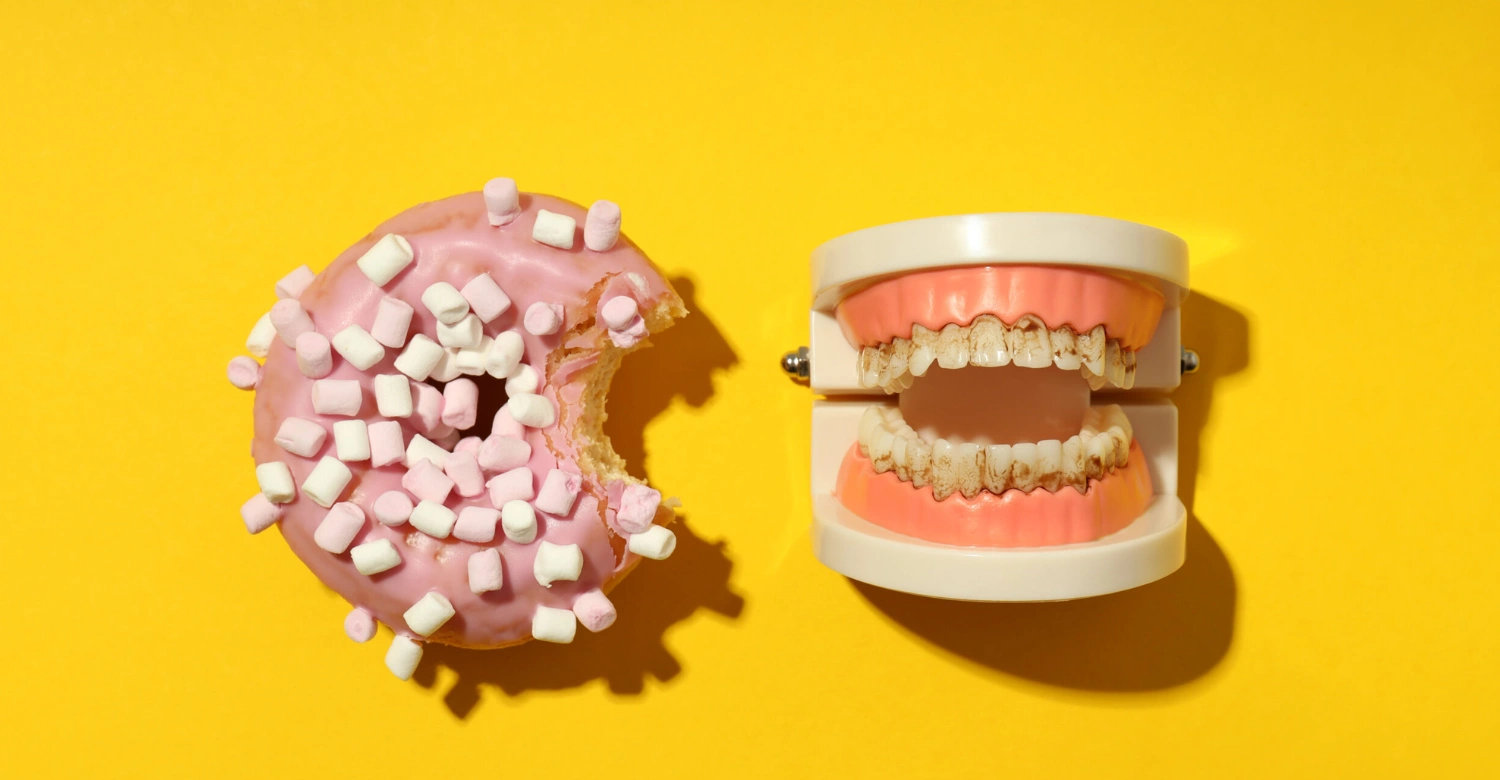
Snacks and Tooth Decay: How Does the Process Work?
Snacks and tooth decay are connected through a repeatable biological process. Understanding each step helps explain why frequency, not just quantity, plays such a central role in cavity development among patients of all ages.
What Happens After You Eat?
After eating, food particles remain on tooth surfaces and between teeth. Oral bacteria begin metabolizing certain carbohydrates almost immediately, producing acids as a byproduct. These acids can trigger enamel demineralization, a weakening of the tooth's protective outer layer.
Saliva plays a protective role by helping neutralize these acids and supporting remineralization, a natural repair process. However, saliva needs adequate time between eating occasions to complete this work, which is where frequent snacking becomes problematic.
Why Snacking Frequency Matters
Allowing saliva enough recovery time between eating occasions is essential for protecting enamel. A single snack between meals gives the mouth a chance to return to a neutral pH before the next exposure occurs.
Continuous grazing throughout the day does not allow this recovery window. As a result, snacks that cause cavities through repeated exposure can be more damaging than consuming the same total amount of sugar during one sitting. The mouth simply stays acidic for much longer overall, which gives bacteria more time to work.
Who May Be More Vulnerable to Snack-Related Cavities?
Certain groups face higher risk from frequent snacking. Children and teenagers often snack more often and may have less consistent oral hygiene habits. Patients with dry mouth produce less protective saliva, reducing natural acid neutralization. This risk factor is explored in more depth in our guide on whether dry mouth causes periodontal disease.
Patients with poor plaque control, those wearing orthodontic appliances, and individuals with a history of recurrent cavities are also more vulnerable. Anyone who frequently consumes acidic or sugary foods faces a compounding effect, making preventive habits especially important for these groups. Prevention for younger patients is covered in our dedicated guide to child tooth decay.
Foods That Cause Cavities: Common Examples
Foods that cause cavities vary widely in taste and texture, but many share similar risk factors. The table below outlines common snacks, why they may increase risk, and simple alternative approaches patients can consider. It offers a quick, practical reference for identifying snacks that cause cavities and choosing a better option in the moment.
Snack/Food | Why It Can Increase Risk | Better Approach |
Candy | High in sugar | Limit frequency |
Gummies | Sticky and sugary | Choose less sticky options |
Caramel/toffee | Sticks to teeth | Keep occasional |
Biscuits | Sugar + refined carbohydrates | Eat with meals |
Crisps | Starchy and can remain around teeth | Choose whole-food alternatives |
Dried fruit | Concentrated natural sugars + sticky texture | Eat with meals |
Sweetened cereal bars | Often high in added sugar | Choose low-sugar options |
Sugary drinks | Frequent sugar/acid exposure | Choose water |
Healthy Snacks for Teeth: What Should You Choose Instead?
Healthy snacks for teeth are not just about avoiding sugar; they support overall oral health. Ideally, these snacks are lower in added sugar, less sticky, nutrient-dense, and easy to rinse away. They should also encourage saliva production, which naturally protects enamel between meals.
Rather than framing this only around restriction, thinking in terms of healthy snacks for teeth helps patients build sustainable habits. Small substitutions, made consistently, can meaningfully reduce exposure to the factors that drive snacks that cause cavities. Over weeks and months, these small swaps tend to add up to a noticeably lower cavity risk.
Tooth-Friendly Snack Options
Several everyday foods support dental health while still being satisfying. Cheese and plain yoghurt help buffer acids and provide calcium. Fresh vegetables, including crunchy options such as carrots and cucumber, encourage saliva flow and clean teeth naturally while chewing.
Whole fruits in appropriate portions, nuts where suitable and safe, boiled eggs, unsweetened foods, and water round out a practical list. These options offer nutritional value without the prolonged sugar exposure typical of many packaged snacks. Keeping a few of these on hand makes it easier to reach for them. This helps patients avoid defaulting to convenience foods that fall into the category of snacks that cause cavities.
Are Fruits Bad for Your Teeth?
Whole fruit and fruit juice are not the same when it comes to dental risk. Natural sugars in whole fruit do not automatically make it harmful, especially since chewing stimulates saliva and fibre helps clean the teeth.
Frequency and acidity still matter, so sipping fruit juice throughout the day is generally more concerning than eating a piece of whole fruit. For this reason, whole fruit is usually preferable to continuously sipping juice between meals. Choosing whole fruit at set times, rather than juice sipped continuously, keeps it well outside the category of snacks that cause cavities for most patients.
Snacks for Dental Health: How to Snack Without Increasing Cavity Risk
Snacks for dental health depend on more than just food choice. How and when snacks are eaten plays a major role in whether they contribute to snacks that cause cavities or support a healthier mouth overall. A few simple habits, applied consistently, can shift the balance in the right direction without requiring a complete diet overhaul.
Eat Snacks at Specific Times
Structured eating, rather than constant grazing, gives saliva time to neutralize acids and begin the remineralization process. Spacing snacks out during the day, rather than eating small amounts continuously, reduces how long teeth stay in an acidic environment.
This single habit change can meaningfully lower the cumulative impact of snacks that cause cavities, even without dramatically altering what foods are eaten. Patients often notice that simply spacing out eating occasions feels easier to maintain than cutting out favourite foods entirely.
Choose Water After Eating
Drinking water after eating helps clear leftover food particles and dilutes acids produced by oral bacteria. Unlike sugary beverages, water does not add further fuel for bacteria to metabolize.
Making water the default beverage for routine hydration is a simple, effective way to reduce daily sugar and acid exposure from snacking, rather than reaching for sweetened drinks out of habit.
Maintain Fluoride Exposure
Fluoride toothpaste plays a central role in strengthening enamel and helping it resist acid attacks from snacks and tooth decay-causing bacteria. Brushing twice daily with fluoride toothpaste remains one of the most effective preventive habits available.
For patients considered high-risk, additional fluoride measures may be appropriate. These extra steps are typically discussed and recommended on an individual basis after a thorough oral health assessment. Consistent fluoride exposure is one of the most reliable ways to offset the enamel damage caused by frequent snacks that cause cavities. A full comparison of options is available in our guide to fluoridated vs. fluoride-free toothpaste.
Clean Between the Teeth
Brushing alone cannot adequately clean every surface between teeth, particularly tight interdental spaces where plaque and food debris accumulate. These areas are especially vulnerable to the acid produced after eating sticky or starchy snacks.
Using floss or appropriately sized interdental brushes daily helps remove this buildup. Combined with regular brushing, this habit significantly reduces the risk associated with snacks that cause cavities in hard-to-reach areas. This habit is explained in more detail in our guide to how to use dental floss.
What We Notice Clinically
Dr. Rifat Alsaman, Head of the Medical Team at Vitrin Clinic, notes that patients often focus heavily on brushing while overlooking the frequency and type of snacks they consume throughout the day. In his experience, recurrent cavities can sometimes be associated with frequent exposure to sugary or starchy foods, even in patients who maintain a reasonable hygiene routine.
What We Look for During an Examination
A thorough examination considers more than visible holes. Existing cavities, early enamel demineralization, and plaque accumulation are checked closely, along with interproximal decay that can be difficult to spot without close inspection.
Tooth wear, gum health, dry-mouth symptoms, and existing fillings or crowns are also reviewed. Dietary habits and snacking frequency are discussed as part of understanding the full clinical picture behind any new decay.
When a Dietary Review May Be Recommended
A closer look at dietary habits may be recommended when patients experience recurrent cavities or multiple new lesions over a short period. Frequent sugary snacks or sweetened drinks are common contributing factors worth discussing.
High-risk patients, children with repeated decay, and patients experiencing dry mouth may also benefit from a dietary review. Addressing these patterns early can help reduce the ongoing impact of snacks cavities over time. A short conversation about typical daily eating habits is often enough to spot the pattern. For younger patients specifically, our guide on dental checkups for kids covers age-appropriate prevention.
Clinical Note
Snacks that cause cavities are rarely about one single food choice. Instead, they reflect a pattern of frequency, texture, and sugar content built up over weeks and months. This is why small, consistent changes tend to produce the most lasting improvement.
When Should You See a Dentist About Frequent Cavities?
Certain warning signs suggest it may be time for a dental visit. Tooth sensitivity, pain when eating sweets, and white or brown spots on teeth can all indicate early decay. Visible holes are a clearer sign that treatment is needed.
Other signs include food repeatedly getting trapped in the same area, persistent bad breath, and broken or weakened teeth. Early decay may cause no symptoms at all. This is why regular professional examinations remain important even when patients feel no pain. It matters especially for anyone who regularly eats snacks cavities without realizing it. This specific symptom is covered in our guide to why teeth hurt when eating.
How Dentists Treat Cavities Caused by Dietary Habits
Treatment approaches vary depending on how far decay has progressed, ranging from simple monitoring to more involved restorative procedures.
Early Enamel Changes
At this stage, professional monitoring combined with fluoride support can often help. Improved oral hygiene and dietary modification, alongside preventive care, may be enough to stop early enamel changes from progressing into a full cavity. Cutting back on frequent snacks that cause cavities is often one of the first changes recommended at this stage. This process is explained in more depth in our guide to tooth enamel erosion.
Established Cavities
Once a cavity has formed, a dental filling is typically appropriate. This involves removing decayed tooth structure and restoring the tooth's original function and structure. It allows the patient to eat and clean the area comfortably again. The surrounding teeth, though, remain just as exposed to future snack that cause cavities unless habits change.
Deep Tooth Decay
Extensive decay may eventually affect the dental pulp, the tooth's inner nerve tissue. Depending on the condition, treatment may involve more advanced restorative or endodontic procedures. Early diagnosis remains one of the most important factors in avoiding this stage. Reaching this point usually reflects decay that has been developing quietly for some time, which is why routine check-ups matter even when nothing feels wrong. At this stage, patients often ask should I get a root canal — a question this guide answers in detail.
Prevention After Treatment
Restoring a tooth with a filling does not eliminate the underlying risk factors that caused the decay in the first place. Dietary habits and oral hygiene should still be addressed afterward to help prevent cavities from creating new problems elsewhere in the mouth. This treatment step is covered in more depth in our guide to causes of tooth decay.
Before and After: What Can Patients Expect?
Before Treatment
Before treatment, a dental examination and caries-risk assessment help establish the full picture. Dental X-rays may be taken when clinically indicated. An evaluation of diet and oral hygiene helps identify any areas of active decay. It also highlights patterns that may be contributing to ongoing risk, such as frequent snacking or sipping habits.
After Treatment
After treatment, patients typically experience restored tooth function and improved comfort when eating. Maintaining oral hygiene often becomes easier once decay has been addressed, and preventive recommendations are usually provided to help reduce the risk of future decay.
It is worth noting that a filling treats the damaged tooth itself, but it does not prevent new cavities from developing elsewhere. Ongoing prevention, including attention to diet, remains necessary long after any individual tooth has been restored.
Tips for Patients
Brush twice daily with fluoride toothpaste.
Clean between your teeth every day.
Reduce frequent sugary snacks.
Avoid continuously sipping sugary drinks.
Choose water as the main beverage.
Prefer less sticky snacks.
Keep sugary foods mainly to mealtimes when possible.
Attend regular dental examinations.
Follow personalized fluoride recommendations.
Ask your dentist about your individual caries risk.
These recommendations are part of Vitrin Clinic's broader preventive dentistry approach.
How Vitrin Clinic Supports Preventive and Restorative Dental Care
Vitrin Clinic combines diagnosis, prevention, and appropriate treatment within a patient-centred approach to dental examinations. Each assessment considers the individual's cavity risk, oral hygiene habits, and dietary patterns, rather than treating decay as an isolated issue.
Personalized treatment planning allows the dental team to address existing cavities while also focusing on long-term prevention. Modern dental technology supports accurate diagnosis and treatment planning where clinically appropriate, helping identify early changes before they progress further. This combination of careful diagnosis and practical guidance helps patients understand not just what to treat, but how to reduce future risk.
Patient education remains a core part of the process at Vitrin Clinic. The team works to help patients understand how snacks that cause cavities develop, so results can be maintained well beyond the initial appointment. Preventive dental care is treated as an ongoing partnership focused on long-term oral health, not simply the treatment of existing cavities.
Making Better Snack Choices for Your Teeth
Snacks that cause cavities are usually problematic because of their sugar or starch content, stickiness, acidity, and especially how frequently they are eaten throughout the day. Patients do not necessarily need to eliminate every sweet food from their diet entirely.
Realistic dietary changes, combined with fluoride use, consistent oral hygiene, and professional examinations, make the biggest long-term difference. Identifying individual cavity risk factors allows prevention plans to be tailored rather than generic, which tends to produce better results over time.
Book a dental consultation at Vitrin Clinic for an individual assessment of your oral health, cavity risk, and a personalized prevention or treatment plan. Do not wait until dental pain appears, since early decay may develop without noticeable symptoms.
References:
FAQs

Dr. Rifat Alsaman has more than 5 years of clinical experience in dentistry and currently serves as the Head of the Medical Team at Vitrin Clinic. He is dedicated to providing exceptional patient care, overseeing treatment planning, and ensuring the highest clinical standards across the team. His expertise, attention to detail, and commitment to continuous professional development have helped countless patients achieve healthier, more confident smiles.


.webp&w=3840&q=75)