Dental Veneers in Turkey
September 13, 2026
Veneers and Bad Breath: Why Do Dental Veneers Sometimes Cause Bad Breath?
 Dr. Rifat Alsaman
Dental veneers are designed to improve tooth appearance without creating unpleasant breath. However, changes around veneers can sometimes make odors noticeable. These changes may involve plaque, food debris, gum inflammation, or inadequate cleaning. The veneers themselves are not usually the source of an odor. Instead, bacteria around the restoration break down trapped organic material. This process can produce volatile sulfur compounds associated with bad breath. Research suggests that 80–90% of halitosis cases have an intraoral origin. Tongue coating, periodontal disease, and poor hygiene are major contributors. Veneer patients should focus on surrounding teeth, gums, tongue, and restoration margins. Proper dental hygiene significantly reduces conditions that support odor-producing bacteria. At Vitrin Clinic, veneer planning includes attention to aesthetics, fit, gum health, and maintenance. A personalized examination can identify problems before they affect comfort or oral health.
Can Veneers Cause Bad Breath?
Dental veneers do not normally produce bad breath by themselves. They are thin restorations bonded to the front surfaces of teeth. Their presence should not automatically create an unpleasant odor. Problems develop when plaque accumulates around veneer margins. Cleaning issues also allow food debris to remain between teeth. Bacteria then break down these materials and release unpleasant-smelling compounds. Research indicates that most halitosis originates inside the mouth. Poor hygiene, tongue coating, periodontal disease, and food retention are common contributors. Veneers may become indirectly associated with odor when cleaning is difficult. A poorly finished margin can also irritate nearby gingival tissue. Good veneer design, healthy gums, and consistent home care reduce these risks. Persistent odor should receive professional evaluation rather than being blamed on veneers. This is an important part of understanding Veneers and Bad Breath.
Why Veneers Do Not Normally Cause Bad Breath
Well-designed veneers should have smooth, well-adapted margins. Their surfaces can be maintained through normal brushing and interdental cleaning. Porcelain itself does not act like a food source for bacteria. The concern usually involves deposits accumulating around the restoration or gumline. A 2024 systematic review evaluated nine studies concerning veneers and periodontal health. Seven studies reported positive outcomes, while two reported slight worsening. The evidence does not support the idea that veneers inherently create unhealthy gums. Outcomes depend on preparation, cementation, oral hygiene, and patient maintenance. Patients should clean the teeth beneath and beside veneers carefully. Keep the tongue clean and attend routine dental examinations. A veneer remains healthy and odor-free when margins are properly maintained. This detail matters when evaluating Veneers and Bad Breath.
When Veneers May Contribute to Bad Breath
Veneers may contribute indirectly when plaque or food traps around margins. This situation becomes more likely when cleaning is difficult. A restoration that extends too close to the gum creates a challenging area. Rough or excess cement can also encourage plaque accumulation. Research on restorative materials shows that plaque accumulation near margins contributes to inflammation. However, adequate home care reduces this risk substantially. Patients may notice odor during flossing when debris remains between teeth. Bleeding gums provide another important warning sign. This does not automatically mean the veneer has failed. The cause may involve gingivitis, periodontal disease, food impaction, or another condition. A dentist can inspect veneer margins and surrounding tissues. Professional cleaning may resolve the problem when deposits are responsible. Patients researching Veneers and Bad Breath should keep this in mind.
Dr. Rifat Alsaman's Clinical Opinion on Veneers and Bad Breath
Dr. Rifat Alsaman, Head of the Medical Team at Vitrin Clinic, emphasizes prevention. In his clinical perspective, veneers must be planned around aesthetics and periodontal health. A beautiful restoration should also allow practical daily cleaning. The gumline deserves particular attention during veneer planning. Margins should be carefully evaluated because plaque accumulation influences gingival health. Patients should understand that persistent odor rarely has only one explanation. Tongue coating, gum disease, dry mouth, cavities, and food debris can all contribute. Clinical assessment becomes especially important when cleaning does not improve the smell. The dentist can examine the restoration, gums, teeth, tongue, and bite. Good planning combined with appropriate aftercare supports comfortable, healthy veneer treatment. Patients should not remove or replace veneers without identifying the actual cause.
Find out more about methotrexate and dental implants
Why Does My Breath Smell After Veneers?
An unpleasant smell after veneer treatment can have several explanations. The timing does not necessarily prove that veneers caused the odor. Temporary changes occur after treatment because cleaning routines may change. Gum tissues may also be sensitive during early healing. Persistent odor deserves closer attention. Plaque, trapped food, gingival inflammation, dry mouth, or tongue bacteria may be involved. Scientific reviews consistently identify intraoral factors as dominant causes of halitosis. Patients should inspect whether the smell comes from a particular interdental area. Notice any bleeding, swelling, tenderness, or unusual taste. Professional evaluation is recommended when symptoms persist despite careful cleaning. Identifying the source is more useful than simply masking the odor. This connects directly to the broader topic of Veneers and Bad Breath.
Bad Breath After Getting Veneers
Bad breath after getting veneers may result from several unrelated oral changes. Temporary gum irritation can occur during the treatment process. Patients may also experience difficulty cleaning areas that feel different after treatment. Flossing technique sometimes needs adjustment after restorations are placed. Food particles can become trapped between neighboring teeth. Plaque accumulates when those areas are not cleaned effectively. Another possibility is that the odor existed before treatment. Veneer placement may simply make the patient more aware of oral sensations. Research suggests that 80–90% of halitosis cases originate within the mouth. Patients should examine their entire oral environment. Cleaning the tongue and interdental spaces is particularly important. If the smell continues, a dentist should evaluate the gums and veneer margins. Such factors are commonly discussed under Veneers and Bad Breath.
Veneers Making My Breath Smell: What Could Be Happening?
When patients feel their veneers make their breath smell, several factors are considered. Food may collect between teeth or close to restoration margins. Plaque can accumulate when brushing does not reach those areas effectively. Gum inflammation is another possible explanation. Inflamed tissues frequently contribute to unpleasant oral odors. A restoration with excess cement or an irregular margin makes cleaning harder. Such issues require professional inspection rather than aggressive home cleaning. The tongue should not be overlooked. Tongue coating is considered a major contributor to oral malodor. Patients should avoid assuming the veneer material itself produces the smell. The underlying cause may be completely treatable. A dental examination can distinguish between restoration-related problems and other causes. This point is often raised in discussions of Veneers and Bad Breath.
Do Veneers Cause a Bad Taste and Bad Breath?
A bad taste can sometimes accompany unpleasant breath. However, the two symptoms have multiple possible causes. Food debris, plaque, gum inflammation, dry mouth, and tongue bacteria change the oral environment. These factors may create both odor and an unpleasant taste. Patients may notice a taste when flossing around a specific tooth. That pattern can suggest localized plaque, food retention, or gingival inflammation. The presence of a veneer does not automatically indicate the source. A dentist should examine the restoration and surrounding tissues before making conclusions. Oral malodor develops largely through bacterial metabolism of organic materials. Volatile sulfur compounds are important contributors to the resulting odor. Persistent symptoms require professional evaluation. Masking the taste with mouthwash does not address its underlying cause. It remains a relevant consideration in the context of Veneers and Bad Breath.
Clinical Note: When Persistent Bad Breath Needs a Dental Check
Persistent odor deserves professional attention when it continues despite good oral hygiene. Patients should especially seek evaluation when odor occurs with bleeding gums, and swelling, tenderness, pus, or loose teeth are also important warning signs. A dentist can inspect the gums, restoration margins, tongue, and neighboring teeth, and radiographs may sometimes be necessary when deeper dental problems are suspected. Research associates periodontal disease with increased odds of halitosis one meta-analysis reported approximately threefold higher odds among people with periodontitis, and another 2024 meta-analysis found a significant association between periodontitis and halitosis, though researchers also noted methodological differences between studies. Persistent odor should therefore be investigated rather than attributed automatically to cosmetic treatment. This is a key clinical point related to Veneers and Bad Breath.
Get the details on muscles used for chewing
Can Bacteria Under Veneers Cause Bad Breath?
Bacteria can accumulate around teeth and restoration margins when plaque control is inadequate, though the idea of bacteria "under" veneers needs careful interpretation. A properly bonded veneer should not normally leave an accessible space underneath; if bacteria enter through a defective margin, the situation requires professional assessment. More commonly, bacteria accumulate around the veneer rather than beneath it the gumline, interdental spaces, and tongue can harbor odor-producing microorganisms. Food debris can provide nutrients for bacterial activity, and the resulting compounds may contribute to an unpleasant smell. Faulty restoration margins can also make plaque removal harder, and research has connected restoration characteristics with plaque accumulation and gingival inflammation. Patients should never try to remove a veneer themselves; a dentist should determine whether the restoration is intact and properly adapted. Dentists frequently address this when discussing Veneers and Bad Breath.
Can Bacteria Build Up Around Dental Veneers?
Bacteria can accumulate around any dental restoration when plaque remains undisturbed. The risk depends on oral hygiene, restoration design, surface characteristics, and access for cleaning; veneers do not automatically create bacterial accumulation. The area most often requiring attention is the margin near the gumline, where plaque retained there can contribute to gingival inflammation. A 2024 systematic review found generally favorable periodontal outcomes associated with veneer treatment, though the researchers also emphasized substantial differences between the included studies. Patients should therefore focus on daily plaque control, since brushing alone may not adequately clean interdental spaces. Floss, interdental brushes, or other dentist-recommended devices can improve access, and professional cleanings can also remove deposits that home care cannot eliminate. This forms part of the wider picture of Veneers and Bad Breath.
Food Trapped Under Veneers and Bad Breath
Food usually becomes trapped around veneers rather than underneath an intact veneer, and the distinction is clinically important. Food can lodge between adjacent teeth or beside the veneer margin, and bacteria then break down organic material and produce unpleasant compounds. Patients may notice a stronger smell when flossing that specific area, and they may also experience an unpleasant taste after removing trapped debris. The solution depends on why the food is collecting crowding, contact points, gum contours, or restoration design may contribute. Patients should avoid forcing sharp objects between teeth, since aggressive cleaning can injure the gums or damage restoration margins. A dentist can evaluate the contact area and recommend suitable interdental cleaning methods, and regular cleaning helps prevent recurrent food retention.
Bad Breath Caused by Poorly Fitted Veneers
Poorly fitted veneers may create areas that are difficult to clean, and these areas can retain plaque, food debris, or excess bonding material. The resulting inflammation may contribute to an unpleasant smell, though poor fit should be confirmed clinically rather than assumed. Dentists evaluate margins, contacts, contours, gingival tissues, and bite relationships, and they may also examine neighboring teeth for decay or other problems. Research on porcelain veneers emphasizes marginal adaptation as an important clinical consideration, and properly bonded restorations generally have favorable long-term outcomes. Patients should seek evaluation when odor consistently comes from one restoration, since a dentist can determine whether correction or replacement is appropriate. Repeated cleaning alone may not solve a structural problem, so identifying the underlying cause is essential. This is one reason Veneers and Bad Breath continues to be a common patient question.
Everything you need to know about my back teeth keep biting my cheek
Why Do My Veneers Smell Bad?
Veneers themselves should not normally have a strong unpleasant smell; odor usually indicates deposits or an underlying oral issue. Plaque, food particles, inflamed gums, or bacteria around restoration margins can create unpleasant odors, and patients sometimes notice the smell most strongly while flossing, which can indicate localized debris or inflammation between teeth. Another possibility involves dry mouth, since reduced saliva can make natural oral cleansing less effective. Tongue coating can also contribute substantially to halitosis, and research identifies the tongue as an important reservoir for odor-producing bacteria. Patients should therefore evaluate their entire oral hygiene routine brushing the veneer surface alone is not enough, and the gums, tongue, interdental areas, and neighboring teeth all require attention. Understanding this helps clarify the link between Veneers and Bad Breath.
Veneers Smell When Flossing: What Does It Mean?
A smell appearing during flossing often indicates material trapped between teeth, and the material may include food debris, plaque, or inflammatory fluid. Patients should notice whether the smell consistently comes from one location, since a localized odor can provide useful information for the dentist. Bleeding during flossing may indicate gingival inflammation, and swelling or tenderness makes professional assessment even more important. Flossing should not be stopped simply because an area smells gentle, cleaning can help remove accumulated debris. However, persistent odor despite careful cleaning suggests that another factor may exist, such as periodontal pockets, defective restoration margins, or decay. A dental professional can inspect the area and determine the appropriate treatment. This is an important part of understanding Veneers and Bad Breath.
Bad Breath Around Veneers and the Gumline
The gumline is one of the most important areas to clean around veneers, since plaque can accumulate where the tooth, restoration, and gingiva meet. If plaque remains, inflammation may develop, and inflamed gingival tissues can contribute to an unpleasant oral smell. Patients should use a soft toothbrush and gentle technique, and flossing or another interdental method should clean the spaces between teeth. The restoration should not be treated as separate from the surrounding tooth; oral hygiene must address the complete area. Studies of halitosis consistently identify periodontal conditions as important oral contributors, and regular professional examinations can detect early inflammation before symptoms become severe. This detail matters when evaluating Veneers and Bad Breath.
Gum Inflammation Around Veneers and Bad Breath
Gum inflammation can occur when plaque accumulates around restoration margins, and this condition may produce bleeding, redness, swelling, or unpleasant breath. The veneer itself may not be responsible instead, the surrounding tissue may be reacting to plaque or an unfavorable local factor. Patients should not ignore bleeding gums because they consider it normal after veneers; persistent bleeding deserves professional evaluation. The dentist can assess plaque levels, gingival health, restoration margins, and periodontal pockets. Research shows a consistent relationship between periodontal disease and halitosis. Early management can include improved plaque control and professional cleaning, while more advanced periodontal problems may require additional treatment. Healthy gums are essential for maintaining comfortable and attractive veneer results.
Gum Problems Around Veneers and Bad Breath
Gum problems around veneers can have several causes, and plaque accumulation is one of the most common possibilities. Other factors include restoration contours, existing periodontal disease, traumatic brushing, or inadequate interdental cleaning. Patients may notice bleeding, swelling, redness, sensitivity, or unpleasant odor, and these signs should not be dismissed as cosmetic concerns. A dentist can determine whether the problem involves gingivitis or a deeper periodontal condition. Research indicates that people with periodontitis have higher odds of experiencing halitosis. Veneers should be maintained alongside healthy natural teeth, and regular periodontal assessment can help preserve both, since good oral hygiene remains central to preventing inflammation around cosmetic restorations.
Read more about neck and jaw pain
Can Poor Oral Hygiene Cause Bad Breath With Veneers?
Poor oral hygiene can contribute to unpleasant breath regardless of whether veneers are present. Veneers can change the surfaces that patients need to clean, but the basic principles remain the same: plaque should be removed from teeth, restoration margins, interdental spaces, and the tongue, and food debris should not remain between teeth for prolonged periods. Research estimates that most halitosis has an oral origin, and poor oral hygiene is repeatedly identified as an important contributor. Patients should therefore view veneer care as part of complete oral hygiene cosmetic restorations that do not replace brushing or interdental cleaning. Professional examinations can also identify areas that patients struggle to clean. Patients researching Veneers and Bad Breath should keep this in mind.
Veneers and Poor Oral Hygiene
Poor hygiene can allow plaque to accumulate around veneers and natural teeth, and over time this may contribute to gingivitis and an unpleasant smell. Patients sometimes focus heavily on the visible veneer surface, but the hidden interdental and gumline areas are equally important. A soft toothbrush can clean the tooth and restoration surfaces effectively, and interdental cleaning should address areas that brushing cannot reach. Tongue cleaning can also help reduce bacterial deposits associated with oral malodor. Studies identify poor oral hygiene, tongue coating, and periodontal disease among major halitosis factors. Veneer maintenance should therefore include the entire mouth, and consistent daily care is more important than relying on occasional mouthwash. This connects directly to the broader topic of Veneers and Bad Breath.
How Plaque Around Veneers Can Affect Breath
Plaque contains microorganisms capable of breaking down organic substances, and some resulting compounds have unpleasant odors. When plaque remains around veneer margins, bacterial activity can increase, and gingival inflammation may then develop around the affected area. Patients may notice odor when flossing or brushing, and they may also experience bleeding during interdental cleaning. Plaque control can reduce the bacterial load available for producing malodorous compounds, and professional cleaning may be necessary when hardened deposits have developed. Research indicates that oral bacteria and periodontal conditions contribute significantly to halitosis. Patients should clean veneers as carefully as natural teeth; the restoration should not become a neglected area within the mouth. Such factors are commonly discussed under Veneers and Bad Breath.
Why Cleaning the Gumline Is Important With Veneers
The gumline is where plaque can accumulate easily, and it is also where gingival tissues interact directly with the restoration. Incomplete cleaning can allow bacteria to remain undisturbed, which may contribute to inflammation, bleeding, and an unpleasant smell. Patients should angle the toothbrush gently toward the gumline, since excessive pressure is unnecessary and may irritate the tissues. Interdental cleaning should complement brushing, and the exact method can be selected according to tooth spacing and dental recommendations. Healthy gums provide an important foundation for long-term cosmetic results, so veneer treatment should include instructions for maintaining the surrounding tissues. This point is often raised in discussions of Veneers and Bad Breath.
Veneer Hygiene and Fresh Breath
Fresh breath depends on more than cleaning the visible veneers; the entire oral environment needs regular care. Patients should brush twice daily using a fluoride toothpaste unless their dentist recommends otherwise, and interdental cleaning should be performed regularly. The tongue should also be cleaned gently, since tongue coating is strongly associated with intraoral malodor. Adequate hydration can support normal saliva flow, and patients with persistent dry mouth should discuss possible causes with their dentist. Routine dental examinations can detect plaque, gingivitis, decay, or restoration problems. A consistent hygiene routine supports both oral health and the appearance of veneers. It remains a relevant consideration in the context of Veneers and Bad Breath.
Learn more about neurological disease and oral health
How to Clean Veneers to Prevent Bad Breath
Cleaning veneers requires the same commitment as maintaining natural teeth. Patients should clean the visible surfaces and surrounding tissues, and brushing should reach the gumline without excessive pressure. A soft toothbrush can help minimize unnecessary abrasion. Flossing or interdental cleaning should remove debris between teeth, and patients should avoid forcing floss aggressively around tight contacts. Tongue cleaning can reduce bacterial deposits associated with an unpleasant smell, and hydration can also support normal saliva function. Mouthwash may provide an additional benefit, but it should not replace mechanical cleaning. Persistent odor despite good hygiene should trigger a dental evaluation, since the cause may involve periodontal disease, decay, dry mouth, or restoration problems. This is a key clinical point related to Veneers and Bad Breath.
How Often Should You Clean Your Veneers?
Veneers should be cleaned as part of the normal daily oral hygiene routine. Most patients should brush at least twice daily, and interdental cleaning should also be performed regularly. Patients should clean the tongue gently when appropriate, since this can reduce deposits associated with oral malodor. After meals, rinsing with water can help remove loose food particles, which is particularly useful when brushing is temporarily unavailable. The exact hygiene routine may differ depending on gum health and dental conditions, and a dentist or hygienist can recommend appropriate brushes, floss, or interdental devices. Consistency is more important than aggressive cleaning, since excessive pressure can irritate the gums and cause unnecessary sensitivity. Dentists frequently address this when discussing Veneers and Bad Breath.
How to Floss Around Veneers Correctly
Floss should be guided gently between the teeth, and patients should avoid snapping it against the gum tissue. The floss should curve around each tooth surface, which allows plaque to be removed near the gumline. Patients with tight contacts may need waxed floss or another recommended product, while larger spaces may benefit from interdental brushes. If floss repeatedly shreds or becomes stuck, the contact area should be evaluated professionally. Persistent odor from one interdental space can also provide useful diagnostic information. Patients should not use sharp objects to remove trapped food, since such objects can injure gingival tissues or damage dental work. This forms part of the wider picture of Veneers and Bad Breath.
Can Mouthwash Help Prevent Bad Breath With Veneers?
Mouthwash can complement brushing and interdental cleaning, but it should not be considered a substitute for mechanical plaque removal. Some therapeutic mouthrinses can help reduce bacteria or volatile sulfur compounds, and the appropriate product depends on the patient's oral condition. Alcohol-containing products may not suit everyone, especially people experiencing dry mouth, so a dentist can recommend an appropriate formulation. Mouthwash may temporarily mask odor without treating its underlying cause, so persistent symptoms therefore require assessment. Patients with gum inflammation may need periodontal treatment rather than stronger breath products. Good oral hygiene remains the foundation of fresh breath. This is one reason Veneers and Bad Breath continues to be a common patient question.
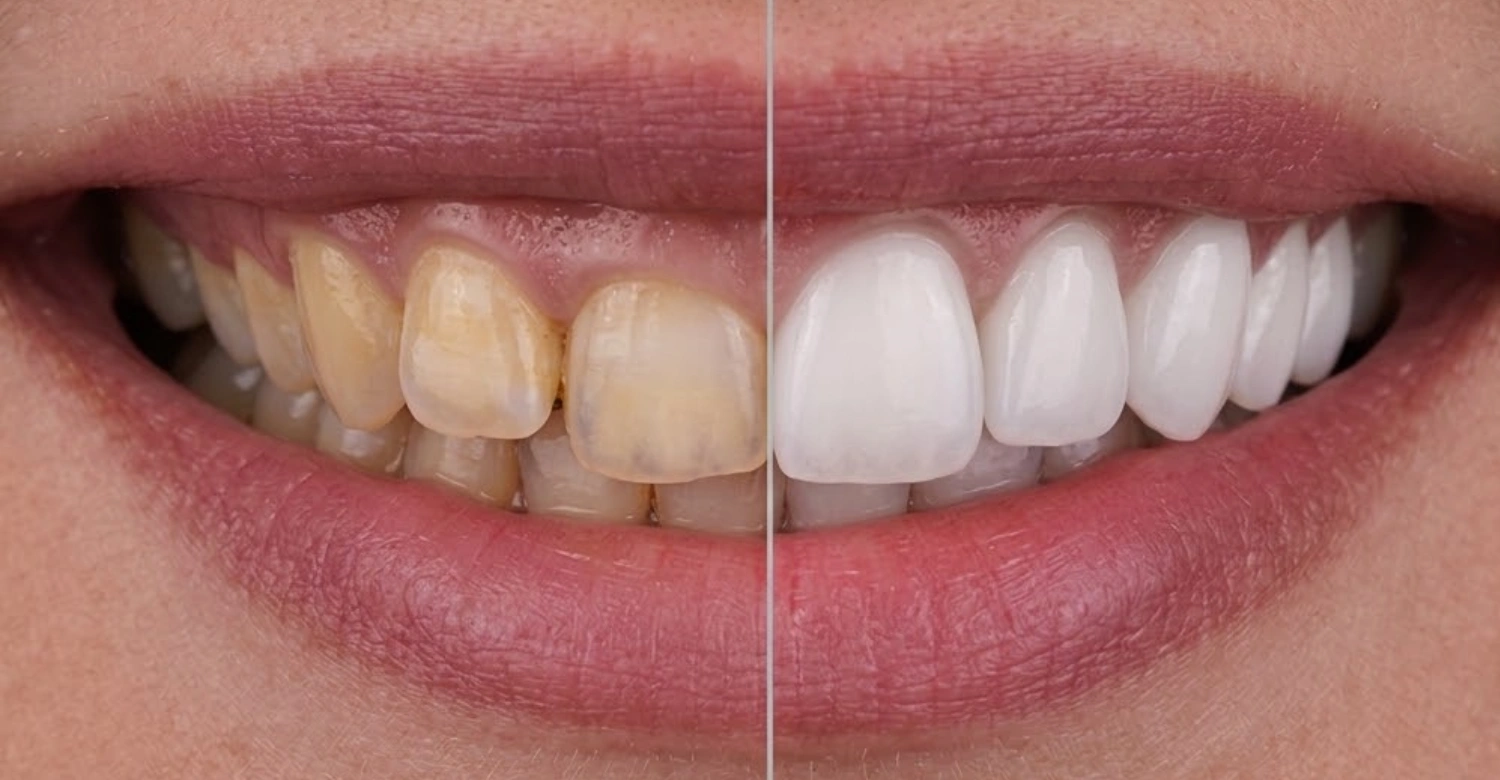
Note : All images used are for editorial and illustrative purposes only and may not originate from the original news provider or associated company.
How to Stop Veneers From Smelling
First, identify whether the odor actually comes from the veneer area a dentist can help determine the source. Clean the gumline carefully and perform regular interdental cleaning, and remove food debris rather than allowing it to remain between teeth. Clean the tongue gently and maintain adequate hydration, avoiding exclusive reliance on breath mints or cosmetic mouthwash. If odor continues, check for gum inflammation, decay, defective margins, or other dental conditions. Professional cleaning can remove calculus and deposits that home care cannot eliminate. The correct solution depends on the cause. Replacing veneers without identifying the cause may not solve the problem. Understanding this helps clarify the link between Veneers and Bad Breath.
Tips for Patients: Keeping Veneers Clean and Your Breath Fresh
Brush your teeth consistently using a soft toothbrush, giving special attention to the gumline around each restoration. Clean between teeth every day, choosing floss or interdental brushes according to your dentist's recommendation. Clean the tongue gently when coating is present, and drink sufficient water to support normal saliva flow. Limit prolonged exposure to sugary foods and drinks, and rinse with water after meals when brushing is not immediately possible. Attend regular dental checkups and professional cleanings, and report persistent bleeding, swelling, unusual taste, or localized odor. Do not attempt to polish, scrape, or adjust veneers at home. A simple routine can protect both oral health and the appearance of cosmetic restorations. This is an important part of understanding Veneers and Bad Breath.
Explore more on oral bacteria types
How to Prevent Bad Breath With Veneers
Prevention starts before veneer placement. Patients should address existing cavities, gum disease, and hygiene problems first, and after treatment, daily plaque control becomes essential brushing and interdental cleaning should remain consistent. Patients should also monitor changes in gum health, since bleeding or swelling can indicate inflammation requiring attention. Regular dental examinations allow professionals to check restoration margins and surrounding tissues. Healthy saliva flow also supports natural oral cleansing, and patients experiencing persistent dry mouth should discuss possible causes. Research shows that oral factors account for the large majority of halitosis cases, so prevention should focus primarily on maintaining oral health. This detail matters when evaluating Veneers and Bad Breath.
Maintain Daily Brushing and Flossing
Daily brushing removes plaque from the teeth and veneer surfaces, and flossing reaches areas that toothbrush bristles cannot adequately access. Patients should use gentle pressure near the gumline, since excessive force does not improve plaque removal. Interdental cleaning can also reduce food retention, which is particularly important around tightly spaced teeth. Patients should maintain their routine even when the veneers look clean, since bacteria and plaque may remain invisible. Consistent hygiene helps protect gingival health and supports long-term restoration maintenance. Patients researching Veneers and Bad Breath should keep this in mind.
Clean Around the Veneers and Gumline
The veneer surface is only one part of the area requiring cleaning the transition between restoration and gum is particularly important. Patients should gently brush along the gumline, and interdental cleaning should remove deposits between neighboring teeth. Professional hygiene appointments can remove calculus that cannot be brushed away at home. If a particular area repeatedly traps debris, patients should mention it during appointments, and the dentist can evaluate whether tooth anatomy or restoration contours contribute to the problem. This connects directly to the broader topic of Veneers and Bad Breath.
Avoid Leaving Food Trapped Between Teeth
Food trapped between teeth can become a source of bacterial activity, and the resulting compounds may contribute to an unpleasant smell. Patients should gently remove trapped food using appropriate interdental cleaning tools, since sharp household objects should never be used. Rinsing with water after meals can provide temporary assistance, though rinsing does not replace regular brushing and interdental cleaning. Repeated food trapping in one area deserves professional evaluation. Such factors are commonly discussed under Veneers and Bad Breath.
Keep Regular Dental Checkups
Routine dental examinations help identify problems before they become significant, and dentists can evaluate veneers, gums, natural teeth, and oral hygiene. Professional cleaning can remove calculus and deposits that home care cannot eliminate. Checkups also allow clinicians to evaluate restoration margins, and small problems may be easier to manage when identified early. Patients should report persistent odor or unusual taste during appointments, since regular monitoring supports long-term oral health and restoration maintenance. This point is often raised in discussions of Veneers and Bad Breath.
Address Gum Inflammation Early
Gum inflammation should not be ignored around cosmetic restorations. Early signs may include redness, bleeding, swelling, or tenderness, and plaque removal is often central to managing gingival inflammation. Professional assessment is important when symptoms persist. Periodontal disease has a documented association with halitosis, and early treatment can prevent inflammation from progressing. Healthy gums also contribute to the appearance of veneers. It remains a relevant consideration in the context of Veneers and Bad Breath.
Discover more about oral microbiome
What We Notice Clinically: Veneers and Bad Breath
Clinically, patients often associate new symptoms with recent dental treatment, but timing alone cannot establish causation. A comprehensive examination should identify where the odor originates, and the dentist should inspect the veneers and the surrounding oral tissues, including the tongue, gums, interdental spaces, natural teeth, and saliva. Research shows that 80–90% of halitosis commonly has an intraoral source, which makes a complete oral examination especially valuable. The clinical goal is to identify the actual cause rather than simply treating the odor.
The Difference Between Veneer Problems and Other Causes of Halitosis
A restoration-related problem often produces localized symptoms, and patients may repeatedly notice odor around one specific tooth. A generalized smell may suggest a broader oral hygiene or tongue-related cause, and periodontal disease can also affect multiple areas. Dry mouth may create a generalized unpleasant smell, and certain foods, medications, and systemic conditions can also contribute. A clinical examination helps separate these possibilities. Patients should describe when the odor appears and whether flossing changes it, since this information can help the dentist identify patterns requiring further investigation. This is a key clinical point related to Veneers and Bad Breath.
What Dentists Check When a Patient Reports Bad Breath After Veneers
Dentists usually examine the restoration margins and surrounding gums, checking for plaque, calculus, bleeding, swelling, and periodontal pockets. They can also assess interdental contacts for food retention, and natural teeth should be examined for decay or infection. The tongue may be inspected for heavy coating, and salivary flow can also be considered when dry mouth is suspected. Radiographs may be indicated when deeper dental problems cannot be evaluated visually. The examination should consider both local and generalized causes. Dentists frequently address this when discussing Veneers and Bad Breath.
Dr. Rifat Alsaman's Clinical Perspective
Dr. Rifat Alsaman emphasizes that successful cosmetic dentistry requires more than visual improvement. Proper planning should consider gum health, restoration contours, hygiene access, and long-term maintenance. Patients should understand how to clean their veneers before treatment is completed, and should also know which symptoms require professional evaluation. Persistent odor should never be dismissed as an unavoidable consequence of cosmetic dentistry; a detailed examination can often identify a manageable oral cause.
Dive deeper into osteogenesis imperfecta dental treatment
Vitrin Clinic: How Proper Veneer Planning Can Support Oral Health
At Vitrin Clinic, veneer planning can combine cosmetic goals with functional and periodontal considerations. Digital dentistry can help clinicians evaluate tooth proportions and treatment requirements, and digital treatment planning can also support communication between the clinical team and patient. The goal is not simply to create attractive veneers, properly planned restorations should also support practical daily hygiene. Healthy gums should be considered before cosmetic treatment begins, and existing inflammation may require attention before veneers are placed. Patients can discuss their expectations, concerns, and maintenance requirements during treatment planning.
Digital Treatment Planning and Veneer Fit
Digital treatment planning can help clinicians evaluate tooth proportions and restoration design. Modern scanning technologies can create detailed digital representations of dental structures, and these records can support treatment communication and planning. Good planning should consider restoration margins, contacts, tooth preparation, and gingival relationships, and a precise workflow may help reduce avoidable fit-related complications. However, digital technology does not replace clinical judgment; the dentist must still assess the gums, teeth, bite, and overall oral condition. At Vitrin Clinic, digital workflows can support personalized cosmetic treatment planning.
Why Gum Health Matters Before Veneer Treatment
Healthy gums provide an important foundation for cosmetic treatment, and inflamed gums can affect both comfort and aesthetic outcomes. Existing gingivitis or periodontal disease should be evaluated before veneer placement, since healthy gingival contours can also contribute to more predictable cosmetic results. Patients should therefore complete recommended hygiene or periodontal treatment first. Good gum health also makes daily veneer maintenance easier.
Dr. Rifat Alsaman's Opinion on Proper Veneer Planning
Dr. Rifat Alsaman considers periodontal health an important component of cosmetic treatment planning, and he emphasizes that veneers should be designed with long-term maintenance in mind. Patients should understand that oral hygiene remains essential after treatment, and the restoration should complement healthy gums rather than compensate for untreated periodontal problems. Careful planning can support aesthetics, function, hygiene, and patient comfort.
Read the full article on plaque and gum disease treatment
Vitrin Clinic's Approach to Veneer Hygiene and Aftercare
Vitrin Clinic can provide patients with individualized guidance following cosmetic dental treatment. Aftercare should address brushing, interdental cleaning, diet, gum monitoring, and professional follow-up, and patients should understand how to protect their restorations without damaging their natural teeth or gums. The exact maintenance plan may depend on the number of veneers and the patient's oral condition.
Personalized Aftercare for Veneer Patients
Every patient may require slightly different hygiene instructions, since tooth spacing, gum condition, and restoration design influence cleaning requirements. Patients can receive guidance on toothbrushes, floss, interdental devices, and cleaning techniques, and they should also know which symptoms warrant professional contact. Personalized instructions can make daily maintenance easier and more consistent.
Maintaining Healthy Gums After Veneers
Healthy gums require regular plaque removal, and patients should clean carefully around every veneer margin. Bleeding should not become a normal part of daily hygiene, since persistent inflammation may indicate plaque accumulation or another underlying issue. Professional dental examinations can identify changes that patients may not notice themselves.
Follow-Up Care and Long-Term Veneer Maintenance
Long-term maintenance helps protect both veneers and natural teeth, and regular checkups allow dentists to monitor restoration conditions. Professional hygiene can remove deposits that home care cannot eliminate. Patients should report changes in bite, sensitivity, odor, taste, or gum health, since early assessment can prevent minor concerns from becoming more complicated.
Find out more about preventive dental care
When Should You See a Dentist About Bad Breath From Veneers?
Professional evaluation is recommended when an unpleasant smell persists despite careful hygiene. Patients should seek attention sooner when odor occurs with bleeding or swollen gums. A localized smell around one veneer also deserves assessment, since it may indicate food retention, inflammation, or a restoration-related issue. Persistent bad taste can provide another reason for examination, and dentists can identify whether the source is local or unrelated to veneers.
Bad Breath That Does Not Improve With Cleaning
If careful brushing, interdental cleaning, and tongue cleaning do not improve odor, seek professional evaluation. The cause may involve periodontal disease, decay, dry mouth, or another dental problem. A dentist can examine areas that are difficult to assess at home. Persistent symptoms should not simply be covered with stronger mouthwash.
Bleeding or Swollen Gums Around Veneers
Bleeding and swelling can indicate gingival inflammation, and these symptoms should be assessed when they persist. Plaque accumulation is a common cause, but restoration-related factors may also contribute. Professional cleaning and improved home care may help when gingivitis is present, while more advanced periodontal disease requires appropriate clinical treatment.
Persistent Bad Taste or Odor When Flossing
A persistent smell from one flossing area may indicate localized debris or inflammation. Patients should mention the exact location to their dentist, so the clinician can examine the contact, gumline, restoration margin, and neighboring tooth. Repeated odor should not be considered normal simply because a veneer is present.
Signs Your Veneers May Need Professional Evaluation
Possible warning signs include persistent odor, bleeding, swelling, sensitivity, discomfort, or food repeatedly becoming trapped. Changes in veneer position or visible damage also require assessment. Patients should avoid attempting repairs at home. Professional evaluation can determine whether the problem involves the veneer, tooth, gums, or another oral structure.
Get the details on process of swallowing
Are Veneers Responsible for Bad Breath or Is There Another Cause?
Veneers may sometimes be associated with odor, but they are not usually the direct cause. Many cases involve unrelated oral conditions: tongue coating, gum disease, plaque, food retention, dry mouth, cavities, and infections can all contribute. Systematic reviews estimate that roughly 80–90% of halitosis cases originate within the mouth, which makes oral examination the logical first step.
Gum Disease and Bad Breath
Gum disease is an established contributor to oral malodor, and inflammation can increase bacterial activity around periodontal tissues. A meta-analysis found significantly higher odds of halitosis among people with periodontitis, and another recent meta-analysis also found a positive association. Patients with veneers remain susceptible to periodontal disease, so maintaining healthy gums is essential for a fresh mouth and long-term restoration health.
Tongue Bacteria and Halitosis
The tongue can collect bacteria, food debris, and shed cells, and the posterior tongue surface can be particularly difficult to clean naturally. Research identifies tongue coating as a major contributor to intraoral malodor. Patients should gently clean the tongue as part of their oral hygiene routine, though aggressive scraping can irritate tissues. Persistent odor despite tongue cleaning should be professionally assessed.
Dry Mouth and Unpleasant Breath
Saliva helps cleanse the mouth and supports normal oral conditions, and reduced saliva can allow bacterial deposits and debris to accumulate more easily. Dry mouth may result from medications, dehydration, mouth breathing, or certain medical conditions. Patients experiencing persistent dryness should discuss it with their dentist or physician; drinking water may help temporarily, but treatment depends on the underlying cause.
Cavities, Infections, and Other Dental Causes
Tooth decay can trap food and bacteria, and advanced decay or dental infections may also produce unpleasant odors. Patients should not assume that a nearby veneer is responsible. A dentist can examine natural teeth and restoration margins for potential problems, and radiographs may be necessary when deeper decay or infection is suspected. Treating the underlying condition is more effective than masking the odor.
When Bad Breath May Come From Outside the Mouth
Most halitosis has an oral source, but nonoral causes can occur. Respiratory conditions, gastrointestinal issues, metabolic disorders, and certain systemic diseases can sometimes contribute. Research estimates that approximately 10–20% of halitosis may involve extraoral factors. Patients should first receive appropriate oral assessment; if no oral cause is identified, further medical evaluation may be appropriate.
Everything you need to know about restless legs syndrome and oral health
Conclusion: Veneers and Bad Breath
Dental veneers do not normally create unpleasant breath when they are properly planned and maintained. Odor usually involves another factor, such as plaque, food retention, gum inflammation, tongue coating, or dry mouth. Scientific evidence indicates that most halitosis originates within the oral cavity, so patients should maintain careful brushing, interdental cleaning, and tongue hygiene. Persistent symptoms should receive professional evaluation rather than automatic veneer replacement. At Vitrin Clinic, cosmetic treatment can be planned alongside considerations for gum health and long-term maintenance, and a healthy foundation with appropriate aftercare can help patients protect their restorations and oral health.
At Vitrin Clinic
veneers are planned with attention to each patient’s smile, dental condition, and gum health. Our cosmetic dentistry approach combines digital smile planning, detailed dental evaluation, high-quality veneers, and personalized aftercare to support both aesthetic results and long-term oral health. With the right treatment plan and proper daily maintenance, patients can enjoy their new veneers while keeping their smile fresh and healthy.
Read more about stress oral habits
Reference
FAQs
Dr. Rifat Alsaman has more than 5 years of clinical experience in dentistry and currently serves as the Head of the Medical Team at Vitrin Clinic. He is dedicated to providing exceptional patient care, overseeing treatment planning, and ensuring the highest clinical standards across the team. His expertise, attention to detail, and commitment to continuous professional development have helped countless patients achieve healthier, more confident smiles.


