Dental Implant
September 23, 2026
Veneers vs Dentures: What Is the Difference and Which Do You Need?
 Dr. Rifat Alsaman
Choosing between veneers and dentures starts with understanding the dental problem that needs treatment. Veneers improve the appearance and shape of suitable natural teeth. Dentures replace teeth that are already missing. These treatments serve very different purposes, even though both can change how a smile looks. Veneers generally require teeth that are healthy enough to support a bonded restoration. Dentures can replace several missing teeth or an entire dental arch.
The comparison of veneers vs dentures often confuses patients because they judge both by appearance alone. The right choice depends on your remaining teeth, gums, bite, bone support, and oral health. Prosthodontic care covers missing or deficient teeth and can involve dentures, veneers, crowns, bridges, and implants. At Vitrin Clinic, treatment planning begins with a careful evaluation of your individual dental condition. Digital diagnostics may also support planning when clinically appropriate.
Veneers vs Dentures: What Is the Main Difference?
Veneers and dentures address completely different dental needs. Veneers are thin restorations attached to the front surfaces of suitable natural teeth. Dentures replace missing teeth using artificial teeth set into a removable base. Veneers can address discoloration, minor shape concerns, and selected cosmetic problems. They cannot replace teeth that are completely missing.
Dentures can replace multiple missing teeth or every tooth within an arch. Partial dentures replace some missing teeth while natural teeth remain in place. Complete dentures replace all teeth in one arch. The American College of Prosthodontists recognizes both veneers and dentures within prosthodontic treatment. Understanding veneers vs dentures therefore begins with diagnosis rather than preference. Comparing these treatments only by appearance or price can lead to misleading conclusions and disappointing results.
What Are Dental Veneers?
Dental veneers are thin restorations placed over the visible surfaces of suitable teeth. They can change tooth color, shape, size, and overall appearance. Veneers are usually considered when teeth remain structurally suitable for restoration. Treatment may involve some enamel preparation, depending on the veneer type and clinical situation.
Common materials include porcelain and other dental ceramic systems. Composite resin may also be used in selected cases. Material selection depends on clinical requirements, aesthetics, durability, and laboratory considerations. Veneers are not designed to replace completely missing teeth. A missing tooth requires a different form of replacement. A comprehensive examination helps determine whether veneers are appropriate. The dentist should assess tooth structure, gums, bite, existing restorations, and overall oral health before recommending them.
What Are Dentures?
Dentures are removable dental prostheses designed to replace missing teeth. They are available in partial and complete forms. Partial dentures replace several missing teeth while remaining natural teeth are still present. Complete dentures replace every tooth in one dental arch. Both types use artificial teeth attached to a base that rests on the gums.
Dentures can restore important aspects of chewing and speech after tooth loss. They can also support facial appearance by replacing missing tooth structures. The NHS explains that denture selection depends on the patient's dental needs and the type required. Dentures need proper fitting and regular maintenance to remain comfortable. Changes in the gums and supporting bone can affect stability over time. Periodic professional reviews therefore help keep dentures functional and comfortable.
Are Veneers and Dentures Used for the Same Problem?
No, veneers and dentures are designed for fundamentally different clinical situations. Veneers improve suitable existing teeth, while dentures replace missing teeth. A patient with intact but discolored teeth may be evaluated for veneers. A patient with extensive tooth loss may need dentures or another replacement option.
Some patients have both damaged and missing teeth at the same time. Their treatment may therefore involve several restorative procedures working together. The American College of Prosthodontists describes prosthodontics as a specialty covering diagnosis, treatment planning, rehabilitation, and maintenance. This definition includes both missing and deficient teeth. The dentist should identify which teeth can be preserved before recommending any replacement treatment. This approach protects healthy tooth structure wherever possible.
Veneers Improve Existing Teeth While Dentures Replace Missing Teeth
Veneers depend on the presence of suitable natural teeth underneath them. They cover selected tooth surfaces without replacing the entire tooth. Dentures work in a completely different way. They replace missing teeth using artificial teeth attached to a removable base.
This distinction is essential when evaluating treatment options. A veneer cannot function as a replacement for a missing tooth. If only cosmetic concerns exist, treatment may focus on preserving and enhancing natural teeth. If substantial tooth loss exists, replacement becomes the primary clinical concern. The final recommendation should consider oral health, function, aesthetics, and long-term maintenance together. Patients benefit from understanding this difference before discussing materials or prices.
Find out more about osteopetrosis and tooth eruption problems
Veneers vs Dentures: Which Dental Problems Does Each Treat?
The appropriate treatment depends on what has actually happened to the teeth. Veneers are generally considered for selected cosmetic and structural concerns affecting existing teeth. Dentures are primarily used when teeth are missing and need replacement.
When patients research veneers vs dentures, they often overlook this basic clinical distinction. Neither option is automatically appropriate for every patient. Tooth condition, gum health, bite, and supporting structures all influence treatment planning. A dentist should connect each visible concern to its underlying cause. This step prevents choosing a restoration that does not solve the real problem.
When Are Veneers Usually Considered?
Veneers may be considered when teeth have cosmetic concerns that simpler approaches cannot adequately address. Examples include discoloration, minor shape differences, selected chips, and certain aesthetic irregularities. The underlying teeth must have enough suitable structure for the planned restoration.
Active dental disease should generally be treated before elective cosmetic work begins. The American College of Prosthodontists includes bonded veneers among esthetic restorative procedures. A dentist may also consider alternatives such as whitening, bonding, crowns, or orthodontics. Each alternative has different benefits, limitations, and costs. The best choice depends on clinical findings and the patient's goals.
Discolored or Stained Teeth
Veneers may help improve the appearance of teeth with persistent discoloration. However, the cause and severity of the discoloration matter greatly. Professional whitening may suit some types of external staining. Veneers may be considered when discoloration remains or additional shape changes are desired.
A dentist should first confirm the tooth is healthy enough for cosmetic restoration. Some discoloration can indicate underlying dental problems, such as nerve damage. Treating the cause may be more important than immediately covering the tooth. Veneer shade also requires careful planning. The dentist considers neighboring teeth, facial characteristics, and the desired aesthetic result. At Vitrin Clinic, digital planning may help patients visualize proposed cosmetic treatment beforehand.
Chipped or Worn Teeth
Veneers may be considered for selected chipped or worn teeth. The amount of remaining tooth structure is an important factor. Minor damage may sometimes be managed with composite bonding instead. More extensive structural loss may require a crown or another restoration.
Tooth grinding can also affect treatment planning significantly. Continued heavy forces may increase the risk of restoration damage. The dentist should investigate why teeth are wearing or chipping in the first place. Treating the underlying cause can help protect future restorations. A clinical examination assesses tooth structure, bite, and existing restorations before selecting a material. This careful approach supports more predictable long-term results.
Minor Shape or Size Concerns
Veneers can modify the visible shape and size of suitable teeth. They may help address small teeth, uneven edges, or irregular contours. However, not every size concern requires veneers. Orthodontics, bonding, crowns, or enamel contouring may sometimes be more suitable.
The appropriate option depends on tooth structure and the desired result. A dentist should also evaluate how proposed changes affect the bite. Excessive length or thickness can create functional problems during chewing. Digital scans can record tooth dimensions and support accurate treatment planning. Mock-ups may also help patients preview proposed changes before committing to treatment.
Selected Cosmetic Dental Problems
Selected cosmetic concerns may include uneven appearance, minor contour differences, and persistent discoloration. Veneers can change several aesthetic characteristics at the same time. However, cosmetic treatment should still begin with an assessment of dental health.
The dentist should evaluate decay, cracks, gum condition, bite, and existing restorations. Treatment should never be based only on photographs or a desired tooth shape. A personalized plan can determine whether veneers, whitening, bonding, orthodontics, or crowns fit better. Patients should also discuss how natural or dramatic they want the result. Clear communication helps align expectations with what is clinically achievable.
When Are Dentures Usually Considered?
Dentures are considered when teeth are missing and replacement is required. They may replace one section of an arch through a partial denture. Complete dentures replace every tooth in an arch.
The choice depends on the number and condition of remaining teeth. Gum and bone conditions also influence denture stability and comfort. The NHS notes that dentists assess the patient's teeth before deciding whether dentures are suitable. Implant-supported options may also be considered when clinically appropriate. The dentist explains each option so patients can make informed decisions.
Several Missing Teeth
Several missing teeth may be replaced with a partial denture. Other options can include bridges or dental implants. The choice depends on where the missing teeth are located. The condition of the remaining teeth also matters.
A partial denture can restore several missing teeth without replacing every remaining tooth. However, stability and comfort depend on proper design and fitting. The dentist should consider chewing forces, gum health, and remaining tooth support. Patient preferences regarding removable or fixed treatment also influence the decision. A well-planned partial denture can protect remaining teeth from unwanted shifting.
Complete Tooth Loss
Complete tooth loss can be treated with complete dentures or implant-supported alternatives. Complete dentures rest on the tissues that support the dental arch. Their stability depends partly on anatomy and fit.
The supporting jawbone can gradually change after tooth loss. These changes may affect denture retention over time. Implant-retained dentures can provide another treatment pathway for selected patients. The American Dental Association reports that more than 36 million Americans are edentulous. It also reports that around 90% of edentulous people use dentures. These figures show how common denture treatment remains worldwide.
Partial Tooth Loss
Partial tooth loss means that some natural teeth still remain. A partial denture can replace missing teeth while preserving the remaining ones. The design depends on the location and number of missing teeth. Remaining teeth must also provide adequate support for clasps or attachments.
Bridges and implants may offer alternative solutions in suitable cases. The dentist should compare these options based on oral health, function, and aesthetics. Maintenance requirements and cost should also be discussed openly. A partial denture may need future adjustment if the oral tissues change. Regular reviews help maintain comfort and protect the supporting teeth.
Replacing Teeth After Extraction
After extraction, the replacement plan depends on why the tooth was removed. It also depends on the structures that remain afterward. A dentist may consider a partial denture, bridge, implant, or another restoration.
Immediate dentures can sometimes be planned around extraction procedures. Their design and timing depend on the individual clinical situation. The extraction site also needs appropriate healing before some definitive restorations. Healing times vary between patients and procedures. Replacing a tooth should therefore be planned as part of a broader treatment strategy. This helps coordinate function, appearance, and long-term oral health.
Can You Get Veneers With Missing Teeth vs Dentures?
Veneers cannot replace completely missing teeth. They require existing tooth structure that can support the restoration. If teeth are missing, replacement options may include dentures, bridges, or dental implants.
Some patients have remaining teeth suitable for veneers while also missing other teeth. Their treatment may combine cosmetic and replacement procedures in one plan. The exact plan depends on which teeth remain healthy and which need replacement. A dentist should assess the entire mouth rather than treating each concern separately. This whole-mouth view produces a more balanced and functional result.
What If You Have Both Missing and Damaged Teeth?
Patients with both missing and damaged teeth may need a combined restorative plan. Some remaining teeth may be suitable for veneers. Others may need crowns or other protective restorations. Missing teeth may require dentures, bridges, or implants.
The priority is identifying which teeth can be predictably preserved. A comprehensive plan coordinates these procedures while considering bite, aesthetics, function, and maintenance. Prosthodontic treatment commonly involves complex planning when multiple restorative needs exist. The sequence of treatment also matters for healing and final appearance. Patients should understand each stage before treatment begins.
Explore erythromelalgia and premature tooth loss
Veneers vs Dentures: How Do They Work?
Veneers and dentures work through completely different mechanisms. Veneers bond to existing teeth, while dentures replace teeth using removable prosthetic structures. Understanding each process can help patients form realistic expectations.
Learning how veneers vs dentures function also clarifies why they suit different patients. Veneers rely on the strength of the natural tooth underneath. Dentures rely on the gums, jawbone, and sometimes remaining teeth for support. Each approach involves different appointments, adaptation periods, and maintenance routines. Your dentist can explain what each step involves for your situation.
How Dental Veneers Are Placed
Veneer treatment begins with clinical assessment and careful treatment planning. The dentist evaluates tooth structure, gums, bite, and aesthetic requirements. Depending on the planned veneer type, some enamel may be prepared. Impressions or digital scans are then used to create the restorations.
Temporary restorations may sometimes be used during laboratory fabrication. These protect prepared teeth and allow patients to preview the shape. The final veneers are checked for fit, appearance, and bite before bonding. The dentist then bonds them securely using specialized adhesive materials. Good oral hygiene and regular professional examinations remain important afterward. Follow-up visits allow the dentist to confirm comfort and function.
How Partial and Complete Dentures Replace Missing Teeth
Dentures replace missing teeth using artificial teeth attached to a denture base. Partial dentures are designed around the remaining natural teeth. Complete dentures replace every tooth in one arch.
The dentist records the mouth and the relationship between the jaws. This information helps create a prosthesis that fits and functions properly. The NHS notes that denture fabrication involves measuring the mouth and taking an impression. Try-in stages may allow checking appearance and bite before completion. Several appointments may be required for fitting and adjustment. Patients should expect some adaptation after receiving new dentures.
Removable Dentures vs Fixed Dental Restorations
Removable dentures can be taken out for cleaning and maintenance. Fixed restorations remain attached to teeth or implants permanently. Crowns, bridges, and implant restorations are examples of fixed approaches.
The choice depends on tooth loss, supporting structures, treatment goals, and clinical suitability. Removable treatment can provide a practical solution for extensive tooth loss. It is often less invasive and more affordable initially. Fixed treatment usually requires sufficient tooth or implant support. It may feel more stable during chewing and speaking. The dentist helps weigh these trade-offs for each patient.
Why a Dental Examination Is Needed Before Choosing Either Option
A dental examination identifies the actual problem before any treatment begins. The dentist assesses teeth, gums, bite, jaw function, missing teeth, and supporting structures. X-rays or other imaging may be recommended when clinically indicated.
This assessment helps determine whether natural teeth can be preserved. It also helps identify decay, infection, periodontal concerns, cracks, or bone changes. Some of these problems are not visible without professional tools. Choosing treatment without diagnosis can create unnecessary costs or inappropriate treatment. A proper examination therefore protects both your oral health and your investment.
Discover the relationship between mitochondrial disease and oral health
Veneers vs Dentures: Which Lasts Longer?
Longevity depends on many factors, and no universal lifespan applies to every restoration. Veneers can remain functional for many years when appropriately selected and maintained. Dentures also require maintenance and may eventually need adjustment or replacement.
Any honest discussion of veneers vs dentures longevity must consider individual circumstances. Oral hygiene, bite forces, material quality, and supporting tissues all play important roles. Regular dental visits often make the biggest difference to long-term performance. Patients should ask their dentist what realistic expectations look like for them.
Veneers vs Dentures Which Lasts Longer?
There is no simple universal winner when comparing longevity. Veneers are fixed restorations supported by natural teeth. Their lifespan depends on tooth condition, material, bonding, bite, and maintenance.
Dentures are removable prostheses resting on changing oral tissues. Their fit can change as the gums and supporting bone change. The American Dental Association identifies poor fit, degradation, cracks, and broken teeth as warning signs. Chronic irritation is another reason dentures may need professional evaluation. Regular dental reviews can identify problems before they become harder to manage.
Factors That Affect Veneer Longevity
Veneer longevity depends on both biological and mechanical factors. Tooth preparation, material selection, bonding quality, and bite forces all influence outcomes. Oral hygiene also plays a major role in protecting the restoration margins.
Patients who grind their teeth may place greater forces on restorations. The amount and quality of existing tooth structure also matter. Veneers bonded mainly to enamel often perform more predictably. Regular dental assessments allow the dentist to monitor the veneers and surrounding tissues. Early detection of small problems can prevent larger repairs later.
Oral Hygiene
Good oral hygiene helps protect the teeth and gums around veneers. Plaque accumulation can contribute to gum inflammation and decay near restoration edges. Veneers do not eliminate the need for normal daily oral care.
Patients should brush twice daily with fluoride toothpaste. Cleaning between teeth with floss or interdental brushes is also important. Non-abrasive toothpaste may help protect the surface finish of some materials. Professional dental cleaning may be recommended based on individual risk. Consistent home care supports both the veneers and the natural teeth beneath them.
Bite and Teeth Grinding
Bite forces can significantly affect dental restorations. Teeth grinding may create repeated mechanical stress on veneers and natural teeth. Many people grind their teeth during sleep without realizing it.
A dentist can evaluate signs of grinding, including tooth wear and muscle tenderness. A protective night guard may be considered for selected patients. Treatment should be based on clinical assessment rather than automatically prescribing a device. Bite adjustments may also help distribute forces more evenly. Managing grinding early can protect both restorations and natural teeth.
Material and Fabrication
Material selection affects appearance, strength, and clinical performance. Porcelain and other ceramic systems each have different characteristics. Composite veneers may be easier to repair but can stain more readily.
Laboratory fabrication and bonding techniques also influence the final restoration. Precise fit at the margins helps reduce future problems. The dentist should choose material based on tooth condition and functional requirements. Aesthetic goals should be balanced against strength and durability needs. Patients can ask why a particular material was recommended for them.
Dental Maintenance
Maintenance supports long-term oral health after veneer treatment. Patients should continue routine dental examinations after receiving veneers. The dentist can monitor margins, gums, tooth structure, and bite during these visits.
Professional polishing may help maintain the surface of some restorations. Any sensitivity, looseness, chipping, or discomfort should be reported promptly. Avoiding habits like nail biting or opening packages with teeth also helps. Small repairs are often simpler when problems are detected early. Consistent maintenance extends the useful life of most restorations.
Factors That Affect Denture Longevity
Denture longevity depends strongly on fit, material, oral anatomy, and maintenance. The supporting tissues can change gradually over time. These changes may alter stability and comfort.
Daily cleaning is also essential for hygiene and appearance. The American Dental Association recommends proper denture care routines. It also warns against using adhesives to compensate for poorly fitting dentures. Careful handling reduces the risk of dropping and breaking the prosthesis. Regular professional reviews help decide when adjustment or replacement is needed.
Changes in the Gums and Jawbone
The jawbone and soft tissues can change after tooth loss. Bone may gradually resorb where teeth are no longer present. These changes may affect denture fit over months and years.
A previously comfortable denture may therefore become loose over time. Patients sometimes notice movement during eating or speaking. Professional assessment can determine whether adjustment, relining, or replacement is appropriate. Relining reshapes the fitting surface to match current tissue contours. Implant support may help reduce some bone-related changes in suitable patients.
Denture Fit and Stability
Proper fit affects comfort, speech, and chewing efficiency. Loose dentures can move during function and feel insecure. Poor fit can also contribute to sore areas and tissue irritation.
The ADA notes that poorly fitting dentures may require professional adjustment or replacement. Stability also depends on the shape of the ridges and muscle control. Patients often improve their control as they gain experience with dentures. However, persistent looseness usually requires clinical attention. A dentist can assess whether the base still matches the supporting tissues.
Wear, Damage, and Material Changes
Dentures can experience wear, staining, cracking, or other damage over time. Artificial teeth may also become worn, reducing chewing efficiency. The base material can absorb stains from food, drinks, or tobacco.
Worn teeth may also change the bite and facial support. A damaged denture should be professionally assessed rather than repeatedly repaired. The dentist considers the overall condition before recommending repair or replacement. Home repair kits can distort the denture and damage tissues. Professional repair maintains accuracy and protects oral health.
Regular Dental Assessments
Regular dental assessments help monitor dentures and oral tissues. The dentist can evaluate fit, tissue health, remaining teeth, and overall function. Oral cancer screening may also form part of these visits.
This monitoring is especially important for partial dentures. Natural teeth remain involved and still need protection from decay and gum disease. Denture wearers without natural teeth also benefit from routine checks. Tissue changes may develop gradually without obvious symptoms. Regular reviews support comfort, function, and long-term oral health.
Why Dentures May Need Adjustment or Replacement Over Time
Dentures may need adjustment because the mouth changes continuously. Bone remodeling and soft-tissue changes can alter how the denture sits. Wear or damage can also reduce function gradually.
The ADA lists poor fit, degradation, cracks, and broken prosthetic teeth as concerns. Chronic irritation is another circumstance requiring professional evaluation. Minor issues may be solved with simple adjustments. Other cases may need relining, rebasing, or a completely new denture. Replacement decisions should always be based on clinical assessment. Waiting too long can increase discomfort and tissue problems.
Learn more about TMJ and sleep apnea symptoms
Veneers vs Dentures: Appearance, Comfort, and Function
Appearance and comfort are important, but they should not replace clinical assessment. Veneers preserve the presence of natural teeth. Dentures recreate missing teeth using prosthetic teeth.
When considering veneers vs dentures, patients often focus mainly on how the smile will look. However, comfort and function affect daily life just as much. Chewing, speaking, and confidence all depend on a well-planned restoration. The best outcome balances aesthetics with health and practical function. Your dentist can explain what each option realistically offers.
Which Looks More Natural?
Both treatments can produce natural-looking results when properly designed. Veneers use the patient's existing teeth as their foundation. Dentures use artificial teeth selected for appropriate shape, color, and proportions.
The final appearance depends on material, laboratory quality, design, and fit. Facial characteristics, lip support, and gum display also influence the result. Skilled planning avoids teeth that look too white or too uniform. A realistic plan considers the whole smile rather than one tooth. Patients can bring reference photos to help communicate their preferences.
Which Feels More Like Natural Teeth?
Veneers remain attached to natural teeth, so they usually feel familiar quickly. They do not replace the sensation of a whole missing tooth. Dentures are removable prostheses and often need an adaptation period.
Some patients adapt to dentures within weeks. Others need additional adjustments and practice. Implant-supported restorations may provide greater stability for selected patients. Comfort depends heavily on fit and individual anatomy. Patience and professional support help most people adapt successfully.
How Veneers Affect Appearance
Veneers can alter tooth color, shape, proportions, and visible contours. They may help create a more balanced smile when clinically appropriate. However, excessive uniformity can sometimes look artificial.
Good planning considers facial features, tooth proportions, gum display, and neighboring teeth. Subtle variations in shade and texture can make results more lifelike. Digital planning may assist with evaluating proposed changes beforehand. Patients should discuss whether they prefer a natural or more dramatic result. Clear goals help the dentist and laboratory design appropriate restorations.
How Dentures Affect Speaking and Chewing
Dentures can restore important functions after tooth loss. However, speech and chewing often feel different at first. The tongue and oral muscles need time to adapt to the prosthesis.
Certain sounds may be harder to pronounce during the early weeks. Chewing efficiency also improves gradually with practice. Poorly fitting dentures can make these functions more difficult. Adjustment or replacement may improve function when fit is inadequate. Most patients notice steady improvement as they become more comfortable.
Adjusting to New Dentures
A new denture can initially feel bulky and unfamiliar. Patients may notice increased saliva, altered speech, or difficulty chewing some foods. These sensations often improve as the mouth adapts.
Reading aloud can help speech adjust more quickly. Starting with soft foods cut into small pieces also helps. Persistent pain is different from normal adjustment. Sore areas should be assessed professionally rather than ignored. Patients should not tolerate painful pressure points without requesting evaluation. Follow-up appointments are a normal part of denture treatment.
Why Individual Anatomy Matters More Than a Simple “Better” Option
No single treatment is best for every patient. Tooth condition, gum health, bone anatomy, bite, and missing teeth all influence treatment. Patient priorities, budget, and lifestyle also matter.
A treatment that works well for one person may not suit another. Two patients with similar smiles may have very different underlying conditions. Prosthodontic care emphasizes individualized diagnosis and treatment planning. Asking which option is better in general rarely produces useful answers. The more helpful question is which option suits your specific mouth.
Take a closer look at neurodegeneration and dental health
What Are the Side Effects and Potential Problems?
Every dental restoration has limitations and potential complications. Understanding them helps patients make informed and realistic decisions. Most problems are manageable when identified early.
The risks involved in veneers vs dentures differ because the treatments work differently. Veneers mainly involve risks related to natural teeth and bonding. Dentures mainly involve risks related to fit and soft tissues. Your dentist should explain these possibilities before treatment starts. Knowing what to watch for helps you seek care promptly.
Possible Veneer Side Effects and Limitations
Veneers can involve sensitivity, chipping, fracture, debonding, or changes to the underlying tooth. The level of risk depends on preparation, tooth condition, material, bite, and maintenance. Enamel removal is generally not reversible once performed.
This means patients may always need some restoration on those teeth. Minimal-preparation approaches may suit certain cases. However, not every patient is suitable for minimal preparation. Discussing these limitations beforehand supports informed consent and realistic expectations.
Tooth Sensitivity
Temporary sensitivity can occur after dental preparation. Patients may notice discomfort with cold or hot foods and drinks. This sensitivity often settles within days or weeks.
Desensitizing toothpaste may help in some cases. Persistent or severe sensitivity should always be assessed. The dentist can determine whether it relates to the restoration or another condition. Sometimes the bite needs minor adjustment to relieve pressure. Prompt evaluation helps prevent minor issues from becoming larger problems.
Chipping or Fracture
Ceramic restorations can chip or fracture under excessive forces. Grinding and clenching can increase mechanical stress significantly. Accidents and sports injuries may also cause damage.
Patients should avoid biting hard objects such as ice or pens. Using a mouthguard during contact sports offers additional protection. Any visible damage should be evaluated by a dentist. Small chips can sometimes be polished or repaired. Larger fractures may require replacement of the veneer.
Veneer Debonding
A veneer can occasionally become detached from the tooth. Bonding quality, moisture control, tooth structure, bite, and trauma can influence retention. Debonding is less common when enamel is well preserved.
A loose veneer should not simply be ignored. Bacteria can collect underneath a partially detached restoration. Patients should keep the veneer safe and contact their dentist promptly. The dentist can determine whether rebonding or replacement is appropriate. Avoid using household glues to reattach dental restorations.
Changes to the Underlying Tooth
The natural tooth remains underneath the veneer. Decay can still develop if oral hygiene is inadequate. The edges of the restoration are particularly vulnerable areas.
Gum recession may also expose areas near the restoration over time. This can create visible margins or sensitivity. Regular dental care remains important after veneer placement. X-rays may help detect problems that cannot be seen directly. Early treatment usually preserves more of the natural tooth.
Possible Denture Side Effects and Limitations
Dentures can cause irritation, sore spots, movement, speech changes, and chewing difficulties. Many of these issues relate to fit and adaptation. Some patients also notice changes in taste or temperature sensation.
Upper dentures cover part of the palate, which can affect these sensations. Lower dentures are often less stable because of tongue movement. Fungal infections may develop when hygiene is inadequate. Most problems can be managed with adjustments and good care habits.
Gum Irritation
A denture that repeatedly rubs the tissue can cause irritation. Redness, tenderness, or swelling may develop in affected areas. Persistent inflammation should always be evaluated.
The denture may require adjustment, relining, or replacement. Removing dentures at night allows tissues to rest and recover. Good cleaning also supports healthy oral tissues. Rinsing the mouth and gently cleaning the gums helps too. Professional advice ensures irritation is treated rather than tolerated.
Sore Spots
Small sore areas commonly occur during early denture adaptation. They usually appear where the denture applies uneven pressure. A dentist can identify pressure areas and adjust the prosthesis precisely.
Patients should avoid attempting major modifications themselves. Filing or cutting the denture at home can damage its fit permanently. Wearing the denture before an adjustment visit may help reveal the problem area. Warm salt-water rinses may offer temporary comfort. Ulcers lasting more than two weeks should be examined professionally.
Difficulty Speaking or Eating During Adjustment
Speech and chewing may feel different during the first weeks. Practice and gradual adaptation usually help. Reading aloud and speaking slowly can improve clarity.
Chewing on both sides at once helps keep dentures stable. Sticky or very hard foods may be difficult initially. Persistent functional problems may indicate a fit or bite issue. Professional assessment can determine whether adjustment is necessary. Most patients regain confidence as their muscles adapt.
Loose or Poorly Fitting Dentures
Loose dentures can interfere with speaking and eating. They may also cause irritation, sores, and embarrassment. Looseness often develops gradually as tissues change.
The ADA states that adhesives are not a substitute for correcting an ill-fitting denture. Excessive adhesive use may hide problems that need professional attention. A dentist can assess whether relining or replacement is appropriate. Implant-retained options may help some patients with persistent looseness. Addressing fit early protects comfort and oral tissues.
Clinical Note: Persistent Pain, Sores, or Poor Fit Should Be Evaluated
Persistent discomfort should not automatically be considered normal. Pain may indicate pressure, inflammation, infection, bite problems, or another dental issue. Some conditions require timely treatment to prevent complications.
A professional examination can identify the underlying cause. Patients should contact their dentist when symptoms persist or worsen. Non-healing sores deserve particular attention and prompt assessment. Early evaluation often allows simpler and more comfortable solutions. Ignoring symptoms can make eventual treatment more complex.
Veneers vs Dentures Cost: How Much Do They Cost?
Cost varies substantially between countries, clinics, materials, and treatment types. Veneers are generally priced per tooth. Dentures are usually priced per arch or prosthesis.
The final Veneers vs Dentures Cost can change with additional procedures. Extractions, gum treatment, imaging, and temporary restorations may increase the total.
Average Veneers vs Dentures Cost by Country
Country | Dental Veneers | Partial Dentures | Complete Dentures |
USA | $1,000–$2,500 per tooth | $1,000–$2,500 per arch | $1,000–$3,000 per arch |
UK | $600–$1,200 per tooth | $500–$1,500 per arch | $500–$2,000 per arch |
Turkey | $160–$700 per tooth | $500–$1,200 per arch | $500–$1,500 per arch |
These figures are indicative private-treatment ranges, not fixed quotations. Material selection, laboratory quality, clinic location, and treatment complexity can affect the final price.
Patients should request a written treatment plan showing the number of teeth, materials, diagnostics, additional procedures, and aftercare included in the quotation.
Veneers vs Dentures Cost: Why the Prices Are Different
Veneers and dentures involve different materials, laboratory processes, and clinical procedures. The number of teeth treated strongly affects veneer costs. Denture costs depend on whether treatment is partial or complete.
Material quality and fabrication methods also influence pricing. Extractions, temporary restorations, imaging, and follow-up can increase the total. The dentist's expertise and laboratory standards may also be reflected in fees. Price should therefore be evaluated as part of a complete treatment plan. Comparing like-for-like treatments gives a more accurate picture.
Average Veneer Cost in the USA
Private dental prices in the United States vary considerably between regions. A commonly reported range for veneers is approximately $1,000–$2,500 per tooth. The final price depends on material, location, and clinician experience.
Premium ceramic systems may cost more than standard options. Composite veneers are generally less expensive but may need earlier replacement. The number of veneers has a major effect on total treatment cost. Insurance rarely covers purely cosmetic veneer treatment. A consultation is required for an individualized quotation.
Average Denture Cost in the USA
Private denture costs in the United States vary according to type and materials. A broad indicative range is approximately $1,000–$3,000 per arch for conventional dentures. Economy options may cost less but can offer fewer customization features.
Premium dentures and implant-supported options can cost substantially more. Extractions and preparatory procedures may also increase the total. Some insurance plans partially cover dentures as restorative treatment. Coverage levels vary widely between policies. Patients should confirm benefits before starting treatment.
Average Veneer Cost in the UK
Private veneer pricing in the UK varies between practices and materials. An indicative range is approximately $600–$1,200 per tooth. Composite veneers are usually less expensive than porcelain options.
Premium ceramic materials and complex cosmetic planning can increase costs. NHS treatment charges do not represent typical private cosmetic veneer pricing. Veneers for purely cosmetic reasons are usually not available on the NHS. Location within the UK can also influence private fees. An in-person assessment provides the most accurate estimate.
Average Denture Cost in the UK
Private denture prices in the UK vary according to design and material. A broad indicative range is approximately $500–$2,000 per arch. Chrome-based partial dentures often cost more than acrylic designs.
The NHS classifies dentures within Band 3 treatment in England. The current Band 3 charge is $332.10. Private treatment can provide different materials and design options. Patients should discuss NHS and private choices with their dentist. Each pathway has different benefits, timelines, and costs.
Average Veneer Cost in Turkey
Private dental prices in Turkey vary between clinics, materials, and treatment complexity. An indicative range is approximately $160–$700 per veneer. Composite options typically sit toward the lower end.
Zirconia and premium ceramic options may fall toward the higher end. Laboratory quality and brand of materials also influence pricing. The final quotation should follow clinical assessment and material selection. Patients should confirm exactly what each quoted price includes. Comparing detailed plans is more useful than comparing headline prices.
Average Denture Cost in Turkey
Conventional dentures in Turkey may cost approximately $500–$1,500 per arch. The price can vary based on acrylic type and laboratory process. Design complexity and additional procedures also influence the total.
Implant-supported dentures have a substantially different cost structure. They involve surgery, implant components, and longer treatment timelines. Patients should request a complete treatment quotation before travelling. Written plans reduce the risk of misunderstandings. Aftercare arrangements should also be clarified in advance.
Veneers vs Dentures Cost in Turkey vs USA vs UK
The following table provides indicative private-treatment ranges. It helps illustrate how prices for veneers vs dentures differ between these three countries.
Country | Veneers | Conventional Dentures |
USA | ~$1,000–$2,500 per tooth | ~$1,000–$3,000 per arch |
UK | ~$600–$1,200 per tooth | ~$500–$2,000 per arch |
Turkey | ~$160–$700 per tooth | ~$500–$1,500 per arch |
These are planning ranges rather than fixed prices. Material, clinic, laboratory, diagnosis, and additional procedures can change the final amount. Travel costs should also be considered for international treatment.
United States: Typical Cost Range
The United States has substantial regional differences in private dental fees. Urban practices often charge more than rural clinics. Veneers are generally priced individually per tooth.
Dentures are usually priced by arch or prosthesis. Complex cases may require additional restorative or surgical procedures. Insurance coverage also varies considerably between plans. Patients should request an itemized quotation before treatment. Financing options may be available at some practices.
United Kingdom: Typical Cost Range
UK pricing differs between NHS and private dentistry. NHS dentures follow the applicable charging structure in England. Private dentures have separate and more variable pricing.
Private veneers are generally cosmetic treatments with substantially different fees. Scotland, Wales, and Northern Ireland have their own NHS charging systems. The NHS advises discussing available treatment choices and costs with the dentist. Written estimates help patients compare options clearly. Asking questions early avoids surprises during treatment.
Turkey: Typical Cost Range
Turkey has become a popular destination for international dental treatment. Prices vary between clinics and individual treatment plans. Lower costs often reflect differences in operating expenses rather than quality alone.
However, a lower advertised price does not always represent the same treatment package. Patients should compare materials, laboratory work, diagnostics, and aftercare separately. Accommodation and transportation arrangements should also be confirmed. Researching clinic credentials and patient reviews is advisable. A clear written plan supports safer decision-making.
What May Be Included in a Dental Treatment Package
Dental treatment packages can include very different components. Some cover consultation, diagnostics, restorations, transfers, accommodation, and follow-up. Others cover dental treatment only.
Patients should request written confirmation of every inclusion. A package should clearly identify the number of restorations and selected materials. It should also state whether temporary restorations are included. Aftercare arrangements after returning home deserve special attention. Clear documentation helps patients compare clinics fairly.
What Can Increase the Final Treatment Cost?
Several factors can change the final price of dental treatment. Some become apparent only after a thorough examination. Initial online estimates may therefore differ from final quotations.
Patients should ask which factors apply to their case. Understanding potential additions helps with budgeting and planning. A transparent clinic explains these variables clearly before treatment. The following factors are among the most common cost influences.
Number of Veneers or Replacement Teeth
More veneers naturally increase the total treatment cost. Some patients need only a few veneers for visible front teeth. Others choose treatment across the full smile line.
Denture costs also vary depending on whether treatment is partial or complete. Treating both arches costs more than treating one. The dentist can recommend how many restorations are clinically necessary. This helps avoid unnecessary treatment and cost.
Material Selection
Porcelain, zirconia, composite, and other materials have different costs. Each material also offers different aesthetic and strength characteristics. Premium brands may carry higher laboratory fees.
Denture materials range from standard acrylic to more advanced options. Laboratory techniques can also influence pricing. The dentist should explain why each material is recommended. Patients can then balance budget with durability and appearance.
Extractions or Preparatory Treatment
Extractions, fillings, periodontal treatment, or other preparation may be required first. These steps create a healthy foundation for restorations. Skipping them can compromise long-term results.
Preparatory procedures can increase the total treatment cost. They may also extend the overall treatment timeline. The examination should identify these needs before quotations are finalized. Patients should ask whether preparatory care is included.
Temporary Restorations
Some treatment plans require temporary restorations between appointments. Temporaries protect prepared teeth and maintain appearance during laboratory work. Immediate dentures may also serve as temporary solutions after extractions.
Additional laboratory and clinical appointments can add to the final price. Some clinics include temporaries in their quotations, while others do not. Patients should clarify this detail in advance. Written plans help avoid confusion later.
Diagnostic Imaging
X-rays, digital scans, and CBCT may be recommended when clinically indicated. These tools reveal information that cannot be seen during a visual examination. They also support precise treatment planning.
Imaging services may be included or charged separately. Not every patient requires every type of imaging. The dentist should explain why specific imaging is recommended. Patients can also bring recent X-rays from previous clinics.
Follow-Up and Adjustments
Follow-up appointments may be necessary for adjustments and monitoring. Dentures commonly need several adjustment visits after fitting. Veneers may also need minor bite refinements.
Patients should ask whether these services are included in the quoted price. International patients should also ask about remote follow-up options. Knowing where to seek help at home is important. Clear aftercare arrangements support long-term satisfaction.
Implant-Supported Treatment When Indicated
Implant-supported dentures involve surgery and specialized implant components. Their cost is therefore substantially different from conventional dentures. Treatment often requires multiple phases over several months.
Bone grafting may be needed in some cases, adding further cost. However, implant support can improve stability for selected patients. The dentist should assess bone, health, and suitability before recommending implants. A detailed plan explains each phase and its associated cost.
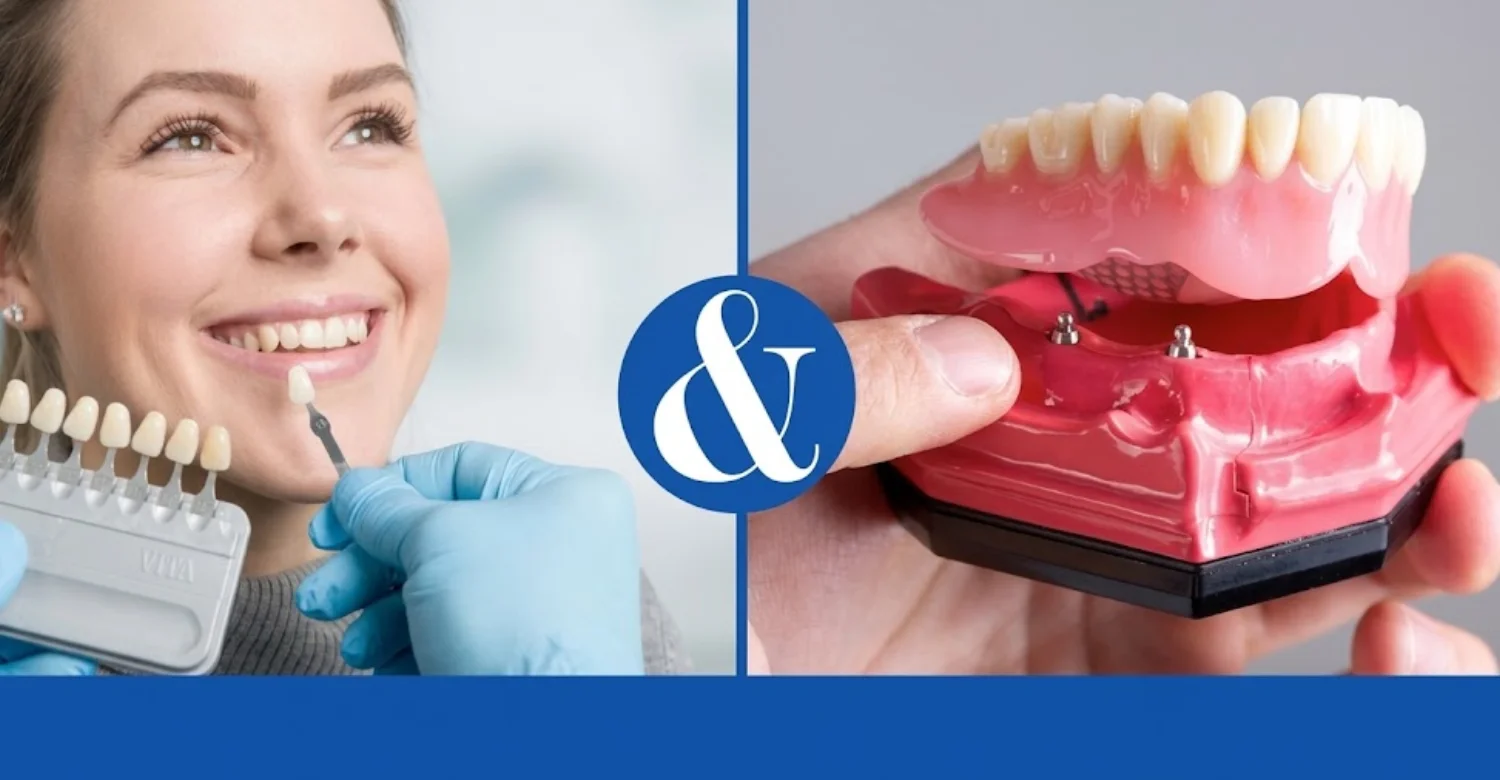
Note : All images used are for editorial and illustrative purposes only and may not originate from the original news provider or associated company.
Find out what you need to know about cholecalciferol supplements
Veneers vs Dentures in Turkey: What Should International Patients Know?
International treatment requires careful planning before travel. The clinical diagnosis should come before choosing any package. Sharing recent X-rays and photos may help with preliminary planning.
Patients weighing veneers vs dentures abroad should allow enough time for proper treatment. Rushed schedules can compromise fitting, adjustments, and healing. Clear communication with the clinic helps set realistic expectations. Patients should also plan how follow-up care will work after returning home. Careful preparation supports a smoother and safer experience.
Veneers vs Dentures Turkey: How Treatment Needs Are Assessed
A dentist should examine remaining teeth, gums, bite, and missing areas carefully. Medical and dental history should also be reviewed. Digital imaging may be recommended when clinically appropriate.
The goal is determining whether natural teeth can be preserved. This decision shapes whether veneers, dentures, or combined treatment is suitable. Preliminary online assessments cannot replace an in-person examination. Final plans may change once the dentist examines the mouth directly. Patients should remain open to these clinically based changes.
Veneers vs Dentures in Turkey: Treatment Planning
Treatment planning should identify each procedure clearly and separately. The plan should explain materials, number of teeth, expected appointments, and maintenance. Estimated timelines help patients arrange travel and accommodation.
Patients should understand alternatives before treatment begins. They should also know the risks and limitations of each option. A written plan supports informed consent and transparency. Asking questions during planning prevents misunderstandings later. Good planning connects clinical needs with practical travel considerations.
Veneers vs Dentures Istanbul: What Can Affect the Treatment Plan?
Treatment complexity can affect the number of required visits. Existing restorations, tooth condition, and missing teeth can change the plan. Gum health and bite relationships also influence scheduling.
Some patients need preparatory treatment before definitive restorations. Healing periods after extractions may require a second trip. Travel schedules should allow enough time for clinically necessary appointments. Flexible plans help accommodate unexpected findings. The dental team can advise on realistic timeframes.
Veneers vs Dentures in Istanbul: What Should Patients Ask About?
Patients should ask about materials, laboratory fabrication, and dentist qualifications. Diagnostics, aftercare, and warranty terms are also important topics. Asking about communication after treatment is equally valuable.
Patients should ask what happens if adjustments are needed after returning home. Some clinics coordinate with local dentists or offer return visits. Written treatment plans can reduce misunderstandings significantly. Clear answers help patients compare clinics with confidence.
What Is Included in a Dental Tourism Treatment Package?
Packages vary considerably between clinics. Possible inclusions may cover airport transfers, accommodation, consultations, and diagnostics. Dental procedures and aftercare may also be included.
Patients should verify every inclusion before booking. Exclusions should be listed as clearly as inclusions. Additional charges for unexpected procedures should also be explained. Comparing packages line by line gives a fairer picture. Transparency is a strong indicator of a reliable clinic.
Why Treatment Should Be Based on Clinical Need Rather Than Price Alone
Price alone does not determine whether treatment is appropriate. A cheaper treatment can be unsuitable if the underlying dental condition differs. The wrong restoration may lead to further costs later.
The American College of Prosthodontists emphasizes patient-centered and evidence-based treatment planning. Patients should compare clinical plans, materials, diagnostics, and aftercare. Value comes from appropriate treatment performed well. Long-term oral health should guide the final decision. Price should be considered only after clinical suitability is confirmed.
Discover what happens during a dental check-up
Veneers vs Dentures: What Other Treatments May Be Options?
Veneers and dentures are only two possible restorative approaches. Depending on the diagnosis, crowns, bridges, implants, or combinations may be options. Each treatment serves specific clinical purposes.
Looking beyond veneers vs dentures helps patients understand the full range of choices. Some patients discover that another option better matches their needs. The dentist can explain the benefits and limitations of each alternative. Comparing options side by side supports confident decision-making. The following sections outline common alternatives.
Veneers vs Dental Crowns
Veneers primarily cover the visible front surface of a tooth. Crowns cover a much greater portion of the tooth. Crowns usually require more tooth preparation than veneers.
Crowns may be considered when substantial tooth structure needs protection or restoration. Teeth with large fillings or root canal treatment often benefit from crowns. The choice depends on remaining tooth structure and functional demands. Veneers may preserve more natural teeth when clinically suitable. The dentist weighs strength, appearance, and preservation together.
Veneers vs Dental Bridges
A bridge replaces a missing tooth using support from adjacent teeth or implants. Veneers do not replace missing teeth at all. The two treatments therefore address different problems.
Bridge suitability depends on the supporting teeth and location of the missing tooth. Adjacent teeth may need preparation to support a conventional bridge. Some patients combine veneers on some teeth with a bridge elsewhere. Matching shades across restorations requires careful planning. The dentist coordinates these treatments for a consistent result.
Veneers vs Dental Implants
Implants replace missing teeth through an implant-supported restoration. Veneers are used only on existing natural teeth. These treatments therefore address completely different problems.
An implant may eventually support a crown, bridge, or implant-retained prosthesis. Implant treatment involves surgery and a healing period. Suitable bone volume and good general health are usually required. Veneers involve no surgery but require healthy teeth. The diagnosis determines which approach applies to each area.
Dentures vs Dental Implants
Dentures are removable prostheses resting on the gums. Implants are surgically placed fixtures designed to support restorations. Implants can provide fixed or removable implant-retained options.
Implant treatment requires appropriate bone, oral health, and medical evaluation. Treatment usually takes longer and costs more than conventional dentures. Some patients receive implant-supported dentures instead of conventional ones. This approach can improve stability and chew confidence. The dentist can explain whether implants suit your situation.
Partial Dentures vs Dental Bridges
Both partial dentures and bridges can replace missing teeth. Partial dentures are removable, while bridges are generally fixed. Each option has different advantages.
A bridge usually requires suitable support from adjacent teeth or implants. A partial denture may be more appropriate when many teeth are missing. It may also suit cases where fixed support is unavailable. Partial dentures are often less invasive to neighboring teeth. The dentist considers function, comfort, and budget when recommending either option.
When Multiple Treatments May Be Combined
Some patients require multiple restorative procedures in one plan. Remaining teeth may receive veneers or crowns while missing teeth are replaced separately. Implants may also be incorporated into a larger rehabilitation plan.
The American College of Prosthodontists identifies dentures, implants, crowns, bridges, and veneers among prosthodontic treatments. These are used particularly where missing or deficient teeth require rehabilitation. Combining treatments requires careful sequencing and coordination. Shade matching and bite balance are especially important. A unified plan produces more harmonious results.
How Is the Right Treatment Diagnosed and Planned?
Treatment should begin with diagnosis rather than a predetermined procedure. The dentist gathers information about teeth, gums, bite, and supporting structures. Patient goals and concerns are also discussed.
This process reveals which options are clinically appropriate. It also identifies problems that need treatment first. Good planning connects diagnosis, patient preferences, and realistic outcomes. The following sections explain what a thorough assessment usually includes. Each step contributes to a safe and personalized plan.
What Does the Dentist Examine Before Recommending Veneers or Dentures?
The dentist reviews your dental and medical history first. The mouth is then examined in detail. This includes teeth, gums, bite, missing teeth, existing restorations, and oral tissues.
The dentist may also discuss aesthetic expectations and functional concerns. Photographs and scans may help record the current condition. Some findings may require additional imaging or tests. This information shapes the recommended treatment options. Patients should share any concerns openly during this stage.
Assessment of Remaining Teeth
Remaining teeth are assessed for strength, decay, cracks, restorability, and periodontal support. Some teeth may be suitable for veneers or crowns. Others may need treatment before restoration.
Teeth with poor long-term prognosis may require replacement. Preserving suitable natural teeth strongly influences the overall plan. Healthy teeth can support partial dentures or bridges. The dentist explains the condition of each tooth clearly. This helps patients understand why certain options are recommended.
Evaluation of Gums and Supporting Tissues
Healthy supporting tissues are essential for restorative treatment. The dentist assesses gum inflammation, recession, and periodontal support. Areas affected by tooth loss are also examined.
Gum disease may need treatment before definitive restorations. Untreated inflammation can compromise veneers, bridges, and dentures. The shape of the gum line also affects aesthetic outcomes. Soft tissue health influences denture comfort and stability. Treating the gums first creates a stronger foundation.
Bite and Occlusion Assessment
The bite determines how upper and lower teeth meet. Bite forces can influence veneers, crowns, dentures, and implants. An unbalanced bite may cause restorations to fail early.
Grinding or clenching may also affect treatment planning. The dentist checks for wear patterns and jaw discomfort. Adjustments or protective appliances may be recommended. A stable bite supports comfort and restoration longevity. Occlusion is therefore a key part of every plan.
Evaluation of Missing Teeth and Available Space
The location and number of missing teeth affect replacement options. The dentist evaluates available space, neighboring teeth, bite, and supporting tissues. Teeth may shift into gaps over time.
This movement can reduce space for replacement teeth. Orthodontic treatment may sometimes be needed first. This information helps distinguish between dentures, bridges, implants, and other approaches. Accurate measurements support well-fitting restorations. Planning the space carefully improves both function and appearance.
Digital Scans, X-Rays, and CBCT When Clinically Indicated
Digital scans can accurately record tooth surfaces and oral structures. X-rays reveal information not visible during a standard examination. They can detect decay, infection, and bone levels.
CBCT provides three-dimensional imaging when clinically indicated. It is particularly useful for implant planning. Not every patient requires every imaging method. The dentist selects imaging based on clinical need and radiation safety. These tools support more precise and predictable treatment.
Why the Final Treatment Plan Should Be Individualized
Dental anatomy differs significantly between patients. The same visible problem can have different underlying causes. Two similar-looking smiles may need very different treatments.
Treatment should therefore be based on diagnosis, clinical findings, goals, and risk factors. The ACP emphasizes individualized and evidence-based prosthodontic care. Generic treatment packages may overlook important clinical details. A personalized plan respects both health and patient priorities. This approach supports lasting and satisfying results.
What We Notice Clinically
Patients frequently compare these treatments because both can change the appearance of a smile. However, their clinical purposes are fundamentally different. Clarifying this early saves time and avoids disappointment.
Many consultations about veneers vs dentures begin with misconceptions gathered online. Patients may assume one option is simply a cheaper version of the other. Others believe veneers can hide gaps from missing teeth. Explaining the real differences helps patients make confident decisions. The following observations reflect common clinical experiences.
Veneers and Dentures Are Often Compared Even Though They Solve Different Problems
Veneers generally address existing teeth that need cosmetic improvement. Dentures address tooth loss and restore missing function. This difference should always be the first consideration.
Price and appearance should come after determining the actual dental need. Comparing unrelated treatments can lead to unsuitable choices. A clear diagnosis simplifies the decision considerably. Patients often feel more confident once the distinction is explained. Understanding purpose makes comparing costs and outcomes more meaningful.
A Common Misconception: Veneers Cannot Replace a Missing Tooth
A veneer requires a natural tooth structure underneath it. It cannot function as a standalone replacement for a missing tooth. There is simply nothing for the veneer to attach to.
A missing tooth requires a replacement restoration such as a bridge, implant, or denture. Some patients hope veneers can close gaps from missing teeth. Small spaces between existing teeth may sometimes be managed cosmetically. However, true tooth loss requires replacement treatment. The dentist can explain which situation applies.
Patients With Mixed Dental Problems May Need More Than One Treatment
Patients may have healthy teeth, damaged teeth, and missing teeth at once. A combined treatment plan may therefore be most appropriate. Each problem may need a different solution.
Each tooth should be assessed individually before selecting a restoration. Veneers, crowns, and partial dentures may work together in one plan. Coordinating shades and shapes creates a natural overall appearance. Treatment sequencing also affects comfort and healing. A comprehensive approach avoids fragmented results.
Preserving Healthy Natural Teeth Can Influence Treatment Planning
Preserving suitable natural teeth can influence many restorative decisions. Natural teeth provide sensation, support, and stability that prosthetics cannot fully replicate. They also help retain partial dentures.
Extraction should not be assumed because a tooth looks cosmetically imperfect. Many imperfect teeth can be restored successfully. The dentist should assess restorability and long-term prognosis carefully. Preserving teeth may also help maintain jawbone volume. Patients benefit from understanding which teeth can realistically be saved.
Clinical Note: The Number and Condition of Remaining Teeth Can Change the Treatment Options
The number of remaining teeth is clinically significant. Their condition also matters greatly. Strong supporting teeth can expand restorative options.
Healthy teeth may support bridges, partial dentures, or veneers. Weak or failing teeth may limit these options. Extensive tooth loss may require a different rehabilitation strategy. Implant support may become more relevant in such cases. Each finding changes what is clinically achievable.
Dr. Rifat Alsaman’s Clinical Opinion on Veneers vs Dentures
Dr. Rifat Alsaman, Head of the Medical Team at Vitrin Clinic and cosmetic dentist, emphasizes individualized assessment. He believes restorative decisions should start with the patient's actual dental condition. The first question is not simply which restoration looks better.
The clinical question is which teeth can be preserved and which need replacement. Answering this requires a thorough examination and appropriate diagnostics. Appearance goals are then built around a healthy foundation. A comprehensive examination helps establish the appropriate treatment pathway. This approach supports both aesthetics and long-term function.
Relief, Comfort, and Adapting to Treatment
Most restorative treatments require some adjustment and monitoring. The type of discomfort depends on the procedure and individual response. Most temporary symptoms settle with time and simple care.
Knowing what to expect helps patients feel more prepared. It also helps them recognize when symptoms need professional attention. Following post-treatment instructions supports comfortable healing. The dental team should remain available for questions after treatment. The following sections offer practical guidance for common situations.
How to Manage Temporary Sensitivity After Veneers
Mild sensitivity can occur after veneer preparation and bonding. It usually affects reactions to hot or cold foods. Patients should follow the dentist's post-treatment instructions carefully.
Desensitizing toothpaste may help reduce discomfort. Avoiding extreme temperatures for a few days may also help. Persistent, severe, or worsening sensitivity should be professionally assessed. The cause may involve the restoration or another dental condition. Prompt evaluation usually leads to simple solutions.
How to Relieve Common Denture Sore Spots
Sore spots can occur while adapting to new dentures. They usually indicate areas of excess pressure. The dentist can identify these areas and adjust the prosthesis.
Removing dentures for short periods may give tissues time to recover. Warm salt-water rinses may provide temporary comfort. Patients should avoid filing or modifying dentures themselves. Home modifications can permanently damage the fit. Professional adjustment is safer and more effective.
Eating and Speaking While Adjusting to Dentures
Patients may initially find certain foods difficult to chew. Starting with soft foods cut into small pieces can help. Chewing evenly on both sides improves stability.
Speech may also feel different during the early weeks. Reading aloud and practicing difficult words supports adaptation. Gradually returning to normal foods builds confidence. Persistent difficulty may indicate that the denture needs adjustment. Most patients improve steadily with patience and practice.
When Discomfort Is Expected and When It Should Be Checked
Short-term adjustment discomfort can be expected after some treatments. Mild sensitivity or minor tenderness often settles within days. New dentures may feel awkward for several weeks.
However, persistent pain, swelling, bleeding, or ulceration requires professional assessment. Fever or spreading swelling needs urgent attention. The difference between adaptation and a problem should be determined clinically. Patients should never hesitate to contact their dentist with concerns. Early reviews often prevent more serious complications.
Why Persistent Pain Should Not Be Managed Only With Home Remedies
Home measures may temporarily reduce discomfort. However, they do not identify the underlying cause. Masking pain can delay necessary treatment.
Persistent pain can result from poor fit, infection, inflammation, or bite problems. It may also reflect another dental condition entirely. Painkillers should only be used as directed and not long term. Professional assessment is therefore important for lasting relief. Treating the cause protects both comfort and oral health.
Tips for Patients
Preparing well for dental treatment helps you make confident decisions. Asking the right questions clarifies options, costs, and expectations. The following tips can guide your conversations with your dentist.
Taking notes during consultations helps you compare information later. You can also bring a trusted person to appointments. Never feel rushed into a decision about major dental treatment. A good clinic welcomes questions and explains answers clearly.
Have Your Teeth and Gums Evaluated Before Choosing a Cosmetic or Replacement Treatment
A clinical examination should always come before treatment selection. The dentist can determine whether your teeth are suitable for restoration. Gum health and supporting tissues should also be assessed.
Online research is useful but cannot replace professional diagnosis. Hidden problems may change what treatment is appropriate. An examination also helps set realistic expectations. Starting with diagnosis protects your health and your budget.
Ask Which Teeth Can Be Preserved
Ask your dentist which teeth remain restorable. Preserving healthy or treatable teeth can shape the entire treatment plan. Natural teeth offer benefits that prosthetics cannot fully replace.
Extraction decisions should be based on clinical findings. You can ask why a particular tooth is considered unsuitable. Understanding the prognosis of each tooth supports informed decisions. A second opinion may help in complex cases.
Ask About Material, Longevity, Maintenance, and Replacement
Patients should understand the materials selected for their treatment. Ask why a particular material suits your case. Different materials have different strengths and appearances.
Ask about expected maintenance and possible future replacement. Different restorations have different care requirements. Knowing these details helps with long-term budgeting. It also helps you care for your restorations properly.
Request a Written Treatment Plan and Full Cost Breakdown
A written plan clarifies procedures, timelines, and costs. It should identify the number of restorations and chosen materials. Additional procedures should be listed separately.
Written plans help you compare clinics fairly. They also reduce the risk of misunderstandings later. Keep a copy for your records throughout treatment. Ask for updates if the plan changes.
Ask What Is Included in the Price
Confirm whether diagnostics, temporaries, follow-ups, adjustments, and aftercare are included. Some quotations cover only the final restorations. Hidden costs can significantly increase the total.
International patients should also confirm accommodation and transportation arrangements. Ask about costs for unexpected additional procedures. Clear answers help you budget accurately. Transparency is a strong sign of a trustworthy clinic.
Discuss Grinding, Bite Problems, and Previous Dental Work
Previous dental treatment can influence restorative planning. Old fillings, crowns, or root canals may affect options. Grinding and bite issues may increase mechanical risks.
Tell the dentist about previous restorations and any nighttime clenching. Mention jaw pain or headaches if you experience them. These details help the dentist design durable restorations. Protective measures can then be planned in advance.
Maintain Regular Dental Checkups After Treatment
Regular examinations help monitor restorations and oral tissues. They can also identify problems early. Early treatment is usually simpler and less costly.
Maintenance is important for natural teeth and prosthetic restorations alike. Professional cleaning helps protect gums around veneers and partial dentures. Denture wearers also benefit from routine tissue checks. Consistent care supports long-lasting results.
Medical Tips for Patients Considering Veneers or Dentures
Medical and dental health influence the success of any restoration. Some conditions and medications affect healing, saliva, or gum health. Sharing complete information helps your dental team plan safely.
The following medical tips support safer and more predictable treatment. They apply whether you need cosmetic or replacement treatment. Always follow individualized advice from your dentist and doctor. Your health history is an important part of treatment planning.
Do Not Choose a Treatment Based on Cost Alone
The cheapest option may not address the underlying dental problem. Inappropriate treatment can lead to further expense later. It may also affect comfort and oral health.
Compare diagnosis, materials, treatment quality, follow-up, and maintenance. Consider the long-term value rather than the initial price only. A well-planned restoration often costs less over its lifetime. Clinical suitability should always come first.
Treat Active Dental Disease Before Elective Cosmetic Treatment
Decay, infection, or uncontrolled gum disease should be addressed before elective restoration. Placing veneers over diseased teeth can cause serious problems. Disease may progress unseen beneath restorations.
Cosmetic treatment should never replace necessary disease management. Treating active disease first creates a healthier foundation. It also improves the predictability of cosmetic results. Your dentist will advise on the correct treatment sequence.
Tell Your Dentist About Medications and Relevant Medical Conditions
Relevant medical information can affect treatment planning. Diabetes, blood thinners, and certain bone medications may be important. Dry mouth caused by medications can affect denture comfort.
Patients should provide accurate and complete information to their dental team. This helps clinicians identify potential treatment considerations. Updating your history at each visit is also important. Safe treatment depends on clear communication.
Follow Cleaning and Maintenance Instructions
Proper cleaning protects natural teeth, gums, and restorations. Veneers need regular brushing and interdental cleaning. Dentures require specific cleaning procedures.
The ADA recommends daily denture cleaning and appropriate storage. Dentures should be brushed with non-abrasive products and kept moist. Hot water can distort some denture materials. Following instructions helps restorations last longer.
Avoid Using Damaged or Poorly Fitting Dentures Without Assessment
Damaged or loose dentures can irritate oral tissues. Sharp edges from cracks may cause cuts or ulcers. Poor fit can also affect chewing and nutrition.
Adhesive should not be used as a permanent solution for poor fit. Professional evaluation is recommended whenever damage or looseness occurs. Timely repair or relining restores comfort. Replacement may be needed when damage is extensive.
Get Professional Advice Before Combining Multiple Dental Procedures
Complex cases may involve several restorative procedures. Combining treatments requires careful coordination and planning. Each procedure may affect the others.
The treatment sequence can influence healing, bite, aesthetics, and final restoration. Professional guidance ensures each step supports the overall result. Rushing combined treatments can compromise outcomes. A clear timeline helps manage expectations.
Comprehensive Assessment of Teeth, Gums, and Oral Structures
At Vitrin Clinic, treatment planning begins with a thorough dental assessment. The dental team evaluates teeth, gums, bite, and oral structures. Existing restorations and missing areas are also reviewed.
This helps determine whether veneers, dentures, crowns, implants, or another treatment suits the patient. Findings are discussed with the patient in clear terms. The assessment forms the foundation of every recommendation. Patients can ask questions at every stage.
Digital Diagnostics When Clinically Appropriate
Digital diagnostic tools can support accurate treatment planning. The exact technology used depends on each patient's clinical needs. Not every case requires every diagnostic tool.
Digital records help the dental team evaluate treatment requirements precisely. They also support clear communication with patients. Visual records make it easier to explain findings and options. These tools complement, rather than replace, clinical judgment.
3D Intraoral Scanning for Treatment Planning
3D intraoral scanning captures detailed digital information about teeth and oral structures. It can replace some traditional impression methods. Many patients find scanning more comfortable than impression trays.
Scans may support restorative planning and laboratory communication. They also help document the mouth before treatment. The technology used depends on the treatment and clinical indication. Accurate records support well-fitting restorations.
CBCT and Digital X-Rays When Indicated
CBCT and digital X-rays provide additional diagnostic information. They can reveal bone levels, infections, and hidden decay. CBCT is especially helpful when implants are considered.
These imaging methods are not automatically necessary for every patient. The dental team determines whether imaging is clinically appropriate. Radiation exposure is considered when selecting imaging. Imaging supports safer and more precise planning.
Veneers and Other Restorative Options Based on the Condition of Existing Teeth
Vitrin Clinic evaluates whether existing teeth are suitable for veneers or other restorations. The final recommendation depends on tooth structure and clinical findings. Gum health and bite are also considered.
Alternative treatments can be discussed when veneers are not appropriate. These may include whitening, bonding, crowns, or orthodontics. Patients receive explanations for each recommendation. The aim is a healthy and natural-looking result.
Denture and Full-Mouth Treatment Planning When Teeth Are Missing
Patients with multiple missing teeth may need broader restorative planning. The team assesses remaining teeth and missing areas carefully. Bone support and gum condition are also evaluated.
Possible approaches may include dentures, implants, bridges, or combinations. Each option is discussed with its benefits and limitations. Treatment sequencing is planned to support healing and function. The goal is restoring comfort, chewing, and confidence.
Dr. Rifat Alsaman’s Clinical Perspective on Choosing the Appropriate Restoration
Dr. Rifat Alsaman, Head of the Medical Team at Vitrin Clinic and cosmetic dentist, emphasizes individualized treatment assessment. He considers the condition of each tooth before recommending restorations. The supporting structures are equally important in his assessment.
The appropriate restoration depends on these clinical findings. Treatment planning should address function and appearance together. This balanced approach helps restorations perform well over time. Patients benefit from clear explanations throughout the process.
How Vitrin Clinic Supports Your Treatment Journey
Dental treatment involves more than the procedures themselves. Clear communication, careful planning, and follow-up all shape the patient experience. Vitrin Clinic aims to support patients at every stage.
This support begins at the first consultation and continues after treatment. International patients receive help coordinating appointments and travel. Local and international patients alike receive aftercare guidance. The following sections outline how this journey is organized.
Initial Consultation and Individual Treatment Assessment
The treatment journey begins with a consultation and clinical assessment. The team reviews dental concerns, existing conditions, and treatment goals. Medical history is also discussed.
This information supports individualized planning. Patients can share their expectations and priorities openly. The dentist explains findings and possible directions. This first step builds a clear foundation for treatment.
Digital Treatment Planning
Digital workflows can support communication and restorative planning. The exact workflow depends on the treatment selected. Digital designs may help patients preview proposed changes.
Digital records may also help coordinate laboratory fabrication. Accurate data supports better-fitting restorations. Planning digitally can make complex cases easier to explain. The dental team decides which tools suit each case.
Discussing Treatment Alternatives With the Patient
Patients should understand all available treatment options. The dental team can explain differences between veneers, dentures, crowns, bridges, and implants. Benefits, limitations, and costs are discussed openly.
The final decision should follow clinical assessment and informed discussion. Patients are encouraged to ask questions freely. Taking time to decide is perfectly acceptable. Informed choices lead to greater satisfaction.
Coordinating Multi-Step Dental Treatment When Needed
Some patients require multiple procedures in a planned sequence. Healing periods may be needed between certain stages. Careful coordination keeps treatment organized.
Coordinated scheduling helps manage multi-step restorative treatment efficiently. Patients receive clear timelines for each phase. This is especially helpful for those travelling from abroad. Good coordination reduces delays and uncertainty.
Treatment Follow-Up and Aftercare
Follow-up allows the team to evaluate healing, fit, function, and restoration conditions. Adjustments can be made where needed. This stage is essential for comfort.
Aftercare instructions depend on the treatment performed. Patients should follow professional recommendations after returning home. Regular checkups with a local dentist are also advised. Ongoing care supports long-lasting results.
Support for International Patients Traveling to Istanbul
International patients often need coordinated appointments and travel planning. Vitrin Clinic supports them through organized treatment coordination and aftercare. Communication before arrival helps prepare the visit.
Travel schedules should allow enough time for clinically necessary appointments. Patients should avoid booking return flights too tightly. The team can advise on realistic timeframes for each treatment. Clear planning makes the experience smoother and safer.
When Should You See a Dentist?
Some symptoms and changes need prompt professional attention. Early assessment often allows simpler and more affordable treatment. Delaying care can let problems progress.
You do not need to wait for severe pain before booking an appointment. Changes in comfort, appearance, or function are all valid reasons. The following situations commonly require dental evaluation. Contact your dentist if any of them apply to you.
Missing Teeth Affecting Eating or Speaking
Missing teeth can affect chewing, speech, and confidence. Neighboring teeth may also shift into empty spaces. The bite can change gradually as a result.
A dentist can assess suitable replacement options. These may include dentures, bridges, or implants. Early replacement can help protect remaining teeth. Treatment planning also considers your comfort and budget.
Persistent Tooth Pain or Sensitivity
Persistent pain or sensitivity should always be assessed. It may indicate decay, cracks, infection, or another dental condition. Some causes worsen without treatment.
Cosmetic treatment should never mask untreated disease. Diagnosing the cause comes before any restoration. Prompt care often preserves more natural tooth structure. Seek urgent care if swelling or fever develops.
Bleeding or Swollen Gums
Bleeding and swelling can indicate gum inflammation or periodontal disease. These symptoms should be assessed before any elective restoration. Gum disease can affect the success of veneers and dentures.
Healthy supporting tissues are essential for restorative treatment. Professional cleaning and improved home care often help. Advanced cases may need specialist periodontal treatment. Early management protects both gums and teeth.
A Broken or Damaged Tooth
A broken tooth requires assessment of the remaining structure. Sharp edges can also injure the tongue or cheeks. Some fractures extend below the gum line.
Treatment may include bonding, a veneer, crown, or another restoration. The appropriate choice depends on the extent of damage. Severe fractures may require extraction and replacement. Prompt evaluation gives the best chance of saving the tooth.
Dentures That Cause Persistent Pain or Repeated Sores
Persistent soreness can indicate poor fit or uneven pressure. Repeated sores should never be ignored. Long-term irritation needs professional examination.
The dentist can assess the denture and affected tissues. Adjustment, relining, or replacement may be necessary. Sores lasting more than two weeks require prompt evaluation. Early care protects comfort and oral health.
Dentures That No Longer Fit Properly
Dentures can become loose as oral tissues change over time. Poor fit can affect chewing, speaking, and comfort. Patients may also rely increasingly on adhesives.
Professional assessment can determine whether adjustment or replacement is required. Relining may restore fit in many cases. Older or damaged dentures may need complete replacement. Regular reviews help catch fit problems early.
When a Cosmetic Concern May Actually Require Restorative Treatment
A cosmetic complaint can sometimes reflect an underlying structural problem. A chipped tooth may have deeper cracks. Severe wear may indicate grinding or bite issues.
Discoloration may signal nerve damage or old failing restorations. These situations may require more than cosmetic treatment. Diagnosis should always come before selecting the restoration. Addressing the real cause supports lasting results.
Key Takeaways About Veneers vs Dentures
Understanding the core differences helps patients approach treatment with confidence. The comparison of veneers vs dentures becomes clearer once each purpose is understood. Diagnosis, not appearance alone, should guide the decision.
The following key points summarize the most important information in this guide. They cover purpose, suitability, cost, and longevity. Use them to prepare for your dental consultation. Your dentist can then tailor advice to your situation.
Veneers and Dentures Are Designed for Different Dental Needs
Veneers improve the appearance of suitable existing teeth. Dentures replace teeth that are missing. Their purposes should never be confused.
Choosing the correct treatment begins with identifying the actual problem. Some patients need one treatment, while others need both. A dental examination clarifies which situation applies. Clear understanding prevents unsuitable treatment choices.
Veneers Require Suitable Natural Teeth
Veneers depend on existing, healthy tooth structure. A completely missing tooth cannot receive a conventional veneer. Teeth with extensive damage may need crowns instead.
Gum health and bite also affect veneer suitability. Active disease should be treated before veneer placement. The dentist confirms suitability through examination. Healthy foundations support better cosmetic outcomes.
Dentures Replace Missing Teeth
Dentures can replace several missing teeth or an entire arch. They are available in partial and complete forms. Implant-supported versions may suit selected patients.
Dentures restore chewing, speech, and facial support after tooth loss. They require adaptation, cleaning, and periodic adjustment. Regular reviews help maintain comfort and fit. Proper care supports long-term function.
Cost Depends on Treatment Type, Materials, Number of Teeth, and Additional Procedures
The total cost of dental treatment varies significantly. Veneers are usually priced per tooth, while dentures are priced per arch. The number of restorations affects the final amount.
Diagnostics, laboratory work, materials, extractions, and additional restorations can all add cost. Written quotations help patients understand the full picture. Comparing detailed plans is more reliable than comparing advertised prices. Budgeting for maintenance is also wise.
Turkey, USA, and UK Prices Can Vary Significantly
Dental prices differ considerably between countries and individual clinics. Turkey often offers lower private prices than the USA or UK. However, package contents vary widely.
International patients should compare complete treatment plans rather than headline prices. Travel, accommodation, and aftercare should be included in comparisons. Clinic credentials and materials also deserve careful review. Value depends on quality and suitability, not price alone.
Treatment Longevity Depends on Oral Health, Materials, Fit, Maintenance, and Individual Factors
No dental restoration lasts forever. Veneers and dentures each face different types of wear. Oral tissues also change over time.
Good hygiene, protective habits, and regular checkups extend restoration life. Grinding and poor fit can shorten it. Professional assessments help identify problems early. Maintenance is a long-term commitment for every patient.
A Personalized Dental Examination Is the Best Way to Determine Appropriate Treatment
The correct treatment depends on your individual dental condition. Online comparisons cannot replace professional diagnosis. Every mouth has unique features and needs.
A dentist should assess teeth, gums, bite, missing areas, and supporting structures. Imaging may be used when clinically indicated. Recommendations should then match your health and goals. A personalized plan offers the most reliable path forward.
At Vitrin Clinic
At Vitrin Clinic, every treatment plan begins with understanding the patient's dental condition. The team combines clinical examination with digital tools when appropriate. Recommendations focus on health, function, and aesthetics together.
Whether patients are weighing veneers vs dentures or combined options, diagnosis comes first. The team explains findings clearly and answers questions openly. Patients receive information about alternatives, costs, and maintenance. This approach supports confident and informed decisions. The following sections describe key parts of care at the clinic.
Reference
FAQs
Dr. Rifat Alsaman has more than 5 years of clinical experience in dentistry and currently serves as the Head of the Medical Team at Vitrin Clinic. He is dedicated to providing exceptional patient care, overseeing treatment planning, and ensuring the highest clinical standards across the team. His expertise, attention to detail, and commitment to continuous professional development have helped countless patients achieve healthier, more confident smiles.


