Endodontics
May 20, 2026
What Causes Yellow Teeth and How Can You Restore a Brighter Smile?
 Dr. Rifat Alsaman
Understanding the reasons behind tooth discoloration is the first step toward a confident, radiant smile. For many adults, tooth discoloration persists despite regular brushing. This causes genuine confusion and embarrassment. The truth is, what causes yellow teeth spans diet, lifestyle, genetics, aging, and more. This guide covers every major cause, stain type, and professional solution. You can then take informed action toward a brighter, healthier smile.
About Tooth Color
Before exploring the reasons behind tooth discoloration, it's worth clarifying what normal tooth color actually looks like. Natural teeth are rarely pure white. They range from light ivory to slightly off-yellow. The visible shade reflects both semi-translucent enamel and the dentin layer beneath it. Understanding this natural baseline helps distinguish between normal variation and discoloration that genuinely warrants professional attention.
Yellow Teeth vs. White Teeth: What's the Real Difference?
Patients often ask Vitrin Clinic whether "yellow" and "white" describe two separate categories of teeth, or simply two points on the same natural spectrum. Clinically, it is almost always the latter. Understanding yellow teeth vs white teeth is less about labeling your smile as one or the other. It is more about understanding where your baseline shade sits, what is driving it, and which changes are cosmetic versus which ones need a professional look.
Is White Always Healthier Than Yellow?
Not necessarily. A common misconception in the yellow teeth vs white teeth debate is that whiter automatically means healthier. In reality, enamel that is bleached to an artificially uniform white can sometimes be thinner or more porous. A naturally ivory or slightly yellow tooth with dense enamel can be structurally sound. At Vitrin Clinic, we assess enamel integrity and dentin health first. Shade is evaluated as one part of a much larger clinical picture, not the whole story.
Comparing the Two: A Side-by-Side Overview
Factor | Yellow Teeth | White Teeth |
|---|---|---|
Typical Cause | Thinner enamel, dentin showing through, staining, aging, genetics | Thicker, denser enamel; minimal staining exposure; professional whitening |
Health Indicator? | Not inherently unhealthy; can reflect natural anatomy | Not inherently healthier; can reflect whitening or genetics |
Reversibility | Often improved with cleaning, whitening, veneers, or bonding | Maintained with hygiene, diet awareness, and periodic touch-ups |
Common Patient Concern | Aesthetic self-consciousness, perceived hygiene judgment | Maintaining results, avoiding relapse into staining |
Vitrin Clinic Approach | Identify cause first (extrinsic vs intrinsic), then match treatment | Personalized shade goals with digital shade-matching technology |
Why "Whiter" Isn't Always the Right Goal
In the yellow teeth vs white teeth conversation, Vitrin Clinic encourages patients to think in terms of "your healthiest, most natural shade" rather than chasing maximum whiteness. Over-whitened teeth can look artificial next to natural gum tissue and lips. Aggressive at-home whitening can increase sensitivity. A shade that complements your complexion and looks proportionate to your natural teeth typically delivers a more confident, authentic-looking result than pursuing the whitest possible outcome.
The Science Behind Slightly Yellow Teeth
Slightly yellow teeth are often completely normal. Enamel is semi-translucent with a faintly off-white hue. Dentin beneath is inherently more yellow. When enamel is thinner or more translucent, dentin's color shows through more prominently. This natural anatomy explains what causes yellow teeth in adults who maintain excellent hygiene but still notice an off-white shade they cannot improve through brushing alone.
Enamel Thickness vs. Dentin Visibility
Enamel thickness determines how yellow teeth appear. Thicker enamel masks dentin, while thinner enamel allows its yellow tone to show through clearly. Enamel thins through acidic erosion, aggressive brushing, and aging. Once worn, dentin becomes far more visible. This directly contributes to teeth turning yellow regardless of brushing consistency. This structural reality explains the reasons behind tooth discoloration even in diligent patients with strong daily oral hygiene routines. Read more about full mouth dental implants cost
When Natural Yellowing Becomes a Cosmetic Concern
Natural tooth color becomes a concern when yellowing progresses beyond your personal baseline or creates social self-consciousness. Sudden shade changes, yellow marks on teeth, or uneven discoloration spreading across multiple teeth warrant a dental consultation. While slightly yellow teeth may simply reflect your anatomy, accelerated or patchy yellowing typically signals an external or internal factor that requires clinical evaluation and a tailored professional response.
What Causes Yellow Teeth in Adults?
What causes yellow teeth in adults involves multiple simultaneous factors: lifestyle habits, dietary patterns, accumulated enamel wear, and age-related structural changes. Unlike children, adults face decades of compounding staining exposure. The good news is that most causes are manageable with the right professional care and behavioral adjustments. The sections below identify each major cause to help you understand what's affecting your smile.
Lifestyle Factors That Lead to Stained Yellow Teeth
Everyday choices often cause stained yellow teeth. Coffee, tea, red wine, and cola deposit pigments on enamel over time. Tobacco use is among the most aggressive answers to the reasons behind tooth discoloration. Nicotine and tar penetrate deep into enamel and dentin. Frequent acidic food consumption weakens enamel further. This makes teeth more susceptible to absorbing staining agents from everything consumed daily. Check out our guide on all on 8 dental implants cost
Oral Hygiene Habits and Plaque Accumulation
Inconsistent oral hygiene is a primary reason behind yellow ugly teeth. When plaque isn't removed daily, it accumulates along the gumline and tooth surfaces. Over time, plaque hardens into tartar. Tartar is distinctly yellow-brown and impossible to remove at home. This buildup is a central part of what causes yellow teeth in adults. Many believe their hygiene routine is sufficient but miss critical areas during daily cleaning.
Age-Related Changes and Teeth Turning Yellow
Aging is an unavoidable contributor to teeth turning yellow. Over decades, enamel thins through chewing, grinding, and acid exposure. This allows darker dentin to show through increasingly. Simultaneously, dentin darkens as it continues forming inward. These two processes together explain the reasons behind tooth discoloration universally in older adults. Fortunately, modern cosmetic dentistry offers highly effective solutions. These address age-related discoloration regardless of how far yellowing has progressed.
Medications and Medical Conditions Affecting Tooth Color
Certain medications are lesser-known answers to what causes yellow teeth. Tetracycline antibiotics taken during childhood tooth development cause deep intrinsic staining. This appears as yellow or grey bands. Antihistamines and blood pressure medications have also been linked to discoloration. Conditions like enamel hypoplasia and dentinogenesis imperfecta structurally affect tooth color from within. They are resistant to standard whitening and often require more advanced cosmetic solutions.
Genetic Factors and Naturally Yellow Types of Teeth Stains
Genetics significantly influence tooth color. Inherited enamel thickness, dentin density, and overall tooth structure determine your natural baseline shade. Some individuals are genetically predisposed to yellow types of teeth stains. This is due to thinner enamel or more yellow dentin. No amount of brushing can reverse these traits. Understanding your genetic baseline helps set realistic whitening expectations. It also allows your dentist to plan treatment more accurately for achievable, natural-looking outcomes. Check out our guide on best materials for dental bridges
Identifying Different Yellow Types of Teeth Stains
There are distinct yellow types of teeth stains. Each has different causes, appearances, and appropriate treatments. Some stains sit on the enamel surface while others penetrate deep into tooth structure. Accurately identifying which type you have is the foundation of effective treatment planning. Knowing what causes yellow teeth in your specific case determines the best approach. Cleaning, whitening, veneers, or bonding may deliver the best clinical outcome.
Surface Stains Causing Yellow Marks on Teeth
Extrinsic stains appear on the outer enamel surface. They create yellow marks on teeth that are often patchy or concentrated in high-exposure areas. These originate from food pigments, beverages, and tobacco. Because they sit near the enamel surface, they respond well to professional cleaning and whitening. Early-stage yellow marks on teeth are among the most straightforward discolorations to treat. Address them consistently before staining deepens into the enamel structure.
Deep Internal Discoloration and Yellow Lines in Teeth
Intrinsic staining occurs within the tooth structure. It often appears as yellow lines in teeth, dark horizontal banding, or a deep amber hue. These develop during tooth formation or result from trauma, decay, or childhood medication use. Yellow lines in teeth don't respond to surface whitening. Internal bleaching, porcelain veneers, or composite bonding may be required. These achieve a uniform, natural-looking appearance that addresses the discoloration from within.
Tartar Buildup and Yellow Bottom of Teeth
Tartar accumulation disproportionately affects the yellow bottom of teeth. This is particularly true for the lower front teeth, where salivary mineral deposits form most rapidly. Tartar bonds firmly to enamel with a distinctly yellow-to-brown color. Brushing cannot remove it. Only professional dental scaling effectively addresses the yellow bottom of teeth caused by hardened calculus. Neglecting this area perpetuates discoloration. It also contributes to gum inflammation and progressive periodontal disease over time. Learn more about dental bridge vs implant cost
Uniform vs. Patchy Yellow Ugly Teeth: What It Indicates
Yellowing patterns provide important diagnostic clues. Uniform yellowing across all teeth typically suggests systemic or age-related causes. Patchy yellow ugly teeth often indicate surface staining from dietary habits, inconsistent brushing, or early-stage isolated decay. Distinguishing between uniform and patchy discoloration helps your dentist determine whether the issue is cosmetic or health-related. This ensures the selected treatment directly and accurately addresses the true underlying cause.
Common Patient Concerns About Yellow Teeth
Many patients share recurring questions about their yellow teeth. They worry about persistent yellowing despite diligent brushing. They also wonder what discoloration signals for overall health. Understanding what causes yellow teeth, and what it doesn't necessarily indicate, provides significant reassurance. Informed patients make better decisions about treatment options and long-term habits that preserve results.
Why Are My Teeth Turning Yellow Even With Brushing?
Teeth turning yellow despite regular brushing usually points to causes brushing cannot address. Thinning enamel reveals dentin. Tartar requires professional removal. Daily staining beverages contribute. Intrinsic staining from medications or genetics also plays a role. Brushing only manages surface plaque. When the reasons behind tooth discoloration is internal, calcified, or dietary, professional intervention is necessary. Home hygiene routines cannot deliver visible, lasting improvement alone. Check out our guide on maryland bridge cost
Are Slightly Yellow Teeth Still Healthy?
In most cases, yes. Slightly yellow teeth can be perfectly healthy. The shade may reflect your natural dentin color or genetic baseline. Tooth color alone is not a reliable health indicator. A slightly off-white tooth may have strong, intact enamel with no underlying decay. Regular dental examination confirms whether enamel is healthy regardless of shade. This helps distinguish normal cosmetic variation from clinical problems requiring attention.
When Yellow Teeth Signal Underlying Dental Problems
Certain presentations suggest something clinically significant. Sudden darkening following injury may indicate internal pulp damage. Yellow or brown spots that feel rough or pitted could signal active enamel erosion or early decay. Yellowing accompanied by sensitivity, pain, or swelling requires immediate evaluation. In these cases, what causes yellow teeth extends into dental pathology. It must be diagnosed and treated before any cosmetic whitening procedure is considered.
Psychological Impact of Yellow or Stained Teeth on Confidence
The psychological impact of stained yellow teeth is well-documented. Many patients avoid smiling in photographs. They feel self-conscious professionally. They limit conversation out of embarrassment. Research shows smile appearance significantly influences first impressions and perceived confidence. Addressing discoloration delivers meaningful positive effects on self-esteem and overall quality of life. Treatment is a valuable investment in the whole person, not just their dental aesthetics. Check out our guide on replacing all teeth with implants cost
Professional Evaluation: How Dentists Diagnose Tooth Discoloration
Accurate diagnosis is essential before recommending any treatment for yellow teeth. A thorough evaluation combines clinical examination with patient history. It determines whether staining is extrinsic, intrinsic, or age-related. It also identifies contributing health factors. This comprehensive assessment forms the clinical foundation of every successful whitening or cosmetic treatment plan. Recommendations are precise and personalized to each patient's needs.
Clinical Examination and Shade Assessment
Dentists use standardized shade guides or digital spectrophotometers to objectively assess discoloration degree. This establishes a clear baseline before treatment. The dentist also examines texture, uniformity, and distribution of discoloration across all visible surfaces. This assessment determines whether staining is superficial or has penetrated deeper structural layers. The distinction directly shapes the recommended treatment pathway and realistic expectations.
Identifying Plaque, Calculus, and Enamel Wear
Beyond shade, dentists assess plaque, calculus, and enamel erosion. Calculus contributes to yellow dirty teeth near the gumline. Enamel wear patterns may reveal bruxism, acidic erosion, or abrasive brushing. Identifying these factors is critical. Treating yellow dirty teeth without addressing underlying causes leads to rapid relapse. A full periodontal and enamel assessment ensures any cosmetic treatment is built upon a stable, healthy foundation.
Determining the Most Effective Treatment for Yellow Teeth
Once the cause is identified, a personalized treatment plan is developed. The most effective treatment for yellow teeth depends on whether discoloration is extrinsic, intrinsic, or structural. It also depends on how advanced it has become. Surface stains may resolve with cleaning and whitening. Deeper staining may require veneers or bonding. At Vitrin Clinic, every plan is individually tailored to ensure natural-looking, long-lasting results. Read more about how much is 4 dental implants
Treatment for Yellow Teeth: Professional Solutions Explained
There is no universal treatment for yellow teeth. Effective care depends on stain type, severity, and underlying cause. Professional solutions range from simple cleanings to advanced cosmetic procedures. Each has specific clinical indications. Understanding your options allows an informed conversation with your dentist. Below is a full overview of professional treatments available at Vitrin Clinic. What causes yellow teeth in each patient directly determines the most personalized approach.
What Does Teeth Whitening Cost?
The price of teeth whitening varies widely depending on the method and where you live. At-home whitening kits typically range from $20 to $100. Professional in-office treatments can cost anywhere from $300 to $1,500 per session. Factors influencing cost include the type of whitening agent used, the technology (e.g., laser or LED), and the dentist's expertise. For example, a basic take-home kit from a dentist may cost $100–$400. A full in-office treatment with custom trays and multiple sessions could reach $1,000 or more. Dental insurance usually does not cover cosmetic whitening. Check with your provider. At Vitrin Clinic, we offer transparent pricing and personalized treatment plans to fit your budget.
Backed by Evidence
Statistics show that yellowing of teeth is a common concern. According to the American Academy of Cosmetic Dentistry, nearly 90% of patients request tooth whitening procedures. A study published in the Journal of the American Dental Association found that professional whitening can lighten teeth by an average of 2–8 shades. These figures underscore the popularity and effectiveness of whitening treatments. For more detailed information, refer to the American Dental Association's guidelines on tooth whitening. Always rely on reputable sources when evaluating treatment options.
Transparency Disclosure
This article is provided for informational purposes and is not a substitute for professional dental advice. The content may include references to products or services offered by Vitrin Clinic, where Dr. Rifaat Al-Samman serves as the Director of the Medical Team. While we strive to provide unbiased information, please be aware that this article may contain promotional elements. We encourage readers to consult with a qualified dentist to discuss their individual needs and treatment options.
Your Privacy Matters
At Vitrin Clinic, we take your privacy seriously. We comply with the Health Insurance Portability and Accountability Act (HIPAA) and the General Data Protection Regulation (GDPR). This ensures that your personal and medical information is protected. Any information you share with us, whether online or in person, is kept confidential and used only for your treatment and care. We do not share your data with third parties without your explicit consent. For more details, please review our Privacy Policy on our website.
Professional Dental Cleaning for Yellow Dirty Teeth
For yellow dirty teeth caused by tartar and plaque, professional scaling and polishing is the essential first step. Ultrasonic instruments and professional polishing agents remove calculus and surface pigmentation from areas brushing cannot reach. The result is immediate improvement in brightness and gumline health. Regular cleaning every six months prevents significant discoloration from returning. It also maintains baseline brightness between cosmetic treatments.
Teeth Whitening for Surface and Moderate Discoloration
Professional whitening is the most popular treatment for yellow teeth caused by surface and moderate extrinsic staining. In-office systems use high-concentration peroxide gels, often light-activated, to break down pigment molecules embedded in enamel. This lightens teeth by several shades in one session. Dentist-provided take-home trays offer a gentler maintenance alternative. Both methods are significantly more effective and safer than over-the-counter products. Check out our guide on zirconia bridge price
How Long Do Whitening Treatments Take?
The duration of teeth whitening depends on the method. Over-the-counter whitening strips require daily application for 1–2 weeks, with each session lasting 30 minutes. Professional in-office whitening typically takes 60–90 minutes in a single visit. It uses a high-concentration peroxide gel activated by light or laser. At-home professional kits provided by a dentist may involve wearing custom trays for 1–2 hours daily over 2–4 weeks. Recovery time is minimal; you can resume normal activities immediately after treatment. However, some people experience temporary tooth sensitivity or gum irritation. This usually subsides within a few days. Your dentist may recommend using desensitizing toothpaste or avoiding hot/cold foods for 24–48 hours.
The Science Behind Teeth Whitening
Teeth whitening works by using peroxide-based agents—either hydrogen peroxide or carbamide peroxide—to break down stains. The peroxide penetrates the enamel and releases oxygen molecules. These react with the discolored molecules, breaking them into smaller, less visible compounds. This process effectively lightens the intrinsic color of the teeth. In-office treatments often use a light or laser to accelerate the reaction. At-home kits rely on prolonged contact time. The concentration of the peroxide and the duration of application determine the speed and degree of whitening. Professional treatments use higher concentrations and are carefully monitored to minimize risks.
Internal Bleaching for Deep Yellow Lines in Teeth
When yellow lines in teeth result from internal staining in root canal-treated teeth, internal bleaching provides a highly targeted solution. A bleaching agent placed within the pulp chamber lightens the tooth from the interior outward over several days. This is one of the few truly effective options for addressing intrinsic yellow lines in teeth. It avoids more invasive restorations like full crowns that require extensive natural tooth structure removal.
Veneers for Severe Yellow Ugly Teeth
For severe yellow ugly teeth unresponsive to whitening—from deep intrinsic staining or enamel defects—dental veneers deliver transformative, durable results. Ultra-thin porcelain shells are bonded to tooth fronts, completely masking yellow ugly teeth with a custom, natural-looking shade. Veneers are ideal when discoloration severity makes whitening impractical. They deliver dramatic aesthetic improvement with outstanding longevity and a beautifully natural result tailored individually to each patient.
Bonding for Localized Yellow Marks on Teeth
Composite bonding addresses localized yellow marks on teeth—isolated fluorosis patches, developmental spots, or a single discolored tooth. Tooth-colored resin is sculpted and bonded directly to the affected area, concealing yellow marks on teeth while preserving maximum natural tooth structure. Bonding is cost-effective, completed in one appointment, and requires no laboratory fabrication. It is one of the most accessible cosmetic solutions for targeted, precise discoloration correction. Read more about how much does it cost to replace a missing tooth
Gumline Cleaning for Yellow Bottom of Teeth
Professional subgingival scaling targets calculus deposits along and beneath the gumline causing the yellow bottom of teeth. This area is frequently missed during home brushing, especially on lower front teeth. Treating the yellow bottom of teeth also directly supports gum health. Calculus harbors bacteria responsible for gingival inflammation and progressive periodontal disease. This simultaneously improves both appearance and the health of surrounding soft tissue.
Preventive Dental Care to Avoid Teeth Turning Yellow
Prevention is far more effective than treatment. Understanding what causes yellow teeth empowers proactive steps that reduce discoloration before it becomes significant. A solid daily hygiene routine combined with regular professional check-ups and smart dietary choices can dramatically slow the pace of teeth turning yellow over time. This forms the cornerstone of sustainable, long-term smile maintenance throughout adulthood.
Daily Oral Hygiene Techniques Recommended by Dentists
Brush twice daily with fluoride toothpaste using gentle circular motions, never harsh scrubbing, which erodes enamel and accelerates yellowing. Electric toothbrushes significantly improve plaque removal efficiency. Floss once daily to remove interdental plaque contributing to tartar formation. Adding an antibacterial mouthwash reduces bacterial load throughout the entire mouth. Consistent, technique-conscious hygiene remains the most powerful daily defense against stained yellow teeth and progressive gum disease.
Foods and Drinks That Help Prevent Stained Yellow Teeth
Crunchy fruits and vegetables—apples, carrots, celery—act as natural abrasives that clean enamel surfaces during chewing. Dairy products strengthen enamel and neutralize acids. Drinking fluoridated water rinses away pigments before they settle on enamel. Green tea contains antioxidants that may reduce bacterial adhesion. It is a smarter beverage choice than darker, more heavily pigmented alternatives consumed regularly throughout the day.
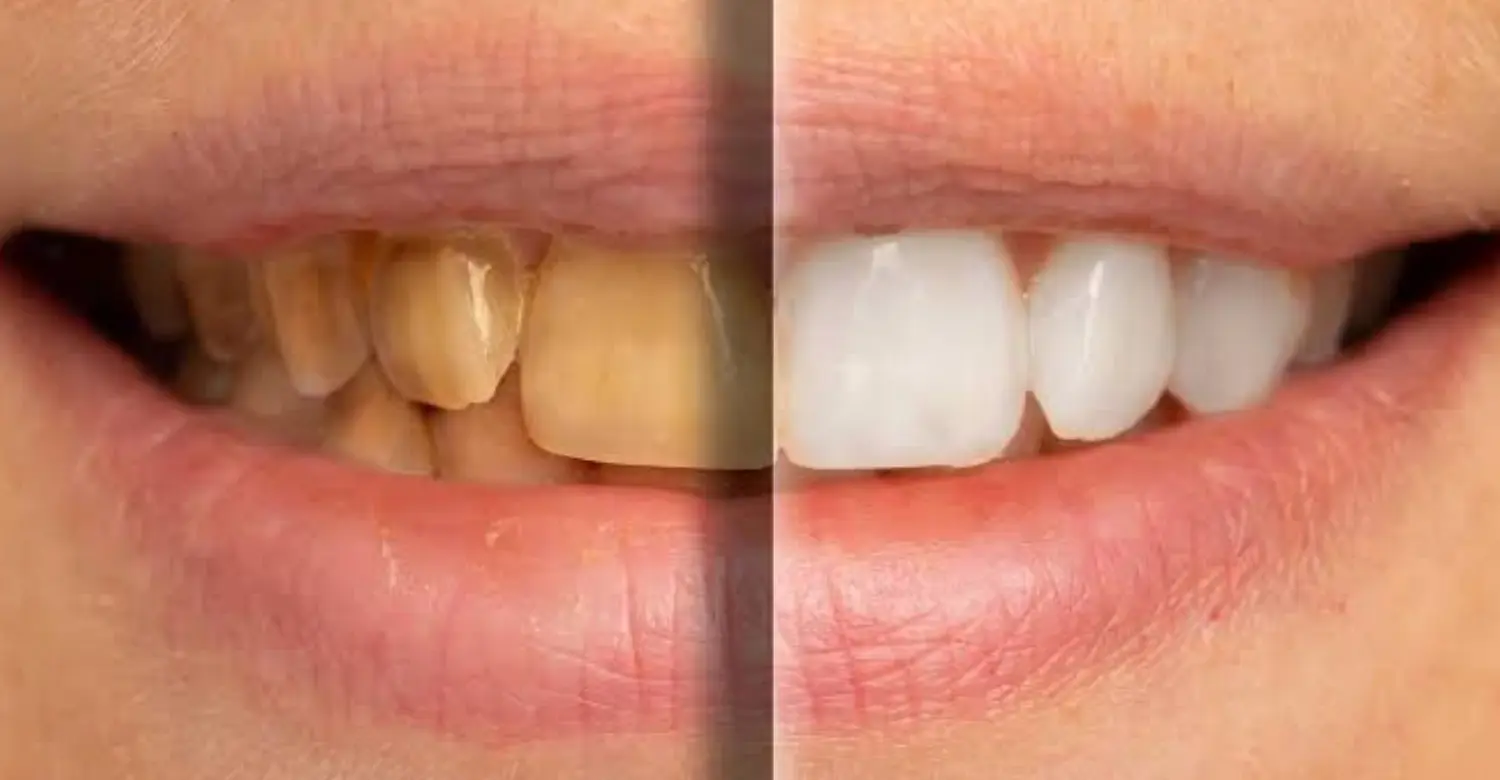
Professional Cleaning Frequency
Most dental professionals recommend professional cleaning every six months to prevent significant tartar buildup and maintain optimal brightness. Patients with heavy staining risk—smokers and heavy coffee or tea drinkers—benefit from quarterly appointments. Consistent professional care is among the most effective tools for preventing the return of yellow dirty teeth between cosmetic treatments. Your dentist recommends the ideal frequency based on your individual staining risk and lifestyle habits. Discover more about types of dental bridges
At-Home Whitening: What's Safe and What to Avoid
Dentist-prescribed take-home trays with professional-grade gel are the safest, most effective at-home option. Over-the-counter strips may offer mild results but often produce uneven brightening. Charcoal-based toothpastes are highly abrasive and can damage enamel over time. Always consult your dentist before beginning any at-home whitening regimen to confirm it's appropriate for your dental condition and won't exacerbate existing sensitivity or structural concerns.
Are There Any Risks or Side Effects?
Teeth whitening is generally safe when performed under professional supervision, but it's not without potential side effects. The most common are tooth sensitivity and gum irritation. These occur because the peroxide in whitening agents can temporarily dehydrate the enamel and irritate soft tissues. These effects are usually mild and resolve within a few days. Overuse or improper application of whitening products can lead to enamel damage, increased sensitivity, or uneven results. People with untreated cavities, gum disease, or exposed roots should avoid whitening until these issues are addressed. Pregnant or nursing women are often advised to postpone whitening due to lack of safety data. Always consult a dentist before starting any whitening treatment, especially if you have restorations like crowns or veneers, as they will not whiten.
Lifestyle Changes That Protect Against Yellow Teeth
Many factors behind what causes yellow teeth are behavioral and fully within your control. Simple, consistent daily habit adjustments—from quitting smoking to better hydration—have a visible, cumulative impact on tooth brightness. Combined with regular professional care, these lifestyle changes form a comprehensive, sustainable defense against long-term yellowing and discoloration relapse after whitening treatment.
Smoking Cessation and Its Impact on Tooth Color
Tobacco is one of the most aggressive causes of stained yellow teeth and yellow dirty teeth. Nicotine and tar penetrate enamel deeply, creating stubborn discoloration that whitening treatments often struggle to fully resolve. Quitting smoking has an almost immediate positive impact on oral health and allows whitening treatments to achieve significantly better, longer-lasting results. Patients who stop smoking consistently report noticeable tooth appearance improvements within just a few months.
Hydration and Saliva's Role in Stain Prevention
Saliva neutralizes acids, washes away food debris, and remineralizes enamel between meals. Chronic dehydration reduces saliva flow, leaving teeth more vulnerable to acid erosion and pigment adhesion. This is a lesser-known answer to what causes yellow teeth in adults with otherwise healthy diets. Drinking plenty of water throughout the day, especially after staining beverages, significantly reduces discoloration accumulation. Staying well-hydrated is one of the simplest, most underrated smile protection strategies available. Check out our guide on what is the real cost
Smart Habits After Consuming Staining Foods
Small behavioral adjustments after consuming staining substances meaningfully reduce long-term discoloration. Rinsing with water immediately after coffee, tea, or red wine dilutes pigments before they bind to enamel. Using a straw minimizes direct enamel contact. Waiting 30 minutes after eating before brushing prevents softened enamel from being abraded. Chewing sugar-free gum stimulates saliva production, supporting the mouth's natural ability to prevent stubborn stain buildup throughout the day.
Advanced Technology for Treating Yellow Teeth
Modern dentistry has transformed what causes yellow teeth from a stubborn, permanent-seeming problem into a highly manageable condition. Advanced diagnostic and treatment technologies allow dentists to identify discoloration causes with precision and deliver predictable, aesthetically superior results with minimal discomfort. This enables truly personalized cosmetic care with natural-looking, long-lasting outcomes previously unachievable with older conventional techniques and equipment.
Digital Shade Matching Systems
Digital spectrophotometers measure exact tooth color coordinates with scientific precision, eliminating the subjective variability of traditional shade guides. This technology enables consistent baseline tracking, accurate before-and-after comparisons, and precise shade specification for laboratory-fabricated veneers and crowns. Patients benefit from clearer expectations and confidence that final results will consistently match agreed-upon shade goals established during their initial consultation appointment at the clinic.
Modern Whitening Techniques for Predictable Results
Today's in-office whitening systems combine optimized peroxide concentrations with light-activation technology, delivering consistent results in a single appointment with minimized post-treatment sensitivity. Compared to older systems, modern techniques produce more even, longer-lasting brightness while significantly reducing discomfort. This directly addresses one of the most common concerns patients raise when first considering professional whitening for their specific discoloration situation.
Minimally Invasive Cosmetic Dentistry Approaches
Modern cosmetic dentistry prioritizes preserving natural tooth structure while achieving dramatic aesthetic improvements. Minimally invasive approaches—micro-abrasion for superficial enamel defects, ultra-thin veneers requiring minimal preparation, and advanced bonding techniques—offer effective alternatives to more aggressive restorations. These methods suit younger patients or those with mild to moderate yellowing who wish to improve their smile without irreversible changes to their natural existing tooth structure.
Professional Guidance: When to Seek Dental Advice for Yellow Teeth
Not every case of yellowing requires urgent attention, but certain warning signs should prompt a timely dental visit. Early intervention addresses what causes yellow teeth more effectively and prevents conditions from progressing into far more complex and costly situations. Proactive dental care is always the more clinically and economically effective long-term strategy for maintaining a healthy, bright, and genuinely confident smile throughout your life. Read more about root canal turkey
Signs That Require Immediate Evaluation
Seek immediate dental advice if you notice sudden, unexplained darkening of a single tooth following trauma; this may indicate pulp damage. Yellowing accompanied by pain, prolonged sensitivity, or swelling is a clinical red flag. Spots that feel rough, pitted, or chalky may indicate active enamel breakdown or early decay. These presentations require diagnostic evaluation before any whitening treatment is considered or safely initiated by your dentist.
Distinguishing Cosmetic vs. Health-Related Discoloration
Cosmetic yellowing from coffee, tea, or aging doesn't affect dental function. It can be managed with aesthetic treatments. Health-related discoloration from internal resorption, fluorosis, or active decay requires restorative intervention first. A dentist can differentiate these presentations through clinical examination, radiographs, and patient history. This ensures the correct pathway is followed before any cosmetic treatment. It safeguards both appearance and long-term dental health.
Long-Term Benefits of Early Treatment
Early professional cleaning and whitening prevent deeper staining. Surface discoloration neglected for years becomes harder to remove. Early care also reduces the likelihood of needing invasive and expensive procedures later. Regular monitoring allows dentists to catch enamel erosion or early decay before progression. Patients who seek advice early achieve better, more cost-effective, and longer-lasting outcomes than those who delay.
The Hidden Impact of Modern Habits on Tooth Color
Traditional causes like coffee, wine, and tobacco are well-documented. Modern lifestyle shifts introduce new variables that affect the brightness of our smiles. Understanding these contemporary factors can help you make minor adjustments to your daily routine. These adjustments protect your enamel and preserve your whitening results.
Dehydration and Reduced Saliva Flow: Many of us suffer from chronic mild dehydration. Saliva is your mouth’s natural defense mechanism. It washes away food particles, neutralizes acids, and promotes enamel remineralization. When you are dehydrated, saliva flow decreases. Pigments from food and beverages adhere to your teeth more easily. Acids linger longer on the enamel surface. Staying well-hydrated throughout the day helps your mouth naturally combat staining.
The "Sipping" Culture: The rise of the "all-day latte" or constant sipping of flavored sparkling waters and energy drinks creates a hostile environment for your enamel. When you sip an acidic or sugary beverage over several hours, your teeth face a continuous acid attack. This prevents the mouth’s pH from neutralizing. The enamel weakens over time, becoming more porous and susceptible to stains. If you enjoy these beverages, try drinking them in one sitting. Rinse your mouth with water immediately afterward to minimize contact time.
Digital Distraction and Oral Care Neglect: Increased screen time can lead to subconscious habits that impact dental health. These include jaw clenching (bruxism) or "snacking while scrolling." Mindlessly grazing on snacks or clenching your jaw while working at a computer may contribute to premature enamel wear. Recognizing these subconscious habits is the first step toward correcting them.
Why Choose Vitrin Clinic for Yellow Teeth Treatment?
At Vitrin Clinic, we understand that tooth discoloration affects more than appearance. It impacts confidence, social comfort, and quality of life. Our approach combines clinical expertise with the latest cosmetic dental technology. We deliver results that are natural-looking, lasting, and fully personalized. Whether you face surface staining, deep intrinsic discoloration, or structural concerns, Vitrin Clinic offers a complete spectrum of integrated solutions under one roof.
What We Notice Clinically
In practice, most patients who ask about yellow teeth vs white teeth aren't dealing with a health problem. They're dealing with a natural variation in enamel thickness and dentin tone. What we look for clinically isn't just the shade itself. We check whether the discoloration is uniform or patchy, new or long-standing, and whether the enamel surface feels smooth or rough. Those clinical signs tell us far more than the color alone.
According to Dr. Rifat Alsaman, Head of the Medical Team at Vitrin Clinic and a cosmetics dentist with extensive experience in smile design, the most overlooked detail in the yellow teeth vs white teeth discussion is texture, not tone. Dr. Rifat Alsaman notes that a slightly yellow but smooth, intact tooth surface is typically a cosmetic case. Any yellowing paired with roughness, pitting, or sensitivity is treated as a diagnostic priority before any whitening conversation begins.
Dr. Rifat Alsaman, Head of the Medical Team at Vitrin Clinic
We also pay close attention to how a patient's expectations compare to their natural dental anatomy. Someone with naturally thin enamel will never sustain a bright, opaque white the same way someone with dense enamel might. Setting that expectation honestly upfront prevents disappointment and leads to far more satisfying long-term results.
This clinical philosophy—identifying the real structural cause behind yellow teeth vs white teeth before recommending treatment—is central to how Dr. Rifat Alsaman and the wider medical team at Vitrin Clinic approach every cosmetic consultation.
Meet Your Whitening Expert
When choosing a dentist for whitening, consider their qualifications. Dr. Rifat Alsaman, Director of the Medical Team at Vitrin Clinic in Istanbul, is a general and aesthetic dentist with extensive experience in cosmetic dentistry. He holds a Doctor of Dental Surgery degree from Izmir Katip Celebi University. He has completed advanced training in smile design and restorative dentistry. His career spans academic hospitals and leading dental tourism clinics. Dr. Alsaman has successfully treated thousands of international patients. His patient-centered philosophy emphasizes evidence-based dentistry and minimally invasive techniques. This ensures safe and effective whitening outcomes.
Quality Assurance at Vitrin Clinic
Vitrin Clinic is committed to maintaining the highest standards of patient care and safety. The clinic adheres to international healthcare protocols. It holds certifications from recognized bodies, including the Turkish Ministry of Health and ISO 9001 for quality management. Our sterilization processes follow strict infection control guidelines. Our dental team undergoes continuous education to stay updated with the latest advancements. When you choose Vitrin Clinic, you can trust that you are in safe hands.
Experienced Cosmetic Dentists and Personalized Treatment Plans
Every patient at Vitrin Clinic receives a thorough, individualized assessment. We determine the most appropriate treatment for yellow teeth based on diagnosis, aesthetic goals, and overall dental health. Our cosmetic dental team has extensive experience diagnosing and treating all types of teeth stains. From mild surface yellowing to complex intrinsic discoloration, plans are clearly explained and precisely tailored to each patient's unique needs. Read more about single tooth implant cost turkey
Advanced Whitening and Smile Design Technology
Vitrin Clinic is equipped with state-of-the-art whitening systems and digital smile design platforms. Patients can preview anticipated results before treatment begins. Digital shade-matching tools ensure precision at every care stage. Whether your goal is subtle brightening or complete smile transformation, our technology-driven approach delivers consistent, predictable outcomes. Each plan aligns with your aesthetic vision and comfort expectations throughout treatment.
Comprehensive Care From Cleaning to Veneers
From routine professional cleaning to advanced porcelain veneers, Vitrin Clinic offers every level of treatment for yellow teeth under one roof. Patients don't need multiple practices for different care stages. Our integrated approach ensures cleaning, whitening, and cosmetic work are coordinated seamlessly. This comprehensive model improves both efficiency and treatment quality. Every step complements the others for a consistently brighter, healthier smile from start to final follow-up.
Patient-Focused Approach and Natural-Looking Results
At Vitrin Clinic, every treatment aims for results that look natural, feel comfortable, and stand the test of time. We believe the best cosmetic outcomes enhance existing features rather than transforming them beyond recognition. Careful shade selection, precise clinical technique, and personalized communication ensure your restored smile feels authentically yours. Your comfort, confidence, and long-term satisfaction guide every clinical decision made throughout your care.
Book a FREE Consultation for a Brighter Smile
If you've been wondering what causes yellow teeth and whether professional treatment is right for you, start with a free consultation at Vitrin Clinic. Our team will evaluate your tooth color, identify the source of discoloration, and recommend the most effective, minimally invasive solution for your smile. Book your appointment today and take the first confident step toward results that last.
Reference
Yellow Teeth vs White Teeth is a common comparison when discussing smile aesthetics. Tooth color can be affected by factors such as enamel thickness, aging, diet, oral hygiene, and lifestyle habits. The following references provide more information about the causes of tooth discoloration, whitening options, and ways to maintain a brighter smile:
Trusted Resources
For more information on teeth whitening, we recommend consulting the following authoritative sources:
American Dental Association (ADA): ADA Guidelines on Tooth Whitening
American Academy of Cosmetic Dentistry (AACD): AACD Whitening Information
National Institutes of Health (NIH): NIH on Tooth Bleaching
These organizations provide evidence-based information to help you make informed decisions about your oral health.
FAQs
Dr. Rifat Alsaman has more than 5 years of clinical experience in dentistry and currently serves as the Head of the Medical Team at Vitrin Clinic. He is dedicated to providing exceptional patient care, overseeing treatment planning, and ensuring the highest clinical standards across the team. His expertise, attention to detail, and commitment to continuous professional development have helped countless patients achieve healthier, more confident smiles.


