General Dentistry
September 17, 2026
Yellow Tongue: What Does It Mean and When Should You See a Dentist?
 Dr. Rifat Alsaman
Yellow tongue is a common concern that brings many patients to search for answers online. In most cases, a tongue is yellow because of a coating rather than a true disease. Bacterial buildup, poor hygiene, dry mouth, smoking, certain foods or drinks, and some medications can all leave the tongue yellow. The good news is that many cases are temporary and easy to manage with better daily habits. Still, persistent or unusual tongue discoloration deserves a professional look. From a dentist's perspective, finding the underlying cause matters more than simply scrubbing away the visible coating. This connects to what many patients describe simply as tongue is yellow, tongue yellow, or yellow in tongue.
Yellow Tongue: What Does It Mean?
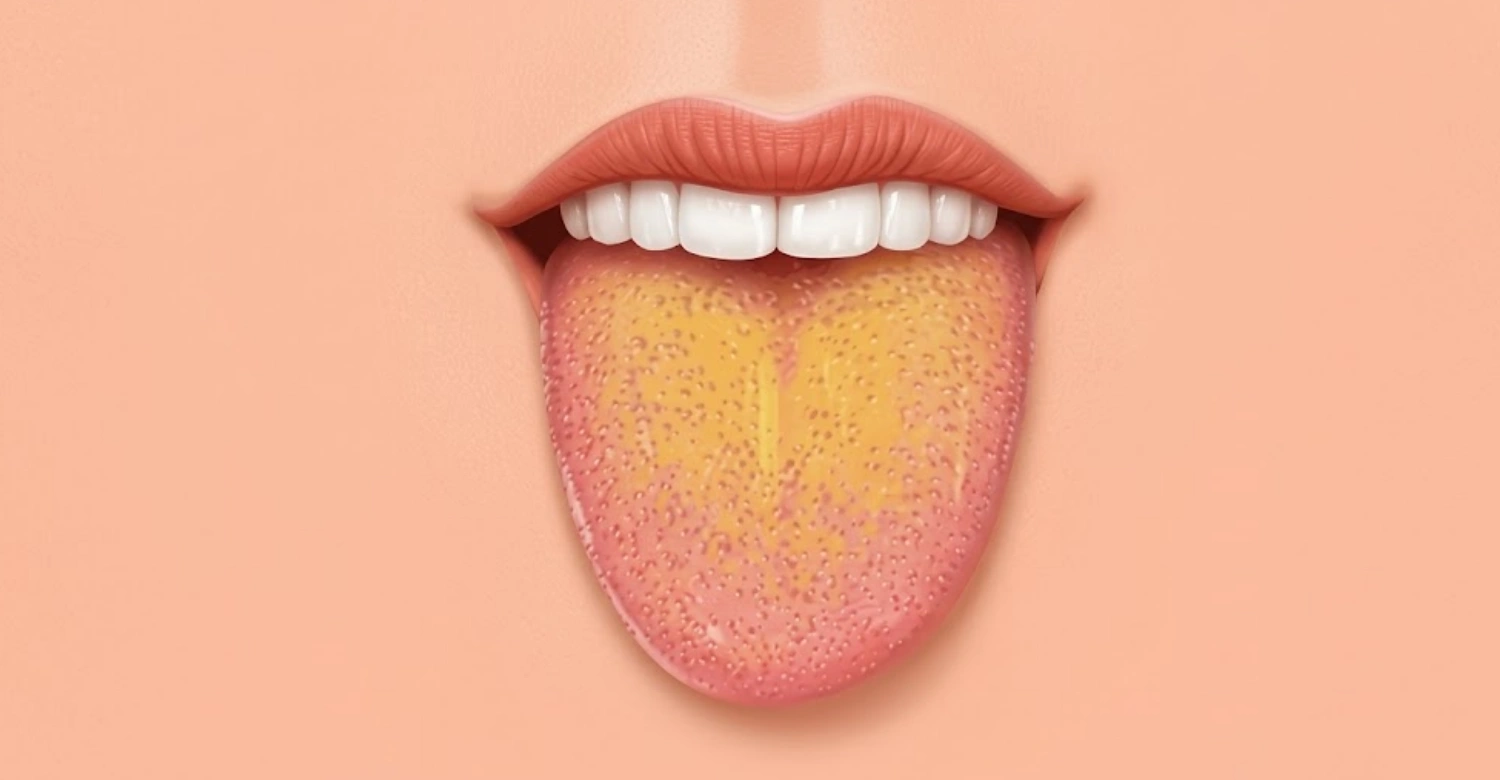
Yellow-coated tongue what does it mean in simple terms? It describes a yellowish coating or discoloration on the tongue's surface, not a specific disease. There is a difference between a surface coating and a true change in the tissue itself. Dead skin cells, bacteria, trapped food debris, and reduced saliva flow can all combine to create that appearance. Tongue discoloration yellow in tone does not automatically mean infection or serious illness. What matters most is the appearance, how long it lasts, any related symptoms, and the person's usual oral-hygiene habits.
What Does a Healthy Tongue Normally Look Like?
A healthy tongue is usually pink, with a slightly rough, velvety surface created by tiny papillae. Some natural color variation is normal from person to person. Texture can also vary slightly, with small ridges along the edges. Occasional color shifts can happen after eating, drinking, or even after sleep. These temporary changes are not usually a cause for concern. A healthy tongue moves easily, feels comfortable, and shows no persistent yellow in tongue coating, sores, or unusual texture that lasts beyond a day or two.
When Is Yellow-coated tongue Usually Harmless?
This coating is often harmless and temporary. It can appear after eating or drinking strongly colored foods like turmeric, coffee, or dark tea. Morning coating is common too, since saliva flow slows overnight. Dehydration or dry mouth can leave the tongue looking yellow until fluid intake improves. Inadequate cleaning also allows debris to build up between the papillae. In these situations, the tongue is yellow only briefly, and simple hygiene changes usually restore its normal color within a short time.
When Does Yellow Tongue Need Professional Attention?
This kind of discoloration needs professional attention when it does not go away. Pain, burning, swelling, or bleeding on the tongue are signs that should not be ignored. Bad breath that persists despite good oral hygiene is another warning sign. Difficulty eating, swallowing, or speaking should always prompt a dental visit. Fever or other unexplained symptoms alongside the discoloration also deserve prompt evaluation. In these cases, a dentist can look deeper than the surface coating to understand what is really happening.
Note: All images used are for editorial and illustrative purposes only and may not originate from the original news provider or associated company.
What Causes a Yellow-coated tongue ?
Understanding the cause of yellow tongue starts with looking at daily habits and oral health together. Causes yellow tongue can range from something as simple as missed cleaning to more specific triggers like dry mouth or certain medications. What causes a Yellow-coated tongue is rarely just one factor; it is often a mix of hygiene, diet, hydration, and lifestyle. Below are the most common contributors dentists consider when evaluating this coating, along with why each one matters for a proper long-term solution.
Bacterial and Debris Buildup
Bacteria and trapped debris can build up between the tongue's tiny papillae, creating this coating. Food particles, dead cells, and bacteria combine to form a visible layer over time. Inadequate cleaning allows it to thicken and become more noticeable. The coating often looks worse toward the back of the tongue, where cleaning is harder to reach. Regular, gentle cleaning helps break up this buildup before it becomes a persistent, harder-to-remove coating.
Dry Mouth and Reduced Saliva
Saliva plays a major role in naturally cleaning the mouth and washing away debris. When saliva flow drops, this coating can develop more easily. Dehydration, breathing through the mouth, and certain medications can all reduce saliva production. Without enough moisture, bacteria and dead cells are not cleared away as efficiently. This is one reason why a tongue is yellow more often in people with chronic dry mouth. Managing hydration and airway habits can meaningfully improve tongue appearance over time.
Food, Drinks, and Oral Habits
Strongly pigmented foods and beverages, like curry, turmeric, or dark sauces, can temporarily stain the tongue yellow. Smoking and tobacco use are also common contributors. Excessive coffee or tea consumption adds further staining over time. These factors do not usually damage the tissue itself. Instead, they change its surface appearance temporarily. Cutting back on staining habits, along with regular cleaning, often reduces yellow in tongue coloring within days rather than weeks.
Poor Oral Hygiene
Poor oral hygiene allows plaque and bacteria to accumulate not just on the teeth, but across the tongue's surface as well. This buildup contributes directly to the coating and can also cause bad breath. Skipping tongue cleaning as part of a daily routine lets debris settle into the papillae. Over time, this creates a thicker, more visible layer. Consistent brushing, flossing, and tongue cleaning together support a healthier mouth and reduce the chances of tongue discoloration yellow in tone.
Medications and Other Contributing Factors
Some medications can indirectly contribute to this discoloration, often by causing dry mouth or changing the oral environment. Not every medication works the same way, so the mechanism can differ from patient to patient. Antibiotics, certain inhalers, and medications that reduce saliva are common examples. This does not mean every user will develop the same coating. Patients on long-term medication who notice new discoloration should mention it during a dental visit for proper evaluation.
Oral Conditions That May Cause Tongue Discoloration
Certain oral conditions can produce unusual tongue coatings or color changes beyond ordinary buildup. Fungal overgrowth, geographic tongue, and other surface changes may sometimes appear yellow or discolored. A dentist can distinguish an ordinary coating from a condition that needs specific treatment. This distinction matters because home cleaning helps some cases but not others. A professional exam considers texture, pattern, and accompanying symptoms rather than color alone before deciding on next steps.
Is Yellow Tongue Always Caused by an Oral Problem?
Not every case originates directly from the mouth itself. Sometimes tongue color reflects broader factors like hydration, medication use, or general habits rather than a dental issue. This is why a dentist considers the whole clinical picture, not just the tongue's appearance. Associated symptoms, timing, and patient history all help clarify what causes this discoloration in a specific case. Looking beyond the coating alone leads to a more accurate and useful assessment.
Tips for Patients
A few simple habits can help manage this coating at home before it becomes a bigger concern:
Clean the tongue gently once or twice daily.
Brush teeth with fluoride toothpaste.
Clean between teeth regularly.
Drink enough water throughout the day.
Avoid aggressive tongue scraping.
Monitor whether the discoloration changes after improving oral hygiene.
Avoid smoking and tobacco products.
Tell your dentist about persistent dry mouth or medication changes.
Seek professional advice if discoloration persists or comes with concerning symptoms.
Do not use harsh household substances or unverified whitening remedies on the tongue.
Why Is My Tongue Yellow Even When I Brush My Teeth?
Understanding why yellow tongue develops starts with looking beyond brushing alone. Brushing teeth cleans the teeth, not the tongue's surface, so this coating can persist without proper tongue cleaning. Poor tongue-cleaning technique, dry mouth, smoking, and dietary staining can all keep it visible even with good tooth-brushing habits. Persistent bacterial buildup on the tongue also plays a role. If the discoloration keeps returning despite consistent oral hygiene, it is worth having it evaluated rather than assuming brushing alone will fix it.
Why Yellow-coated tongue Can Be More Noticeable in the Morning
Saliva production naturally slows down during sleep, which allows this coating to build up overnight. Mouth breathing while sleeping adds to bacterial accumulation on the tongue's surface. This is why many people notice tongue is yellow right after waking up. It often looks less noticeable after drinking water and completing a normal morning hygiene routine. If it does not improve throughout the day, that pattern is worth mentioning at a dental visit.
Yellow on Tongue vs. Other Types of Tongue Discoloration
Not all tongue discoloration looks or behaves the same way. Comparing yellow on tongue with other colors can help patients understand what they are noticing. Each shade can point toward slightly different causes, from simple staining to bacterial buildup or other oral changes. Knowing these differences helps set realistic expectations before a dental visit. It also helps patients describe their symptoms more clearly when discussing this coating with a dentist.
Yellow vs. White Tongue
This coating and a white tongue can look similar at first glance but often point to different causes. White coating is frequently linked to dehydration, mild fungal overgrowth, or thicker debris buildup. The yellow shade tends to relate more to bacterial buildup, dry mouth, or staining from food and drinks. The exact tone can also depend on lighting and personal tongue texture. A dental professional can look closely to tell these apart and suggest the right approach for each.
Yellow vs. Brown Tongue
Brown tongue discoloration often develops from prolonged exposure to staining substances. Tobacco use, dark beverages, and long-term bacterial buildup can all deepen a yellow shade into brown over time. The distinction usually comes down to duration and intensity of the underlying cause. A tongue is yellow at earlier or milder stages, while brown often reflects longer-standing habits. Both benefit from improved hygiene, but persistent brown discoloration is more likely to need dental evaluation.
Yellow vs. Black or Hairy Tongue
Some tongue coatings can progress through different shades over time, moving from yellow toward darker tones. A black or hairy tongue appearance happens when the papillae elongate and trap more bacteria and debris. This looks different from an ordinary yellow coating and often needs a more targeted cleaning approach. A dark or hairy tongue always warrants a dental assessment, since the texture change itself, not just the color, matters clinically.
Yellow Tongue With Bad Breath
This coating and bad breath frequently occur together, since bacterial buildup that causes discoloration also produces odor. Temporary morning breath usually improves after normal hygiene and fades within minutes. Persistent bad breath tied to this coating, however, suggests ongoing bacterial activity that basic brushing is not fully addressing. Tongue cleaning, hydration, and consistent oral hygiene often improve both issues together. If bad breath continues despite these efforts, a dental check is the next reasonable step.
How Is Yellow-Coated Tongue Diagnosed?
Diagnosing this condition usually begins with a visual oral examination alongside a conversation about patient history. A dentist looks at the coating's pattern, texture, and location on the tongue. They also ask about oral-hygiene routine, diet, tobacco exposure, dry-mouth symptoms, medications, and any associated pain, sores, swelling, or other symptoms. Additional investigation depends on these clinical findings rather than color alone. This approach helps separate a simple, temporary coating from something that needs closer attention.
Questions Your Dentist May Ask
When evaluating this coating, a dentist typically asks several practical questions:
When did the discoloration begin?
Does it disappear after brushing or tongue cleaning?
Are there changes in taste or breath?
Is the tongue painful or irritated?
Are you experiencing dry mouth?
Have you recently started any medication?
These answers help build a clearer picture of what causes this discoloration in each specific case, guiding next steps more accurately than appearance alone.
How to Get Rid of Yellow Tongue Safely
Treating this coating safely depends on identifying its underlying cause rather than reaching for aggressive scraping. Harsh scrubbing can irritate the surface without solving the real problem. Improved oral hygiene, consistent tongue cleaning, and professional assessment when needed usually offer the best results. The goal is not just to erase visible color, but to address why this discoloration developed in the first place. Patience and consistency matter more than intensity when managing this concern.
Improve Daily Tongue Cleaning
Gentle tongue brushing or the use of a tongue scraper can meaningfully reduce this coating over time. Clean the tongue without applying excessive pressure, since this can irritate the surface. Combining tongue cleaning with regular brushing and interdental cleaning covers the whole mouth more effectively. Consistency matters more than intensity here. A brief daily routine, done gently, usually produces steadier improvement than occasional aggressive cleaning sessions that can do more harm than good.
Stay Hydrated and Manage Dry Mouth
Maintaining adequate fluid intake throughout the day supports natural saliva flow and helps reduce this coating. For people with persistent dry mouth, practical strategies include sipping water regularly, limiting caffeine, and avoiding prolonged mouth breathing where possible. If dry mouth continues despite these changes, professional evaluation may be appropriate, especially if medication is involved. Addressing the root cause of reduced saliva often improves tongue appearance more effectively than surface cleaning alone.
Review Lifestyle Contributors
Reviewing everyday habits can make a real difference in managing this coating. Smoking cessation is one of the most impactful changes a patient can make. Reducing heavily staining foods and beverages, when relevant, also helps limit new discoloration. Maintaining consistent oral hygiene ties these efforts together over the long term. None of these changes need to happen overnight, but gradual improvement usually leads to a noticeably healthier-looking tongue within a reasonable timeframe.
Professional Dental Cleaning
Professional cleaning may help when plaque and accumulated deposits contribute to a stubborn coating. This type of cleaning targets buildup that home care alone cannot always reach. It is important to understand that cleaning treats buildup, while persistent discoloration may still require investigation into its underlying cause. Professional cleaning works best as part of a broader plan rather than a stand-alone fix for every case like this.
Can Yellow Tongue Go Away on Its Own?
In many situations, this coating can resolve on its own once hydration improves and oral hygiene becomes more consistent. When the underlying trigger, like staining food or temporary dryness, is removed, the tongue's natural color often returns within days. However, persistent discoloration should not simply be ignored, since it may point to a factor that needs more attention. Recovery time varies from person to person, so it is best to avoid expecting the same timeline for every case.
What We Notice Clinically
Dr. Rifat Alsaman, Head of the Medical Team at Vitrin Clinic and a cosmetic dentist, notes that tongue color should never be considered in isolation. In Dr. Rifat Alsaman's view, examining the tongue's surface, oral hygiene, saliva flow, diet, medications, and associated symptoms together gives a clearer picture. Patients often focus on removing the visible coating, but Dr. Rifat Alsaman explains that the more useful clinical question is why it developed in the first place. His practical advice: avoid aggressive scraping, and seek assessment when discoloration is persistent, recurrent, or paired with other symptoms.
Clinical Note
Yellow tongue is a descriptive finding, not a diagnosis by itself. Its clinical significance depends on appearance, duration, associated symptoms, and underlying factors, all considered together. Online information cannot determine the exact cause of this coating for any individual patient. Professional assessment is recommended when discoloration persists, repeatedly returns, or occurs alongside pain, sores, swelling, bleeding, fever, or difficulty swallowing. As a simple reminder: treating the cause behind the discoloration matters more than simply removing the visible coating.
Can Dental Treatment Help if Yellow Tongue Is Related to Overall Oral Health?
Comprehensive oral care can address contributing factors such as plaque accumulation, gum problems, poor oral hygiene, and untreated dental issues that sometimes accompany this coating. That said, dental treatment is not automatically required for every case. Whether treatment is needed should be based on the dentist's findings during examination, not on tongue color alone. Some patients simply need better home care, while others benefit from a more structured treatment plan addressing the mouth as a whole.
Professional Cleaning and Preventive Dental Care
Professional cleaning can be useful when plaque, tartar, or bacterial buildup are contributing to this coating alongside other oral-health concerns. Maintaining healthy teeth and gums supports a more balanced oral environment overall, which can reduce the conditions that allow tongue discoloration to develop. Preventive care, done consistently, tends to reduce recurring issues over time. This makes it easier to manage the underlying causes as part of a broader, ongoing oral-health routine rather than an isolated concern.
Addressing Underlying Dental Problems
Untreated dental issues, like gum disease or cavities, can contribute to plaque accumulation and oral bacteria that affect the whole mouth, including the tongue. Addressing these problems directly often improves the oral environment more broadly. Every patient's situation is different, so individualized treatment planning matters more than a one-size-fits-all approach. A dentist can determine whether the discoloration is connected to a larger dental issue or is simply an isolated, manageable finding.
Why Choose Vitrin Clinic for Your Dental Care?
Not every case like this requires clinic treatment, but a comprehensive oral examination is valuable when discoloration is persistent or linked to other dental concerns. Vitrin Clinic takes an individualized approach to treatment planning, considering each patient's full oral-health picture rather than color alone. The clinic uses modern diagnostic and treatment technology, including digital workflows and advanced imaging when clinically indicated. Dr. Rifat Alsaman, Head of the Medical Team at Vitrin Clinic and a cosmetic dentist, is part of the clinical team patients can consult. Patients can receive professional guidance about their oral-health concerns and, where appropriate, discuss additional dental or cosmetic treatment needs.
Book Your FREE Consultation
Patients noticing persistent tongue discoloration or other dental concerns are encouraged to seek professional assessment rather than guessing at home. Book Your FREE Treatment Plan today to get a clear, individualized look at your oral health. Prefer to start with questions first? Choose the Online FREE Consultation & Assessment option instead. Either way, a proper evaluation offers more clarity than continuing to wonder about it on your own. New Smile, New Life.
References:
FAQs
Dr. Rifat Alsaman has more than 5 years of clinical experience in dentistry and currently serves as the Head of the Medical Team at Vitrin Clinic. He is dedicated to providing exceptional patient care, overseeing treatment planning, and ensuring the highest clinical standards across the team. His expertise, attention to detail, and commitment to continuous professional development have helped countless patients achieve healthier, more confident smiles.


.webp&w=3840&q=75)

