Periodontics
September 13, 2026
ADHD and Gum Disease: Understanding the Oral Health Connection
 Dr. Rifat Alsaman
ADHD and gum disease are frequently mentioned together, but the link is easy to misread. ADHD does not directly cause gum disease. Certain ADHD-related behaviors, routines, and medication side effects can simply make consistent oral hygiene harder to maintain. Missed brushing, skipped dental visits, shifting diets, and medication-related dry mouth can all quietly affect gum health over time. This guide is a practical dental resource, not a claim that everyone with ADHD develops periodontal problems. Early attention to gingivitis, plaque buildup, and dry mouth protects long-term periodontal health. Ahead: risk factors, symptoms, medications, treatment, prevention, and when to see a dentist.
ADHD and Gum Disease: Is There a Real Connection?
ADHD & gum disease connect indirectly, not directly. ADHD itself is a neurodevelopmental condition; gum disease develops from plaque left along the gumline. Inconsistent oral hygiene routines linked to ADHD can allow plaque to build up undisturbed. Plaque accumulation is one of the established contributors to gingivitis and periodontal disease. ADHD does not guarantee this outcome. Individual risk still depends on several factors. These include oral hygiene habits, diet, saliva flow, smoking or nicotine exposure, existing gum conditions, medications, and how often someone attends dental care.
How ADHD May Affect Daily Oral Hygiene
People with ADHD and poor oral hygiene patterns may struggle with starting or finishing repetitive tasks like brushing. Forgetting to brush or floss, losing track of time during morning or evening routines, and difficulty keeping a consistent dental-care schedule are common challenges. Remembering appointments or follow-up visits can also slip. These are potential challenges some people experience, not universal traits. Not everyone with ADHD faces every one of these obstacles, and many manage oral care with no difficulty at all. Recognizing these patterns early is useful. Understanding how daily habits shift helps patients and dentists work together. This can prevent ADHD and gum disease before small gaps in routine turn into recurring plaque problems.
ADHD and Poor Oral Hygiene: Why Routine Matters
ADHD and poor oral hygiene often trace back to broken routines rather than lack of awareness. Plaque control directly affects gum inflammation: the longer plaque sits, the more irritated tissue becomes. Inconsistent brushing and skipped interdental cleaning let plaque harden into calculus, which is harder to remove at home. The gumline deserves particular attention since this is where inflammation typically starts. Practical strategies, like pairing brushing with an existing habit or using visual cues, make the routine easier to repeat daily without extra mental effort. Small, repeatable habits like these do more to prevent ADHD and gum disease over time than any single deep-cleaning session ever could.
Find out more about good bacteria in mouth
ADHD and Oral Health: Which Dental Problems May Become More Likely?
ADHD and dental problems can overlap when several risk factors line up at once. Irregular hygiene, dietary habits, and medication side effects may combine to raise the chance of gingivitis, tooth decay, or dry-mouth discomfort. None of this is guaranteed, and no single factor determines outcome. Exploring ADHD and oral health this way avoids implying a fixed association. It still explains why dental teams pay closer attention to patients managing ADHD alongside daily routines and medication schedules. Understanding these overlapping factors is the first practical step toward preventing ADHD & gum disease rather than reacting to it after symptoms appear.
ADHD and Gingivitis
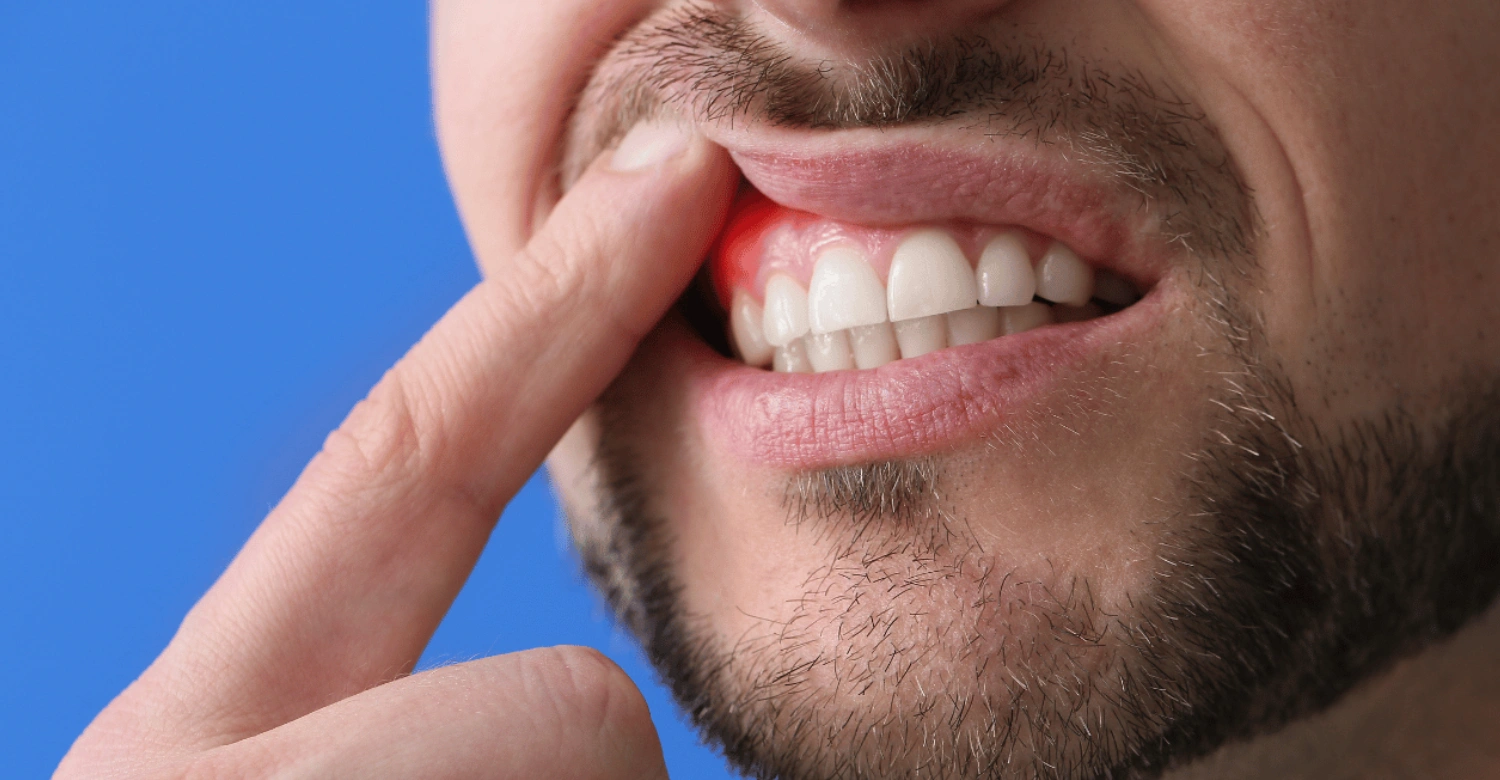
Gingivitis is gum inflammation caused primarily by plaque along the gumline. Common signs include redness, swelling, tenderness, and bleeding during brushing or flossing. ADHD and gingivitis can appear connected when inconsistent hygiene lets plaque linger. Still, gingivitis is usually easier to manage than established periodontal disease when caught early. A dentist can typically resolve it with improved cleaning and professional care. Persistent bleeding, however, should always prompt a proper professional assessment rather than being dismissed as minor. Treating gingivitis quickly is one of the simplest ways to keep ADHD and gum disease from progressing into a more serious periodontal condition later.
ADHD and Gum Inflammation
ADHD and gum inflammation can be linked through plaque that irritates gum tissue over time. Persistent plaque triggers an inflammatory response, causing redness and swelling. Temporary irritation, from brushing too hard or a bit of missed flossing, differs from ongoing inflammation that continues without improvement. Persistent inflammation should never simply be attributed to ADHD itself. It needs a dental evaluation to identify the actual cause, whether that is plaque, technique, dryness, or another contributing factor entirely. Left unchecked, this kind of inflammation is often where early ADHD and gum disease concerns actually begin.
ADHD and Tooth Decay
ADHD and tooth decay can be connected through inconsistent hygiene, frequent snacking, sugary drinks, and dry mouth from medication. Individual factors like diet and saliva flow matter just as much as routine. Tooth decay and gum disease are different conditions, caused by different processes, though they can occur together in the same mouth. Fluoride toothpaste and regular dental examinations remain the most effective, simplest ways to catch and manage decay before it progresses into something more serious. Managing decay alongside gum health gives a fuller picture of ADHD & gum disease risk than looking at either issue alone.
Note: All images used are for editorial and illustrative purposes only and may not originate from the original news provider or associated company.
Get the details on helicobacter pylori infection and oral health
ADHD Medications and Oral Health: What Should Patients Know?
ADHD medications and oral health intersect mainly through saliva production. Some stimulant medications may reduce saliva flow, contributing to dry-mouth symptoms. Medication effects vary significantly between individuals, and not everyone experiences this side effect. Patients should never stop or change prescribed ADHD medication because of dental concerns without first discussing it with their prescribing clinician. Dental and medical care should work together, not in conflict, when medication-related oral symptoms appear during treatment or daily life. This cooperation is central to managing ADHD and gum disease responsibly, without ever compromising a patient's psychiatric care plan.
ADHD Medication and Dry Mouth
Saliva protects teeth and oral tissue by washing away food debris and neutralizing acid. ADHD medication and dry mouth often go together, producing persistent thirst, a sticky or dry feeling, difficulty swallowing certain foods, altered taste, or general discomfort. Reduced saliva can increase susceptibility to tooth decay and irritation. Telling the dentist about persistent dry-mouth symptoms helps. The dental team can adjust prevention strategies, such as fluoride treatments or saliva substitutes, around the patient's actual medication history. Addressing dryness early is one of the most effective ways to lower the odds of ADHD and gum disease developing further.
How Dry Mouth Can Influence Periodontal Health
Dry mouth can make daily life uncomfortable. It also complicates normal oral hygiene, since tissue feels raw or sensitive during brushing. Reduced salivary protection has broader oral consequences, including higher decay risk and gum irritation. Still, dry mouth alone does not establish a periodontal disease diagnosis. ADHD and periodontal health should be assessed through an actual clinical exam, not assumed from a single symptom. A dentist can distinguish simple dryness from an underlying inflammatory or infectious gum condition. This distinction matters because treating ADHD & gum disease effectively depends on knowing exactly which factor is driving the symptoms a patient reports.
When Should Patients Discuss Medication-Related Dry Mouth?
Patients should raise dry mouth with their dentist when symptoms persist despite adequate hydration. The same goes for recurring cavities or difficulty eating and speaking comfortably. Burning or irritated oral tissue is another signal worth mentioning. New oral symptoms appearing after starting or changing a medication dose deserve attention too. Flagging these details early helps the dental team separate medication effects from other causes and adjust prevention plans accordingly. Patients who speak up early tend to manage ADHD and gum disease with far less disruption to their daily routine.
Tips for Patients
Keep brushing simple and consistent rather than creating an overly complicated routine.
Use a fluoride toothpaste twice daily.
Clean between the teeth every day with floss or an appropriate interdental cleaning method.
Set a phone reminder if remembering oral-care tasks is difficult.
Use an electric toothbrush or built-in timer if it makes brushing easier to complete consistently.
Drink water regularly, particularly if medication causes dry-mouth symptoms.
Discuss persistent dry mouth with your dentist and prescribing clinician.
Limit frequent sugary snacks and drinks.
Keep regular dental examinations and professional cleaning appointments.
Tell your dentist about all current medications.
Do not ignore bleeding gums simply because they are painless.
Seek dental assessment if swelling, gum recession, persistent bad breath, or tooth mobility develops.
ADHD and Periodontal Disease: From Early Inflammation to Advanced Problems
ADHD and periodontal disease describes a progression, not a fixed outcome. Plaque accumulation can lead to gingivitis, and persistent untreated inflammation can, in some cases, progress toward periodontal disease. Untreated gingivitis does not always advance to periodontitis, but ongoing inflammation raises that risk over time. Periodontal pockets, attachment loss, gum recession, and bone loss represent more advanced stages. Understanding this progression helps patients recognize why early gingivitis deserves attention rather than being dismissed as a minor cosmetic issue. Recognizing where a patient sits on this spectrum is essential to managing ADHD and gum disease appropriately at every stage.
Early Signs of Periodontal Problems
Bleeding gums, persistent redness or swelling, and bad breath are common early signs. Gum tenderness and noticeable changes in gum position, such as gums pulling back from teeth, can also appear. Increasing spaces between teeth sometimes develop as tissue and bone support shift. Periodontal disease can progress with limited pain, which is part of why these signs matter. Waiting for discomfort before seeking care can allow early-stage problems to advance further than necessary. This is precisely why routine checkups remain essential for anyone managing ADHD & gum disease, even when nothing feels obviously wrong.
Signs That Require a Dental Examination
Loose or mobile teeth, pus around the gums, and significant gum recession all call for prompt evaluation. Persistent bleeding that does not resolve with better brushing is another warning sign. Pain or swelling around the gums, along with changes in how teeth bite together, should not be ignored. These signs suggest the condition has moved beyond early gingivitis and needs a proper clinical assessment rather than continued home management alone. At this stage, ADHD and gum disease requires professional intervention, not just better brushing at home.
Everything you need to know about hot mouth sensation
How Dentists Assess ADHD and Periodontal Health
ADHD and periodontal health are evaluated through a clinical periodontal assessment, not through an ADHD diagnosis itself. Dentists review medical and dental history, including medications and dry-mouth symptoms. Gum measurements and bleeding assessments follow, along with dental X-rays or other imaging when clinically indicated. Plaque and calculus levels are also assessed directly. Diagnosis stays individualized; a dental team should never assume that ADHD alone explains every oral-health finding without examining the actual tissue. A thorough exam like this is the only reliable way to confirm whether ADHD and gum disease is actually present, rather than guessed at.
Why Medication History Matters During a Dental Examination
Providing an accurate, complete medication list helps the dental team interpret symptoms correctly. Medication details can clarify whether dry mouth, higher caries risk, or other symptoms trace back to a prescription rather than hygiene alone. This information also supports communication between dental and medical professionals when needed. Sharing medication history isn't just paperwork. It directly shapes how a dentist interprets what they see during an ADHD and gum disease evaluation. It can also prevent unnecessary treatment for symptoms that actually trace back to a prescription
Read more about how long after eating should you brush your teeth
.
Treating ADHD-Related Oral Health Challenges and Gum Disease
Treatment for ADHD and gum disease depends entirely on the actual dental diagnosis. It does not depend on an ADHD label. There is no special "ADHD gum disease treatment." Instead, dentists apply conventional periodontal treatment alongside practical strategies that make ongoing dental care easier to manage day to day. This keeps care realistic and effective. It stays focused on the patient's actual gum condition, habits, and medication history, not assumptions drawn from an ADHD diagnosis alone.
Professional Dental Cleaning
Professional cleaning removes plaque and calculus that home brushing cannot reach, particularly below the gumline. This supports gingival health by eliminating the irritants driving inflammation. Cleaning frequency should depend on individual periodontal risk rather than a fixed schedule for everyone. Some patients benefit from more frequent visits. This especially helps when ADHD and poor oral hygiene patterns make daily plaque control harder to sustain between appointments, keeping inflammation from building back up quickly.
Improving Gingivitis Before It Becomes a Larger Problem
Addressing ADHD and gingivitis early usually involves professional cleaning where needed, improved brushing technique, and daily interdental cleaning. Fluoride toothpaste and regular monitoring round out the approach. Realistic expectations matter: healthy gums should gradually become less swollen and less prone to bleeding as inflammation comes under control. Progress is usually gradual rather than immediate, and consistency over several weeks tends to matter more than any single dental visit.
Periodontal Treatment for Established Disease
Scaling and root planing treats established periodontal disease when clinically indicated, cleaning below the gumline where regular brushing cannot reach. Ongoing periodontal monitoring and maintenance visits follow to track healing. Advanced cases may require referral to a periodontal specialist or additional treatment steps. Treatment decisions are based on periodontal findings from the exam itself, not simply on an ADHD diagnosis. This keeps the plan grounded in what the tissue actually shows.
Learn more about how many times are you supposed to chew your food
Can Better Oral Hygiene Reduce the Risk of Gum Disease in People With ADHD?
Consistency matters more than an elaborate routine. Simplifying the number of daily steps makes a routine easier to sustain long term. Attaching brushing to an already-established habit, like right after getting dressed, can help it stick. Visual reminders, phone alarms, electric toothbrush timers, or keeping products in an obvious spot all support consistency. The best routine for reducing ADHD and gum disease risk is simply the one a patient can realistically maintain every single day.
Building a Dental Routine That Is Easier to Maintain
Brush twice daily with fluoride toothpaste and clean between teeth once a day. Replace toothbrush heads regularly and keep routine dental exams on the calendar. Store oral-care products somewhere visible and obvious rather than tucked away. Reminders, whether a phone alarm or a note on the mirror, help when consistency is difficult. This structure keeps ADHD and periodontal health manageable without requiring a complicated or unrealistic daily commitment. A simple, realistic system like this is often the deciding factor in whether gum health stays under control long term.
Explore more on jaw pain when waking up
What Can Patients Expect Before and After Periodontal Treatment?
Before treatment, plaque or calculus buildup, gum redness, swelling, bleeding, bad breath, or periodontal pockets may be present depending on severity. After appropriate treatment, gums typically become less inflamed, bleeding decreases, and oral hygiene often becomes easier to maintain. Periodontal health can stabilize when patients follow an effective maintenance routine. Advanced periodontal damage cannot always be fully reversed; treatment instead focuses on controlling infection, stopping progression, and preserving remaining tissue. Results vary by severity, home care, systemic factors, nicotine exposure, medication effects, and attendance at maintenance visits. Setting realistic expectations upfront helps patients stay engaged with treatment for ADHD and gum disease instead of losing motivation partway through.
Discover more about lymphoma tongue symptoms
ADHD and Gum Disease: When Should You See a Dentist?
Persistent gum bleeding, swollen or red gums, and recurrent bad breath all warrant a visit. Gum recession, tooth sensitivity or mobility, and dry mouth accompanied by increased cavities or discomfort are further signals. Difficulty maintaining oral hygiene despite having a routine in place is worth mentioning too. Early assessment for ADHD and gum disease prevents minor gingival problems from turning into something bigger. Complex periodontal issues take longer, and more treatment, to resolve.
What We Notice Clinically
Dr. Rifat Alsaman, Head of the Medical Team at Vitrin Clinic, emphasizes looking beyond an ADHD diagnosis. What matters more is the patient's actual habits, gum condition, medication history, and individual risk factors. Bleeding gums should never be automatically dismissed as a side effect of ADHD or medication; persistent bleeding deserves a proper periodontal exam. A practical, simplified oral-care routine is often more sustainable than a long list of instructions. Dr. Rifat Alsaman also stresses discussing dry-mouth symptoms and medication changes with both the dentist and prescribing clinician. Treatment planning should follow clinical findings, not assumptions. Maintaining periodontal health matters especially when patients are also pursuing restorative or cosmetic dental treatment.
Clinical Note
ADHD is not itself a direct cause of gum disease. The clinically relevant connection involves inconsistent oral hygiene, missed dental visits, dietary habits, dry mouth, and other individual factors layered together. Gingivitis and periodontitis require dental assessment and should never be self-diagnosed based on ADHD or medication use alone. Persistent bleeding, swelling, recession, bad breath, or tooth mobility should prompt a professional examination promptly. Medication should never be discontinued or altered solely due to oral-health concerns without guidance from the prescribing clinician. An individualized prevention and periodontal-maintenance plan remains the safest path forward for ADHD and gum disease
Dive deeper into mastication
How Vitrin Clinic Supports Patients With Complex Dental Needs
People with ADHD may face a higher risk of gum disease due to difficulties with oral hygiene, medication-related dry mouth, and sugary food cravings. These factors can contribute to plaque buildup and gingival inflammation, making individualized periodontal assessment important. At Vitrin Clinic, our periodontics team evaluates gum health before cosmetic or restorative treatments, using CBCT, 3D imaging, and intraoral scanning when clinically indicated. Dr. Rifat Alsaman leads this approach. Vitrin Clinic provides tailored periodontics care for patients.
Read the full article on metabolic syndrome and periodontal disease
References:
FAQs
Dr. Rifat Alsaman has more than 5 years of clinical experience in dentistry and currently serves as the Head of the Medical Team at Vitrin Clinic. He is dedicated to providing exceptional patient care, overseeing treatment planning, and ensuring the highest clinical standards across the team. His expertise, attention to detail, and commitment to continuous professional development have helped countless patients achieve healthier, more confident smiles.
.webp&w=3840&q=75)


