
Jaw pain when waking up is more common than most people realize. It can turn the first few minutes of the day into an uncomfortable experience. For many people, this is not a random event. It is tied to a specific cause that built up overnight. Common triggers include bruxism, TMJ disorder, dental problems, sinus inflammation, impacted wisdom teeth, and sleeping position. Because the discomfort can point to several different conditions, identifying the real cause is the key first step. This guide walks through the causes, symptoms, and treatment options for jaw pain when waking up. It draws on trusted medical and dental sources.
What Is Jaw Pain?
Jaw pain refers to aching, soreness, or tenderness in the jaw joint, the jaw muscles, or nearby facial structures. It can be sharp or dull, constant or occasional. It may appear on one side of the face or both. While it can occur at any time of day, many people notice it specifically after sleep. This raises the question of what happens overnight to trigger jaw pain when waking up.
Jaw Pain When Waking Up
Jaw pain when waking up typically develops because of activity that happens during sleep, such as clenching or grinding. It can also stem from pressure that builds in the sinuses or jaw joint overnight. The jaw is inactive for hours before waking. So any tension built up overnight is often most noticeable first thing in the morning.
Jaw Pain in the Morning
Jaw pain in the morning can feel different from pain that develops later in the day. It is often described as a dull ache or stiffness. This stiffness tends to improve as the day goes on. That is especially true when it is linked to nighttime muscle activity rather than an active infection.
Common Symptoms of Morning Jaw Pain
People experiencing this often report a combination of the following symptoms:
Jaw soreness in the morning
Jaw stiffness in the morning
Pain when chewing
Facial tenderness
Headaches
Clicking or popping around the jaw
Causes of Jaw Pain When Waking Up
There are several well-documented causes of jaw pain. Many of them are more active or noticeable overnight. This explains why symptoms often appear right after waking up.
Teeth Grinding and Jaw Clenching
Teeth grinding and jaw clenching are among the most frequent causes of jaw pain when waking up. Both actions place repeated, forceful pressure on the jaw muscles and joint throughout the night. Often the person does not realize it is happening until morning soreness or dental wear appears.
Bruxism and Jaw Pain
Bruxism is the medical term for clenching or grinding the teeth. It is one of the leading causes of jaw discomfort. Frequent grinding puts extra strain on the teeth and jaw. This can lead to dental damage, headaches, and soreness that is especially noticeable in the morning.
Sleep Bruxism
Sleep bruxism is grinding or clenching that happens specifically during sleep. It is classified as a sleep-related movement disorder. A person is usually unaware it is happening. It often goes unnoticed until morning discomfort, headaches, or dental wear point to the problem.
Teeth Clenching and Jaw Pain
Teeth clenching and jaw pain are closely linked. Clenching places sustained pressure on the jaw muscles and the temporomandibular joint. This pressure is often driven by muscle soreness rather than joint damage, which is why it frequently improves with self-care.
TMJ Disorder
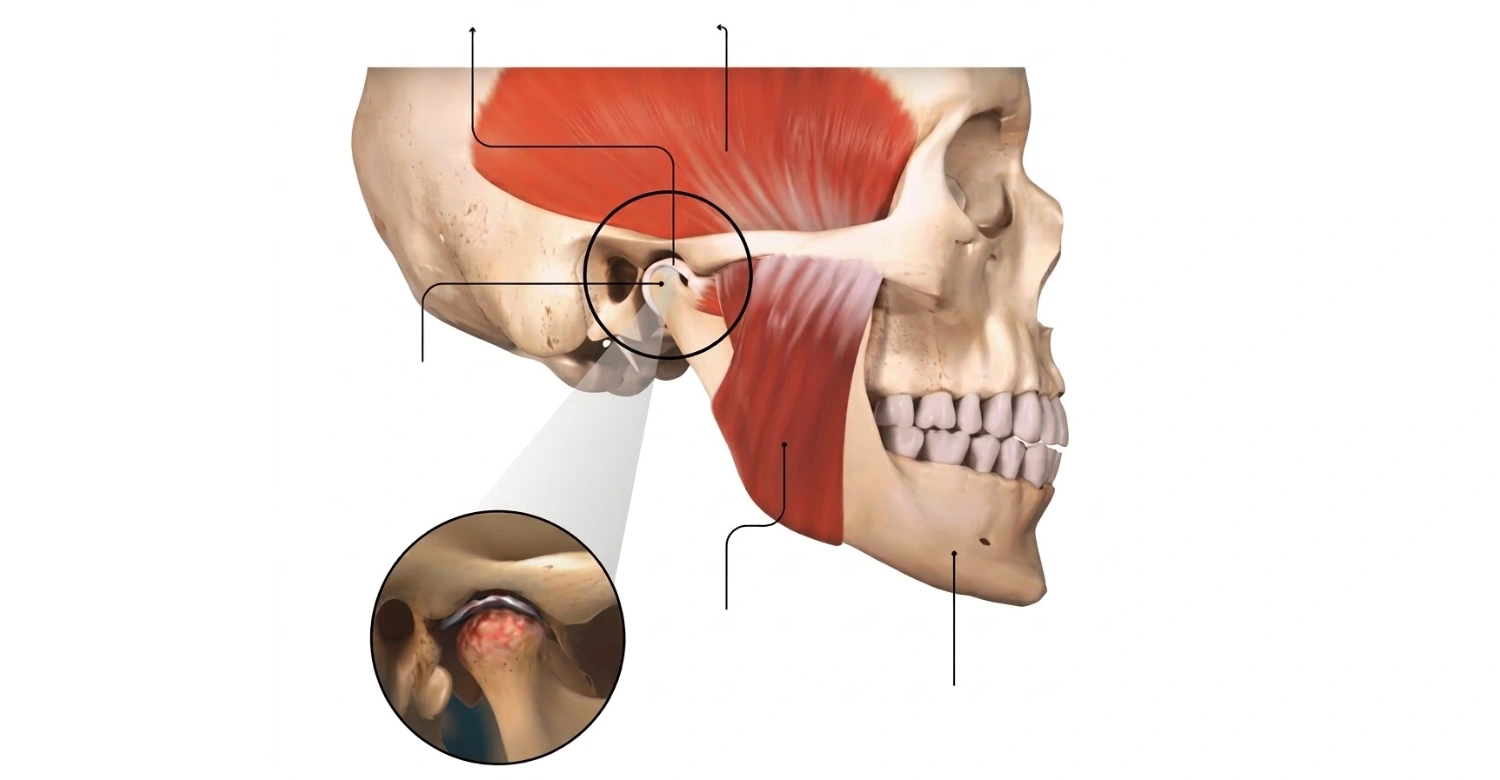
TMJ disorder is a leading cause of jaw pain when waking up. It refers to problems affecting the joint and muscles that connect the lower jaw to the skull. It can develop from injury, joint wear, or chronic clenching. It often produces pain that is worse in the morning or after heavy jaw use.
TMJ Pain and Jaw Pain
TMJ pain is a specific type of jaw discomfort. It originates in the temporomandibular joint, the hinge connecting the jawbone to the skull. This pain can stem from genetics, arthritis, or jaw injury. These two often overlap, since joint irritation is one of the most frequent reasons people report jaw pain.
Temporomandibular Joint Disorder Symptoms
TMJ disorder can cause pain, clicking or popping sounds, restricted jaw movement, and trouble chewing. TMJ disorders commonly begin between ages 20 and 40. They are roughly twice as common in women as in men.
Dental Problems
Dental problems are a common but often overlooked source of jaw pain. Untreated decay, infection, or inflammation around the teeth and gums can radiate outward into the jaw. This can be mistaken for a joint or muscle issue rather than a dental one.
Cavities and Jaw Pain
Cavities and jaw pain are connected when tooth decay progresses deep enough to irritate the nerve or surrounding tissue. As decay advances, the resulting inflammation can radiate outward. It can be felt beyond a single tooth.
Gum Disease and Jaw Pain
Gum disease and jaw pain are linked. Untreated infection in the gums can spread toward the bone that supports the teeth and jaw. Gum infections caused by poor dental care are a recognized cause of this discomfort. Untreated gum disease can progress to affect the supporting bone.
Periodontitis and Jaw Pain
Periodontitis is the advanced stage of gum disease. Periodontitis and jaw pain frequently appear together once inflammation reaches the deeper supporting tissue. Left untreated, this process can affect the bone. It can also increase the risk of chronic discomfort and tooth loss.
Sinus Inflammation and Jaw Pain
The upper jaw sits close to the maxillary sinuses. Sinus inflammation and jaw pain often occur at the same time. When the sinus lining swells, the pressure can radiate downward into the jaw and upper teeth. This closely mimics a dental problem.
Sinus Infection and Jaw Pain
A sinus infection and jaw pain are commonly reported together. Inflamed sinuses sit directly above the upper jaw and back teeth. The roots of the upper teeth sit very close to, or can even extend into, this sinus cavity. This discomfort often affects both sides of the face. It tends to worsen with congestion, bending forward, or first thing in the morning.
Wisdom Teeth and Jaw Pain
Wisdom teeth and jaw pain are frequently connected, especially when these last molars lack room to erupt properly. As wisdom teeth push against neighboring teeth, bone, and soft tissue, the resulting pressure is often felt in the jaw.
Impacted Wisdom Teeth and Jaw Pain
Impacted wisdom teeth and jaw pain are particularly associated with upper wisdom teeth positioned close to the sinus cavity. Pressure or inflammation around the roots of an impacted tooth can create discomfort. This discomfort often worsens at night or while chewing.
Sleeping Position and Jaw Pain
Sleeping position and jaw pain are related. Certain positions, like sleeping face-down or with pressure on one side, can strain the joint over time. This sustained pressure can contribute to the soreness many people notice after waking up.
Note: All images used are for editorial and illustrative purposes only and may not originate from the original news provider or associated company. Everything you need to know about chewing on one side of mouth
Problems Caused by Jaw Pain When Waking Up
When jaw pain is left unaddressed, it can lead to secondary issues. These affect both oral health and daily comfort.
Tooth Damage From Bruxism
Ongoing grinding can wear down enamel and flatten the chewing surfaces of teeth. In some cases it can cause fractures or chips. All of this can intensify the underlying discomfort over time.
Difficulty Chewing and Opening the Mouth
Persistent discomfort can make normal activities like chewing, yawning, or speaking uncomfortable. Some people develop a limited range of motion in the jaw.
Persistent TMJ Symptoms
Without proper management, TMJ-related jaw pain can become a long-term issue. It can involve clicking, stiffness, and recurring flare-ups that affect quality of life.
Headaches and Facial Muscle Tension
This type of discomfort is frequently accompanied by tension headaches. The muscles used for clenching and grinding are closely connected to the muscles around the temples and scalp.
Problems From Untreated Dental or Gum Disease
When dental decay or gum disease is left untreated, the infection can spread to deeper tissue. This increases the severity of jaw pain and raises the risk of tooth loss. Read more about chronic venous insufficiency and periodontal health
Patient's Perspective on Jaw Pain When Waking Up
For most patients, jaw pain is first noticed as an inconvenience right after waking. Only later is it understood as a sign of an underlying condition. Looking at the experience from the patient's side helps explain what the discomfort feels like and how it affects daily life. It also shows which symptoms should not be ignored.
Why Does My Jaw Hurt When I Wake Up?
Morning jaw pain usually results from muscle activity or pressure that built up overnight. Grinding, clenching, sinus congestion, or an awkward sleeping position can all strain the jaw for hours during sleep. The jaw stays still and under pressure all night. So the discomfort is often most noticeable right after waking, before movement helps relax the muscles.
What Does Morning Jaw Pain Feel Like?
Patients often describe it as a dull ache, tightness, or soreness around the jaw joint or muscles near the ears. Some notice stiffness that makes it harder to open the mouth fully right after waking. Others feel tenderness when chewing breakfast, or a mild headache during the first hour of the day.
How Jaw Pain Can Affect Daily Activities
This condition can make everyday actions like eating, talking, and yawning uncomfortable. It may also disrupt concentration, especially when the pain lingers into work or school hours. In more persistent cases, people may unconsciously avoid chewing on one side. This can create additional strain over time.
Symptoms Patients Should Pay Attention To
Patients should note discomfort that occurs alongside swelling, fever, or difficulty opening the mouth. The same is true for pain that spreads to the ear or neck. Pain that worsens over days, or that is limited to one specific tooth, deserves particular attention. It may point to a dental rather than muscular cause. Learn more about daytime mouth guard for clenching teeth
Doctor's Perspective on Jaw Pain When Waking Up
From a clinical standpoint, jaw pain is treated as a symptom with multiple possible origins, not a single diagnosis. A dentist works through the history, examination, and imaging systematically. This way, treatment targets the actual cause instead of just masking the discomfort.
How Jaw Pain Is Diagnosed
Diagnosing this condition starts with a detailed history. This includes when the pain occurs and whether it is worse in the morning. It also covers whether it is linked to chewing, stress, or sleep. This history helps narrow down whether the cause is muscular, joint-related, dental, or sinus-related.
Dental and Jaw Examination
A clinical examination typically involves checking the teeth for wear patterns consistent with grinding. It also includes assessing gum health and gently examining the jaw joint for clicking, tenderness, or restricted movement. This step helps distinguish a dental cause from a TMJ-related one.
When Dental X-Rays or Imaging May Be Needed
Dental X-rays or imaging may be recommended when the cause is not clear from the exam alone. This applies when cavities, impacted wisdom teeth, or bone-level changes from periodontitis are suspected.
How the Underlying Cause Determines Treatment
Jaw pain can stem from several different sources. Treatment is tailored to the underlying cause, not just the symptom. Discomfort caused by grinding is managed differently than discomfort caused by a sinus infection or an infected tooth. Explore more on dental care for cleft lip and palate
Jaw Pain Treatment
Jaw pain treatment depends heavily on identifying what is driving the discomfort. A mouthguard will not help a sinus infection, and antibiotics will not stop nighttime grinding.
Treatment for Jaw Pain Caused by Bruxism
Treatment for bruxism-related jaw pain focuses on protecting the teeth and reducing muscle strain. This usually combines a protective device worn at night with daytime habits that lower overall jaw tension.
Mouthguard for Jaw Pain
A custom mouthguard for jaw pain is one of the most widely recommended treatments for bruxism. A custom-fitted mouth guard protects the teeth and eases the strain that grinding places on the jaw.
Treatment for TMJ-Related Jaw Pain
Treatment for TMJ-related jaw pain generally starts with conservative, non-surgical options. These aim to reduce joint strain and muscle tension. Most patients see noticeable improvement through targeted exercises, relaxation techniques, and simple lifestyle adjustments before any advanced treatment is considered.
Jaw Exercises
Jaw exercises can improve flexibility and reduce tension in the muscles surrounding the temporomandibular joint. They ease TMJ-related discomfort over time when performed consistently and correctly.
Relaxing the Jaw Muscles
Techniques such as gentle stretching, warm compresses, and avoiding excessive jaw movement can help relax the jaw muscles. This reduces the intensity of TMJ-related symptoms.
Treatment for Dental Causes
When the underlying issue is a cavity or infected tooth, dental treatment addresses the source directly. This may mean a filling, root canal, or extraction, and it typically resolves the discomfort.
Treatment for Wisdom Tooth-Related Pain
If impacted wisdom teeth are the cause, treatment often involves monitoring. Extraction is used when the tooth causes persistent pressure, infection, or pain that does not resolve on its own.
Treatment for Gum Disease
Treating gum disease typically involves professional cleaning to remove plaque and tartar. Improved oral hygiene helps reduce the inflammation contributing to the discomfort.
Managing Sinus-Related Jaw Pain
When sinus inflammation is the underlying cause, reducing congestion often relieves the discomfort as swelling goes down. Hydration, saline rinses, or medical treatment of the sinus infection can all help. Discover more about digital dental implants
When Is Jaw Pain Serious and Requires a Checkup?
Not every case of jaw pain requires urgent care. Certain patterns and symptoms signal that a professional evaluation should not be delayed. Knowing the difference between manageable discomfort and a warning sign helps patients decide when to seek prompt attention.
When to See a Dentist for Jaw Pain
A dentist should be consulted when discomfort lasts more than a few days, keeps returning, or interferes with eating. The same is true if it is accompanied by visible dental damage or gum changes. Dive deeper into drill free tooth decay treatment
Warning Signs That Require Prompt Medical Attention
Certain symptoms alongside jaw pain should not be ignored and may require urgent evaluation:
Severe or worsening pain
Facial swelling
Fever
Difficulty swallowing or breathing
Pus or signs of infection
Difficulty opening the mouth
Jaw pain following significant trauma
When the Patient Should Rest
Rest plays a supportive role in easing jaw pain, particularly when the cause is muscular rather than an active infection. Knowing when rest is appropriate, and which activities to avoid, helps prevent the discomfort from getting worse.
When Rest Can Help Jaw Pain
Rest can be genuinely helpful when the discomfort is related to muscle overuse, mild grinding, or general jaw fatigue. It gives the muscles and joint time to recover from strain.
Activities to Avoid During Jaw Pain
While the jaw is recovering, it helps to avoid activities that place unnecessary strain on it:
Chewing gum
Hard or chewy foods
Excessive jaw movement
Clenching the teeth
Rest Tips for Jaw Pain When Waking Up
Simple daily habits can meaningfully reduce jaw pain while the underlying cause is being treated. The following tips aim to lower strain on the jaw so healing is not slowed down by everyday habits.
Eat Soft Foods Temporarily
Choosing soft foods reduces the workload on the jaw muscles and joint. This can meaningfully ease jaw pain while healing takes place.
Keep the Jaw Relaxed
Consciously keeping the jaw relaxed rather than clenched throughout the day can prevent additional strain. It also reduces ongoing discomfort.
Avoid Excessive Jaw Movement
Limiting wide yawning, prolonged talking, or chewing tough foods gives an inflamed jaw joint or muscle a chance to settle.
Use a Warm Compress When Appropriate
A warm compress applied to the jaw can help relax tense muscles. It provides temporary relief from discomfort caused by muscle tension.
Pay Attention to Nighttime Clenching
Many cases trace back to nighttime clenching or grinding. Being mindful of this habit, and addressing it with a mouthguard if needed, is an important part of long-term relief.
Follow Professional Treatment Recommendations
Stick to the treatment plan recommended by a dental professional. Do not stop early once symptoms ease. This helps prevent the problem from returning. Read the full article on full arch dental implants
About Vitrin Clinic
Vitrin Clinic approaches jaw pain as a symptom that requires proper evaluation before treatment, rather than assuming a single cause. The following notes reflect what the clinical team observes when patients present with recurring morning jaw pain.
What We Notice Clinically
At Vitrin Clinic, our clinical observations align with the wider dental literature. Jaw pain that appears specifically after sleep is rarely caused by a single, isolated factor. Dr. Rifat Alsaman, Head of the Medical Team at Vitrin Clinic and a Cosmetic Dentist, stresses that finding the true source of morning discomfort is essential. Bruxism, TMJ disorder, dental infection, gum disease, sinus inflammation, and wisdom tooth impaction can all present with very similar symptoms. Recurring discomfort after sleep is clinically significant. It often reflects a pattern, such as nightly clenching, rather than a one-time event. This is why a proper evaluation matters before starting treatment.
Clinical Note
Morning jaw pain does not automatically mean a person has TMJ disorder or bruxism. Other causes, including dental decay, periodontal disease, sinus inflammation, or an impacted wisdom tooth, can produce nearly identical symptoms. A professional evaluation is the only reliable way to confirm the underlying cause. Find out more about good bacteria in mouth
Tips for the Patients
Avoid excessive chewing
Monitor clenching and grinding
Maintain a relaxed jaw position
Seek evaluation for persistent or recurrent pain
Follow the recommended treatment plan
Resources
pennmedicine.org – How to Manage TMJ Jaw Pain
painnews.stanford.edu – Understanding TMD Jaw Pain Relief
urmc.rochester.edu – TMJD Services
patiented.uofmhealth.org – Patient Education Search
pmc.ncbi.nlm.nih.gov – PMC13515895
pmc.ncbi.nlm.nih.gov – PMC9674566
FAQs

Dr. Rifat Alsaman has more than 5 years of clinical experience in dentistry and currently serves as the Head of the Medical Team at Vitrin Clinic. He is dedicated to providing exceptional patient care, overseeing treatment planning, and ensuring the highest clinical standards across the team. His expertise, attention to detail, and commitment to continuous professional development have helped countless patients achieve healthier, more confident smiles.


