Dental Implant
September 24, 2026
Are Ankylosing Spondylitis and Dental Implants Compatible?
 Dr. Rifat Alsaman
Yes, in many cases ankylosing spondylitis and dental implants are compatible. The condition does not automatically rule out implant treatment. However, disease activity, medications, jawbone quality, and gum health must be carefully evaluated. With personalised planning and regular follow-up, many patients can enjoy stable, long-lasting implant results.
What Is Ankylosing Spondylitis?
Ankylosing spondylitis is a chronic inflammatory condition that mainly affects the spine and the joints where the spine meets the pelvis. Over time, inflammation can cause stiffness and reduced flexibility. Understanding the disease is the first step when discussing ankylosing spondylitis and dental implants, because general health shapes every dental treatment decision.
How Does Ankylosing Spondylitis Affect the Body?
The condition causes inflammation in the spinal joints and ligaments. This may lead to pain, stiffness, and in some cases fusion of the vertebrae. It can also affect other joints, the eyes, and occasionally the jaw joint. Because of these wider effects, dental teams consider your whole health, not just your teeth, before recommending treatment.
What Are the Common Symptoms of Ankylosing Spondylitis?
Common symptoms include lower back pain, morning stiffness that improves with movement, fatigue, reduced spinal mobility, and pain in the hips or shoulders. Some patients experience eye inflammation or jaw discomfort. When planning implant treatment, your dentist will ask about these symptoms so that appointments can be arranged to be comfortable, safe, and suited to your needs.
Can Ankylosing Spondylitis Affect Oral Health?
Yes, it can. Some people develop stiffness in the temporomandibular joint, which may limit how wide they can open their mouth. Research has also suggested a link between the condition and gum disease. Reduced hand or neck mobility can make brushing harder. These oral factors matter in any discussion about implant treatment and long-term implant care.
Learn more about the cost of a tooth filling
Can You Get Dental Implants With Ankylosing Spondylitis?
In many cases, yes. If you are wondering can you get dental implants with ankylosing spondylitis, the answer depends on your overall health, disease activity, medications, and jawbone quality. Ankylosing spondylitis and dental implants can work together successfully when treatment is carefully planned and your dental and medical teams communicate well.
Are Dental Implants Safe for Patients With Ankylosing Spondylitis?
Dental implants with ankylosing spondylitis are generally considered a reasonable option for suitable patients. Safety depends on stable disease control, good oral hygiene, healthy gums, and adequate bone. A thorough evaluation helps identify any risks early, so treatment can be approached with confidence rather than fear. Honest communication with your dental team makes a real difference to the outcome.
What Factors Determine Whether Dental Implants Are Suitable?
Key factors include disease activity, medications such as biologics or corticosteroids, bone density, gum health, and smoking habits. Your ability to open your mouth comfortably and sit in the dental chair also matters. Reviewing these points helps your dental team decide whether ankylosing spondylitis and dental implants are the right combination for you.
Clinical Note
Ankylosing spondylitis does not automatically prevent dental implant treatment. However, each patient's medical history and individual risk factors should be evaluated before surgery.
Find out about hemochromatosis and dental extractions
How Does Ankylosing Spondylitis Affect Dental Implant Surgery?
The condition may influence surgery through limited neck or jaw movement, medication effects on healing, and ongoing inflammation. None of these automatically prevent treatment, but they shape how surgery is planned. Understanding these factors in the context of implant surgery helps patients prepare and helps the dental team deliver safer, more comfortable care.
Ankylosing Spondylitis and Dental Implant Surgery
Ankylosing spondylitis and dental implant surgery may require extra planning around positioning, because spinal stiffness can make lying back uncomfortable. Shorter appointments, supportive cushions, and adjusted chair angles can help. Coordinating with your physician about medications is also common, so your condition and your oral treatment are managed together safely and smoothly.
Dental Implants for Patients With Ankylosing Spondylitis
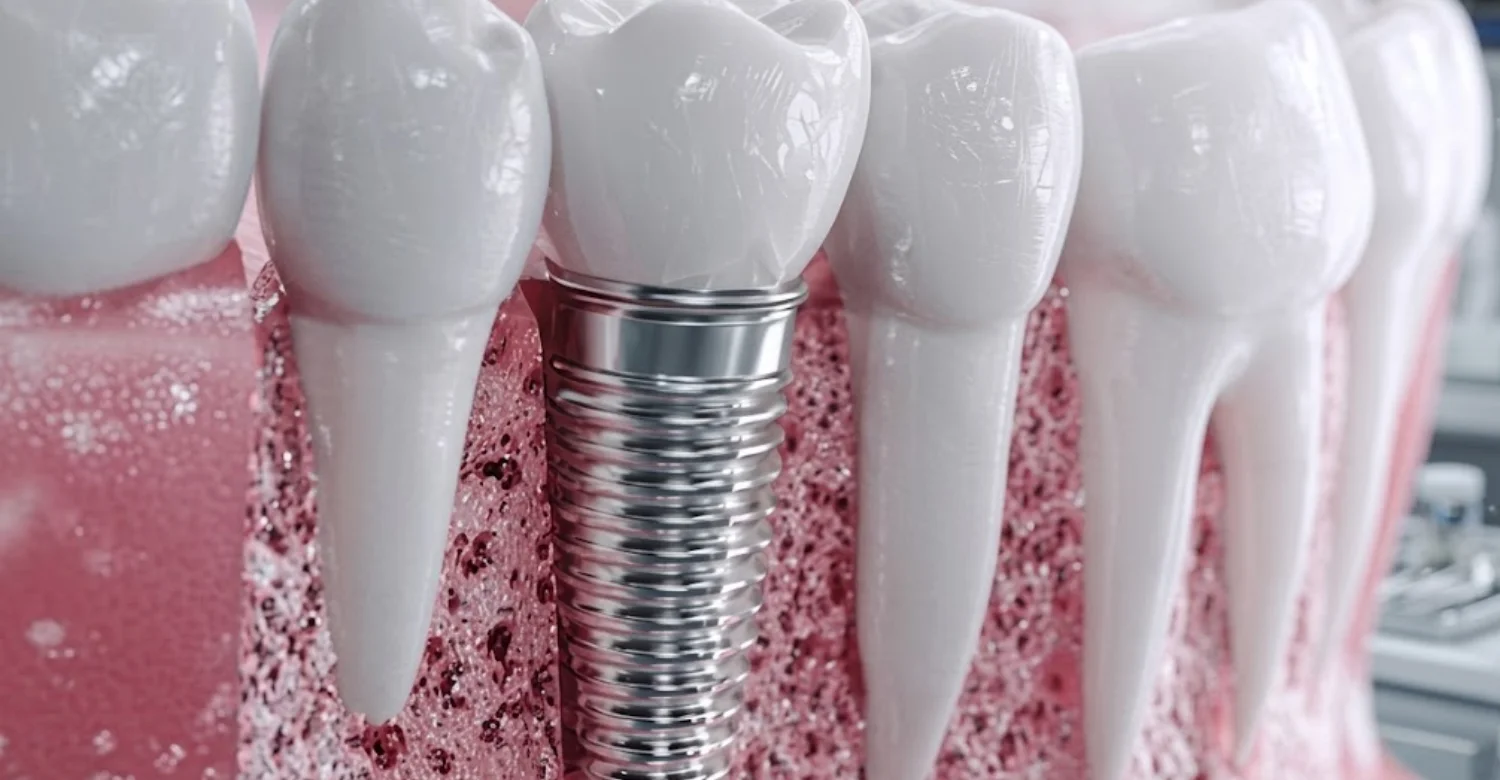
Dental implants for patients with ankylosing spondylitis follow the same basic steps as standard implant treatment: assessment, placement, healing, and restoration. The difference is closer attention to medical history, medication timing, and comfort. When approached thoughtfully, ankylosing spondylitis and dental implants can lead to durable, functional results for many patients.
How Is Implant Treatment Planned for Patients With Ankylosing Spondylitis?
Planning combines medical and dental information into one clear strategy. Your dentist reviews your health history, examines your mouth, takes imaging, and discusses your goals with you. For patients with this condition, planning may also include input from their physician to confirm that the timing is appropriate for surgery and that healing conditions are favourable.
Medical History and Medication Review
Your dentist will review your diagnosis, disease activity, and all medications, including anti-inflammatories, biologics, and steroids. Some drugs may affect healing or infection risk, so timing adjustments may be discussed with your physician. This review is a central step in safely managing your condition and your implant treatment together.
Bone and Oral Health Assessment
X-rays or 3D scans help assess jawbone volume and density, while a gum examination checks for inflammation or infection. Any gum disease is usually treated before implants are placed. Strong bone and healthy gums give implants the best foundation for stable, long-lasting integration and reduce the chance of complications after surgery.
Implant Placement and Follow-Up
Implants are placed under local anaesthesia, with chair positioning adjusted for comfort. After placement, healing is monitored through scheduled reviews to confirm that the implant is integrating with the bone. Regular follow-up is especially valuable for patients with inflammatory conditions, because it allows early detection of any healing concerns.
Tips for the Patients
Patients should provide their dental team with complete information about their ankylosing spondylitis diagnosis, medications, previous surgeries, and any other relevant medical conditions before implant surgery.
Note : All images used are for editorial and illustrative purposes only and may not originate from the original news provider or associated company.
Explore hypogammaglobulinemia and gum disease
What Are the Risks of Dental Implants With Ankylosing Spondylitis?
Every implant procedure carries some risk, and certain factors related to this condition may need extra attention. Looking at ankylosing spondylitis and dental implants from a risk perspective helps patients make informed choices. Most risks can be reduced through careful planning, good oral hygiene, medication coordination, and regular monitoring by your dental team.
Ankylosing Spondylitis Dental Implant Risks
Ankylosing spondylitis dental implant risks may include slower healing, a higher infection risk with certain medications, and difficulty keeping the mouth open during treatment. Reduced bone density in some patients may also matter. Identifying these risks early allows the dental team to adapt the treatment plan and choose the safest approach for each patient.
Dental Implant Complications With Ankylosing Spondylitis
Dental implant complications ankylosing spondylitis patients might face are similar to those seen in other patients: infection, inflammation around the implant, delayed healing, or implant failure. Some medications or active inflammation could increase these risks. Close monitoring and good home care help keep implant treatment on a successful path.
Can Inflammation Affect Dental Implant Healing?
Inflammation plays a role in how tissues heal after surgery. Active systemic inflammation or gum inflammation may slow recovery around the implant. For this reason, dentists often prefer to operate when the condition is stable. Managing inflammation is therefore an important part of implant treatment planning for patients with this condition.
Clinical Note
Potential complications can include the usual risks associated with dental implant surgery, such as infection, delayed healing, inflammation, or implant failure. The presence of ankylosing spondylitis may require additional medical consideration rather than automatically ruling out implants.
Discover the connection between cardiometabolic disease and oral health
Is Ankylosing Spondylitis an Autoimmune Disease That Affects Dental Implants?
Ankylosing spondylitis is an immune-mediated inflammatory disease and is often grouped with autoimmune conditions. It is strongly associated with the HLA-B27 gene. This immune involvement is why ankylosing spondylitis and dental implants are discussed alongside other immune-related conditions, although the disease itself does not automatically prevent successful implant treatment.
Ankylosing Spondylitis and Dental Implants
Looking specifically at ankylosing spondylitis and dental implants, the main concerns relate to inflammation, medication use, and physical limitations rather than the diagnosis alone. Ankylosing spondylitis dental implants can integrate well with the bone when the patient's condition is stable and oral health is maintained through consistent hygiene and regular dental visits.
Dental Implants and Autoimmune Disease
Dental implants and autoimmune disease can often coexist successfully when the condition is well managed. Immunosuppressive medications, steroid use, and inflammatory activity are the main considerations. Each case is individual, so dentists assess the whole picture. This approach applies to ankylosing spondylitis as well as to other immune-related conditions.
Does Systemic Inflammation Affect Implant Treatment?
Systemic inflammation may affect healing, bone remodelling, and gum health, all of which can influence implant stability. Some biologic medications reduce inflammation but may slightly affect infection risk. Your dental and medical teams can coordinate care to balance these factors and help implant treatment achieve the most predictable outcome possible.
Learn about Lyme disease and oral health
How Is Dental Implant Treatment Planned for Patients With Ankylosing Spondylitis?
Treatment planning follows a step-by-step process that starts with evaluation and ends with a tailored implant plan. Each stage considers both dental needs and general health. For ankylosing spondylitis and dental implants, this structured approach ensures nothing is overlooked, from medication reviews to jaw mobility and bone quality.
Initial Dental and Medical Evaluation
The first visit includes a full dental examination, a discussion of your symptoms, and a review of your medical history. The dentist may request information from your rheumatologist or physician. This evaluation creates a clear starting point for treatment and helps set realistic expectations about timing, comfort, and results.
Checking Jawbone and Gum Health
Imaging shows whether there is enough bone to support an implant and whether bone grafting may be needed. Gum health is checked for signs of periodontal disease, which should be treated first. Healthy supporting tissues are essential, making this one of the most important steps in successful implant planning.
Reviewing Medications Before Dental Surgery
Medications such as NSAIDs, corticosteroids, biologics, or other disease-modifying drugs may influence bleeding, healing, or infection risk. Never stop any medication without medical advice. Your dental team may coordinate with your physician on timing. Careful medication review keeps your implant treatment as safe as possible.
Choosing the Appropriate Implant Treatment
Options may include single implants, implant-supported bridges, or implant-retained dentures, depending on how many teeth are missing and the condition of your bone. Comfort during longer procedures is also considered. Choosing the right option ensures your restoration delivers function, appearance, and long-term stability suited to your needs.
Tips for the Patients
Maintaining good oral hygiene, attending dental assessments, following postoperative instructions, and keeping healthcare providers informed can support a safer treatment process.
Find out what can cause a swollen roof of the mouth
What Should You Know About Ankylosing Spondylitis and Dental Surgery?
Ankylosing spondylitis and dental surgery can be managed safely with the right preparation. Beyond implants, the same principles apply to extractions, gum surgery, and bone grafting. Understanding implant care within this wider surgical context helps patients feel prepared for any procedure their dental team recommends.
Can You Have Dental Surgery With Ankylosing Spondylitis?
Yes, most patients can have dental surgery. The team may adjust chair positioning, schedule shorter sessions, and plan around medications. If jaw movement is limited, techniques may be adapted to reduce strain. These practical steps apply to implant placement as well as routine surgical procedures such as extractions.
What Should Patients Tell Their Dentist Before Surgery?
Share your diagnosis, current symptoms, all medications and supplements, previous surgeries, allergies, and any jaw or neck stiffness. Mention recent flare-ups or changes to treatment. Complete information allows safer decisions about anaesthesia, timing, and aftercare, and it is essential for successful implant planning.
Does Ankylosing Spondylitis Affect Recovery After Dental Surgery?
Recovery may be slightly slower in some patients, particularly during flare-ups or when taking medications that affect healing. Most patients recover well with good aftercare. Following instructions, maintaining oral hygiene, and attending review appointments help ensure implants heal comfortably and predictably without unnecessary complications.
Clinical Note
The timing and type of dental surgery should be considered according to the patient's current health status, medications, oral condition, and treatment plan.
What Are the Alternatives to Dental Implants for Patients With Ankylosing Spondylitis?
Implants are not the only way to replace missing teeth. When ankylosing spondylitis and dental implants are not ideal together because of bone, medication, or health factors, other options can still restore function and appearance. Your dentist will explain the advantages and limitations of each alternative based on your situation.
Dental Bridges
A bridge replaces one or more missing teeth by attaching artificial teeth to neighbouring natural teeth. It requires no surgery, which may suit patients who prefer to avoid surgical procedures. Bridges are a useful alternative when implants are not recommended at a particular time or when bone support is limited.
Removable Dentures
Partial or full dentures are removable options that replace missing teeth without surgery. They are often more affordable and easy to adjust. However, patients with limited hand mobility may find them harder to handle. Dentures remain a practical choice when implants are unsuitable or need to be delayed.
When Might an Alternative Be Considered?
Alternatives may be considered if bone volume is insufficient, gum disease is uncontrolled, disease activity is high, or certain medications raise surgical risk. Personal preference and budget also matter. Discussing all options helps patients make an informed decision about implants versus non-surgical solutions.
Discover how sleeping with your mouth open can affect your teeth
What Should Patients Expect During Dental Implant Recovery?
Recovery after implant surgery usually happens in stages, from initial healing to full bone integration over several months. Knowing what to expect reduces anxiety. For ankylosing spondylitis and dental implants, recovery follows the same general pattern, with extra attention to comfort, inflammation control, and regular professional monitoring.
The First Days After Implant Surgery
Mild swelling, tenderness, and minor bleeding are normal in the first few days. Soft foods, prescribed pain relief, gentle rinsing, and rest support recovery. Avoid smoking and hard or crunchy foods. These early days are important because they set the stage for proper healing and implant stability.
Monitoring Healing and Implant Stability
Over the following weeks and months, the implant fuses with the jawbone through a process called osseointegration. Your dentist checks stability, gum health, and signs of infection. Careful monitoring helps the implant achieve secure integration before the final crown or restoration is fitted.
Follow-Up Dental Visits
Follow-up visits allow the dental team to track healing, clean around the implant, and address concerns early. In the long term, regular check-ups and hygiene appointments protect the implant and surrounding gums. Consistent follow-up is a key habit for anyone who wants their implants to last many years.
Clinical Note
Healing varies between patients. Regular follow-up allows the dental team to monitor the surgical site and identify potential complications early.
How Can Vitrin Clinic Help Patients With Ankylosing Spondylitis?
Vitrin Clinic offers careful, patient-focused implant care for people living with this condition. Every plan begins with understanding your health and goals. When it comes to ankylosing spondylitis and dental implants, the Vitrin Clinic team combines thorough evaluation, modern imaging, and individualised planning to support safe, confident treatment.
Personalized Dental Implant Evaluation
At Vitrin Clinic, each patient receives an evaluation tailored to their medical background, symptoms, and dental needs. The team takes time to understand how your condition affects daily life and oral health, so that your general health and your implant needs are assessed together rather than as separate issues.
Comprehensive Oral and Dental Assessment
The assessment includes an examination of the teeth, gums, jaw function, and bone support, often with imaging. Any existing problems, such as gum disease, can be addressed first. This comprehensive approach gives implant treatment at Vitrin Clinic a strong, well-prepared foundation for lasting results.
Individualized Implant Treatment Planning
Treatment plans at Vitrin Clinic consider implant type, timing, comfort needs, and medication factors. Each plan is explained clearly so patients understand every step before it begins. This individualised approach helps treatment feel manageable, predictable, and aligned with your overall health priorities.
What We Notice Clinically
At Vitrin Clinic, the medical team focuses on evaluating each patient's individual dental and medical circumstances before developing an appropriate treatment plan.
Tips for the Patients
Vitrin Clinic patients should provide their complete medical history and current medication information so the dental team can take relevant health considerations into account when planning treatment.
About Vitrin Clinic
Vitrin Clinic offers patients with ankylosing spondylitis a complete implant care journey. It starts with a personalised evaluation and a comprehensive oral assessment, followed by individualised implant planning, placement, and regular follow-up. When ankylosing spondylitis and dental implants are not suitable together, the team discusses alternatives such as dental bridges or removable dentures.
Explore the different stages of tooth decay
Resource:
https://pubmed.ncbi.nlm.nih.gov/23559963/
https://pmc.ncbi.nlm.nih.gov/articles/PMC11416833/
https://pmc.ncbi.nlm.nih.gov/articles/PMC13311374/
FAQs
Dr. Rifat Alsaman has more than 5 years of clinical experience in dentistry and currently serves as the Head of the Medical Team at Vitrin Clinic. He is dedicated to providing exceptional patient care, overseeing treatment planning, and ensuring the highest clinical standards across the team. His expertise, attention to detail, and commitment to continuous professional development have helped countless patients achieve healthier, more confident smiles.


