Periodontics
September 8, 2026
Can Hypogammaglobulinemia and Gum Disease Affect Your Oral Health?
 Dr. Rifat Alsaman
Hypogammaglobulinemia and Gum Disease are often mentioned together. The reason is simple: low antibody levels are thought to weaken how the mouth defends itself against bacteria. Yet the real relationship is more nuanced than a simple cause-and-effect. This article looks at what the evidence actually shows. It explains how low immunoglobulin levels may connect to gum problems, and what patients can do to protect their oral health, with guidance from Vitrin Clinic along the way.
What Is Hypogammaglobulinemia and How Can It Affect Gum Health?
This condition and gum health are frequently discussed together. Saliva relies on antibodies to help control oral bacteria. When immunoglobulin levels drop, that natural defense may weaken. Research on how consistently this translates into visible gum problems remains mixed rather than definitive.
What Does Hypogammaglobulinemia Mean?
Hypogammaglobulinemia refers to reduced levels of immunoglobulins, most often IgG. Sometimes IgA or IgM are lower as well. It occurs in conditions such as Common Variable Immunodeficiency and selective IgA deficiency. This antibody shortage can affect the body's ability to fight infection, including within the mouth. That is why Hypogammaglobulinemia and Gum Disease are sometimes discussed side by side.
How Does Low Immunoglobulin Affect the Mouth?
Saliva normally contains IgA, which binds bacteria before they can colonize the gums and teeth. Low immunoglobulin and gum disease research suggests this protective layer can be reduced. When that happens, oral bacteria may have more opportunity to persist. This may contribute to inflammation, dryness, or slower healing of oral tissue.
What Is the Connection Between Low Antibody Levels and Gum Disease?
The connection is biologically plausible but not consistently proven in humans. Some studies link antibody deficiency to more caries and periodontal disease. Others found the opposite, or no meaningful difference at all. Overall, this link appears clearer in theory than it is confirmed in everyday clinical outcomes.
Get the details on tingling of the mouth
Can Hypogammaglobulinemia Cause Gingivitis?
Gingivitis is a possible, though not guaranteed, feature of Hypogammaglobulinemia and Gum Disease discussions. Reduced antibody protection may make gum tissue more reactive to plaque. Even so, ordinary risk factors like hygiene habits usually play a larger role in whether gingivitis actually develops.
What Are the Signs of Hypogammaglobulinemia and Gingivitis?
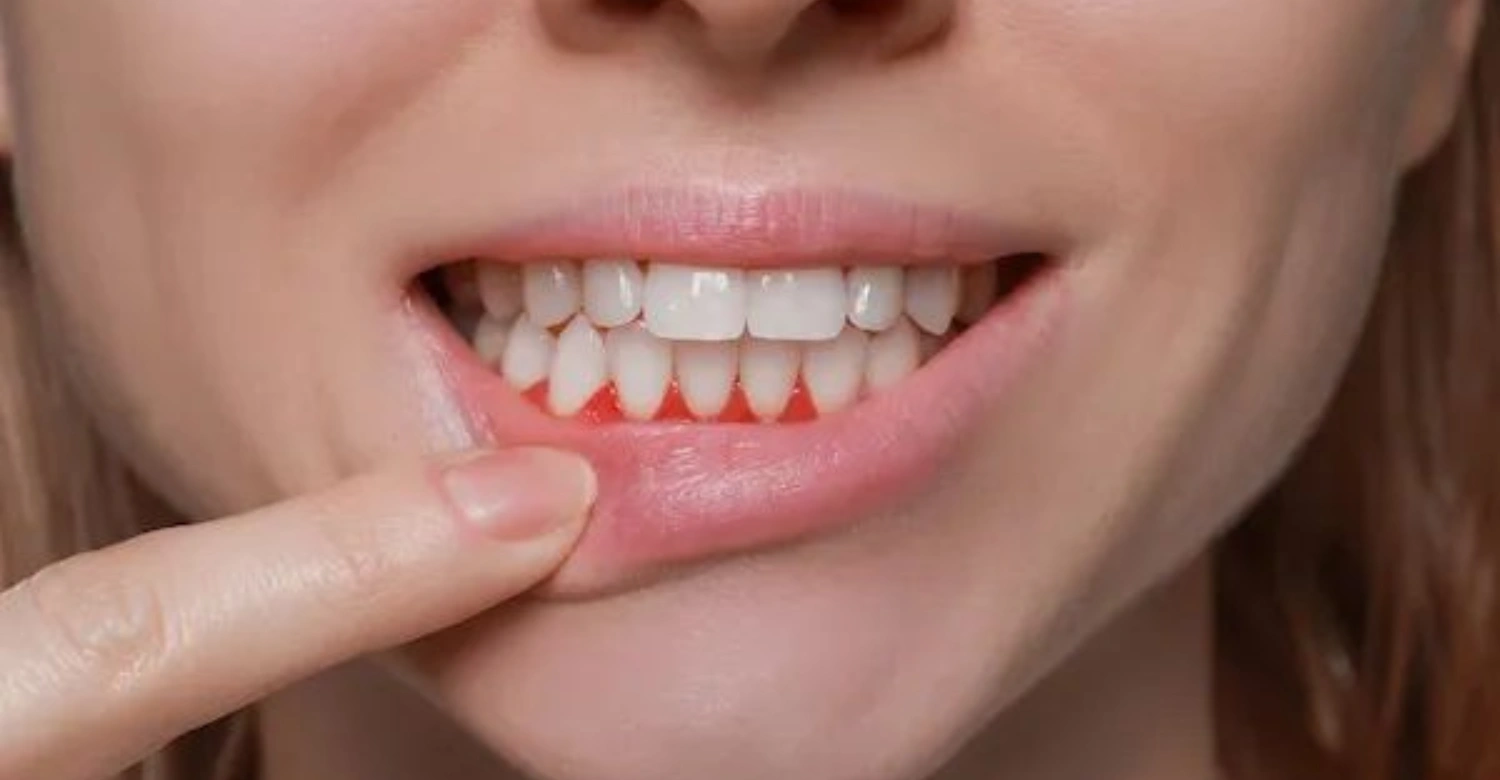
Hypogammaglobulinemia and gingivitis may present with redness, puffiness, and easy bleeding of the gums. This is especially noticeable during brushing or flossing. Some patients also report tenderness or a persistent bad taste. These signs are not unique to immune deficiency. Still, they warrant closer attention when a patient's antibody levels are already known to be low.
Why Can Low Immunoglobulin Increase the Risk of Gum Inflammation?
With less circulating and salivary antibody support, bacterial plaque may be cleared less efficiently from the gumline. This can allow low-grade inflammation to persist longer than usual. Over time, it may gradually increase sensitivity and reactivity of the surrounding gum tissue.
How Is Hypogammaglobulinemia and Gingivitis Diagnosed?
Diagnosis combines a standard dental gum examination with knowledge of the patient's immune history. Dentists look for bleeding on probing, swelling, and plaque buildup. They then interpret these findings alongside known immunoglobulin levels. Gingivitis patterns in these patients may look slightly different from gingivitis in immunocompetent patients.
What Symptoms Should Patients Watch For?
Patients should watch for gums that bleed easily, look swollen or shiny, or feel tender to touch. Ongoing bad breath despite normal brushing is another warning sign. Any of these symptoms lasting more than a week or two should prompt a dental visit, rather than being dismissed as temporary irritation.
Clinical Note
Gum redness, swelling, bleeding, tenderness, and persistent bad breath should not be ignored, particularly when a patient has an underlying immune deficiency.
Tips for the Patients
Patients should maintain consistent brushing and flossing, schedule regular dental examinations, and seek professional care when gum bleeding or inflammation persists.
Everything you need to know about tinnitus and teeth
Can Hypogammaglobulinemia Lead to Periodontitis?
Periodontitis is the more advanced stage of gum disease. Its relationship to Hypogammaglobulinemia and Gum Disease research is similarly inconsistent. A weakened antibody response could theoretically allow infection to progress further. Still, human data does not uniformly show higher periodontitis rates in every hypogammaglobulinemia patient.
What Is the Connection Between Hypogammaglobulinemia and Periodontitis?
Hypogammaglobulinemia and periodontitis have been studied together because periodontitis involves deeper bacterial infection than gingivitis. Some research found higher rates of periodontal disease in antibody-deficient patients, attributed to reduced salivary IgA. Other studies found no such increase. This shows the link is possible but not universal.
Can Low IgG Increase the Risk of Periodontal Disease?
Low IgG and gum disease have a plausible mechanistic link. IgG supports the body's broader immune response to bacterial infection beyond the mouth's local defenses. Still, clinical evidence is mixed. Many patients with low IgG maintain periodontal health comparable to the general population when hygiene is well managed.
What Are the Oral Signs of Advanced Gum Disease?
Advanced gum disease may show gum recession, loosening teeth, and deep pockets between teeth and gums. Persistent bad breath and visible pus near the gumline are also common signs. These indicate that the bone and connective tissue supporting the teeth are being affected. This requires more than a routine cleaning to manage properly.
Can Gum Infection Become More Serious in Patients With Low Immunoglobulins?
Yes. In patients with significantly low immunoglobulins, ordinary gum infections can occasionally progress more aggressively than expected. Case reports describe severe, destructive outcomes in rare immunodeficiency scenarios. This is why these cases should be monitored closely rather than treated as routine in every situation.
Read more about tongue function
What Are the Common Hypogammaglobulinemia Oral Manifestations?
Hypogammaglobulinemia oral manifestations extend beyond the gums. They can involve the broader mouth environment. Understanding the full range helps patients and dental teams recognize when a symptom may be connected to immune status, rather than an isolated dental issue.
What Oral Problems Are Associated With Hypogammaglobulinemia?
Reported issues include dry mouth, enamel hypoplasia, and recurrent mouth ulcers. Oral thrush and altered rates of dental caries have also been noted in some studies. Not every patient experiences all of these, and severity varies widely. Recognizing the pattern helps dental teams tailor monitoring appropriately for each individual case.
Can Hypogammaglobulinemia Cause Mouth Sores or Oral Infections?
Recurrent aphthous ulcers and oral thrush are more consistently linked to hypogammaglobulinemia than ordinary gum disease is. These infections and sores can appear more frequently. They may also take longer to resolve, reflecting the immune system's reduced ability to control the organisms that normally live in the mouth.
Can Low Immunoglobulin Levels Affect Gum Healing?
Healing after gum irritation, minor injury, or dental treatment may be slower when immunoglobulin levels are low. Antibody support helps control secondary infection during tissue repair. This makes aftercare instructions especially important for patients whose history includes past healing complications.
What Dental Symptoms Should Prompt a Dental Visit?
Persistent ulcers and white patches suggesting thrush should prompt a dental visit. So should gums that will not stop bleeding, unusual pain, or a sore that has not improved after two weeks. Early evaluation helps distinguish a minor issue from one that needs closer immune-related monitoring.
Learn more about tongue thrust
How Does Hypogammaglobulinemia Affect Overall Oral Health?
Hypogammaglobulinemia and oral health intersect in ways that go beyond any single symptom. Immune function touches healing, infection control, and tissue resilience throughout the mouth. Because of this, patients with reduced immunoglobulins may need a broader view of oral care, rather than a single focus on gums alone.
Can Hypogammaglobulinemia Increase the Risk of Dental Problems?
Hypogammaglobulinemia dental problems can include a wider range of concerns. These include enamel changes and dry mouth contributing to decay. Slower resolution of minor infections is another possible concern. The overall risk is not automatically high for every patient, but it is worth factoring into a personalized dental care plan.
How Does Immune Deficiency Affect the Mouth and Gums?
Immunodeficiency and gum disease research suggests that reduced immune surveillance may allow bacteria to persist longer in the mouth. This can potentially affect gum tissue, salivary balance, and healing capacity. The effect size differs between individuals, depending on the specific immune deficiency and how well oral hygiene is maintained.
Can Poor Oral Health Make Infections More Difficult to Manage?
Yes. When oral hygiene is already poor, an existing immune deficiency can make it harder for the body to contain bacterial buildup. This can potentially prolong inflammation or infection. That is why consistent daily care becomes even more important when these risk factors are already present.
Explore more on tongue thrust open bite
Is There a Connection Between CVID and Periodontal Disease?
CVID and periodontal disease have a documented, though uncommon, connection. This comes largely from case reports of severe gum destruction. Common Variable Immunodeficiency involves impaired antibody production and is linked to recurrent infections throughout the body. This can occasionally extend to unusually aggressive periodontal presentations in the mouth.
How Can CVID Affect Gum Health?
CVID can affect gum health by reducing the antibody support that normally helps control oral bacteria. This is similar to other forms of antibody deficiency linked to gum concerns. Most patients maintain manageable gum health with good hygiene. Clinicians should still stay alert to unusually severe or fast-progressing symptoms.
What Are the Common CVID Oral Manifestations?
CVID oral manifestations reported in the literature include oral thrush and recurrent mouth ulcers. In rare documented cases, necrotizing periodontitis has been severe enough to affect all teeth. These outcomes are exceptional rather than typical. They illustrate why CVID patients benefit from closer dental observation over time.
Can CVID Increase the Risk of Gum Infections?
CVID may increase susceptibility to gum infections in some patients. Impaired antibody production limits the body's ability to contain bacterial growth. While most CVID patients do not develop severe periodontal destruction, the theoretical risk supports closer monitoring, rather than assuming gum health will remain unaffected by immune status.
How Should Patients With CVID Protect Their Gums?
Patients with CVID should follow a strict daily hygiene routine. They should also attend more frequent dental checkups than usual and report new symptoms promptly. Staying compliant with any prescribed immunoglobulin replacement therapy matters too, since consistent overall immune management supports better long-term gum health outcomes.
Clinical Note
Patients with common variable immunodeficiency may benefit from individualized dental monitoring based on their oral symptoms, immune status, and overall medical care.
Discover more about vitamin a deficiency and tooth development
How Are Gum Problems Diagnosed in Patients With Hypogammaglobulinemia?
Diagnosing gum problems in these patients follows standard dental methods, adjusted for immune history. A thorough exam, combined with awareness of a patient's antibody levels, helps dental teams interpret findings accurately. This helps them avoid mistaking an immune-related pattern for an unrelated dental issue.
What Does a Dentist Check During a Gum Examination?
A dentist checks for bleeding on probing, gum color and firmness, and pocket depth around each tooth. Plaque and tartar buildup, along with any visible recession, are also assessed. These findings together indicate whether gum tissue is healthy, mildly inflamed, or showing signs of more advanced periodontal involvement.
Are Dental X-Rays Needed to Evaluate Gum Disease?
X-rays are often needed to evaluate gum disease. They reveal bone loss around the teeth that cannot be seen during a visual exam alone. For patients with a history of Hypogammaglobulinemia and Gum Disease, X-rays help track whether bone support is stable or changing over successive visits.
How Is Periodontal Health Monitored Over Time?
Periodontal health is monitored through repeated measurements of pocket depth, bleeding patterns, and bone levels at scheduled checkups. Comparing results across visits helps identify whether treatment is working. It also shows whether a patient's condition calls for a more intensive care approach going forward.
When Should a Patient With Low Immunoglobulin See a Dentist?
A patient with low immunoglobulin should see a dentist at the first sign of gum bleeding, swelling, mouth sores, or unusual pain. They should not wait for symptoms to worsen. Regular preventive visits, rather than only symptom-driven ones, are especially valuable for this group.
Tips for the Patients
Tell your dental team about relevant immune-system conditions and medications before treatment so the dental team can consider your overall health when planning care.
Dive deeper into when to stop pacifier
How Is Hypogammaglobulinemia and Gum Disease Treated?
Treating Hypogammaglobulinemia and Gum Disease generally follows established periodontal treatment principles, adapted to the patient's immune status. There is no single specialized protocol. Closer follow-up, careful infection control, and attention to healing time are common adjustments made for antibody-deficient patients during treatment.
How Is Gingivitis Treated in Patients With Hypogammaglobulinemia?
Gingivitis is typically treated with professional cleaning to remove plaque and tartar. This is combined with reinforced home hygiene instructions. In patients with reduced immunoglobulins, dental teams may schedule more frequent follow-up visits to confirm that inflammation is resolving as expected.
How Is Periodontitis Treated When Immunoglobulin Levels Are Low?
Periodontitis treatment usually involves deep cleaning below the gumline, sometimes alongside antimicrobial support. In advanced cases, surgical intervention may be needed. When immunoglobulin levels are low, clinicians may monitor healing more closely, since these patterns can occasionally slow tissue recovery after these procedures.
Can Professional Dental Cleaning Help Control Gum Disease?
Yes. Professional dental cleaning removes hardened plaque that home brushing cannot reach. This reduces the bacterial load that drives gum inflammation. Regular cleanings are one of the most effective, low-risk tools available for managing these concerns alongside a consistent home care routine.
Can Good Oral Hygiene Reduce the Risk of Gum Infections?
Good oral hygiene meaningfully reduces the risk of gum infections. It limits the plaque bacteria that trigger inflammation in the first place. For patients with reduced immune defenses, consistent daily brushing, flossing, and professional care can offset much of the added risk associated with antibody deficiency.
Explore more on teeth hurt when sick with flu
What Dental Problems Can Be Associated With Hypogammaglobulinemia?
Beyond gum tissue itself, hypogammaglobulinemia dental problems can touch multiple areas of oral health. This ranges from enamel development to healing after treatment. Recognizing this broader picture helps patients understand why their dental care plan may look somewhat different from a standard routine checkup schedule.
Can Hypogammaglobulinemia Cause Tooth and Gum Problems?
Some studies associate hypogammaglobulinemia with enamel hypoplasia and dry mouth. These can indirectly raise the risk of decay and gum irritation. However, other research found lower rates of caries and gum disease in the same population. This underscores how inconsistent findings remain across different patient groups and studies.
Can Recurrent Oral Infections Affect Dental Health?
Recurrent oral infections, such as thrush or persistent ulcers, can affect dental health. They make the mouth more sensitive and harder to clean comfortably. Over time, this discomfort may lead patients to brush or floss less thoroughly, indirectly increasing the risk of plaque-related gum problems.
Does Low IgG Affect Gum Healing After Dental Treatment?
Low IgG and gum disease research suggests healing after dental treatment may take longer in some antibody-deficient patients. Immune support plays a role in controlling infection during tissue repair. This is not universal, but it is a reasonable consideration when planning recovery timelines.
Can Patients With Hypogammaglobulinemia Have Dental Procedures?
Yes, most patients with hypogammaglobulinemia can safely undergo routine and advanced dental procedures. Coordination between the dental team and the patient's physician helps ensure procedures are planned appropriately. Attentive aftercare also matters, given the patient's current immune status and any ongoing treatment.
Learn more about daytime mouth guard for clenching teeth
How Can Patients Prevent Hypogammaglobulinemia and Gum Disease?
Prevention centers on the same fundamentals that protect anyone's oral health, applied more consistently. Research on this topic shows uncertain risk levels overall. Because of that, disciplined daily habits and regular professional monitoring remain the most reliable ways to keep gum tissue healthy over the long term.
How Often Should Patients Have Dental Checkups?
Patients with reduced immunoglobulins often benefit from checkups every three to four months, rather than the standard six-month interval. This allows dental teams to catch early gum changes before they progress. The exact frequency should be personalized based on individual symptoms and immune status.
What Oral Hygiene Routine Is Recommended?
A recommended routine includes brushing twice daily with a soft-bristled brush and cleaning between teeth once a day. Rinsing as advised by a dental professional can help too. Consistency matters more than intensity, since gentle, thorough daily care does more to prevent gum irritation than occasional aggressive brushing.
Can Fluoride Toothpaste Help Protect Teeth?
Fluoride toothpaste helps protect teeth by strengthening enamel. This makes it more resistant to the acids produced by plaque bacteria. For patients prone to dry mouth or enamel changes linked to antibody deficiency, fluoride can offer an additional layer of everyday protection.
What Habits Can Help Maintain Healthy Gums?
Helpful habits include not smoking and staying hydrated to counter dry mouth. Eating a balanced diet and avoiding tobacco products also help. Promptly reporting any gum bleeding or soreness matters too. Small, consistent choices made daily tend to matter more for gum health than occasional intensive care sessions.
Tips for the Patients
Use a soft-bristled toothbrush, clean between the teeth daily, avoid neglecting gum bleeding, and maintain regular professional dental examinations.
Discover more about chewing gum teeth
How Can Vitrin Clinic Help Patients With Hypogammaglobulinemia and Gum Disease?
Vitrin Clinic supports patients navigating these concerns by combining routine periodontal care with attentiveness to each patient's broader medical background. This helps ensure that dental treatment plans account for immune status, rather than treating every gum issue as identical.
How Does Vitrin Clinic Approach Patients With Complex Dental Needs?
Vitrin Clinic approaches complex dental needs by reviewing each patient's full medical history alongside their current oral condition. This way, treatment decisions reflect both dental findings and any relevant immune or systemic factors. These factors could influence healing and long-term outcomes.
Can Vitrin Clinic Provide Personalized Dental Evaluations?
Yes, Vitrin Clinic provides personalized dental evaluations that consider gum condition, tooth structure, oral hygiene habits, and individual risk factors together. This is different from a one-size-fits-all checkup. It is particularly useful for patients managing antibody-related gum concerns alongside their regular dental care.
How Can Vitrin Clinic Support Long-Term Oral Health?
Vitrin Clinic supports long-term oral health through consistent monitoring, tailored hygiene guidance, and follow-up scheduling suited to each patient's needs. This helps patients with immune-related concerns maintain stable gum health, rather than only addressing problems after they have already progressed.
What We Notice Clinically
Dr. Rifat Alsaman, Head of the Medical team at Vitrin Clinic and a cosmetics dentist, takes a patient-centered approach. He considers the condition of the gums, teeth, oral hygiene, and each patient's broader dental needs when developing a personalized treatment plan.
Read more about thumb sucking teeth
Resource:
In conclusion, the relationship between Hypogammaglobulinemia and Gum Disease suggests that impaired humoral immunity does not necessarily increase the risk of periodontal disease. The PubMed study found no significant increase in periodontal disease or dental caries among patients with hypogammaglobulinemia compared with healthy individuals. These findings highlight the importance of individualized dental assessment and consistent oral hygiene for maintaining healthy gums.
https://pubmed.ncbi.nlm.nih.gov/8421120/
https://pubmed.ncbi.nlm.nih.gov/38185798/
https://pmc.ncbi.nlm.nih.gov/articles/PMC8021796/
FAQs
Dr. Rifat Alsaman has more than 5 years of clinical experience in dentistry and currently serves as the Head of the Medical Team at Vitrin Clinic. He is dedicated to providing exceptional patient care, overseeing treatment planning, and ensuring the highest clinical standards across the team. His expertise, attention to detail, and commitment to continuous professional development have helped countless patients achieve healthier, more confident smiles.


