Dental Tourism in Turkey
September 8, 2026
Cost of Tooth Filling in Turkey vs UK: 2026 Price Guide
 Dr. Rifat Alsaman
Working out the cost of tooth filling treatment isn't always straightforward. Prices shift depending on whether you're treated on the NHS, at a private UK clinic, or abroad in Turkey. This guide breaks down real prices by material, explains what drives the final bill, and shows exactly how much you could save by choosing Istanbul over a UK private clinic.
Quick Facts
Cost: from £35 per filling in Turkey (from £73.50 NHS, from £90 UK private)
Treatment Time: 30–60 minutes per tooth
Longevity: 5–30 years, depending on material
How Much Is a Tooth Filling? (Quick Answer)
A tooth filling typically costs between £35 and £600, depending on the material and where you're treated. On the NHS in the UK, a filling falls under the fixed Band 2 charge of £70. At a private UK clinic, prices start around £90. In Turkey, the same treatment starts from as little as £35, using the same materials and equipment used in Western clinics.
Find out more about chickenpox in mouth
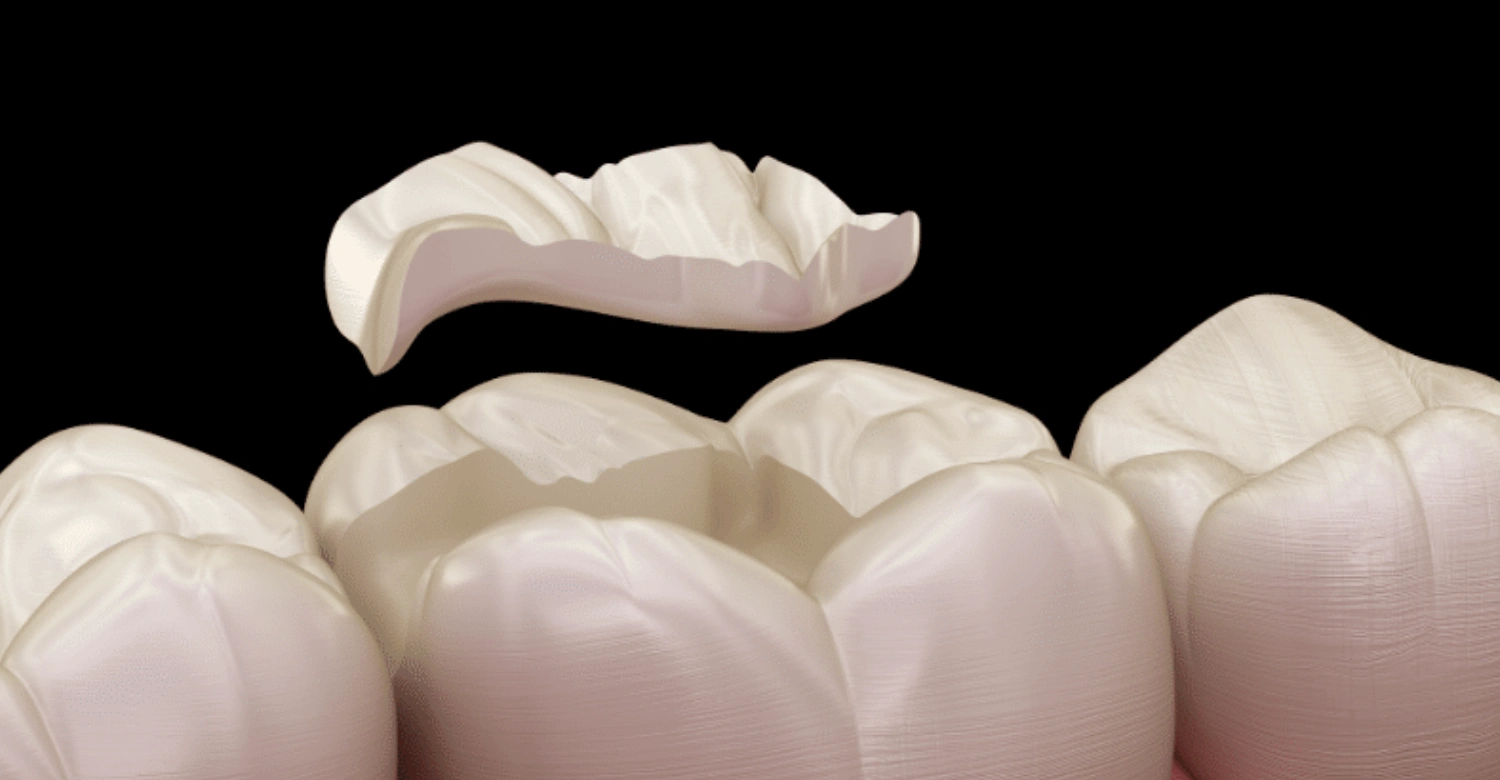
Tooth Filling Cost: NHS vs Private UK Prices
If you're in the UK, your first choice is usually NHS or private care. Each has a different pricing structure.
NHS Tooth Filling Cost
NHS fillings sit within Band 2 dental treatment. The Band 2 charge is fixed at £70, no matter how many teeth are filled in a single treatment plan. The catch: NHS material choice is limited, and white fillings are usually only offered on front teeth for clinical reasons rather than aesthetic ones.
Private Tooth Filling Cost (UK)
Private fillings are priced per tooth and per material. Expect to pay:
Filling Type | Private UK Price |
White composite | £90 – £250 |
Amalgam (silver) | £60 – £150 |
Ceramic or porcelain | £300 – £600 |
Gold | £350 – £750 |
Cost of Tooth Filling in Turkey vs UK and USA
The cost of tooth filling treatment in Turkey is consistently 60–80% lower than in the UK or the US, without a drop in material quality. Here's the direct comparison:
Filling Type | USA Price | UK Price | Turkey Price |
Amalgam (silver) | $100 – $125 | £90 – £140 | £20 – £60 |
Composite (white) | $150 – $200 | £125 – £175 | £40 – £70 |
Ceramic/porcelain | $600 – $1,000 | £500 – £1,200 | £120 – £350 |
Gold | $400 – $800 | £350 – £750 | £160 – £480 |
Glass ionomer | $150 – $300 | £125 – £225 | £55 – £95 |
Tooth Filling Options and Their Price
Not every filling material suits every tooth. Here's a quick breakdown of each option and what it typically costs.
Composite (White) Fillings
Composite fillings match your natural tooth colour and bond directly to the tooth. They're the most popular choice for visible teeth. In Turkey, composite fillings cost from £40 per tooth and last 7–12 years with good care.
Do They Still Do Silver Fillings?
Yes — amalgam (silver) fillings are still used today, mainly on back teeth where strength matters more than appearance. They're the most budget-friendly option, costing from £20 per tooth in Turkey, and can last 15–20 years.
How Much for a Gold Filling?
A gold filling costs from £160 in Turkey, compared to £350–£750 in the UK. Gold is lab-made and offers the longest lifespan of any filling material — often 20–30 years — which is why some patients see it as a long-term investment rather than an expense.
White Porcelain Fillings
Porcelain (ceramic) fillings are made in a lab and fitted at a follow-up visit. They're highly stain-resistant and blend closely with natural enamel. Price starts from £120 in Turkey, versus £500+ privately in the UK, and they typically last 15–20 years.
Glass Ionomer Fillings
Glass ionomer is often used for small cavities or areas near the gumline, and it releases fluoride over time. It's a lower-cost option, starting from £55, but has a shorter lifespan of 5–7 years.
Discover more about veneers and bad breath
What Affects the Cost of a Tooth Filling?
Several factors decide your final price:
Material. Amalgam and glass ionomer cost less; gold and ceramic cost more.
Tooth location. Back teeth take longer to treat and may need stronger materials.
Size of the cavity. Larger or multi-surface fillings need more time and material.
Number of fillings. Package pricing often reduces the per-tooth cost.
Clinic location and dentist experience. City-centre clinics and specialists may charge more.
Learn more about ADHD and gum disease
The Tooth Filling Procedure, Step by Step
Getting a tooth filling in Turkey follows the same clinical sequence used in the UK or US — five main stages, most completed in a single visit.
1. Examination and Diagnosis (5–10 minutes)
Your dentist starts with a visual check and gentle probing to locate the decay. A digital X-ray is often taken to see how deep the cavity goes and whether it's close to the nerve. This step decides which filling material suits your case and confirms whether the tooth can be saved with a filling, or whether it needs a different treatment such as a root canal.
2. Local Anaesthesia (5–10 minutes to take effect)
A local anaesthetic is injected into the gum around the tooth. Most patients feel a brief pinch, then numbness within a few minutes. Very small or shallow fillings sometimes don't need anaesthetic at all — your dentist will tell you if that applies to you.
3. Removing the Decay (10–20 minutes)
Using a dental drill or, in some cases, a laser, the dentist removes the decayed tissue and cleans out the cavity. The area is kept dry and isolated — often with a rubber dam or cotton rolls — since moisture control affects how well the filling bonds afterward. You'll feel pressure and vibration, but not pain, if the anaesthetic has taken full effect.
4. Placing the Filling (10–20 minutes)
This step differs depending on the material:
Composite fillings are built up in thin layers, with each layer hardened under a curing light before the next is added.
Amalgam fillings are packed into the cavity and shaped before the material starts to set, usually within 3–5 minutes.
Gold and ceramic restorations are usually made in a lab from an impression or digital scan, which means this step happens at a second appointment once the piece is ready.
5. Shaping, Polishing and Bite Check (5–10 minutes)
Once the filling is in place, the dentist trims any excess material and shapes it to match your natural tooth contour. You'll be asked to bite down on marking paper so the dentist can check your bite feels even — a filling that sits even slightly too high can cause discomfort within days if it isn't adjusted now. The surface is then polished smooth to resist plaque buildup.
Total treatment time: most composite or amalgam fillings take 30–60 minutes from numbing to polish. Gold and lab-made ceramic restorations need a second, shorter appointment (usually 15–20 minutes) once the final piece is ready — typically within a week or two, or the same trip if you're travelling to Turkey for treatment.
Read more about roof of mouth rough
Why Patients Choose Turkey for Tooth Fillings
Beyond the lower cost of tooth filling treatment, patients travel to Turkey for a few practical reasons:
Modern equipment, including digital X-rays and CAD/CAM ceramic systems
Internationally trained, multilingual dental teams
All-inclusive package pricing with no surprise charges
The option to combine treatment with a short stay in Istanbul
Many patients combine a filling appointment with other treatments in the same trip, such as teeth whitening or a dental crown
Vitrin Clinic Accreditation and Quality Standards
Vitrin Clinic has been treating international patients in Istanbul since 2007 — nearly two decades of clinical experience in restorative and cosmetic dentistry. The clinic is ISO-certified and licensed by the Turkish Ministry of Health, meaning every treatment, including fillings, follows internationally recognised safety and hygiene protocols rather than local standards alone.
To date, Vitrin Clinic has treated over 137,000 patients from around the world, with multilingual support available in 19+ languages so nothing gets lost in translation during your consultation or treatment planning.
Every filling is placed using FDA-approved and CE-marked materials, under the supervision of Dr. Rifat Alsaman, Head of the Medical Team. The clinic's broader case volume — including full-arch implant work with brands like Straumann and Nobel Biocare — reflects the same clinical standard applied to smaller restorative procedures like fillings.
You can read verified patient experiences on Trustpilot, where the clinic has over 610 reviews.
Explore the causes of jaw hurts on one side when chewing
Aftercare Tips for a Long-Lasting Filling
Brush twice daily with fluoride toothpaste and floss around the filling edge.
Avoid biting very hard foods (ice, boiled sweets) on a newly filled tooth.
Expect mild sensitivity to hot or cold for a few days — this usually settles on its own.
Book a check-up every 6 months so your dentist can catch early wear before it becomes a problem
FAQs
Dr. Rifat Alsaman has more than 5 years of clinical experience in dentistry and currently serves as the Head of the Medical Team at Vitrin Clinic. He is dedicated to providing exceptional patient care, overseeing treatment planning, and ensuring the highest clinical standards across the team. His expertise, attention to detail, and commitment to continuous professional development have helped countless patients achieve healthier, more confident smiles.


.webp&w=3840&q=75)

