General Dentistry
August 12, 2026
B12 Deficiency and Teeth Problems: Can Low B12 Cause Dental Problems?
 Dr. Rifat Alsaman
Many people search for answers about B12 deficiency and teeth problems. They want to know if a simple vitamin shortfall can really affect the mouth. Vitamin B12 deficiency affects around 1.5% of the general population. That number rises to 10–15% in adults over 60. Research increasingly links low B12 levels to gum disease, mouth sores, and enamel changes. This guide explains what the evidence shows. It also covers which symptoms to watch for and when a dental visit is warranted.
Understanding B12 Deficiency and Teeth Problems
Vitamin B12 deficiency develops when the body lacks enough of this essential nutrient. B12 supports red blood cell formation, nerve function, and tissue repair. Oral tissues renew rapidly, so they are especially sensitive to shortages. Recognizing how a nutritional gap can show up first inside the mouth is the first step toward understanding it.
What Is Vitamin B12 Deficiency?
Vitamin B12 deficiency occurs when the body cannot absorb or obtain enough cobalamin. This nutrient is required for healthy blood cells and nerve tissue. Causes include poor dietary intake, absorption disorders, or certain medications. Left untreated, deficiency can affect many body systems, including oral tissues.
Why Is Vitamin B12 Important for Oral Health?
B12 supports cell turnover in the mucous membranes lining the mouth, gums, and tongue. Adequate levels help maintain tissue repair and reduce inflammation. They also support healthy blood supply to the gums. When levels drop, oral tissues may weaken faster than they can heal. This is one reason researchers study the link between B12 status and oral health so closely.
Can B12 Deficiency Affect Your Teeth?
Yes, this is a legitimate clinical question. Studies in children found deficient groups had significantly higher decayed, missing, and filled teeth (DMFT) scores than children with normal B12 levels. Correlations reached −0.614, suggesting a measurable link between low B12 and a higher cavity burden.
How Does Low B12 Affect the Mouth?
Low B12 can show up as inflamed gums, mouth ulcers, a sore or smooth tongue, and altered taste. These oral signs sometimes appear before other deficiency symptoms are noticed. This is why dentists are often the first to spot changes during a routine checkup.
Oral and Mouth Symptoms of B12 Deficiency
This section outlines the most frequently reported oral symptoms, drawn from clinical literature. Recognizing these signs early can help patients seek testing and treatment before problems progress further.
What Are the Common Mouth Symptoms?
Common symptoms include a burning sensation, tongue soreness, recurring ulcers, and gum sensitivity. Some patients also notice a metallic or altered taste. These signs vary in severity. Their persistence over several weeks is generally considered a signal worth discussing with a provider.
What Are the Most Common Oral Symptoms?
The most common oral symptoms include a smooth, red tongue, mouth ulcers, and dry or sensitive mucosa. Research on recurrent aphthous stomatitis found deficient patients were 2.93 times more likely to develop mouth ulcers. This reinforces how closely oral tissue health tracks with B12 status.
Can It Cause a Sore or Burning Mouth?
Yes, a sore or burning mouth is a frequently reported complaint among people with low B12. The sensation often centers on the tongue and inner cheeks. It may worsen with spicy or acidic foods. It typically improves once B12 levels are corrected, though a dentist should rule out other causes first.
Can It Cause Mouth Ulcers?
Yes. Multiple studies connect B12 deficiency to recurrent aphthous stomatitis. Hematinic deficiencies were found in 45.6% of ulcer patients, versus 27.8% of healthy controls. Persistent or recurring ulcers, especially alongside gum sensitivity, may warrant blood testing to check B12 status.
Can It Cause a Smooth or Red Tongue?
Yes, atrophic glossitis is a hallmark sign of B12 deficiency: a smooth, red, and often sore tongue. A case-control study of 243 patients found 133 cases linked to B12-related glossitis. Treatment resolved the condition in most infants within three months, showing the sign is often reversible.
Can It Cause Changes in Taste?
Some people with low B12 report a dulled, metallic, or altered sense of taste. This is likely related to changes in tongue tissue and nerve function. Taste changes are less studied than other oral symptoms. Alongside tongue soreness or ulcers, though, they can be an additional clue pointing toward a nutritional cause.
Vitamin B12 Deficiency and Oral Health
The relationship between B12 status and oral health extends beyond isolated symptoms. Research increasingly treats the mouth as an early indicator system. Recurring irritation or tissue changes may reflect an underlying nutritional gap rather than a purely dental issue.
How Does Deficiency Affect Oral Health Overall?
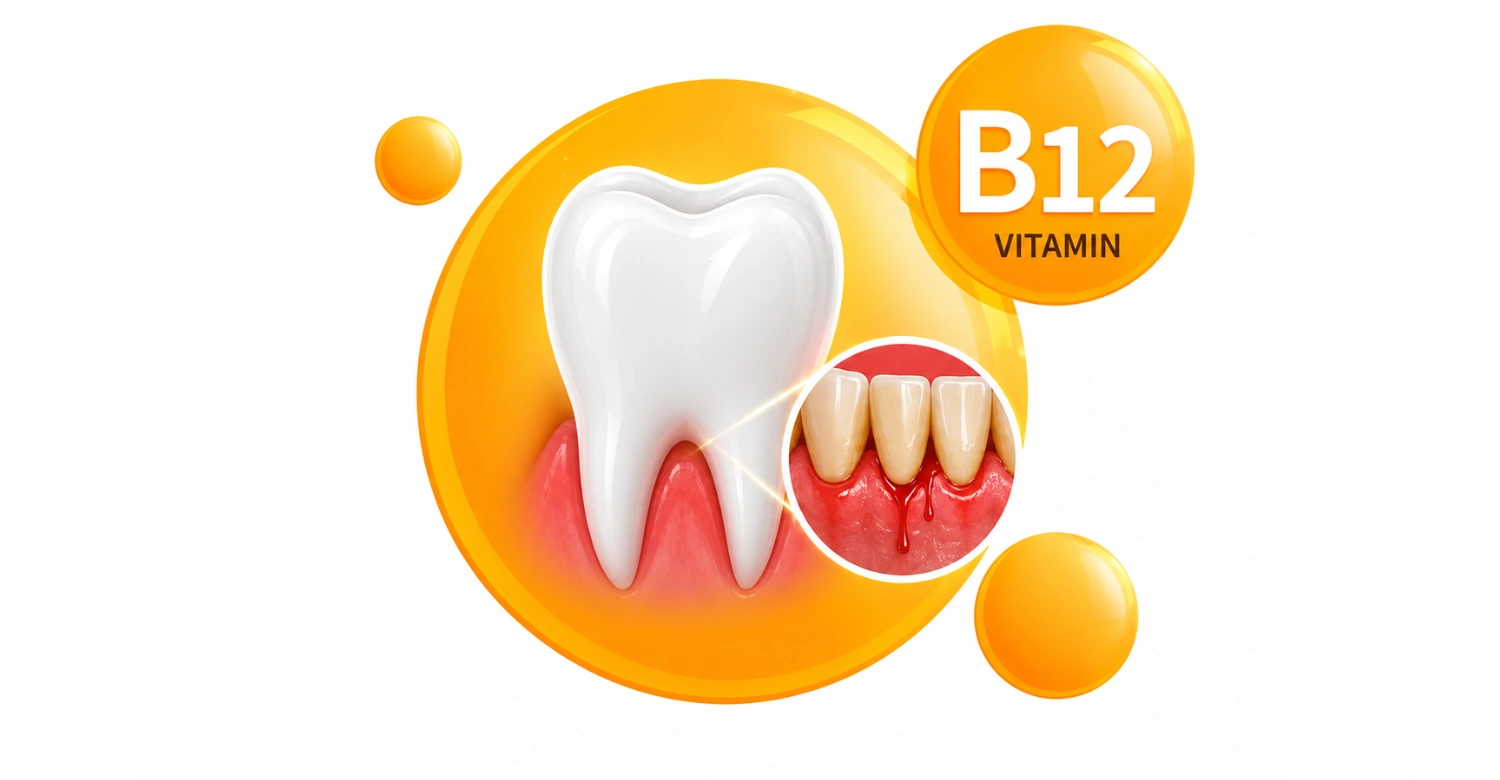
Low B12 affects oral health through inflammation, reduced tissue repair, and altered blood supply to oral structures. Over time, this can present as gum sensitivity, ulcers, or a burning tongue. Because these tissues turn over quickly, oral changes may appear before other symptoms become noticeable elsewhere.
Can It Cause Dry Mouth?
Dry mouth has been reported in some deficient patients. It may be linked to changes in mucosal health and reduced saliva quality. This effect is not as strongly documented as ulcers or glossitis. Still, persistent dryness combined with other oral signs can be a useful clue for a healthcare provider.
Can It Affect Saliva Production?
There is limited direct evidence that B12 deficiency reduces saliva volume. However, inflammation of oral tissues can make existing dryness feel more pronounced. Adequate hydration and addressing the underlying deficiency may help ease discomfort. A dentist can also check for other causes of reduced saliva flow.
Can It Make the Mouth More Sensitive?
Yes, deficient tissues heal more slowly and inflame more easily. This can make the mouth feel more sensitive to temperature, spice, or friction from dental appliances. This heightened sensitivity often overlaps with gum tenderness or a sore tongue.
What Oral Changes May Suggest a Deficiency?
Changes worth noting include a smooth or red tongue, recurring ulcers, gum sensitivity, burning sensations, and taste changes. None of these signs alone confirms a deficiency. Their combination, especially if persistent, is a reasonable reason to request a blood test alongside a dental evaluation.
Tips for Patients
Maintain a balanced diet with reliable sources of vitamin B12.
Do not ignore persistent mouth sores, tongue changes, or unusual oral sensitivity.
Schedule a dental examination when oral symptoms continue or worsen.
Low B12 and Gum Health
Low B12 is linked to gum health through inflammation and reduced tissue repair capacity. Both factors can make gum tissue more vulnerable to irritation. This section looks at how low B12 levels may influence gum health.
Can Deficiency Affect Your Gums?
Yes, deficiency can affect gum tissue by slowing healing and increasing inflammation. A meta-analysis found higher B12 intake was associated with a lower prevalence of periodontal disease (odds ratio of 0.850). This suggests adequate B12 levels may offer some protective effect for gum health.
Does It Increase the Risk of Gum Problems?
Possibly. A prospective cohort study found serum B12 levels were inversely associated with periodontal disease progression and tooth loss risk. Over 40% of the studied population already had deep probing depths. This suggests low B12 may compound existing risk factors rather than act alone.
Can It Cause Bleeding Gums?
Bleeding gums are more commonly linked to plaque-related gum disease. However, inflamed, fragile tissue from B12 deficiency could make gums bleed more easily during brushing or flossing. Because multiple causes overlap, a dental evaluation is the most reliable way to identify what is driving the bleeding.
What Is the Connection Between Low B12 and Gum Health?
The connection centers on inflammation control and tissue repair. Adequate B12 supports the cellular turnover gums need to resist bacterial irritation. Low levels may leave gum tissue less resilient overall.
Clinical Note
Gum bleeding, swelling, or tenderness can have multiple causes, including plaque-related gum disease. A dental evaluation at a practice like Vitrin Clinic can help determine whether nutritional factors are contributing to gum symptoms. This ensures the right treatment path is chosen.
Does Low B12 Affect Tooth Structure?
Beyond gum tissue, researchers have also asked whether low B12 extends to enamel and cavity risk. The following sections summarize what current studies show at the level of the tooth itself.
Can It Directly Damage Teeth?
There is no strong evidence that B12 deficiency directly erodes tooth enamel. Instead, its influence appears indirect. Inflammation, altered saliva quality, and changes in oral bacteria balance can create conditions more favorable to decay and gum disease over time.
Can It Increase the Risk of Tooth Problems?
Yes, studies in children found deficient groups had significantly higher DMFT scores. Negative correlations reached up to −0.614. This pattern has also been replicated in other regional studies, reinforcing a statistical link even where the mechanism is indirect.
Does It Cause Tooth Sensitivity?
Tooth sensitivity itself is not a classic sign of B12 deficiency. However, gum recession or inflammation linked to poor oral tissue health can expose sensitive root surfaces. Patients noticing new sensitivity alongside other oral symptoms should mention both to their dentist during an exam.
Can It Affect Tooth Enamel?
Direct effects on enamel mineral structure are not well documented. Chronic inflammation and altered saliva composition, though, could make enamel more vulnerable to acid exposure over time. This may indirectly raise the risk of erosion and decay.
Can It Contribute to Cavities?
Yes, cross-sectional research found deficient children had significantly worse decay scores than non-deficient peers. A replication study in Iraq found 84% of enrolled children were B12 deficient. Similar negative correlations to decay and gum indices support a real link between low B12 and higher cavity rates.
B12 Deficiency and Teeth Problems: The Bigger Picture
Taken together, the evidence connecting low B12 to dental health points to a pattern. Increased inflammation, slower healing, and higher susceptibility to oral tissue breakdown are common themes. This section reviews the broader dental implications.
What Dental Problems May Be Associated With Low B12?
Associated problems include gum inflammation, higher decay scores, recurrent mouth ulcers, and tongue changes. Some studies also link deficiency to periodontal progression and tooth loss. Not every patient with low B12 develops these issues, but the associations are consistent across multiple independent studies.
How Can Deficiency Influence Overall Oral Health?
Deficiency can weaken the mouth's ability to repair itself and tolerate bacterial plaque. It can also affect healthy gum attachment. Over years, this may contribute to a cumulative pattern of tissue breakdown. It compounds standard risk factors like plaque buildup and inadequate home care.
When Should You See a Dentist?
A dental visit is reasonable when mouth ulcers, tongue soreness, gum tenderness, or unusual sensitivity persist beyond two to three weeks. The same applies if symptoms recur frequently or appear alongside fatigue or other systemic symptoms. Early evaluation helps separate simple dental issues from signs that may point toward a nutritional cause.
Can Treating the Deficiency Improve Oral Symptoms?
Yes, case series data show that after B12 treatment, atrophic glossitis resolved in 97.5% of affected infants within three months. Adult recovery timelines vary. Still, correcting the underlying deficiency often leads to noticeable improvement in tongue soreness, ulcers, and general oral comfort.
Clinical Note
Treating an underlying vitamin B12 deficiency may help resolve deficiency-related oral symptoms. Existing dental problems, though, may require separate dental treatment. A professional assessment, such as one offered at Vitrin Clinic, helps distinguish nutritional symptoms from unrelated dental disease.
How Is B12 Deficiency Diagnosed?
Diagnosing B12 deficiency typically involves blood testing rather than a dental exam alone. Oral symptoms can, however, prompt the referral. Understanding the diagnostic process helps patients connect systemic testing to what is noticed in the dental chair.
What Tests Are Used?
Diagnosis usually relies on a serum B12 blood test. This is sometimes paired with methylmalonic acid or homocysteine levels for borderline results. A complete blood count may also be reviewed, since deficiency can affect red blood cell size and shape.
Should You See a Doctor or Dentist?
Both can play a role. A doctor typically orders and interprets blood testing and manages treatment. A dentist evaluates and manages oral symptoms like ulcers, gum inflammation, or tongue changes. Coordinating care between the two often gives the clearest picture.
Can a Dentist Identify Signs of Deficiency?
Yes, dentists are often well positioned to notice early signs during a routine exam. These include a smooth red tongue, recurring ulcers, or unusual gum inflammation. While a dentist cannot diagnose the deficiency itself, these observations can prompt a helpful referral for testing.
Why Is It Important to Find the Underlying Cause?
Identifying the underlying cause matters because deficiency can stem from diet, absorption disorders, or medication interactions. Each requires a different management approach. Treating oral symptoms alone without addressing the root cause may lead to symptoms returning, even after temporary dental treatment.
How Can You Protect Your Oral Health?
Protecting oral health while managing a B12 deficiency combines good nutrition with consistent dental habits. The guidance below outlines practical steps patients can take alongside any medical treatment.
What Dental Care Habits Can Help?
Brushing twice daily, flossing regularly, and using a gentle-bristle toothbrush can reduce irritation to sensitive tissue. Avoiding very acidic or spicy foods during flare-ups of mouth soreness may also help. This gives oral tissue a chance to heal more comfortably while any underlying deficiency is being medically treated.
How Can You Keep Your Gums Healthy?
Consistent plaque control, regular professional cleanings, and prompt attention to bleeding or swollen gums all support gum health. Combined with correcting B12 levels where relevant, these habits help reduce the compounded risk that inflammation and nutritional deficiency together can place on gum tissue.
When Should You Schedule a Dental Checkup?
A checkup is worthwhile at the first sign of persistent mouth ulcers, tongue changes, gum sensitivity, or unexplained oral discomfort. Routine care should still happen at least every six months. Earlier evaluation makes it easier to catch problems before they become harder to manage.
Tips for Patients
Regular brushing, flossing, professional dental exams, and a balanced diet all support good oral health. If symptoms persist despite proper oral hygiene, patients should seek medical and dental evaluation. This helps check whether B12 deficiency and teeth problems may be part of the underlying picture.
Vitrin Clinic: Supporting Your Oral Health
Vitrin Clinic provides comprehensive dental care focused on maintaining healthy teeth and gums, alongside cosmetic and functional concerns. For patients experiencing persistent oral changes, Vitrin Clinic can help assess dental health and determine whether further evaluation is appropriate.
What We Notice Clinically
The clinical team at Vitrin Clinic notes that oral symptoms should always be evaluated in context. They should never be assumed to have one single cause. Vitrin Clinic combines careful dental assessment with individualized treatment planning to help patients understand the true condition of their teeth and gums.
Clinical Note
Dental care can address oral conditions and symptoms. Suspected vitamin deficiencies, though, should be medically evaluated and managed by an appropriate healthcare professional. Vitrin Clinic focuses on the dental side of this picture, working alongside patients' broader healthcare providers when needed.
Resources
Understanding the link between B12 deficiency and teeth problems is essential for protecting both oral and overall health. Vitamin B12 deficiency can cause oral signs such as glossitis, mouth ulcers, and mucositis. These signs may help dentists identify an underlying deficiency early. A PubMed case report highlights the importance of recognizing these manifestations and pursuing timely diagnosis and treatment to prevent complications.
https://pubmed.ncbi.nlm.nih.gov/19744365/
https://pubmed.ncbi.nlm.nih.gov/38917702/
https://pubmed.ncbi.nlm.nih.gov/27234214/
https://onlinelibrary.wiley.com/doi/full/10.1111/scd.12685
FAQs
Dr. Rifat Alsaman has more than 5 years of clinical experience in dentistry and currently serves as the Head of the Medical Team at Vitrin Clinic. He is dedicated to providing exceptional patient care, overseeing treatment planning, and ensuring the highest clinical standards across the team. His expertise, attention to detail, and commitment to continuous professional development have helped countless patients achieve healthier, more confident smiles.


.webp&w=3840&q=75)

