General Dentistry
August 12, 2026
Oral Health for Older Adults: How to Protect Your Teeth as You Age?
 Dr. Rifat Alsaman
Oral Health for Older Adults becomes increasingly important as natural teeth, gums, saliva, and oral tissues change with age. Aging does not automatically cause poor oral health. However, certain medical conditions, medications, mobility limitations, and lifestyle factors can increase dental risks. Older adults may experience tooth decay, gum disease, dry mouth, sensitivity, tooth loss, and denture-related problems. Preventive dental care can help reduce these risks and preserve comfortable chewing, speaking, and smiling. NIDCR reports that adults aged 65 years and older have an average of approximately 21 remaining natural teeth. About 15% have no remaining natural teeth.
A consistent routine can protect remaining teeth and support healthier gums. Fluoride toothpaste, interdental cleaning, hydration, balanced nutrition, and regular examinations remain important. Dental professionals can also identify problems before they become painful or difficult to treat. Vitrin Clinic emphasizes individualized assessments because every older adult has different dental needs and treatment priorities.
What Is Oral Health for Older Adults?
Oral Health for Older Adults includes maintaining healthy teeth, gums, oral tissues, saliva, and dental restorations throughout later life. Good oral health supports eating, speaking, appearance, comfort, and daily quality of life. Older adults may retain many natural teeth for decades with appropriate preventive care.
Age itself is not a disease and does not directly cause cavities or gum disease. Instead, aging can occur alongside conditions that increase oral health challenges. Medication use, reduced dexterity, gum recession, dry mouth, and chronic disease can influence dental health. NIDCR identifies tooth decay as a major chronic oral condition among seniors.
Maintaining oral health therefore requires more than simply brushing. It includes professional examinations, periodontal monitoring, fluoride protection, dietary awareness, and appropriate restorative care.
Why Oral Health Becomes More Important With Age
Oral Health for Older Adults deserves greater attention because cumulative exposure to plaque, restorations, medications, and systemic conditions can increase dental risks.
Older adults often retain more natural teeth than previous generations. This is a positive development, but it also creates a longer period requiring maintenance. NIDCR reports that tooth retention among seniors has improved substantially over recent decades.
More remaining teeth mean more surfaces requiring daily plaque control. Existing fillings and crowns can also develop secondary decay. Gum recession can expose vulnerable root surfaces. Reduced saliva can further increase cavity risk.
Older adults may also experience difficulty brushing because of arthritis, reduced vision, neurological conditions, or limited mobility. These challenges can make ordinary routines less effective. Dental professionals can recommend modified tools and personalized preventive strategies.
How Aging Affects Teeth and Gums
Aging can produce gradual changes throughout the mouth. Teeth may become more susceptible to wear, cracks, root decay, and sensitivity. Gums can recede over time, exposing root surfaces that lack protective enamel. These surfaces are particularly vulnerable to decay. Existing restorations may also require monitoring as surrounding tooth structures change. Bone levels around teeth can decrease when periodontal disease remains untreated. However, healthy aging alone does not automatically cause severe periodontal destruction. Saliva is another important factor. NIDCR explains that saliva protects teeth by washing away food and supplying minerals. Reduced saliva can therefore increase decay and infection risks.
The Connection Between Oral and Overall Health
Oral Health for Older Adults connects closely with nutrition, communication, comfort, and overall wellbeing.
Oral disease can make chewing difficult and may encourage people to avoid certain nutritious foods. Pain can also interfere with sleep, concentration, and daily activities.
Older adults frequently manage several health conditions simultaneously. NIDCR reports that approximately 80% of older Americans have at least one chronic disease. Nearly 70% have at least two chronic diseases.
Some conditions and medications can affect saliva production or oral tissues. Oral care should therefore form part of broader preventive healthcare.
Dental professionals can communicate with physicians when medications or systemic conditions appear relevant. This coordinated approach helps identify preventable complications and supports individualized care.
Common Oral Health Problems in Older Adults
Oral Health for Older Adults commonly involves several conditions that can develop simultaneously. Tooth decay, gum disease, dry mouth, sensitivity, tooth loss, and oral infections require different preventive approaches.
Tooth Decay in Older Adults
Tooth decay can affect natural teeth at any age. Older adults may face additional risks from exposed roots, dry mouth, dietary habits, and previous restorations. NIDCR states that tooth decay remains a prevalent chronic disease among seniors. Plaque bacteria produce acids that gradually damage tooth structures. Frequent sugary snacks can increase repeated acid exposure. Reduced saliva can remove less food debris and provide fewer protective minerals. Fluoride toothpaste can strengthen enamel and support remineralization. Professional fluoride treatments may also benefit patients with elevated decay risk. Regular examinations are important because older adults may develop cavities around existing fillings or crowns. Early treatment can preserve more natural tooth structure.
Gum Disease in Seniors
Gum disease can develop when bacterial plaque accumulates around teeth. Early inflammation may progress when plaque remains uncontrolled. Older adults may experience increased periodontal risk because of cumulative exposure and medical factors. Receding gums can also expose root surfaces. NIDCR identifies periodontal disease as the most common cause of tooth loss among adults. Warning signs include bleeding gums, swelling, persistent bad breath, gum recession, and loose teeth. Some advanced periodontal problems may cause limited discomfort. Regular periodontal examinations help identify changes before substantial supporting tissue is lost. Treatment can include professional cleaning, scaling, root planing, and maintenance.
Dry Mouth in Older Adults
Oral Health for Older Adults can be significantly affected by reduced saliva. Dry mouth, or xerostomia, is frequently associated with medications and certain medical conditions. NIDCR emphasizes that dry mouth is not a normal consequence of aging. Hundreds of medications can reduce saliva production. Symptoms include sticky oral tissues, difficulty swallowing, altered taste, cracked lips, burning sensations, and increased cavities. Patients should discuss persistent symptoms with their dentist or physician. Medication changes may sometimes reduce symptoms when medically appropriate. Water, sugar-free gum, saliva substitutes, and improved oral hygiene may provide supportive relief. Caffeine, tobacco, and alcohol can worsen dryness.
Tooth Sensitivity and Enamel Wear
Tooth sensitivity can develop when enamel wears or gum recession exposes dentin. Cold, hot, sweet, or acidic foods may trigger discomfort. Older adults may have decades of accumulated tooth wear. Grinding, acidic foods, aggressive brushing, and gum recession can contribute. Sensitivity should not automatically be considered an unavoidable aging symptom. A dentist can determine whether decay, cracks, recession, erosion, or another condition causes discomfort. Fluoride toothpaste may reduce sensitivity while strengthening vulnerable surfaces. Patients should use gentle brushing techniques with a soft-bristled toothbrush. Persistent sensitivity deserves professional evaluation. Treatment depends on the underlying cause.
Tooth Loss and Missing Teeth
Tooth loss can result from advanced decay, periodontal disease, trauma, fractures, or unsuccessful restorations. NIDCR reports that seniors aged 65 and older had approximately 21 remaining natural teeth in recent U.S. data. About 15% had no remaining natural teeth. Replacing missing teeth can improve chewing and speech. Treatment options include implants, bridges, and dentures. However, replacement decisions depend on bone levels, oral hygiene, medical factors, expectations, and financial considerations. Preserving natural teeth remains the preferred goal whenever they can remain healthy and functional.
Oral Infections and Sores
Oral infections can develop around teeth, gums, dentures, or weakened oral tissues. Dry mouth can increase the risk of fungal infections. Persistent sores require professional assessment, particularly when they do not heal normally. NIDCR notes that oral cancer rates increase with age. Older adults should monitor unusual lumps, persistent ulcers, unexplained bleeding, or changes in oral tissues. Early examination allows appropriate diagnosis and treatment. Patients should not attempt to self-diagnose persistent oral lesions.
Oral Hygiene for Older Adults
Oral Health for Older Adults depends heavily on consistent daily plaque control. Small adjustments can make brushing and interdental cleaning easier.
How to Brush Effectively as You Age
Brush twice daily using fluoride toothpaste and a soft-bristled toothbrush. Position the brush gently along the gumline and clean every tooth surface. Use small, controlled movements rather than aggressive scrubbing. Excessive pressure can contribute to gum recession and enamel wear. Older adults with limited dexterity may benefit from powered toothbrushes. Larger handles can also improve grip and control. Brushing should last approximately two minutes each time. Spitting after brushing without excessive rinsing can help retain fluoride exposure. Caregivers can assist when independent brushing becomes difficult.
Choosing the Right Toothbrush and Toothpaste
A soft-bristled toothbrush is generally appropriate for gentle plaque removal. Powered toothbrushes can simplify brushing for patients with limited hand movement. Choose toothpaste containing fluoride unless a dental professional recommends otherwise. Fluoride helps prevent decay and supports enamel remineralization. Patients with sensitivity may benefit from desensitizing toothpaste. Those with high decay risk may require additional fluoride strategies. Replace toothbrushes when bristles become worn or damaged. Clean the toothbrush after use and allow it to air dry.
Cleaning Between Teeth
Brushing cannot effectively clean every surface between teeth. Interdental cleaning removes plaque from areas a toothbrush cannot reach.
Daily interdental cleaning can reduce plaque accumulation around teeth and gums. The most suitable method depends on spacing, dexterity, restorations, and periodontal health.
Flossing and Interdental Cleaning
Traditional floss works well when teeth have close contact points. Interdental brushes can be easier around wider spaces. Patients with bridges may require specialized flossing tools. Those with periodontal pockets may benefit from professional recommendations. Technique matters more than simply owning the product. Dental professionals can demonstrate the appropriate method.
Using a Water Flosser
Water flossers can help remove food debris and plaque around difficult areas. They may be particularly useful for some patients with bridges or limited dexterity. Water flossing should complement toothbrushing rather than replace it. Follow the manufacturer's instructions for pressure settings and cleaning.
Patients with periodontal disease should ask their dental professional about appropriate use.
The Importance of Fluoride
Fluoride remains an important defense against tooth decay throughout adulthood. It strengthens enamel and can help reverse early mineral loss. NIDCR specifically recommends fluoride toothpaste for adults because tooth decay can occur whenever natural teeth remain. Older adults with root exposure or dry mouth may have particularly high cavity risk. Dental professionals can recommend additional fluoride treatments when appropriate. Fluoridated drinking water can also contribute to cavity prevention where available.
Dental Care for Seniors
Oral Health for Older Adults requires professional care alongside home hygiene. Dental visits can identify problems that patients cannot see or feel.
Why Regular Dental Checkups Matter
Dental examinations can detect cavities, periodontal disease, damaged restorations, infections, and suspicious oral changes. Older adults may have complex dental histories involving fillings, crowns, bridges, implants, or dentures. Each restoration requires appropriate monitoring. Regular appointments also provide opportunities to review oral hygiene techniques and medication-related concerns. Preventive care can reduce the likelihood of advanced problems requiring extensive treatment.
How Often Should Seniors Visit the Dentist?
There is no single appointment interval appropriate for every older adult. Some patients may require examinations every six months. Patients with active periodontal disease, high decay risk, dry mouth, or complex restorations may require more frequent monitoring. The dentist should determine the appropriate schedule based on individual risk.
What Happens During a Senior Dental Examination?
A comprehensive examination may include teeth, gums, bite, restorations, dentures, oral tissues, and jaw function. The dentist may assess plaque, gum bleeding, periodontal pockets, recession, mobility, and decay. Radiographs may be recommended when clinically necessary. Imaging helps identify problems that cannot be detected through visual examination alone. The dentist may also review medications, dry-mouth symptoms, diet, and oral hygiene practices.
Clinical Note
Senior dental examinations should focus on prevention and functional preservation. Retaining healthy natural teeth can support nutrition and quality of life.
Risk assessment is particularly important when multiple medications or chronic conditions exist.
A personalized recall schedule can help detect disease earlier. Patients should also report new symptoms between routine appointments.
Dry Mouth in Older Adults
Oral Health for Older Adults can deteriorate rapidly when persistent dry mouth remains unmanaged. Saliva provides several protective functions within the mouth.
Common Causes of Dry Mouth
Dry mouth may result from medications, medical conditions, radiation therapy, chemotherapy, nerve damage, or dehydration.
NIDCR identifies hundreds of medications that can reduce salivary gland activity. Common examples include certain blood-pressure, depression, and bladder-control medications.
Dry mouth should therefore trigger a review rather than being dismissed as normal aging.
How Medications Can Cause Dry Mouth
Many medications influence saliva production or composition. Older adults often take multiple medications simultaneously.
Patients should never stop prescribed medication without medical advice. Instead, they should discuss dry-mouth symptoms with their healthcare provider.
A physician may determine whether alternatives or dosage adjustments are appropriate.
Symptoms of Dry Mouth
Common symptoms include persistent dryness, sticky saliva, difficulty swallowing, altered taste, burning sensations, and cracked lips. Bad breath and recurrent oral infections can also occur. Patients experiencing these symptoms should seek professional evaluation, particularly when symptoms persist.
How Dry Mouth Increases Tooth Decay Risk
Saliva washes away food particles and provides minerals supporting tooth strength. Reduced saliva therefore removes an important natural defense.
NIDCR states that persistent dry mouth can increase the risk of tooth decay and fungal infections.
Root surfaces become especially vulnerable when gum recession exposes them.
Ways to Manage Dry Mouth
Drink water regularly and take small sips throughout the day. Sugar-free gum can stimulate saliva when appropriate.
Avoid excessive caffeine, tobacco, and alcohol because these can worsen oral dryness.
Saliva substitutes may provide additional comfort. Dental professionals can also recommend high-fluoride products for patients with elevated decay risk.
What We Notice Clinically
At Vitrin Clinic, dry-mouth management should address both symptoms and underlying dental consequences.
Patients with reduced saliva may develop rapidly progressing cavities around roots and existing restorations.
Preventive appointments can identify early changes before significant tooth structure disappears.
Dr. Rifat Alsaman’s Opinion
Dr. Rifat Alsaman emphasizes that persistent dryness deserves professional investigation.
He recommends focusing on prevention because dry-mouth patients can experience rapid changes in cavity risk.
Individualized fluoride strategies and regular monitoring can help protect vulnerable teeth.
Gum Disease in Seniors
Oral Health for Older Adults depends strongly on controlling periodontal inflammation. Healthy gums help stabilize teeth and protect supporting tissues.
Why Older Adults Are at Higher Risk
Risk may increase because of cumulative plaque exposure, recession, smoking history, diabetes, medication effects, and reduced dexterity.
However, age alone does not directly cause periodontal disease.
Good plaque control and professional maintenance can substantially support periodontal health.
Signs of Gum Disease
Warning signs include bleeding, swelling, persistent bad breath, recession, pus, and loose teeth. Advanced disease may cause changes in tooth position or chewing comfort. Because symptoms can remain subtle, professional periodontal measurements are important.
How Gum Disease Can Cause Tooth Loss
Untreated periodontal disease can destroy tissues and bone supporting natural teeth. As support decreases, teeth may become mobile and eventually require extraction. NIDCR identifies periodontal disease as the leading cause of adult tooth loss.
Periodontal Treatment for Older Adults
Treatment depends on disease severity and individual circumstances. Professional cleaning can remove plaque and calculus above the gumline. Scaling and root planing may be recommended for deeper periodontal infection. Maintenance appointments help control recurrence after active treatment. Patients with complex medical histories should receive individualized treatment planning.
Tooth Decay in Older Adults
Oral Health for Older Adults requires special attention to root surfaces and existing restorations. Cavities can develop even when someone has never experienced major dental problems.
Why Cavities Become More Common With Age
Older adults may have more restorations, exposed roots, medication-related dryness, and dietary changes. Plaque can accumulate around fillings and crowns. Repeated sugar exposure can further increase acid attacks.
Root Caries and Receding Gums
Root surfaces lack the thick enamel covering found on crowns. Gum recession can expose these surfaces. Root caries may progress quickly and become difficult to restore. Fluoride and meticulous plaque removal are important preventive measures.
The Role of Dry Mouth
Reduced saliva decreases natural protection against acids and bacteria. Patients with dry mouth should receive individualized preventive recommendations.
Fluoride for Cavity Prevention
Fluoride toothpaste should remain part of daily oral hygiene unless contraindicated. High-risk patients may require prescription-strength fluoride or professional fluoride applications.
When Dental Fillings or Crowns Are Needed
Small cavities can often be restored using fillings. Larger structural defects may require crowns. Treatment depends on remaining tooth structure, fracture risk, decay extent, and functional demands. Early intervention generally preserves more natural tooth structure.
Denture Care for Seniors
Proper denture care is an important part of Oral Health for Older Adults, especially for people relying on partial or complete dentures. Dentures should be rinsed after meals and cleaned daily using a nonabrasive denture cleanser. recommends removing bacterial biofilm from both dentures and oral tissues every day.
Dentures should generally be removed overnight unless a dentist provides different instructions. Keeping them out allows oral tissues to rest and may reduce denture-related inflammation.
After removal, clean the gums, tongue, palate, and remaining natural teeth. Store removable dentures in water or an appropriate soaking solution when they are not being worn. Vitrin Clinic can assess denture fit, comfort, hygiene, and oral tissues during regular dental examinations.
How to Clean Dentures Properly
Clean dentures daily using appropriate denture-cleaning products. Remove food debris from all denture surfaces. Avoid abrasive household cleaners that can damage denture materials. The gums, tongue, and remaining teeth should also be cleaned daily.
Proper Denture Storage
Keep dentures moist when they are not being worn unless the manufacturer recommends another method. Use an appropriate denture-soaking solution when indicated. Avoid hot water because it can distort some denture materials.
Why Dentures Should Be Removed at Night
Removing dentures overnight allows oral tissues to rest. It can also improve denture hygiene. Continuous wear may contribute to irritation and certain oral infections.
Signs Dentures Need Adjustment or Replacement
Pain, slipping, clicking, difficulty chewing, or recurring sore spots may indicate poor fit. Jawbone changes can alter denture stability over time. A dentist can determine whether adjustment, relining, or replacement is appropriate.
Preventing Tooth Loss in Older Adults
Oral Health for Older Adults should focus on preserving natural teeth whenever they remain healthy and functional.
Main Causes of Tooth Loss
Major causes include untreated decay, periodontal disease, fractures, trauma, and severe structural damage. Prevention requires controlling both cavities and gum disease.
How to Protect Natural Teeth
Brush twice daily with fluoride toothpaste and clean between teeth daily. Avoid tobacco and maintain regular professional examinations. Treating early decay and gum inflammation can prevent progression toward tooth loss.
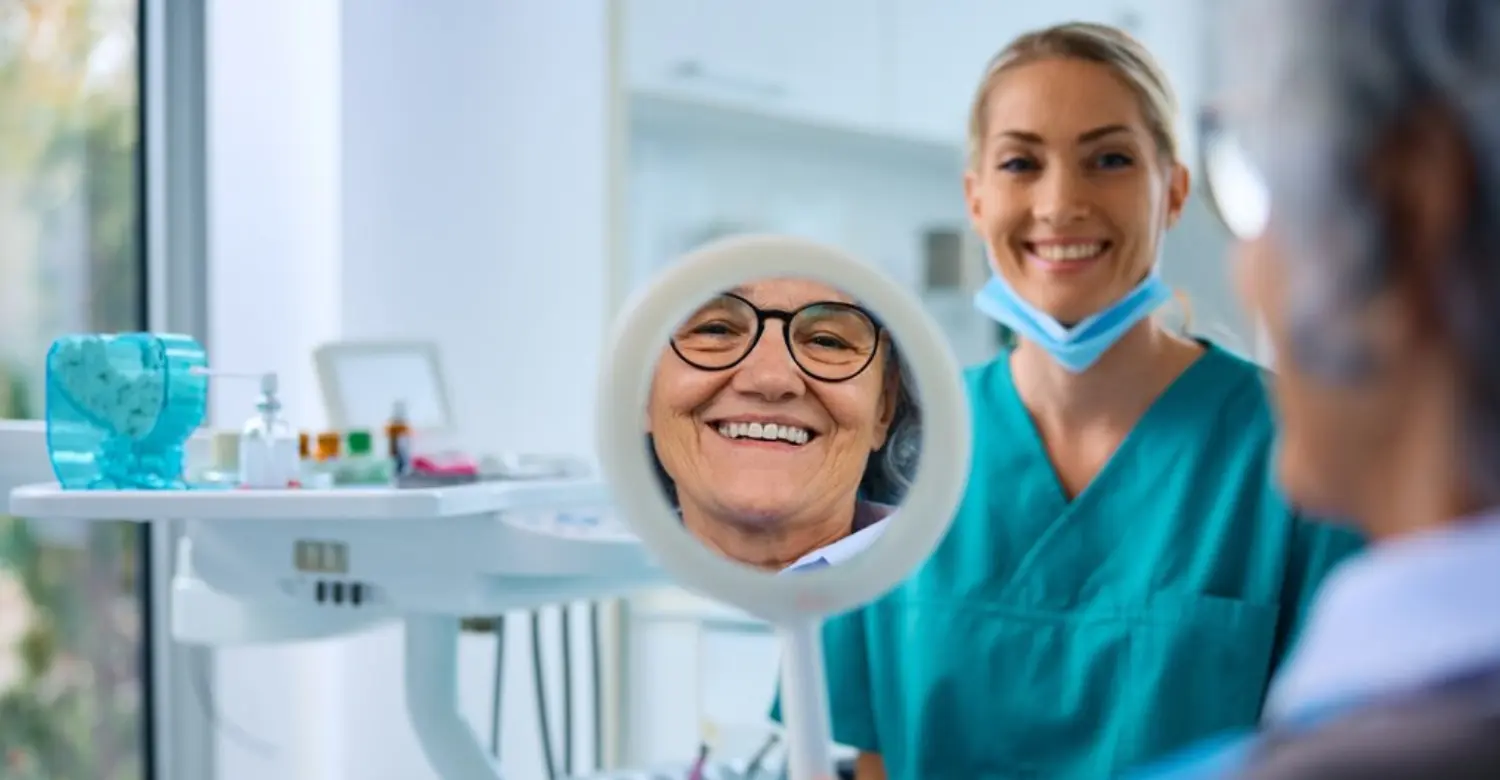
Preventing Gum Disease and Tooth Decay
Plaque control, fluoride exposure, balanced nutrition, hydration, and professional care form the foundation. Patients with elevated risk may need customized preventive protocols.
Replacing Missing Teeth
Missing teeth can affect chewing, speech, appearance, and confidence. Treatment should consider oral health, bone support, general health, and patient expectations.
Dental Implants
Implants can replace missing teeth without relying on neighboring teeth for support.
Bone quantity and quality must be assessed before implant treatment.
Oral hygiene and professional maintenance remain important after placement.
Dental Bridges
Bridges replace missing teeth using adjacent teeth or implants for support.
They can restore chewing function and improve appearance.
Proper cleaning beneath the bridge is essential.
Dentures
Partial or complete dentures can replace multiple missing teeth.
They require appropriate cleaning, storage, and periodic evaluation.
Poorly fitting dentures should be adjusted rather than tolerated.
What We Notice Clinically
At Vitrin Clinic, preserving natural teeth remains an important consideration before replacement treatment.
Treatment decisions should address disease control before prosthetic rehabilitation.
Dr. Rifat Alsaman’s Opinion
Dr. Rifat Alsaman recommends evaluating periodontal stability before planning complex tooth replacement.
He emphasizes that replacement treatment works best when supporting tissues remain healthy.
How to Maintain Oral Health as You Age
Oral Health for Older Adults improves when daily habits remain consistent and realistic.
Follow a Consistent Oral Hygiene Routine
Brush twice daily and clean between teeth daily.
Use fluoride toothpaste and replace worn toothbrushes regularly.
Consistency is more important than complicated routines.
Stay Hydrated
Regular water intake supports comfort and swallowing.
Hydration alone cannot correct medication-related dry mouth, however.
Persistent dryness requires professional assessment.
Eat a Balanced Diet
Choose nutrient-dense foods that support teeth, gums, muscles, and bones.
Limit frequent sugary snacks and acidic beverages.
Manage Dry Mouth
Use sugar-free gum when appropriate and discuss persistent symptoms with professionals.
Review potentially contributing medications with your physician.
Schedule Regular Dental Visits
Professional examinations help identify early cavities, periodontal disease, oral lesions, and restoration problems.
Recall frequency should reflect individual risk.
Monitor Changes in Your Mouth
Report persistent pain, swelling, bleeding, sores, numbness, or unexplained changes.
Early evaluation can prevent minor concerns from becoming advanced problems.
Senior Dental Health Tips
Oral Health for Older Adults can be supported through several practical daily habits.
Daily Brushing and Flossing
Brush twice daily with fluoride toothpaste.
Clean between teeth daily using floss, interdental brushes, or another suitable method.
Choosing Oral Care Products
Select products based on dental risk and physical ability.
Powered toothbrushes may help patients with reduced hand strength.
Managing Sensitive Teeth
Use gentle brushing and consider desensitizing fluoride toothpaste.
Persistent sensitivity requires professional evaluation.
Protecting Gums and Natural Teeth
Avoid aggressive brushing and maintain regular periodontal examinations.
Do not ignore bleeding gums or loose teeth.
Tips for Patients
Keep oral-care products somewhere easy to reach.
Use larger handles when gripping small tools becomes difficult.
Caregivers can provide assistance when necessary.
Oral Health and Nutrition in Older Adults
Oral Health for Older Adults can influence food choices and nutritional quality.
Foods That Support Healthy Teeth and Gums
Choose vegetables, fruits, lean proteins, dairy products, and other nutrient-rich foods.
Crunchy foods may not suit people with sensitive teeth or dentures.
Soft nutritious alternatives can provide similar dietary value.
Calcium and Vitamin D
Calcium supports normal bone and tooth mineralization.
Vitamin D helps the body absorb calcium.
Dietary needs vary according to individual health circumstances.
Foods That Increase Cavity Risk
Frequent sugary snacks and sweetened drinks increase repeated acid exposure.
Sticky foods may remain around teeth longer.
Reducing frequency can be more useful than focusing only on quantity.
Eating With Dentures or Missing Teeth
Cut foods into manageable pieces when chewing is difficult.
Choose softer nutrient-rich foods when necessary.
A dentist can assess whether missing teeth or dentures are limiting nutrition.
Oral Care for Older Adults With Limited Mobility
Oral Health for Older Adults should remain achievable despite mobility limitations.
Maintaining Independence With Daily Oral Care
Place oral-care products within easy reach.
Consider electric toothbrushes and enlarged handles.
Simple adaptations can help maintain independence.
When Caregivers Should Assist
Caregiver assistance becomes important when brushing or denture cleaning becomes unsafe.
Caregivers should use gentle techniques and follow professional instructions.
Adapting Toothbrushes and Oral Hygiene Tools
Foam grips, enlarged handles, and powered devices can improve accessibility.
Interdental brushes may be easier than conventional floss for some patients.
When Should Older Adults See a Dentist?
Regular dental visits are essential for Oral Health for Older Adults, even when there is no obvious pain. Older adults should not wait until a dental problem becomes severe before seeking professional care. The National Institute on Aging recommends routine dental checkups and emphasizes reporting symptoms such as bleeding gums or mouth pain.
Persistent Tooth Pain or Sensitivity
Pain lasting more than a short period should be professionally assessed.
Possible causes include decay, infection, cracks, recession, or inflammation.
Bleeding or Swollen Gums
Persistent bleeding can indicate gingival or periodontal inflammation.
Professional evaluation can determine the underlying cause.
Loose Teeth
Adult teeth should not become increasingly mobile without explanation.
Mobility can indicate periodontal destruction, infection, trauma, or structural problems.
Persistent Dry Mouth
Persistent dryness should not be dismissed as normal aging.
NIDCR specifically states that dry mouth is not an inevitable part of aging.
Mouth Sores or Unusual Changes
Persistent sores, lumps, color changes, or unexplained bleeding require examination.
Older age increases the importance of monitoring unusual oral changes.
Loose or Uncomfortable Dentures
Repeated irritation can indicate changes in denture fit.
Professional adjustment may improve comfort and chewing ability.
Why Choose Vitrin Clinic for Senior Dental Care?
Choosing the right clinic can make Oral Health for Older Adults easier to manage through personalized prevention and comprehensive treatment. Vitrin Clinic provides multiple dental specialties under one roof, including periodontics, prosthodontics, endodontics, oral surgery, and general dentistry.
Personalized Dental Assessments
Vitrin Clinic can provide individualized dental assessments based on each patient's oral condition.
Treatment planning should consider natural teeth, gums, restorations, dentures, and patient priorities.
Comprehensive Dental Treatment
A coordinated approach can address preventive, restorative, periodontal, and tooth-replacement needs.
Treatment should prioritize disease control before elective procedures.
Preventive and Restorative Care
Preventive care helps protect remaining natural teeth.
Restorative treatment can address cavities, fractures, missing teeth, and damaged restorations.
Experienced Dental Team
A multidisciplinary dental team can evaluate different aspects of complex dental needs.
Communication between clinicians can support more coordinated treatment decisions.
Long-Term Oral Health Support at Vitrin Clinic
Long-term Oral Health for Older Adults requires ongoing prevention, monitoring, and treatment rather than one-time dental care. At Vitrin Clinic, treatment can include preventive, periodontal, restorative, implant, and prosthetic services.
Individualized Treatment Plans
Every patient's dental history and risk profile are different.
Vitrin Clinic can structure treatment around individual clinical findings and priorities.
Modern Diagnostic and Treatment Options
Appropriate diagnostic tools can help identify hidden decay, bone loss, and other dental problems.
Treatment options depend on examination findings and patient suitability.
Ongoing Preventive Care
Long-term maintenance helps monitor teeth, gums, restorations, implants, and dentures.
Regular follow-up can identify changes before they become advanced.
Patient-Centered Dental Experience
Older adults may need additional support during appointments.
Clear explanations and realistic treatment planning can make dental care more manageable.
Final Takeaway
Oral Health for Older Adults is achievable with consistent prevention and individualized professional care. Aging does not mean that tooth loss or severe dental disease is unavoidable. NIDCR data show that seniors are retaining more natural teeth than previous generations.
The strongest strategy combines fluoride, daily plaque control, interdental cleaning, hydration, balanced nutrition, and regular dental examinations. Dry mouth, gum recession, medication use, and limited mobility deserve additional attention.
Vitrin Clinic can support older patients through personalized assessments, preventive care, restorative treatment, and long-term dental planning. Protecting natural teeth remains valuable at every stage of life.
Reference
FAQs
Dr. Rifat Alsaman has more than 5 years of clinical experience in dentistry and currently serves as the Head of the Medical Team at Vitrin Clinic. He is dedicated to providing exceptional patient care, overseeing treatment planning, and ensuring the highest clinical standards across the team. His expertise, attention to detail, and commitment to continuous professional development have helped countless patients achieve healthier, more confident smiles.

.webp&w=3840&q=75)


