
Dental implants are titanium screws placed in the jawbone to replace the roots of missing teeth. The benefits of dental implants include restoring chewing, protecting jawbone health, stabilising surrounding teeth, and improving appearance. However, candidacy, risks, and outcomes vary between patients, so a comprehensive oral examination is essential before treatment.
What Are Dental Implants?
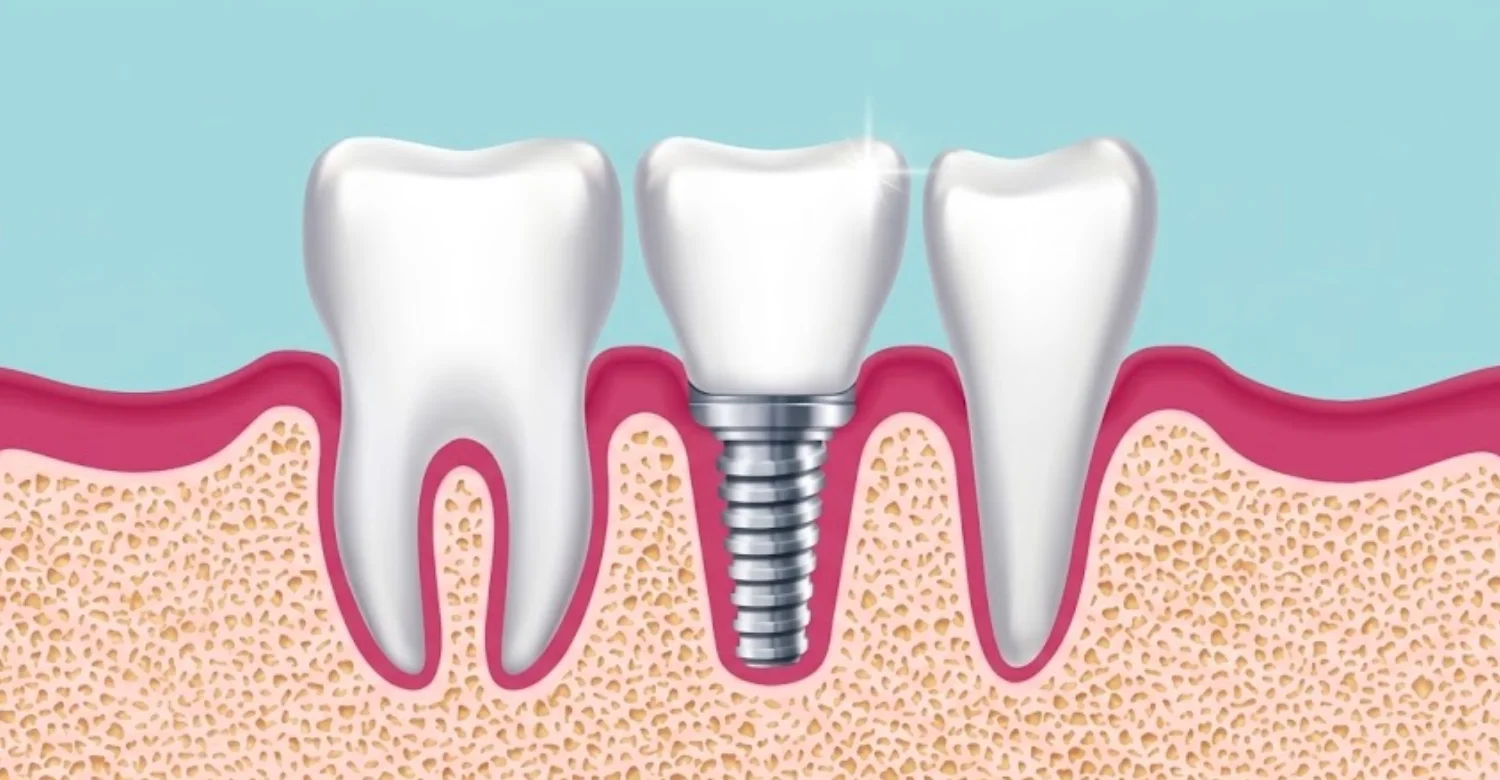
A dental implant is a medical device that replaces a lost tooth. It has three parts: a titanium screw placed in the jawbone to act as the root, an abutment connector above the gumline, and a crown. Unlike removable dentures, implants are permanent, which underpins their long-term value.
How Do Dental Implants Work?
The implant is placed in the jaw under local anaesthesia, sometimes with IV sedation, as an outpatient procedure. Over several months, bone grows around the implant and fuses with it, a process called osseointegration. The abutment and a custom crown are then attached. This staged healing is what makes the benefits of dental implants last.
Learn about H5N1 bird flu and oral health
What Are the Benefits of Dental Implants?
The benefits of dental implants include restoring the ability to chew, helping prevent jawbone loss, improving gum and oral health, stabilising surrounding teeth, and enhancing appearance. Natural-looking dental implants can replace a single tooth, several teeth, or a full arch. Together, these benefits can support better overall health.
Dental Implant Durability
Titanium implants are very durable and can last many years. Dental implant durability depends on healthy bone levels, successful osseointegration, and daily care. Implants don't decay, but the surrounding gums can still develop periodontal disease. Brushing twice daily, flossing, and regular dental visits help protect your implants.
Dental Implants and Bone Loss
Jawbone can be lost through gum disease, genetics, aging, and missing teeth. By replacing the tooth root and fusing with the bone, implants help prevent further bone loss in the jaw. When dental implants bone loss is already present, a bone graft may be needed first. Even so, bone preservation remains one of the main advantages of implant treatment.
Causes of the Condition
Teeth can be lost to periodontal disease, tooth decay, injury or accidents, smoking, poor nutrition, aging, and genetic predisposition. Chronic diseases such as diabetes, COPD, and rheumatoid arthritis can also play a role. Whatever the cause, missing teeth affect daily life, which is why many patients explore the benefits of dental implants as a long-term replacement.
Why Tooth Loss Leads Patients to Consider Dental Implants
Missing teeth can interfere with chewing, speech, and confidence. Because a dental implant replaces the lost tooth root and supports a crown, it restores function in a way that feels close to natural teeth. Most patients find implants secure and stable, which makes them a popular choice after permanent tooth loss.
Note : All images used are for editorial and illustrative purposes only and may not originate from the original news provider or associated company.
Dive deeper into the oral-gut microbiome axis
Problems Caused by the Condition
Missing teeth can make chewing difficult, affect speech, change the bite, and allow neighbouring teeth to shift. Over time, they can also contribute to jawbone loss and changes in facial and smile appearance. Many people feel self-conscious about gaps in their smile, and this is one reason they look for a permanent replacement.
How Missing Teeth Affect Nutrition and Oral Health
When chewing becomes difficult, people may avoid certain foods, which can lead to nutritional deficiencies over time. Gaps can also allow oral health problems to worsen. Replacing missing teeth helps restore chewing, stabilise the surrounding teeth, and support gum health, all of which contribute to better overall health.
Patient's Perspective
Many patients feel self-conscious about missing teeth and struggle with eating or speaking. A common complaint is a lower denture that slides and makes chewing and talking difficult. Patients often want secure, natural-looking teeth that feel like their own. Understanding the benefits of dental implants helps them make confident, informed decisions.
Common Patient Questions About Implant Treatment
Patients often ask how long treatment takes, whether it hurts, and what recovery involves. The full process usually takes several months. Placement is done under local anaesthesia, sometimes with sedation, and patients go home the same day. Pain and swelling usually peak within 48 hours, then ease. Cost varies with each case.
Dental Implants vs Bridges
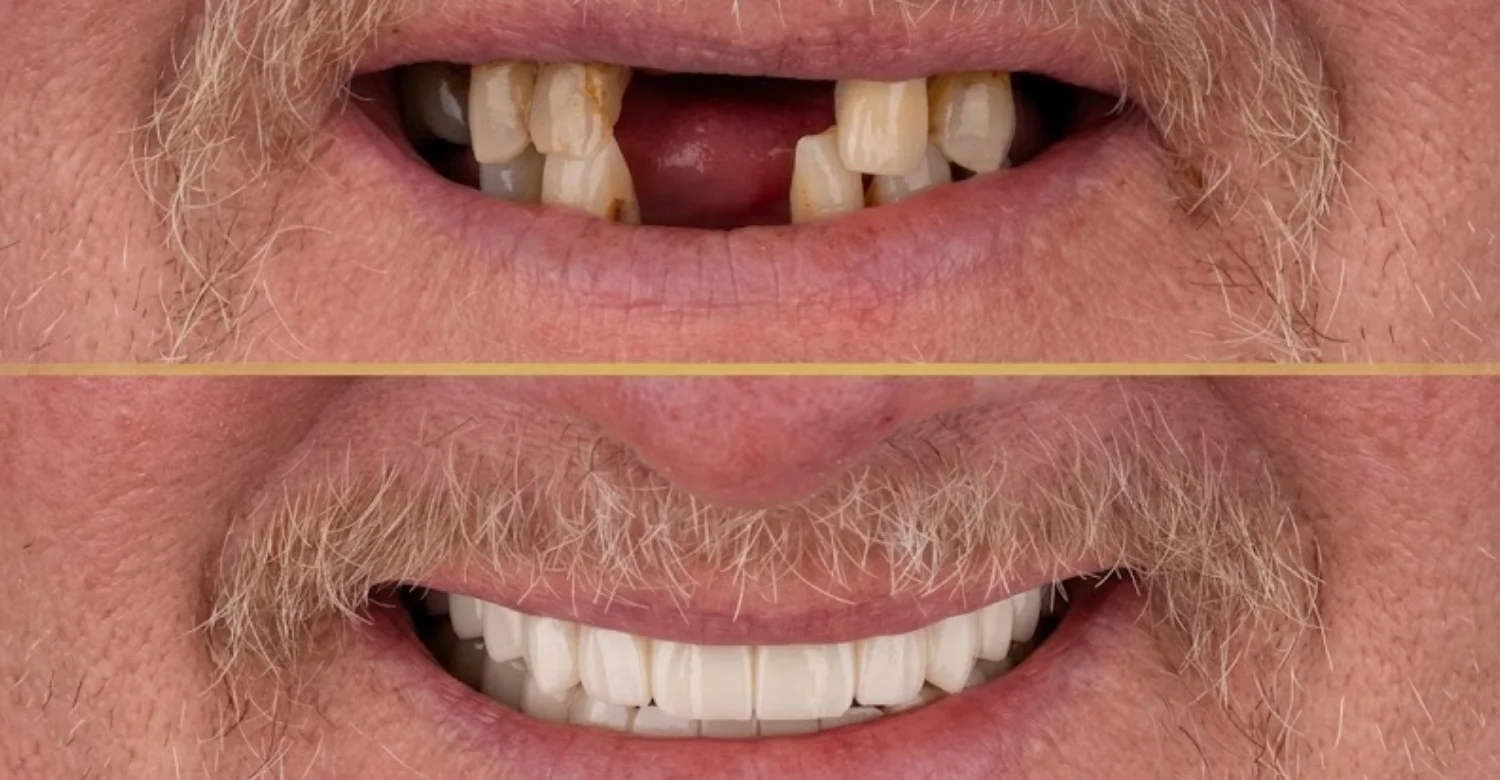
With dental implants vs bridges, implants fuse to the jawbone and stand on their own, while a traditional bridge requires work on healthy neighbouring teeth to support it. Implants often feel more comfortable and work better for chewing and speaking. Protecting healthy adjacent teeth is one of the key advantages of implants.
Which Option May Be Suitable: An Implant or a Bridge?
The choice depends on jawbone condition, the health of neighbouring teeth, general health, personal preference, and budget. Implants require surgery and healing time, while bridges avoid surgery but rely on the adjacent teeth for support. A comprehensive oral examination helps determine which option suits each patient best.
Find out more about Alexander disease and oral health
Dental Implants vs Dentures
Comparing dental implants vs dentures, conventional dentures sit on the gums and can be removed, while implants are permanently anchored in bone. Loose lower dentures are a common reason people choose implants, and most implant patients chew noticeably better. For patients missing many teeth, implants can also be used to support dentures.
What Are Implant-Supported Dentures?
Implant-supported dentures attach to implants placed in the jawbone instead of resting only on the gums. This gives them more stability than conventional dentures and helps solve the common problem of a lower denture that slides. They can be a practical option for patients missing many or all of the teeth in one jaw.
Doctor's Perspective
Evaluation begins with a comprehensive oral examination to assess medical and dental health. The dentist examines the gums and remaining teeth, checks whether there is enough jawbone, reviews the bite and available space, and uses imaging to plan treatment. Healing and lifestyle factors are also considered, so patients can safely achieve the benefits of dental implants.
Dental Implant Candidates
Most people who have lost teeth may be dental implant candidates. Candidates may be affected by current smoking, severe gum disease, uncontrolled type 2 diabetes, bleeding disorders, immune deficiencies, certain bone diseases, chemotherapy, bisphosphonate use, or poor oral hygiene. A careful evaluation shows who can safely proceed with implant treatment.
Explore antibiotic stewardship in dentistry
Dental Implant Risks and Drawbacks
Most implant procedures succeed, but as with any surgery, there are risks. These include infection, nerve damage, injury to sinus tissue, and failure of the implant to fuse with the bone. Some patients need bone grafting, and treatment takes several months. Weighing these factors against the benefits of dental implants supports informed decisions.
Dental Implant Risks
Dental implant risks include damage to surrounding teeth during placement, nerve damage, injury to the jawbone, injury to sinus tissue, and a misaligned bite. Infection of the implant and failure of the implant to fuse with the bone are also possible. Individual risk varies, so careful planning helps reduce complications.
Dental Implant Drawbacks
Dental implant drawbacks include the need for surgery and a process that can take several months from placement to the final crown. Some patients need a bone graft first, costs may be higher than other options, and implants need lifelong care. For many people, however, the benefits of dental implants outweigh these drawbacks.
When Is It Serious and Requires a Checkup?
Contact your dental team if bleeding does not stop with gentle pressure, if pain or swelling gets worse instead of better after three to five days, or if you react to a prescribed medicine. Fever, pus, persistent numbness, or a loose implant also need prompt review. Difficulty swallowing or breathing requires emergency care.
When to Contact the Dental Team After Implant Surgery
Some discomfort, swelling, and oozing are normal in the first days. However, contact your dental team if symptoms worsen rather than improve, if bleeding continues, or if you notice signs of infection. Reporting problems early allows prompt treatment and helps protect your implant over the long term.
Learn why lip biting can affect your teeth
When the Patient Should Rest
Rest matters most on the day of surgery and during the first 48 hours, when pain and swelling usually peak before gradually easing. Avoid strenuous physical activity when your dental team recommends it, and follow your individualised postoperative instructions to protect healing.
Resting After Bone Grafting or Additional Procedures
Some patients need a bone graft before or during implant placement when there isn't enough jawbone. Additional procedures may cause more swelling and a longer recovery, so extra rest and closer follow-up may be recommended. Always follow the specific instructions your dental team gives for your individual procedure.
Rest Tips
Get adequate sleep to give your body time to heal.
Avoid strenuous exercise during the recovery period your dental team recommends.
Follow the recommended diet: start with soft, cool foods, and avoid sharp-edged foods like chips for several days.
Avoid pressure on the surgical area: chew on the other side, and apply ice to your cheek to reduce swelling.
Follow oral hygiene instructions: brush gently around the surgical area, and don't rinse hard on the first day.
Avoid smoking, as it slows healing.
Take prescribed medications exactly as directed.
Keep follow-up appointments so your dentist can monitor healing.
About Vitrin Clinic
Vitrin Clinic provides personalised dental implant care built on careful evaluation and individualised planning. Every patient's oral health, bone condition, and goals are assessed before treatment begins. The Vitrin Clinic team aims to help patients experience the benefits of dental implants through safe, well-planned, patient-focused treatment.
What We Notice Clinically
At Vitrin Clinic, Dr. Rifat Alsaman, Head of the Medical Team and a cosmetic dentist, notes that successful implants depend on individualised planning. Bone condition, gum health, bite, and overall oral condition all shape results. Natural-looking results require both functional and aesthetic planning, so patient-specific evaluation before treatment is essential to achieving good results.
Clinical Note
Dental implants can provide stable replacement for missing teeth. Successful treatment depends on appropriate case selection, careful planning, proper healing, good oral hygiene, and long-term maintenance. When these elements work together, patients are more likely to enjoy the lasting benefits of dental implants with fewer complications.
Tips for the Patients
Brush twice daily, floss regularly, follow postoperative instructions, avoid smoking, and attend regular dental checkups. Report unusual pain, swelling, bleeding, numbness, or implant movement. Ask about your bone health and any additional procedures. Discuss all medical conditions and medications before treatment to support safe treatment and long-term success.
Discover what chewing ice can do to your teeth
Resource:
FAQs

Dr. Rifat Alsaman has more than 5 years of clinical experience in dentistry and currently serves as the Head of the Medical Team at Vitrin Clinic. He is dedicated to providing exceptional patient care, overseeing treatment planning, and ensuring the highest clinical standards across the team. His expertise, attention to detail, and commitment to continuous professional development have helped countless patients achieve healthier, more confident smiles.


