

Black tongue treatment focuses on identifying why the tongue turns dark rather than treating appearance alone. In many cases, the change is temporary. It is linked to black hairy tongue, where elongated papillae trap bacteria, debris, and dead cells. Prevalence estimates range from 0.6% to 11.3% across different populations. Overall tongue conditions appear in roughly 15.5% of the United States population. Smoking, dry mouth, medications, and poor hygiene can increase risk. This guide covers dark tongue causes, practical care options, and when to seek professional evaluation.
What Is Black Tongue?
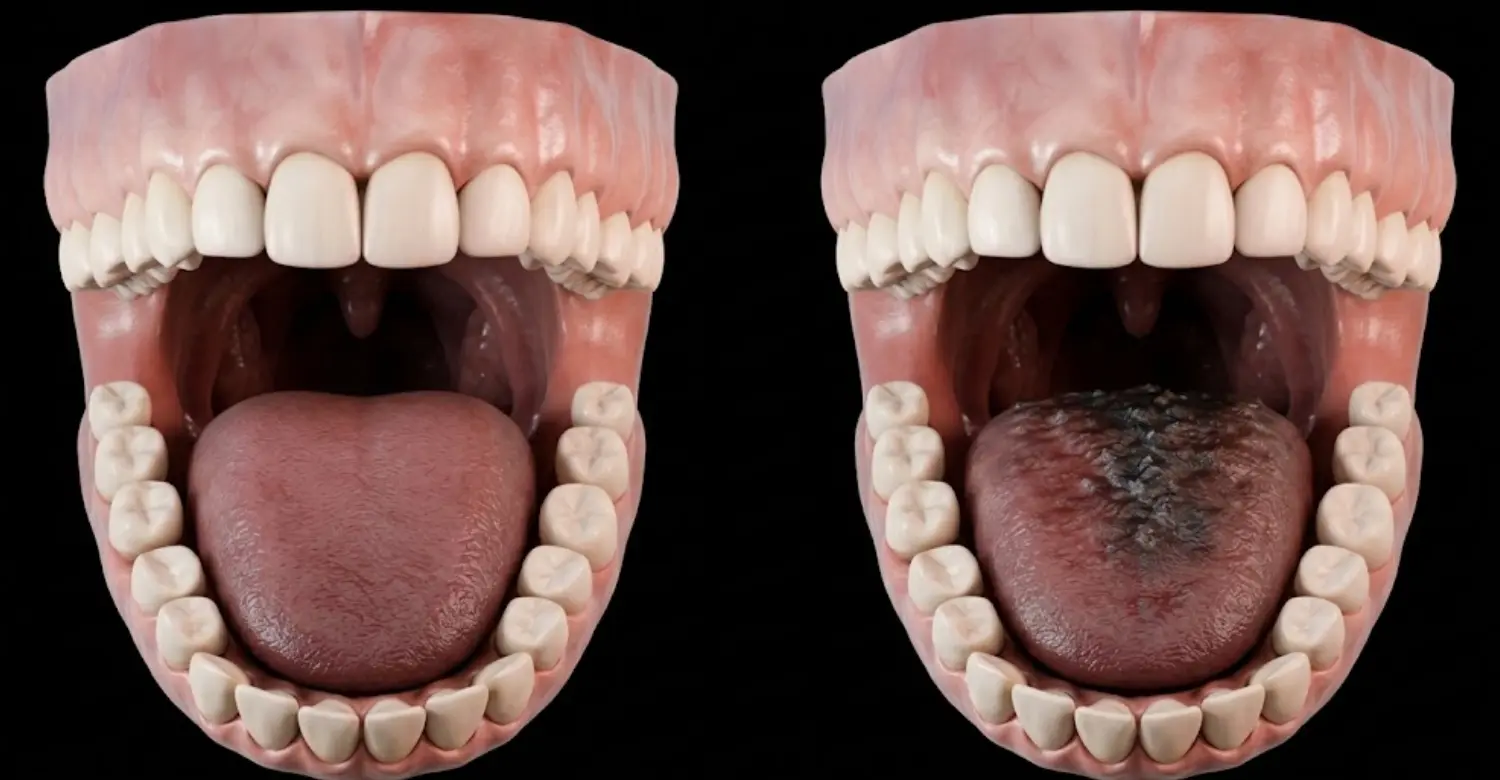
A dark tongue describes a visible color change on part or all of its surface. Understanding this is the starting point for any black tongue treatment. One common explanation is black hairy tongue. In this condition, filiform papillae fail to shed normally during eating and movement. Instead, they grow elongated. When shedding slows, bacteria, food, dead cells, and pigments collect around the papillae. This buildup produces colors ranging from brown or black to yellow or green.
What Does a Black Tongue Look Like?
A black tongue may appear dark, coated, furry, or textured. It usually affects the upper surface rather than the underside. Elongated papillae give black hairy tongue a distinct carpet-like look. Some people notice bad breath, an unusual taste, or a tickling sensation. Others experience no symptoms beyond the visible change.
Is Black Tongue a Serious Condition?
Black hairy tongue is generally benign and temporary. It rarely represents a dangerous disease. However, not every dark tongue shares the same cause, so persistent lesions need evaluation. Pain, ulcers, bleeding, swelling, or swallowing difficulties require immediate attention. These symptoms fall outside typical black tongue treatment expectations.
Black Tongue vs. Black Hairy Tongue
Black tongue and black hairy tongue are not always interchangeable terms. Knowing the difference matters when choosing the right black tongue treatment. Black hairy tongue specifically involves elongated filiform papillae that trap debris. This creates a hair-like, reversible appearance. Other dark changes involve pigmentation without elongated papillae. Dentists evaluate texture, distribution, and duration before confirming the diagnosis.
What Causes a Black Tongue?
Understanding the underlying trigger is the first step toward effective black tongue treatment. Several factors can interfere with normal papilla shedding. The condition often develops from a combination of causes rather than a single isolated factor. Identifying all contributors makes management far more effective.
Black Tongue From Poor Oral Hygiene
Poor oral hygiene lets bacteria and debris accumulate on the tongue. This buildup interferes with normal surface shedding, making papillae more noticeable and dark. Improving brushing, flossing, and gentle tongue cleaning helps significantly. However, patients should clean carefully rather than aggressively scraping the surface.
Medications and Black Tongue
Certain medications, including antibiotics, are linked to black hairy tongue. They often contribute indirectly by causing dry mouth. A 2024 literature review identified tongue discoloration among reported drug-related tongue disorders. Patients should never stop prescribed medication without medical advice. Discuss any suspected side effects with your prescribing clinician first.
Food, Drinks, and Lifestyle Factors
Coffee and black tea frequently contribute to surface staining. Additionally, soft diets reduce the natural friction needed to remove elongated papillae. Reducing heavily staining beverages helps as part of a black tongue treatment plan. However, eliminating every colored food is unnecessary. Focus on balanced nutrition and consistent hygiene instead.
Smoking and Tobacco Use
Smoking is an established risk factor for black hairy tongue. Tobacco alters the oral environment, contributes to dry mouth, and shifts bacterial balance. Stopping tobacco use supports healthier oral tissues and reduces systemic health risks. Patients struggling to quit should seek professional cessation support.
Dry Mouth and Bacterial Changes
Saliva plays an important role in maintaining a healthy oral environment. Reduced saliva allows debris and microorganisms to linger longer on the tongue. Dry mouth stems from medications, dehydration, or underlying medical conditions. Managing the root cause is often a key part of black tongue treatment.
Medical Conditions That May Contribute to Black Tongue
Immunosuppression, head and neck radiation therapy, diabetes, and HIV are associated with hairy tongue changes. These links do not mean a dark tongue proves a specific disease exists. However, accurate diagnosis requires looking at a patient's complete medical history alongside a dental evaluation.
When Should You See a Dentist?
See a dentist if discoloration persists despite better oral hygiene. Seek prompt care if symptoms like pain, burning, bleeding, swelling, or difficulty swallowing occur. These signs fall outside standard black tongue treatment expectations. A dentist will examine the tongue and surrounding tissues. Most cases are diagnosed clinically, with extra testing used only when findings are uncertain.
Black Tongue Treatment: How to Get Rid of Black Tongue
The first step in black tongue treatment is identifying and reducing contributing factors. Improving oral hygiene is the standard initial approach. Evidence-based reviews emphasize eliminating predisposing factors alongside gentle tongue cleaning. Most patients do not need invasive procedures. The plan should always match the suspected cause.
How to Treat Black Tongue
Treatment begins with gentle mechanical cleaning using a soft toothbrush or tongue scraper. Brush twice daily and floss once daily. Addressing dehydration, dry mouth, and tobacco exposure further improves the oral environment. The primary goal is restoring normal shedding rather than aggressively scraping tissue away.
Black Hairy Tongue Treatment
Black hairy tongue treatment focuses on improving tongue desquamation. Gentle daily brushing or scraping helps remove trapped debris. Professional debridement is an option when home care falls short. Underneath, underlying triggers like medication must also be addressed. Most cases resolve fully without surgery.
Best Treatment for Black Tongue
The best treatment for black tongue depends on its underlying cause. Hygiene-related cases require consistent cleaning. Tobacco-related cases require cessation. Medication-related cases require medical review. No universal approach fits every patient. A dentist should confirm the diagnosis before recommending a plan.
Professional Dental Cleaning
Professional dental cleaning removes plaque and calculus that home care misses. It also reinforces proper brushing and tongue-cleaning techniques. This process is helpful when oral hygiene has been difficult. However, it does not replace daily home care between appointments.
Tongue Cleaning and Debridement
Tongue debridement removes accumulated surface material. When done gently and correctly, it reduces the elongated appearance of hairy tongue. Clinical guidance supports daily brushing and scraping. Patients must stop immediately if cleaning causes pain or bleeding.
Treating the Underlying Cause
Treating the underlying trigger such as dry mouth, tobacco, or medication is essential to prevent recurrence. A single professional cleaning will not prevent the condition from returning on its own. Patients must address the primary cause rather than just treating the visible appearance.
Clinical Note
Clinically, the tongue must be evaluated as part of the whole mouth. Texture, distribution, duration, symptoms, and medical history provide vital clues. Clinicians should avoid assuming every dark tongue represents the same condition. This is especially true when symptoms are unusual or persistent.
Black Tongue Treatment at Home
Home care is effective for many uncomplicated cases. Focus on gentle cleaning and improved daily hygiene. Clinical guidance recommends daily tongue brushing and scraping for hairy tongue. Home care should never involve harsh chemicals or excessive pressure. If discoloration persists, professional evaluation is necessary.
Gentle Tongue Cleaning
Begin with a soft toothbrush or suitable tongue scraper, placing the tool toward the back of the tongue and moving forward with light pressure. Avoid repeatedly scraping one area until it becomes sore. Daily gentle cleaning is generally more useful than occasional aggressive cleaning as a foundation for lasting black tongue treatment.
Improving Daily Oral Hygiene
Brush your teeth twice daily with fluoride toothpaste and clean between teeth once daily using floss. Adding gentle tongue cleaning to this routine reduces bacterial accumulation across the mouth and supports steady black tongue treatment progress. This same twice-daily brushing and once-daily flossing pattern as a foundation for prevention.
Staying Hydrated
Adequate hydration supports normal saliva production, which is particularly useful when dehydration contributes to dry mouth, and it is a simple, supportive part of any black tongue treatment plan. Sugar-free chewing gum may support saliva flow for some people, though persistent dry mouth may require professional evaluation rather than hydration alone, since some medications reduce saliva independently of fluid intake.
Avoiding Tobacco and Irritating Products
Tobacco can contribute to dark tongue changes and oral irritation, and stopping use supports healthier tissues. Strong mouthwashes containing oxidizing ingredients such as peroxide have also been associated with hairy tongue. Choose gentle oral hygiene products, and discontinue anything that causes burning.
Black Tongue Remedies
Common supportive black tongue remedies include gentle brushing, tongue scraping, and improved hydration, along with reducing tobacco, alcohol, coffee, or tea in susceptible patients. Some online remedies lack strong clinical evidence, and harsh acids or concentrated peroxide may damage oral tissues, so simple, gentle care is usually preferable.
What to Avoid When Treating Black Tongue at Home
Avoid aggressive scraping that causes bleeding or soreness, concentrated hydrogen peroxide, and abrasive household substances. Do not stop prescription medication without medical advice, and do not assume every dark tongue is harmless. Persistent lesions still need professional evaluation even after trying reasonable home care.
Black Tongue Treatment and Oral Hygiene
Oral hygiene strongly influences the tongue's surface environment, since bacteria, food particles, and dead cells accumulate between papillae without regular cleaning. Good oral hygiene also supports healthier gums and teeth, though hygiene alone may not address medication effects or persistent dry mouth, which need a more complete evaluation.
How Oral Hygiene Affects Tongue Discoloration
The tongue naturally collects microorganisms and food debris throughout the day, and elongated papillae provide additional surface area for material to gather, contributing to a darker or furry appearance that black tongue treatment aims to reverse. Improving oral hygiene supports natural desquamation and may also reduce associated bad breath over time.
How to Clean Your Tongue Properly
Use a clean, soft toothbrush or tongue scraper, starting near the back without triggering excessive gagging and moving forward gently across the surface. Rinse your mouth afterward and clean the tool after each use. Good technique matters more than applying heavy pressure during black tongue treatment.
Choosing the Right Tongue Cleaner
A tongue scraper or a soft toothbrush can both work well for black tongue treatment, and there is no single tool that suits every patient. Avoid devices with sharp or rough edges, especially for sensitive tissues, and replace the tool when it becomes worn. A dentist can demonstrate proper technique during a visit.
How Often Should You Clean Your Tongue?
Daily tongue cleaning is commonly recommended, and consistency matters more than repeatedly scraping throughout the day. Excessive cleaning can irritate the surface, so patients should use light pressure and stop once the tongue feels clean. Clinical guidance supports daily brushing or scraping as part of ongoing hairy tongue care.
How Long Does Black Tongue Take to Go Away?
Recovery depends on the underlying cause and how quickly it is corrected. A clinical review reports that symptoms commonly resolve within one to two weeks once contributing factors are addressed. Some cases persist longer when triggers continue, so patients should monitor the tongue without repeatedly traumatizing it during recovery.
What Affects Recovery Time?
Continued tobacco use, dry mouth, certain medications, and poor oral hygiene can all delay improvement after starting black tongue treatment, since these factors work against the goal of restoring normal shedding. Addressing several factors simultaneously may speed recovery, though individual response varies, and patients should avoid comparing their timeline directly with someone else's experience.
When Should Black Tongue Improve?
Many uncomplicated cases begin improving after better oral hygiene, with visible changes appearing within days to a few weeks. A clinical review notes hairy tongue often resolves within one to two weeks. If the appearance remains unchanged, reconsidering the diagnosis and seeking evaluation becomes important.
Why Persistent Black Tongue Needs Evaluation
Persistent discoloration may indicate that the original cause remains active, or that the appearance has another explanation entirely. A dentist can assess texture, location, duration, and associated symptoms, and professional evaluation helps prevent inappropriate self-treatment when standard black tongue treatment steps do not resolve the change.
What We Notice Clinically
Dental professionals often notice recurring patterns among patients with tongue discoloration, since many first focus on appearance rather than contributing factors. Clinical examination can reveal hygiene challenges, dry mouth, or tobacco exposure, and the tongue should be evaluated alongside teeth, gums, and saliva for a complete picture.
Common Patterns Seen in Patients With Black Tongue
Common patterns include limited mechanical tongue cleaning, tobacco use, frequent coffee consumption, and dry mouth linked to medications or lifestyle. The condition can occur without significant pain, so aesthetic concern is often the main reason patients seek black tongue treatment in the first place.
Why Tongue Hygiene May Not Always Be Enough
Tongue cleaning may not resolve discoloration when another factor, such as a medication or persistent dry mouth, remains active. Some discoloration may also have a diagnosis unrelated to hairy tongue, so persistent symptoms require reassessment rather than an assumption that more scraping will solve every case.
Clinical Note
A clinical diagnosis should consider appearance, history, and associated symptoms together, since most black hairy tongue cases are diagnosed through examination alone. Uncertain lesions may require further investigation, and clinical judgment remains essential when symptoms do not match typical patterns.
Clinical Perspective on Black Tongue Treatment
Tongue discoloration should be assessed systematically, since a visible change does not automatically indicate a serious condition, though persistent or unusual findings should not be ignored. Focusing on contributing factors before choosing treatment, along with regular dental examinations, supports a balanced, conservative approach to care. At Vitrin Clinic, patient education remains part of individualized dental care.
Tips for Patients
Simple daily habits can support a healthier tongue, and the goal is consistency rather than aggressive treatment. Patients should combine tongue care with complete oral hygiene, address contributing lifestyle factors, and treat persistent changes as a reason for evaluation rather than repeated experimentation at home.
Clean Your Tongue Gently Every Day
- Use light pressure with a soft toothbrush or scraper.
- Avoid repeatedly scraping the same area.
- Clean your device after every use.
- Schedule a professional exam if discoloration remains.
Brush and Floss Consistently
- Brush twice daily with fluoride toothpaste.
- Clean between teeth once daily.
- Let tongue cleaning complement, not replace, tooth cleaning.
- Maintain the routine even after improvement.
Stay Hydrated
- Drink water regularly throughout the day.
- Try sugar-free gum to support saliva flow.
- Discuss chronic dryness with a healthcare provider.
- Remember hydration supports but does not replace evaluation.
Avoid Tobacco and Irritating Substances
- Reduce or stop tobacco use where possible.
- Avoid harsh, concentrated products like peroxide rinses.
- Choose gentle oral hygiene products instead.
- Seek professional guidance if symptoms continue.
Review Possible Medication Causes With Your Clinician
- Never stop medication without medical advice.
- Ask your prescribing clinician about suspected links.
- Share oral changes with your dentist over time.
- Combine dental and medical information for better decisions.
Maintain Regular Dental Checkups
- Attend visits that fit your individual oral health needs.
- Use checkups to catch plaque and calculus early.
- Ask for a tongue assessment during routine exams.
- Increase visit frequency if problems tend to recur.
How to Prevent Black Tongue
Prevention focuses on maintaining normal tongue shedding and oral cleanliness through good hygiene, dry mouth management, and avoiding tobacco. Routine dental visits can identify contributing factors early, and prevention is usually easier once these habits, rather than occasional black tongue treatment, become part of a consistent routine.
Maintain Good Oral Hygiene
Brush twice daily, clean between teeth daily, and add gentle tongue cleaning to the routine, since this foundation supports every other part of black tongue treatment. Replace worn toothbrushes regularly and avoid letting plaque accumulate around teeth and gums. A healthy mouth overall provides a better environment for the tongue to shed normally.
Clean Your Tongue Regularly
Daily tongue cleaning with a scraper or soft toothbrush, using gentle pressure from back to front, helps remove accumulated surface material and supports normal papillary shedding. Rinse afterward and clean the device each time. If discoloration continues, professional assessment is the appropriate next step.
Prevent Dry Mouth
Drink water regularly and monitor for persistent oral dryness, reviewing any medications that may reduce saliva with a clinician. Avoiding excessive alcohol and tobacco exposure also helps, and sugar-free gum may stimulate saliva in appropriate patients. Persistent xerostomia deserves its own professional evaluation.
Avoid Tobacco Products
Tobacco use can contribute to hairy tongue and other oral problems, and stopping supports healthier tissues along with improved breath. Patients who need help quitting should seek professional cessation support, since reducing exposure is beneficial even when complete cessation takes time to achieve.
Schedule Regular Dental Visits
Routine examinations help identify oral changes early, and professional cleanings reduce plaque and calculus accumulation that home care alone may miss. Dentists can also assess tongue texture and discoloration during these visits, folding a quick check into every appointment and giving patients with recurring changes an opportunity for closer monitoring as part of ongoing black tongue treatment.
When Should You See a Dentist About Black Tongue?
Professional evaluation is appropriate when discoloration remains despite home care, or when symptoms such as pain, burning, bleeding, or swelling appear. Difficulty eating or swallowing also deserves prompt attention. A dentist can confirm whether the appearance matches black hairy tongue or requires different management entirely.
Black Tongue That Does Not Improve
If discoloration persists after consistent hygiene improvements, seek evaluation rather than repeatedly increasing scraping intensity, since standard black tongue treatment may not be addressing the actual cause. Persistent symptoms may indicate an ongoing contributing factor or suggest another diagnosis altogether, and a dentist can reassess the tongue alongside your broader medical history.
Pain, Burning, or Significant Discomfort
Pain is not typical of uncomplicated black hairy tongue, so significant burning or irritation needs evaluation. A dentist can investigate infection, trauma, or inflammation rather than assuming the discomfort comes from the discoloration itself, ensuring black tongue treatment addresses the actual underlying issue.
Persistent Bad Breath
Bad breath can accompany hairy tongue, but persistent halitosis can also stem from gum disease, plaque, or dry mouth. A dental examination can identify the most likely oral cause, and professional cleaning combined with improved hygiene may help when buildup is the main contributor to the need for black tongue treatment.
Difficulty Eating or Swallowing
Difficulty eating or swallowing should never be ignored, since these symptoms may have causes unrelated to hairy tongue entirely and fall well outside routine black tongue treatment. Prompt professional evaluation can determine whether further assessment is needed, rather than relying solely on tongue scraping when swallowing becomes genuinely difficult.
Other Unusual Symptoms
Bleeding, ulcers, swelling, numbness, or persistent lumps require evaluation rather than self-treatment with scraping. Most benign tongue changes have straightforward clinical characteristics, so unusual presentations call for greater diagnostic caution and a clinician's assessment as the safest next step.
Black Tongue Treatment at Vitrin Clinic
Vitrin Clinic provides an individualized oral evaluation for patients concerned about tongue discoloration, considering the tongue alongside teeth, gums, hygiene, and oral habits. This approach helps identify contributing factors rather than focusing only on appearance, aiming for practical, conservative black tongue treatment recommendations.
Personalized Evaluation and Diagnosis
A personalized evaluation begins with a detailed oral examination reviewing the tongue's color, texture, distribution, and duration. Medical history and medication use may also be discussed, and the dental team determines whether the presentation is consistent with hairy tongue before recommending any treatment.
Professional Oral Hygiene and Tongue Care
Professional hygiene at Vitrin Clinic can remove plaque and calculus that home care misses, while tongue care addresses accumulated surface debris directly. The dental team can demonstrate gentle cleaning techniques so patients can maintain results through consistent home care between visits.
Identifying Contributing Oral Factors
The dental team assesses plaque accumulation, dry mouth, tobacco use, hygiene habits, and medication history to identify what may be contributing to the discoloration. Identifying the trigger helps guide recommendations that support long-term prevention rather than temporary cosmetic improvement alone.
Why Choose Vitrin Clinic for Black Tongue Treatment?
Choosing where to seek black tongue treatment involves more than treating a visible symptom. Vitrin Clinic emphasizes personalized assessment and patient-centered recommendations, aiming to understand contributing factors before recommending any procedure, while a comprehensive examination can also identify unrelated dental concerns worth addressing.
Patient-Centered Dental Care
Patient concerns about tongue appearance are taken seriously at Vitrin Clinic, with findings explained in understandable language. Recommendations are tailored to individual oral health needs, and patients can ask questions about hygiene, lifestyle, and recurrence throughout their visit for a more informed experience.
Experienced Dental Team
An experienced dental team can evaluate tongue changes within the broader oral environment, including the teeth, gums, saliva, and hygiene routine. Clinical experience helps distinguish common benign findings from unusual presentations, giving patients a structured assessment rather than guesswork.
Comprehensive Oral Health Assessment
A comprehensive examination looks beyond tongue color to inspect gums, teeth, plaque levels, and oral tissues, while also considering dry mouth and other contributing factors. This broader approach supports accurate clinical decision-making and may identify other issues that also need attention.
Personalized Treatment Recommendations
Treatment recommendations reflect the suspected cause: some patients need only improved home hygiene, others benefit from professional cleaning, and medication-related concerns require coordination with the prescribing clinician. Personalized black tongue treatment recommendations help avoid unnecessary or overly aggressive care.
About Black Tongue Treatment
Black hairy tongue is generally benign and reversible, occurring when filiform papillae become elongated and collect surface material. Poor oral hygiene, tobacco, dry mouth, and certain medications can all contribute. Daily gentle tongue cleaning remains the common first-line management strategy, and A clinical review reports many cases resolve within one to two weeks. Persistent or unusual discoloration should always receive professional evaluation, and Vitrin Clinic can provide personalized assessment and guidance when home care is not enough.


