General Dentistry
August 3, 2026
Is Cheese Good for Your Teeth? Benefits for Enamel and Oral Health ?
 Dr. Rifat Alsaman
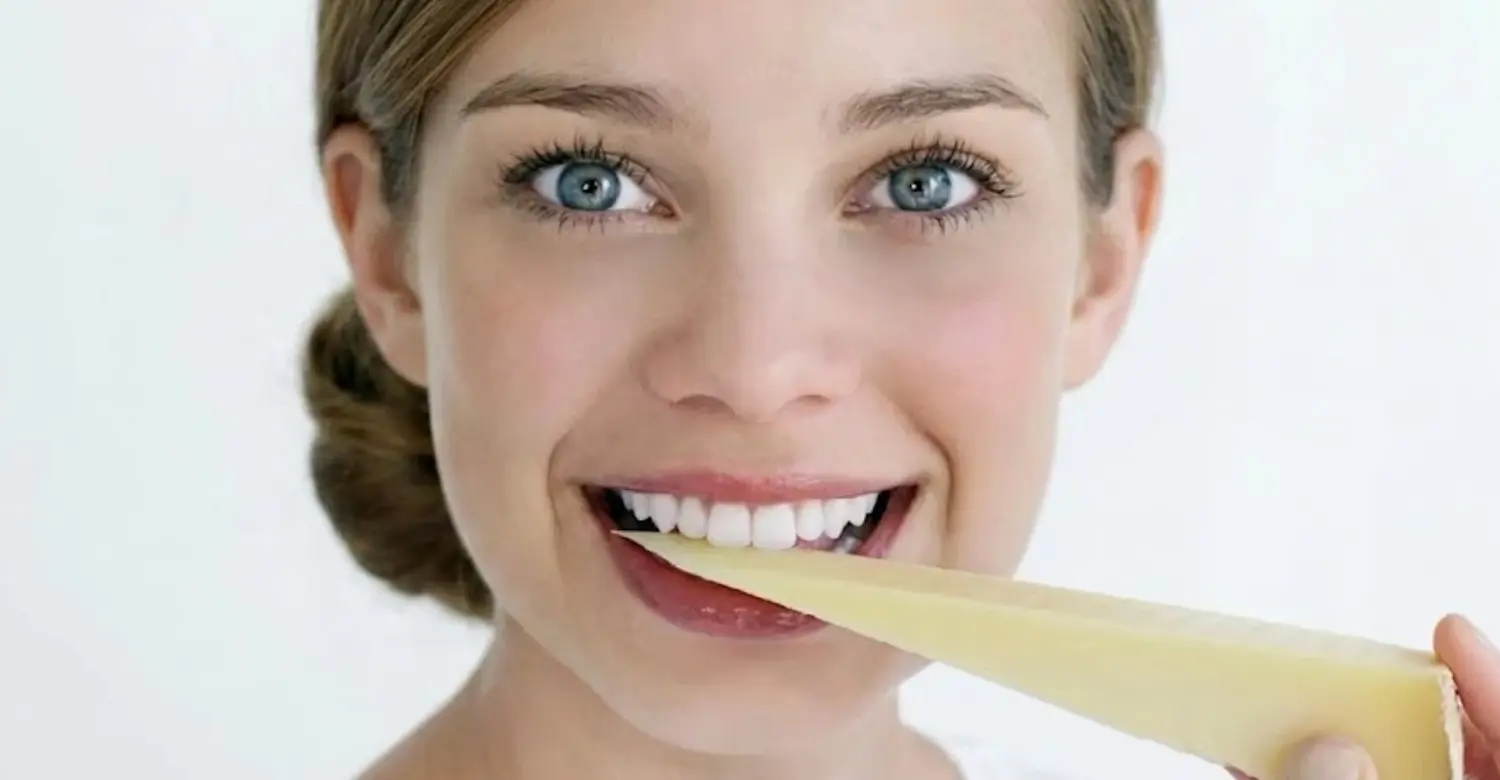
Yes, cheese for teeth is a beneficial choice as part of a balanced diet. Cheese is a functional food for oral health. It provides calcium, phosphate, and casein proteins. These nutrients strengthen enamel and protect teeth from acid attacks. Eating cheese after meals increases saliva flow and raises mouth pH. It also supports natural enamel remineralization.
Dr. Rifat Alsaman notes that cheese does not replace brushing, flossing, or dental care. However, it is a smart addition to a tooth-friendly diet. Understanding how cheese affects enamel, calcium, and cavities helps patients make better nutrition choices.
Cheese for Teeth : Is it Good for you ?
Yes , cheese is good for your teeth because it contains calcium, phosphate, and casein, a milk protein that helps create a protective layer over enamel. Studies show that cheese can stimulate saliva production, neutralize harmful acids, support enamel remineralization, and may help reduce cavity risk when consumed after meals.
How Cheese Supports Dental Health
Research shows cheese for teeth supports enamel through calcium, phosphate, and casein.
Studies found cheese increases plaque pH after meals. This reduces acid effects from bacteria and aids cavity prevention.
Controlled studies show enamel benefits. Still, cheese cannot replace fluoride toothpaste or dental treatments.
CPP-ACP research highlights how milk calcium compounds boost enamel remineralization in clinical settings.
Eating cheese after acidic foods neutralizes acids. However, daily brushing, flossing, and check-ups remain essential.
Methodological Note:
While research shows promising links between cheese, enamel protection, and remineralization of teeth, some studies are performed in laboratory or controlled environments. These findings should not be interpreted as cheese replacing fluoride treatments or preventive dental care.
Why Cheese Is Different From Other Dairy Foods
When discussing cheese for teeth, remember that not all dairy products act the same. Cheese combines high calcium and phosphate levels with low sugar. This makes it a tooth-friendly option compared to sweet dairy items.
Unlike milk with lactose or sweetened yogurts, aged cheeses like cheddar provide key minerals. They support enamel health without exposing teeth to sugar attacks. Casein proteins in cheese also form a protective film around enamel.
Dental research suggests the structure and mineral content of cheese help protect teeth. Its ability to trigger saliva makes it a top food for strong enamel.
Cheese's Loاw Sugar Content Compared With Other Dairy Products
A key reason cheese for teeth works well is its low sugar content. Dental bacteria use sugars to make acids. These acids weaken enamel and raise cavity risk. Aged cheeses contain minimal sugar, so they rarely fuel acid production.
Small portions of cheese are a practical choice for healthy dental snacks. They work best after meals when mouth acids are highest.
Dairy Foods and Oral Health Relevance
Food | Calcium/Phosphate | Sugar Content | Casein Film Effect |
Aged cheese (cheddar, gruyère) | High | Very low | Strong |
Milk | High | Naturally present (lactose) | Moderate |
Plain yogurt | High | Low (unless sweetened) | Moderate |
Sweetened yogurt/flavored milk | High | High (added sugar) | Reduced benefit due to sugar |
Tips for Patients
Choose natural or aged cheeses instead of processed cheese products with added ingredients.
Consider eating cheese after acidic foods to help support saliva flow and acid neutralization.
Avoid pairing cheese with sugary crackers or sweet snacks that may reduce its oral health benefits.
Include cheese as part of a balanced diet, but continue regular brushing, flossing, and dental check-ups.
Not all dairy products provide the same dental benefits. While calcium-rich foods support enamel health, added sugars in flavored yogurts or sweetened milk can reduce their protective effects.
How Cheese Protects Enamel
The benefits of cheese for teeth stem from its unique mix of minerals and proteins. Cheese also stimulates saliva. Unlike snacks that add sugar and acids, cheese supports your mouth's natural defenses.
Acids from bacteria or foods strip calcium and phosphate from enamel. Cheese counters this loss by supplying minerals and supporting remineralization.
Calcium and Phosphate's Role in Remineralization
Calcium and phosphate maintain strong enamel and help repair daily acid damage naturally.
Demineralization happens when acids strip minerals from enamel. Calcium-rich foods provide the blocks needed for repair.
Research shows calcium-phosphate compounds, including CPP-ACP, enhance enamel remineralization under controlled settings.
Studies found CPP-ACP fortified milk produced 70–148% greater remineralization than plain milk in clinical trials.
Dr. Rifat Alsaman explains that strong enamel supports cavity prevention alongside professional care.
Casein's Protective Film Mechanism
A key benefit of cheese is its casein content. Casein is a milk protein that interacts with calcium and phosphate. This interaction creates ideal conditions for enamel protection. After eating cheese, these proteins form a temporary protective layer on teeth. This layer reduces the impact of acid exposure.
Because of this effect, researchers frequently study cheese and enamel together. The casein mechanism keeps vital minerals close to teeth, maintaining a healthy oral environment.
How Cheese Helps Raise Plaque pH After Eating
After meals, plaque bacteria produce acids. These acids lower mouth pH and increase enamel erosion. Cheese helps by raising plaque pH and boosting saliva, which creates a less acidic space.
A popular dental study found that eating 15 grams of cheese after meals raised plaque pH. This neutralizing action makes cheese a great post-meal habit for oral health.
Clinic Note (Vitrin Clinic):
We often recommend finishing a meal with a small piece of cheese, especially after acidic foods or drinks. It is a simple, evidence-supported habit that does not replace daily brushing and professional dental care.
Cheese as a Snack: When and How to Eat It for Maximum Benefit
Adding cheese for teeth to your routine is a simple way to protect enamel. The benefits are strongest when consumed strategically. Eat it right after meals when acids are active.
Do not view cheese as a cure. Instead, treat it as a supportive food for strong teeth. Its minerals and casein preserve enamel, while its low sugar content makes it better than sweet snacks.
Best Timing: Right After Meals, Especially Acidic Ones
The ideal time for cheese is right after eating, especially after acidic foods.
Eating cheese after meals triggers saliva and supports natural acid neutralization.
The ADA recognizes that dairy products like cheese neutralize oral acids after meals.
Research shows cheese consumption increases plaque pH levels quickly.
Dr. Rifat Alsaman notes that small dietary habits support overall enamel protection.
Portion Guidance for Better Oral and General Health
Moderation is key when using cheese for teeth. A small portion adds calcium and phosphate without excess calories or sodium.
Aged cheeses like cheddar are ideal because they have low sugar and high mineral content. Still, monitor your total dietary needs, especially if you watch your sodium intake.
What We Notice Clinically
At Vitrin Clinic, Dr. Rifat Alsaman notices that patients often search for natural ways to improve their smiles and protect enamel. Nutrition choices, including adding cheese for teeth to a balanced diet, can support overall oral health when combined with professional dental care.
Does Cheese Have Any Downsides for Oral Health?
While cheese for teeth offers distinct benefits, no food is entirely risk-free. Positive results depend on choosing the right types and maintaining good oral hygiene.
Cheese is tooth-friendly because it is low in sugar. However, some varieties carry high sodium or trap food particles around teeth.
Sodium Content and General Dietary Considerations
Some options have notable sodium levels. Eating large amounts of high-sodium cheese may conflict with your health goals.
Choose moderate portions and select lower-sodium options when possible. Oral health links directly to general wellness, so keep your overall diet balanced.
Dr. Rifat Alsaman notes that nutrition should fit into a complete health routine. Cheese is helpful, but patients should not rely on a single food for dental safety.
Sticky or Soft Cheeses and Food Particles Lodging Between Teeth
Soft or sticky cheeses can leave particles around teeth and dental work. Cheese is not a primary cavity threat, but trapped debris encourages plaque if left uncleaned.
Patients with braces, implants, or tight spaces must clean thoroughly after eating soft cheese. Use dental floss or interdental tools to remove leftover particles.
Tips for Patients
Choose cheese for teeth options with lower sodium when possible.
Drink water after eating cheese if food particles remain in the mouth.
Clean between teeth regularly, especially after soft or sticky cheese varieties.
Avoid eating large amounts of cheese simply because it may support enamel health.
Other Foods That Support Remineralization
A complete tooth-friendly diet includes diverse foods that supply minerals and boost saliva. The benefits of cheese increase when paired with other nutrient-dense choices.
A diet rich in calcium, proteins, and crunchy vegetables protects enamel. However, even top foods must be paired with brushing, flossing, and fluoride.
Foods That Support Enamel Health
Category | Recommended | Limit |
Dairy | Cheese, plain yogurt, milk | Sweetened dairy products |
Protein | Nuts, lean meats | — |
Produce | Crunchy vegetables such as carrots and celery | Highly acidic fruits in excess |
How Cheese Fits Into a Tooth-Friendly Diet
Cheese remains a top dairy choice because it offers minerals with almost zero sugar. These nutrients reinforce enamel structure, while the chewing action triggers helpful saliva.
Plain yogurt and milk also supply calcium for oral health. However, sweetened dairy options contain added sugars that feed harmful mouth bacteria.
Tips for Patients
Include cheese for teeth as part of a varied, nutrient-rich diet rather than depending on one food alone.
Choose plain dairy products instead of options with added sugar.
Add crunchy vegetables like carrots and celery to meals to support saliva production.
Balance acidic foods with enamel-friendly choices.
Remember that cheese for teeth supports oral health but does not replace brushing, flossing, or dental check-ups.
Signs Your Enamel May Need Attention
Cheese supports enamel, but it cannot fix advanced dental damage. Recognizing early warning signs helps you seek professional care before issues grow.
Healthy enamel protects against heat, cold, and acids. When enamel thins, sensitivity and color changes occur. Mineral-rich foods help prevent damage, but professional care remains essential.
Common Signs Your Enamel May Need Attention
Increased tooth sensitivity to hot or cold:
Sudden discomfort when consuming hot drinks, cold foods, or sweet items may indicate enamel thinning or increased exposure of the sensitive inner tooth layer.Visible pitting or discoloration on tooth surfaces:
Small holes, white spots, yellowing, or changes in tooth color may suggest mineral loss or enamel changes that require dental evaluation.Rough or matte texture on enamel:
Healthy enamel usually feels smooth and shiny. A rough or dull surface may indicate erosion caused by acids, grinding, or other factors.Recurring cavities despite good hygiene:
Frequent cavities may indicate increased enamel vulnerability, dietary factors, dry mouth, or areas that require professional assessment.
What We Notice Clinically
At Vitrin Clinic, Dr. Rifat Alsaman often observes that patients focus on whitening or cosmetic concerns while overlooking early enamel changes. Adding cheese for teeth to a balanced diet may help support enamel strength, but regular dental examinations allow dentists to detect erosion, cavities, and mineral loss before they progress.
How This Fits Into Preventive Dental Care
Dietary choices are just one part of keeping a healthy smile. While cheese for teeth provides calcium and casein, preventive care requires hygiene and regular check-ups.
A good diet supports oral defenses, but it cannot spot hidden cavities or gum issues. Regular dental visits allow your dentist to evaluate enamel and offer targeted care.
Preventive Check-Ups and Enamel Monitoring
Routine exams help catch enamel changes early. During a visit, your dentist checks for mineral loss, assesses cavity risk, and guides daily habits.
Dr. Rifat Alsaman stresses that dental health requires a complete routine. Professional exams show whether your enamel needs care beyond dietary changes.
Professional Remineralization Treatments
For weakened enamel, dentists may recommend targeted remineralization treatments. These include fluoride varnishes or CPP-ACP products designed to rebuild minerals fast.
While cheese supplies natural minerals, professional treatments deliver direct support when enamel requires heavy protection.
Personalized Dietary Counseling
Every patient has unique dietary habits and dental risks. Personalized guidance helps identify foods that protect teeth while cutting down acid exposure.
Eating cheese after meals is a helpful habit for many. However, your dentist can provide tailored advice based on your cavity history and saliva flow.
Clinic Tip (Vitrin Clinic):
Dietary habits like eating cheese for teeth after meals are a great complement to professional care but they do not replace regular dental check-ups. During your visit, we can assess whether your enamel would benefit from additional remineralizing treatments.
When to See a Dentist
Cheese supports enamel health, but it cannot prevent every dental issue. Knowing when to see a dentist is vital for long-term oral health.
If you experience ongoing sensitivity or visible enamel wear, schedule an evaluation. Even with great habits like eating cheese, routine check-ups protect your teeth best.
Signs That Require Professional Evaluation
Persistent tooth sensitivity:
If hot, cold, sweet, or acidic foods cause repeated discomfort, it may indicate enamel thinning, exposed dentin, gum recession, or another dental concern.Visible enamel wear or changes:
Noticeable discoloration, rough surfaces, cracks, transparency at the edges of teeth, or worn enamel may require professional assessment.Recurring cavities despite good oral hygiene:
Frequent decay can be linked to factors beyond brushing habits, including diet, saliva changes, enamel weakness, or areas that are difficult to clean.
Tips for Patients
Do not ignore ongoing sensitivity or changes in tooth appearance.
Continue enjoying cheese for teeth as part of a balanced oral health routine.
Schedule regular dental examinations even when your teeth feel healthy.
Ask your dentist about enamel-strengthening options if you are at higher risk of cavities.
Combine nutrition, hygiene, and professional care for the best long-term results.
If you notice enamel concerns or want personalized advice about protecting your smile, Vitrin Clinic provides comprehensive dental evaluations and preventive care plans designed around each patient’s oral health needs. Book a consultation to understand how your diet, hygiene routine, and dental treatments can work together for a healthier smile.
Why Choose Vitrin Clinic for Preventive Dental Care and Enamel Health?
Maintaining strong enamel requires more than choosing cheese for teeth or adding calcium-rich foods to your diet. At Vitrin Clinic, preventive dentistry focuses on understanding each patient’s unique oral health needs through professional examinations, personalized recommendations, and evidence-based care.
Under the guidance of Dr. Rifat Alsaman, patients receive comprehensive evaluations to identify early enamel changes, cavity risks, and factors that may affect long-term dental health. Whether you need advice about nutrition for oral health, enamel protection, or preventive treatments, the Vitrin Clinic team provides personalized solutions designed to support a healthy smile.
Our approach combines modern dental techniques with patient education, helping individuals understand how daily habits, diet choices, and professional care work together. Foods like cheese for teeth can support enamel health, but professional monitoring ensures that potential issues are detected and managed early.
Personalized Enamel Protection Plans at Vitrin Clinic
Every smile has different needs, which is why Vitrin Clinic focuses on personalized preventive care rather than a one-size-fits-all approach. During dental evaluations, the team assesses enamel condition, cavity risk factors, oral hygiene habits, and dietary patterns to create suitable recommendations.
Dr. Rifat Alsaman, emphasizes that protecting enamel requires a combination of healthy nutrition, professional prevention, and consistent oral care. While habits such as eating cheese for teeth after meals may support enamel protection, some patients may benefit from additional preventive options such as fluoride applications, remineralization support, or customized oral health guidance.
Tips for Patients
Combine enamel-friendly foods like cheese for teeth with regular dental check-ups.
Ask your dentist about personalized remineralization options if you have enamel weakness.
Maintain daily brushing and flossing even when following a tooth-friendly diet.
Schedule preventive visits to detect early enamel changes before they become major concerns.
At Vitrin Clinic, our goal is to help patients protect their natural teeth through a combination of advanced dental care, preventive strategies, and personalized guidance for a healthier, confident smile.
Conclusion
Cheese for teeth can support a tooth-friendly diet because calcium, phosphate, and casein may help strengthen enamel and neutralize acids.
However, cheese for teeth works best alongside proper oral hygiene, fluoride protection, and regular professional dental care.
Cheese for teeth cannot replace brushing, flossing, or dental evaluations because strong enamel requires a complete preventive approach.
Dr. Rifat Alsaman emphasizes that balanced nutrition and professional guidance together help maintain long-term enamel health and a healthier smile.
Book a preventive check-up at Vitrin Clinic to assess your enamel condition and receive personalized recommendations for stronger teeth.
References
FAQs
Dr. Rifat Alsaman has more than 5 years of clinical experience in dentistry and currently serves as the Head of the Medical Team at Vitrin Clinic. He is dedicated to providing exceptional patient care, overseeing treatment planning, and ensuring the highest clinical standards across the team. His expertise, attention to detail, and commitment to continuous professional development have helped countless patients achieve healthier, more confident smiles.


.webp&w=3840&q=75)

