General Dentistry
August 11, 2026
How Can You Improve Children Oral Health for Healthy Teeth and Gums?
 Dr. Rifat Alsaman
Strong daily habits can help children develop healthier teeth, gums, and lifelong oral routines. Children Oral Health depends on brushing, nutrition, fluoride, dental visits, and parental guidance. The goal is not simply keeping teeth clean. It also involves preventing cavities, protecting developing enamel, and identifying problems early. Children need age-appropriate care because their oral structures change rapidly. Baby teeth require attention even though they eventually fall out. Permanent teeth also benefit from protection during their development and eruption. Parents can support these goals through consistent routines and regular professional assessments. The American Dental Association recommends brushing twice daily with fluoride toothpaste. Children should also have their teeth cleaned between the teeth when appropriate. Vitrin Clinic emphasizes preventive care and individualized guidance for developing smiles.
What Is Children Oral Health?
Children Oral Health describes the condition and development of a child’s teeth, gums, mouth, and supporting tissues. It includes daily hygiene, cavity prevention, gum health, nutrition, and professional dental care. Healthy oral development begins before permanent teeth become visible. Primary teeth help children chew, speak, and maintain appropriate space for permanent teeth. Tooth decay can affect eating, sleeping, concentration, and daily comfort. See the full clinical picture in our guide to what pediatric dentistry involves. The CDC identifies dental caries as one of the most common chronic childhood diseases. Parents should therefore treat oral care as part of general childhood wellness. Effective prevention combines fluoride toothpaste, balanced nutrition, regular cleaning, and dental examinations. Vitrin Clinic can help families understand age-specific preventive strategies. Early guidance can also make dental visits more comfortable and predictable. Good habits established early may continue throughout adolescence and adulthood.
Why Oral Health Matters During Childhood
Children's Oral Health matters because childhood establishes many habits that influence future dental health. Primary teeth are vulnerable to plaque and acids soon after eruption. Untreated cavities can cause pain, infection, eating difficulties, and missed school activities. Healthy teeth also support clear speech and comfortable chewing. Children with dental problems may avoid certain foods because chewing becomes uncomfortable. Preventive care can reduce these risks before they become complicated problems. The American Dental Association recommends twice-daily brushing with fluoride toothpaste. Parents should also monitor brushing because younger children often lack adequate manual coordination. Professional examinations can identify early enamel changes and developing bite concerns. Vitrin Clinic encourages parents to build simple routines around brushing and dental appointments. Consistency is often more effective than complicated oral care routines.
How Children Oral Health Affects Overall Health
Children Oral Health can influence comfort, nutrition, sleep, school participation, and overall wellbeing. Dental pain may make children reluctant to eat or sleep normally. Severe oral infections can also require urgent professional treatment. Healthy teeth allow children to chew foods comfortably and maintain normal dietary patterns. Oral problems may also affect confidence when children become aware of visible decay or damaged teeth. Prevention therefore supports both physical comfort and social wellbeing. The relationship between oral and general health is especially important during childhood development. Parents should consider oral care part of a broader healthy lifestyle. Regular brushing, healthy meals, limited sugary drinks, and dental visits work together. Vitrin Clinic focuses on preventive assessment rather than waiting for symptoms to become severe. Early attention can reduce treatment complexity and help children maintain healthier smiles.
Baby Teeth vs. Permanent Teeth
Children Oral Health involves both primary teeth and permanent teeth during important developmental stages. Children usually develop 20 primary teeth before their permanent dentition gradually replaces them. Primary teeth are smaller and generally have thinner enamel than permanent teeth. This structure can make untreated decay progress quickly in young children. Permanent teeth require protection immediately after eruption because newly erupted enamel continues maturing. Parents should therefore avoid assuming that baby teeth can be ignored. Both dentitions contribute to chewing, speech, facial development, and oral function. Professional monitoring can identify decay, eruption changes, and alignment concerns early. Fluoride exposure can strengthen enamel and support resistance against tooth decay. Vitrin Clinic can assess developing teeth and recommend age-appropriate preventive care. Protecting primary teeth supports a healthier transition toward permanent dentition.
Why Primary Teeth Need Proper Care
Children's Oral Health requires careful attention to primary teeth because they perform important developmental functions. Baby teeth help children chew efficiently while their jaws and facial structures develop. They also help maintain space for incoming permanent teeth. Premature loss caused by extensive decay can sometimes create spacing complications. Primary teeth can also develop painful cavities when plaque remains on enamel regularly. Children may struggle to describe dental pain clearly, especially at younger ages. Parents should therefore watch for chewing changes, sensitivity, or reluctance to eat. Brushing should begin when the first tooth appears. The ADA recommends a rice-sized amount of fluoride toothpaste for children under three. Parents should supervise brushing and prevent excessive toothpaste swallowing. Vitrin Clinic can provide individualized guidance according to the child’s age and dental risk. Discover exactly why this matters in why baby teeth are important.
How Baby Teeth Support Permanent Teeth
Children Oral Health benefits when primary teeth remain healthy until their natural replacement. Baby teeth help preserve appropriate space for permanent teeth beneath them. They also guide permanent teeth toward their developing positions. Premature tooth loss may sometimes alter this natural sequence. Depending on the tooth and timing, dentists may consider additional monitoring or space management. Primary teeth also support normal chewing and speech development during early childhood. Maintaining them can therefore support comfortable oral function while permanent teeth develop. Parents should continue daily brushing even when a baby tooth appears loose. Loose teeth can remain susceptible to plaque accumulation around the gumline. Professional examinations help determine whether an eruption is progressing normally. Vitrin Clinic can monitor these developmental changes during routine pediatric dental assessments. Good primary-tooth care creates a stronger foundation for future permanent dentition.
Clinical Note
Children's Oral Health should be evaluated according to the child’s individual dental development and risk factors. Children do not all develop cavities or orthodontic concerns at the same rate. Frequent sugar exposure, inadequate brushing, enamel defects, and previous cavities can increase risk. Fluoride exposure and saliva also influence the balance between enamel breakdown and repair. The ADA recognizes fluoride as an important tool for preventing tooth decay. Clinicians may recommend additional preventive measures for children with elevated caries risk. These measures can include professional fluoride applications or other preventive strategies. Dental sealants may also protect susceptible chewing surfaces when clinically appropriate. Vitrin Clinic uses clinical assessment to identify individual preventive priorities. Parents should follow professional recommendations rather than applying identical routines to every child.
When Should Children Start Dental Care?
Children's Oral Health care should begin when the first tooth appears, rather than after problems develop. Primary teeth can develop decay soon after eruption. The American Dental Association recommends establishing a dental home by age one. Early care allows dentists to assess teeth, gums, fluoride exposure, feeding habits, and hygiene routines. Parents also receive practical advice before preventable problems become complicated. Regular care can identify early enamel changes that may not cause symptoms. Children can also become familiar with dental environments through positive experiences. This familiarity may reduce fear during future appointments. Vitrin Clinic can guide families through age-appropriate preventive dental routines. A personalized approach considers the child’s development and individual cavity risk. Starting early makes prevention part of normal childhood care. Get the full timeline in our dedicated guide to when to take your child to the dentist.
When Should a Child First Visit the Dentist?
Children Oral Health should be assessed by a dentist when the first tooth appears or by the first birthday. This recommendation allows early detection of decay and developmental concerns. The first appointment usually focuses heavily on prevention and parental education. The dentist may examine erupted teeth, gums, bite development, and oral habits. Parents can also discuss feeding, brushing, fluoride exposure, pacifiers, and thumb sucking. Early appointments can establish a consistent preventive schedule. They also help children become comfortable with dental environments before urgent treatment becomes necessary. A recent Ohio Medicaid study found fewer than 3% attended a dental visit at age one. Vitrin Clinic encourages parents to schedule preventive assessments early. Early professional guidance can make daily home care easier and more effective.
How Early Childhood Dental Care Prevents Future Problems
Children Oral Health improves when preventive dental care begins before significant disease develops. Early appointments allow dentists to identify plaque buildup, enamel weaknesses, cavities, and developmental concerns. Parents can receive individualized recommendations based on the child’s specific risk factors. Fluoride strategies can also be discussed according to age and exposure. The ADA recognizes early childhood caries as a multifactorial disease. Frequent sugar exposure and inadequate cleaning can increase decay risk. Professional monitoring helps identify these risks before they become more serious. Early prevention may reduce the need for extensive restorative treatment later. Vitrin Clinic focuses on prevention, education, and appropriate clinical monitoring. Parents should treat dental appointments as routine healthcare rather than emergency care. Consistent prevention supports healthier teeth throughout childhood.
What Parents Should Expect During a Child’s First Dental Visit
Children Oral Health assessments during a first visit are generally focused on examination, prevention, and education. The dentist may inspect teeth, gums, oral tissues, and developing bite relationships. Parents can expect questions about brushing, diet, fluoride, feeding, and oral habits. The dentist may demonstrate appropriate brushing techniques for the child’s age. If risk factors exist, additional preventive measures may be discussed. Young children may not require extensive treatment during their first appointment. Building trust can be more important than completing lengthy procedures. Parents should avoid describing dental treatment using frightening language. Vitrin Clinic aims to create comfortable visits that help children develop positive dental experiences. Families can also receive practical advice for home routines. A successful first visit establishes a foundation for ongoing preventive care. Curious what actually happens at that first appointment? Read your child's first dental visit.
Tips for Patients
Children's Oral Health can improve when parents make dental routines predictable and simple. Brush twice daily using fluoride toothpaste appropriate for the child’s age. The ADA recommends a rice-sized smear for children under three. Children aged three through six should use no more than a pea-sized amount. Supervise brushing until the child can clean effectively and spit reliably. Replace toothbrushes when bristles become worn or approximately every three months. Limit frequent sugary snacks and sweetened drinks between meals. Encourage water as a regular drink throughout the day. Schedule dental examinations according to professional recommendations. Parents should also respond promptly to pain, swelling, or dental injuries. Vitrin Clinic can provide personalized preventive guidance based on each child’s needs.
Children Oral Hygiene: Essential Daily Habits
Children's Oral Health depends heavily on consistent daily hygiene habits established at home. Brushing removes plaque before bacterial acids can repeatedly attack tooth enamel. Children should generally brush twice daily for approximately two minutes. Parents should supervise younger children because brushing skills develop gradually. Fluoride toothpaste provides additional protection against tooth decay when used appropriately. Cleaning between teeth becomes important when contacts are tight enough to trap plaque. Children should also learn to avoid swallowing toothpaste unnecessarily. Toothbrushes should have soft bristles and appropriately sized heads. A predictable morning and bedtime routine can make compliance easier. Vitrin Clinic can demonstrate age-appropriate brushing techniques during preventive appointments. Small daily actions can significantly influence long-term oral health.
How to Brush Children’s Teeth Correctly
Children Oral Health benefits from thorough brushing that reaches every accessible tooth surface. Parents should use a small, soft-bristled toothbrush designed for children. Place the brush gently against the gumline and use short, controlled movements. The outer, inner, and chewing surfaces should all receive attention. The ADA recommends brushing for two minutes twice daily. Younger children often need direct parental assistance because their dexterity remains limited. Parents can allow children to brush first and then complete the cleaning themselves. This approach encourages independence while maintaining adequate plaque removal. Fluoride toothpaste should be used in the recommended age-appropriate quantity. Avoid vigorous scrubbing because excessive pressure can irritate gums. Vitrin Clinic can demonstrate effective brushing techniques during routine visits.
How Often Should Kids Brush Their Teeth?
Children Oral Health benefits from brushing twice every day, preferably morning and before bedtime. Consistency matters because plaque continually forms across tooth surfaces. The ADA recommends twice-daily brushing with fluoride toothpaste for children and adults. Nighttime brushing is particularly important because food debris can remain undisturbed during sleep. Children should also receive assistance when their brushing skills are still developing. Parents can establish fixed brushing times to make the routine easier to remember. A two-minute brushing period helps improve plaque removal. Children should not compensate for missed brushing by brushing aggressively later. Gentle, consistent cleaning is preferable to occasional intensive brushing. Vitrin Clinic encourages families to make brushing a normal daily habit. Consistency can make preventive care easier for both children and parents.
Choosing the Right Toothbrush and Toothpaste
Children Oral Health requires oral-care products that match the child’s age and abilities. A child-sized toothbrush should have soft bristles and a manageable handle. Both manual and powered toothbrushes can clean teeth effectively when used correctly. Toothpaste should generally contain fluoride unless a dental professional recommends otherwise. Parents should select products appropriate for the child’s developmental stage. Attractive flavors or characters may encourage children to participate in brushing. However, the fluoride content and appropriate usage matter more than packaging. Parents should supervise toothpaste use to reduce unnecessary swallowing. The ADA recommends specific toothpaste quantities based on age. Vitrin Clinic can help parents select suitable products for individual dental needs. Product choices should support effective cleaning rather than replace proper technique.
Fluoride Toothpaste for Children
Children's Oral Health can benefit significantly from fluoride toothpaste because fluoride strengthens enamel and helps prevent tooth decay. The ADA recommends fluoride toothpaste beginning when teeth erupt. Children younger than three should use a rice-sized smear. Children from three to six should use no more than a pea-sized amount. Parents should supervise brushing and encourage children to spit rather than swallow toothpaste. Excessive fluoride ingestion during tooth development can contribute to dental fluorosis. This is why appropriate toothpaste quantities are important. Fluoride needs can also vary according to drinking-water exposure and individual cavity risk. Vitrin Clinic can evaluate these factors during preventive appointments. Parents should not add fluoride supplements without professional guidance. The correct fluoride strategy balances cavity prevention with safe exposure.
Choosing an Age-Appropriate Toothbrush
Children Oral Health benefits from toothbrushes designed for small mouths and developing motor skills. A child’s toothbrush should have a small head and soft bristles. A smaller head can help reach posterior teeth without causing discomfort. Soft bristles can clean plaque effectively while reducing unnecessary irritation. Children can choose a favorite color or character to increase motivation. However, design should never compromise appropriate size or bristle softness. Both manual and powered toothbrushes can be effective. Parents should replace toothbrushes approximately every three to four months. Replacement should happen sooner when bristles become frayed or damaged. Vitrin Clinic can recommend suitable toothbrush features during routine assessments. The best toothbrush is one that fits comfortably and supports consistent cleaning.
Children Oral Hygiene Tips for Parents
Children's Oral Health improves when parents actively participate in daily hygiene routines. Younger children often cannot clean every tooth surface effectively without assistance. Parents should supervise brushing and check areas that children commonly miss. The back teeth and gumline can accumulate plaque quickly. Fluoride toothpaste should be measured according to the child’s age. Parents can use songs, timers, or brushing charts to improve consistency. Children should also learn that brushing is a routine rather than a punishment. Avoid using sweets as rewards because this can undermine dietary goals. Positive encouragement can make dental routines more cooperative. Parents should also monitor toothbrush condition and replace worn brushes. Vitrin Clinic can provide demonstrations and personalized hygiene recommendations. Family involvement remains especially important during early childhood.
Kids Teeth Cleaning: What Parents Should Know
Children Oral Health requires both daily home cleaning and appropriate professional dental care. Brushing removes plaque from many surfaces but does not always clean between closely contacting teeth. Interdental cleaning may therefore become necessary as teeth develop. Parents should ask a dentist when flossing should begin for their child. Professional cleanings can remove deposits that regular brushing cannot adequately eliminate. Dental examinations also allow clinicians to identify early cavities or enamel changes. The ADA recommends regular dental checkups as part of preventive care. Children with higher cavity risk may require additional preventive measures. These can include professional fluoride treatments when clinically appropriate. Vitrin Clinic can assess individual cleaning needs and recommend suitable intervals. Home care remains essential between professional appointments. Effective prevention combines both approaches. Learn exactly what's involved in dental cleanings for kids.
How to Keep Kids' Teeth Healthy?
Children's Oral Health can be supported through consistent hygiene, balanced nutrition, fluoride exposure, and professional monitoring. Children should brush twice daily using an appropriate amount of fluoride toothpaste. Parents should limit frequent exposure to sugary foods and sweetened drinks. Water can be encouraged as the main drink between meals. Nutritious foods can provide minerals and proteins needed for normal growth. Regular dental visits allow early identification of cavities and developmental concerns. Children should also receive help with brushing until they develop sufficient coordination. Parents can make routines easier through visual schedules and positive encouragement. Vitrin Clinic emphasizes preventive care rather than waiting for dental symptoms. Individual risk factors should guide professional recommendations. Healthy habits introduced early can support stronger dental routines throughout adolescence.
Healthy Teeth for Children: The Basics
Children's Oral Health starts with several simple habits practiced consistently every day. Children should brush twice daily with fluoride toothpaste. Parents should supervise younger children and monitor toothpaste quantity. Regular dental visits help identify cavities before they become advanced. A balanced diet should include nutritious foods and limit frequent sugar exposure. Water is generally preferable to sugary drinks between meals. Parents should also monitor unusual sensitivity, pain, swelling, or changes in eating. Children involved in sports may benefit from appropriate mouthguard protection. Dental injuries should receive timely professional assessment. Vitrin Clinic can help families develop preventive routines suited to different developmental stages. Consistency remains more important than complicated products or techniques. Small habits can protect developing teeth for many years.
Foods That Support Kids Dental Health
Children's Oral Health can benefit from a balanced diet containing nutrient-rich foods. Dairy foods can provide calcium and phosphorus that support normal tooth and bone development. Other useful choices include vegetables, fruits, eggs, lean proteins, and whole grains. Crunchy foods can also stimulate chewing and saliva production. Saliva naturally helps buffer acids and clear food particles from the mouth. Parents should avoid turning healthy foods into frequent sugary snacks. Sticky foods may remain on tooth surfaces longer than less adhesive alternatives. Regular meals can also reduce constant exposure to fermentable carbohydrates. Children should drink water between meals whenever possible. Vitrin Clinic can discuss dietary patterns during preventive dental consultations. Nutrition cannot replace brushing or fluoride protection. Instead, it works alongside hygiene and professional care.
Drinks That Can Affect Children’s Teeth
Children's Oral Health may be affected when children frequently consume sugary or acidic drinks. Soft drinks, sweetened juices, flavored milks, and sports drinks can expose teeth to sugars or acids. Frequent exposure gives oral bacteria repeated opportunities to produce damaging acids. Acidic beverages can also contribute to enamel erosion over time. Water is generally the simplest choice between meals. Parents can serve milk or other nutritious drinks during appropriate meals. Sugary beverages should not become routine replacements for water. Drinking through a straw may reduce contact in some situations, but it does not eliminate risk. Children should also avoid prolonged sipping throughout the day. Vitrin Clinic can help parents identify beverage habits that increase dental risk. Frequency often matters as much as the total amount consumed.
Limiting Sugar to Protect Children’s Teeth
Children Oral Health can improve when parents reduce frequent exposure to added sugars. Oral bacteria use fermentable carbohydrates and produce acids that can damage enamel. Repeated snacking can create multiple acid attacks throughout the day. Sticky sweets can remain attached to teeth for longer periods. Sweetened drinks can be especially problematic when consumed frequently between meals. Parents can reduce risk by offering water between meals and limiting sugary snacks. Choosing nutritious snacks can also support overall childhood development. Sugar restriction does not require eliminating every occasional treat. Instead, families should focus on frequency, portion size, and daily patterns. Vitrin Clinic can provide practical dietary guidance during preventive appointments. Combining sensible nutrition with fluoride and brushing creates stronger protection against cavities.
What We Notice Clinically
Children Oral Health often reflects the consistency of daily habits rather than a single isolated behavior. Clinicians commonly assess plaque levels, gingival condition, enamel appearance, and existing restorations. They also consider dietary frequency and previous cavity history. Children with previous decay may require closer preventive monitoring. Frequent sugar exposure can increase the likelihood of developing new lesions. Fluoride exposure is another important factor in individual risk assessment. The ADA describes childhood caries as a multifactorial condition influenced by protective and harmful factors. Clinical prevention should therefore be personalized rather than identical for every child. Vitrin Clinic can evaluate these factors during routine examinations. Parents should discuss recurring problems rather than waiting for pain. Early clinical observations can guide more effective preventive strategies.
Preventing Cavities in Children
Children Oral Health depends strongly on preventing dental cavities before they become painful or difficult to treat. Tooth decay develops when acids repeatedly damage enamel over time. Frequent sugar exposure can increase this process, especially when brushing is inadequate. Fluoride toothpaste helps strengthen enamel and reduce cavity development. The AAPD recognizes fluoride toothpaste and fluoridated water as highly effective preventive measures. Dental sealants can provide additional protection for susceptible chewing surfaces. Research cited by the AAPD found sealants reduced occlusal caries by 76% after two to three years. Parents should combine preventive treatments with consistent home care. Vitrin Clinic can assess individual cavity risk during routine dental examinations. Prevention should be personalized according to age, diet, hygiene, and previous decay. Early intervention can help reduce the need for more extensive restorative treatment.
Why Children Are Prone to Dental Cavities
Children Oral Health can be vulnerable because children are still developing effective brushing and dietary habits. Young children may miss plaque around molars, gumlines, and other difficult areas. Primary teeth also have thinner enamel than permanent teeth. Their smaller size can allow decay to progress relatively quickly. Frequent snacking can expose teeth repeatedly to acids produced by oral bacteria. Children may also consume sweetened beverages without recognizing their dental effects. The AAPD describes early childhood caries as a significant chronic disease. Previous cavities can also indicate increased future caries risk. Parents should therefore consider previous decay when planning preventive care. Vitrin Clinic can evaluate plaque, enamel, diet, fluoride exposure, and previous dental history. Individual risk assessment helps determine the appropriate prevention strategy.
How Sugar and Frequent Snacking Increase Cavity Risk
Children Oral Health can be affected when sugary foods and drinks are consumed repeatedly throughout the day. Oral bacteria metabolize fermentable carbohydrates and produce acids. These acids temporarily lower the pH around tooth surfaces. Repeated exposure gives enamel less opportunity to recover between acid attacks. Sticky sweets may remain on teeth longer than less adhesive foods. Sugary drinks can create additional exposure when children sip them gradually. Parents can reduce risk by concentrating sweet foods around mealtimes. Water is a practical choice between meals. Nutritious snacks can replace frequent confectionery and sweetened beverages. Vitrin Clinic can help families identify dietary patterns that increase cavity risk. Reducing frequency is often more practical than banning every occasional treat. Balanced routines support both nutrition and dental prevention.
The Role of Fluoride in Preventing Cavities
Children Oral Health benefits from fluoride because fluoride helps strengthen enamel and supports resistance against acid attacks. The AAPD recommends appropriate fluoride toothpaste twice daily for children. Professional fluoride treatments may also benefit children with elevated caries risk. Fluoride exposure should be considered alongside drinking-water fluoride levels and individual risk. Too little exposure may reduce preventive benefits. Excessive ingestion during tooth development can contribute to fluorosis. Parents should therefore follow age-appropriate toothpaste quantities. The AAPD notes that fluoride recommendations should reflect individual patient needs. Vitrin Clinic can evaluate fluoride exposure during preventive dental assessments. Parents should avoid using supplemental fluoride without professional advice. Correct fluoride use forms an important part of modern cavity prevention.
Dental Sealants for Children
Children Oral Health may benefit from dental sealants when molars have deep pits and fissures. These surfaces can trap plaque and food particles despite regular brushing. Sealants create a protective barrier over susceptible chewing surfaces. The AAPD recommends sealants for appropriate primary and permanent molars. Evidence reviewed by the AAPD found substantial reductions in occlusal caries among children receiving sealants. Sealants do not replace brushing, fluoride, or dietary prevention. Instead, they add another protective layer for selected teeth. Dentists should evaluate tooth anatomy and individual cavity risk before placement. Vitrin Clinic can assess whether sealants are appropriate during preventive examinations. Sealants should also be monitored during future dental visits. Repair or replacement may become necessary if retention decreases. Get the full breakdown of this protective treatment in dental sealants for kids.
When Are Dental Sealants Recommended?
Children Oral Health may benefit from sealants when a dentist identifies increased risk on susceptible molars. Deep grooves and pits can retain plaque and food particles. Newly erupted permanent molars may require particular attention because cleaning can be difficult. Sealants can also be considered for appropriate primary molars. The AAPD recommends basing sealant decisions on caries risk rather than age alone. Children with previous decay may receive greater preventive consideration. Sealants can also be used on certain noncavitated early lesions. Clinical examination determines whether sealing is appropriate. Vitrin Clinic can evaluate molar anatomy and individual risk factors. Parents should understand that sealants complement daily brushing. Regular dental examinations remain necessary after placement. Dentists can check whether sealants remain intact and functional.
How Sealants Help Protect Molars
Children Oral Health can benefit from sealants because they cover vulnerable grooves on molar chewing surfaces. These grooves can be difficult for toothbrush bristles to clean completely. A properly placed sealant creates a physical barrier over susceptible areas. The AAPD reports that sealants reduced occlusal caries incidence substantially in clinical evidence. Sealants work best when combined with fluoride and effective home hygiene. They do not protect every surface of a tooth. Parents should therefore continue supervising brushing and dietary habits. Sealants can gradually wear or become partially lost. Dental professionals can identify these changes during routine examinations. Vitrin Clinic can monitor sealants and recommend maintenance when needed. Protecting molars early may help reduce future restorative treatment. Individual clinical assessment remains essential before placement.
Clinical Note
Children Oral Health requires individualized cavity prevention because children have different levels of dental risk. Clinicians consider previous cavities, plaque, diet, fluoride exposure, enamel quality, and oral hygiene. Children with previous decay may need closer professional monitoring. The AAPD recommends preventive care based on individual risk and developmental stage. Fluoride treatments can be considered when caries risk warrants additional protection. Sealants may also protect susceptible primary and permanent molars. Minimally invasive approaches may help manage selected early lesions. The AAPD supports individualized use of silver diamine fluoride within comprehensive caries management. Vitrin Clinic can develop preventive recommendations based on clinical findings. Parents should understand that prevention is an ongoing process. Regular reassessment allows treatment recommendations to change as children grow.
Kids Dental Health: Common Oral Problems
Children Oral Health can be affected by several common conditions during infancy, childhood, and adolescence. Cavities remain among the most important preventable dental problems. Gum inflammation can also develop when plaque accumulates around teeth. Tooth sensitivity may indicate enamel problems, decay, or other dental conditions. Children can also experience injuries from falls, sports, or accidents. Bad breath may result from oral hygiene issues, dry mouth, or other causes. Crooked or crowded teeth can become noticeable as permanent teeth erupt. The AAPD recommends comprehensive monitoring across different developmental stages. Parents should seek professional assessment when symptoms persist. Vitrin Clinic can evaluate symptoms and identify appropriate treatment options. Early assessment may prevent minor concerns from becoming more complicated.
Tooth Decay and Cavities
Children Oral Health is commonly affected by dental caries when protective factors cannot overcome repeated acid attacks. Cavities can initially develop without obvious pain or visible damage. Early lesions may appear as white or chalky changes on enamel. Advanced decay can cause sensitivity, pain, swelling, or infection. The CDC has documented substantial levels of dental caries among children and adolescents. Parents should not wait for pain before scheduling an examination. Dentists can assess suspicious areas and determine appropriate management. Preventive treatment may include fluoride, sealants, dietary counseling, or improved hygiene. Established cavities may require restorative treatment depending on their depth and activity. Vitrin Clinic can evaluate decay and explain treatment options to parents. Wondering what an actual filling for a child involves? Read child cavity filling. Early diagnosis generally provides more opportunities for conservative management. See the complete picture on prevention and treatment in our full guide to child tooth decay.
Tooth Sensitivity in Children
Children's Oral Health may be affected when children experience unexplained sensitivity to cold, sweet, or acidic foods. Sensitivity can have several possible causes. Enamel defects, tooth decay, exposed dentin, cracks, or excessive brushing may contribute. Newly erupted permanent teeth can sometimes feel different while children adapt. Persistent or severe sensitivity should receive professional evaluation. Parents should avoid assuming that sensitivity is always harmless. A dentist can examine the affected teeth and identify possible causes. Treatment depends on the underlying condition rather than the symptom alone. Gentle brushing with fluoride toothpaste can support enamel protection. Vitrin Clinic can assess sensitivity and recommend appropriate preventive or restorative care. Parents should record when symptoms occur if the child can describe them. Prompt assessment can prevent a developing dental problem from being overlooked.
Gum Problems in Children
Children's Oral Health includes gum health because plaque can irritate gingival tissues. Early gum inflammation may cause redness, swelling, or bleeding during brushing. Inadequate plaque removal is a common contributing factor. Children wearing orthodontic appliances may require additional attention around brackets and wires. Some gum changes can also occur during tooth eruption. Persistent swelling or spontaneous bleeding should receive professional evaluation. Parents should not encourage children to stop brushing because gums bleed. Gentle cleaning can help reduce plaque accumulation. A dentist can determine whether inflammation results from hygiene, eruption, or another condition. Vitrin Clinic can provide individualized brushing guidance for children and teenagers. Regular professional assessments can help monitor gingival health. Healthy gums support comfortable chewing and long-term dental stability.
Dental Emergencies and Tooth Injuries
Children's Oral Health can be affected by falls, sports injuries, and accidental impacts. Dental trauma may involve chipped, displaced, loosened, or completely knocked-out teeth. Don't wait if your child has a dental emergency — see who to call in emergency dentist for kids. Parents should seek dental advice promptly after significant oral injuries. The appropriate response depends on whether the affected tooth is primary or permanent. Bleeding, severe pain, facial swelling, or loss of consciousness requires urgent medical attention. Parents should avoid attempting complicated repositioning without professional guidance. A dentist can assess tooth structure, surrounding tissues, and developing permanent teeth. Children participating in contact sports may benefit from properly fitted mouthguards. Vitrin Clinic can evaluate dental injuries and determine appropriate follow-up. Prompt assessment may improve the chance of preserving affected structures. Parents should keep emergency dental contact information accessible.
Bad Breath in Children
Children's Oral Health can sometimes be reflected through persistent bad breath. Temporary odor can occur after eating certain foods or after waking. Persistent halitosis may relate to plaque, tongue coating, gum inflammation, cavities, or dry mouth. Mouth breathing can also contribute to oral dryness. Parents should encourage thorough brushing and appropriate tongue cleaning. Flossing can help remove trapped food between contacting teeth. Persistent odor despite good hygiene deserves professional assessment. A dentist can examine the mouth for cavities, gum problems, and other causes. Vitrin Clinic can evaluate persistent bad breath and recommend appropriate management. Parents should avoid masking the problem with frequent sugary products. Mouthwash may not address the underlying cause. Identifying the source is more important than temporarily covering the odor.
Crooked or Crowded Teeth
Children Oral Health also includes tooth alignment and developing bite relationships. Crowding can become noticeable when permanent teeth begin erupting. Some spacing changes are normal during childhood development. Other patterns may require orthodontic monitoring or treatment. The AAPD includes developing malocclusions within comprehensive pediatric dental care. Curious when orthodontic treatment actually starts for kids? Explore what pediatric braces involve. Early assessment does not always mean immediate orthodontic treatment. Instead, monitoring can help determine the appropriate timing for intervention. Dentists may evaluate jaw growth, tooth eruption, spacing, and oral habits. Persistent thumb sucking or pacifier use can influence developing bite relationships. Vitrin Clinic can assess alignment and recommend orthodontic evaluation when appropriate. Early monitoring allows families to understand developmental changes. Treatment timing should always depend on individual clinical findings.
Children Dental Health Tips by Age
Children's Oral Health changes as children move from infancy toward adolescence. Each stage requires different hygiene support and preventive guidance. The AAPD recommends individualized care across infancy, childhood, and adolescence. Infants need gum cleaning and early tooth care. Toddlers need supervision while developing independent brushing skills. School-age children need stronger hygiene habits and better dietary choices. Teenagers often need additional guidance because independence increases. Orthodontic appliances can also create new plaque-retention areas. Vitrin Clinic can help parents adjust preventive routines as children develop. Age-based care makes dental education easier to understand and follow. Parents should still consider individual cavity risk and developmental differences. Regular professional assessments help identify changing needs at every stage.
Infants and Babies
Children's Oral Health begins with simple preventive habits before many teeth have erupted. Parents can gently clean infant gums using a clean, damp cloth. Once the first tooth appears, brushing should begin with an appropriate fluoride toothpaste. The AAPD recommends establishing a dental home within six months of the first tooth. This should occur no later than twelve months of age. Feeding practices also influence early cavity risk. Parents should avoid frequent exposure to sugary liquids. The AAPD recommends avoiding juice for infants between six and twelve months. Vitrin Clinic can provide guidance about feeding, brushing, fluoride, and eruption. Early professional support can prevent many avoidable problems. Parents should also discuss unusual oral findings during routine visits.
Cleaning Gums Before Teeth Appear
Children Oral Health can begin with gentle gum cleaning before the first tooth emerges. Parents can wipe the gums using clean gauze or a soft damp cloth. This removes residual milk and familiarizes infants with oral care. Parents should use gentle movements without applying excessive pressure. Gum cleaning also helps establish a predictable daily routine. Once a tooth erupts, parents should transition to a small, soft toothbrush. Fluoride toothpaste should then be introduced in the recommended amount. The AAPD emphasizes early preventive guidance for infants and caregivers. Parents should avoid putting sugary liquids into bottles unnecessarily. Frequent nighttime exposure can increase early childhood cavity risk. Vitrin Clinic can demonstrate gentle infant oral-care techniques during consultations. Starting early helps make dental hygiene a normal part of family routines.
Caring for the First Baby Teeth
Children Oral Health becomes especially important when the first primary tooth appears. Parents should brush the tooth twice daily using fluoride toothpaste. The toothbrush should have soft bristles and an appropriately small head. Parents should perform or supervise brushing because infants cannot clean effectively themselves. The AAPD recommends early dental assessment and individualized caries-risk evaluation. Feeding patterns should also be reviewed during early dental visits. Parents should avoid frequent sugary drinks and prolonged bottle exposure. Water can be introduced according to pediatric dietary guidance. Vitrin Clinic can monitor eruption and identify early enamel changes. Professional guidance can also address pacifiers and other sucking habits. Early attention helps protect primary teeth during their most vulnerable years.
Toddlers
Children Oral Health during the toddler years requires parental supervision and consistent routines. Toddlers often want to brush independently before developing adequate manual coordination. Parents should therefore allow participation while completing missed areas afterward. Fluoride toothpaste should be used in an age-appropriate quantity. The AAPD recommends avoiding added sugars for children younger than two. Toddlers should also gradually develop healthy drinking and snacking patterns. Water is recommended as a preferred hydration option. Parents should monitor pacifier and thumb-sucking habits as facial structures develop. Persistent habits may influence dental relationships in some children. Vitrin Clinic can assess developing teeth and oral habits during preventive visits. Positive reinforcement can make routines easier to maintain. Parents should focus on consistency rather than demanding perfect technique.
Developing Independent Brushing Habits
Children Oral Health can improve when toddlers participate actively in brushing routines. Children can hold the toothbrush and imitate parental brushing. Parents should then complete the cleaning carefully. A two-minute brushing routine can be supported with songs or timers. Fluoride toothpaste should remain under adult supervision. The AAPD recommends appropriate fluoride toothpaste use throughout childhood. Toddlers should learn to spit toothpaste rather than deliberately swallow it. Parents should inspect the teeth after brushing when necessary. Children can gradually develop better control and independence with practice. Vitrin Clinic can teach parents techniques for supporting developing brushing skills. Avoid turning brushing into a daily argument whenever possible. Calm repetition can make the routine easier over time.
Managing Pacifier and Thumb-Sucking Habits
Children Oral Health can be influenced by prolonged nonnutritive sucking habits. Pacifiers and thumb sucking are common during infancy and early childhood. However, prolonged habits can influence developing dental and facial relationships. The AAPD recommends discussing nonnutritive sucking habits during early preventive care. Parents should avoid punishment or embarrassment when addressing these behaviors. Gentle encouragement can make habit reduction more successful. Dentists can evaluate whether a habit is affecting tooth position or bite development. The timing and intensity of the habit are clinically relevant. Vitrin Clinic can monitor developing bite relationships during routine examinations. Parents should seek professional advice if the habit continues beyond expected developmental stages. Individual assessment is more useful than applying a strict age rule. Early guidance can prevent unnecessary anxiety for families.
School-Age Children
Children's Oral Health during school years depends increasingly on consistent personal responsibility. Children can usually participate more actively in brushing and interdental cleaning. However, parents should continue monitoring technique and consistency. School schedules can make regular meals and healthy snacks more challenging. Children may also encounter sugary drinks or snacks outside the home. The CDC reports that approximately half of children aged six to nine have experienced cavities. This statistic highlights the importance of preventive care during this period. Newly erupted permanent molars can also contain deep grooves that retain plaque. Dental sealants may provide additional protection for suitable teeth. Vitrin Clinic can monitor eruption and cavity risk during regular examinations. Parents should also encourage water instead of frequent sweetened drinks. Consistent habits remain important as children gain independence.
Improving Brushing and Flossing
Children Oral Health benefits when school-age children develop reliable cleaning skills. Children should brush twice daily using fluoride toothpaste. Parents can continue checking difficult areas, especially posterior teeth. Interdental cleaning becomes important when teeth contact closely. Children may need demonstrations before they can floss effectively. The AAPD recommends oral hygiene counseling based on individual needs.Parents can use calendars or reminders to encourage consistency. Children should understand why cleaning matters rather than simply following instructions. Vitrin Clinic can demonstrate brushing and interdental cleaning techniques. Regular examinations can reveal areas where plaque repeatedly accumulates. Parents should replace toothbrushes when bristles become worn. Good technique becomes increasingly important as children assume responsibility.
Managing Snacks and School Drinks
Children's Oral Health can be affected by frequent school snacks and sweetened beverages. Repeated sugar exposure allows bacteria to produce acids more frequently. The AAPD recommends limiting sugar exposure as part of dietary counseling. Parents can pack nutritious snacks that contain less added sugar. Water should be encouraged as the main drink between meals. Children should avoid slowly sipping sweetened beverages throughout the school day. Frequent exposure can be more problematic than an occasional treat. Parents can discuss healthier choices without making children feel guilty. Vitrin Clinic can provide practical dietary recommendations during dental assessments. School-age children should understand that drinks can affect teeth too. Healthy choices become easier when families establish consistent expectations at home.
Teenagers
Children's Oral Health during adolescence requires greater emphasis on independence and personal responsibility. Teenagers often make more of their own food and hygiene decisions. Sugary drinks, irregular meals, and inadequate brushing can increase dental risks. Orthodontic treatment can also make plaque removal more difficult. The AAPD identifies caries, periodontal disease, orthodontic concerns, and diet among adolescent oral-health priorities. Teenagers should receive individualized preventive counseling based on their specific risks. Vitrin Clinic can support adolescents through regular assessments and personalized hygiene guidance. Parents should encourage responsibility without unnecessary criticism. Adolescents should understand the consequences of inconsistent oral care. Professional visits can reinforce information while respecting growing independence. Good habits established during adolescence can support healthier adult dental routines.
Oral Hygiene With Braces or Aligners
Children Oral Health requires additional attention when teenagers wear braces or clear aligners. Orthodontic appliances can create areas where plaque accumulates more easily. Brackets and wires require careful cleaning around their edges. Aligners should also be removed when eating unless instructed otherwise. Teeth should be cleaned before aligners are replaced. Interdental brushes can help reach spaces around orthodontic components. Teenagers should follow their orthodontist’s specific cleaning instructions. The AAPD includes malocclusion and oral hygiene within adolescent preventive care. Vitrin Clinic can reinforce hygiene strategies during orthodontic-related dental assessments. Regular professional monitoring helps identify gingival inflammation or developing cavities. Consistent cleaning protects teeth throughout orthodontic treatment. Teenagers should never assume orthodontic appliances protect teeth from decay.
Protecting Teeth From Sugary and Acidic Drinks
Children's Oral Health can be compromised by frequent consumption of sugary and acidic beverages. Teenagers commonly encounter soft drinks, energy drinks, sports drinks, and flavored beverages. These products can expose teeth to sugars, acids, or both. Frequent sipping extends the period of exposure throughout the day. Water remains the preferred hydration choice according to AAPD dietary guidance. Teenagers should avoid replacing meals with sugary beverages. Parents can encourage water bottles that make hydration convenient. Acidic drinks should not become constant companions during studying or sports. Vitrin Clinic can discuss beverage habits during adolescent dental appointments. Professional advice can help teenagers understand how frequency affects enamel. Small changes can reduce repeated exposure without requiring unrealistic restrictions.
How Can Parents Improve Children Oral Hygiene at Home?
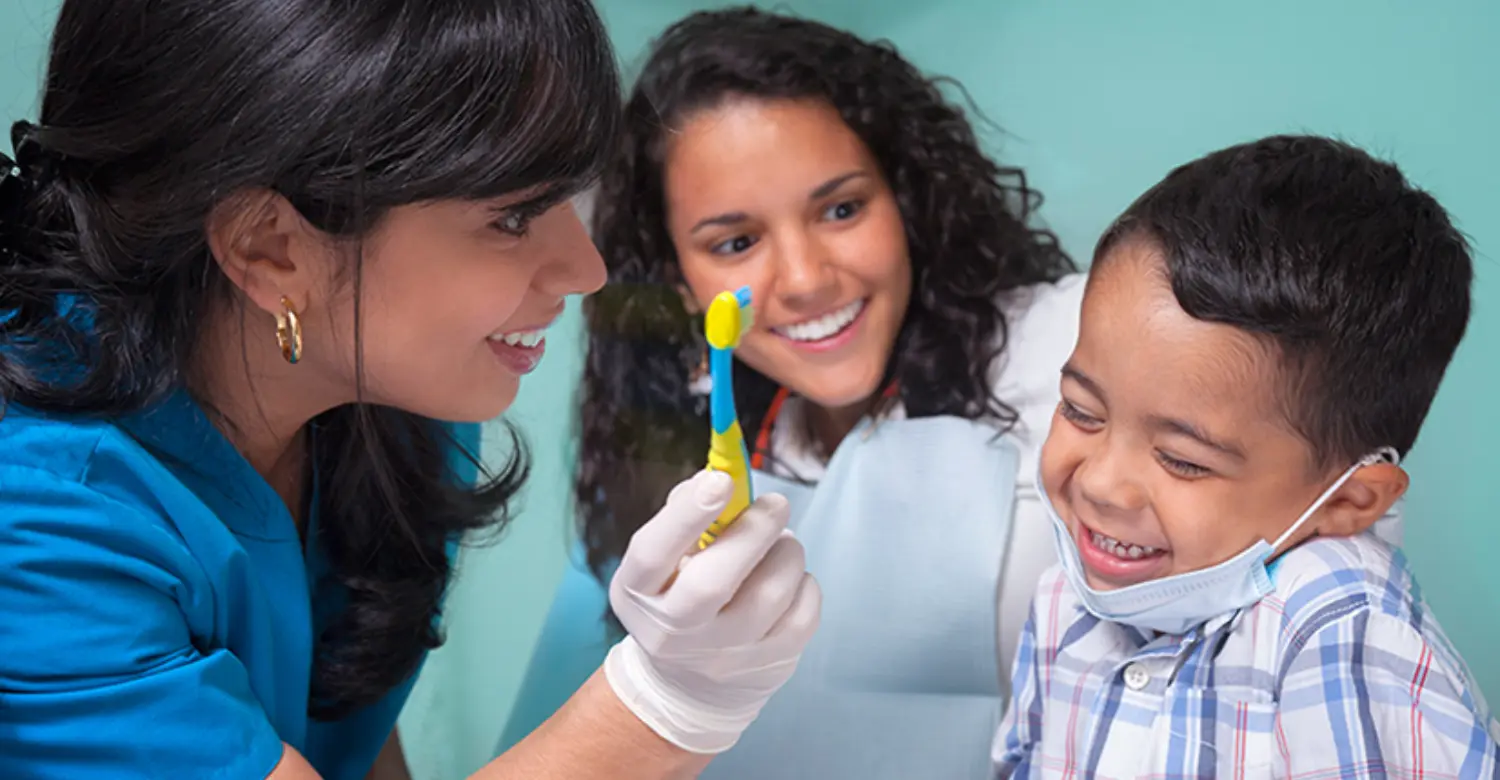
Children's Oral Health improves when parents create predictable routines and provide appropriate supervision. Children need different levels of assistance depending on their developmental stage. Younger children require direct brushing support. Older children need monitoring and motivation. Parents should establish consistent morning and bedtime routines. Fluoride toothpaste should be used appropriately throughout childhood. The AAPD recognizes twice-daily fluoride toothpaste use as a major preventive measure. Dietary habits should also support dental health. Frequent sugary snacks and drinks should be minimized. Vitrin Clinic can help parents identify practical improvements during preventive appointments. The goal is sustainable daily care rather than perfection. Parents should also seek professional advice when symptoms or developmental concerns appear.
Create a Consistent Brushing Routine
Children Oral Health benefits from brushing routines that happen at predictable times. Morning brushing can begin the daily hygiene routine. Bedtime brushing removes plaque before prolonged overnight exposure. Parents can use visual schedules for younger children. Songs and timers can help children understand brushing duration. The AAPD recommends brushing twice daily with fluoride toothpaste. Parents should supervise children who cannot brush effectively alone. The routine should remain consistent even during weekends and holidays. Vitrin Clinic can demonstrate age-appropriate brushing techniques during appointments. Children may cooperate better when parents participate alongside them. Consistency eventually helps transform brushing into an automatic behavior. A simple routine is easier to maintain than a complicated schedule.
Teach Children How to Floss
Children Oral Health also depends on cleaning surfaces that toothbrush bristles cannot reach effectively. Flossing becomes particularly important when adjacent teeth contact closely. Parents should introduce interdental cleaning when appropriate for the child’s tooth contacts. Younger children generally need parents to perform the cleaning. Older children can gradually learn independent flossing techniques. The goal is gentle cleaning rather than forcing floss into tight spaces. Parents can ask their dentist to demonstrate the correct technique. Vitrin Clinic can provide personalized interdental-cleaning guidance during preventive visits. Children should understand that flossing complements brushing rather than replacing it. Regular cleaning between teeth can help reduce plaque accumulation. Individual dental anatomy determines how often additional interdental tools may be needed.
Make Brushing Fun and Interactive
Children Oral Health can improve when brushing feels engaging rather than stressful. Parents can use songs, timers, stories, or brushing charts. Children may enjoy choosing their toothbrush from suitable age-appropriate options. Parents can also brush alongside children to demonstrate the routine. Rewards should preferably avoid sugary foods. Stickers or positive verbal encouragement can provide simple motivation. The AAPD emphasizes anticipatory guidance and oral-hygiene education for children. Vitrin Clinic can help parents develop age-appropriate approaches to dental routines. Fun activities can reduce resistance and improve cooperation. Parents should avoid using dental treatment as a threat. Positive experiences can support healthier attitudes toward dental care. The goal is to make brushing familiar, predictable, and achievable.
Supervise Younger Children While Brushing
Children Oral Health often requires parental supervision because young children have limited manual dexterity. Children may brush only the easiest visible surfaces. Parents should check the back teeth and gumline carefully. They can allow children to brush first and finish afterward. This approach encourages independence while maintaining adequate cleaning. Fluoride toothpaste should also be controlled by the supervising adult. The AAPD recommends age-appropriate toothpaste amounts and parental guidance. Parents should avoid allowing excessive toothpaste use. Children should learn to spit rather than intentionally swallow toothpaste. Vitrin Clinic can demonstrate practical supervision techniques during family appointments. Assistance can gradually decrease as brushing skills improve. The timing depends on each child’s coordination and effectiveness.
Use Positive Reinforcement Instead of Pressure
Children Oral Health can improve when parents encourage cooperation without creating fear. Children may resist brushing when they feel controlled or criticized. Parents can praise specific behaviors instead of demanding perfection. Statements about effort can be more motivating than criticism. Visual charts can provide children with a sense of achievement. Non-food rewards can reinforce consistent routines without increasing sugar exposure. Vitrin Clinic can help parents discuss strategies for children who resist dental care. Positive communication may also improve attitudes toward professional dental visits. Parents should remain calm when routines become difficult. Consistency is more important than winning every individual brushing battle. Children gradually develop greater independence with repeated encouragement. A supportive environment can make oral hygiene easier to maintain.
Tips for Patients
Children Oral Health can become easier to manage when families use a simple daily checklist. Brush twice daily with fluoride toothpaste. Supervise younger children and check difficult areas afterward. Clean between teeth when appropriate for the child’s dental contacts. Offer water frequently between meals. Limit frequent sugary snacks and sweetened beverages. Replace toothbrushes when bristles become worn or damaged. Attend dental examinations according to individual professional recommendations. Report persistent pain, swelling, bleeding, sensitivity, or unusual tooth changes. Encourage children without using sugary foods as rewards. Vitrin Clinic can provide personalized preventive guidance during routine appointments. Families should adapt routines as children grow and develop new responsibilities. Small, consistent actions can support healthier teeth throughout childhood.
Children Oral Health and Nutrition
closely connected with daily nutrition and beverage choices. Developing teeth need a balanced supply of essential nutrients. Calcium, phosphorus, protein, and other nutrients support normal growth and development. Frequent sugar exposure can increase the risk of dental caries. The AAPD recommends nutrient-dense foods and limiting added sugars. The organization also recommends fluoridated water as a preferred beverage when appropriate. Parents should focus on food quality and eating patterns. Frequent snacking can create repeated opportunities for acid production. Water between meals can help reduce exposure to sugary beverages. Vitrin Clinic can discuss dietary habits during preventive dental assessments. Nutrition should complement brushing, fluoride, and regular professional care. Healthy eating patterns established early can support both dental and general wellbeing.
Best Foods for Healthy Teeth for Children
It can benefit from nutritious foods that support normal growth and dental development. Dairy foods provide calcium and phosphorus that contribute to mineralized tissues. Vegetables and fruits provide vitamins, minerals, and fiber. Eggs, fish, lean proteins, and whole grains can support balanced nutrition. Fresh foods can also replace highly processed sugary snacks. Cheese can be a practical snack because it contains calcium and protein. Parents should consider the overall dietary pattern rather than one individual food. The AAPD recommends nutrient-dense foods across multiple food groups. Snacks should ideally be planned instead of continuous grazing. Water should be encouraged between meals whenever possible. Vitrin Clinic can help parents identify dietary habits that increase cavity risk. Good nutrition works alongside fluoride and effective plaque removal. No food alone can prevent cavities.
Calcium and Phosphorus for Developing Teeth
Children Oral Health benefits from adequate calcium and phosphorus during periods of dental and skeletal development. These minerals contribute to the mineralized structure of teeth and bones. Dairy foods are common sources of both nutrients. Other sources include certain fish, legumes, fortified foods, and leafy vegetables. A balanced diet generally provides multiple sources of essential minerals. Parents should avoid relying on supplements without appropriate professional advice. Nutritional requirements vary according to age and individual circumstances. Dental development also depends on many factors beyond mineral intake. Fluoride exposure, hygiene, genetics, and dietary frequency influence cavity risk. Vitrin Clinic can discuss nutrition as part of a broader preventive assessment. Parents should focus on balanced meals rather than isolated nutrients. Adequate nutrition supports normal development but does not replace brushing. Daily fluoride exposure remains an important preventive factor.
How Dairy Products Support Kids Dental Health
Children's Oral Health can benefit from nutritious dairy products such as plain milk and cheese. Dairy foods commonly provide calcium and phosphorus. These minerals support normal development of teeth and bones. Cheese may also stimulate saliva during chewing. Saliva helps neutralize acids and clear food particles from the mouth. Parents should choose products with limited added sugars whenever possible. Flavored dairy products can contain significant amounts of added sugar. The AAPD recommends nutrient-dense foods while limiting sugar-containing foods and beverages. Plain milk can be a practical beverage option for many children. Yogurt can also fit within a healthy diet when unsweetened. Vitrin Clinic can discuss dietary choices according to the child’s individual dental risk. Dairy should complement, rather than replace, effective brushing and fluoride use.
The Impact of Sugary Snacks on Children’s Teeth
Children's Oral Health can be negatively affected by frequent sugary snacks. Oral bacteria use fermentable carbohydrates to produce acids around teeth. Repeated exposure can create repeated periods of enamel demineralization. Sticky sweets may remain on tooth surfaces for longer periods. Sugary drinks can increase exposure when consumed gradually. The AAPD recommends minimizing sugar consumption and avoiding added sugars for children under two. Planned snacks can be preferable to continuous grazing throughout the day. Parents can offer vegetables, cheese, plain yogurt, or other nutrient-dense options. Water can replace sweetened beverages between meals. Vitrin Clinic can provide practical dietary counseling during dental assessments. Occasional treats do not necessarily need complete elimination. Frequency and overall dietary patterns remain important considerations.
Are Fruit Juices Healthy for Children’s Teeth?
Children's Oral Health can be affected when fruit juice is consumed frequently. Even 100% fruit juice contains naturally occurring sugars. Juice can also provide acids that contribute to enamel erosion. Frequent sipping extends exposure across the day. The AAPD recommends avoiding juice for infants between six and twelve months. It recommends limiting 100% juice to no more than four ounces daily for children aged one to three. Whole fruit generally provides fiber and requires more chewing. Parents should avoid allowing children to carry juice cups throughout the day. Water is generally preferable between meals. Vitrin Clinic can help families evaluate beverage habits during preventive appointments. Juice can fit into some diets when portions and frequency are controlled. It should not replace nutritious whole foods or water.
When Should Parents Take Their Child to the Dentist?
Children Oral Health requires professional monitoring even when children appear completely healthy. The AAPD recommends establishing a dental home by twelve months of age. Regular visits allow dentists to assess cavities, gums, eruption, bite, and hygiene. The appropriate recall interval depends on individual risk. Children with higher cavity risk may need closer monitoring. Parents should also schedule visits when symptoms develop between routine appointments. Pain, swelling, bleeding, sensitivity, or dental injuries should not be ignored. Early assessment can identify problems before they become more complicated. Vitrin Clinic can provide preventive assessments tailored to different developmental stages. Dental appointments should become a normal part of childhood healthcare. Parents should avoid waiting until a child experiences severe pain. Prevention is generally easier when professional care begins early.
Signs Your Child Needs a Dental Checkup
Children's Oral Health may require professional attention when parents notice changes in the mouth. Visible white, brown, or dark areas can indicate enamel changes or decay. Persistent bad breath can also indicate an underlying oral problem. Bleeding gums may suggest plaque-related inflammation. Sensitivity to cold or sweet foods deserves assessment when it persists. Children who avoid chewing on one side may be experiencing discomfort. Changes in tooth position can also require monitoring. Swelling around a tooth should receive prompt professional attention. Dental injuries should be assessed even when pain seems limited. Vitrin Clinic can evaluate these signs and determine appropriate next steps. Parents should avoid diagnosing dental conditions at home. Early examination can distinguish harmless developmental changes from conditions requiring treatment.
Symptoms That Should Not Be Ignored
Children Oral Health can deteriorate when persistent symptoms remain untreated. Severe toothache can indicate advanced decay or infection. Facial swelling may require urgent dental assessment. Fever associated with dental swelling can indicate a spreading infection. A knocked-out permanent tooth requires prompt professional attention. Persistent bleeding should also be evaluated when it lacks an obvious explanation. Difficulty swallowing or breathing requires urgent medical care. Parents should avoid placing aspirin directly against painful gums. Temporary pain relief should not replace professional diagnosis. Vitrin Clinic can assess dental symptoms and determine whether urgent care is needed. Children should receive appropriate evaluation after significant oral trauma. Prompt attention can reduce complications and preserve affected dental structures. Parents should keep emergency contact information readily available.
How Often Should Children Visit the Dentist?
Children Oral Health requires dental visits based on individual risk rather than one universal schedule. The AAPD recommends periodic examinations according to developmental needs and disease risk. Some children may benefit from more frequent visits because of elevated cavity risk. See a full recommended schedule in our dedicated guide to dental checkups for kids. Others may require less frequent preventive interventions after professional assessment. Dentists consider previous decay, hygiene, diet, fluoride exposure, and developing dental conditions. Professional cleanings may also be recommended according to individual needs. Parents should follow the recall interval recommended by their dental professional. Waiting for pain is not an appropriate preventive strategy. Vitrin Clinic can establish individualized follow-up recommendations after clinical assessment. Children’s dental needs change as teeth erupt and oral habits develop. Regular monitoring helps adapt preventive care over time.
Why Preventive Dental Visits Matter
Children Oral Health benefits from preventive visits because problems can be identified before symptoms become severe. Dental examinations assess teeth, gums, oral tissues, eruption, and developing bite relationships. Caries-risk assessment can help determine appropriate preventive interventions. Fluoride treatments may be recommended for children at increased risk. Professional prophylaxis can remove plaque and calculus that require clinical instruments. Dental visits also provide opportunities for dietary and hygiene education. Children become familiar with dental environments through repeated positive experiences. Vitrin Clinic focuses on prevention and personalized assessment during dental care. Parents can use appointments to discuss changes noticed at home. Early intervention may reduce the complexity of future treatment. Preventive dentistry therefore combines examination, education, monitoring, and appropriate clinical care.
What We Notice Clinically
Children Oral Health can reveal important risk patterns during routine examinations. Clinicians assess plaque, gingival tissues, enamel, restorations, eruption, and developing occlusion. Dietary frequency is also relevant when evaluating cavity risk. Previous decay can indicate increased susceptibility to future lesions. The CDC reports that approximately half of U.S. children aged six to nine had experienced cavities. Nearly 17% of children in that age group had untreated decay. These figures highlight the continuing importance of prevention. Clinicians may recommend fluoride, sealants, dietary changes, or improved hygiene. Recommendations should reflect individual findings rather than statistics alone. Vitrin Clinic can assess each child’s specific preventive needs. Parents should communicate changes in eating, brushing, pain, or sensitivity. Regular assessment allows preventive recommendations to evolve as children grow.
Children Oral Health: Prevention Checklist for Parents
Children Oral Health becomes easier to manage when families follow a simple prevention checklist. Brush teeth twice daily using age-appropriate fluoride toothpaste. Supervise younger children and check difficult areas after brushing. Clean between contacting teeth when appropriate. Offer water between meals and limit frequent sugary drinks. Provide nutrient-dense meals and planned snacks. Replace toothbrushes when bristles become worn. Attend professional examinations according to individual recommendations. Monitor unusual pain, swelling, sensitivity, bleeding, or tooth changes. Encourage children through positive reinforcement rather than fear. Vitrin Clinic can provide individualized preventive guidance during routine assessments. Parents should update routines as children become more independent. A checklist helps families turn dental recommendations into consistent daily actions.
Daily Children Oral Hygiene Checklist
Children Oral Health can be supported through a simple daily routine. Brush every morning and before bedtime. Use fluoride toothpaste in the appropriate age-specific quantity. Spend sufficient time cleaning every accessible tooth surface. Supervise younger children and complete missed areas when necessary. Clean between teeth when contacts require interdental cleaning. Encourage children to spit toothpaste after brushing. Avoid frequent sugary snacks between meals. Choose water as the primary drink between meals. Inspect the mouth occasionally for unusual changes. Vitrin Clinic can demonstrate appropriate brushing and interdental techniques. Parents should maintain the routine during weekends and holidays. Consistency makes oral hygiene easier to maintain. Children gradually become more independent as their skills improve.
Weekly Healthy Habits to Monitor
Children Oral Health can benefit from weekly parental checks of routine behaviors. Parents can monitor whether brushing occurs twice each day. They can check whether toothbrush bristles remain in good condition. Snack patterns can also be reviewed during the week. Frequent sweetened beverages may indicate an opportunity for improvement. Parents can check whether children regularly drink water. They should also monitor persistent mouth odor or gum bleeding. Sports participation may require checking whether mouthguard use remains consistent. Orthodontic appliances should receive additional hygiene attention. Vitrin Clinic can help families identify specific habits requiring closer monitoring. Weekly checks should support children rather than create anxiety. The purpose is identifying patterns before they become persistent problems. Small adjustments can improve daily preventive routines.
Regular Professional Dental Care
Children Oral Health requires professional assessment alongside daily home hygiene. Dental professionals can identify early cavities and developmental concerns. They can also assess gum health, eruption, bite development, and oral habits. The AAPD recommends individualized preventive services according to age and risk. Professional prophylaxis can remove plaque and calculus and reinforce oral hygiene education. Fluoride treatments may be appropriate for children with elevated cavity risk. Sealants can protect selected susceptible molar surfaces. Vitrin Clinic can provide personalized assessments throughout childhood and adolescence. Parents should follow the recommended recall schedule rather than relying on symptoms. Regular visits also provide opportunities to update dietary guidance. Preventive care should continue even when teeth appear healthy.
Warning Signs Parents Should Watch For
Children's Oral Health may require professional evaluation when parents notice persistent changes. Watch for toothache, sensitivity, swelling, bleeding, or unusual redness. White, brown, or dark tooth changes should also be assessed. Persistent bad breath can indicate plaque, decay, or another oral condition. Difficulty chewing may suggest discomfort or tooth sensitivity. Changes in tooth position can indicate developing alignment concerns. Dental injuries require assessment when teeth become loose, displaced, chipped, or damaged. Parents should seek urgent care for facial swelling with systemic symptoms. Vitrin Clinic can evaluate concerning symptoms and recommend appropriate treatment. Parents should avoid relying solely on pain as a warning sign. Some cavities remain painless during their early stages. Professional examinations can detect changes before children recognize symptoms.
Children Oral Health at Vitrin Clinic
Vitrin Clinic can focus on prevention, individualized assessment, and comfortable dental experiences. Children have different developmental stages and different levels of dental risk. A personalized approach can therefore be more appropriate than identical treatment for every child. Preventive assessments may include examination, hygiene guidance, dietary counseling, and risk evaluation. The AAPD emphasizes individualized preventive care throughout childhood. Parents can discuss concerns about brushing, cavities, eruption, habits, or dental anxiety. Vitrin Clinic can adapt communication according to the child’s age and cooperation. Early professional relationships can make dental care feel more familiar. Preventive visits also allow clinicians to monitor changes over time. Families can receive practical recommendations for maintaining routines between appointments. The goal is supporting healthier development through ongoing preventive care.
Personalized Children’s Dental Care
Children Oral Health requires recommendations that reflect each child’s individual dental circumstances. Cavity risk can differ because of diet, hygiene, fluoride exposure, enamel quality, and previous decay. Age and developmental stage also influence clinical recommendations. The AAPD recommends individualized caries-risk assessment for pediatric patients. Vitrin Clinic can assess these factors during comprehensive dental examinations. Parents can discuss concerns about brushing, diet, sensitivity, or oral habits. Personalized guidance can make home care easier to follow. Some children may need additional preventive fluoride applications. Others may benefit from sealants or closer monitoring. Recommendations should change as the child’s dental development changes. Parents should follow professional instructions rather than comparing children. Individualized care supports more targeted prevention.
Preventive Approach to Kids Dental Health
Children Oral Health benefits when dental care focuses on prevention before disease becomes advanced. Preventive care combines home hygiene, dietary guidance, fluoride, sealants, and professional examinations. The AAPD identifies fluoride toothpaste and fluoridated water as effective cavity-prevention methods. Sealants may provide additional protection for susceptible molar surfaces. Risk assessment helps determine which preventive measures are appropriate. Vitrin Clinic can develop preventive recommendations based on clinical findings. Parents can reinforce these recommendations through daily routines at home. Preventive care also includes monitoring eruption and developing bite relationships. Early identification allows concerns to be addressed at an appropriate stage. The approach should remain flexible as children grow. Prevention is most effective when families and dental professionals work together.
Comfortable and Child-Friendly Dental Visits
Children's Oral Health can benefit when dental appointments are positive and age-appropriate. Children may feel more comfortable when clinicians explain procedures using simple language. Parents can support this process by avoiding frightening descriptions of dental treatment. Familiar routines can also reduce uncertainty during future appointments. Vitrin Clinic aims to create comfortable dental experiences for children and families. Communication can be adapted according to developmental level and individual cooperation. Younger children may need shorter explanations and additional reassurance. Teenagers may prefer greater independence during discussions about their care. Positive dental experiences can encourage children to attend preventive appointments consistently. The AAPD recognizes the importance of trust and communication in adolescent dental care. Comfortable visits support cooperation while maintaining appropriate clinical assessment.
Clinical Note
should always be considered alongside individual clinical findings. Preventive recommendations cannot be based solely on age or general statistics. Clinicians assess cavity history, plaque, diet, fluoride exposure, eruption, and oral habits. The AAPD emphasizes individualized preventive services and risk assessment. Children with elevated caries risk may need additional preventive measures. Fluoride varnish can be considered when clinically indicated. Sealants may also protect susceptible chewing surfaces. Vitrin Clinic can evaluate these factors before recommending preventive interventions. Parents should share relevant changes noticed between appointments. Accurate information helps clinicians make better individualized decisions. Preventive care should evolve as children move through different developmental stages. Regular reassessment remains central to effective pediatric dental care.
Why Choose Vitrin Clinic for Children Dental Care?
Children Oral Health requires consistent prevention, appropriate clinical assessment, and family education. Vitrin Clinic can support these goals through personalized dental care. The clinic can assess developing teeth and identify potential concerns early. Preventive guidance can address brushing, nutrition, fluoride, habits, and dental visits. Families can also discuss specific concerns affecting their child’s dental routine. The AAPD recommends continuity of care through an established dental home. Vitrin Clinic can help families maintain that continuity through ongoing professional monitoring. Dental recommendations can change as children grow and their needs develop. The focus should remain on preserving healthy teeth and supporting positive dental experiences. Parents should view preventive care as an ongoing partnership. Consistent professional guidance can complement daily care at home.
Experienced Dental Team
Children Oral Health benefits from professional teams that understand different stages of dental development. Pediatric dental care requires attention to primary teeth, permanent teeth, gums, eruption, and developing occlusion. Clinicians must also communicate effectively with both children and parents. Vitrin Clinic can provide families with professional assessment and preventive guidance. Dental examinations can identify problems that may not produce visible symptoms. Parents can also receive practical advice for improving daily routines. Professional education can make home care more manageable. Children benefit when clinicians explain dental procedures in age-appropriate language. Regular assessments allow the dental team to monitor changes over time. Families should discuss previous dental problems and current concerns openly. An experienced clinical approach supports informed preventive decisions.
Preventive and Personalized Treatment Approach
Children's Oral Health is best supported when preventive care reflects individual risk. Previous cavities, dietary habits, fluoride exposure, and oral hygiene can influence recommendations. The AAPD recommends individualized caries-risk assessment and preventive planning. Vitrin Clinic can use clinical findings to guide appropriate preventive recommendations. These may include hygiene education, fluoride strategies, dietary counseling, or sealant assessment. Not every child needs identical preventive treatment. Parents should understand why a particular recommendation applies to their child. Personalized care can also change as risk factors improve or develop. Regular assessments provide opportunities to update the treatment plan. Prevention should remain conservative whenever clinically appropriate. Families benefit from clear explanations and practical home-care instructions.
Modern Dental Technology and Clinical Assessment
Children Oral Health can benefit from appropriate diagnostic technology when clinical assessment requires additional information. Dental technology can support examination, documentation, treatment planning, and monitoring. However, technology should be used according to clinical need. The AAPD recommends diagnostic examinations based on individual risk and developmental considerations. Vitrin Clinic can combine clinical examination with appropriate diagnostic methods when indicated. Parents should understand that not every child requires advanced imaging. The dentist determines whether additional diagnostic information will change management. Modern assessment can help clinicians evaluate developing teeth and other oral structures. Accurate diagnosis supports more appropriate treatment decisions. Technology should complement professional judgment rather than replace it. Families can ask questions about the purpose of recommended diagnostic procedures.
Focus on Long-Term Children Oral Health
Children's Oral Health should be viewed as a long-term process rather than a single dental appointment. Childhood involves continuous changes in teeth, jaws, habits, diet, and independence. Preventive care must therefore evolve alongside those changes. Vitrin Clinic can help families monitor oral development across different stages. Regular examinations allow clinicians to reassess cavity risk and develop alignment. Home routines can also be adjusted as children become more independent. The AAPD recommends continuity of preventive care from infancy through adolescence. Early education can establish habits that remain useful later in life. Parents should encourage teenagers to take increasing responsibility for their oral care. Professional support can reinforce that transition. Long-term prevention focuses on maintaining healthy teeth rather than simply treating problems.
Reference
FAQs
Dr. Rifat Alsaman has more than 5 years of clinical experience in dentistry and currently serves as the Head of the Medical Team at Vitrin Clinic. He is dedicated to providing exceptional patient care, overseeing treatment planning, and ensuring the highest clinical standards across the team. His expertise, attention to detail, and commitment to continuous professional development have helped countless patients achieve healthier, more confident smiles.


.webp&w=3840&q=75)

