General Dentistry
September 22, 2026
What Is a Gum Line Cavity and How Is It Treated?
 Dr. Rifat Alsaman
A Gum Line Cavity forms where the tooth meets the gum tissue, an area that's often harder to clean and more vulnerable to decay than other tooth surfaces. This article explains what a gum line cavity looks like, why it develops, its symptoms, and the treatment and prevention options available for managing it effectively.
What Is a Gum Line Cavity?
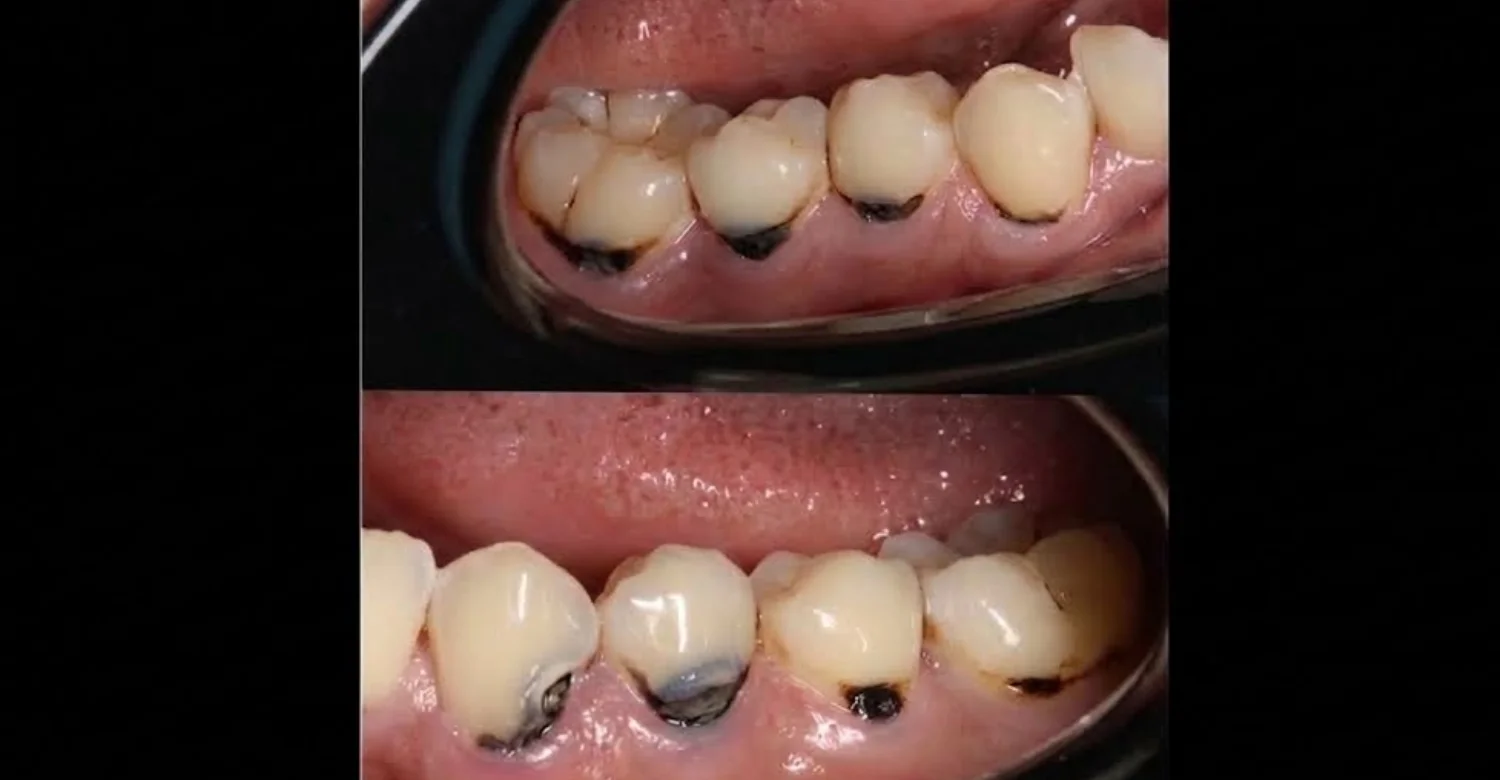
A Gum Line Cavity is decay that develops specifically where the tooth surface meets the gum tissue. Whether described as a cavity near gum line, cavity on gum line, or cavity at gum line, all refer to the same vulnerable zone where plaque tends to accumulate and enamel is often thinner.
Cavities can also develop below the gumline when gum recession exposes the tooth root, a condition often called a root cavity. This differs from crown decay, since root-surface decay affects softer cementum rather than harder enamel, making a Gum Line Cavity in this location progress more quickly if untreated.
What Does a Gum Line Cavity Look Like?
A Gum Line Cavity often appears as white, brown, or dark discoloration along the base of the tooth, sometimes with a rough or damaged surface texture. In more advanced cases, a visible hole or indentation may be present. Discoloration alone doesn't always mean active decay, so professional evaluation is important.
Discover what foaming at the mouth may indicate
Causes of the Condition
Several factors contribute to a Gum Line Cavity, including plaque buildup, gum recession, poor oral hygiene, frequent sugar exposure, and reduced saliva flow. These factors often overlap, making the gumline one of the more decay-prone areas of the mouth compared to smoother, more accessible tooth surfaces.
Plaque and Bacteria Around the Gumline
Plaque accumulates easily around the gumline because it's a hard-to-reach area during brushing. Bacteria within this plaque produce acids that gradually break down enamel and root surfaces, making consistent plaque control one of the most important factors in preventing a gum line cavity from developing.
Gum Recession and Exposed Tooth Roots
Gum recession exposes the tooth root, which lacks the protective enamel covering the crown. This exposed surface is significantly more vulnerable to decay, which is why a Gum Line Cavity near receded gums often progresses faster than decay affecting enamel-covered areas of the tooth.
Poor Oral Hygiene
Inadequate brushing, skipping interdental cleaning, and difficulty reaching the gumline area all contribute to plaque buildup. Because this region is naturally harder to clean thoroughly, poor oral hygiene habits significantly raise the risk of tooth decay near gumline surfaces over time.
Frequent Sugar and Acid Exposure
Frequent sugary foods and drinks feed the bacteria responsible for decay, while repeated acid exposure from diet or reflux gradually weakens enamel and root surfaces. This ongoing cycle is a major contributor to cavity on gum line development, especially with frequent snacking.
Dry Mouth and Reduced Saliva
Saliva plays a protective role by neutralizing acid and washing away food particles. When saliva flow is reduced, whether from medication, dehydration, or a medical condition, the risk of a Gum Line Cavity increases significantly, since the mouth's natural defense against decay is diminished.
Learn about restorative dentistry and treatment options
Gum Line Cavity Symptoms
Gum line cavity symptoms include tooth sensitivity, discoloration, roughness near the gums, a visible hole, food trapping, and pain when biting. Some cases show no symptoms at all in the early stages, which is why a Gum Line Cavity can sometimes go unnoticed until it progresses further.
Sensitivity to cold, hot, or sweet foods is often one of the earliest signs, along with visible discoloration or a rough texture near the gumline. Gum irritation and food getting trapped near the affected tooth are also common. Because early decay may be painless, regular dental checkups help catch it sooner.
Find out more about impacted canine teeth
Problems Caused by the Condition
Left untreated, a Gum Line Cavity can lead to increasing sensitivity, progressive decay, root damage, infection, and eventual weakening of the tooth structure. These complications tend to develop gradually, which is why early identification and treatment make a significant difference in long-term outcomes.
Increasing Tooth Sensitivity
As decay progresses, sensitivity often increases, particularly to temperature changes or sweet foods. This happens as the cavity moves closer to the inner layers of the tooth, making previously mild discomfort more noticeable and persistent over time.
Progressive Tooth Decay
Without treatment, decay near the gumline tends to progress steadily, expanding both in size and depth. What begins as a small area of tooth decay near gumline can eventually involve larger portions of the tooth structure if not addressed early.
Damage to the Tooth Root
When a Gum Line Cavity extends below the gumline, it can begin affecting the tooth root directly. Root structure is softer than enamel, so decay in this area often advances more quickly, increasing the risk of more extensive damage.
Dental Infection
Advanced decay that reaches the inner pulp of the tooth can lead to infection, which may cause pain, swelling, or abscess formation. This represents a more serious complication of an untreated gum line cavity requiring prompt professional care.
Weakening of the Tooth
Untreated decay can weaken overall tooth structure, sometimes to the point where the tooth becomes fragile or fractures under normal biting pressure. Advanced decay affecting both enamel and root surfaces increases this risk considerably.
Note - All images used are for editorial and illustrative purposes only and may not originate from the original news provider or associated company.
Discover the signs and treatment of an abscessed tooth
Patient's Perspective
Patients dealing with a Gum Line Cavity often describe symptoms ranging from mild sensitivity to noticeable discomfort, though not every case is painful. Understanding common concerns from treatment expectations to recurrence helps patients feel more informed before their dental visit.
What Does a Gumline Cavity Feel Like?
Patients commonly describe a gumline cavity as a sharp or lingering sensitivity to cold, hot, or sweet foods, sometimes with mild discomfort when brushing. A gum line cavity isn't always painful, especially in early stages, which is why some cases are only discovered during a routine dental exam.
Common Patient Concerns
Common questions include whether a cavity near the gum line can be treated, whether a filling will be needed, whether decay below the gumline is harder to treat, and whether a gumline cavity can return after treatment. These concerns are best addressed through a personalized dental evaluation.
Doctor's Perspective
From a clinical standpoint, diagnosing and treating a Gum Line Cavity involves careful examination of the tooth, surrounding gum tissue, and the extent of decay. Dentists rely on both visual assessment and, when necessary, X-rays to determine the most appropriate treatment approach.
How Is a Gum Line Cavity Diagnosed?
Diagnosis involves a clinical examination of the affected tooth and surrounding gums, assessment of the decay's size and depth, and evaluation of any gum recession present. Dental X-rays may be used when necessary to determine whether the cavity extends below the visible surface.
How Does a Dentist Determine the Right Treatment?
Treatment decisions depend on whether the decay is early or advanced, whether an actual cavity has formed, whether the root is involved, and the condition of surrounding gum and tooth structure. This assessment guides whether fluoride, a filling, or more involved care is appropriate.
Explore dental resorption and its potential effects
Gumline Cavity Treatment Options
Gumline cavity treatment varies depending on severity, ranging from fluoride applications for early decay to fillings for cavitated lesions, and more specialized care for root cavities. Addressing any related gum problems alongside the decay itself is often part of a complete treatment plan.
Fluoride Treatment for Early Decay
Fluoride treatment may be appropriate when decay is caught early, before an actual cavity has formed. Fluoride works by strengthening tooth enamel and helping reverse the earliest stages of demineralization, potentially preventing a full gum line cavity from developing.
Dental Fillings for Cavitated Lesions
Once a cavity has fully formed, a filling is typically necessary to remove decayed tissue and restore the tooth's structure. Treating a cavity on the gum line usually involves careful removal of affected material followed by a tooth-colored restorative material.
Treatment for Root Cavities
A root cavity may require a different approach than crown decay, given the softer nature of root surfaces. Treating any contributing gum problems, such as recession, is often an important part of managing root-surface decay effectively and preventing recurrence.
Treating Gum Problems Alongside Tooth Decay
Managing gum recession, treating any underlying gum disease, and improving plaque control around the affected area are often necessary alongside restorative treatment. Addressing these contributing factors helps reduce the likelihood of a gum line cavity recurring in the same location.
Learn more about a recessed maxilla
How to Treat Gum Line Cavities at Home?
A cavity at the gum line in its earliest stages may respond to consistent fluoride toothpaste use and daily interdental cleaning, along with reduced sugar intake. However, home care cannot replace professional treatment once an actual cavity has formed and requires restorative care.
Fluoride toothpaste helps strengthen enamel and support remineralization in very early decay, while daily interdental cleaning removes plaque that regular brushing may miss near the gumline. Reducing frequent sugar intake limits the fuel available to decay-causing bacteria, but established cavities still require a dentist for lasting treatment.
Compare root canal vs. implant
When Is It Serious and Requires a Checkup?
A Gum Line Cavity requires prompt evaluation when accompanied by persistent or severe pain, increasing sensitivity, gum or facial swelling, pus or other signs of infection, fever, or a cavity that appears to be growing. Difficulty chewing or a visibly weakened tooth also warrants attention.
Difficulty swallowing or breathing alongside dental symptoms is an urgent warning sign requiring immediate medical attention. While most gum line cavity cases aren't emergencies, these more serious signs indicate the need for prompt professional evaluation rather than waiting for a routine appointment.
Discover how copper deficiency can affect teeth
When the Patient Should Rest
A gum line cavity itself typically doesn't require rest, but rest may be helpful following certain dental treatments as the area heals. Managing discomfort and following the dentist's specific post-treatment instructions supports a smoother recovery after restorative procedures.
Rest Tips
After treatment for a Gum Line Cavity, choose softer foods if chewing feels uncomfortable, and avoid very hot or cold foods that may trigger sensitivity. Limit frequent sugary foods and drinks, continue gentle oral hygiene, and clean carefully between the teeth while following your dentist's post-treatment instructions and avoiding tobacco products.
Explore the connection between eczema and dental health
How Can You Prevent a Gum Line Cavity?
Preventing a Gum Line Cavity involves consistent daily habits alongside regular professional care. Brushing properly, cleaning between the teeth, managing sugar intake, addressing dry mouth, and monitoring gum health all work together to reduce the risk of decay developing near the gumline.
Brush Twice a Day With Fluoride Toothpaste
Brushing twice daily with fluoride toothpaste helps strengthen enamel and remove plaque before it can contribute to decay. Paying particular attention to the gumline area, where plaque tends to accumulate, is especially important for preventing a gum line cavity.
Clean Between Your Teeth Every Day
Daily interdental cleaning removes plaque and food particles that a toothbrush alone can't reach, particularly near the gumline. This habit plays a significant role in reducing the risk of tooth decay near gumline surfaces between teeth.
Limit Frequent Sugar Intake
Limiting frequent sugary foods and drinks reduces the fuel available to decay-causing bacteria. Spacing out sugar consumption, rather than snacking throughout the day, gives saliva more opportunity to neutralize acid and protect against a gum line cavity forming.
Manage Dry Mouth
Managing dry mouth through hydration, saliva substitutes, or addressing an underlying cause helps maintain the mouth's natural protective mechanisms. Since reduced saliva increases cavity risk, addressing dry mouth is an important preventive step for gumline health.
Address Gum Recession and Gum Problems
Addressing gum recession and other gum problems early helps prevent the tooth root from becoming exposed and vulnerable to decay. Treating gum disease promptly also reduces the inflammation that can contribute to a gum line cavity developing near affected areas.
Schedule Regular Dental Checkups
Regular dental checkups allow early detection of decay before it progresses into a full Gum Line Cavity. Routine visits also provide an opportunity for professional cleaning in hard-to-reach areas around the gumline that daily brushing may miss.
Learn about IBD and oral health
About Vitrin Clinic
Vitrin Clinic provides thorough dental evaluations for patients concerned about a Gum Line Cavity, focusing on identifying the exact location, extent, and underlying cause of decay before recommending an individualized treatment plan tailored to each patient's needs.
What We Notice Clinically
At Vitrin Clinic, evaluating a Gum Line Cavity involves carefully identifying the location and extent of decay, along with assessing any gum recession or root exposure present. Dr. Rifat Alsaman, Head of the Medical Team at Vitrin Clinic and a Cosmetic Dentist, notes that early evaluation matters even when there is little or no pain, since a gum line cavity can progress quietly before symptoms become noticeable.
Clinical Note
A cavity near the gumline may develop without obvious symptoms, and tooth discoloration doesn't always indicate active decay. A professional examination is the most reliable way to determine the cause and stage of the problem, rather than relying on visible changes alone.
Tips for the Patients
Brush gently along the gumline, use fluoride toothpaste, and clean between the teeth daily. Reduce frequent sugar consumption, don't ignore persistent sensitivity, and have any new gum recession evaluated. Seek professional evaluation promptly for any visible changes near the gums.
Find out how bronchitis can be linked to tooth loss
Resource:
https://pubmed.ncbi.nlm.nih.gov/31301318/
FAQs
Dr. Rifat Alsaman has more than 5 years of clinical experience in dentistry and currently serves as the Head of the Medical Team at Vitrin Clinic. He is dedicated to providing exceptional patient care, overseeing treatment planning, and ensuring the highest clinical standards across the team. His expertise, attention to detail, and commitment to continuous professional development have helped countless patients achieve healthier, more confident smiles.


.webp&w=3840&q=75)


