Dental Tourism in Turkey
November 9, 2026
What Should You Know Before Choosing Cosmetic Gum Surgery Turkey?
 Dr. Rifat Alsaman

Cosmetic gum surgery Turkey can improve smile proportions by reshaping excess or uneven gum tissue. It may correct certain types of gummy smiles and irregular gum margins. However, the right treatment depends on the underlying cause.
Some patients need soft-tissue reshaping, while others require surgical crown lengthening or a different approach. Understanding these differences helps you make an informed decision.
This guide covers treatment options, clinical planning, recovery, possible complications, costs, and important considerations for international patients.
Key Takeaways
Cosmetic gum surgery improves gum symmetry and smile proportions.
Treatment options include gingivectomy, gingivoplasty, and surgical crown lengthening.
Gum thickness, bone levels, and tooth proportions determine treatment suitability.
Not every gummy smile requires surgery; some cases need orthodontic or lip-related treatments.
Recovery depends on the surgical technique and may take several weeks or longer.
Compare treatment plans, itemised costs, potential risks, and follow-up arrangements before choosing surgery.
Ready to transform your smile?
Talk to our team and get a personal FREE treatment plan.
How Can Cosmetic Gum Surgery Improve Your Smile's Balance?
Cosmetic gum surgery in Turkey can reshape excess gum tissue and refine an uneven gum line. The aim is to create more harmonious proportions between visible teeth and surrounding gums.
How Do Gum Levels Affect the Appearance of Your Teeth?
Excessive gum coverage can make natural teeth appear shorter. Uneven gum margins may also create visible differences between neighbouring teeth.
A balanced gum line follows the natural contours of individual teeth. However, ideal proportions vary according to tooth shape, facial structure, and upper-lip movement.
How Does Cosmetic Gum Reshaping Differ From Periodontal Treatment?
Each procedure addresses a different concern:
Cosmetic gum reshaping: Removes or adjusts excess tissue to improve gum contours.
Periodontal treatment: Controls gum inflammation and treats damage to supporting tissues.
Gum grafting: Adds tissue to areas affected by gum recession.
These procedures are not interchangeable. Active gum disease should be managed before elective cosmetic surgery.
What Causes a Gummy Smile or Uneven Gum Line?
An uneven gum line occurs when gum margins sit at different levels around neighbouring teeth. This can make certain teeth appear shorter.
A gummy smile describes excessive gum visibility when smiling. Its appearance depends on upper-lip movement, tooth proportions, and facial anatomy.
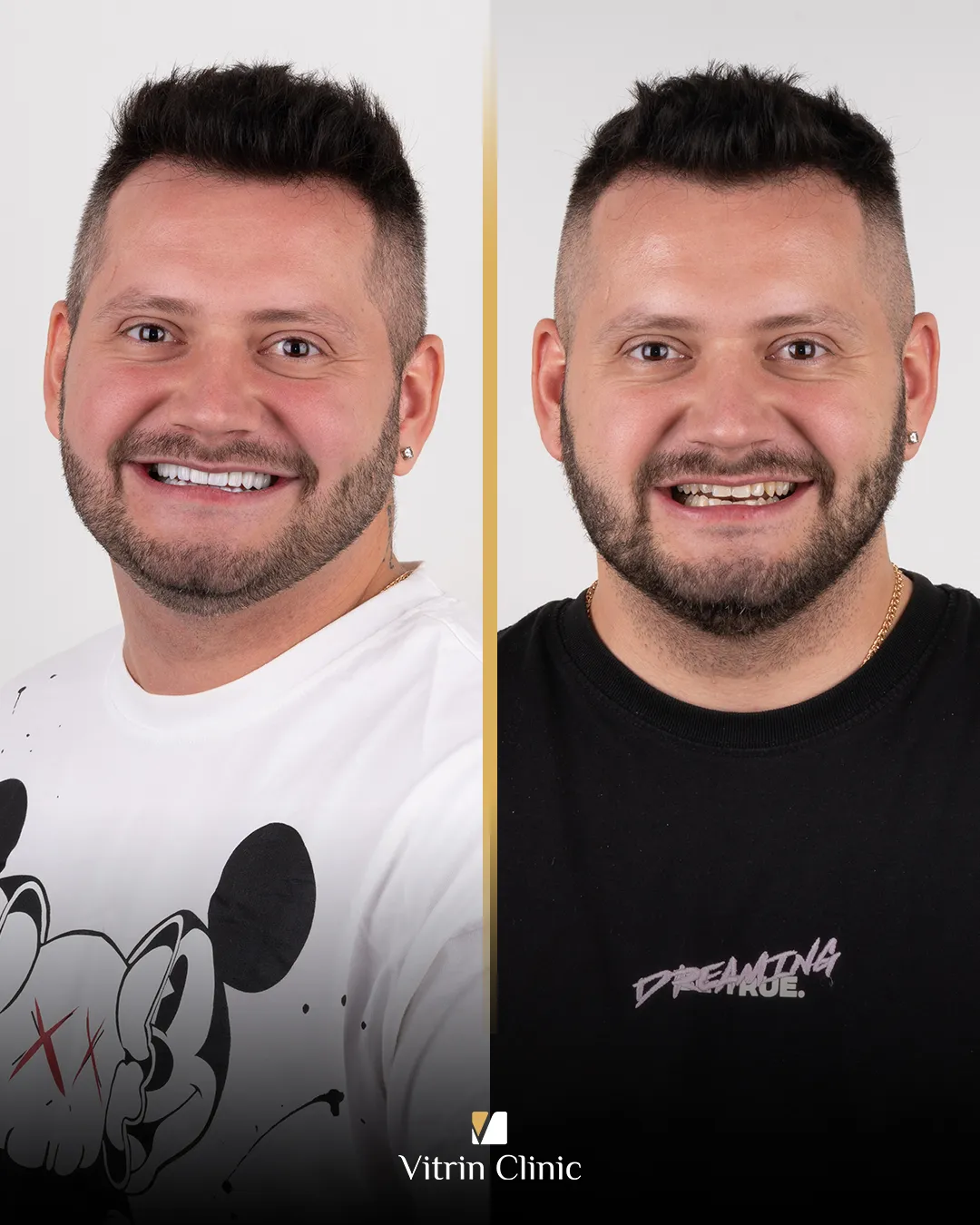
.jpg)
.jpg)
What Causes a Gummy Smile and Excessive Gum Visibility?
A gummy smile can develop for several reasons. Excessive gum coverage, tooth dimensions, upper-lip movement, and jaw development may all influence how much gum appears when smiling. Identifying the cause determines whether cosmetic gum surgery Turkey is an appropriate option.
Can Excess Gum Tissue Make Your Teeth Look Shorter?
Altered passive eruption occurs when gum tissue covers more of the natural tooth crown than expected. This makes teeth appear shorter than their actual dimensions.
The gum margin remains closer to the biting surface. Depending on supporting bone levels, treatment may involve gingivectomy or surgical crown lengthening.
Are Your Teeth Naturally Small or Affected by Wear?
Short-looking teeth may result from naturally small dimensions, known as microdontia, or gradual tooth wear.
Removing gum tissue alone may not improve their proportions. A clinical examination helps distinguish excess gum coverage from naturally short or worn teeth.
Can Upper-Lip Movement Cause Excessive Gum Display?
A hyperactive upper lip rises higher than usual when smiling. This exposes more gum tissue, even when tooth and gum proportions are normal.
Gum reshaping cannot correct excessive lip movement. Treatment must address the muscular cause rather than simply remove gum tissue.
Can Upper Jaw Development Contribute to a Gummy Smile?
Vertical maxillary excess describes increased downward development of the upper jaw. This skeletal difference can contribute to excessive gum visibility.
Soft-tissue surgery alone cannot correct the underlying jaw position. Selected cases may require orthodontic or oral and maxillofacial evaluation.
Can Inflammation or Medication Cause Enlarged Gums?
Gingival enlargement refers to an increase in gum tissue volume. Plaque-related inflammation and certain prescribed medications may contribute.
The gums may appear swollen, thickened, or uneven. Treatment should address the underlying cause before considering elective cosmetic surgery.
Which Treatment Can Address the Cause of Your Gummy Smile?
Cosmetic gum surgery Turkey may be appropriate when excess gum tissue causes excessive gum display. However, treatment selection depends on the underlying cause, periodontal health, and supporting bone position.
When Is Gingivectomy Enough to Reshape Excess Gum Tissue?
Gingivectomy removes selected areas of excess soft tissue. It may suit patients whose natural tooth crowns are partly hidden by gum coverage.
The procedure requires healthy periodontal tissues and adequate supporting bone. The dentist must also ensure that sufficient attached gum tissue will remain.
Excessive removal may expose sensitive root surfaces. Careful measurements help protect long-term gum health.
When Does Surgical Crown Lengthening Offer a Better Solution?
Surgical crown lengthening may be necessary when supporting bone limits how much gum tissue can safely be removed.
The procedure reshapes gum tissue and, when indicated, the underlying bone. It exposes more natural tooth structure and may address certain cases of altered passive eruption.
Planning must preserve healthy periodontal attachment around neighbouring teeth. Not every gummy smile requires bone modification.
When Are Orthodontic or Lip-Related Treatments More Appropriate?
Orthodontic treatment may help when tooth position or eruption contributes to excessive gum display. Some cases benefit from coordinated orthodontic and periodontal care.
When upper-lip movement is the main cause, a lip-related treatment may be considered. The appropriate approach depends on individual anatomy and clinical findings.
When Does a Gummy Smile Require Specialist Jaw Treatment?
Significant vertical maxillary excess may require evaluation by an oral and maxillofacial specialist.
Jaw position affects the relationship between teeth, lips, and facial profile. Orthognathic surgery may be considered in selected cases, but it differs from routine periodontal surgery.
What Dental or Gum Problems Should Be Addressed First?
Healthy periodontal tissues are important before elective cosmetic surgery. Certain conditions may require treatment beforehand:
Active gum inflammation or periodontal disease.
Untreated tooth decay.
Poor oral hygiene.
Unstable dental restorations.
Existing gum recession.
Smoking and relevant medical conditions.
Discuss your medical history and current medications during the clinical examination. Your dentist can then determine whether surgery is suitable and recommend an appropriate treatment approach.

How Do Dentists Design a Balanced Gum Line Before Surgery?
Planning cosmetic gum surgery in Turkey involves more than measuring visible gum tissue. Dentists consider tooth proportions, gum thickness, supporting bone, and smile movement. These details help establish a natural-looking contour while protecting periodontal health.
How Do Tooth Shape, Gum Levels, and Smile Movement Guide Planning?
The dentist examines tooth length, width, symmetry, and existing gum margins. Clinical photographs record your smile at rest and during movement.
Measurements help identify excessive gum display and uneven margins. Upper-lip position and visible tooth exposure also influence the proposed contour.
Removing tissue without considering these proportions may create an unnatural appearance.
How Do Gum Thickness and Bone Levels Affect the Surgical Plan?
Gum thickness influences tissue management and healing. Thin tissues may carry a greater risk of recession after surgery.
The dentist also checks inflammation, bleeding, periodontal attachment, and existing recession. Supporting bone levels help determine how much gum tissue can be safely reshaped.
This relationship is particularly important during surgical crown lengthening. Incorrect planning may disturb the natural periodontal attachment.
What Role Do Digital Scans and Dental Imaging Play?
Digital intraoral scans record tooth surfaces and dental arch details. Clinical photographs document gum levels, tooth proportions, and smile characteristics.
Dental X-rays may help examine supporting structures when indicated. Three-dimensional imaging is not routinely necessary for every cosmetic case.
These records support planning but do not replace a direct clinical examination.
Can a Digital Smile Preview Show Your Proposed Gum Line?
A digital smile preview illustrates possible changes to tooth and gum proportions. It also helps patients discuss their preferred appearance before surgery.
However, it is a planning tool, not a guaranteed prediction. Actual results depend on individual anatomy, surgical technique, and healing.
The proposed gum margins must always respect healthy periodontal structures.
Ready to transform your smile?
Talk to our team and get a personal FREE treatment plan.
Which Gum Surgery Technique Is Right for Your Smile?
Cosmetic gum surgery Turkey may involve gingivectomy, gingivoplasty, or surgical crown lengthening. Each technique addresses a different clinical need. The choice depends on gum thickness, supporting bone levels, and the amount of reshaping required.
How Do Gingivectomy and Gingivoplasty Differ?
Gingivectomy removes selected portions of excess gum tissue. It may be suitable when excess coverage hides natural tooth crowns and supporting bone allows soft-tissue reshaping alone.
Gingivoplasty refines existing gum contours to create smoother transitions between neighbouring teeth.
Both techniques may be combined when appropriate. The goal is to improve gum proportions while preserving healthy periodontal structures.
When Is Surgical Crown Lengthening Needed?
Surgical crown lengthening may be necessary when the supporting bone limits safe gum removal.
The procedure reshapes gum tissue and, when clinically indicated, the underlying bone. This exposes more natural tooth structure while allowing appropriate space for healthy periodontal attachment.
Why Does Surgical Crown Lengthening Require More Planning?
Surgical crown lengthening may involve removing or reshaping both gum tissue and supporting bone. It involves more extensive surgical planning than soft-tissue reshaping alone. The dentist must evaluate bone levels, periodontal attachment, and tooth structure to determine how much tissue can be safely modified while maintaining long-term gum health.
How Do the Three Procedures Compare?
Procedure | Main purpose | Tissue involved |
Gingivectomy | Removes excess gum tissue | Soft tissue |
Gingivoplasty | Refines gum shape and contours | Soft tissue |
Surgical crown lengthening | Exposes more natural tooth structure when needed | Soft tissue and sometimes bone |
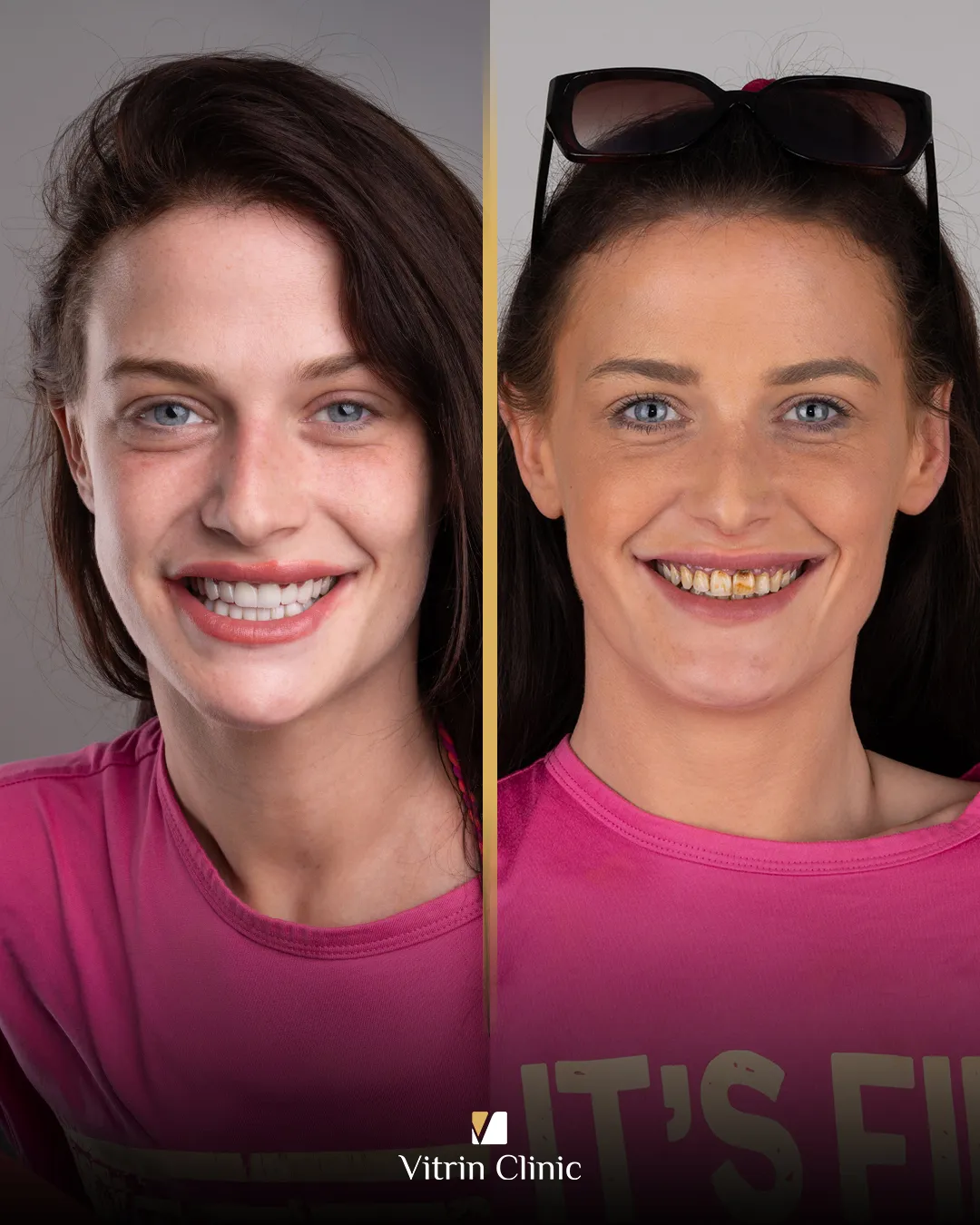
.jpg)
What Happens During Cosmetic Gum Surgery at Vitrin Clinic?
At Vitrin Clinic, cosmetic gum surgery Turkey starts with a clinical examination and personalised treatment plan. Depending on your needs, treatment may involve soft-tissue reshaping or bone modification.
How Is Your Gum Surgery Planned?
The dentist reviews your medical and dental history, gum health, tooth proportions, and smile characteristics. Clinical photographs and digital scans may support planning, while X-rays are taken when indicated.
Your dentist explains the recommended technique, expected changes, limitations, and potential risks before treatment.
How Are the New Gum Margins Determined?
Clinical measurements help identify the planned gum margins. Tooth anatomy, neighbouring gum levels, and periodontal health guide the final contour.
The goal is to remove only the necessary tissue while preserving healthy gum structures.
Is Local Anaesthesia Used During the Procedure?
Local anaesthesia is commonly used to numb the treatment area and minimise discomfort. The dentist checks that the area is sufficiently numb before surgery begins.
Treatment time depends on the number of teeth involved and the complexity of the procedure.
When Is Bone Reshaping Necessary?
Bone recontouring may be required during surgical crown lengthening. It helps create suitable conditions for healthy periodontal attachment.
Some cases may also require coordinated periodontal or orthodontic treatment. Any additional procedure should be discussed before surgery.
What Happens Before You Leave the Vitrin Clinic?
After reshaping, the dentist checks the gum margins and surrounding tissues. Sutures may be placed when necessary.
You receive personalized instructions covering oral hygiene, eating, recovery, and follow-up appointments. Inform the clinical team about unexpected bleeding or significant discomfort before leaving.

What Is Recovery Like After Cosmetic Gum Surgery?
Recovery after cosmetic gum surgery Turkey depends on the technique, treatment area, and individual healing response. Soft-tissue procedures generally involve less recovery than surgery requiring bone modification.
What Symptoms Can Occur After Gum Surgery?
Tenderness may develop once the local anaesthetic wears off. Mild swelling, sensitivity, and slight bleeding can also occur during early healing.
These symptoms should gradually improve. Severe pain, increasing swelling, or persistent bleeding requires professional review.
How Long Does Gum Healing Take?
Initial healing may occur within several days, but complete tissue maturation takes longer. The final gum contour may become clearer over several weeks.
Procedures involving bone modification may require additional healing time. Your dentist will recommend follow-up visits based on the procedure and your recovery.
What Should You Eat and Avoid During Recovery?
Choose soft foods during early healing. Avoid hard, crunchy, sharp, or very hot foods that may irritate the surgical area.
Smoking can delay healing, while strenuous activity may need temporary restriction after extensive surgery. Follow your dentist's instructions before returning to normal activities.
How Should You Clean Your Teeth After Surgery?
Maintain oral hygiene without disturbing the treated gum tissue.
Use a soft-bristled toothbrush and brush gently.
Avoid scrubbing or touching the surgical site.
Follow instructions for cleaning around the treated area.
Use recommended mouth rinses or products only as directed.
Your dentist can demonstrate the safest cleaning technique for your procedure.
Which Symptoms Require Urgent Attention?
Contact your treating clinic if you experience:
Persistent or heavy bleeding.
Increasing pain or swelling.
Fever or discharge from the surgical site.
Symptoms that worsen rather than improve.
Rapidly spreading facial swelling needs urgent medical attention. Difficulty breathing or swallowing requires emergency care.
What Risks Could Affect Your Gum Contouring Results?
Cosmetic gum surgery Turkey may involve complications if treatment removes excessive tissue or overlooks periodontal anatomy. Accurate planning and appropriate surgical technique help reduce these risks.
Can Excessive Gum Removal Cause Recession or Sensitivity?
Removing too much gum tissue may expose tooth roots. This can increase sensitivity and change the natural gum line.
Thin gum tissue may increase recession risk. Careful measurements help determine safe surgical limits.
Can Gum Healing Create Uneven Contours?
Gum margins may heal unevenly after surgery. Temporary inflammation can also affect their appearance.
Exposed tooth surfaces may become sensitive. Persistent discomfort or noticeable asymmetry should be reviewed by your dentist.
Can Infection or Delayed Healing Affect Results?
Infection is a possible complication after oral surgery. Smoking, poor oral hygiene, and existing periodontal problems may interfere with healing.
More extensive procedures may also require longer recovery. Following aftercare instructions and attending follow-up visits helps monitor healing.
Can Gum Tissue Move Back After Surgery?
Gum margins can change position during healing. In some cases, tissue may partially return towards its original position.
Stability depends on the original cause, tissue anatomy, and surgical technique. Leaving the underlying problem untreated may also affect results.
How Can You Maintain Stable Results?
Long-term gum health depends on several factors:
Healthy supporting bone and periodontal attachment.
Adequate gum thickness.
Proper healing after surgery.
Consistent oral hygiene.
Regular dental reviews.
Routine follow-up helps identify changes early and protect the health of your gum tissues.
Ready to transform your smile?
Talk to our team and get a personal FREE treatment plan.
What Results Can You Expect From Cosmetic Gum Surgery?
Cosmetic gum surgery Turkey can improve gum symmetry and reveal more natural tooth structure in suitable cases. Results depend on your anatomy, the underlying cause, and the surgical technique.
Can Gum Reshaping Make Your Teeth Look Longer?
Removing excess gum tissue can expose more of the natural tooth crown. Careful contouring may also create a more balanced gum line.
However, surgery does not change actual tooth size. Naturally small or worn teeth may require a different treatment approach.
How Can Gum Contouring Improve Smile Proportions?
Gum contouring changes how much tooth structure shows when you smile. This may improve the visual balance between neighbouring teeth and surrounding gum tissue.
The final shape depends on tooth anatomy, lip movement, and facial proportions. Natural features should guide the gum line rather than identical margins across every tooth.
Why Does the Cause of a Gummy Smile Matter?
Results depend on the original diagnosis. Altered passive eruption may respond well to periodontal surgery.
However, excessive upper-lip movement and skeletal differences require different approaches. Gum reshaping alone may not address these underlying causes.
Might You Need Additional Dental Treatment?
Some patients may benefit from coordinated orthodontic or restorative treatment. These options may be considered when tooth position or dimensions affect smile balance.
Recommendations should depend on clinical findings and a clear treatment need.
How Can You Maintain Your Results?
Good oral hygiene and regular dental care help protect periodontal health after surgery.
Attend regular dental examinations and professional cleanings.
Brush gently and clean between your teeth daily.
Avoid smoking, particularly during healing.
Follow your personalized oral hygiene instructions.
Report changes in gum position, bleeding, or sensitivity.
Consistent care helps maintain healthy gum tissues over time.
.jpg)
.jpg)
.jpg)
How Much Does Cosmetic Gum Surgery Cost in Turkey, the US, and the UK?
The cost of cosmetic gum surgery Turkey depends on the number of teeth treated, surgical technique, and clinical complexity. The following figures are indicative 2026 estimates, not guaranteed quotations.
What Are the Typical Prices for Gum Surgery in Turkey?
Cosmetic Soft-Tissue Reshaping
Indicative Price: $250 – $450
Indicative price
Cosmetic gingival sculpting
Balances gum line symmetry
Minimally invasive laser contouring
Surgical Crown Lengthening
Indicative Price: $450 – $650
Indicative price (USD)
Surgical crown lengthening
Exposes natural tooth structure
Prepares for veneers & crowns
Periodontal Suite
Price Range: $250 – $650
Indicative price (USD)
Soft-tissue reshaping: $250 – $450
Crown lengthening: $450 – $650
Esthetic gum architecture
Smile makeover foundation
How Do Gum Surgery Prices Compare Across Countries?
UK
Indicative Price Range: $800 – $2,500
Indicative price range
Price range: $800 – $2,500
Private UK clinic standard rate
Domestic specialist dental care
Turkey
Indicative Price Range: $250 – $650
Indicative price range
Price range: $250 – $650
Save up to ~70–75% vs. USA & UK
High-standard international clinic care
US
Indicative Price Range: 680–3,000
Indicative price range
Price range: 680–3,000
US private clinic standard rate
Highest domestic private expense
Which Factors Can Increase Your Final Treatment Cost?
Your quotation may change depending on:
Number of teeth requiring reshaping.
Soft-tissue surgery or additional bone modification.
Surgical complexity and specialist involvement.
Required clinical examinations and imaging.
Follow-up appointments or additional procedures.
More extensive crown lengthening generally involves greater surgical work than soft-tissue reshaping alone.
What Should Your Gum Surgery Quotation Include?
Request a written, itemised quotation covering:
Clinical examination and necessary imaging.
Surgical procedure and any bone modification.
Medication or prescribed aftercare products, if applicable.
Follow-up appointments.
Any additional procedures that may become necessary.
International patients should confirm accommodation, transport, and travel expenses separately. A personalised quotation should reflect the actual clinical findings and agreed treatment plan.
Travelling to Turkey for Cosmetic Gum Surgery: How Should You Prepare?
Planning cosmetic gum surgery Turkey involves more than booking flights and accommodation. Understand your treatment needs, appointment schedule, recovery time, and follow-up arrangements before travelling.
Which Dental Records Should You Send Before Travelling?
Prepare relevant records to support preliminary treatment planning:
Recent photographs showing your smile and gum line.
Previous dental X-rays, if available.
Records of earlier dental or gum procedures.
Details of existing conditions and medications.
These records help guide initial discussions but cannot replace a clinical examination or confirm supporting bone levels.
How Many Appointments Should You Expect?
Appointment numbers depend on the surgical technique and case complexity. Some soft-tissue procedures may require one surgical visit followed by a review.
More extensive crown lengthening may need additional monitoring. Confirm the proposed schedule before booking your trip.
How Long Should You Stay in Turkey After Surgery?
Allow enough time for postoperative review before travelling home. Your treating dentist should advise when flying is appropriate.
The recommended stay depends on the procedure and your healing progress. Confirm your recovery schedule before arranging return flights.
How Will Follow-Up Care Be Managed After You Return Home?
Discuss aftercare arrangements before surgery. Make sure you understand:
How postoperative concerns can be reviewed remotely.
Which surgical records and instructions you will receive.
When an in-person dental examination may be necessary.
Whom to contact if symptoms develop after returning home.
Clear arrangements help support continuity of care after treatment.
What Should You Confirm Before Choosing Surgery?
Ask your dentist these important questions:
What is causing my excessive gum display?
Why is this technique suitable for my case?
Will bone modification be necessary?
What complications could affect healing or results?
How many appointments and follow-up visits are expected?
What does the written quotation include?
How will aftercare be managed once I return home?
Understanding these details helps you make informed decisions and prepare for treatment abroad.
What Clinical Factors Ensure Safe and Natural Gum Reshaping?
Planning cosmetic gum surgery Turkey involves more than deciding how much tissue to remove. Tooth proportions, bone levels, gum thickness, and periodontal health guide the safest approach.
Why Is Removing More Gum Not Always Better?
Removing additional tissue does not guarantee better tooth proportions. Excessive removal may expose roots, increase sensitivity, and compromise gum protection.
The planned contour should follow natural tooth anatomy. Conservative reshaping helps preserve healthy tissue and avoid unnecessary removal.
How Do Bone Levels and Gum Thickness Affect Surgery?
Supporting bone influences the stability of the final gum margin. Removing soft tissue without considering bone position may produce an unstable contour.
Thin gum tissue may be more vulnerable to recession. Existing gum loss can also limit reshaping options.
The dentist evaluates bone levels, gum margins, and periodontal attachment. These findings help determine whether bone modification is necessary.
Why Must Gum Health Come Before Cosmetic Changes?
Existing inflammation and periodontal disease should be addressed before elective surgery. These conditions can affect healing and treatment suitability.
Excessive tissue or bone removal may expose roots and compromise periodontal support. Preserving healthy structures remains the priority throughout treatment.
Clinical Insight: Dr. Rifat Alsaman on Natural Gum Proportions
Natural-looking gum reshaping depends on tooth proportions, tissue thickness, and supporting bone. The goal is not simply to remove visible gum tissue.
Treatment should respect individual anatomy while preserving healthy periodontal structures.
How Does Vitrin Clinic Plan Cosmetic Gum Surgery for International Patients?
At Vitrin Clinic, cosmetic gum surgery Turkey planning starts with understanding the cause of each patient's gum concerns. Every recommendation considers dental anatomy, periodontal health, and individual treatment needs.
How Are Your Smile and Gum Proportions Evaluated?
The dental team reviews your concerns and available dental records. Smile photographs help identify excessive gum display, uneven margins, and differences in tooth proportions.
A clinical examination then determines whether periodontal surgery is appropriate.
How Do Digital Scans and Dental X-Rays Support Treatment Planning?
Digital scans record tooth surfaces and support accurate treatment planning. Dental X-rays help examine supporting structures when clinically indicated.
Additional imaging depends on individual findings. These technologies complement, rather than replace, a comprehensive clinical examination.
How Are Your Treatment Options and Expected Costs Explained?
Before treatment, the dentist explains the recommended procedure and its clinical reasons. Patients should understand:
The diagnosis and proposed surgical technique.
Alternative treatment options.
Expected limitations and possible complications.
Procedures included in the treatment plan.
Potential additional costs.
Vitrin Clinic provides treatment recommendations based on clinical suitability. A written, itemised estimate helps clarify the proposed costs before treatment begins.
How Is Your Dental Visit Coordinated From Abroad?
International patients need a realistic schedule for consultation, surgery, and postoperative reviews.
Vitrin Clinic coordinates appointment arrangements around the agreed treatment plan. Patients receive guidance about expected recovery and the time needed before travelling home.
What Aftercare and Follow-Up Support Is Important?
Patients receive instructions covering oral hygiene, eating, and recovery. Follow-up arrangements should be clarified before travelling.
Ready to transform your smile?
Talk to our team and get a personal FREE treatment plan.
Conclusion: Is Cosmetic Gum Surgery Turkey the Right Step for Your Smile?
Choosing cosmetic gum surgery Turkey starts with understanding why excessive gum tissue appears. The appropriate procedure depends on tooth proportions, gum thickness, supporting bone, and lip movement. Gingivectomy, gingivoplasty, and surgical crown lengthening have different clinical purposes. None is suitable for every gummy smile. A thorough examination helps identify the appropriate approach. Compare itemised costs and understand possible complications before treatment. International patients should also arrange adequate recovery time and follow-up care. The priority should always be preserving periodontal health while achieving balanced, natural-looking gum proportions.
Reference
FAQs
Results can be long-lasting when the underlying cause is correctly identified and treated. However, gum position may change during healing. Bone levels, tissue thickness, and periodontal health influence stability. Regular dental reviews help monitor the treated area.
Dr. Rifat Alsaman has more than 5 years of clinical experience in dentistry and currently serves as the Head of the Medical Team at Vitrin Clinic. He is dedicated to providing exceptional patient care, overseeing treatment planning, and ensuring the highest clinical standards across the team. His expertise, attention to detail, and commitment to continuous professional development have helped countless patients achieve healthier, more confident smiles.


