
Many parents and adults want to know: is chickenpox in mouth dangerous, or is it just another uncomfortable part of the illness? Chickenpox is caused by the varicella-zoster virus. It often produces small ulcers inside the mouth alongside the classic skin rash. In most healthy people, these oral sores heal on their own within a week or two. Still, painful blisters can affect eating and drinking. Understanding when mouth involvement is a real concern versus simply uncomfortable helps you know when home care is enough and when a doctor or dentist should be involved.
What Is Chickenpox in the Mouth?
Chickenpox in the mouth occurs when the varicella-zoster virus affects the moist lining of the mouth, not only the skin. Because the rash isn't limited to skin, oral involvement is considered a normal part of the disease. Many people ask if this is dangerous. In fact, it's usually just an expected symptom rather than a separate complication of the illness.
How Chickenpox Affects the Mouth
The varicella-zoster virus produces a vesicular rash. This rash commonly involves mucous membranes, meaning chickenpox inside the mouth is a recognized feature of the disease. Small blisters form on soft, moist surfaces. They quickly break open into shallow ulcers. This mechanism mirrors the skin rash rather than signaling a more severe illness.
What Do Chickenpox Mouth Blisters Look Like?
Chickenpox mouth blisters usually appear as small, fluid-filled bumps. They rupture quickly into shallow, whitish-yellow ulcers with a red border. They may look similar to canker sores but often appear in clusters. These oral symptoms can vary from a few isolated spots to a more widespread mouth rash, depending on how severe the overall case is. This range is part of why people worry when the sores look more extensive than expected.
Chickenpox Mouth Rash and Blisters
A chickenpox mouth rash typically starts as red spots. It progresses into blisters, then breaks down into small ulcers within a day or two. These blisters can appear on the tongue, cheeks, gums, and palate. They're often timed closely with the skin rash. This pattern helps doctors distinguish chickenpox from other viral mouth conditions.
Clinical Note
Oral lesions can make eating, drinking, and swallowing genuinely uncomfortable. Severity varies widely from person to person. Some people experience only a handful of mild spots. Others develop more extensive oral lesions that interfere with normal meals. This variability is part of why the outlook isn't always the same for everyone.
Learn more about sugar and bacteria
Is Chickenpox in Mouth Dangerous?
For most healthy children and adults, the answer is reassuring: no, not usually. Oral lesions are painful and inconvenient but typically resolve without complications. However, it becomes a more serious concern in specific situations, such as poor fluid intake, spreading infection, or underlying health conditions that weaken the immune response.
When Are Chickenpox Mouth Blisters Usually Not Dangerous?
Chickenpox mouth blisters are usually not dangerous when a person can still eat soft foods, drink fluids, and manage discomfort with basic home care. If sores are limited in number and healing steadily, and there's no high fever or spreading redness, supportive care at home is generally enough. There's little cause for serious concern in these cases.
When Can Chickenpox in the Mouth Become Serious?
Chickenpox in the mouth can become serious when painful ulcers significantly reduce oral intake. This raises the risk of dehydration, a common reason for pediatric hospital visits during chickenpox. Broken mucosa can also invite secondary bacterial infection from organisms like staph or strep, worsening pain. Immunocompromised patients, pregnant women, neonates, and adults face a higher risk of complicated disease.
Tips for the Patients
Watch for reduced urination, dry lips, unusual drowsiness, or a fever that climbs instead of settling. These suggest dehydration or secondary infection. Offer small, frequent sips of fluid even if eating slows down. Never give aspirin for pain relief, due to its well-documented link to Reye's syndrome in children with viral illnesses like chickenpox.
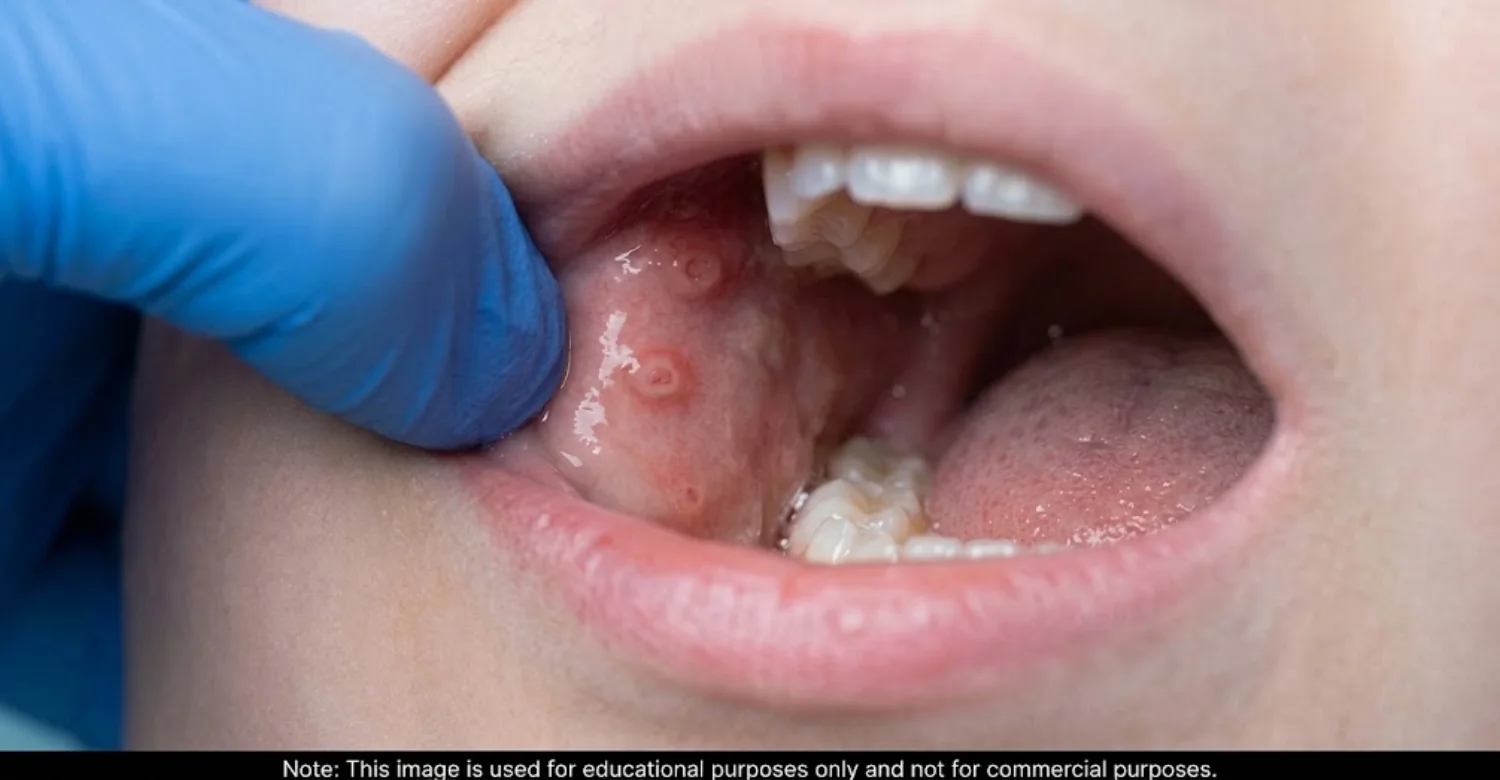
Note : All images used are for editorial and illustrative purposes only and may not originate from the original news provider or associated company.
Explore more on teeth feel tight
What Are the Oral Symptoms of Chickenpox?
Common oral symptoms include painful ulcers, mild swelling, difficulty chewing, and sometimes bad breath from irritated tissue. Symptoms can appear before, during, or shortly after the skin rash. Recognizing these patterns early helps families respond appropriately. It also reduces the chance that anyone mistakes a normal symptom for something alarming.
Chickenpox Sores Inside Mouth
Chickenpox sores inside the mouth typically appear on the tongue, inner cheeks (buccal mucosa), gums, and the roof of the mouth (hard and soft palate). They often show up alongside or shortly after the skin rash begins. Because multiple areas can be affected at once, discomfort while eating or talking is a common early complaint.
Chickenpox Tongue Sores
Chickenpox tongue sores can make the tongue feel raw, especially when eating acidic, salty, or spicy foods. Small ulcers may cluster near the tip or sides of the tongue, causing a stinging sensation. Most tongue-related oral lesions heal within about a week alongside the rest of the rash, without lasting damage.
Chickenpox Gums Sores
Chickenpox gum sores can cause mild swelling, tenderness, and occasional light bleeding when brushing. Gums may look redder than usual around the ulcerated areas. This is uncomfortable, but gum involvement is rarely serious on its own. Gentle oral hygiene helps avoid further irritation or secondary bacterial infection during healing.
Chickenpox Throat Sores
Chickenpox throat sores form when lesions extend toward the back of the mouth and oropharynx. This sometimes causes painful swallowing (odynophagia). In rare cases, this can contribute to airway irritation that warrants closer monitoring. If throat pain is severe or breathing feels affected, prompt medical evaluation is recommended rather than waiting it out.
Discover more about teeth hurt when sick with flu
How Long Do Chickenpox Mouth Blisters Last?
Chickenpox mouth blisters generally follow the same timeline as the skin rash. They move from blister to ulcer to healing within about 7 to 10 days. Most cases resolve without scarring. For the average case, it's uncomfortable but temporary rather than a lasting threat.
Stages of Chickenpox Oral Lesions
Chickenpox oral lesions typically progress through three stages: a small red bump, a fluid-filled vesicle, and finally a shallow ulcer that crusts over as it heals. Each stage may bring different sensations, from mild tingling to sharper pain once the ulcer forms. Discomfort gradually fades as the tissue repairs itself, following a predictable pattern.
From Oral Spots to Healing
As chickenpox oral lesions heal, redness fades, pain lessens, and normal eating gradually becomes easier. New spots may still appear for a few days even as older ones heal. This is normal during an active chickenpox infection. Once no new lesions form and existing ones have closed, the mouth is typically back to normal.
Clinical Note
Healing time can vary depending on overall illness severity, immune response, and how well hydration and nutrition are maintained during recovery. Some people heal within five days. Others with more extensive involvement may take closer to two weeks. Consistent, gentle care throughout this period supports faster, more comfortable healing.
Dive deeper into the process of chewing
How Can You Relieve Chickenpox in the Mouth?
Relieving chickenpox in the mouth centers on supportive care: cold soft foods, steady hydration, and avoiding anything that irritates broken tissue. Antivirals such as acyclovir may be considered for high-risk patients under physician guidance. For most people, managing pain well enough to keep eating and drinking is the main goal.
Foods and Drinks That May Be Easier to Tolerate
Cold, soft, bland foods are usually easiest to tolerate: yogurt, mashed potatoes, smoothies, oatmeal, and cool soups. Popsicles and chilled water can numb pain temporarily while adding fluids. Avoiding chewing-heavy foods reduces friction against sore areas. This makes mealtimes less painful without sacrificing the nutrition needed for recovery.
Keeping the Mouth Hydrated
Staying hydrated is essential when painful sores make drinking uncomfortable. Small, frequent sips throughout the day are easier to manage than large amounts at once. Ice chips, diluted juices, and electrolyte drinks can help maintain fluid balance. This matters especially in children who may otherwise refuse to drink due to mouth pain.
Avoiding Foods That Irritate Mouth Sores
Acidic, spicy, salty, and crunchy foods should be avoided since they can sting open ulcers and slow healing. Citrus fruits, chips, and hot sauces are common culprits. Choosing gentler alternatives protects healing tissue. It also reduces the discomfort that often makes people worry unnecessarily about their case.
Tips for the Patients
Rinse gently with lukewarm salt water (for older children and adults) to keep the mouth clean without stinging too much. Never use aspirin for pain relief because of the Reye's syndrome risk. A soft toothbrush and light touch during oral hygiene help prevent further irritation of already tender tissue.
Read the full article on thumb sucking teeth
When Should You See a Dentist for Chickenpox Mouth Symptoms?
Most chickenpox mouth symptoms don't need a dentist, but certain warning signs justify a professional look. If pain is severe, sores multiply rapidly, swelling is significant, or healing seems to stall, it's worth checking in. These signs are often when people specifically wonder whether a dentist's input is needed.
Signs That Need Professional Attention
See a dentist or doctor if there's persistent or worsening oral pain, visible swelling, unusual bleeding, or a foul odor suggesting infection. The same applies if a child refuses all food and fluids. Symptoms lasting well beyond ten days without improvement, or signs of dehydration, also warrant prompt professional evaluation rather than continued home management.
Find out more about tight jaw
How Can You Protect Your Oral Health During Chickenpox?
Protecting oral health during chickenpox means balancing gentle hygiene with comfort. Skipping oral care entirely raises infection risk, while overly vigorous brushing can worsen sore tissue. A careful, consistent routine helps prevent complications. It largely comes down to how well the mouth is cared for during healing.
Maintain Good Oral Hygiene
Gentle brushing with a soft-bristled toothbrush, twice daily, helps prevent secondary bacterial infection without further damaging ulcerated tissue. Avoid vigorous scrubbing near active sores. For very young children, a soft cloth may substitute for brushing temporarily. Consistent, gentle hygiene supports faster healing and reduces the chance of complications.
Stay Hydrated
Adequate hydration keeps oral tissue from drying out and cracking, which can worsen pain from existing ulcers. Water, diluted juice, and electrolyte solutions all help. Encourage small sips regularly, rather than pushing large amounts. This makes hydration more manageable when swallowing feels uncomfortable due to active mouth sores.
Choose Soft, Non-Irritating Foods
Sticking to soft, cool, mild foods reduces mechanical and chemical irritation to healing ulcers. Think mashed vegetables, smoothies, plain pasta, and dairy-based foods. This approach limits pain during meals. It also helps maintain adequate nutrition, which in turn supports the immune system's ability to clear the virus.
Avoid Picking or Irritating Oral Lesions
Picking at healing sores, using straws forcefully, or eating crunchy snacks can reopen ulcers and delay healing. Encourage children especially to avoid touching sore areas with fingers or tongue repeatedly. Minimizing physical irritation gives tissue the best chance to close properly without introducing additional bacteria.
Tips for the Patients
Keep a soft-food plan ready for the first week, track hydration daily, and monitor for new symptoms like spreading redness or fever spikes. Avoid aspirin at all times. These simple habits address most concerns about mouth chickenpox, keeping healing on track and complications unlikely in typical cases.
Get the details on tingling of the mouth
Vitrin Clinic and Oral Health During Chickenpox
Vitrin Clinic helps patients and families understand what's happening when oral sores appear during chickenpox. The team offers guidance on when symptoms are ordinary and when they deserve closer attention. Many people reach out asking is chickenpox in mouth dangerous, and Vitrin Clinic focuses on clear, practical answers based on each patient's specific presentation.
How Vitrin Clinic Supports Patients With Oral Concerns
Vitrin Clinic supports patients by evaluating oral symptoms in context. This distinguishes typical viral ulcers from issues that might need separate dental attention. This approach helps patients feel confident about their particular case, rather than guessing based on general information alone.
Personalized Dental Guidance at Vitrin Clinic
At Vitrin Clinic, guidance is tailored to each patient's oral symptoms, overall health, and dental history. Rather than offering generic advice, the team considers individual factors like existing dental work or sensitivity. This personalized approach helps patients manage discomfort. It also ensures nothing beyond ordinary oral symptoms is overlooked.
What We Notice Clinically
Clinically, Dr. Rifat Alsaman, Head of the Medical Team at Vitrin Clinic and a cosmetic dentist, emphasizes distinguishing temporary viral mouth lesions from other dental or oral conditions that might coincidentally appear at the same time. Not every mouth sore during illness is related to chickenpox. Accurate identification affects both treatment and reassurance for concerned patients.
Clinical Note
Chickenpox is a viral illness, so dental treatment timing should be planned around the patient's overall condition and contagious period. Vitrin Clinic advises coordinating any non-urgent dental care until symptoms resolve. Urgent oral pain or complications are still addressed promptly when they genuinely require professional attention.
At Vitrin Clinic
Vitrin Clinic helps patients and families understand what's happening when oral sores appear during chickenpox, offering guidance on when symptoms are ordinary and when they deserve closer attention. Treatment mainly relies on supportive care: cold soft foods, steady hydration, saltwater rinses for older children and adults, and antivirals like acyclovir for high-risk cases under physician guidance. Vitrin Clinic also helps distinguish these temporary viral sores from gum disease (periodontics) or other oral conditions that may need separate dental care. Many people reach out asking is chickenpox in mouth dangerous, and Vitrin Clinic focuses on clear, practical answers based on each patient's specific presentation.
Everything you need to know about tinnitus and teeth
Resource:
https://pmc.ncbi.nlm.nih.gov/articles/PMC13117907/
FAQs

Dr. Rifat Alsaman has more than 5 years of clinical experience in dentistry and currently serves as the Head of the Medical Team at Vitrin Clinic. He is dedicated to providing exceptional patient care, overseeing treatment planning, and ensuring the highest clinical standards across the team. His expertise, attention to detail, and commitment to continuous professional development have helped countless patients achieve healthier, more confident smiles.


