General Dentistry
August 16, 2026
Cyclospora Symptoms and Oral Health: Can Cyclospora Affect Your Mouth?

Cyclospora symptoms and oral health can become connected through dehydration caused by prolonged diarrhea. Cyclospora primarily affects the digestive system, not the mouth. However, fluid loss can reduce saliva and create temporary oral discomfort. This article explains the connection clearly and medically. It also separates established symptoms from possible secondary oral effects. Understanding this distinction can prevent unnecessary concern about direct mouth infection. Vitrin Clinic emphasizes preventive dental care during and after systemic illnesses. Persistent oral symptoms should receive professional assessment rather than self-diagnosis.
What Is Cyclospora Infection?
Cyclospora infection is an intestinal illness caused by the parasite Cyclospora cayetanensis. It commonly causes watery diarrhea and gastrointestinal discomfort. Other symptoms include fatigue, nausea, appetite loss, weight loss, bloating, and abdominal cramping. Some patients experience vomiting or low-grade fever. Symptoms can improve and return during the illness. CDC surveillance identifies diarrhea as the most common manifestation. A 2025 CDC study reported diarrhea in 98% of studied patients. Understanding the link between Cyclospora symptoms and oral health helps explain these secondary effects, which usually involve dehydration rather than direct mouth infection. Vitrin Clinic recommends professional assessment when oral symptoms persist.
What Causes Cyclospora Infection?
Cyclospora infection occurs after consuming food or water contaminated with infectious oocysts. Contamination can happen during growing, harvesting, processing, or preparation. Fresh produce has been associated with several documented outbreaks. The parasite requires environmental maturation before becoming infectious. Therefore, immediate person-to-person transmission is considered unlikely. Humans are currently recognized as the primary hosts. Understanding Cyclospora symptoms and oral health also requires recognizing its gastrointestinal origin. Oral concerns generally develop through secondary factors such as fluid loss. Vitrin Clinic emphasizes distinguishing systemic illness from direct dental disease.
How Is Cyclospora Spread?
Cyclospora spreads mainly through contaminated food or water. Infection occurs when infectious parasite stages are swallowed. Fresh produce can become contaminated before reaching consumers. Poor sanitation can contribute to environmental contamination. Direct transmission between people is unlikely under normal circumstances. Recently passed oocysts require time outside the body before becoming infectious. This feature distinguishes Cyclospora from several other intestinal pathogens. These intestinal issues can secondary influence mouth comfort when infection causes prolonged fluid loss. Proper food handling remains important for reducing exposure. Patients with persistent symptoms should seek appropriate medical guidance.
How Long Does Cyclospora Infection Last?
Cyclospora illness can continue for several weeks without appropriate treatment. Symptoms may improve temporarily before returning. CDC information describes prolonged and intermittent diarrhea as characteristic. Some patients can experience symptoms for several months. Duration varies according to treatment and individual circumstances. Persistent diarrhea can increase the risk of dehydration. Reduced body fluids can contribute to decreased saliva production, causing temporary oral dryness or discomfort. Vitrin Clinic recommends dental evaluation when oral symptoms continue after recovery.
What Are the Common Symptoms of Cyclospora?
Common symptoms include watery diarrhea, fatigue, abdominal cramping, bloating, and increased gas. Nausea and appetite loss can also occur. Some people experience weight loss, vomiting, or low-grade fever. Symptoms can become intermittent rather than continuously severe. CDC surveillance found diarrhea in 98% of patients in one recent study. Gastrointestinal distress can indirectly alter oral comfort during prolonged fluid loss. Mouth dryness is therefore usually considered a secondary effect. Persistent or severe gastrointestinal symptoms require medical assessment.
Can Cyclospora Cause Mouth Symptoms?
Cyclospora primarily affects the intestinal tract rather than the mouth. Mouth symptoms are not considered defining clinical features of cyclosporiasis. However, prolonged diarrhea can cause substantial fluid loss. Reduced hydration may contribute to temporary dry mouth. Reduced saliva can affect taste, comfort, swallowing, and oral cleanliness. Cyclospora symptoms and oral health are therefore connected mainly through dehydration. These effects do not indicate parasite infection inside oral tissues. Other causes of mouth symptoms should also be considered. Persistent concerns deserve medical or dental evaluation.
Cyclospora Symptoms Affecting the Mouth
There is limited evidence that Cyclospora directly produces specific mouth symptoms. Dryness may occur when gastrointestinal fluid losses cause dehydration. Thirst can become more noticeable during prolonged diarrhea. Reduced saliva may make the mouth feel sticky or uncomfortable. Secondary systemic pathways explain these temporary changes. Medication use, stress, illness, and other conditions can also reduce saliva. Persistent mouth changes should not automatically be attributed to Cyclospora. A dental professional can investigate alternative causes when symptoms continue.
Oral Symptoms of Cyclospora Infection
Oral symptoms are not among the classic diagnostic features of cyclosporiasis. Patients may nevertheless notice dryness during significant gastrointestinal illness. Reduced fluid intake can compound fluid losses from diarrhea. This combination can make the mouth feel unusually dry. Some people may also notice altered taste or thicker saliva. Intestinal illness and mouth moisture overlap when dehydration reduces normal saliva flow. Persistent mouth sores or pain require separate evaluation. These findings should not automatically be considered direct Cyclospora symptoms. Professional assessment can help identify the underlying cause.
Can Cyclospora Cause Dry Mouth?
Cyclospora may contribute indirectly to dry mouth through dehydration. Prolonged diarrhea can remove substantial amounts of water and electrolytes. The body may conserve fluids during significant dehydration. Saliva production can consequently become reduced. NIDCR explains that saliva keeps the mouth moist and protects teeth. Reduced fluid levels directly affect saliva availability. Persistent dry mouth can increase risks for tooth decay and oral infections. Vitrin Clinic recommends assessment when dryness continues after gastrointestinal recovery.
Mouth Changes Caused by Cyclospora
Any mouth changes are more likely related to dehydration than direct parasite activity. Patients may notice dryness, stickiness, thirst, or thicker saliva. Taste can also seem different when saliva production decreases. Cracked lips may accompany significant dryness. NIDCR identifies dry mouth, cracked lips, mouth sores, and taste difficulties among xerostomia symptoms. Systemic dehydration helps explain this broader picture. Persistent symptoms may have unrelated medical or dental causes. Professional evaluation can help determine the appropriate explanation.
How Does Cyclospora Affect Oral Health?
The main connection involves hydration and saliva rather than direct dental infection. Prolonged diarrhea can reduce total body fluid levels. Dehydration can make saliva less abundant or feel thicker. Saliva normally helps cleanse the mouth and protect tooth surfaces. Reduced saliva can therefore increase oral discomfort and decay risk. Cyclospora symptoms and oral health are linked primarily through these secondary effects. The impact is often temporary when hydration and general health recover. Persistent dryness requires further evaluation to exclude other causes. Vitrin Clinic can assess oral health after systemic illness.
Cyclospora Dehydration and Dry Mouth
Dehydration is an important secondary concern during prolonged gastrointestinal illness. Diarrhea causes fluid loss through the digestive tract. Insufficient replacement can leave the body dehydrated. Saliva production may decrease when fluid availability becomes limited. Patients can then experience dryness, stickiness, or increased thirst. NIDCR identifies adequate saliva as essential for maintaining oral health. Dehydration-related saliva reduction forms the bridge between these systems. Restoring hydration can improve temporary dryness. Severe dehydration requires medical attention rather than dental treatment alone.
Cyclospora Infection and Oral Dehydration
Oral dehydration describes dryness experienced inside the mouth. It does not necessarily mean the mouth itself caused dehydration. During intestinal illness, systemic fluid loss is the primary concern. Reduced saliva can then create noticeable oral dryness. Drinking appropriate fluids supports recovery and oral comfort. Systemic fluid loss directly impacts normal saliva production. Severe dehydration requires medical attention rather than dental treatment alone. Patients should follow their healthcare professional's hydration recommendations. Persistent oral dryness deserves dental assessment.
How Reduced Saliva Affects Oral Health
Saliva provides several protective functions within the mouth. It helps wash food particles from teeth and gums. It also supplies minerals that support enamel maintenance. Saliva contributes to controlling harmful microorganisms. NIDCR notes that insufficient saliva can increase risks for cavities and oral infections. Reduced protective saliva functions explain these secondary dental risks. Temporary changes may resolve after hydration improves. Persistent saliva reduction can require professional evaluation. Vitrin Clinic can assess dental risks associated with ongoing oral dryness.
Dry and Sticky Mouth
A dry and sticky mouth commonly indicates reduced saliva. Patients may feel that their tongue sticks against surrounding tissues. Swallowing can also become less comfortable. Drinking water may temporarily improve the sensation. NIDCR identifies sticky mouth as a common dry-mouth symptom. Fluid loss from illness can temporarily disrupt normal saliva flow. Persistent dryness should receive professional evaluation. Dental assessment can identify additional causes of xerostomia.
Changes in Taste
Reduced saliva can influence how food tastes. Saliva helps dissolve substances needed for taste perception. Dryness may therefore make flavors seem weaker or different. Gastrointestinal illness can also change appetite and eating patterns. Persistent taste changes deserve medical or dental assessment. Dehydration alters normal oral moisture and sensory perception. Other causes should also be considered when taste changes continue. Vitrin Clinic can assess persistent oral concerns.
Oral Discomfort
Dry tissues can become uncomfortable during speaking, chewing, or swallowing. Some patients may notice burning or irritation. Cracked lips can accompany significant dryness. NIDCR also lists mouth sores among possible dry-mouth symptoms. Dehydration-related oral irritation can cause temporary discomfort. Persistent sores require professional evaluation. Oral pain should not automatically be attributed to gastrointestinal infection. Dental assessment can identify infections, trauma, decay, or other conditions.
Difficulty Maintaining Oral Hygiene
Dryness can make brushing or eating uncomfortable. However, maintaining oral hygiene remains important during recovery. Plaque continues accumulating even when appetite decreases. NIDCR recommends brushing twice daily with fluoride toothpaste. Cleaning between teeth also remains important. Preventive dental care should be prioritized during recovery. Good hygiene can reduce additional risks while hydration improves. Vitrin Clinic recommends maintaining routine preventive dental care whenever possible.
Clinical Note
The oral effects described here should be considered secondary effects of dehydration. They do not establish direct oral Cyclospora infection. A dental examination can identify decay, gum inflammation, ulcers, or other causes. Intestinal symptoms and mouth changes should therefore be interpreted carefully. Medical management remains essential when gastrointestinal symptoms continue. Vitrin Clinic recommends evaluating persistent oral symptoms individually. Dental findings should be assessed independently rather than automatically linked to Cyclospora.
Can Diarrhea From Cyclospora Cause Dry Mouth?
Yes, prolonged diarrhea can contribute to dry mouth through dehydration. The parasite itself does not need to infect oral tissues. Fluid loss can reduce available body water. Saliva production may then decrease. The degree of dryness depends on fluid losses and replacement. Gastrointestinal fluid loss directly impacts saliva flow. Persistent diarrhea should therefore receive appropriate medical assessment. Oral dryness can improve as hydration and gastrointestinal health recover. Severe dehydration requires prompt medical care.
How Prolonged Diarrhea Causes Dehydration
Diarrhea removes water and electrolytes through frequent bowel movements. Repeated losses can exceed fluid intake. The risk increases when diarrhea continues for several days. Vomiting can further increase fluid loss. Dehydration may cause thirst, weakness, dizziness, and reduced urination. Prolonged fluid loss affects the whole body. Significant dehydration requires prompt medical evaluation. Oral dryness can appear when hydration becomes inadequate. Appropriate fluid and electrolyte replacement supports recovery. Patients should follow individualized medical recommendations during illness.
Why Dehydration Can Reduce Saliva
Saliva production depends partly on adequate hydration. When body fluids decrease, saliva can become reduced or thicker. This creates a dry or sticky mouth sensation. Saliva normally supports lubrication, swallowing, cleansing, and tooth protection. Fluid loss negatively affects saliva availability. Persistent dryness can increase oral discomfort and dental risks. NIDCR identifies saliva as important for maintaining healthy oral tissues. Vitrin Clinic recommends assessment when dry-mouth symptoms continue after recovery.
Signs of Dehydration That Affect the Mouth
Oral dehydration may produce several noticeable changes. Dryness is often the most obvious sign. Lips can become dry or cracked. Saliva may become thicker and less abundant. Increased thirst may accompany these changes. Fluid loss directly affects oral moisture. These findings should be considered alongside other dehydration symptoms. Severe weakness, dizziness, or reduced urination requires medical attention. Persistent oral changes may require dental evaluation.
Dry Lips
Dry lips can develop when fluid intake does not replace ongoing losses. The lips may feel tight, rough, or cracked. Lip balm can improve comfort while hydration is restored. Dehydration affects surrounding oral tissues quickly. Severe dehydration requires medical assessment. Persistent cracking may also have unrelated causes. Patients should avoid licking their lips repeatedly because this can worsen dryness. Vitrin Clinic recommends professional evaluation when symptoms persist.
Increased Thirst
Thirst is a common signal that the body needs additional fluids. During prolonged diarrhea, thirst can become particularly noticeable. Drinking appropriate fluids can support hydration. However, severe dehydration may require professional treatment. Thirst frequently accompanies significant fluid loss. Thirst alone cannot determine dehydration severity. Patients should consider thirst alongside urination, dizziness, weakness, and other symptoms. Medical advice is important when dehydration appears significant.
Thick or Reduced Saliva
Reduced hydration can make saliva feel thicker. Patients may describe the mouth as sticky or coated. Swallowing may also feel less comfortable. Adequate fluid replacement can improve these sensations. Dehydration changes normal saliva flow rapidly. Persistent changes should be evaluated for other causes. Medication use and certain medical conditions can also affect saliva production. Vitrin Clinic can assess persistent oral dryness and related dental concerns.
Dr. Rifat Alsaman’s Clinical Perspective
Dr. Rifat Alsaman’s clinical perspective emphasizes separating systemic illness from direct dental disease. Gastrointestinal infections can indirectly influence oral comfort through dehydration. Cyclospora symptoms and oral health should therefore be interpreted through this indirect connection. Dental symptoms should be assessed rather than assumed. A dental examination can identify problems requiring specific treatment. Vitrin Clinic focuses on individualized assessment during oral health concerns. Medical management remains essential while gastrointestinal symptoms continue. Persistent oral changes can then receive appropriate dental evaluation.
Does Cyclospora Infection Affect Your Teeth?
Cyclospora does not normally attack tooth structures directly. The important dental connection involves dehydration and reduced saliva. Saliva protects teeth by helping maintain mineral balance. Reduced saliva can increase susceptibility to tooth decay. Indirect secondary effects explain these risks. NIDCR explains that saliva contains minerals supporting tooth protection. Existing dental conditions may become more noticeable during systemic illness. Professional evaluation can distinguish temporary effects from established dental disease.
Can Cyclospora Directly Damage Teeth?
There is no established evidence that Cyclospora directly damages enamel or dentin. The parasite primarily affects the intestinal tract. Dental damage would therefore require another mechanism. Dehydration can create conditions that indirectly challenge oral protection. Reduced saliva affects dental defenses over time. Existing cavities or gum disease may also become more noticeable during illness. Persistent dental symptoms should receive professional evaluation. Vitrin Clinic can identify underlying dental conditions through comprehensive assessment.
How Dehydration May Indirectly Affect Dental Health
Reduced saliva can weaken some natural protective mechanisms. Saliva helps clear food particles and supplies minerals to teeth. It also contributes to maintaining a healthy oral environment. NIDCR links persistent dry mouth with increased tooth-decay and infection risks. Dehydration-related saliva reduction intersects with tooth preservation. Temporary dryness may improve after hydration is restored. Persistent symptoms require evaluation for other possible causes. Good oral hygiene remains important during gastrointestinal recovery.
Does Dry Mouth Increase the Risk of Tooth Decay?
Yes, persistent dry mouth can increase tooth-decay risk. Saliva normally helps neutralize acids and supply minerals. Reduced saliva removes some of that protection. NIDCR specifically identifies tooth decay as a potential consequence of dry mouth. Prolonged saliva reduction elevates these dental risks. The risk depends on dryness severity and duration. Fluoride toothpaste can help strengthen preventive protection. Vitrin Clinic can recommend personalized preventive care when dental risk increases.
Cyclospora Infection and Dental Health
Dental concerns during infection usually involve secondary effects. Dehydration can reduce saliva and increase oral dryness. Appetite changes can also alter eating and drinking patterns. Sugary drinks used frequently for comfort may increase acid exposure. Recovery plans should include attention to hydration and diet. Maintaining fluoride-based oral hygiene remains important during recovery. Patients should avoid neglecting routine dental care because of temporary illness. Persistent symptoms should receive professional assessment.
What We Notice Clinically
Clinically, temporary dryness can appear after prolonged gastrointestinal fluid loss. However, dentists should investigate persistent symptoms carefully. Existing cavities, gingivitis, medication effects, or other conditions may contribute. Systemic dehydration can resemble other oral health concerns. Vitrin Clinic can assess the mouth and identify dental causes. Medical care remains the priority for active gastrointestinal infection. Dental treatment should address confirmed oral conditions rather than presumed parasite effects.
How Does Cyclospora Dehydration Affect Oral Health?
The primary concern is reduced saliva and oral moisture. Saliva supports lubrication, cleansing, taste, swallowing, and tooth protection. When dehydration reduces saliva, several oral functions can become less comfortable. NIDCR states that saliva helps protect teeth against decay. Dehydration-related changes in oral moisture explain these complications. Temporary symptoms may improve after appropriate hydration. Persistent dryness can require professional evaluation. Vitrin Clinic can assess oral health and identify additional dental risks.
Why Saliva Is Important for Healthy Teeth and Gums
Saliva continuously washes oral surfaces. It helps remove food particles and supports comfortable swallowing. It also contains minerals that support tooth strength. Saliva contributes to controlling harmful microorganisms. These functions make adequate saliva important for daily oral health. Reduced protective functions increase vulnerability to dental issues. NIDCR recognizes saliva as an important defense against dental disease. Maintaining hydration can support normal oral moisture during recovery.
Effects of Reduced Saliva Flow
Reduced saliva can cause dryness, stickiness, altered taste, and discomfort. Persistent reduction can increase risks for cavities and oral infections. Patients may also experience difficulty chewing or swallowing. NIDCR recommends professional evaluation when dry mouth persists. Reduced saliva following prolonged diarrhea creates secondary complications. Other medical or medication-related causes should also be considered. Vitrin Clinic can evaluate persistent symptoms and recommend appropriate care.
Cyclospora Dehydration Effects on Oral Health
Dehydration can temporarily reduce oral moisture during prolonged diarrhea. The resulting dryness may affect comfort and oral hygiene. Recovery usually focuses on treating the underlying illness and restoring hydration. Dental care supports prevention while symptoms continue. Fluid loss forms the primary link here. Persistent oral symptoms should not automatically be attributed to dehydration. Professional assessment can identify additional causes.
Increased Oral Dryness
Reduced saliva makes oral tissues feel less moist. Patients may notice dryness particularly during speaking or sleeping. Frequent small sips can improve comfort when medically appropriate. Reduced saliva flow compromises daily comfort. Persistent dryness deserves professional evaluation. Sugar-free gum may stimulate saliva for some patients. NIDCR recommends discussing persistent dry mouth with a healthcare professional.
Increased Oral Irritation
Dry tissues can become more sensitive to spicy, salty, or acidic foods. Small irritations may feel stronger during dehydration. NIDCR notes that dry mouth can cause burning sensations and mouth sores. Temporary oral irritation often occurs during dehydration. Patients should avoid foods that aggravate sensitive tissues. Persistent sores require professional evaluation. Vitrin Clinic can assess unexplained oral irritation and identify underlying causes.
Higher Risk of Plaque Buildup
Saliva helps wash food particles from oral surfaces. Less saliva can reduce this natural cleansing action. Plaque may therefore become easier to accumulate. Saliva's cleansing role is compromised by fluid loss. Regular brushing and interdental cleaning remain important. Fluoride toothpaste supports cavity prevention during recovery. Persistent plaque accumulation should be discussed with a dental professional.
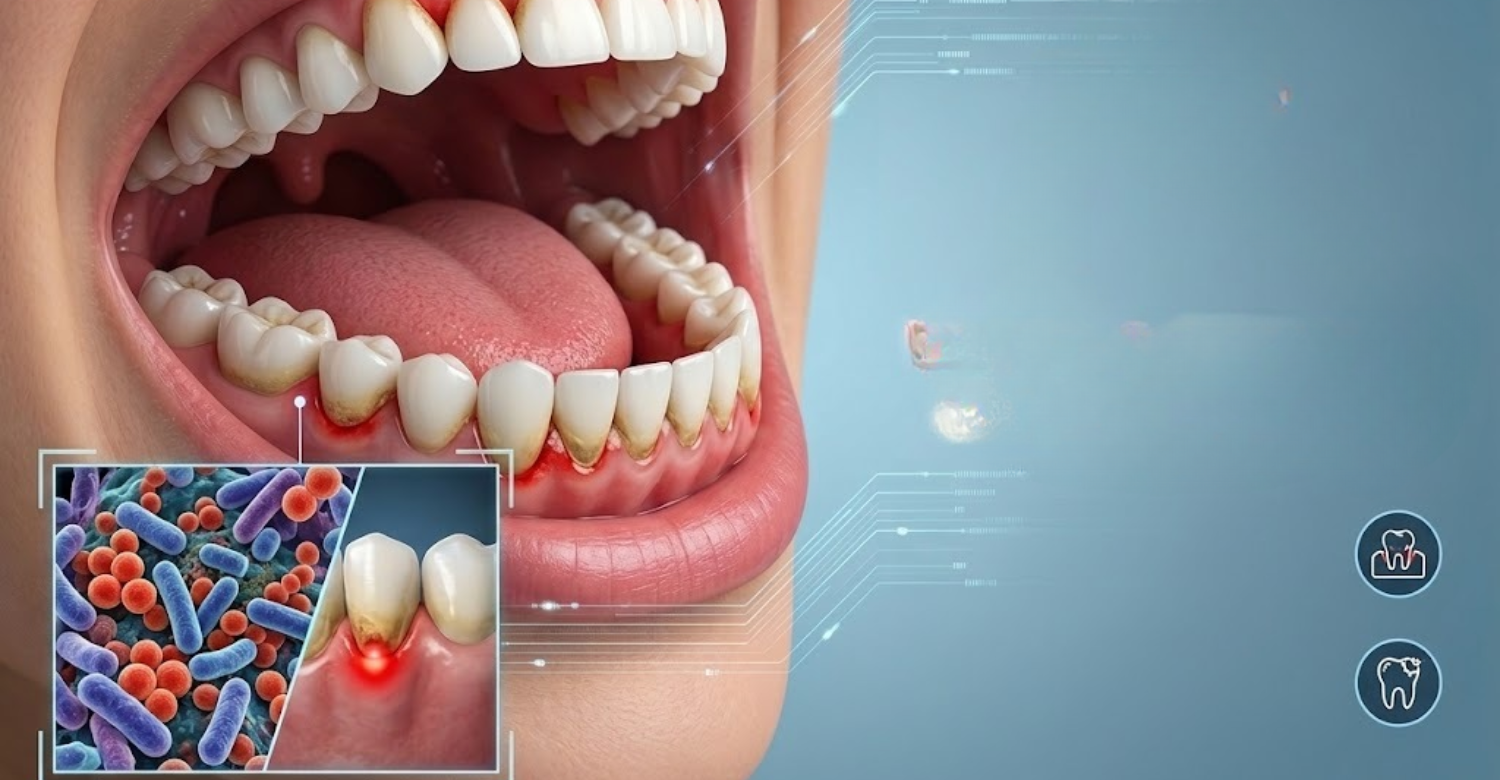
Tips for Patients During Cyclospora Recovery
Oral care should continue while gastrointestinal illness is being treated. Hydration remains the primary systemic priority. Patients should follow their clinician's treatment recommendations carefully. Oral hygiene should not be abandoned because appetite or energy decreases. Simple preventive measures can reduce additional dental problems. Recovery planning should balance overall wellness with dental care. Vitrin Clinic recommends maintaining regular dental care after recovery. Persistent oral symptoms deserve professional evaluation.
Stay Hydrated
Replacing fluids is important when diarrhea causes ongoing losses. Follow medical guidance regarding fluids and electrolyte replacement. Small, frequent drinks may be easier during nausea. Severe dehydration requires professional medical treatment. Hydration can also improve dry-mouth discomfort. Symptoms improve together as dehydration resolves. Patients should follow individualized recommendations from their healthcare provider. Avoid relying on thirst alone when fluid losses are substantial.
Maintain Your Oral Hygiene Routine
Continue brushing and cleaning between teeth during illness. Plaque does not stop accumulating during gastrointestinal infections. NIDCR recommends brushing twice daily with fluoride toothpaste. Interdental cleaning should also remain part of routine care. Maintaining dental prevention supports overall recovery. Gentle hygiene can reduce plaque while oral tissues recover. Patients should avoid abandoning brushing because of temporary mouth discomfort.
Brush Your Teeth Gently Twice a Day
Use a soft toothbrush and fluoride toothpaste. Gentle brushing helps remove plaque without unnecessarily irritating dry tissues. Brushing twice daily supports cavity prevention. Consistent preventive hygiene protects teeth effectively. Avoid aggressive brushing when the mouth feels sensitive. Replace the toothbrush when it becomes worn. Vitrin Clinic can provide individualized hygiene recommendations when sensitivity persists.
Protect Your Mouth From Excessive Dryness
Drink appropriate fluids and take regular small sips. Sugar-free gum can stimulate saliva when appropriate. Avoid excessive caffeine because it can worsen dryness for some people. NIDCR recommends water, sugar-free gum, and good oral hygiene for dry mouth. Persistent fluid loss makes dryness more noticeable. Patients should follow medical advice regarding fluid replacement. Persistent dryness deserves professional evaluation.
When to Seek Medical or Dental Advice
Seek medical care for persistent or severe diarrhea. Prompt attention is important when dehydration becomes significant. Dental assessment is appropriate for persistent dryness, pain, sores, or sensitivity. Emergency symptoms require medical rather than routine dental care. Cyclospora symptoms and oral health should be evaluated separately when symptoms persist. Individual assessment is essential when symptoms do not resolve. Vitrin Clinic can assess ongoing dental concerns after gastrointestinal recovery.
How Gastrointestinal Infections Affect Oral Health
Gastrointestinal illnesses can affect oral health through several indirect pathways. Dehydration is one of the most important mechanisms. Changes in appetite can alter exposure to foods and drinks. Vomiting may expose teeth to stomach acid. Reduced energy can make oral hygiene more difficult. Systemic illness influences oral comfort indirectly in multiple ways. These factors can temporarily affect oral health. Persistent changes require appropriate medical or dental assessment.
The Gut-Mouth Connection
The mouth and gastrointestinal system function as connected parts of digestion. Eating, swallowing, saliva, and intestinal function influence overall nutrition. Systemic illness can therefore produce secondary oral effects. However, this does not mean every gastrointestinal infection causes oral disease. Biological mechanisms explain specific pathways like dehydration. Other oral symptoms require independent evaluation. Vitrin Clinic can assess persistent concerns.
Dehydration and Saliva Production
Dehydration can reduce oral moisture and make saliva feel thicker. Saliva is essential for lubrication and tooth protection. Persistent dry mouth can increase dental risks. NIDCR identifies saliva as an important defense against decay and oral infection. Significant fluid loss leads directly to dry mouth issues. Appropriate hydration supports normal saliva function. Persistent saliva changes should receive professional assessment.
Changes in Eating and Drinking Habits
Illness can reduce appetite and change normal eating patterns. Some people consume more sweetened beverages during recovery. Frequent sugar exposure can increase acid production by oral bacteria. NIDCR explains that repeated acid attacks contribute to tooth decay. Cyclospora Symptoms and Oral Health can therefore involve changes in dietary habits. Choosing less sugary options can support dental protection. Maintaining regular brushing remains important.
Maintaining Oral Health During Gastrointestinal Illness
Continue brushing with fluoride toothpaste twice daily. Clean between teeth regularly when possible. Maintain hydration according to medical recommendations. Avoid excessive sugary drinks when alternatives are available. Schedule dental evaluation when symptoms persist. Cyclospora Symptoms and Oral Health should both remain part of recovery planning. Preventive dental habits can reduce additional oral complications.
When Should You See a Dentist for Oral Symptoms?
Not every oral symptom during gastrointestinal illness requires immediate dental treatment. Temporary dryness may improve as hydration returns. Persistent symptoms deserve evaluation because other conditions can produce similar findings. A dentist can assess teeth, gums, mucosal tissues, and saliva-related concerns. Cyclospora Symptoms and Oral Health should not be used to explain every mouth complaint. Vitrin Clinic provides individualized dental assessments for patients experiencing persistent oral changes. Early evaluation can help identify treatable dental conditions.
Persistent Dry Mouth
Persistent dry mouth should not be ignored. Ongoing dryness can increase the risk of cavities and oral infections. NIDCR recommends speaking with a dentist or doctor about persistent dry mouth. Cyclospora Symptoms and Oral Health can overlap when dehydration causes temporary dryness. However, persistent symptoms may indicate another condition. Professional evaluation can identify the underlying cause. Vitrin Clinic can assess saliva-related dental concerns and recommend preventive care.
Mouth Pain or Sores
Persistent mouth pain can have many possible causes. Dryness can contribute to irritation, but other conditions require consideration. NIDCR lists mouth sores among possible dry-mouth symptoms. Cyclospora Symptoms and Oral Health may overlap when dehydration contributes to oral irritation. However, persistent sores should receive professional evaluation. Dentists can assess infections, trauma, inflammation, and other causes. Vitrin Clinic can provide individualized oral assessment when symptoms continue.
Increased Tooth Sensitivity
Sensitivity can occur when teeth become exposed to temperature or acidic substances. Existing enamel damage may become more noticeable during illness. Tooth decay can also produce sensitivity as it progresses. NIDCR identifies sensitivity as a possible symptom of advancing tooth decay. Cyclospora Symptoms and Oral Health may intersect when dehydration increases oral discomfort. Sensitivity should not automatically be attributed to Cyclospora. Dental evaluation can determine whether decay, enamel wear, or another cause exists.
Signs of Tooth Decay or Gum Problems
Watch for persistent toothache, sensitivity, swelling, bleeding gums, or visible cavities. These findings should not automatically be attributed to dehydration. Dental examination can identify the underlying cause. Cyclospora Symptoms and Oral Health should therefore be considered alongside established dental findings. Early assessment can prevent progression. Vitrin Clinic can evaluate teeth and gums and develop an appropriate treatment plan.
How Vitrin Clinic Can Help Protect Your Oral Health
Vitrin Clinic can support patients who notice persistent oral changes after systemic illness. Dental evaluation can distinguish temporary dryness from established dental problems. The goal is prevention, diagnosis, and appropriate treatment. Each patient's oral condition requires individualized assessment. Cyclospora Symptoms and Oral Health can be discussed during a comprehensive dental consultation. Professional care can help identify problems before they become more advanced. Vitrin Clinic focuses on personalized dental assessment and treatment planning.
Comprehensive Dental Examination
A comprehensive examination evaluates teeth, gums, oral tissues, and existing restorations. The dentist can identify cavities, inflammation, sensitivity, or other abnormalities. Saliva-related symptoms can also be discussed during consultation. Additional diagnostic procedures may be recommended when clinically necessary. Cyclospora Symptoms and Oral Health can be evaluated alongside broader dental concerns. Early assessment can distinguish temporary dryness from established disease. Vitrin Clinic provides individualized examination based on clinical findings.
Personalized Oral Health Recommendations
Recommendations should reflect each patient's symptoms and dental risk. A patient with persistent dryness may need additional preventive strategies. Fluoride-based care can be considered when decay risk increases. NIDCR recommends professional guidance for persistent dry-mouth problems. Cyclospora Symptoms and Oral Health can guide discussion about hydration-related oral changes. Individualized recommendations can help protect teeth and gums during recovery. Vitrin Clinic develops advice according to examination findings.
Identifying Dry Mouth and Dental Problems Early
Early assessment can separate temporary illness-related dryness from other conditions. Detecting cavities early can simplify treatment. Identifying gum inflammation can support timely preventive care. Cyclospora Symptoms and Oral Health may initially resemble other oral conditions. Vitrin Clinic focuses on personalized examination and treatment planning. Early professional assessment can reduce uncertainty about persistent mouth symptoms. Patients should seek evaluation when symptoms continue despite recovery.
Why Choose Vitrin Clinic for Your Dental Care?
Vitrin Clinic combines preventive assessment with individualized dental treatment planning. Patients experiencing oral changes can receive comprehensive evaluation. The focus remains on identifying the cause rather than treating symptoms blindly. Dental care can be coordinated around the patient's overall recovery. Professional assessment supports long-term oral health.
Patient-Centered Dental Care
Patient-centered care considers symptoms, dental history, current concerns, and treatment needs. Communication helps patients understand findings and available options. The objective is comfortable and informed dental care. Vitrin Clinic emphasizes individualized recommendations for every patient.
Advanced Diagnostic and Treatment Options
Modern dentistry provides multiple diagnostic and preventive approaches. The appropriate option depends on the patient's examination findings. Dental imaging may help identify problems not visible clinically. Preventive treatments can also reduce future dental risks.
Personalized Treatment Planning
Treatment plans should reflect individual dental conditions and priorities. A patient with temporary dryness may need prevention rather than extensive treatment. Existing cavities or gum disease require different management. Vitrin Clinic develops treatment recommendations according to clinical findings.
Key Takeaways About Cyclospora Symptoms and Oral Health
Cyclospora primarily affects the gastrointestinal system. Its most recognized symptom is watery diarrhea. Oral changes are generally indirect rather than direct manifestations. Dehydration can reduce saliva and create temporary oral dryness. Persistent symptoms should receive appropriate medical or dental assessment. CDC surveillance demonstrates the strong association between infection and diarrhea. One recent study reported diarrhea in 98% of studied patients.
Understanding the Link Between Cyclospora and Dehydration
The strongest connection involves gastrointestinal fluid loss. Prolonged diarrhea can cause dehydration. Dehydration may reduce saliva and increase oral dryness. This mechanism explains many possible oral complaints. It does not indicate that the parasite is infecting teeth.
Protecting Your Mouth During Recovery
Maintain hydration according to medical advice. Continue brushing with fluoride toothpaste twice daily. Clean between teeth regularly. Avoid excessive sugary drinks when possible. Address persistent dryness with a dental professional.
Knowing When to Seek Professional Care
Seek medical attention for severe or persistent gastrointestinal symptoms. Dental assessment is appropriate for ongoing oral dryness or pain. Tooth sensitivity, sores, swelling, or decay signs also warrant evaluation. Early assessment can prevent minor problems from becoming more serious.
Reference
FAQs

Dr. Rifat Alsaman has more than 5 years of clinical experience in dentistry and currently serves as the Head of the Medical Team at Vitrin Clinic. He is dedicated to providing exceptional patient care, overseeing treatment planning, and ensuring the highest clinical standards across the team. His expertise, attention to detail, and commitment to continuous professional development have helped countless patients achieve healthier, more confident smiles.


