General Dentistry
August 5, 2026
Sparkling Water and Teeth: Is It Really Safer Than Soda?

Sparkling water and teeth is a growing concern for patients cutting back on soda. Many assume bubbles alone spell trouble for enamel. Others believe unsweetened sparkling water is a completely safe swap. New research presented at Nutrition 2026 in National Harbor, Maryland, compared soda and unsweetened sparkling water head-to-head. Researchers used real salivary pH data. This piece breaks down what the study found. It covers why the findings matter for daily habits, and what patients should actually do about it.
Sparkling Water and Teeth - What the New Research Found
The study's core message is simple. Sparkling water and teeth interact very differently than soda and teeth do. Researchers tracked oral pH after each drink. Soda dropped it far lower, and kept it low far longer, than unsweetened sparkling water. That gap matters, because prolonged acid exposure is what actually damages enamel. The takeaway isn't that sparkling water is risk-free. It's that swapping soda for unsweetened sparkling water is a meaningful, evidence-backed downgrade in risk.
Key Finding - unsweetened sparkling water is less corrosive than sugar-sweetened soda
The headline finding is straightforward. Unsweetened sparkling water is measurably less corrosive to teeth than sugar-sweetened soda. Salivary pH dropped less sharply after sparkling water. It also recovered to a safe range faster. Soda, by contrast, kept oral pH depressed for a longer stretch after each sip. That gap matters a lot for sparkling water and teeth outcomes over time. Extended acid exposure is what drives enamel softening. Carbonated water and teeth still deserve some caution. But the sugar-and-acid combination in soda remains the far bigger threat to enamel.
Where it was presented - Nutrition 2026 conference, July 26
This research was presented at the Nutrition 2026 conference in National Harbor, Maryland, on July 26. The conference is a major venue for nutrition science. Dental researchers used it to share direct comparisons between common beverages. Presenting at this stage means the findings went through peer scrutiny first. For patients following sparkling water and teeth headlines online, the source matters. It's a legitimate academic conference, not a beverage-industry press release, and that adds real weight to the results.
Expert Take - sparkling water framed as a "lower-risk alternative," moderation still key
The study's authors framed unsweetened sparkling water as a lower-risk alternative to soda, not a risk-free one. Their message centered on moderation. Drinking sparkling water instead of soda is a positive change, but frequency and habits still matter. Sipping any carbonated drink continuously throughout the day, sparkling water included, keeps oral pH depressed longer than drinking it quickly with a meal. The research team's overall stance was cautiously encouraging: sparkling water and teeth can coexist safely for most people who drink it sensibly.
Is Sparkling Water Bad for Your Teeth?
Is sparkling water bad for your teeth in the way soda is? The short answer is no, not to the same degree. Carbonation creates carbonic acid, which is mildly acidic. But it's far weaker than the citric and phosphoric acids in soda. It's nowhere near as damaging as added sugar feeding bacteria. Unsweetened sparkling water sits closer to plain water on the risk scale than to soda. Patients switching from soda to sparkling water are making a genuinely lower-risk choice for sparkling water and teeth, though it isn't a zero-risk one.
Understanding pH and Dental Erosion
Dental erosion is a pH story. Enamel begins to soften once oral pH drops below roughly 5.5. Dentists call this the critical pH. Anything more acidic than that starts pulling minerals out of enamel on contact. The longer pH stays below that line, the more erosion accumulates. Frequency and duration of exposure matter more than a single sip. Unsweetened Carbonated water and teeth generally stay above that danger zone longer than soda does, based on the pH curves measured in the new study.
Sparkling Water Acidity and Teeth
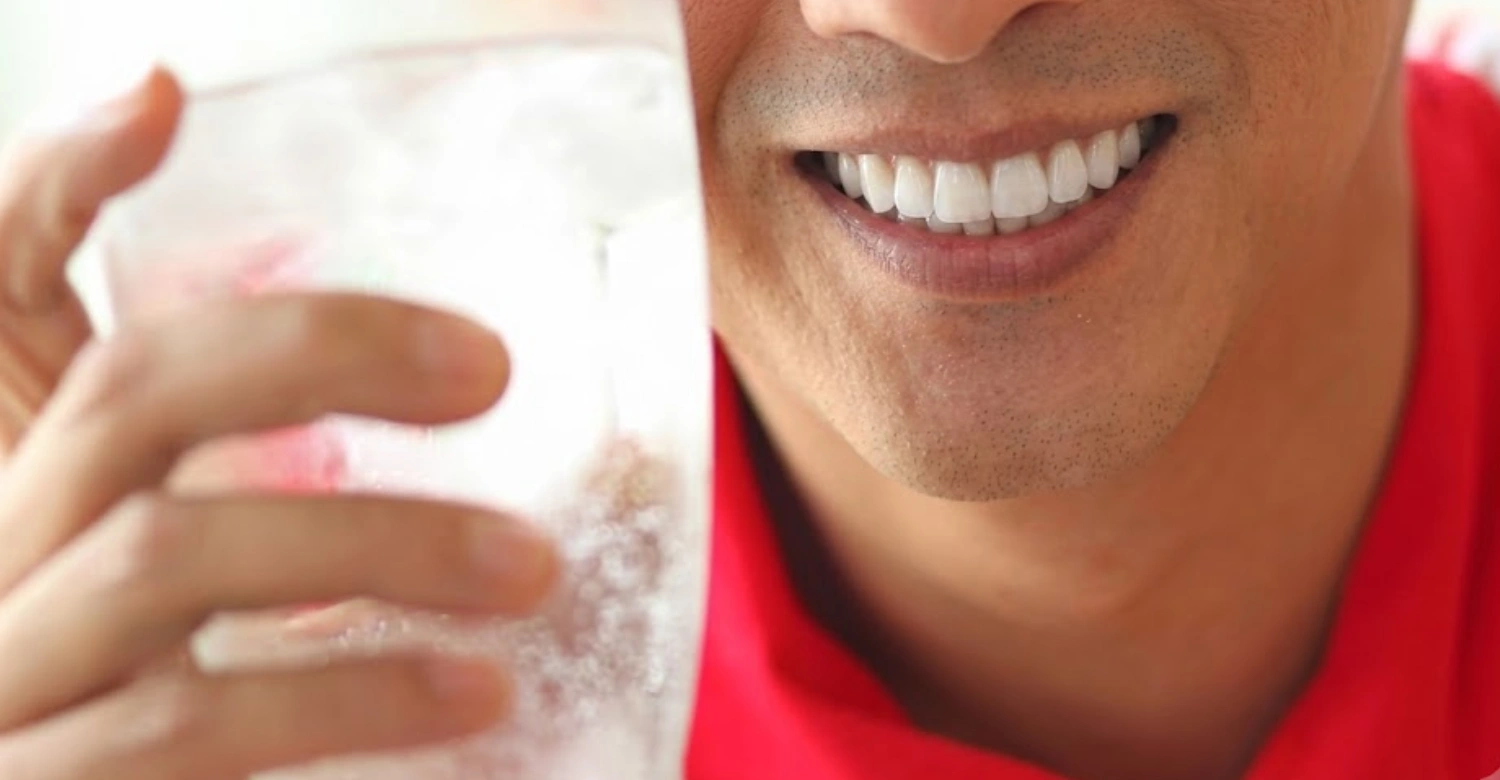
Sparkling water acidity and teeth is a common worry, but bubbles alone aren't the main threat. Carbonation lowers pH slightly through carbonic acid. This effect is mild and short-lived compared to sugar-acid combinations. The bigger concern is what's added to the water. Citrus flavoring, sugar, or extra acids in flavored varieties push pH much lower. Plain, unsweetened sparkling water carries a relatively small acidity burden, which keeps Carbonated water and teeth concerns modest for most patients. Patients worried about fizz specifically can generally relax, provided they choose unflavored, unsweetened versions consistently.
When the Risk Increases
Risk climbs with certain habits, not with the drink category alone. Frequent sipping throughout the day keeps enamel bathed in acid far longer than drinking a glass quickly. Existing enamel wear, dry mouth, or reduced saliva flow all reduce the mouth's natural buffering ability. People who already have thin enamel or reflux-related erosion should be more cautious with any acidic drink. Timing, frequency, and existing oral health status matter more for sparkling water and teeth than the beverage's fizz alone. Patients dealing with dry mouth specifically should also review our guide on whether dry mouth causes periodontal disease.
Does Sparkling Water Cause Tooth Decay?
Does sparkling water cause tooth decay directly? Not in the way sugary drinks do. Tooth decay requires fermentable sugar for bacteria to convert into acid. Unsweetened sparkling water contains none. Without that fuel source, decay-causing bacteria have little to work with, which is a core reason Carbonated water and teeth research keeps decay risk low. Flavored or sweetened versions change this picture if they contain added sugar. For unsweetened varieties, the decay risk stays low, though erosion is a separate mechanism that still deserves attention.
Tooth Decay vs Enamel Erosion
Tooth decay and enamel erosion are two different processes, often confused. Decay is bacterial. Sugar feeds bacteria, which produce acid that eats into enamel and dentin, forming cavities. Erosion is chemical. Acid from drinks or reflux directly dissolves enamel, no bacteria required. Unsweetened sparkling water has essentially no decay risk since it lacks sugar. But it can still contribute modestly to erosion through carbonic acid. Understanding this distinction helps explain why sparkling water and teeth research focuses on erosion, not cavities. The bacterial side of this comparison is covered in our guide to the causes of tooth decay.
Carbonated Water and Dental Health
Carbonated water and dental health research consistently points the same direction. Plain, unsweetened carbonation is a low-risk choice. The bubbles themselves don't scrub or damage enamel. What matters for sparkling water and teeth is the acid produced when carbon dioxide dissolves into water. This mild carbonic acid is far weaker than dietary acids in citrus sodas or fruit juices. For most patients, unsweetened carbonated water fits comfortably into a tooth-friendly routine, especially alongside normal brushing and regular dental visits.
The Role of Sugar and Bacteria
Sugar and bacteria remain the bigger offenders in oral health. Soda supplies both problems at once. Sugar in soda feeds acid-producing bacteria in plaque, while the drink's own acidity attacks enamel directly. This double exposure is why soda is repeatedly shown to be more damaging than unsweetened sparkling water in comparative studies. Removing sugar from the equation, as unsweetened sparkling water does, removes the bacterial feeding process entirely. That leaves only the milder acidity concern that shapes most Carbonated water and teeth discussions.
Clinical Note
Current evidence supports a clear clinical stance. Unsweetened sparkling water and teeth generally get along fine, especially compared with sugary soda. Erosion risk exists, but it stays modest with normal hygiene and moderate drinking patterns. Our clinical view at Vitrin Clinic is that unsweetened sparkling water is a genuinely safer everyday habit than soda. That's true provided it's paired with good oral hygiene, regular check-ups, and awareness of personal risk factors like reflux or existing enamel wear.
Sparkling Water and Tooth Enamel
Sparkling water and tooth enamel interact mildly, not aggressively, based on current evidence. Enamel is mineral, and any acid exposure can soften it slightly on contact. But the degree of softening from unsweetened sparkling water is small. It's typically reversible with normal saliva flow and remineralization. Enamel isn't inert, and repeated acid exposure over years does add up, which is why Carbonated water and teeth remain a topic worth monitoring. Still, compared to sugary or highly acidic drinks, sparkling water's impact on enamel structure is considerably gentler. This chemical process is explained in full in our dedicated guide to tooth enamel erosion.
Does Carbonated Water Erode Tooth Enamel?
Does carbonated water erode tooth enamel at all? Testing shows a measurable but modest effect. In the crossover study, participants' salivary pH dipped after sparkling water. It recovered toward neutral faster than after soda. Prior in vitro enamel testing has shown similar patterns. Carbonated water can soften enamel surfaces slightly under prolonged exposure, but nowhere near the degree sugar-acid combinations do. The erosion carbonated water causes is real but comparatively minor, keeping sparkling water and teeth research reassuring overall.
Can Sparkling Water Damage Enamel Over Time?
Can sparkling water damage enamel over time? Dose and frequency are the deciding factors, not the drink category alone. Occasional sparkling water with meals poses minimal cumulative risk. Sipping it constantly, for months or years, could allow small amounts of erosion to accumulate. This is especially true for people with weaker saliva buffering. It's the same logic that guides Carbonated water and teeth recommendations generally: total acid exposure time drives damage more than any single beverage's baseline acidity.
Study Methodology
The study used 20 adults, aged 18 to 50, in a randomized crossover design. Each participant's salivary pH was tested at 0, 2, 5, 10, and 20 minutes after drinking soda or unsweetened sparkling water. Researchers analyzed the resulting pH curves using ANOVA and linear mixed-effects models. This let each participant serve as their own control. It strengthens confidence that the pH differences reflect the drinks themselves, not person-to-person variability.
Is Sparkling Water Better Than Soda for Teeth?
Is sparkling water better than soda for teeth, overall? The evidence says yes, clearly. Soda combines sugar, acid, and carbonation in a way that actively feeds bacteria and directly softens enamel. Unsweetened sparkling water removes the sugar component entirely and carries a much milder acid profile. For patients deciding between the two, sparkling water is the meaningfully safer everyday choice. It isn't equivalent to plain water. But it's a significant step up from any soda, sweetened or diet.
Regular Soda
Regular soda combines three risk factors at once: sugar, acid, and carbonation. The sugar feeds oral bacteria, which produce their own acid on top of the drink's existing acidity. This dual acid load, repeated daily, is one of the most consistent drivers of both cavities and enamel erosion. Frequent soda drinkers, especially those who sip throughout the day rather than with meals, tend to show more advanced enamel wear. Their decay rates run higher too, another reason Carbonated water and teeth comparisons favor the switch.
Diet Soda
Diet soda removes sugar but not acidity. Many diet sodas use citric or phosphoric acid for flavor. That keeps oral pH low even without feeding bacteria the way sugar does. This means diet soda still poses a real erosion risk, just through a different pathway than regular soda's decay risk. Patients who switch to diet soda thinking they've eliminated dental risk are only addressing half the problem. Carbonated water and teeth research suggests unsweetened sparkling water remains the gentler option overall.
Best Drinks for Healthy Teeth
The best drinks for healthy teeth are, unsurprisingly, the simplest ones. Plain water tops the list, since it has no sugar and essentially neutral pH. Unsweetened sparkling water follows closely, offering carbonation without sugar and only mild acidity. Dairy, including plain milk, also supports oral health thanks to calcium and a buffering effect on acid. Rotating between these three drinks, and limiting sugary or highly acidic beverages, gives patients a straightforward, sparkling water and teeth-friendly framework for protecting enamel long term. Beyond drink choices, whitening-safe habits are covered in our broader guide to teeth discoloration treatment.
Tips for Patients
Drink Sparkling Water With Meals: Drinking it with food increases saliva production, helping neutralize acids and reduce enamel exposure.
Choose Unsweetened Over Flavored: Unsweetened sparkling water is less acidic and free from added sugars that can increase the risk of tooth decay and enamel erosion.
Avoid Continuous Sipping: Finish your drink in one sitting instead of sipping throughout the day to minimize prolonged acid exposure.
Wait Before Brushing: Wait 30–60 minutes after drinking sparkling water before brushing to allow enamel to re-harden. This same brushing-timing principle is explored further in our guide to why teeth hurt when eating acidic or temperature-sensitive foods.
Rinse With Plain Water After: Rinse your mouth with plain water after drinking to help wash away acids and restore a neutral oral pH.
Keep Up Regular Dental Check-Ups: Routine dental visits help detect early enamel wear and provide personalized sparkling water and teeth advice based on your oral health risk factors.
Unsweetened Sparkling Water and Teeth
Unsweetened sparkling water and teeth appear to coexist safely for most people, based on current research. Without added sugar or flavoring acids, plain sparkling water's main dental variable is its mild carbonic acid content. That's weak compared to other acidic drinks. For patients who miss soda's fizz but want to protect their enamel, unsweetened sparkling water is a reasonable middle ground. Moderation, good hygiene, and attention to timing still matter, but the underlying drink choice itself is a sound one.
Is Plain Sparkling Water the Safer Choice?
Plain sparkling water is generally the safer choice among carbonated options. It skips the added sugars and flavor acids found in flavored varieties, leaving only the mild acidity from carbonation itself. Comparative pH testing consistently shows plain sparkling water causing a smaller, shorter dip in oral pH than flavored alternatives. For patients trying to reduce dental risk while keeping some fizz in their routine, choosing plain over flavored is one of the simplest sparkling water and teeth swaps available.
Flavored vs Unflavored
Flavored sparkling waters often add citric acid or fruit extracts for taste. These additions raise dental risk noticeably compared to plain versions. Even without added sugar, these acids can push oral pH lower and keep it depressed longer. Some flavored waters also include small amounts of sugar or natural sweeteners, adding a decay risk on top of the erosion risk. Reading ingredient labels carefully, and favoring truly unflavored, unsweetened options, meaningfully lowers the overall dental impact of a sparkling water habit.
Calcium-Fortified Brands
Some sparkling water brands are fortified with added calcium, a variable tested directly in the study behind this article. Calcium plays a role in enamel remineralization. So fortified versions may offer a small additional benefit over standard sparkling water. This isn't a substitute for good hygiene or moderation. But it's a reasonable factor to consider when choosing between brands. Patients who want the psychological reassurance of an added benefit might reasonably favor calcium-fortified sparkling water over standard formulations.
What We Notice Clinically
Dr. Rifat Alsaman, Head of the Medical Team and cosmetic dentist at Vitrin Clinic, sees a consistent pattern in patients who've swapped soda for sparkling water. In his view, enamel wear tends to be milder and slower to progress once patients make that switch. Dr. Rifat Alsaman also flags higher risk in patients dealing with acid reflux, dry mouth, or enamel erosion that predates any beverage habit. These patients, he notes, need more caution regardless of drink choice. Timing matters clinically too, in his experience. Patients who drink sparkling water with meals and maintain solid daily hygiene routines show noticeably better outcomes than those who sip continuously between meals.
Why Choose Vitrin Clinic for Preventive and Cosmetic Dental Care?
Vitrin Clinic combines preventive dental care with cosmetic expertise, giving patients a single place to protect and enhance their smiles. From routine assessments to advanced cosmetic work, the clinic's approach centers on catching problems early. Care is tailored to each patient's specific habits and risk factors, including diet and beverage choices. Patients dealing with enamel concerns tied to acidic drinks, sparkling water and teeth included, benefit from a team that treats prevention and aesthetics as connected priorities.
Comprehensive Preventive Assessments
Vitrin Clinic's preventive assessments look beyond surface-level checks. They evaluate enamel condition, saliva function, and lifestyle factors like diet and drink habits. This thorough approach helps identify early erosion or decay risk before patients notice symptoms themselves. Assessments also factor in specific habits, such as frequent sparkling water or soda consumption, to personalize advice. Catching subtle changes early gives patients more treatment options, and typically means simpler, less invasive care down the line. These assessments are part of Vitrin Clinic's broader approach to preventive dentistry.
Modern Digital Diagnostics
Modern digital diagnostics at Vitrin Clinic allow for precise, early detection of enamel changes. These might otherwise go unnoticed during a standard visual exam. Digital imaging tools help the team track subtle shifts in enamel thickness or surface texture over time. This supports more accurate long-term monitoring. The technology-driven approach pairs well with lifestyle-based risk factors like beverage habits, giving patients a clearer, evidence-based picture of how their daily choices are affecting their teeth.
Personalized Treatment Planning
Personalized treatment planning at Vitrin Clinic accounts for each patient's unique risk profile, including diet, drink habits, and any existing enamel wear. Rather than applying a one-size-fits-all protocol, the clinic tailors preventive advice and treatment options to individual circumstances. Patients concerned about sparkling water and teeth, for example, receive guidance specific to their consumption patterns and oral health status, rather than generic warnings that may not apply to them.
Guidance on Everyday Habits and Long-Term Oral Health
Vitrin Clinic places strong emphasis on practical, everyday guidance, not just in-office treatment. Patients receive clear advice on drink choices, timing, and hygiene habits that fit realistically into daily life. This includes specific guidance around sparkling water and teeth, soda alternatives, and general acid exposure management. The goal is equipping patients with habits they can actually sustain, rather than restrictive rules that are hard to follow.
Long-Term Smile Preservation
Long-term smile preservation is the throughline connecting all of Vitrin Clinic's preventive and cosmetic services. Protecting natural enamel through informed daily habits reduces the need for restorative or cosmetic intervention later on. For patients managing sparkling water and teeth concerns, this means combining smart beverage choices with regular monitoring. That keeps enamel healthy for years. Cosmetic work, when needed, is then built on a foundation of well-maintained, protected natural teeth. This connects directly to protecting cosmetic investments covered in our guide to porcelain veneers, which also require awareness of acid and staining habits.
References:
FAQs

Dr. Rifat Alsaman has more than 5 years of clinical experience in dentistry and currently serves as the Head of the Medical Team at Vitrin Clinic. He is dedicated to providing exceptional patient care, overseeing treatment planning, and ensuring the highest clinical standards across the team. His expertise, attention to detail, and commitment to continuous professional development have helped countless patients achieve healthier, more confident smiles.


.webp&w=3840&q=75)


