General Dentistry
August 13, 2026
Liver Disease and Oral Health: Does it Affect Our Dental Health?
 Dr. Rifat Alsaman
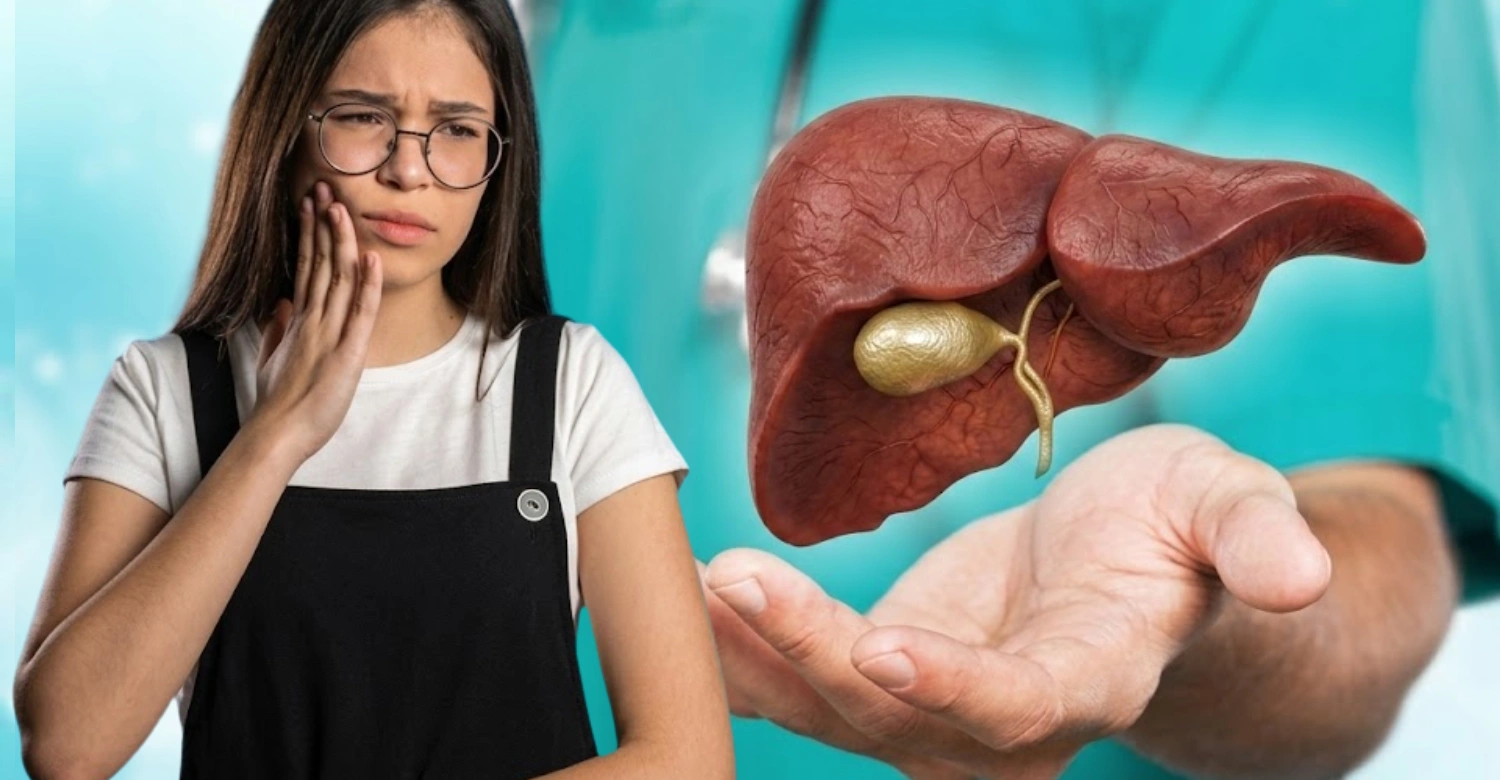
Liver disease and oral health are more closely connected than many patients realize. Liver conditions can affect the gums, oral tissues, saliva, teeth, and even how the mouth responds to dental treatment. Recognizing oral symptoms early matters. Changes in the mouth can sometimes reflect underlying health shifts. However, oral findings alone do not confirm liver disease. They always require proper medical and dental assessment. Dentists play a key role in noticing concerning oral changes early. They also coordinate care with medical professionals when necessary for patient safety.
Liver Disease and Oral Health: How Are They Connected?
Liver disease and oral health are linked through several body systems working together. Poor liver function can influence blood clotting and bleeding, immune response, salivary function, nutritional status, and susceptibility to oral infection. Some medications used to manage liver disease may also cause oral side effects. The connection varies depending on the type and severity of the condition. Not every patient with liver disease develops oral complications. Understanding how liver disease and dental health interact helps dentists plan safer, more individualized care.
What Are Liver Disease Oral Manifestations?
Liver disease oral manifestations can include gum changes, bleeding tendencies, dry mouth, altered taste, and increased infection risk. Dentists consider a patient's medical history carefully when evaluating unexplained oral changes. Similar symptoms can stem from unrelated causes. It's also important to distinguish between direct effects of liver disease and oral problems linked to medications, systemic illness, or lifestyle habits. This distinction helps guide accurate diagnosis and appropriate treatment planning. Not every oral change is directly caused by liver disease itself.
Liver Disease and Gum Disease
Liver disease and gum disease can sometimes overlap. This is why patients with liver conditions may need closer periodontal monitoring. Systemic health, inflammation levels, and immune response all influence how gum tissue responds to bacterial buildup. Importantly, liver disease and gum disease are not automatically linked in every patient. Liver disease does not directly cause gum disease, but it may influence susceptibility or complicate management. This connection is one part of the broader picture of liver disease and oral health. Regular dental checkups help track any changes in gum health over time. Get the full clinical picture in the stages of periodontal disease.
Liver Disease and Periodontal Disease
Liver disease and periodontal disease can present through gingival swelling, redness, tenderness, and periodontal pocketing. When periodontal inflammation goes untreated, it can progress and affect the tissues supporting the teeth. This can potentially lead to further complications. Because liver disease and periodontal disease may interact differently depending on individual health status, periodontal assessment should always be personalized. Dentists evaluate pocket depth, tissue condition, and inflammation patterns rather than relying on general assumptions. This ensures treatment plans reflect each patient's specific periodontal and medical picture.
Liver Disease and Bleeding Gums
Liver disease and bleeding gums may be connected through impaired clotting function. Ordinary gingival inflammation from plaque buildup is a far more common cause, though. It's important to distinguish typical gum bleeding from bleeding associated with clotting problems or other systemic factors. Persistent or spontaneous bleeding that doesn't improve with better oral hygiene should be evaluated medically. Noticing bleeding in just one spot? Read one spot on gums bleeding. Patients should never stop taking prescribed medications on their own. Don't ignore bleeding gums — see what they're really telling you in our full guide to gum bleeding. Any concerns about liver disease and bleeding gums should always be discussed with the prescribing physician first.
Liver Disease and Dry Mouth
Liver disease and dry mouth often go hand in hand. Reduced saliva production can result from medications or the underlying illness itself. Dry mouth symptoms include a sticky or parched feeling, difficulty swallowing or speaking, increased thirst, altered taste, and general oral discomfort. When saliva flow decreases, plaque tends to accumulate more easily. This raises the risk of tooth decay. Understanding this link is part of the broader picture of liver disease and oral health that patients should be aware of.
Managing Dry Mouth
Managing dry mouth starts with staying hydrated when medically appropriate. See a full dedicated guide to this exact topic in chronic dry mouth and dental health. Fluid intake supports natural saliva production. Saliva-stimulating strategies, such as sugar-free lozenges, may help in certain cases. Careful oral hygiene and regular dental examinations are essential for catching early decay caused by reduced saliva flow. Patients experiencing persistent xerostomia should raise the symptom with their healthcare professionals. Dry mouth can sometimes be adjusted through medication review or additional supportive care tailored to the individual's medical situation.
Tips for Patients
Brush twice daily with fluoride toothpaste.
Clean between teeth every day.
Use a gentle technique around the gumline.
Maintain regular dental examinations.
Do not ignore persistent gum bleeding.
If You Have Liver Disease
Tell your dentist about your liver condition before treatment begins.
Provide an updated medication list at every visit.
Mention any previous problems with bleeding or healing.
Follow medical advice regarding diet, hydration, and medications.
Do not discontinue prescribed medication before dental treatment unless instructed by the prescribing clinician.
Ask your dental team whether your treatment requires coordination with your physician.
Liver Disease and Tooth Decay
Liver disease and tooth decay can be indirectly connected through dry mouth, dietary changes, and shifts in oral hygiene habits. Liver disease itself is not necessarily a direct cause of cavities. Contributing factors often appear alongside chronic illness, though. Reduced saliva flow, medication side effects, and changes in diet can all raise decay risk over time. This is another example of how liver disease and oral health remain closely connected in practice. Learn exactly how this process unfolds in the causes of tooth decay.
How to Reduce the Risk of Tooth Decay
Brush twice daily with fluoride toothpaste and clean between the teeth daily to remove plaque buildup. Limit frequent exposure to sugary foods and drinks, which feed decay-causing bacteria. Maintain appropriate hydration to support saliva flow. Attend regular dental examinations so early decay can be caught and treated promptly. Treating dry mouth and other contributing conditions also plays an important role in lowering long-term decay risk.
What Are the Common Oral Symptoms of Liver Disease?
Oral symptoms that may warrant professional assessment include bleeding gums, gum inflammation, dry mouth, bad breath, oral discomfort, and altered taste. Increased susceptibility to dental decay, oral infections, changes in oral tissues or mucosa, and delayed healing after dental procedures are also worth noting. Don't wait if you notice signs of infection — see what to do in infected gums treatment. These oral symptoms are not specific to liver disease. They can have many dental or systemic causes, so professional evaluation is always needed to determine the actual underlying reason.
Oral Health Problems Caused by Liver Disease
The phrase "oral health problems caused by liver disease" should be used carefully. Not every oral issue traces directly back to liver function. It helps to separate potential oral effects associated with liver disease, oral complications associated with medications, and oral conditions caused by poor oral hygiene or other independent factors. Determining the true underlying cause requires both medical and dental evaluation working together, rather than assuming a single explanation.
Oral Complications of Liver Disease
Oral complications of liver disease can include gum and periodontal problems, bleeding-related concerns, dry mouth, tooth decay, oral infections, and changes in oral tissues. Patients may also experience potential concerns surrounding healing after invasive dental procedures. Because these complications vary widely between individuals, dental teams assess each case on its own merits. A one-size-fits-all approach doesn't work. This individualized assessment helps ensure safer, more effective treatment planning for every patient.
What Treatments Are Available for Oral Problems in Patients With Liver Disease?
Treatment depends on the specific oral condition, liver disease status, current medications, bleeding risk, and overall medical history. There is no single treatment approach that fits every patient. Liver disease and dental health interact differently case by case. Dental teams review all relevant medical information before recommending a course of action. This ensures treatment stays both effective and appropriately cautious given each patient's individual health profile.
Professional Dental Cleaning and Periodontal Care
Professional dental cleaning and periodontal care typically involves plaque and calculus removal to reduce bacterial buildup around the gumline. Gingivitis management focuses on reducing inflammation before it progresses further. Periodontal monitoring tracks pocket depth and tissue condition over time. Curious what these measurements actually mean? Read what a periodontal reading of 2mm means. Get the full breakdown of early-stage treatment in how gingivitis starts. This is especially important for patients with liver disease. Personalized oral hygiene instruction rounds out this care, giving patients practical daily habits suited to their gum condition and overall medical situation.
Treatment for Tooth Decay
Treatment for tooth decay may involve fluoride-based preventive care to strengthen enamel and slow progression. Restorations are used when indicated to repair existing damage. Compare your filling and restoration options in rotten teeth treatment options. Active decay is managed promptly to prevent further spread. Ongoing prevention strategies help reduce the chance of recurrent caries. For patients managing liver disease and oral health together, decay treatment is planned with careful attention to bleeding risk, medication interactions, and overall systemic health.
Managing Dry Mouth in Treatment
Managing dry mouth in a treatment context is symptom-focused. It prioritizes comfort and long-term protection. Fluoride protection helps guard against decay caused by reduced saliva flow. Hydration strategies are recommended where appropriate, alongside saliva-supportive measures such as specialized rinses or lozenges. Since liver disease and oral health are closely connected through salivary changes, dental teams tailor dry mouth management to each patient's specific medical circumstances.
Dental Procedures and Bleeding Risk
Before invasive dental procedures, the dental team may need relevant medical information regarding coagulation status, current medications, and platelet levels. Coordination with the patient's physician may be appropriate depending on the severity and type of liver disease involved. Curious how this compares to another common medical consideration? See weight loss medication and dental health for a related example of medical history shaping dental planning. This careful planning reflects how seriously liver disease and dental health considerations are taken before any invasive treatment. Medication changes should only ever be made by the prescribing clinician, never adjusted independently before a dental appointment.
What Can Patients Expect Before and After Dental Treatment?
Patients managing liver disease and oral health concerns can expect a thorough process both before and after dental treatment. Before treatment, the dental team gathers a complete picture of medical and dental history. After treatment, patients are guided on recovery and monitoring. This structured approach helps ensure that liver disease and dental health factors are properly accounted for at every stage.
Before Treatment
Before treatment, patients complete a full medical and dental history along with a medication review. The dental team assesses bleeding or healing concerns and evaluates periodontal and dental health thoroughly. Medical consultation is arranged when clinically indicated, particularly for patients managing liver disease and oral health together. This preparation stage helps the dental team plan treatment safely, minimizing risk and accounting for every relevant medical factor.
After Treatment
After treatment, patients should follow post-treatment oral hygiene instructions closely to support healing. It's important to monitor for persistent bleeding, swelling, pain, or signs of infection. Attending follow-up appointments when recommended helps track recovery progress. Any unusual symptoms should be reported promptly. Early reporting allows the dental team to address concerns quickly and adjust care as needed.
Benefits of Appropriate Dental Care
Appropriate dental care offers better plaque control and reduced gingival inflammation over time. It also lowers the risk of preventable tooth decay and supports earlier detection of oral abnormalities. Better management of existing oral disease becomes possible through consistent monitoring. For patients navigating liver disease and dental health together, these benefits translate into improved comfort and oral function.
What We Notice Clinically
Understanding liver disease and oral health requires more than reviewing a diagnosis on paper. Every patient's oral condition, medical history, and treatment needs are different.
Dr. Rifat Alsaman, Head of the Medical Team at Vitrin Clinic and a cosmetic dentist, emphasizes the importance of individualized dental assessment for patients with systemic medical conditions. From his perspective, patients with conditions such as liver disease require careful evaluation rather than assumptions based on a diagnosis alone. He explains that the dental team reviews medical history, medications, bleeding risk, oral hygiene, gum condition, and existing dental disease before forming any treatment plan. Dr. Rifat Alsaman also stresses that unexplained bleeding, persistent dry mouth, recurrent oral infections, or unusual oral changes should always be professionally evaluated. This reflects how seriously liver disease and dental health are treated in everyday clinical practice, with close attention to patient safety and communication between dental and medical professionals.
Why Choose Vitrin Clinic for Your Dental Care?
Vitrin Clinic takes a patient-centered approach to dental care. Comprehensive assessment comes before any cosmetic or restorative treatment begins. Every treatment plan is individualized based on the patient's oral condition and medical history, including considerations related to liver disease and oral health where relevant. Modern dental technology supports accurate diagnosis, treatment planning, and restorative or cosmetic procedures where clinically appropriate. Clear communication and patient education continue throughout treatment. Patients with medical conditions always receive appropriate medical and dental assessment before care begins.
Ready to discuss your oral health concerns? Arrange a consultation with Vitrin Clinic to receive an individualized treatment plan suited to your needs.
Book a FREE Treatment Plan Now!
Take the first step toward better oral health today. Book a free treatment plan with Vitrin Clinic and receive a personalized assessment tailored to your dental and medical needs. Our team is ready to guide you through every step, from initial consultation to ongoing care, with full attention to your individual health profile.
References:
FAQs
Dr. Rifat Alsaman has more than 5 years of clinical experience in dentistry and currently serves as the Head of the Medical Team at Vitrin Clinic. He is dedicated to providing exceptional patient care, overseeing treatment planning, and ensuring the highest clinical standards across the team. His expertise, attention to detail, and commitment to continuous professional development have helped countless patients achieve healthier, more confident smiles.


