General Dentistry
August 13, 2026
Chronic Dry Mouth and Dental Health: How Dry Mouth Affects Your Teeth
 Dr. Rifat Alsaman
.webp&w=3840&q=75)
Chronic dry mouth and dental health are closely connected. Saliva protects teeth and gums every day. When saliva flow drops for a long time, the mouth loses its natural defense against bacteria, acid, and decay. Studies show xerostomia prevalence ranges from 0.9% to 64.8%, depending on the population studied. This wide range shows how common the issue truly is. Understanding these risks early helps patients protect their smile before lasting damage occurs.
What Is Chronic Dry Mouth and How Does It Affect Dental Health?
Chronic dry mouth issues begin when the salivary glands stop producing enough moisture to keep the mouth balanced. Without adequate saliva, food particles, bacteria, and acids linger on tooth surfaces longer than they should. Over time, this imbalance weakens enamel and irritates gum tissue. It also raises the risk of infection. Ongoing dryness is far more than a simple discomfort — it is a real threat to oral health.
What Is Chronic Dry Mouth?
Chronic dry mouth, also called xerostomia, is a persistent lack of saliva. It lasts for weeks or months rather than a passing sensation. It can stem from medication, illness, or lifestyle habits. A 1996 Swedish population study found that 21.3% of men and 27.3% of women reported xerostomia. This confirms that persistent dryness affects a meaningful share of adults over time.
What Is Xerostomia and Why Does It Matter for Oral Health?
Xerostomia and dental health are linked because saliva is the mouth's natural cleaning system. See this exact connection explored in depth in dry mouth and periodontal disease. When that system slows down, harmful bacteria multiply faster. Plaque builds up more easily, and the tissues lining the mouth become more vulnerable. This is why xerostomia and oral health outcomes tend to decline together. That happens whenever saliva production stays low for an extended period.
How Does Saliva Protect Your Teeth and Gums?
Saliva neutralizes acids and washes away food debris. It also delivers minerals that help repair early enamel damage. In addition, it contains antibacterial proteins that limit harmful microbial growth. Dental problems linked to dryness often begin the moment this protective flow weakens. Teeth and gums then lose the constant rinsing and buffering action saliva normally provides throughout the day.
What Are the Common Chronic Dry Mouth Causes?
Chronic dry mouth causes vary widely, from medications to underlying illness. Identifying the source is essential, since treatment depends heavily on the trigger. In a Brazilian elderly population study, self-reported xerostomia prevalence was 19.1%. Diabetic patients showed significantly higher odds of dryness. This reinforces how systemic health shapes chronic dry mouth causes across different age groups.
Medications and Chronic Dry Mouth
Hundreds of common medications list dry mouth as a side effect, including antihistamines and antidepressants. See the full connection between prescriptions and your smile in weight loss medication and dental health, one example of how medicines affect saliva. A dental patient study in Sulaimani found xerostomia most strongly linked to antihistamines and psychotherapeutic medications. This makes medication review an important step whenever dry mouth concerns appear alongside a new prescription or dosage change.
Dehydration and Lifestyle Factors
Low water intake can reduce saliva flow throughout the day. So can excessive caffeine, alcohol use, and smoking. These lifestyle habits compound the effects of dryness already caused by medication or illness. Correcting hydration habits often provides noticeable relief and supports better oral outcomes over time.
Medical Conditions That Can Cause Dry Mouth
Diabetes, Sjögren's syndrome, autoimmune disorders, and cancer treatment are frequent medical contributors to dryness. Older adults face additional risks here — see osteoporosis and tooth loss for a related systemic connection. A Taiwan national cohort of 709 Sjögren's patients found a significantly higher incidence rate of dental caries. The comparison was made against matched controls. These findings highlight how dental health risks intensify when an underlying condition is present.
Mouth Breathing, Stress, and Other Possible Causes
Habitual mouth breathing, anxiety, and hormonal changes can also reduce saliva flow. Curious how stress specifically affects your saliva and teeth? Read stress and oral health. They can also increase evaporation from the oral cavity. Even autism spectrum studies reported xerostomia prevalence as high as 32% in some samples. These lesser-known causes deserve equal attention when evaluating a patient's overall risk profile.
Clinical Note
At Vitrin Clinic, patients are asked about medications, hydration habits, and medical history during every evaluation. Dry mouth causes are rarely limited to one factor. They usually require a broader look at daily routines and overall health.
How Does Dry Mouth Affect Your Teeth?
Reduced saliva allows plaque acids to sit against enamel for longer stretches. This accelerates mineral loss. Head and neck cancer patients illustrate this well. 78% report xerostomia one year after radiotherapy, often with more severe symptoms in patients over 50. See how nighttime dryness connects to broader oral health in oral health and sleep.
Effects of Dry Mouth on Teeth
The effects of dry mouth on teeth include increased plaque buildup and enamel softening. They also include a higher rate of new cavities forming near the gumline. A prospective cohort of 572 radiotherapy patients recorded caries surfaces increasing steadily. The rate rose from 1.11 at six months to 4.29 at twenty-four months.
Dry Mouth and Tooth Decay
Dry mouth and tooth decay are closely linked, since saliva normally buffers the acids produced by oral bacteria. Learn exactly how this process unfolds in the causes of tooth decay. Without that buffer, decay progresses faster. It often shows up in areas rarely affected in patients with normal saliva flow. Tooth roots and edges near old fillings are common examples.
Dry Mouth and Cavities
Dry mouth and cavities tend to appear together, because reduced saliva cannot wash away sugars and food particles efficiently. Research on post-radiotherapy patients found that nearly half developed new carious lesions within six to twelve months. This pattern shows why the combination remains a common concern in routine dental visits.
Why Does Chronic Dry Mouth Increase the Risk of Enamel Damage?
Enamel relies on minerals delivered through saliva to stay strong and resist acid attacks. When dryness persists, this mineral exchange slows dramatically. Enamel becomes thinner and more porous. Pooled research estimates radiation-related caries incidence at 29% in the first year alone.
Tips for the Patients
Patients experiencing dryness should sip water frequently. They should avoid sugary snacks between meals and use fluoride toothpaste consistently. These small daily habits directly reduce the long-term effects of dry mouth on teeth and support stronger enamel over time.
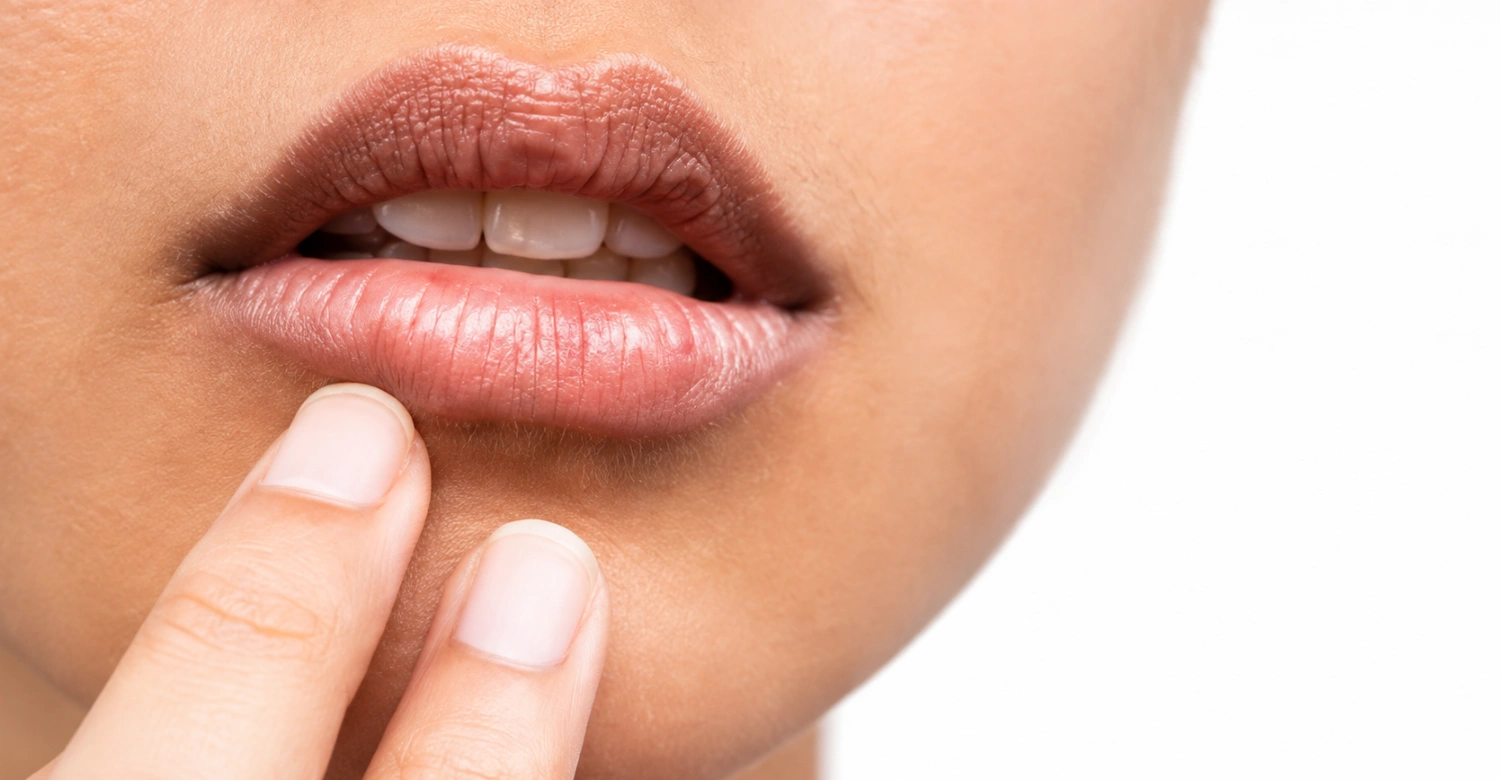
What Is the Connection Between Dry Mouth and Dental Health?
Dry mouth and dental health are connected through the mouth's chemical balance, which saliva constantly regulates. When saliva volume drops, pH levels shift toward a more acidic environment. This shift lets bacteria thrive, making the two topics inseparable whenever a patient reports ongoing dryness during a dental visit.
How Does Reduced Saliva Affect the Mouth?
Reduced saliva affects nearly every function of the mouth, from chewing and swallowing to speaking clearly. It also limits the mouth's ability to self-clean after meals. This is why assessments of chronic dry mouth and dental health always begin with a review of saliva flow.
Xerostomia and Dental Health
Xerostomia and dental health outcomes are shaped by how long the dryness persists and how severe it becomes. A U.S. dental clinic study found self-reported xerostomia in women was roughly three times higher than in men. Smoking and sleep apnea were also linked to higher rates.
How Can Dry Mouth Change the Oral Environment?
Dry mouth reduces natural rinsing and lowers antibacterial protection. It also allows plaque to harden into tartar more quickly. These shifts create a cycle, where dryness and dental problems reinforce each other. Early intervention matters before decay or gum inflammation becomes widespread.
Clinical Note
Vitrin Clinic evaluates saliva flow patterns as part of a complete oral health assessment. Changes in the oral environment often appear before a patient notices any obvious symptoms.
Can Chronic Dry Mouth Cause Gum Disease?
Dry mouth concerns extend beyond teeth to the gums as well. Reduced saliva allows bacterial plaque to accumulate along the gumline, increasing inflammation risk. Get the full picture on early gum inflammation in how gingivitis starts. The Taiwan Sjögren's cohort found elevated risk of gingivitis, periodontitis, and oral ulceration among patients with reduced saliva.
Dry Mouth and Gum Disease
Dry mouth and gum disease often develop together, because saliva normally limits bacterial colonization near the gumline. Sjögren's patients in the Taiwan cohort visited dentists far more often than controls. The median was 5.37 visits per year, compared with 1.45 for controls.
How Can Reduced Saliva Affect the Gums?
Reduced saliva lets plaque harden faster. It also removes a layer of natural lubrication that normally protects soft tissue from irritation. This makes gums more prone to bleeding and swelling another sign that dryness extends well beyond the tooth surface itself.
Signs of Gum Problems Associated With Dry Mouth
Common signs include redness, tenderness, and bleeding during brushing. Persistent bad breath is another warning sign. These symptoms often appear gradually. Don't ignore bleeding gums — see what they're really telling you in our full guide to gum bleeding. Patients who notice new gum sensitivity should mention it at their next checkup, rather than waiting for pain to develop.
Tips for the Patients
Gentle brushing, alcohol-free mouth rinses, and regular flossing help reduce irritation in patients with dry mouth and gum disease. Already dealing with tender or sensitive gums? Read sensitive gums treatment. These habits give the gums a better chance to stay healthy despite reduced natural saliva protection.
How Can You Prevent Cavities With Dry Mouth?
Learning how to prevent cavities with dry mouth is a central part of long-term care. Prevention combines daily habits, professional care, and product choices that compensate for reduced saliva flow. Together, these steps give teeth the protection they would normally receive naturally throughout the day.
How to Prevent Cavities With Dry Mouth
Knowing how to prevent cavities with dry mouth starts with consistent hygiene and professional guidance. Since natural defenses are lowered, patients often need extra support. Fluoride, hydration, and diet adjustments all help keep oral health risks under control between dental visits.
Maintain Excellent Oral Hygiene
Brushing twice daily with fluoride toothpaste removes plaque that would otherwise sit longer on dry tooth surfaces. Consistent flossing does the same. Together, these habits limit the bacteria available to produce decay-causing acid.
Use Fluoride to Protect Teeth
Fluoride strengthens enamel and helps reverse early decay. Still choosing between fluoride and fluoride-free? Compare your options in fluoridated vs. fluoride-free toothpaste. This makes it especially valuable for patients learning how to prevent cavities with dry mouth. Prescription-strength fluoride products are sometimes recommended for those with more severe or long-term dryness.
Stay Hydrated Throughout the Day
Sip water regularly, rather than only during meals. This helps maintain moisture levels and supports natural rinsing. Staying hydrated is one of the simplest ways to protect your teeth and gums, without requiring any special products.
Choose Tooth-Friendly Foods and Drinks
Crunchy vegetables, cheese, and water-rich foods can help stimulate saliva. See how your whole diet connects to your smile in gut health and oral health. They also reduce food debris buildup. These choices support healthier teeth and gums by working alongside the mouth's natural, though limited, saliva production.
Avoid Excessive Sugary and Acidic Beverages
Sugary sodas and acidic drinks accelerate decay in a dry mouth environment. There is less saliva available to neutralize their effects. Limiting these beverages is a key part of how to prevent cavities with dry mouth effectively. Wondering if sparkling water is a safer choice? See what the research says in sparkling water and teeth.
Clinical Note
Vitrin Clinic often recommends a personalized combination of fluoride treatments, hydration strategies, and dietary adjustments. No single approach works the same way for every patient.
What Are the Best Ways to Treat Chronic Dry Mouth?
Learning how to treat chronic dry mouth involves addressing the underlying cause and managing daily symptoms. Effective treatment plans combine medical evaluation with practical oral care changes. This gives patients real relief while also protecting their teeth and gums from further decline.
How to Treat Chronic Dry Mouth
How to treat chronic dry mouth depends on the root cause, whether medication-related, medical, or lifestyle-driven. In some cases, adjusting a prescription resolves the issue. Others require ongoing saliva support. A tailored plan is essential for long-term success.
Dry Mouth Treatment for Dental Health
Dry mouth treatment for dental health often includes fluoride applications and saliva stimulation. Regular monitoring for early decay is also important. This proactive approach helps prevent more serious complications, particularly in patients whose medical conditions make dryness hard to fully resolve.
Saliva Substitutes and Moisturizing Products
Saliva substitutes, oral gels, and moisturizing sprays can provide temporary relief for patients with severe dryness. These products help replicate some of saliva's protective functions. They support oral comfort when natural saliva production cannot be restored through lifestyle changes alone.
Chewing Sugar-Free Gum to Stimulate Saliva
Sugar-free gum encourages natural saliva flow through the act of chewing. It offers a simple, accessible option for many patients. This small habit is frequently recommended because it requires no prescription and fits easily into daily routines.
When Should You See a Dentist?
See a dentist whenever dryness persists for more than a few weeks. The same applies when new sensitivity, decay, or gum changes appear. Early evaluation allows problems to be addressed before more extensive treatment becomes necessary.
When Should You See a Dentist About Chronic Dry Mouth?
Knowing when to seek professional care is a key part of managing chronic dry mouth and dental health responsibly. Certain warning signs indicate that home care alone is no longer enough. A dental evaluation should then happen as soon as possible.
Dry Mouth That Lasts for Weeks
Dryness that continues for several weeks without improvement often signals an underlying cause. Don't wait if symptoms persist — see what they could mean in infected gums treatment. It needs professional attention. Persistent symptoms should never be ignored, since prolonged dryness steadily increases the risk to teeth and gums.
Frequent Cavities or Tooth Sensitivity
A noticeable increase in cavities or new tooth sensitivity often points to reduced saliva protection. These changes are common indicators that dryness-related concerns have progressed. They call for closer monitoring or treatment adjustments. Already feeling discomfort when you eat or drink? Read why your teeth hurt when you eat.
Bleeding, Swollen, or Receding Gums
Gum changes such as bleeding, swelling, or recession often accompany prolonged dryness. They should prompt a dental visit. See how far this can progress if left untreated in the stages of periodontal disease. Left unaddressed, these symptoms can worsen and lead to more advanced periodontal concerns.
Difficulty Eating, Speaking, or Swallowing
When dryness begins interfering with basic functions like eating or speaking, it has typically progressed beyond mild discomfort. Swallowing difficulty is another red flag. This level of severity warrants prompt evaluation to protect quality of life and oral health overall.
How Can Vitrin Clinic Help Patients With Chronic Dry Mouth and Dental Health?
Vitrin Clinic supports patients managing chronic dry mouth and dental health through comprehensive evaluation and personalized care planning. The team focuses on identifying contributing factors early. They then build a preventive strategy suited to each patient's medical history, medication use, and lifestyle habits.
Dental Evaluation for Patients With Dry Mouth
Every evaluation at Vitrin Clinic includes a review of saliva flow, tooth surfaces, and gum condition. This allows the team to catch early warning signs of decline. See what a proactive dental routine actually involves in preventive dentistry at Vitrin Clinic. Catching signs early helps prevent more serious complications that require extensive treatment.
Preventing Tooth Decay and Cavities
Preventive care at Vitrin Clinic emphasizes fluoride application, hygiene coaching, and dietary guidance. These are tailored to patients experiencing reduced saliva. This focus on prevention reduces the likelihood of new decay forming between visits.
Protecting the Gums and Enamel
Protecting both gums and enamel requires consistent monitoring, since dryness affects soft and hard tissue differently. Vitrin Clinic combines gentle periodontal care with enamel-strengthening treatments, addressing these concerns from multiple angles at once.
Personalized Dry Mouth and Dental Health Care at Vitrin Clinic
Personalized care plans at Vitrin Clinic consider each patient's unique causes of dryness, whether medication, illness, or lifestyle related. This individualized approach keeps care relevant and effective as a patient's needs change over time.
Tips for the Patients
Patients are encouraged to schedule regular checkups and report any new symptoms promptly. Following personalized hygiene recommendations also matters. Consistent communication with the dental team strengthens long-term outcomes.
What We Notice Clinically
The Vitrin Clinic team frequently observes that patients who seek care early experience better long-term outcomes. Early care also means less extensive treatment is needed to restore comfort and protect their teeth and gums.
Clinical Note
Managing chronic dry mouth and dental health requires consistent prevention and professional monitoring. Vitrin Clinic focuses on identifying dental risks early. The team creates personalized strategies to help patients maintain healthier teeth and gums over time.
Resource
In conclusion, chronic dry mouth can significantly affect dental health. It increases the risk of tooth decay, restoration failure, gum problems, and other treatment complications. Recent systematic review evidence confirms that xerostomia can negatively influence dental treatment outcomes. This highlights the importance of early management and preventive dental care. Addressing the underlying cause, maintaining good oral hygiene, and receiving regular dental checkups can help protect long-term oral health.
https://pmc.ncbi.nlm.nih.gov/articles/PMC12955130/
https://pmc.ncbi.nlm.nih.gov/articles/PMC8912296/
https://pmc.ncbi.nlm.nih.gov/articles/PMC9236892/
FAQs
Dr. Rifat Alsaman has more than 5 years of clinical experience in dentistry and currently serves as the Head of the Medical Team at Vitrin Clinic. He is dedicated to providing exceptional patient care, overseeing treatment planning, and ensuring the highest clinical standards across the team. His expertise, attention to detail, and commitment to continuous professional development have helped countless patients achieve healthier, more confident smiles.


