
Dentinogenesis imperfecta and tooth loss are closely linked, because this inherited condition weakens the dentin that supports every tooth. Understanding how it develops, recognising early dentinogenesis imperfecta symptoms, and starting protective care early can help preserve natural teeth, reduce complications, and guide suitable treatment choices for both children and adults.
What Is Dentinogenesis Imperfecta?
Dentinogenesis imperfecta is a genetic disorder of dentin, the layer beneath the enamel. The condition affects tooth structure from the moment the teeth begin to develop. Teeth become discoloured and weaker, and they wear or break more easily than normal teeth under everyday forces.
What Happens to the Teeth With Dentinogenesis Imperfecta?
In dentinogenesis imperfecta teeth, dentin forms abnormally and becomes soft and poorly organised. Enamel may separate easily because it lacks firm support, which exposes the weak dentin beneath. Crowns often look bulbous, roots may be short and thin, and pulp chambers can narrow or disappear. These changes explain why affected teeth are at higher risk of being lost over time.
What Are the Main Dentinogenesis Imperfecta Symptoms?
The main dentinogenesis imperfecta symptoms include translucent amber, grey, or bluish tooth discoloration, weak or abnormally shaped teeth, and rapid wear. Teeth may become sensitive once dentin is exposed, and they fracture or break easily. Recognising these signs early matters, because damage often progresses quickly when symptoms go unmanaged.
Discover the connection between heartburn and jaw pain
What Causes Dentinogenesis Imperfecta?
Dentinogenesis imperfecta is inherited and is usually passed from an affected parent to a child. Because the cause is genetic, several members of the same family may have affected teeth. The condition is present from the time the teeth first form and does not develop later in life.
How Does Dentinogenesis Imperfecta Affect Tooth Development?
Most cases result from changes in the DSPP gene, which guides dentin production. Some forms occur alongside osteogenesis imperfecta, a condition that affects the bones. The resulting dentin is poorly mineralised and weak. Both primary and permanent teeth can be affected, so dental problems may begin in childhood and continue into adulthood.
Can Dentinogenesis Imperfecta Affect Adults?
Dentinogenesis imperfecta in adults often reflects years of accumulated wear, fractures, and previous repairs. Untreated structural damage tends to progress, shortening teeth and weakening the remaining tissue. Dentinogenesis imperfecta treatment for adults focuses on protecting what remains, since the risk of losing teeth increases as damage builds up.
Clinical Note
Early assessment allows dentists to protect teeth before severe wear or breakage occurs. Long-term monitoring tracks changes in tooth structure, restorations, and bite, so intervention can happen at the right time. With this condition, preventive protection is usually simpler, more predictable, and more conservative than repairing teeth after significant damage.
Learn about myotonic dystrophy and oral health
What Is the Link Between Dentinogenesis Imperfecta and Tooth Loss?
Dentinogenesis imperfecta tooth loss usually happens gradually rather than suddenly. Weak dentin, fragile enamel support, and ongoing wear combine to reduce tooth structure over time. Seeing dentinogenesis imperfecta and tooth loss as a gradual process helps patients understand why protection should start long before a tooth becomes painful or impossible to save.
Why Are Dentinogenesis Imperfecta Teeth More Vulnerable?
Dentinogenesis imperfecta teeth are vulnerable because soft dentin wears rapidly once the enamel breaks away. Fractures occur more easily, enamel breakdown exposes the tooth, and recurrent decay can develop around damaged areas. Each of these processes removes tooth structure, and together they explain why affected teeth are so often lost prematurely.
What Problems Can Lead to Dentinogenesis Imperfecta Tooth Loss?
Severe structural damage, infection reaching the pulp or root, and advanced wear can leave too little tooth to rebuild. When a tooth becomes non-restorable, extraction may be necessary. These problems are the most common pathways linking dentinogenesis imperfecta and tooth loss, particularly when damage progresses without professional care.
Tips for the Patients
Brush and floss consistently, using fluoride toothpaste.
Attend regular dental examinations, even when nothing hurts.
Avoid chewing ice, biting nails, or grinding your teeth.
Seek professional evaluation promptly if teeth become painful, loose, or severely worn.
Find out how to get feeling back in your mouth after the dentist
What Are the Complications of Dentinogenesis Imperfecta?
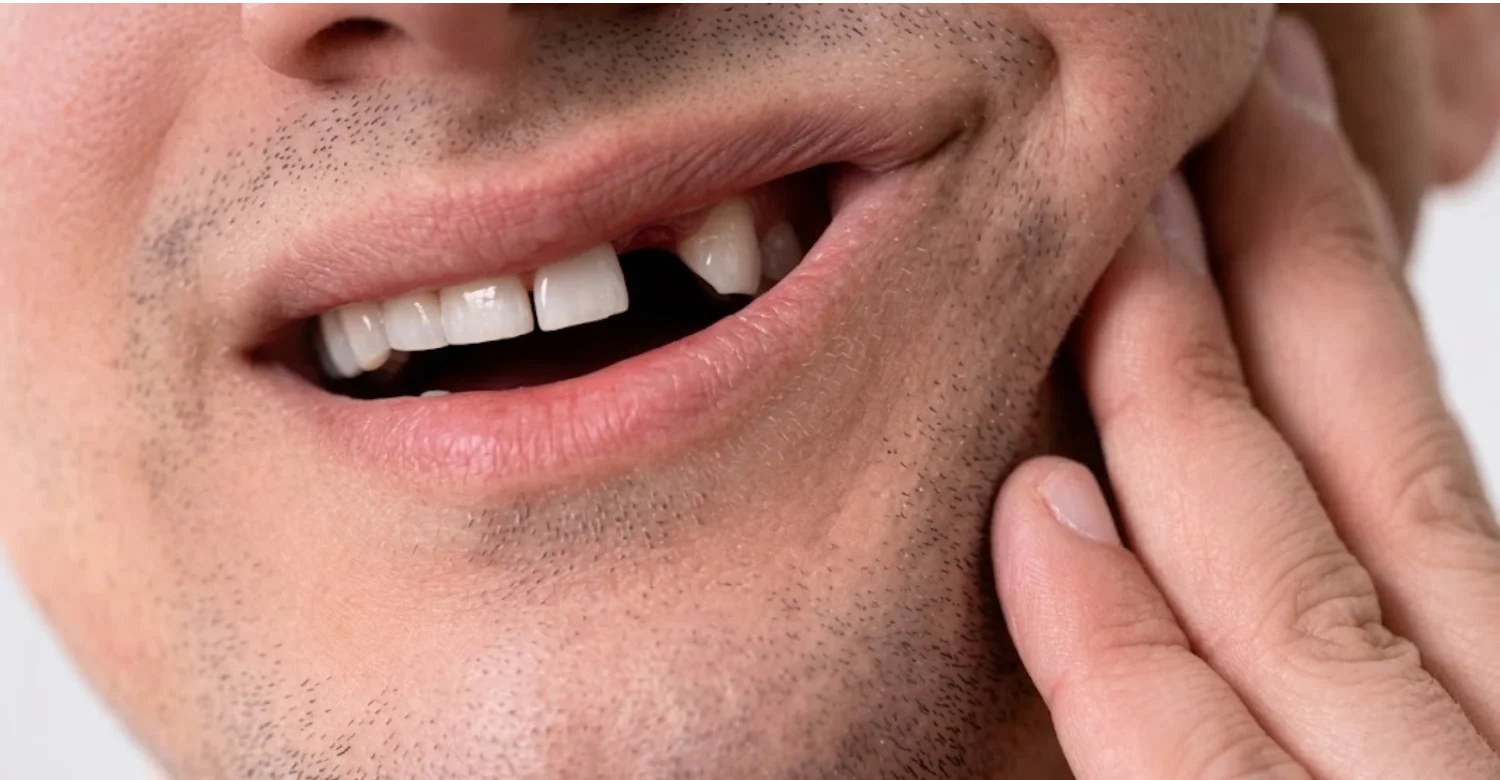
Dentinogenesis imperfecta complications extend beyond appearance. Weak dentin affects comfort, function, and how long teeth survive. Looking at dentinogenesis imperfecta and tooth loss together shows how small untreated problems can develop into serious complications that later require complex restorative work and careful treatment planning.
Note : All images used are for editorial and illustrative purposes only and may not originate from the original news provider or associated company.
What Dental Complications Can Develop?
Possible complications include severe tooth wear, fractured teeth, sensitivity, and pulpal problems such as infection or abscesses. Over time, patients may find it difficult to maintain normal tooth function. In advanced cases, teeth may eventually be lost when they can no longer be restored or safely kept.
Can Dentinogenesis Imperfecta Affect Oral Function?
Yes. Worn, short, or broken teeth can make chewing less efficient and can change the bite. Progressive damage may also affect speech, confidence, and food choices. Because the condition influences both function and appearance, it can have a meaningful impact on daily quality of life.
What Is the Treatment for Dentinogenesis Imperfecta?
Dentinogenesis imperfecta treatment aims to protect weak teeth, restore function, and improve appearance. There is no cure for the underlying dentin defect. Managing dentinogenesis imperfecta and tooth loss therefore depends on preventive care, timely restorations, and long-term planning tailored to each patient's age and dental condition.
What Does Dentinogenesis Imperfecta Treatment Involve?
Treatment typically combines preventive care, such as fluoride and hygiene support, with restorative treatment to rebuild damaged teeth. Crowns and other protective restorations shield weak tooth structure. Damaged or infected teeth may need specific treatment, and teeth that cannot be preserved may be replaced to restore a complete, functional smile.
What Is Dentinogenesis Imperfecta Dental Treatment for Adults?
Dentinogenesis imperfecta dental treatment for adults varies according to age, tooth condition, remaining tooth structure, and previous restorations. Dentinogenesis imperfecta treatment for adults often involves replacing older repairs, rebuilding worn teeth, and restoring bite height. Each plan considers how the condition has affected the whole mouth.
Clinical Note
Treatment should be based on the condition of each individual tooth, not on the diagnosis alone. Some teeth may only need monitoring, while others require crowns or replacement. Assessing every tooth separately allows dentists to manage the condition conservatively and preserve healthy structure wherever possible.
Explore how tongue posture affects teeth
Can Crowns Help Protect Dentinogenesis Imperfecta Teeth?
Yes. Dentinogenesis imperfecta crowns are among the most common ways to protect weakened teeth. By covering the tooth surface, crowns reduce wear and breakage. When they are planned early, crowns can play an important role in stopping dentinogenesis imperfecta and tooth loss from progressing in vulnerable teeth.
Why Are Dentinogenesis Imperfecta Crowns Used?
Crowns protect weakened tooth structure, restore shape and function, and reduce further structural breakdown. They also improve appearance when discoloration or an abnormal tooth shape is present. By sealing and reinforcing the tooth, crowns help slow the path toward tooth loss while supporting comfortable, confident chewing.
Are Crowns Suitable for Every Patient?
Not always. Dentists must first evaluate how much healthy tooth structure remains and whether the roots are strong enough to support a crown. Severely damaged or short-rooted teeth may need alternative treatment, including extraction and replacement, when crowns cannot reliably protect the tooth.
Discover more about craniofacial disorders and dental health
Can Dental Implants Replace Teeth Lost From Dentinogenesis Imperfecta?
When teeth cannot be saved, replacement becomes part of managing dentinogenesis imperfecta and tooth loss. Dental implants are one option that may restore function and appearance. Suitability depends on a careful assessment of the jaw, gums, and overall treatment plan rather than on the diagnosis alone.
Is Dentinogenesis Imperfecta Compatible With Dental Implants?
Dentinogenesis imperfecta dental implants may be considered when teeth are missing and cannot be restored. In most cases the condition affects dentin rather than the jawbone, so implants can be an option if bone volume and overall oral health are suitable. Careful evaluation helps ensure implant treatment is safe and predictable.
What Should Be Evaluated Before Dental Implant Treatment?
Before implant treatment, dentists evaluate jawbone condition, oral hygiene, gum health, and available bone volume. Bite and functional requirements are also assessed, because remaining weak teeth may affect how implants are loaded. These factors are reviewed within an overall treatment plan that covers the entire mouth.
Tips for the Patients
Complete a thorough dental assessment, including imaging, before implant planning begins.
Maintain excellent oral hygiene around both natural teeth and implants.
Follow your dentist's recommendations carefully before and after implant placement.
Attend every follow-up visit so that any problem is detected and managed early.
How Does Long-Term Care Help Manage Dentinogenesis Imperfecta and Tooth Loss?
Patients can expect an ongoing relationship with their dental team. Managing the condition is a long-term process. It involves regular reviews, maintenance of restorations, and timely treatment as the teeth, the bite, and the patient's needs change over the years.
Why Is Regular Dental Monitoring Important?
Regular monitoring tracks tooth wear and structural changes, identifies fractures or infections early, and keeps restorations in good condition. It also highlights teeth that may need extra protection or eventual replacement. This proactive approach is one of the most effective ways to prevent avoidable tooth loss.
Clinical Note
Dentinogenesis imperfecta requires ongoing care because the dentin defect is permanent. Restorations wear, remaining teeth change, and new problems can develop over time. Instead of a single treatment, patients benefit from a continuous plan that adapts to their changing needs and protects their teeth against further damage throughout life.
Tips for the Patients
Follow your scheduled dental examinations, even when your teeth feel comfortable.
Protect restorations from excessive stress, for example by wearing a night guard if advised.
Learn how to get rid of numbness after the dentistReport new sensitivity, pain, fractures, or tooth mobility to your dentist promptly.
How Does Vitrin Clinic Approach Dentinogenesis Imperfecta Treatment?
At Vitrin Clinic, dentinogenesis imperfecta and tooth loss are approached through careful, individual assessment. Every recommendation is based on the patient's teeth, oral health, and goals. Treatment is designed to protect function, comfort, and appearance rather than follow a single standard approach for everyone.
How Is the Treatment Plan Developed at Vitrin Clinic?
The medical team at Vitrin Clinic evaluates each patient's dental condition before recommending treatment. The assessment covers tooth structure, existing tooth loss, oral health, and functional needs. Restorative options, including crowns or implants, are then chosen according to each tooth's condition to create a personalized plan for every patient.
What We Notice Clinically
At Vitrin Clinic, Dr. Rifat Alsaman, Head of the Medical Team and a cosmetic dentist, notes that structurally compromised teeth respond best when function and appearance are planned together. Restoring strength without addressing appearance, or improving appearance without protecting structure, rarely lasts. Balancing both helps patients chew comfortably and smile confidently.
About Vitrin Clinic
Vitrin Clinic provides personalised dental care for patients with structurally weakened teeth. For dentinogenesis imperfecta and tooth loss, the clinic's medical team begins with a detailed assessment of each tooth, oral health, and functional needs. Treatment then combines protection, restoration, and appearance so patients can enjoy stronger, healthier smiles.
What Treatments Does Vitrin Clinic Offer for Dentinogenesis Imperfecta?
Vitrin Clinic offers a complete dentinogenesis imperfecta treatment plan based on each patient's needs. This includes preventive care to slow wear, restorations to rebuild damaged teeth, and dentinogenesis imperfecta crowns to protect weak structure. Damaged or infected teeth are treated, and dentinogenesis imperfecta dental implants may replace teeth that cannot be saved.
Explore the link between atherosclerosis and periodontal disease
Resource:
https://pmc.ncbi.nlm.nih.gov/articles/PMC4666581/
https://pmc.ncbi.nlm.nih.gov/articles/PMC11865110/
https://pubmed.ncbi.nlm.nih.gov/37005776/
FAQs

Dr. Rifat Alsaman has more than 5 years of clinical experience in dentistry and currently serves as the Head of the Medical Team at Vitrin Clinic. He is dedicated to providing exceptional patient care, overseeing treatment planning, and ensuring the highest clinical standards across the team. His expertise, attention to detail, and commitment to continuous professional development have helped countless patients achieve healthier, more confident smiles.


