
How to Get Feeling Back in Mouth After Dentist depends mainly on how quickly the dental anesthetic wears off. Temporary numbness is common after fillings, extractions, root canals, and other procedures involving local anesthesia. Most patients gradually regain normal sensation as the anesthetic leaves the tissues. During this period, the lips, tongue, cheeks, gums, or jaw may feel unusually heavy or strange. Avoiding heat, chewing, and accidental biting can make recovery safer. Drinking fluids and following your dentist's aftercare instructions can also support comfortable recovery. However, persistent numbness deserves professional assessment, especially after oral surgery or procedures near important nerves. Understanding why altered sensation occurs can help patients distinguish normal recovery from symptoms requiring attention. Vitrin Clinic emphasizes individualized aftercare because recovery can vary according to the procedure, anesthetic, and patient.
Why Does My Mouth Feel Numb After the Dentist?
Understanding how to handle post-dental numbness begins with knowing why it occurs. Dentists commonly use local anesthetics to temporarily block nerve signals during treatment. This prevents pain signals from reaching the brain while the procedure is performed. The same nerve-blocking effect can continue after treatment has finished. Patients may therefore notice numb lips, cheeks, tongue, gums, or surrounding tissues. The sensation usually improves gradually rather than disappearing immediately. Swelling can sometimes make the area feel even more unusual during early recovery. Patients should avoid testing numb areas aggressively because reduced sensation increases the risk of accidental injury. The duration depends on the anesthetic, injection location, treatment type, and individual response. If sensation does not gradually improve within the timeframe provided by your dentist, professional advice is appropriate.
How Dental Anesthesia Causes Mouth Numbness
This requires understanding how local anesthesia temporarily interrupts nerve communication. Local anesthetics reduce the ability of nerves to transmit electrical signals. This effect prevents pain signals from traveling from the treated area toward the brain. Different anesthetics have different durations, so recovery time can vary between patients. The injection location also influences which areas become numb. A mandibular nerve block, for example, can temporarily affect the lower lip and tongue. Infiltration injections may create more localized numbness around individual teeth and gums. As the medication gradually leaves the nerve tissues, normal signaling returns. Tingling may appear before complete sensation comes back. This gradual transition is generally expected after routine dental treatment. Patients should avoid chewing until adequate sensation returns.
How Long Does Numbness Last After the Dentist?
This often involves simply allowing sufficient time for the anesthetic effect to disappear. Many routine dental anesthetics produce numbness for several hours. The exact duration varies according to the medication, dose, injection technique, treatment area, and individual metabolism. Some patients regain normal sensation relatively quickly, while others remain numb for longer. Numbness following extensive procedures can also feel more pronounced because tissues may be swollen or irritated. Patients should follow the specific recovery instructions provided by their dentist. Persistent or worsening numbness should not automatically be considered normal. Contacting the treating dentist is particularly important when sensation fails to improve as expected. Vitrin Clinic recommends monitoring changes in sensation rather than repeatedly disturbing the affected tissues. Gradual improvement is generally more reassuring than complete numbness that remains unchanged.
Why Does My Mouth Feel Strange After Dental Treatment?
Managing lingering numbness can involve more than addressing complete loss of feeling. Patients may describe heaviness, tingling, tightness, tenderness, altered texture, or an unfamiliar bite. These sensations can occur while anesthesia wears off or while treated tissues recover. Temporary swelling may change how the cheeks, gums, or tongue feel against nearby teeth. Dental restorations can also create a different sensation because the tooth surface has changed. Some patients become more aware of their mouth because they are monitoring the treated area closely. This increased attention can make normal sensations feel unusual. However, persistent burning, significant sensory loss, or worsening symptoms require dental evaluation. Recovery should generally show gradual improvement rather than progressive deterioration. Understanding these patterns can reduce unnecessary anxiety while helping patients recognize symptoms that deserve professional attention.
Numb Lips
This may take several hours when the lower or upper lip has been anesthetized. Lip numbness is especially common after procedures requiring local anesthetic near the nerves supplying the jaw and surrounding tissues. Patients may notice that the lip feels swollen even when visible swelling is minimal. Speaking can also feel unusual because normal muscle and sensory feedback are temporarily reduced. The most important precaution is avoiding chewing the lip while sensation remains limited. Children may be particularly vulnerable because they may repeatedly bite or manipulate numb tissues. Patients should also avoid very hot foods and drinks because temperature perception can be reduced. Sensation usually returns progressively as the anesthetic effect decreases. Contact your dentist if numbness remains unchanged beyond the expected recovery period.
Numb Tongue
Restoring tongue function can involve waiting for sensation to return after an anesthetic injection. Tongue numbness commonly occurs when dental anesthesia affects nerves responsible for sensation in the tongue. Patients may experience heaviness, tingling, reduced temperature awareness, or difficulty judging tongue position. These effects can make speaking and swallowing feel temporarily unusual. Patients should avoid chewing while the tongue remains numb because accidental injury can occur without immediate pain. Hot liquids should also be avoided because reduced temperature sensation increases burn risk. Tingling can occur as normal nerve signaling gradually returns. However, persistent sensory changes require communication with the treating dentist. This is particularly important following procedures performed near nerves supplying the tongue. Vitrin Clinic advises patients to monitor whether sensation progressively improves during recovery.
Numb Cheeks
This can be easier when patients understand that cheek numbness usually reflects temporary anesthesia. Local anesthetic can affect sensory nerves supplying the cheek and surrounding oral tissues. Patients may feel as though the cheek is swollen or unusually thick. Speaking and chewing can temporarily feel different because normal sensory feedback is reduced. Accidentally biting the cheek is a common concern while sensation remains limited. Patients should therefore wait until adequate feeling returns before eating normally. Soft foods can reduce the need for extensive chewing during early recovery. Patients should also avoid repeatedly touching or pinching the numb area to test sensation. Gradual improvement is reassuring because it indicates that nerve signaling is returning. Persistent or worsening cheek numbness should be discussed with the treating dentist.
Numb Gums
This may involve waiting for gum sensation to return after local anesthetic infiltration. Gum numbness is expected when anesthetic is delivered around a tooth or surgical treatment area. The affected gum may feel thick, swollen, or disconnected from normal touch sensations. This effect helps the dentist perform procedures without causing significant pain during treatment. Afterward, patients should avoid rubbing or pressing the anesthetized gum unnecessarily. Hot foods should also be avoided because temperature sensitivity may temporarily decrease. Mild tenderness can occur after the anesthetic disappears because the tissues have been manipulated during treatment. The sensation should generally become more normal as the medication wears off. If numbness persists unexpectedly, the dentist should assess the area and determine whether additional evaluation is necessary.
Discover the connection between eczema and dental health
How to Get Feeling Back in Mouth After Dentist
How to Get Feeling Back in Mouth After Dentist usually involves allowing the anesthetic to wear off while protecting the affected tissues. There is no reliable home method that instantly reverses properly administered local anesthesia. Patients should remain patient and avoid unsafe attempts to accelerate recovery. Staying hydrated can support general comfort during the recovery period. Gentle jaw movement may help patients regain normal awareness of movement without irritating treated tissues. Soft, lukewarm foods are safer once eating becomes appropriate. Patients should avoid chewing until they can properly feel their lips, tongue, cheeks, and gums. Following professional aftercare instructions remains the most important step. Vitrin Clinic encourages patients to contact their dental team when symptoms last longer than expected. Recovery varies between procedures, so individual clinical guidance should always take priority over generalized timelines.
Let the Dental Anesthetic Wear Off Naturally
Allowing sensation to return naturally begins with giving the anesthetic enough time to leave the tissues. Local anesthesia is specifically designed to temporarily interrupt nerve signaling. There is generally no need to manipulate the treated area to make the medication disappear faster. Patients should avoid rubbing, squeezing, heating, or aggressively exercising numb tissues. These actions do not reliably accelerate anesthetic clearance and may cause irritation or injury. Normal blood circulation and metabolism gradually reduce the medication's local effect. Patients can continue ordinary gentle activities while following their dentist's restrictions. The most useful approach is patience combined with protection. Tingling or gradually returning sensation can indicate that the anesthetic effect is decreasing. If the numbness remains complete or becomes associated with concerning symptoms, contacting the dental practice is appropriate.
Stay Hydrated
This can include maintaining normal hydration during recovery. Drinking appropriate fluids supports general wellbeing after dental procedures and can reduce oral dryness. However, hydration does not directly neutralize local anesthetic or guarantee faster nerve recovery. Patients should choose beverages at a safe temperature while their mouth remains numb. Very hot drinks should be avoided because reduced sensation can prevent patients from recognizing burns. Cold drinks may also feel unusually intense when oral sensation is changing. Water is generally a simple option during early recovery. Patients should follow any dietary or fluid restrictions associated with their specific procedure. Adequate hydration can also support comfortable oral tissues after treatment. If numbness persists despite the expected recovery period, professional assessment remains more important than attempting additional home remedies.
Gently Move Your Jaw
Regaining control and awareness may include gentle jaw movement when your dentist has not restricted movement. Slowly opening and closing the mouth can help patients become aware of changing sensations. Movement should remain comfortable and should never cause significant pain or pressure around a treated area. Patients recovering from extractions, implants, or oral surgery may have specific movement restrictions. Those instructions should take priority over general recommendations. Gentle movement does not directly reverse anesthesia, but it can help patients monitor returning function. Avoid repeatedly stretching the jaw simply to test whether numbness has disappeared. Excessive movement may irritate recently treated tissues. Patients should stop if movement produces pain, bleeding, or unusual pressure. Vitrin Clinic recommends procedure-specific guidance because recovery requirements differ significantly between routine dental treatments and oral surgery.
Eat Soft and Lukewarm Foods
This becomes safer when patients choose soft foods at moderate temperatures. Numbness can reduce awareness of heat, pressure, and accidental biting. Soft foods require less chewing and can reduce the likelihood of injuring the lips, tongue, or cheeks. Lukewarm foods are preferable because extremely hot foods can burn tissues with reduced temperature sensitivity. Patients should also follow dietary instructions specific to their procedure. After extraction or implant surgery, certain foods may be restricted because they can disturb healing tissues. Yogurt, soft eggs, mashed vegetables, and other appropriate foods may be easier to manage. Patients should wait until they can safely control chewing before returning to normal foods. Any persistent pain or unusual sensory change should be reported to the dental team.
Avoid Biting Your Lip or Tongue
This includes preventing accidental injury while sensation remains reduced. Numb lips and tongues cannot reliably detect pressure or pain from biting. Patients may therefore injure themselves without realizing it immediately. Children can be particularly likely to chew numb tissues because the sensation feels unusual. Adults can also accidentally bite while attempting to eat or speak normally. Waiting until adequate sensation returns is the safest approach. If eating is necessary, soft foods can reduce chewing demands. Patients should avoid repeatedly testing the numb area with their teeth. Any resulting injury should be monitored for swelling, bleeding, or worsening discomfort. Contact your dentist if a significant wound develops or healing appears abnormal. Protecting the tissues is more useful than trying to force sensation to return.
Avoid Hot Foods and Drinks
Safe recovery requires caution with hot foods and beverages during numbness. Reduced sensation can prevent patients from accurately judging temperature. This creates a risk of burning the lips, tongue, cheeks, gums, or palate. Patients may mistakenly believe a drink is comfortably warm because the anesthetized tissues cannot detect heat normally. Allowing food and beverages to cool is therefore an important precaution. This advice remains relevant even when the numbness seems to be improving. Temperature sensation may return unevenly across different areas of the mouth. Patients should also avoid placing very hot objects directly against the treated tissues. Once normal sensation returns, patients can gradually resume their usual temperature preferences. Vitrin Clinic includes temperature precautions within appropriate dental recovery guidance.
Follow Your Dentist's Aftercare Instructions
This should always include following instructions provided by the treating dentist. Aftercare recommendations vary according to the procedure, anesthesia, treatment location, and individual circumstances. A simple filling may require fewer restrictions than extraction, implant surgery, or gum treatment. Your dentist may provide instructions concerning food, brushing, medication, physical activity, and follow-up appointments. These recommendations are designed to support healing and reduce avoidable complications. Patients should not replace personalized instructions with generic online advice. If instructions appear unclear, contacting the dental practice can prevent unnecessary mistakes. Vitrin Clinic provides patients with procedure-specific recovery guidance designed around their treatment. Clear communication is especially important when numbness lasts longer than expected. Professional assessment can determine whether symptoms reflect ordinary recovery or require further evaluation.
Clinical Note
This should be approached as a recovery process rather than something that must be reversed immediately. Local anesthetic temporarily blocks nerve transmission, so sensation generally returns as the medication's effect decreases. The timing can vary substantially between procedures and patients. Clinical assessment becomes more important when sensory changes persist without improvement. Symptoms such as progressive numbness, severe burning, significant weakness, or worsening pain should receive professional attention. Patients should also report unexpected sensory changes following procedures performed close to major nerves. Statistics about anesthesia duration can provide general expectations, but individual recovery remains variable. Vitrin Clinic focuses on symptom progression rather than relying on one fixed recovery timeframe. A gradual return of sensation is generally more reassuring than persistent complete numbness.
Learn more about IBD and oral health
What Causes Altered Sensation After Dental Treatment?
How to Get Feeling Back in Mouth After Dentist requires identifying the underlying reason for altered sensation. Local anesthesia is the most common temporary cause following dental treatment. Swelling and inflammation can also change how tissues feel during early recovery. Extractions and wisdom tooth procedures may temporarily irritate tissues surrounding nearby nerves. Root canal treatment and implant surgery can produce localized postoperative sensations as tissues heal. Less commonly, nerves can become irritated during procedures performed close to important anatomical structures. Patients may describe these changes as tingling, burning, pins and needles, heaviness, or reduced sensation. The meaning of a symptom depends on its location, intensity, timing, and progression. A dentist can assess these factors and determine whether observation or further evaluation is appropriate. Persistent symptoms should never be dismissed solely because anesthesia was used.
Local Dental Anesthesia
This commonly starts with understanding local dental anesthesia. Dentists use local anesthetics to temporarily prevent pain transmission during procedures. The medication acts on nerves near the treatment area and reduces their ability to transmit signals. This produces the numbness patients notice during and after treatment. Different injection techniques affect different anatomical regions. Infiltration usually creates localized anesthesia, while nerve blocks can affect larger areas. The duration also depends on the anesthetic formulation and amount administered. As the medication's effect declines, sensation progressively returns. Some patients notice tingling before full sensation returns. This transition is generally expected when it follows the anticipated recovery pattern. Patients should contact their dentist if numbness remains unchanged beyond the timeframe they were given.
Swelling and Inflammation
How to Get Feeling Back in Mouth After Dentist can be affected by postoperative swelling and inflammation. Tissue swelling may create pressure and alter the way the mouth feels after treatment. Patients can interpret this pressure as numbness, tightness, heaviness, or an unfamiliar sensation. Inflammation is more common after procedures involving significant tissue manipulation. Extractions, gum procedures, implants, and oral surgery can therefore produce more noticeable postoperative changes. Swelling often changes during the first several days as healing progresses. Patients should follow their dentist's instructions regarding cold therapy, oral hygiene, medications, and activity. Increasing swelling rather than gradual improvement may require professional evaluation. Fever, severe pain, drainage, or difficulty swallowing can also indicate a complication. The exact recovery pattern depends on the treatment and individual healing response.
Tooth Extraction
This may take longer after a tooth extraction because several factors can influence sensation. Local anesthesia commonly causes temporary numbness around the extraction site. Tissue manipulation can also produce tenderness and swelling afterward. Most routine extraction-related sensations improve as anesthesia disappears and healing progresses. Patients should avoid disturbing the blood clot because it supports normal socket healing. They should also follow instructions concerning rinsing, brushing, eating, and physical activity. Persistent numbness is more significant when an extraction occurs close to a major sensory nerve. Lower molars can be particularly relevant because important nerves travel through the jaw. Patients experiencing prolonged sensory changes should contact their dentist or oral surgeon. Early communication allows the clinician to document symptoms and determine whether monitoring is appropriate.
Wisdom Tooth Removal
This can require closer monitoring after wisdom tooth removal. Lower wisdom teeth can be positioned near nerves that provide sensation to the lip, chin, and tongue. Local anesthesia commonly produces temporary numbness immediately after surgery. Surgical swelling can further contribute to unusual sensations during early recovery. Most postoperative symptoms improve progressively as tissues heal. However, persistent sensory changes deserve assessment because the surgical area can be anatomically close to important nerves. Patients should follow all postoperative instructions concerning food, oral hygiene, medication, and activity. They should report persistent numbness, worsening pain, increasing swelling, or other unexpected symptoms. A clinician can distinguish ordinary postoperative effects from symptoms requiring additional monitoring. Vitrin Clinic recommends individualized follow-up when recovery does not progress as expected.
Root Canal Treatment
How to Get Feeling Back in Mouth After Dentist may involve temporary numbness following root canal treatment. Local anesthesia is normally used to keep the procedure comfortable. The surrounding gum and cheek can remain numb after treatment finishes. Once anesthesia disappears, the treated tooth may feel tender or different during biting. This does not necessarily indicate a problem with nerve sensation. Patients should follow their dentist's instructions about chewing and restoration care. A temporary filling may require additional precautions until the permanent restoration is placed. Persistent numbness affecting the lip, chin, or tongue is less typical than localized tooth tenderness. Patients should report unexpected sensory changes to their dentist. Prompt assessment can determine whether symptoms relate to anesthesia, inflammation, bite changes, or another cause.
Dental Implant Surgery
This can require additional monitoring following dental implant surgery. Implant placement involves surgical manipulation of the tissues surrounding the treatment site. Local anesthesia can temporarily numb the gums, cheek, lips, or tongue. Postoperative swelling can also create unusual sensations during early healing. The anatomical position of an implant is important because some jaw regions contain major sensory nerves. Your implant dentist should evaluate persistent numbness or altered sensation after surgery. Patients should follow instructions concerning diet, oral hygiene, medications, and physical activity. They should avoid disturbing the surgical site while healing occurs. Progressive improvement is generally reassuring, while persistent or worsening sensory loss deserves professional evaluation. Vitrin Clinic uses treatment planning and postoperative monitoring to support appropriate recovery.
Nerve Irritation
This may become more complicated when a nerve is irritated during treatment. Nerve irritation can produce altered sensation rather than complete numbness. Patients may experience tingling, burning, pins and needles, sensitivity, or reduced feeling. These symptoms can occur when procedures take place close to sensory nerves. The severity and duration depend on the type and extent of nerve irritation. Temporary irritation can improve as the nerve recovers. Persistent symptoms require clinical evaluation because the appropriate management depends on the specific nerve and suspected cause. Patients should document when symptoms began and whether they are improving. This information can help the dentist assess the recovery pattern. Early communication is particularly important after surgical procedures near major nerves.
Explore the link between bronchitis and tooth loss
How Long Does It Take for Mouth Sensation to Return?
How to Get Feeling Back in Mouth After Dentist varies according to the anesthetic and dental procedure involved. Routine local anesthesia often wears off within several hours, although individual recovery can differ. Larger nerve blocks may produce numbness across the lip, tongue, cheek, or jaw for longer. Surgical procedures can create additional swelling that makes the mouth feel unusual after anesthesia disappears. Patients should focus on whether sensation is gradually returning rather than expecting one exact timeframe. Tingling can sometimes appear as normal sensation returns. Persistent numbness without improvement is more concerning than temporary numbness that steadily decreases. Your dentist can provide a more accurate expectation based on the treatment performed. Following personalized aftercare instructions remains important throughout recovery.
Typical Dental Anesthesia Recovery Time
This usually involves a recovery period lasting several hours after routine local anesthesia. The exact duration depends on the anesthetic formulation, dose, injection location, and individual response. Some procedures require nerve blocks that affect larger regions of the mouth. These areas may remain numb longer than a small infiltration site. Patients should avoid eating normally until they can safely control their lips, cheeks, and tongue. They should also avoid hot foods because temperature perception may remain reduced. Gradual return of sensation is generally expected. Patients who remain completely numb for an unexpectedly long period should contact their dental practice. The treating dentist knows which anesthetic and injection technique were used. That information allows more accurate interpretation of the recovery timeframe.
Factors That Affect Recovery
How to Get Feeling Back in Mouth After Dentist depends on several clinical and individual factors. The type of anesthetic can influence how long nerve signaling remains blocked. Injection location also determines which nerves and tissues become numb. The dental procedure can affect recovery because surgery may cause additional swelling and inflammation. Individual healing patterns can vary because patients respond differently to medications and tissue injury. The amount of anesthetic administered may also influence the duration of numbness. Medical history and medication use can sometimes affect treatment planning, although the dentist should interpret these factors individually. Patients should therefore avoid comparing their recovery directly with another person's experience. Vitrin Clinic evaluates recovery according to the treatment performed and the patient's symptoms. Persistent symptoms should receive professional assessment rather than self-treatment.
Type of Anesthetic
This depends partly on which local anesthetic the dentist selected. Dental professionals have several local anesthetic options with different onset and duration characteristics. Some formulations provide relatively short periods of numbness, while others are selected when longer pain control is desirable. The dose and injection technique also influence the clinical effect. Additional ingredients can modify how long anesthesia remains effective in certain circumstances. Patients generally do not need to know every pharmacological detail to monitor recovery safely. Instead, they should follow the expected timeframe provided by their dentist. If numbness continues substantially beyond that expectation, the dental team should be contacted. This allows the clinician to consider whether the symptom is medication-related or has another explanation.
Injection Location
This can vary significantly depending on where the anesthetic was injected. Infiltration near an individual tooth generally affects a smaller area. Nerve blocks can temporarily affect broader regions supplied by a specific nerve. A lower jaw nerve block may therefore cause numbness in the lower lip and tongue. Patients may also experience cheek numbness depending on the injection and treatment area. The location can help dentists determine whether the distribution of numbness is expected. Sensation should progressively return as the anesthetic effect decreases. Persistent symptoms outside the expected anatomical area should be reported. Understanding the injection location can also help patients avoid unnecessary concern during normal recovery.
Type of Dental Procedure
How to Get Feeling Back in Mouth After Dentist depends strongly on the procedure performed. A simple filling may cause relatively localized numbness that resolves as anesthesia wears off. Tooth extraction can add swelling and tenderness to the normal anesthetic effect. Wisdom tooth surgery may require closer monitoring because important nerves can be nearby. Implant surgery can also involve tissues close to sensory nerves. Gum treatments may produce localized tenderness and temporary altered sensation. The expected recovery therefore differs across procedures. Patients should ask their dentist what sensations are typical for their specific treatment. Any symptom that becomes progressively worse should receive professional assessment. Vitrin Clinic provides recovery guidance according to the procedure rather than using one universal timeline.
Individual Healing
This can differ because every patient has an individual healing response. Two people receiving similar dental treatments may experience different recovery timelines. Tissue inflammation, swelling, medication response, and general healing can influence how the mouth feels. Individual differences do not automatically indicate a complication. The important factor is the direction of change over time. Gradual improvement generally provides more reassurance than persistent or worsening symptoms. Patients should avoid comparing their recovery with online anecdotes because those experiences may involve different procedures. Your dentist can assess the actual treatment area and sensory distribution. Vitrin Clinic encourages patients to report unexpected changes instead of waiting indefinitely for symptoms to disappear.
When Is Prolonged Numbness Concerning?
How to Get Feeling Back in Mouth After Dentist becomes a concern when numbness persists without expected improvement. Temporary anesthesia should gradually lose its effect as the medication is metabolized. Persistent numbness after procedures near major nerves deserves particular attention. Burning, pins and needles, altered sensation, or complete sensory loss may require clinical assessment. Patients should contact the treating dentist when symptoms exceed the expected timeframe they were given. Worsening symptoms are especially important because they may indicate inflammation or another postoperative issue. Severe swelling, difficulty swallowing, breathing problems, or uncontrolled bleeding require urgent medical attention. Do not attempt to reverse persistent numbness with unproven home remedies. Professional examination provides a safer way to determine the cause. Early documentation of symptoms can also help clinicians monitor recovery accurately.
Discover more about calming supplements and oral health
What We Notice Clinically
This is best understood by examining how symptoms change over time. Clinically, temporary anesthetic numbness usually follows a predictable pattern. Sensation becomes reduced after injection and gradually returns as the medication wears off. Some patients notice tingling before normal touch and temperature awareness return. Persistent altered sensation follows a different pattern and may remain stable or change unpredictably. The location of symptoms also provides useful information. Lip and chin changes can involve different nerves from tongue-related sensory changes. Dentists consider the procedure, anatomy, symptom distribution, and timing during assessment. Vitrin Clinic uses these factors when evaluating patients who report unusual post-treatment sensations. A clinical evaluation is particularly useful when symptoms do not follow the expected recovery pattern.
Temporary Numbness vs. Persistent Altered Sensation
This differs from managing persistent altered sensation because the expected recovery patterns are different. Temporary numbness usually becomes less intense as the anesthetic effect decreases. Patients may notice tingling, improved touch, and progressively normal movement. Persistent altered sensation may involve ongoing numbness, burning, pins and needles, or abnormal sensitivity. The duration alone does not establish a diagnosis because different procedures have different recovery periods. However, unchanged or worsening symptoms deserve professional evaluation. Dentists may document the affected area and compare sensation during follow-up visits. This helps determine whether recovery is progressing. Patients should report changes rather than assuming every prolonged symptom is harmless. Prompt assessment is especially relevant following surgery near major sensory nerves.
Common Patterns of Post-Treatment Sensation Changes
How to Get Feeling Back in Mouth After Dentist can involve several different sensory experiences during recovery. Numbness is the most familiar symptom because anesthesia temporarily blocks nerve signaling. Tingling can occur as sensation begins returning. Pins and needles may feel similar but can be more noticeable or intermittent. Burning sensations can occur with certain nerve-related changes and should be monitored if persistent. Reduced sensation may affect temperature, touch, pressure, or pain awareness. Patients should describe exactly what they feel and where they feel it. These details can help the dentist identify whether the pattern matches the treatment. Symptoms that improve gradually are generally more reassuring. Persistent or worsening sensory changes should be evaluated rather than managed exclusively at home.
Tingling
This may include tingling as normal sensation begins returning. Patients sometimes describe this sensation as buzzing, prickling, or mild electrical activity. Tingling can occur when local anesthetic effects are decreasing. It may also appear after tissues have been irritated during dental treatment. The clinical meaning depends on timing, location, intensity, and duration. Mild tingling that progressively decreases can be consistent with recovery. Persistent tingling that remains unchanged or becomes stronger should be discussed with a dentist. Patients should avoid rubbing or repeatedly stimulating the area. Mechanical irritation does not reliably accelerate nerve recovery. Recording when tingling occurs can help the clinician understand the recovery pattern. Vitrin Clinic recommends professional assessment when symptoms do not progressively improve.
Pins and Needles
This can involve pins and needles sensations during changing nerve activity. This feeling may occur when normal sensation begins returning after local anesthesia. Patients can experience intermittent prickling in the lip, tongue, cheek, or gum. The sensation may be noticeable because the area previously felt completely numb. Mild temporary symptoms can resolve as sensation normalizes. Persistent pins and needles can have other causes and should therefore be monitored carefully. The treatment type and anatomical location are important when interpreting the symptom. Patients should avoid biting or scratching the area because sensation may remain unreliable. If the symptom continues beyond the expected recovery period, contacting the treating dentist is appropriate.
Burning Sensation
How to Get Feeling Back in Mouth After Dentist can involve a burning sensation that requires closer attention when persistent. Mild irritation can occur after dental procedures because tissues have been manipulated or exposed to dental materials. However, persistent burning may also indicate altered nerve sensation or another oral problem. Patients should identify whether the burning affects the tongue, lips, gums, cheeks, or treatment area. They should also note whether symptoms are constant or intermittent. Avoiding very hot foods can prevent additional irritation during recovery. Persistent burning should not be treated with random topical products without professional advice. A dentist can evaluate the tissues and determine whether further investigation is necessary. Vitrin Clinic recommends assessment when burning does not follow an improving recovery pattern.
Reduced Sensation
This may include reduced sensation affecting touch, pressure, temperature, or pain. This reduction commonly occurs while local anesthesia remains active. Patients may notice that one side of the mouth feels different from the other. Reduced sensation should gradually improve as the anesthetic effect decreases. Persistent sensory loss deserves evaluation, especially after surgical procedures near major nerves. Patients should avoid exposing the affected area to extreme temperatures. They should also avoid chewing until adequate sensation returns. Recording the affected areas can help the dentist evaluate the distribution. Professional follow-up is particularly important when reduced sensation remains unchanged or expands.
Clinical Note
How to Get Feeling Back in Mouth After Dentist should always consider the distinction between expected anesthesia and prolonged sensory disturbance. Clinical assessment focuses on timing, location, severity, and progression. A patient whose numbness steadily decreases presents a different situation from someone with unchanged sensory loss. Tingling can occur during normal recovery, but persistent burning or sensory loss warrants assessment. Surgical procedures near major nerves require particular attention to postoperative sensory changes. Patients should communicate symptoms clearly rather than simply saying that their mouth feels strange. Vitrin Clinic considers symptom patterns and treatment details when evaluating recovery concerns. Medical statistics provide useful population-level information, but they cannot replace an individualized examination.
Learn more about West Nile virus and oral health
Is a Strange Mouth Feeling Normal After the Dentist?
This can involve temporary sensations that feel strange but are not necessarily abnormal. Patients may notice numbness, tingling, tenderness, heaviness, or changes in how their teeth meet. These sensations can result from anesthesia, swelling, tissue manipulation, or temporary changes following treatment. Tingling may appear as normal sensation returns. Mild tenderness can also occur after fillings, root canals, extractions, and gum procedures. The key consideration is whether symptoms gradually improve. Persistent or worsening symptoms should receive professional attention. Patients should avoid assuming that every unusual sensation indicates a serious complication. However, they should also avoid ignoring significant or persistent changes. Vitrin Clinic encourages patients to monitor recovery and communicate concerns with the dental team.
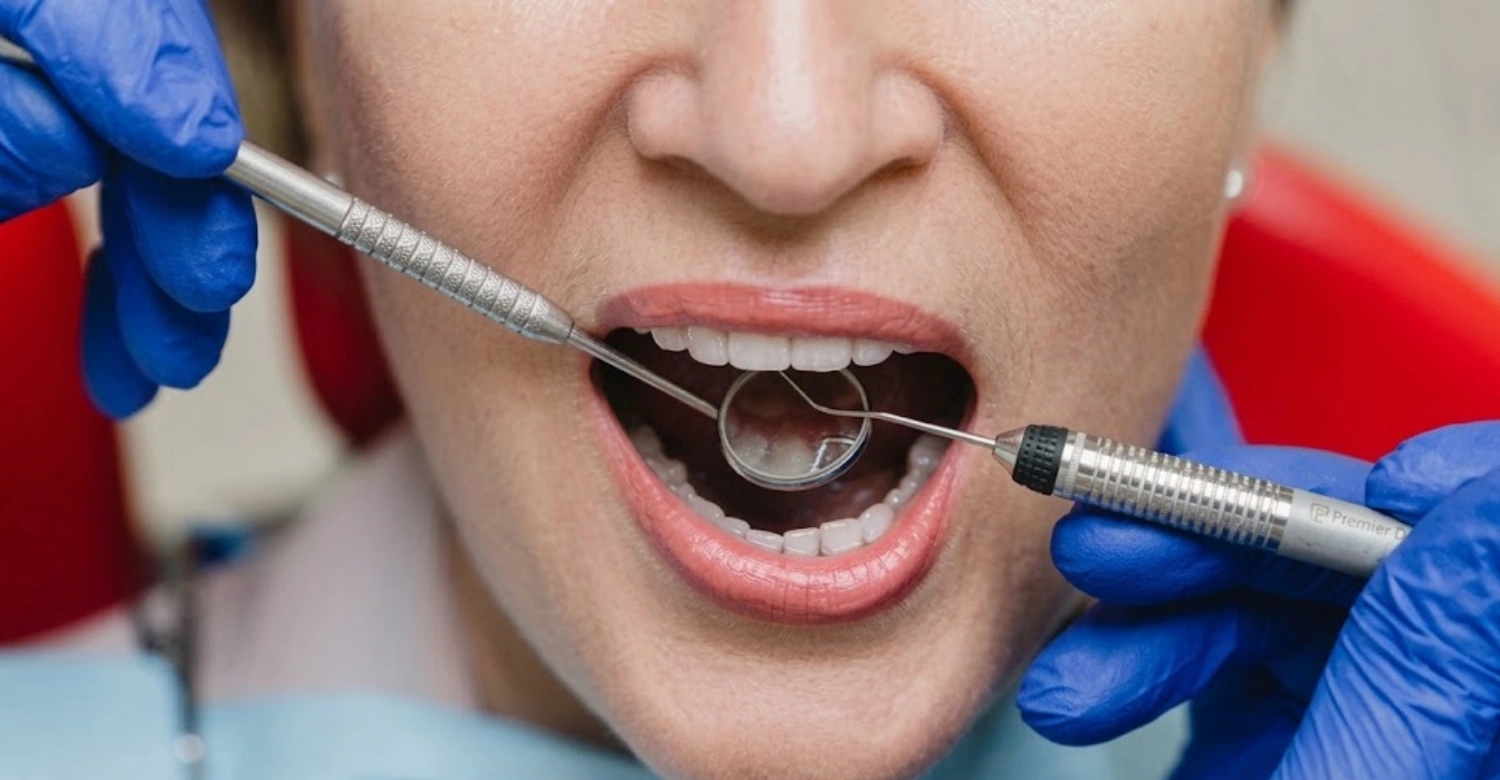
Common Mouth Sensations During Recovery
This may involve several temporary sensations during the healing process. Numbness is common immediately after local anesthetic administration. Tingling can occur as normal nerve signaling begins returning. Tenderness may develop once the anesthetic effect disappears and treated tissues become more noticeable. Swelling can create pressure or fullness around the cheeks and gums. Some patients notice that their bite feels different after restorative treatment. These sensations should generally become less noticeable as recovery progresses. Patients should follow dietary and oral hygiene instructions appropriate for their procedure. Persistent or worsening symptoms require dental evaluation. Understanding normal recovery sensations can help patients recognize changes that deserve attention.
Tingling as Feeling Returns
How to Get Feeling Back in Mouth After Dentist can include tingling when normal sensory signals begin returning. The sensation may occur in the lip, tongue, cheek, gums, or surrounding tissues. Some patients describe it as prickling, buzzing, or mild pins and needles. This can feel unusual after several hours of complete numbness. Tingling alone does not establish whether recovery is normal or abnormal. Its significance depends on the procedure, duration, location, and overall progression. If tingling gradually decreases and normal sensation returns, the pattern can be reassuring. Persistent tingling should be discussed with the treating dentist. Patients should avoid excessive touching or chewing while sensation remains incomplete. Professional guidance is preferable to attempting home techniques that claim to reverse anesthesia quickly.
Oral Discomfort and Tenderness
This can be accompanied by oral discomfort once anesthesia wears off. During treatment, numb tissues may prevent patients from noticing normal postoperative tenderness. Once sensation returns, the treated tooth or surrounding tissues may feel sore. Tenderness can occur after fillings, root canals, extractions, implants, and gum treatments. The expected level of discomfort depends on the procedure and individual circumstances. Patients should follow the dentist's instructions regarding pain management and oral hygiene. Increasing pain may require evaluation rather than simply waiting longer. Swelling, fever, drainage, or significant functional problems can also indicate a need for professional assessment. Recovery should generally become more comfortable over time.
Changes in Your Bite or Mouth Sensation
How to Get Feeling Back in Mouth After Dentist can be influenced by changes in how a treated tooth contacts neighboring teeth. A new filling or crown can sometimes feel different from the original tooth surface. An altered bite can make chewing feel unusual even after numbness disappears. Patients may also notice unfamiliar sensations because the tooth has been restored or reshaped. If the bite feels significantly high or uncomfortable, the dentist should evaluate it. Patients should not attempt to adjust dental restorations themselves. Proper bite assessment can determine whether a minor adjustment is appropriate. Vitrin Clinic evaluates postoperative concerns within the context of the treatment performed. A strange sensation does not always mean the dental treatment has failed.
When a Strange Mouth Feeling Needs Attention
This should include awareness of symptoms that are not following a normal recovery pattern. Persistent numbness is more concerning when it remains unchanged beyond the expected timeframe. Burning, significant pins and needles, or ongoing loss of sensation also deserve assessment. Increasing swelling or severe pain may indicate another postoperative issue. Difficulty swallowing or breathing requires urgent medical attention. Patients should contact the treating dentist when they are uncertain about the recovery pattern. The dental team can determine whether symptoms are expected for the procedure. Early communication can prevent unnecessary anxiety and support appropriate monitoring. Vitrin Clinic encourages patients to report persistent changes rather than relying exclusively on online information.
Discover more about impacted tooth
Tips for Patients During Dental Treatment Recovery
This becomes safer when patients protect numb tissues and follow procedure-specific instructions. Avoid chewing until adequate sensation returns. Choose soft foods when eating is permitted and keep food temperatures moderate. Protect the lips, tongue, cheeks, and gums from accidental injury. Follow prescribed medications and oral hygiene instructions carefully. Monitor whether numbness and other sensations are gradually improving. Avoid unproven techniques that claim to reverse anesthesia instantly. Patients should also attend recommended follow-up appointments after surgical procedures. Vitrin Clinic provides recovery guidance designed around each patient's treatment plan. Good aftercare does not necessarily make anesthesia disappear faster. Instead, it reduces preventable injuries while the mouth returns to normal sensation.
Protect Your Lips, Tongue, and Cheeks
How to Get Feeling Back in Mouth After Dentist includes protecting soft tissues until normal sensation returns. Numb lips, cheeks, and tongues are vulnerable because patients may not immediately feel pressure or injury. Avoid biting these tissues while chewing. Children require particular supervision because they may repeatedly chew numb areas. Patients should also avoid touching the tissues unnecessarily with fingers or sharp objects. Soft foods can reduce the amount of chewing required during early recovery. Temperature precautions are equally important because numb tissues may not detect heat accurately. Once sensation returns, patients can gradually resume normal oral activities. Any significant injury should be discussed with the dental team. Protecting numb tissues is one of the simplest ways to prevent avoidable complications.
Choose Safe Foods While Your Mouth Is Numb
This requires careful food choices while sensation remains reduced. Soft foods are generally easier to manage because they require less chewing. Moderate temperatures reduce the risk of burns when temperature awareness is impaired. Patients should avoid hard, sharp, sticky, or difficult-to-chew foods when their dentist recommends dietary restrictions. After extraction or implant surgery, food selection may be particularly important for protecting healing tissues. Patients should follow procedure-specific dietary instructions rather than relying on generic recommendations. Eating slowly can also reduce accidental biting. Once normal sensation returns, patients can gradually return to their usual diet when permitted. Persistent discomfort while eating should be reported to the treating dentist.
Avoid Chewing Until Sensation Returns
This includes avoiding chewing when the lips, tongue, or cheeks remain significantly numb. Reduced sensation makes it difficult to detect accidental biting or excessive pressure. Patients may damage soft tissues before realizing an injury has occurred. Waiting until sensation improves is therefore a practical safety measure. When eating becomes appropriate, soft foods can reduce chewing demands. Patients recovering from surgery should also follow any specific dietary restrictions. Numbness can disappear unevenly, so one side of the mouth may regain sensation before another. Patients should wait until they can comfortably control chewing and feel the tissues involved. Contact your dentist if numbness persists unexpectedly.
Follow Prescribed Aftercare
How to Get Feeling Back in Mouth After Dentist should always be combined with the aftercare plan provided by your dental professional. Instructions can differ substantially between fillings, root canals, extractions, implants, and gum procedures. Patients may receive guidance about brushing, rinsing, eating, medications, activity, and follow-up appointments. These instructions are based on the specific treatment and healing requirements. Ignoring them can increase the risk of avoidable postoperative problems. Patients should ask questions when instructions are unclear rather than making assumptions. Vitrin Clinic provides personalized recovery guidance to help patients understand what to expect. Proper aftercare supports healing even though it does not directly reverse local anesthesia. Patients should seek professional advice when recovery does not follow the expected pattern.
Monitor Your Symptoms
This involves monitoring whether sensation changes over time. Patients should note when numbness began and whether it is becoming less intense. They should also observe the location and type of altered sensation. Tingling, burning, reduced feeling, or tenderness may provide useful information for the dentist. A simple timeline can help clinicians understand the recovery pattern. Patients should report symptoms that remain unchanged, worsen, or appear outside the expected treatment area. Monitoring does not mean repeatedly touching the numb tissues. Excessive testing can irritate the area and does not speed nerve recovery. Vitrin Clinic recommends contacting the dental team when symptoms create uncertainty or concern.
Clinical Note
How to Get Feeling Back in Mouth After Dentist should focus on safe recovery rather than rapid reversal. Local anesthesia is intentionally designed to reduce nerve signaling temporarily. There is usually no need to interfere with the process. The safest approach involves protecting numb tissues and following individualized dental instructions. Clinical monitoring becomes important when symptoms persist beyond the expected period. Procedures involving major sensory nerves require particularly careful follow-up. Patients should report persistent numbness, burning, or significant sensory changes. Statistics can describe typical recovery patterns, but they cannot predict an individual patient's exact timeline. Vitrin Clinic evaluates symptoms according to the procedure, anatomical location, and progression. This approach helps distinguish expected recovery from symptoms requiring further assessment.
Learn more about burning mouth syndrome
When Should You Contact a Dentist About Mouth Numbness?
This should include knowing when professional assessment becomes necessary. Contact your dentist if numbness lasts substantially longer than the expected timeframe provided after treatment. Persistent tingling or burning should also be discussed when it does not improve. Complete loss of sensation that remains unchanged deserves particular attention after oral surgery. Wisdom tooth and implant procedures may require closer monitoring because nerves can be nearby. Increasing swelling, severe pain, fever, drainage, or functional problems can indicate other complications. Breathing or swallowing difficulties require urgent medical attention. Do not rely on online remedies to treat unexplained prolonged numbness. Your dentist can examine the area and determine the appropriate next step.
Numbness Lasting Longer Than Expected
This becomes clinically important when numbness exceeds the timeframe your dentist provided. Local anesthesia normally produces temporary sensory changes. The duration varies because different anesthetics and injection techniques have different effects. Surgical procedures can add swelling that changes how the area feels. However, unchanged numbness should be reported when it persists unexpectedly. Your dentist can review the procedure and assess the affected sensory distribution. Patients should explain whether sensation is completely absent or partially reduced. They should also describe whether any tingling has developed. This information can help determine whether the nerve appears to be recovering. Professional evaluation is safer than attempting to stimulate the area aggressively.
Persistent Tingling or Burning
How to Get Feeling Back in Mouth After Dentist requires professional attention when tingling or burning persists unexpectedly. Temporary tingling may occur as anesthesia wears off. Persistent symptoms can have different explanations depending on the treatment and anatomical location. Patients should describe whether symptoms are constant, intermittent, improving, or worsening. Burning involving the tongue, lip, or chin can be particularly important after procedures near sensory nerves. The dentist may recommend monitoring or additional evaluation based on clinical findings. Patients should avoid self-treating with unapproved topical products. Extreme temperatures should also be avoided when sensation remains altered. Vitrin Clinic recommends assessment when sensory symptoms fail to follow a progressively improving pattern.
Increasing Oral Discomfort
This should not involve ignoring increasing oral discomfort. Mild tenderness can be expected after many procedures, especially once anesthesia disappears. Increasing or severe pain may require evaluation depending on the treatment. Swelling that continues to worsen can also indicate a postoperative concern. Patients should follow the prescribed pain management plan rather than exceeding recommended doses. Fever, drainage, foul taste, or difficulty opening the mouth may provide additional information. The treating dentist can determine whether symptoms are consistent with normal healing. Prompt communication is particularly important after extraction, implant surgery, or other invasive procedures. Vitrin Clinic encourages patients to report unexpected changes rather than waiting for symptoms to become severe.
Loss of Sensation That Does Not Improve
This requires evaluation when sensory loss remains unchanged. Temporary anesthesia should generally show a gradual reduction in effect. Persistent sensory loss can have different causes, including prolonged nerve irritation after procedures near important nerves. The location of the affected area provides important clinical information. Lower lip, chin, and tongue symptoms can involve different sensory nerve pathways. Patients should contact their dentist when normal sensation fails to return as expected. Clinicians may document the area and monitor changes during follow-up. Patients should not attempt to restore sensation through heat, pressure, or aggressive massage. Appropriate evaluation is more useful than unproven home methods.
Numbness After Wisdom Tooth or Oral Surgery
How to Get Feeling Back in Mouth After Dentist deserves particular attention after wisdom tooth removal or oral surgery. These procedures can occur near nerves responsible for sensation in the tongue, lip, and chin. Local anesthesia commonly causes temporary numbness immediately after treatment. Surgical swelling can extend the period of unusual oral sensation. Most patients recover progressively, but persistent sensory changes should be communicated to the surgical team. The surgeon can assess whether the symptom fits the expected postoperative pattern. Patients should follow all surgical aftercare instructions during this period. They should avoid biting numb tissues and protect healing areas from unnecessary irritation. Vitrin Clinic provides postoperative monitoring when surgical recovery requires additional observation.
Other Concerning Post-Treatment Symptoms
This should be considered alongside other postoperative symptoms. Severe swelling, uncontrolled bleeding, fever, breathing difficulty, or swallowing difficulty can require urgent assessment. Persistent numbness may also need evaluation depending on the procedure and duration. Severe pain that does not respond to the prescribed management plan should be reported. Patients should also mention unusual discharge, significant changes in bite, or rapidly worsening symptoms. These signs do not necessarily indicate a serious complication, but they should not be ignored. The treating dentist has the best understanding of the procedure performed. Prompt communication allows the dental team to determine whether examination or additional care is needed.
Discover more about oral allergy syndrome
Can Dental Treatment Cause Long-Term Altered Sensation?
How to Get Feeling Back in Mouth After Dentist can occasionally involve longer-lasting sensory changes after certain procedures. Most routine anesthetic numbness is temporary and resolves as the medication wears off. Longer-lasting altered sensation is more relevant when treatment occurs close to major sensory nerves. Nerve irritation can produce symptoms such as tingling, burning, or reduced sensation. The duration depends on the underlying cause and degree of nerve involvement. Not every prolonged symptom represents permanent nerve damage. Professional assessment is needed to understand what is happening. Patients should report persistent symptoms rather than waiting indefinitely. Vitrin Clinic considers the procedure, anatomical location, symptom pattern, and progression during postoperative evaluation.
Temporary Nerve Irritation
This may involve temporary nerve irritation after certain dental procedures. Nerves can become irritated when treatment occurs close to their anatomical pathway. This may cause tingling, altered sensation, or temporary numbness. Recovery depends on the nature and extent of the irritation. Patients may notice gradual improvement over time. Persistent symptoms should be documented and communicated to the treating clinician. Monitoring the direction of change can provide useful clinical information. Patients should not assume that every sensory change indicates permanent damage. At the same time, they should not ignore prolonged symptoms. Appropriate follow-up helps dentists determine whether continued observation or further assessment is appropriate.
Nerve-Related Sensory Changes
This can involve nerve-related sensory changes that differ from ordinary anesthesia. Patients may experience numbness, tingling, burning, hypersensitivity, or reduced sensation. The location and distribution can help clinicians identify which sensory pathway may be involved. The timing of symptoms relative to treatment is also important. Some sensory changes improve gradually as irritated tissues recover. Others may require closer monitoring depending on severity and persistence. Patients should describe symptoms precisely during follow-up appointments. Vitrin Clinic evaluates sensory concerns according to individual clinical circumstances rather than assuming one universal recovery pattern. Professional assessment provides better information than internet comparisons.
Which Dental Procedures May Affect Nerve Sensation?
How to Get Feeling Back in Mouth After Dentist can vary after procedures performed close to important sensory nerves. Lower wisdom tooth removal is one example because the surgical area can be near nerves supplying the tongue, lip, and chin. Dental implant placement can also require careful anatomical planning in areas containing major nerves. Local anesthesia itself temporarily blocks nerve signals during many procedures. Extractions and oral surgery may produce postoperative swelling around nearby tissues. The actual risk depends on anatomy, procedure complexity, and individual circumstances. Dentists use clinical examination and imaging when appropriate to plan treatment safely. Patients should discuss persistent sensory changes with the clinician who performed the procedure.
Clinical Note
This should not be judged solely by the number of hours since treatment. Clinical interpretation considers the procedure, anesthetic, anatomical location, and symptom progression. Most routine anesthetic effects are temporary. Longer-lasting sensory symptoms become more relevant when procedures involve areas close to major nerves. Persistent numbness, burning, or altered sensation should be documented and assessed. Patients should communicate symptoms early rather than waiting until they become more pronounced. Vitrin Clinic emphasizes individualized evaluation because recovery patterns differ between patients. Medical evidence can establish general expectations, but an examination is needed for patient-specific conclusions
Learn more about oral mucocele
.
Mouth Sensation After Different Dental Treatments
How to Get Feeling Back in Mouth After Dentist can differ depending on the dental procedure performed. Fillings often involve localized anesthesia around the treated tooth. Root canals may produce temporary numbness followed by localized tenderness. Extractions can add swelling and socket sensitivity to the anesthetic effect. Wisdom tooth removal may require closer sensory monitoring because important nerves can be nearby. Implant surgery can create postoperative swelling and altered local sensation. Gum treatment may cause temporary tenderness or sensitivity around treated tissues. Each procedure therefore has its own recovery considerations. Patients should ask their dentist what sensations are expected before leaving the clinic. Vitrin Clinic provides treatment-specific aftercare guidance to help patients understand normal recovery.
After a Dental Filling
This is usually straightforward after a routine filling. Local anesthesia can leave the lip, cheek, tongue, or gum numb for several hours. Patients should avoid chewing until adequate sensation returns. Once the numbness disappears, the treated tooth may feel slightly different. A new filling can sometimes alter the way the tooth contacts opposing teeth. If the bite feels significantly high or painful, the dentist should evaluate it. Mild sensitivity may also occur depending on the depth and location of the filling. Patients should monitor whether symptoms improve. Persistent numbness is less typical once the anesthetic should have worn off. Contacting the dental practice is appropriate when recovery differs significantly from expectations.
After a Root Canal
This can involve temporary numbness after root canal treatment. Local anesthesia commonly affects the tissues surrounding the treated tooth. Once anesthesia disappears, mild tenderness can occur around the tooth. The tooth may also feel different when biting because the surrounding tissues have been treated. Patients should follow instructions concerning chewing and temporary restorations. Persistent numbness affecting distant areas such as the lip or tongue should be reported. The dentist can determine whether the sensation matches the injection location. Patients should avoid excessive pressure on the treated tooth when instructed. Recovery generally becomes more comfortable as postoperative tenderness decreases.
After Tooth Extraction
How to Get Feeling Back in Mouth After Dentist may take longer to feel normal after extraction. Local anesthesia causes temporary numbness around the extraction site. Swelling and tissue irritation can create additional unusual sensations after the medication wears off. Patients should protect the blood clot and follow instructions about rinsing, brushing, and eating. They should avoid chewing numb tissues and choose appropriate foods during early recovery. Persistent numbness can be more significant when the extracted tooth is close to a major sensory nerve. Lower molar extractions can require particular attention to lip and chin sensation. Patients should report persistent or worsening sensory changes to their dentist or oral surgeon.
After Wisdom Tooth Removal
This requires additional awareness after wisdom tooth removal. Local anesthesia can temporarily numb the tongue, lower lip, cheek, and gum. Surgical swelling may also change how the mouth feels during early recovery. Lower wisdom teeth can be anatomically close to important sensory nerves. Most postoperative numbness improves as anesthesia disappears. Persistent sensory loss should be communicated to the treating surgeon. Patients should follow dietary, hygiene, medication, and activity instructions carefully. Avoiding accidental biting is especially important while the tongue or cheek remains numb. Vitrin Clinic can provide individualized postoperative monitoring when sensory recovery requires additional attention.
After Dental Implant Surgery
This can differ following dental implant surgery because surgical tissues need time to recover. Local anesthesia causes temporary numbness around the treatment area. Swelling can make the cheek or gum feel fuller after surgery. Implant placement requires careful consideration of nearby anatomical structures. Persistent numbness involving the lip, chin, or tongue should be reported promptly. Patients should follow instructions concerning food, oral hygiene, medication, and activity. They should avoid disturbing the implant site while healing occurs. Recovery should generally be monitored according to the implant dentist's instructions. Vitrin Clinic provides postoperative guidance designed around the individual implant procedure.
After Gum Treatment
How to Get Feeling Back in Mouth After Dentist may involve temporary gum sensitivity after periodontal treatment. Local anesthesia can temporarily reduce sensation around treated gums. Once the anesthesia disappears, tenderness or sensitivity can become noticeable. Gum tissues may also feel different during early healing. Patients should follow instructions regarding brushing, rinsing, interdental cleaning, and diet. Gentle oral hygiene is important unless the clinician provides different instructions. Persistent numbness is less typical when the treatment is limited to superficial gum tissues. Patients should report unexpected sensory loss or worsening discomfort. Vitrin Clinic provides personalized aftercare guidance for patients recovering from gum procedures.
What Not to Do When Your Mouth Is Still Numb
This is safer when patients avoid actions that can injure anesthetized tissues. Do not chew your lips, tongue, or cheeks while sensation remains reduced. Avoid very hot foods and drinks because temperature awareness may be impaired. Hard foods can require excessive chewing and increase accidental injury risk. Patients should not repeatedly touch or irritate numb areas to test whether sensation has returned. Unproven methods should also be avoided because they may cause tissue damage. Local anesthesia normally wears off through natural medication clearance. Following professional aftercare instructions is safer than attempting to accelerate the process. Patients with prolonged numbness should contact their dentist for individualized guidance.
Do Not Bite Your Lip or Tongue
How to Get Feeling Back in Mouth After Dentist requires avoiding accidental biting while oral sensation remains reduced. Numb tissues cannot provide normal pain and pressure feedback. Patients may therefore bite deeply without realizing an injury has occurred. Children can be especially vulnerable because numbness may feel unusual or interesting. Adults should also avoid chewing until sufficient sensation returns. Soft foods can reduce chewing requirements when eating is permitted. Patients should monitor for swelling, bleeding, or persistent soreness if accidental biting occurs. Significant injuries should be discussed with the dental team. Protecting numb tissues is more effective than repeatedly testing sensation with the teeth.
Do Not Drink Very Hot Drinks
This includes avoiding very hot beverages while temperature sensation remains impaired. Anesthetized tissues may not accurately detect dangerous heat. A drink that feels comfortable elsewhere can burn the lips, tongue, palate, or cheeks. Patients should allow beverages to cool before drinking. This precaution remains important even when some sensation has returned. Different areas of the mouth can regain sensation at different speeds. Patients should also follow any procedure-specific dietary restrictions. Once normal temperature awareness returns, patients can gradually return to their usual drinks. Any burn or persistent irritation should be discussed with the dental team.
Do Not Eat Hard Foods
This becomes safer when patients avoid hard foods during significant numbness. Hard foods require stronger chewing and can increase the risk of biting anesthetized tissues. Sharp food fragments may also irritate sensitive areas after dental treatment. Patients recovering from extraction or surgery may have additional dietary restrictions. Soft foods are generally easier to control while sensation remains reduced. Patients should follow the specific instructions provided by their dentist. Returning to normal foods should depend on both sensation and the treatment's healing requirements. Persistent discomfort while eating should be reported rather than ignored.
Do Not Touch or Irritate the Numb Area
How to Get Feeling Back in Mouth After Dentist does not require repeatedly touching the numb tissues. Patients may be tempted to press, pinch, scratch, or rub the area to test whether sensation has returned. These actions do not reliably accelerate anesthetic recovery. They can instead irritate recently treated tissues or create accidental injury. Reduced sensation makes it difficult to judge how much pressure is being applied. Patients should allow the tissues to recover naturally. Gentle normal movement is different from aggressive stimulation. Contact your dentist if numbness persists beyond the expected timeframe. Professional evaluation is more useful than repeated self-testing.
Do Not Try Unproven Ways to Reverse Anesthesia
This should never involve unsafe attempts to reverse local anesthesia. Online advice may recommend excessive heat, vigorous massage, intense exercise, alcohol, supplements, or other unproven techniques. These methods do not reliably eliminate dental anesthesia and may create additional risks. Local anesthetic is designed to wear off naturally. Patients should focus on protecting numb tissues until normal sensation returns. If recovery seems unusually slow, contacting the dental practice is the safest option. The dentist can identify which anesthetic was used and assess the treatment area. Vitrin Clinic recommends evidence-based aftercare rather than unverified shortcuts.
Why Choose Vitrin Clinic for Dental Treatment Recovery?
This requires reliable aftercare as well as successful dental treatment. Vitrin Clinic focuses on helping patients understand what to expect after procedures. Personalized communication can help patients distinguish common temporary sensations from symptoms that deserve assessment. The dental team can consider the procedure, anesthesia, treatment area, and individual recovery pattern. Clear instructions can also reduce accidental injuries while the mouth remains numb. Patients can receive guidance about eating, oral hygiene, activity, and symptom monitoring. Recovery concerns should be communicated rather than ignored. Vitrin Clinic combines treatment planning with postoperative guidance to support a smoother patient experience. Professional follow-up is especially valuable when symptoms differ from the expected recovery pattern.
Personalized Assessment of Post-Treatment Symptoms
How to Get Feeling Back in Mouth After Dentist can vary between patients, making individualized assessment important. Vitrin Clinic considers the treatment performed and the patient's reported symptoms. The location of numbness can help identify which tissues or sensory nerves are affected. Timing is also important because anesthesia-related numbness follows a temporary pattern. Patients can describe whether sensation is improving, unchanged, or worsening. This information helps the dental team decide whether monitoring is sufficient. Persistent sensory changes can require additional clinical evaluation. Personalized assessment is preferable to applying one recovery timeframe to every dental procedure. Vitrin Clinic focuses on understanding the patient's specific recovery experience.
Professional Aftercare and Recovery Guidance
This is easier to manage when patients understand their aftercare instructions. Vitrin Clinic provides guidance related to the specific dental procedure performed. Patients can receive recommendations concerning eating, oral hygiene, medication, activity, and symptom monitoring. Clear instructions help reduce preventable injuries during temporary numbness. Patients are also encouraged to communicate unexpected symptoms rather than waiting unnecessarily. Recovery guidance can be especially important after surgical treatments. Professional advice should take priority over generic online recommendations. Vitrin Clinic aims to provide patients with practical information throughout their dental treatment journey.
Experienced Dental Team
How to Get Feeling Back in Mouth After Dentist can require clinical judgment when symptoms do not follow an expected pattern. Vitrin Clinic's dental team evaluates treatment-related concerns according to the procedure and patient circumstances. Different dental procedures can produce different patterns of numbness and oral discomfort. Understanding dental anatomy is particularly important when treatment occurs near sensory nerves. Patients benefit from discussing unexpected symptoms with professionals familiar with their treatment. Follow-up assessment can determine whether symptoms require continued observation or additional care. Vitrin Clinic combines dental treatment with patient-focused recovery support.
Dental Treatment Recovery at Vitrin Clinic
This is part of the broader recovery process following dental care. Vitrin Clinic emphasizes clear communication before and after treatment. Patients receive information about expected sensations and practical precautions when appropriate. Monitoring recovery can help identify changes that require professional attention. Patients are encouraged to ask questions when symptoms feel unusual or unexpected. Support is especially valuable after procedures involving surgery, implants, extractions, or extensive dental work. Recovery timelines can vary, so individualized guidance remains important. Vitrin Clinic focuses on helping patients understand their symptoms rather than relying on generalized assumptions. This approach supports safer and more informed dental treatment recovery.
Clear Aftercare Instructions
This can be managed more safely when patients receive clear instructions. Vitrin Clinic provides procedure-specific guidance covering important recovery considerations. Patients can learn how to protect numb tissues and follow appropriate dietary recommendations. Instructions may also address oral hygiene, medications, activity, and follow-up appointments. Clear communication helps patients understand which symptoms are expected. It also helps them recognize when professional contact is appropriate. Patients should ask for clarification if any instruction is uncertain. Following individualized recommendations is safer than relying on generic online advice. Vitrin Clinic aims to make the recovery process understandable and practical.
Monitoring Your Recovery
How to Get Feeling Back in Mouth After Dentist involves observing whether sensation gradually returns. Vitrin Clinic encourages patients to pay attention to changes in numbness and other oral sensations. Patients can monitor whether the affected area becomes less numb over time. They can also record tingling, burning, tenderness, or changes in oral function. Persistent symptoms should be communicated to the dental team. Monitoring does not require constant touching or testing of numb tissues. Instead, patients should observe natural changes during ordinary activities. Professional follow-up can provide reassurance when recovery is progressing normally. It can also identify situations requiring additional assessment.
Support When You Experience Altered Sensation
This can become stressful when unusual sensations continue longer than expected. Vitrin Clinic provides patients with a professional point of contact for treatment-related concerns. Patients can describe the location, timing, intensity, and progression of their symptoms. The dental team can then determine whether the symptoms appear consistent with the treatment. Persistent altered sensation may require examination or continued monitoring. Patients should not feel that they must diagnose the cause themselves. Professional guidance can reduce uncertainty and prevent inappropriate self-treatment. Vitrin Clinic emphasizes communication throughout the recovery process.
Reference
FAQs

Dr. Rifat Alsaman has more than 5 years of clinical experience in dentistry and currently serves as the Head of the Medical Team at Vitrin Clinic. He is dedicated to providing exceptional patient care, overseeing treatment planning, and ensuring the highest clinical standards across the team. His expertise, attention to detail, and commitment to continuous professional development have helped countless patients achieve healthier, more confident smiles.


