Periodontics
September 8, 2026
Atherosclerosis and Periodontal Disease: Is There a Link Between Gum Health and Heart Health?
 Dr. Rifat Alsaman
Atherosclerosis and periodontal disease are two conditions that researchers now study together. Periodontal disease is a chronic inflammatory condition affecting the gums and the tissues supporting the teeth. Atherosclerosis involves plaque building up and progressing within the arteries. Dental professionals and cardiologists want to know if oral inflammation influences cardiovascular health. This article explains the potential connection without overstating the evidence. Treating periodontal disease matters as part of overall health management. Patients deserve a clear, balanced picture of what current research actually shows.
Atherosclerosis and Periodontal Disease: What Is the Connection?
Atherosclerosis and gum disease share a possible biological link. Periodontal disease begins as bacterial inflammation in gum tissue. Atherosclerosis develops when fatty plaque narrows arterial walls over years. Chronic periodontal inflammation may add to a person's overall inflammatory burden. Bacteria and inflammatory mediators can also enter the bloodstream during active gum disease. This has attracted attention in cardiovascular research because inflammation plays a role in plaque formation. Having periodontal disease does not automatically mean atherosclerosis will follow. Shared risk factors, including smoking, diabetes, age, obesity, and poor health behaviours, also explain much of the observed overlap.
Learn more about nail biting jaw
How Periodontal Inflammation May Affect the Cardiovascular System
Systemic inflammation means the body's immune response spreads beyond one site. In gum disease, inflammatory markers such as CRP can rise and circulate through the bloodstream. These markers may affect how blood vessels function over time. One concept researchers examine is endothelial dysfunction, where the inner lining of blood vessels responds less efficiently to normal signals. This process is not exclusive to gum disease. Persistent periodontal inflammation is considered one possible contributor among many factors influencing vascular health.
The Role of Oral Bacteria
Bacteria linked to periodontal infection can enter the bloodstream through inflamed gum tissue, especially during brushing, flossing, or dental procedures. This is known as transient bacteraemia, and it may be clinically relevant in patients with certain heart conditions. However, oral bacteria appearing in circulation does not prove that periodontal disease directly causes arterial plaque. It simply shows a pathway exists. Researchers continue investigating whether these bacteria play an active role in atherosclerosis and periodontal disease progression. They may also simply be incidental findings.
Explore more about nail biting teeth
Shared Risk Factors Between Oral and Cardiovascular Disease
Several risk factors appear in both periodontal disease and cardiovascular conditions:
Smoking
Diabetes
Poor diet
Obesity
Age
Physical inactivity
Chronic systemic inflammation
These shared factors help explain why gum disease and artery health concerns often overlap in clinical studies. When these variables are not properly accounted for, isolating periodontal disease as an independent cause becomes harder. Cardiovascular disease often has many overlapping contributors. It may simply be one part of a larger, shared risk profile.
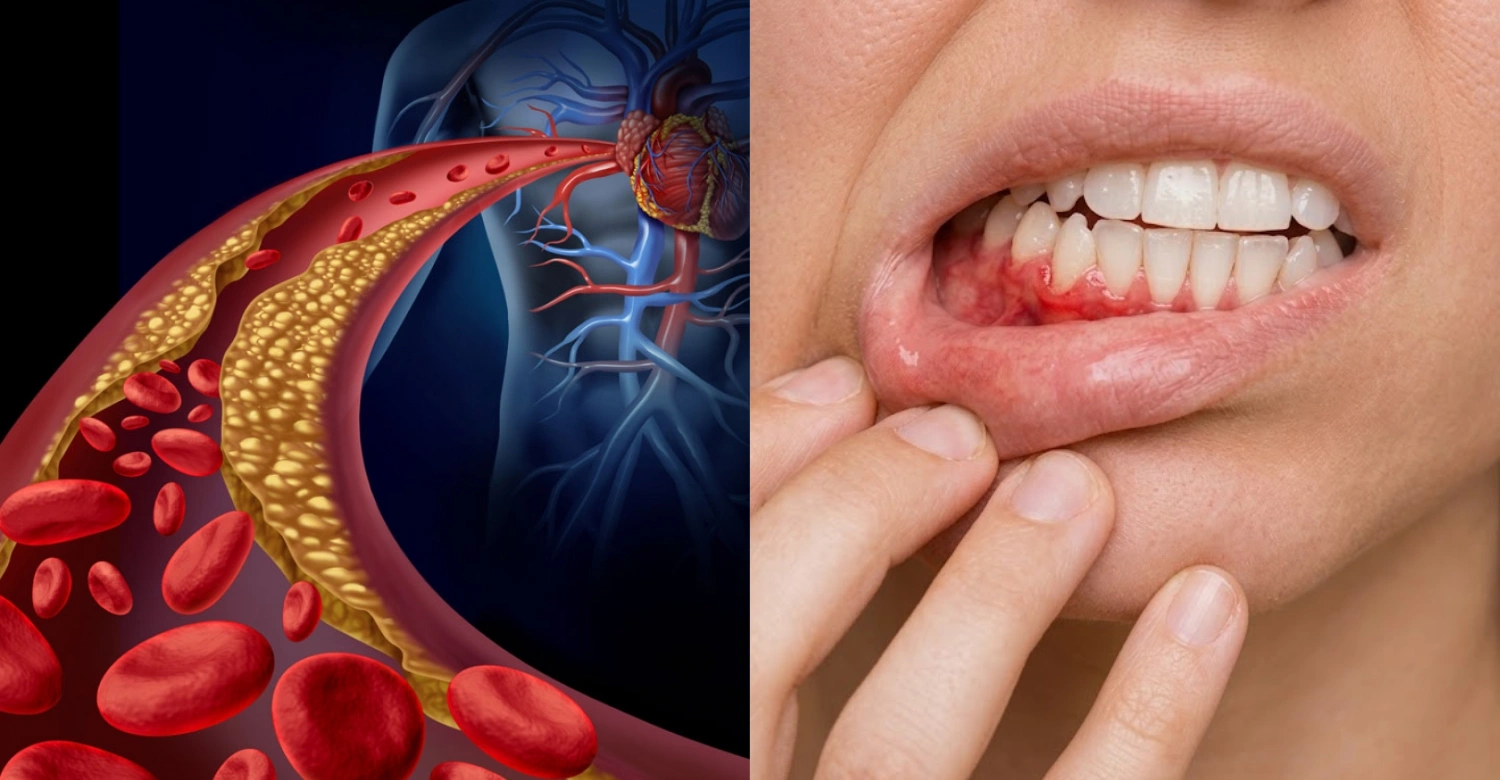
Periodontal Disease and Atherosclerosis: What Does the Research Suggest?
Periodontal disease and atherosclerosis have been studied through observational research for decades. These studies have identified an association between gum disease and cardiovascular conditions, but association is not the same as causation. Correlation simply means two things occur together; causation means one directly produces the other. Cardiovascular disease has multiple causes, including genetics, diet, and lifestyle. This is why atherosclerosis and periodontal disease continue to attract close scientific study. Periodontal disease may be one component of a broader risk profile rather than an independent, direct cause.
Read more about brushing and flossing mistakes
Periodontitis and Atherosclerosis
Periodontitis is the more advanced, sustained form of gum disease, unlike mild gingivitis, which is often reversible. Severe or untreated periodontitis involves a much heavier and longer-lasting inflammatory burden on the body. Researchers have proposed pathways connecting periodontitis and atherosclerosis, including chronic low-grade inflammation and possible bacterial involvement in vascular tissue. This mirrors the broader pattern seen between atherosclerosis and gum disease overall. The exact mechanism connecting advanced gum disease to arterial plaque formation is still not fully established.
Periodontitis and Cardiovascular Disease
The broader relationship between periodontitis and cardiovascular disease reflects overlapping inflammatory processes rather than one condition simply causing the other. Cardiovascular risk assessment should rely on established, validated risk factors. These include blood pressure, cholesterol, smoking status, and family history, not oral health status alone. This reflects the same cautious approach recommended for atherosclerosis and periodontal disease more broadly. Patients with periodontitis benefit from managing both their gum health and their broader cardiovascular risk factors together.
Chronic Inflammation and Atherosclerosis
Chronic inflammation and atherosclerosis are closely connected in current medical understanding. Persistent inflammation contributes to how plaque forms, hardens, and narrows arterial walls over time. Periodontal inflammation, when left untreated for years, adds a steady, low-level source of inflammatory activity to the body. Connecting this to atherosclerosis and periodontal disease research is biologically plausible, since inflammation is a known contributor to vascular disease. However, clinical evidence does not establish a simple, direct cause-and-effect relationship between the two conditions.
Tips for Patients
Brush twice daily with fluoride toothpaste
Clean between the teeth daily
Replace toothbrushes when needed
Attend regular dental examinations
Follow personalized periodontal maintenance advice
Avoid smoking
Maintain a balanced diet
Stay physically active
Manage diabetes effectively
Follow prescribed cardiovascular medications
Attend recommended medical check-ups
These simple habits support both oral and cardiovascular health. They also help reduce the inflammatory load linked to atherosclerosis and periodontal disease over time.
Learn more about aortic dissection and dental treatment
Can Gum Disease Cause Atherosclerosis?
Can gum disease cause atherosclerosis? Current evidence supports an association between the two. It does not establish periodontal disease as the sole, direct cause of atherosclerosis. There is a difference between contributing to a person's overall inflammatory burden and directly causing arterial plaque to form. Patients with periodontal disease should not panic. They should take both oral and cardiovascular risk factors seriously, managing gum disease and artery health together for long-term wellbeing.
Discover more about medical diagnostic technology
Does Periodontitis Increase Heart Disease Risk?
Does periodontitis increase heart disease risk? Some studies suggest patients with periodontitis show a higher observed cardiovascular risk. Shared lifestyle and medical risk factors often explain much of this pattern. Smoking, diabetes, and poor diet frequently appear in both conditions. Because of this overlap, isolating periodontitis as an independent driver of heart disease risk remains difficult. Patients with periodontitis are encouraged to speak with both a dentist and a physician when cardiovascular concerns are present. This ensures coordinated, well-informed care around atherosclerosis and periodontal disease.
Periodontal Disease and Heart Disease: What Patients Should Know
Periodontal disease and heart disease are both conditions patients should take seriously. This holds true even though the exact relationship between atherosclerosis and periodontal disease is still being studied. Untreated gum disease can affect comfort, chewing ability, and overall quality of life, regardless of any cardiovascular connection. Cardiovascular concerns should never be a reason to avoid necessary dental treatment. Patients should always disclose cardiovascular conditions and current medications to their dental team before any periodontal procedure. This information affects how treatment is planned and delivered safely.
Gum Disease and Heart Disease Risk Factors
Smoking
Diabetes
Hypertension
High cholesterol
Poor oral hygiene
Existing cardiovascular disease
These risk factors frequently overlap, which is part of why gum disease and heart disease are studied together. Addressing them supports both healthier gums and a healthier cardiovascular system. This works better than treating either condition in isolation from broader lifestyle and medical management.
Explore cosmetic dentistry in Turkey
Oral Health and Cardiovascular Disease
Oral health and cardiovascular disease are increasingly viewed as connected parts of general wellbeing rather than separate, unrelated concerns. Regular dental examinations help detect gum problems early, before they progress. Maintaining healthy gums benefits patients regardless of whether they have diagnosed cardiovascular disease. This broader view encourages patients to see dental visits as part of routine healthcare rather than an optional, cosmetic-only appointment.
How Periodontal Disease May Affect Artery Health
Gum disease and artery health are linked through possible inflammatory and bacterial pathways still being studied. Chronic gum inflammation may influence endothelial function, the inner lining of blood vessels responsible for regulating blood flow. Researchers are investigating whether controlling periodontal inflammation could influence cardiovascular outcomes over time. It is important not to promise cardiovascular benefits from periodontal treatment. Strong clinical evidence has not yet established these benefits. The atherosclerosis and periodontal disease relationship remains an active area of research.
Learn more about opioids and dental pain
Periodontal Inflammation and Heart Health
Periodontal inflammation and heart health are connected through the body's broader inflammatory response. Chronic inflammation from gum disease may add to systemic inflammatory activity over years. Reducing periodontal inflammation is clinically important for oral health regardless of any cardiovascular link. Periodontal treatment primarily aims to restore healthy gum tissue and prevent further tooth-supporting bone loss. Any potential effect on atherosclerosis and periodontal disease remains a secondary consideration, not the primary reason to seek care.
What We Notice Clinically
Dr. Rifat Alsaman emphasizes the importance of identifying bleeding gums, swelling, gum recession, persistent bad breath, and loose teeth early. Visible gum inflammation should never be dismissed as a minor cosmetic issue, since it often signals deeper, ongoing periodontal disease. Periodontal assessment can identify problems before significant tooth-supporting tissue is lost, preserving long-term oral function. Dr. Rifat Alsaman highlights patient education and early intervention as the most effective tools for prevention. Together, they stop periodontal disease from progressing into advanced, harder-to-treat stages.
Discover more about heartburn and jaw pain
When We Recommend Further Medical Assessment
Persistent or severe periodontal inflammation
Patients with known cardiovascular disease
Patients with multiple cardiovascular risk factors
Patients with poorly controlled diabetes
Patients taking medications that may influence dental treatment
In these situations, coordinating with a patient's physician helps ensure periodontal treatment is both safe and appropriate. This matters most where atherosclerosis and periodontal disease risk factors overlap significantly.
Learn more about myotonic dystrophy and oral health
Clinical Note
Periodontal disease should be managed as a genuine, chronic inflammatory dental condition in its own right. Patients should not interpret the association between atherosclerosis and periodontal disease as proof of direct causation. Gum disease has not been shown to directly cause heart attacks, strokes, or arterial plaque. The relationship remains an area of ongoing research, not an established medical fact. Treating gum disease matters for oral health first. Any broader systemic benefit remains a possible, unconfirmed secondary outcome, not a guaranteed medical result.
Why Communication Between Healthcare Professionals Matters
Dentists may recommend discussing certain health concerns with a physician when periodontal disease coexists with significant cardiovascular risk factors. Patients should always provide an updated medical history at each dental visit, including any new diagnoses or prescriptions. Medication information is especially important before periodontal procedures, since some cardiovascular drugs affect bleeding and healing. Coordinated care between dentists and physicians supports safer treatment outcomes. This matters most for patients managing complex medical histories alongside atherosclerosis and periodontal disease.
What Patients Should Not Do
Do not stop cardiovascular medication because of dental treatment without medical advice
Do not assume periodontal treatment replaces cardiovascular prevention
Do not ignore bleeding or swollen gums
Do not self-diagnose cardiovascular disease based on oral symptoms
Following these simple guidelines helps patients avoid common, potentially harmful misunderstandings about the atherosclerosis and gum disease connection.
Find out more about how to get feeling back in mouth after dentist
Diagnosing Periodontal Disease Before It Becomes Advanced
Early diagnosis helps prevent periodontal disease from progressing into advanced stages that are harder to treat. A thorough dental examination remains the first and most important diagnostic step. Additional imaging may be used when deeper assessment of supporting bone is needed. Dentists do not diagnose atherosclerosis. They do play a role in identifying oral inflammation. This can relate to a patient's broader inflammatory profile, supporting a more complete picture of overall health.
Dental Examination
Gum bleeding
Pocket depth
Gum recession
Tooth mobility
Plaque and calculus
Changes in supporting tissues
A comprehensive dental examination checks each of these areas carefully. Identifying early signs allows treatment to begin before periodontal disease advances. This protects both gum health and the supporting structures of the teeth over time.
Dental X-Rays and Imaging
Radiographs may be required when a dentist needs a clearer view of bone levels beneath the gumline. Imaging helps assess how much supporting bone has been lost due to periodontal disease, guiding accurate diagnosis and treatment planning. X-rays also help track changes over time, particularly during periodontal maintenance. This information supports more precise, personalized treatment decisions rather than relying on visual examination alone.
Assessing Cardiovascular Risk
Dentists do not diagnose atherosclerosis, and periodontal examination is not a substitute for cardiovascular screening. When appropriate, dentists may suggest that patients discuss cardiovascular risk factors with their physician. This applies especially when multiple risk factors are present. Established cardiovascular screening, including blood pressure and cholesterol testing, should always come through the patient's physician. Dental assessment is not a substitute. This keeps the atherosclerosis and periodontal disease relationship in proper clinical perspective.
Treatment Options for Periodontal Disease
Treatment for periodontal disease depends on how advanced the condition is at diagnosis. Options range from simple professional cleaning to more involved non-surgical or surgical procedures. The goal at every stage is reducing inflammation, removing bacterial deposits, and preserving the tissues supporting the teeth. Personalized treatment planning matters because periodontal disease presents differently in each patient. Addressing it appropriately also supports the broader goal of managing inflammation linked to atherosclerosis and gum disease.
Professional Dental Cleaning
Professional dental cleaning suits patients with early gum problems where plaque and calculus control is the main goal. During this procedure, deposits are carefully removed from the tooth surface and gumline. Regular cleaning appointments help prevent mild gum inflammation from progressing into more advanced periodontal disease. This makes cleaning one of the simplest and most effective preventive treatments available.
Explore more about tongue posture and teeth
Scaling and Root Surface Debridement
Deeper periodontal pockets often require non-surgical periodontal treatment such as scaling and root surface debridement. This procedure removes bacterial deposits from below the gumline, where regular brushing cannot reach. Multiple appointments may sometimes be needed, depending on how many areas are affected and how deep the pockets have become. This treatment aims to reduce inflammation and help gum tissue reattach more securely to the tooth.
Periodontal Maintenance
Ongoing periodontal maintenance is essential after active treatment ends. Personalised recall intervals are set based on each patient's periodontal risk level, ranging from every three months to twice yearly. Skipping maintenance appointments allows bacteria to rebuild quickly, undoing earlier treatment progress. Long-term maintenance is what keeps periodontal disease stable and prevents relapse into more advanced, harder-to-manage stages.
Advanced Periodontal Treatment
Referral to a periodontal specialist may be appropriate for more severe or complex cases. Surgical periodontal procedures are only recommended when clinically indicated, based on pocket depth and bone loss. Surgery should never be suggested solely as a way to reduce cardiovascular risk. Its purpose is restoring periodontal health, not managing atherosclerosis and periodontal disease outcomes.
Can Treating Periodontal Disease Improve Cardiovascular Health?
Periodontal treatment clearly aims to reduce periodontal inflammation and restore healthy gum tissue. Some research has investigated whether periodontal treatment can influence systemic inflammatory or cardiovascular markers. Findings so far remain mixed and limited. Evidence for preventing cardiovascular events through periodontal treatment remains insufficient. Dental treatment should not be presented as a cardiovascular prevention strategy. Standard cardiovascular prevention still relies on smoking cessation, blood-pressure control, cholesterol management, diabetes management, exercise, and regular medical follow-up.
Before and After Periodontal Treatment: What Should Patients Expect?
Understanding what to expect before and after periodontal treatment helps patients feel more prepared. Before treatment begins, gum tissue is often inflamed and uncomfortable. After appropriate care, most patients notice a clear improvement in comfort and appearance. However, treatment has limits. Patients should understand what it can and cannot achieve. This is especially true for any hoped-for effect on atherosclerosis and periodontal disease outcomes beyond the mouth itself.
Before Treatment
Bleeding gums
Plaque and calculus accumulation
Swelling
Periodontal pockets
Possible gum recession
Bad breath
These signs typically prompt patients to seek treatment. Recognizing them early allows dentists to intervene sooner. This prevents further, harder-to-reverse damage to the supporting tissues around the teeth.
After Appropriate Treatment
Reduced gum inflammation
Less bleeding
Improved oral hygiene
Healthier-looking gum tissues
Improved periodontal stability
These improvements reflect successful treatment and better daily home care. Patients often notice increased comfort while eating and brushing. A more confident smile usually follows once inflammation has been properly addressed.
What Treatment Cannot Guarantee
Periodontal treatment cannot guarantee prevention of heart disease, regardless of how well it controls gum inflammation. Lost supporting bone may not fully regenerate without specific regenerative procedures. Long-term results depend heavily on maintenance appointments and consistent patient cooperation at home. Setting realistic expectations helps patients understand the true, limited scope of periodontal treatment. This applies especially to its role in atherosclerosis and periodontal disease.
How Long Does Periodontal Treatment Take?
Treatment duration depends largely on how severe the periodontal disease is at diagnosis. Early gum inflammation may improve within a few weeks through professional cleaning and better home care habits. More advanced periodontitis often requires several appointments spread over weeks or months. A periodontal reassessment typically follows initial treatment to measure progress. Long-term maintenance matters more than viewing treatment as a single, one-time procedure with a fixed end date.
How Much Does Periodontal Treatment Cost?
Periodontal treatment does not have one universal price, since costs vary between patients. Factors affecting cost include:
Severity of periodontal disease
Number of teeth involved
Number of treatment sessions
Imaging requirements
Non-surgical versus surgical treatment
Maintenance requirements
A personalized examination is necessary before providing an accurate treatment estimate, since every patient's periodontal condition and treatment needs differ.
Why Choose Vitrin Clinic for Your Dental Care?
Vitrin Clinic offers a modern dental care setting built around comprehensive assessment and personalized treatment planning. Advanced diagnostic and imaging capabilities support accurate periodontal evaluation where appropriate. Treatment plans are based on clinical findings for each patient, not a generic package applied to everyone. Vitrin Clinic emphasizes patient education, consistent follow-up, and long-term oral-health maintenance. This positions its expertise around comprehensive dental care rather than unsupported claims about atherosclerosis and periodontal disease prevention.
Concerned about bleeding gums or signs of periodontitis? Book a FREE treatment plan at Vitrin Clinic to understand your gum health.
References
FAQs
Dr. Rifat Alsaman has more than 5 years of clinical experience in dentistry and currently serves as the Head of the Medical Team at Vitrin Clinic. He is dedicated to providing exceptional patient care, overseeing treatment planning, and ensuring the highest clinical standards across the team. His expertise, attention to detail, and commitment to continuous professional development have helped countless patients achieve healthier, more confident smiles.


