
Many patients search for how to get rid of numbness after dentist, since the tingling, heavy feeling in the lips, cheeks, or tongue can be uncomfortable. Numbness is a normal, temporary effect of local anesthesia. Understanding why it happens, and what helps it fade faster, makes the waiting period easier to manage. This guide covers exactly that, along with the related question of why the mouth can feel rough afterward.
How to Get Rid of Numbness After Dentist?
The process starts with patience. Anesthesia naturally wears off as blood flow carries it away from the nerve. Gently massaging the jaw, staying warm, and light facial movement may support faster recovery. That said, most numbness simply resolves on its own within a few hours.
Why Does Numbness Happen After Dental Treatment?
Numbness occurs because local anesthesia blocks nerve signals in the treated area, preventing pain during procedures. The same nerves that block pain also block normal sensation temporarily. That is what causes the heavy, tingling feeling patients notice afterward.
How Long Does Dental Numbness Usually Last?
Numbness typically lasts between one and five hours, depending on the anesthetic type and treatment area. Sensation returns gradually rather than all at once. It often starts with tingling before full feeling comes back.
What Can Help Numbness Wear Off Faster?
Staying hydrated, avoiding excessive touching of the numb area, and gentle warmth can support circulation. This may help sensation return a little sooner. There is no guaranteed shortcut, but these habits are commonly recommended for comfortable, natural recovery.
Is It Safe to Wait for Dental Anesthesia to Wear Off Naturally?
Yes. Waiting for anesthesia to wear off naturally is generally safe, and it is the most common approach. Most dental professionals do not recommend rushing the process. The nerves need time to recover fully, and forcing sensation back too quickly could increase the risk of accidental injury.
Tips for Patients
Avoid biting your lips, cheeks, or tongue while your mouth is numb. Be careful when eating or drinking until normal sensation returns.
Learn more about craniofacial disorders and dental health
Why Does the Inside of My Mouth Feel Rough After Visiting the Dentist?
Some patients notice their mouth feels rough inside after treatment. This can feel unfamiliar alongside lingering numbness. The sensation is often linked to dryness, contact with dental tools, or temporary changes in oral tissue texture rather than anything serious. It typically improves within a short period, on a similar timeline to the numbness itself.
What Causes This Rough Feeling?
The answer usually involves mild irritation from instruments, cotton rolls, or suction devices used during treatment. This roughness is generally temporary. It tends to smooth out naturally as oral tissues recover over the following day.
Can Dental Treatment Itself Cause It?
Yes. Tissues are handled, dried, or exposed to air longer than usual during a visit. Polishing, cleaning, or restorative work can also temporarily change how the surface of the mouth feels, without indicating any lasting problem in most cases.
Is a Rough Inside-Mouth Feeling Temporary?
Usually, yes. It is connected to the same nerve and tissue recovery process that governs how quickly numbness fades. Most patients notice normal texture returning within one to two days after treatment.
When Should It Be Checked?
If roughness persists beyond several days, worsens, or comes with pain or swelling, it should be evaluated. Mild, short-term roughness is common. Ongoing changes, though, may point to irritation or another issue that benefits from a professional dental assessment rather than waiting indefinitely.
Clinical Note
A rough sensation inside the mouth may result from temporary irritation, dryness, or contact with dental instruments. Persistent changes should be evaluated by a dental professional.
Discover how to get rid of numbness after dentist
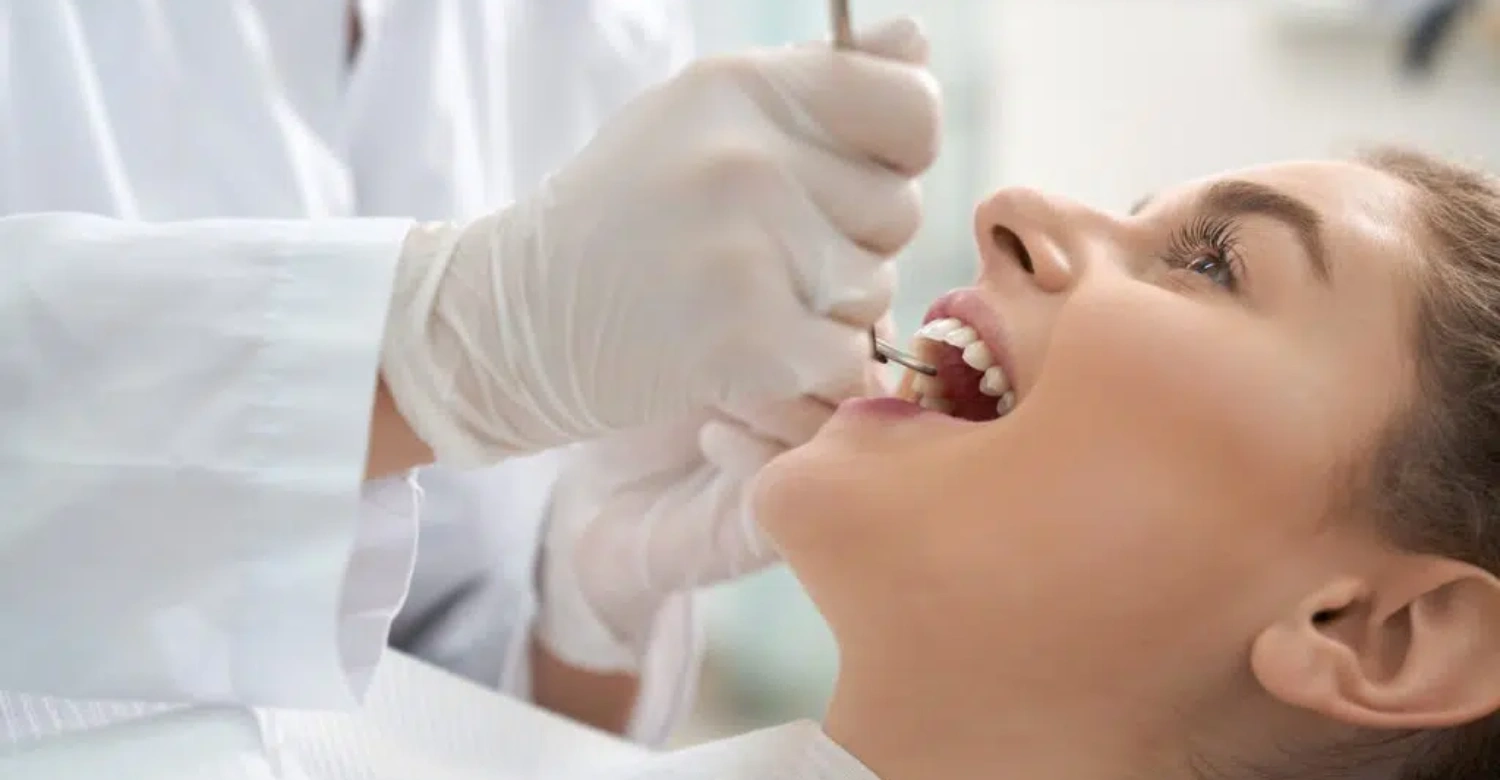
Why Does My Mouth Feel Rough Inside?
Several overlapping causes can be at play here, including dryness, minor tissue irritation, or leftover residue from dental materials. Most cases are mild and resolve quickly. Understanding the possible reasons can help patients feel more confident about what to expect during recovery.
What Can Cause This Sensation?
It can result from reduced saliva flow, contact with gauze or cotton, or minor abrasions from dental tools. Managing this roughness often overlaps with easing numbness, since both are usually temporary side effects of the same procedure.
Can Dry Mouth Be the Cause?
Yes, dry mouth is one of the most common causes. Reduced saliva leaves tissues less lubricated. Breathing with an open mouth during treatment, combined with anesthesia effects, can intensify this dryness. It typically improves once normal saliva flow resumes.
Can Dental Materials Cause It?
Certain dental materials, such as temporary fillings, bonding agents, or polishing compounds, can leave a slightly rough texture immediately after treatment. This is usually superficial and smooths out naturally. Still, patients should mention any ongoing rough texture to their dental provider at a follow-up visit.
Could Irritation Be a Factor?
Irritation from instruments, suction tools, or accidental minor scraping during treatment can cause temporary roughness. This is a normal part of many procedures. It generally heals within a day or two, much like numbness fading gradually rather than disappearing all at once.
Explore the link between atherosclerosis and periodontal disease
Why Does the Inside of My Mouth Feel Rough and Dry?
Patients sometimes describe this combination, particularly after longer appointments. It often relates to reduced saliva production, mouth breathing during treatment, and the lingering effects of anesthesia. Together, these can leave tissues feeling parched and less smooth than usual for several hours.
What Causes Roughness and Dryness Together?
Reduced saliva during treatment, along with airflow from dental equipment, are common reasons. These factors combine with numbness to create an unfamiliar texture. Normal moisture and smoothness typically return once saliva production resumes at its usual rate.
Can Dental Anesthesia Cause Temporary Dry Mouth?
Yes, dental anesthesia can reduce saliva flow temporarily, contributing to dryness alongside numbness. Patients often notice dryness improving around the same time as feeling returns, since both effects are tied to the anesthetic wearing off gradually.
Can Mouth Breathing Make It Worse?
Breathing through the mouth during a procedure, especially with tools or cotton rolls in place, can leave the mouth feeling dry and rough afterward. This is a common and temporary effect. Normal moisture typically returns within a few hours once regular nasal breathing resumes.
Can Dehydration Play a Role?
Mild dehydration can worsen a rough, dry feeling by reducing overall saliva production. Drinking water after treatment supports recovery and may ease dryness more quickly. Staying hydrated is a simple, practical step during the whole recovery period.
Tips for Patients
Drink water regularly. Avoid irritating foods and drinks when the mouth feels sensitive. Maintain good oral hygiene to help reduce dryness and irritation.
Learn more about the veneers Turkey package
Can Dental Anesthesia Cause Numbness and a Rough Mouth Feeling?
Dental anesthesia is the shared cause behind both sensations, since it affects nerve sensation and tissue awareness simultaneously. Roughness often fades on a similar timeline to numbness, as both relate to the same recovering nerve pathways.
How Does Local Anesthesia Affect the Mouth?
Local anesthesia blocks nerve signals near the treatment site, numbing pain receptors along with general touch and temperature sensation. This is why the mouth can feel unusual, heavy, or textured differently than normal. The brain is temporarily receiving incomplete signals from the numbed area during recovery.
Can Numbness Make the Mouth Feel Different?
Yes, including sensations of rough or unusual texture, because touch perception is altered rather than absent. This altered feeling is a normal part of recovery. It generally fades as sensation gradually returns to the treated area over several hours.
Can Changing Sensation Feel Like Roughness?
Temporary changes in sensation caused by anesthesia can sometimes be misinterpreted as roughness, even when tissues appear normal. Nerve signals returning unevenly may create patchy sensitivity. Some patients describe this as a rough or tingling texture until full, consistent feeling is restored.
What Is the Difference Between Numbness and Roughness?
Numbness refers to reduced or absent feeling. Roughness describes an altered texture perception. Both are temporary effects tied to anesthesia and tissue recovery, and one often resolves alongside the other as normal nerve function gradually returns.
Discover more about the cost of tooth filling
How Long Should Numbness Last After Dental Treatment?
Duration varies by procedure and anesthetic strength, but most patients regain full sensation within a few hours. Knowing typical timeframes helps set realistic expectations, and it also helps identify when a longer duration might warrant professional attention.
How Long Does Numbness Last After a Filling?
It typically lasts one to three hours, since fillings often use a moderate dose of local anesthetic. Most patients notice tingling returning before full sensation. Normal feeling in the lips, cheeks, and tongue generally comes back without any additional intervention needed.
How Long Does Numbness Last After Tooth Extraction?
Extractions often require a stronger anesthetic dose, so numbness can last two to five hours, sometimes longer for lower jaw procedures. This extended duration is normal given the depth of anesthesia needed. Sensation typically returns gradually as blood flow clears the medication from nerve tissue.
How Long Does Numbness Last After Root Canal Treatment?
It usually lasts a few hours, similar to other procedures involving local anesthesia near sensitive nerves. Because root canals target deeper tooth structures, some patients notice numbness lingering slightly longer. It should still resolve within the same general one-to-five-hour range.
When Is Post-Dental Numbness Not Normal?
Numbness lasting beyond six to eight hours, or numbness that spreads unexpectedly, may not be typical. This should be discussed with a dental provider. While prolonged sensation is uncommon, monitoring its progression is an important part of safe recovery.
Clinical Note
Duration can vary depending on the anesthetic used, the treatment performed, and individual factors. Persistent or worsening numbness should be discussed with a dental professional.
Learn more about hemochromatosis and dental extractions
What Should You Do If Mouth Roughness Does Not Go Away?
If it persists beyond a few days, pay closer attention to accompanying symptoms. Most roughness resolves quickly. Ongoing texture changes combined with pain, swelling, or bleeding suggest it may be time to seek dental evaluation rather than waiting further.
Should You See a Dentist for Persistent Roughness?
Yes, if it lasts more than a week or worsens over time. This is separate from the short-term roughness many patients notice during normal recovery, since ongoing changes deserve professional review.
Can Oral Irritation Cause a Long-Lasting Rough Feeling?
Ongoing irritation from ill-fitting dental work, repeated contact with an appliance, or continued dryness can cause a long-lasting rough feeling. Identifying and addressing the underlying irritation is usually necessary for the texture to fully return to normal.
Could an Oral Infection Cause Roughness?
In some cases, infection or inflammation can contribute to roughness inside the mouth, especially when accompanied by swelling, redness, or pain. This is less common than simple irritation, but it is worth ruling out if roughness does not improve within a reasonable timeframe.
What Symptoms Require Prompt Dental Attention?
Increasing pain, spreading swelling, fever, difficulty swallowing, or numbness that will not fade all require prompt dental attention. These signs go beyond typical recovery and may indicate a complication that needs evaluation.
Tips for Patients
Seek professional dental advice if you experience persistent numbness, increasing pain, swelling, unusual bleeding, difficulty swallowing, or other symptoms that do not improve.
Discover more about hypogammaglobulinemia and gum disease
How Can You Care for Your Mouth While Numbness Wears Off?
Caring for your mouth properly while it is numb reduces the risk of accidental injury and supports comfortable recovery. Simple precautions, such as avoiding certain foods and being mindful while chewing, make the process safer and more manageable overall.
What Foods Should You Avoid While Your Mouth Is Numb?
Avoid hard, crunchy, or hot foods while numbness persists, since reduced sensation makes it harder to notice injury or excessive heat. Soft, cool foods are generally safer choices until normal feeling returns. This helps prevent accidental bites or burns to the lips, cheeks, or tongue.
How Can You Prevent Biting Your Cheek or Tongue?
Chew slowly, on the opposite side of the numb area when possible, and stay mindful of tongue and cheek position. This helps prevent accidental biting, since numbness reduces the natural warning signals the mouth normally provides during eating or speaking.
Can You Brush Your Teeth While Your Mouth Is Numb?
Brushing gently is usually fine, but take extra care to avoid injuring soft tissue that cannot be felt properly. Waiting until sensation partially returns can make brushing more comfortable. It also reduces the chance of accidentally irritating the gums, cheeks, or tongue.
Should You Avoid Hot Foods and Drinks?
Yes, until numbness fades, since reduced sensation increases the risk of burns without immediate awareness. Lukewarm or cool options are safer while the mouth is still numb.
Explore the connection between cardiometabolic disease and oral health
How Can You Prevent Mouth Discomfort After Dental Treatment?
Preventing discomfort involves following aftercare guidance, staying hydrated, and maintaining gentle oral hygiene. These habits support smoother healing, and they often ease both numbness and general discomfort at the same time.
Can Following Aftercare Instructions Reduce Irritation?
Yes, closely following aftercare instructions can significantly reduce irritation and discomfort after dental work. Dentists typically provide guidance tailored to the specific procedure performed. Adhering to these recommendations helps tissues heal properly while minimizing unnecessary roughness, dryness, or prolonged sensitivity.
How Can Good Oral Hygiene Support Recovery?
Gentle brushing, rinsing as directed, and avoiding harsh mouthwashes support recovery without irritating healing tissue. Practiced carefully after treatment, good oral hygiene helps reduce bacteria buildup while giving numb or sensitive areas time to heal.
Can Staying Hydrated Help With Dryness and Roughness?
Staying hydrated supports saliva production, which helps reduce dryness and roughness after dental treatment. Drinking water throughout the day is a simple, effective habit that complements other recovery steps.
When Should You Contact Your Dentist After Treatment?
Contact your dentist if discomfort worsens, numbness lasts unusually long, or new symptoms like swelling or fever appear. Reaching out early allows any developing issue to be addressed promptly, rather than waiting through prolonged uncertainty.
Tips for Patients
Follow your dentist's aftercare instructions, avoid chewing while numb, stay hydrated, and contact a dental professional if symptoms continue longer than expected.
Learn more about Lyme disease and oral health
How Can Vitrin Clinic Help With Numbness and Mouth Discomfort After Dental Treatment?
Vitrin Clinic supports patients experiencing lingering numbness or mouth discomfort by offering thorough oral assessments after treatment. For anyone unsure how to get rid of numbness after dentist visits on their own, the clinic provides guidance to help identify whether symptoms are part of normal recovery or need further care.
How Does Vitrin Clinic Evaluate Post-Treatment Discomfort?
The clinic reviews the procedure performed, the anesthetic used, and the timeline of symptoms reported. This structured approach helps distinguish typical, temporary sensations from those that may benefit from additional attention or follow-up care.
Can Vitrin Clinic Assess Persistent Numbness?
Yes, Vitrin Clinic can assess persistent numbness after dental treatment to help determine its cause and expected recovery path. This kind of evaluation is especially useful for patients whose numbness extends beyond the typical range.
How Does Vitrin Clinic Help Patients Understand Changes in Oral Sensation?
The clinic explains what is typical after dental procedures and what warrants further evaluation. This guidance gives patients clearer expectations, reducing unnecessary worry while still encouraging follow-up when symptoms fall outside the usual recovery pattern.
What We Notice Clinically
Dr. Rifat Alsaman, Head of the Medical team at Vitrin Clinic and a cosmetics dentist, highlights the importance of monitoring how long numbness lasts and whether other symptoms develop. At Vitrin Clinic, patients can receive an oral assessment to help identify possible causes of persistent discomfort or unusual sensations.
Discover what causes a swollen roof of mouth
Resource
Understanding how to get rid of numbness after dentist treatment can help you manage this temporary side effect safely. In most cases, numbness fades naturally with time. Research also suggests that phentolamine mesylate may help shorten soft-tissue numbness after dental anesthesia, reducing the recovery time of normal sensation. If numbness lasts unusually long, contact your dentist for professional advice.
https://pubmed.ncbi.nlm.nih.gov/18573982/
FAQs

Dr. Rifat Alsaman has more than 5 years of clinical experience in dentistry and currently serves as the Head of the Medical Team at Vitrin Clinic. He is dedicated to providing exceptional patient care, overseeing treatment planning, and ensuring the highest clinical standards across the team. His expertise, attention to detail, and commitment to continuous professional development have helped countless patients achieve healthier, more confident smiles.


.webp&w=3840&q=75)