General Dentistry
September 9, 2026
Myotonic Dystrophy and Oral Health: How Does Myotonic Dystrophy Affect Oral Health, Teeth, and Dental Care?
 Dr. Rifat Alsaman
Myotonic Dystrophy and Oral Health are closely connected because muscle weakness can affect several oral functions. Patients may experience difficulties with chewing, swallowing, facial movement, and maintaining effective oral hygiene. Research has found higher levels of plaque, gingivitis, and dental caries among people with myotonic dystrophy. Orofacial weakness can also influence jaw movement, tongue function, mouth posture, and dental alignment. A 2023 study involving 143 people with DM1 found open bite in 37% of participants. Dental care therefore requires prevention, regular monitoring, and appropriate treatment adjustments. Vitrin Clinic can approach these needs through individualized dental assessments and preventive planning. The goal is maintaining oral function while reducing avoidable dental complications.
What Is Myotonic Dystrophy and How Does It Affect Oral Health?
Myotonic Dystrophy and Oral Health can be affected by progressive muscle weakness and reduced motor coordination. Myotonic dystrophy is a multisystemic genetic disorder that commonly affects skeletal muscles. Its effects can involve facial muscles, chewing muscles, tongue movement, and swallowing function. These changes may make routine oral hygiene more difficult. Research involving adults and children found significantly more plaque, gingivitis, and caries among people with DM1. Reduced motor ability may also limit effective toothbrushing and interdental cleaning. Some patients experience reduced saliva production or slower oral clearance, increasing caries-related challenges. Regular dental examinations can identify problems before they become advanced. Preventive care is particularly important because physical limitations may make self-care increasingly challenging.
Understanding Myotonic Dystrophy
Myotonic dystrophy is an inherited neuromuscular disorder characterized by progressive muscle weakness and myotonia. Myotonia refers to difficulty relaxing muscles after contraction. The condition can affect different body systems and varies considerably between individuals. Symptoms may begin during childhood, adolescence, adulthood, or earlier developmental periods. This connection between the disorder and dental care becomes relevant when muscle weakness involves the face, jaw, tongue, or swallowing muscles. Facial weakness may produce reduced lip strength and altered mouth posture. Tongue weakness can influence speech, chewing, and movement of food during eating. Jaw muscle weakness may reduce biting force and chewing efficiency. These changes do not necessarily occur equally in every patient. Dental professionals should therefore assess individual function rather than assuming identical oral effects. Vitrin Clinic can use individualized assessments to identify specific preventive and restorative needs.
Myotonic Dystrophy and Dental Health
This link between muscle function and dental health can operate through several interacting factors. Difficulty controlling oral muscles may reduce the effectiveness of natural self-cleaning. Limited hand strength can also make brushing and interdental cleaning more difficult. A study of people with myotonic dystrophy found lower finger force alongside poorer oral hygiene. Researchers also reported more plaque, caries, and gingivitis compared with controls. Reduced saliva production may further increase susceptibility to dental problems. Longer oral sugar clearance has also been associated with increased caries risk. These findings support preventive dental care and individualized hygiene strategies. Professional cleaning may become particularly valuable when patients cannot maintain adequate plaque control independently.
Myotonic Dystrophy Effects on Facial and Oral Muscles
This orofacial connection may be influenced significantly by facial and oral muscle weakness. Reduced lip strength can contribute to an open-mouth resting posture. Tongue weakness may affect movement, speech, chewing, and swallowing. Jaw muscle weakness can influence bite force and mandibular control. A study of 143 people with DM1 found open-mouth posture in 79% of participants. The same research identified several patterns involving facial expression, oral motor function, and jaw function. Orofacial dysfunction can therefore affect both comfort and everyday oral activities. Dental assessments should consider muscle function alongside teeth and gums. Early recognition allows clinicians to recommend practical hygiene adaptations and appropriate monitoring. These measures may help preserve oral function as muscular limitations progress.
Explore more about tooth luxation
What Are the Oral Symptoms of Myotonic Dystrophy?
Myotonic Dystrophy and Oral Health may present with symptoms involving oral muscles, facial movement, chewing, swallowing, and dental hygiene. Common functional findings can include reduced lip tone, open-mouth posture, impaired tongue movement, and jaw muscle weakness. Some individuals may experience difficulties chewing food or controlling food within the mouth. Speech and facial-expression changes can also occur because several orofacial muscles may be affected. A 2023 study found chewing and swallowing dysfunction in 51% of assessed DM1 participants. Facial-expression dysfunction was reported in 68% of the same group. Oral hygiene problems may develop when muscle weakness limits effective brushing or natural oral clearance. Dental professionals should evaluate symptoms individually because severity varies between patients.
Myotonic Dystrophy Oral Symptoms
This condition may involve several recognizable oral symptoms. Patients can experience weak facial muscles, reduced lip tone, limited tongue movement, or an open-mouth posture. Some patients may have difficulty chewing or swallowing certain foods. Others may experience speech changes or reduced facial expression. Dental problems can develop when oral motor limitations interfere with effective hygiene. Research has identified frequent plaque and gingivitis among individuals with DM1. Open-mouth posture may also contribute to changes in dental development and bite relationships. A large DM1 study found open bite in 37% of participants. Recognizing these symptoms early allows dental teams to focus on prevention. Vitrin Clinic can incorporate functional findings into individualized dental assessments and treatment planning.
Myotonic Dystrophy Facial Muscle Weakness
This connection may change when facial muscle weakness affects normal lip and cheek function. Weakness can make maintaining lip closure more difficult during rest or eating. Some individuals develop an open-mouth posture because facial and jaw muscles provide less effective support. Research involving 143 people with DM1 found open-mouth posture in 79% of participants. Facial muscle weakness may also influence facial expression and speech. The same study reported facial-expression dysfunction in 68% of assessed participants. Reduced cheek control may make food management inside the mouth more difficult. These functional changes can indirectly affect oral hygiene and dental health. Dental professionals should assess facial function when planning preventive and restorative care.
Changes in Tongue and Oral Muscle Function
Oral health may be affected when tongue strength, coordination, or mobility becomes reduced. The tongue plays important roles in chewing, swallowing, speech, and natural oral clearance. Weakness can make it harder to move food efficiently across the mouth. Reduced coordination may also allow food particles to remain around teeth and soft tissues. Research has identified oral motor dysfunction among individuals with DM1. Tongue and jaw function should therefore be considered during comprehensive dental examinations. Dentists may also ask about swallowing difficulties and changes in eating patterns. Identifying functional limitations can help guide hygiene recommendations and referrals when necessary. Individualized care may reduce preventable dental complications while supporting everyday oral function.
Clinical Note
Myotonic Dystrophy and Oral Health should be assessed through both dental and functional observations. A dental examination can evaluate plaque, caries, gingival health, tooth wear, and occlusion. Functional assessment can examine mouth opening, jaw movement, tongue mobility, and chewing ability. Research has demonstrated higher rates of plaque, gingivitis, and caries in DM1 populations. Another study found frequent open-mouth posture and oral motor dysfunction. These findings demonstrate why dental assessment should extend beyond checking individual teeth. Clinicians should identify barriers that prevent patients from maintaining effective daily hygiene. Preventive strategies can then be adapted according to motor abilities and disease progression. This approach supports safer, more practical, and more sustainable dental care.
Discover more about fibroblast around mouth
How Does Myotonic Dystrophy Affect the Teeth?
Myotonic Dystrophy and Oral Health may influence the teeth through plaque accumulation, reduced oral clearance, altered muscle function, and hygiene limitations. People with myotonic dystrophy can have increased risks of caries and gingival inflammation. Research has reported significantly higher plaque, caries, and gingivitis compared with control groups. Reduced motor ability may make effective toothbrushing difficult. Some patients may also have reduced saliva secretion, which can influence caries risk. Orofacial muscle weakness may contribute to altered bite relationships, including open bite. A study involving 143 DM1 participants identified open bite in 37%. Regular preventive care can help identify these problems early. Personalized hygiene support may also reduce plaque accumulation and protect remaining teeth.
Myotonic Dystrophy Teeth Problems
This condition may be associated with several teeth-related complications. The most consistently reported problems include dental caries, plaque accumulation, gingivitis, and tooth loss. Research involving adults and children found more caries and lost permanent teeth among DM1 participants. Earlier research also found fewer teeth and higher caries frequency compared with controls. These differences may result from several combined factors rather than muscle weakness alone. Reduced hand strength can impair brushing, while reduced oral coordination can affect natural cleaning. Salivary changes and prolonged sugar clearance may further increase caries susceptibility. Regular dental examinations can detect early enamel changes and gingival inflammation. Preventive treatment should remain a central part of long-term dental management.
Tooth Decay and Plaque Buildup
This connection may be affected by increased plaque accumulation and caries risk. Plaque develops when bacteria and food debris remain on tooth surfaces. Effective brushing removes plaque before it can contribute to dental disease. Muscle weakness or limited hand strength may make this process more difficult. Studies have found significantly more plaque and caries among people with DM1. Research also suggests that slower oral sugar clearance may contribute to increased caries susceptibility. Caregivers may sometimes need to assist with oral hygiene when independent brushing becomes insufficient. Dentists can recommend adapted toothbrushes, powered brushes, or individualized cleaning routines. Professional preventive appointments can provide additional plaque control when home care remains challenging.
Gum Problems and Periodontal Health
This relationship can include increased vulnerability to gingival inflammation and periodontal problems. Plaque accumulation is a major factor contributing to gingivitis. When plaque remains around the gumline, the gingival tissues can become red, swollen, or prone to bleeding. Research has reported significantly more gingivitis among people with DM1 than control groups. Reduced motor ability can make daily gumline cleaning more difficult. Earlier research found an association between lower motor strength and poorer oral hygiene. Regular professional cleaning may therefore be useful for patients struggling with plaque control. Dental teams should monitor periodontal tissues during routine examinations. Early intervention can help prevent manageable gingival inflammation from progressing into more serious disease.
Tooth Wear and Enamel Damage
This connection may involve tooth wear, although the causes require individual assessment. Tooth wear can result from abrasion, erosion, attrition, or combinations of these mechanisms. Altered chewing patterns may change how forces are distributed across teeth. Jaw dysfunction can also influence bite contacts and mandibular movement. However, tooth wear should not automatically be attributed to myotonic dystrophy. Dentists should evaluate diet, reflux, grinding, brushing technique, occlusion, and other possible contributors. A detailed examination can identify whether enamel loss is active or longstanding. Preventive recommendations may include gentle brushing techniques and management of dietary acid exposure. Vitrin Clinic can incorporate tooth-wear assessment into broader restorative and preventive examinations. Early recognition can help protect remaining enamel and preserve comfortable chewing function.
Learn more about angular stomatitis and cheilosis
Can Myotonic Dystrophy Cause Jaw Problems?
Myotonic Dystrophy and Oral Health can involve jaw weakness, reduced bite force, and altered mandibular movement. These changes may affect chewing efficiency and dental function. Research in adults with DM1 has identified reduced maximum bite force and chewing difficulties. Jaw symptoms can also include clicking, locking, or difficulty opening the mouth widely. The severity varies between individuals and may change as muscular weakness progresses. Dental professionals should assess jaw movement before extensive restorative or prosthetic procedures. Treatment planning should consider comfort, appointment duration, and the patient's functional limitations. Preventive care can reduce the need for lengthy dental procedures. Vitrin Clinic can incorporate jaw-function assessment into individualized dental evaluations. Early recognition allows dental teams to address functional concerns before they interfere significantly with everyday eating or oral care.
Myotonic Dystrophy and Jaw Muscle Weakness
This condition may be affected by weakness involving the muscles responsible for jaw movement. The masseter and temporalis muscles contribute significantly to biting and chewing. Reduced strength can lower bite force and make tougher foods more difficult to manage. Research involving adults with DM1 demonstrated reduced bite force compared with healthy controls. Patients may compensate by chewing slowly or choosing softer foods. Reduced chewing efficiency can also influence how food is distributed inside the mouth. Dental professionals should ask about chewing fatigue, jaw discomfort, and changes in eating habits. These questions can reveal functional limitations that are not obvious during routine tooth examinations. Appropriate preventive care can help maintain oral comfort despite progressive muscular changes.
Changes in Jaw Movement and Function
This connection may involve changes in mandibular movement and overall jaw function. Muscle weakness can reduce the strength and coordination required for opening, closing, and chewing. Some patients experience difficulty opening their mouths widely during eating or dental treatment. Research has reported jaw symptoms, including clicking and locking, among adults with DM1. Limited movement can complicate dental examinations and restorative procedures. Dentists may need to use shorter treatment periods and allow regular breaks. Careful positioning can also improve comfort during longer appointments. Any persistent jaw pain, locking, or restricted opening should receive appropriate clinical evaluation. Identifying these limitations before treatment helps clinicians develop safer and more comfortable treatment plans.
Facial Muscle Weakness and Jaw Control
This orofacial link can be influenced by combined weakness affecting facial and jaw muscles. Facial muscles help maintain lip closure, cheek control, and coordinated oral movements. Jaw muscles provide the force needed for biting and chewing. When several muscle groups are affected, oral activities can become slower and less efficient. Research has documented facial-expression dysfunction and chewing difficulties among people with DM1. Reduced facial and jaw control may also make food management more challenging. Patients can benefit from individualized dietary and hygiene strategies when these difficulties interfere with daily routines. Dental professionals should observe both resting posture and functional movements. This broader assessment can identify problems that would otherwise remain unnoticed during a standard dental examination.
What We Notice Clinically
Myotonic Dystrophy and Oral Health require attention to functional changes that may develop alongside dental disease. Clinicians may notice reduced lip closure, open-mouth posture, weak chewing, or limited jaw movement. Some patients may also demonstrate difficulty maintaining oral hygiene independently. Research has identified open-mouth posture in 79% of studied DM1 participants. Open bite was identified in 37% of the same study population. These findings highlight the importance of evaluating function alongside teeth and gums. Clinical observations can guide preventive recommendations and treatment modifications. Regular monitoring also helps identify changes before they create major dental complications.
Dr. Rifat Alsaman’s Opinion
From a clinical perspective, this condition should be evaluated through a functional and preventive approach. Dr. Rifat Alsaman emphasizes the importance of understanding each patient's specific oral limitations before treatment begins. Muscle weakness can influence hygiene, chewing, mouth opening, and tolerance of dental procedures. Therefore, dental treatment should not rely on a standard approach for every patient. A careful examination can identify areas requiring additional support or modified treatment techniques. Preventive dentistry may reduce the need for complex procedures later. Shorter appointments can also help patients manage fatigue and maintain comfort. At Vitrin Clinic, individualized planning can help align dental treatment with the patient's functional needs. The priority should remain safe care, oral health preservation, and practical long-term maintenance.
Find out more about dental trauma
How Does Myotonic Dystrophy Affect Chewing and Swallowing?
Myotonic Dystrophy and Oral Health can be significantly affected when chewing and swallowing muscles become weak. Chewing requires coordinated movement from the jaw, tongue, cheeks, and facial muscles. Swallowing then transfers prepared food safely toward the throat. Muscle weakness can disrupt several stages of this process. A study involving 143 people with DM1 reported chewing and swallowing dysfunction in 51% of participants. Other research has objectively identified oropharyngeal dysphagia in approximately 70% of examined patients. These findings demonstrate why swallowing symptoms deserve clinical attention. Dental professionals should ask about coughing during meals, prolonged chewing, food retention, and swallowing difficulty. Persistent symptoms may require assessment by appropriate medical or swallowing specialists.
Myotonic Dystrophy and Difficulty Chewing
This condition may be affected when jaw and tongue muscles cannot generate sufficient chewing strength. Patients may need more time to break down food before swallowing. Hard, dry, or fibrous foods can become particularly challenging. Research has demonstrated reduced bite force and chewing difficulties among adults with DM1. Reduced chewing efficiency may also contribute to food remaining around the teeth. This can make plaque control more difficult after meals. Dentists should ask whether patients experience chewing fatigue, jaw discomfort, or difficulty handling specific foods. Treatment should consider the patient's ability to maintain adequate oral function. Preventive dental care becomes especially valuable when chewing limitations make daily oral hygiene more challenging.
Myotonic Dystrophy Swallowing and Oral Health
This link can be closely associated with swallowing dysfunction when tongue and pharyngeal muscles are affected. Swallowing requires precise coordination between oral and throat structures. Muscle weakness may cause food to remain in the mouth or move more slowly. Some patients may experience coughing, choking, or repeated swallowing during meals. Research has reported objectively measured oropharyngeal dysphagia in approximately 70% of examined patients with DM1. Swallowing problems should not be treated as a minor dental symptom. Persistent difficulties require appropriate medical evaluation. Dentists can identify warning signs during history-taking and communicate concerns with the patient's healthcare team. Early recognition may help reduce complications associated with unsafe swallowing.
How Weak Oral Muscles Affect Eating
This relationship may influence eating when facial, tongue, and jaw muscles become less effective. Patients may need additional time to chew and organize food before swallowing. Weak lip muscles can make keeping food and liquids inside the mouth more difficult. Tongue weakness can reduce the ability to move food efficiently toward the swallowing position. Research has identified chewing and swallowing dysfunction among a substantial proportion of studied DM1 patients. These difficulties can influence food choices and meal duration. Dental teams should recognize that oral function extends beyond the condition of individual teeth. Appropriate referrals may be considered when swallowing concerns are identified. Maintaining comfortable chewing can support nutrition, independence, and quality of life.
Food Retention and Oral Hygiene Challenges
This connection can become more difficult when food remains around teeth, cheeks, or the tongue. Reduced tongue and cheek movement may limit natural removal of food particles. Patients with chewing difficulties may also require longer meals, increasing the time food contacts oral tissues. Poor plaque control can develop when brushing is physically difficult. Research has reported higher plaque levels among people with DM1 compared with control groups. Caregivers can assist when patients cannot complete oral hygiene independently. Powered toothbrushes may also reduce the physical effort required for effective brushing. Interdental cleaning should be adapted according to dexterity and individual needs. Professional dental cleaning can provide additional support when home care remains inadequate.
Clinical Note
This overall connection should include questions about chewing duration, food retention, and swallowing comfort. These questions can reveal functional problems that routine dental examinations may not detect. Patients may not always recognize swallowing difficulties as symptoms requiring professional attention. Research has shown substantial rates of chewing and swallowing dysfunction in DM1 populations. Objective studies have also demonstrated significant rates of oropharyngeal dysphagia. Dental professionals should document relevant symptoms and recommend appropriate evaluation when warning signs appear. Coordination between dental and medical professionals can provide more comprehensive care. Functional assessment should remain individualized because disease severity and symptom patterns differ substantially.
Compare dental implants vs bridges
What Are the Dental Complications of Myotonic Dystrophy?
Myotonic Dystrophy and Oral Health can involve dental complications caused by muscle weakness, reduced oral hygiene, altered oral function, and salivary changes. Common concerns include plaque accumulation, dental caries, gingivitis, tooth loss, altered occlusion, and chewing difficulties. Research has demonstrated significantly greater plaque, caries, and gingivitis among people with DM1. Open bite is another reported orofacial finding, with one study identifying it in 37% of participants. Reduced hand strength can further complicate independent oral hygiene. These factors can interact and increase long-term dental needs. Preventive dentistry should therefore begin early and continue throughout the patient's dental care journey.
Dental Complications of Myotonic Dystrophy
This condition may involve multiple complications rather than one specific dental condition. Plaque accumulation, gingivitis, caries, tooth loss, altered occlusion, and chewing difficulties have all been reported. Research comparing DM1 patients with controls found significantly higher plaque, caries, and gingivitis levels. Another study reported increased prevalence of open bite among people with DM1. These complications can develop through several interacting mechanisms. Muscle weakness may impair hygiene, chewing, swallowing, and natural oral clearance. Salivary changes may further influence caries risk. Regular dental monitoring allows clinicians to identify problems earlier. Preventive strategies should be tailored to each patient's physical abilities and oral-health risks.
Increased Risk of Oral Hygiene Problems
Daily hygiene may become harder to maintain when physical weakness affects daily brushing and interdental cleaning. Hand weakness can reduce brushing accuracy and duration. Facial and tongue weakness can also reduce natural oral clearance. Research has associated reduced motor strength with poorer oral hygiene among people with myotonic dystrophy. Higher plaque levels have also been reported in DM1 populations. Patients may benefit from powered toothbrushes and adapted handles. Caregiver assistance can be considered when independent cleaning becomes insufficient. Professional cleanings provide another layer of preventive support. A personalized hygiene plan should focus on what the patient can perform consistently.
Cavities and Gum Disease
This condition may be associated with increased susceptibility to cavities and gum inflammation. Plaque is a major contributing factor for both dental caries and gingivitis. When plaque removal becomes difficult, bacterial accumulation can increase around teeth and gums. Studies have reported significantly higher caries and gingivitis among individuals with DM1. Reduced saliva production may create additional challenges for patients susceptible to tooth decay. Regular fluoride use, effective plaque control, and professional examinations can reduce preventable risks. Dentists should monitor early enamel changes and gingival inflammation. Prompt treatment can prevent minor findings from developing into more complex dental problems.
Problems With Chewing Function
Chewing efficiency may be reduced because jaw and oral muscles can become progressively weaker. Bite force may decrease, making certain foods more difficult to break down. Research has documented reduced bite force and chewing difficulties among adults with DM1. Dental problems can further compromise chewing when teeth become painful, decayed, or missing. Maintaining functional teeth is therefore important for patients experiencing muscular limitations. Restorative treatment should consider both dental structure and chewing ability. Dentists may need to prioritize comfortable, functional solutions rather than purely cosmetic objectives. Vitrin Clinic can incorporate functional considerations into individualized treatment planning. Long-term monitoring can help preserve chewing efficiency as oral and muscular needs change.
Explore the connection between oral health and overall well-being
What Dental Treatment Considerations Are Important for Myotonic Dystrophy?
Myotonic Dystrophy and Oral Health require dental treatment plans that account for muscular weakness, fatigue, jaw limitations, and swallowing concerns. Dental appointments may need modification according to the patient's functional abilities. Shorter sessions can reduce physical fatigue during treatment. Positioning should also consider comfort, breathing, and swallowing safety. Dentists should review the patient's medical history and current medications before procedures. Communication with the patient's medical team may be appropriate for complex cases. Preventive dentistry can reduce the need for lengthy restorative interventions. Patients may also benefit from additional assistance with home oral hygiene. Vitrin Clinic can develop individualized treatment plans based on clinical findings and functional needs. The objective is to provide effective treatment while maintaining patient comfort and safety.
Myotonic Dystrophy Dental Treatment Considerations
This condition should be considered before selecting restorative, periodontal, surgical, or prosthetic treatment. Dental professionals should first understand the patient's muscle strength, jaw function, swallowing ability, and tolerance for treatment. Medical history is particularly important because myotonic dystrophy can affect multiple body systems. Treatment may need to be divided into shorter appointments when fatigue is significant. Preventive procedures should be prioritized whenever possible. Dentists should also consider whether patients can maintain restorations and prostheses effectively. Poor dexterity may make certain oral appliances more difficult to manage. Clear communication with caregivers can support adherence when assistance is necessary. Individualized planning helps balance clinical objectives with practical daily limitations.
Adapting Dental Appointments
Dental appointments may need to be shorter, more predictable, and carefully structured. Muscle fatigue can make lengthy procedures uncomfortable or difficult to tolerate. Scheduling appointments earlier in the day may benefit some patients, depending on individual energy patterns. Breaks can allow patients to rest their jaw and facial muscles. Dental teams should explain procedures clearly before treatment begins. Positioning should be comfortable and should account for swallowing and respiratory considerations. Complex treatment may be divided across several visits rather than completed in one long session. Preventive appointments can often be simpler when regular monitoring is maintained. These adjustments can make dental treatment more manageable without compromising clinical quality.
Managing Treatment Comfort and Fatigue
This condition requires attention to fatigue because dental treatment can place sustained demands on facial and jaw muscles. Keeping the mouth open for extended periods may become uncomfortable. Longer procedures can also increase physical exhaustion. Dentists can reduce these challenges through breaks, efficient treatment sequences, and appropriate positioning. Patients should communicate discomfort before fatigue becomes severe. Treatment can sometimes be divided into smaller appointments to improve tolerance. Dental professionals should also review relevant medical considerations before complex procedures. Vitrin Clinic can use individualized scheduling and treatment planning to accommodate patient-specific limitations. Comfort should remain an important component of successful dental care. Preventive dentistry can further reduce the frequency of demanding procedures.
Personalized Treatment Planning
This condition should never be managed through a single standardized dental approach. Disease severity, muscle strength, oral hygiene ability, jaw function, and swallowing difficulties vary among individuals. A personalized plan begins with a comprehensive dental and functional assessment. The dentist can then prioritize urgent disease, preventive needs, restorative treatment, and long-term maintenance. Patients with significant dexterity limitations may require modified hygiene tools. Those with jaw restrictions may require shorter clinical sessions. Patients experiencing swallowing symptoms may need additional medical evaluation. This individualized approach can reduce unnecessary treatment burden while maintaining oral health. Vitrin Clinic can tailor treatment recommendations according to clinical findings and patient capabilities. Regular reassessment is important because functional needs can change over time.
Dr. Rifat Alsaman’s Opinion
Myotonic Dystrophy and Oral Health benefit from treatment planning that considers function before selecting procedures. Dr. Rifat Alsaman emphasizes that dental care should reflect the patient's muscular abilities and daily challenges. A technically successful treatment may still fail if the patient cannot maintain it comfortably. Therefore, prevention and realistic home-care strategies should remain central to treatment planning. Appointment length should also reflect fatigue and jaw tolerance. Clinicians should assess swallowing concerns whenever relevant symptoms are reported. Vitrin Clinic can combine preventive monitoring with individualized restorative planning. This approach aims to protect teeth while respecting the patient's functional limitations. The most effective plan is one that remains practical throughout long-term care.
Learn more about food allergies and oral health
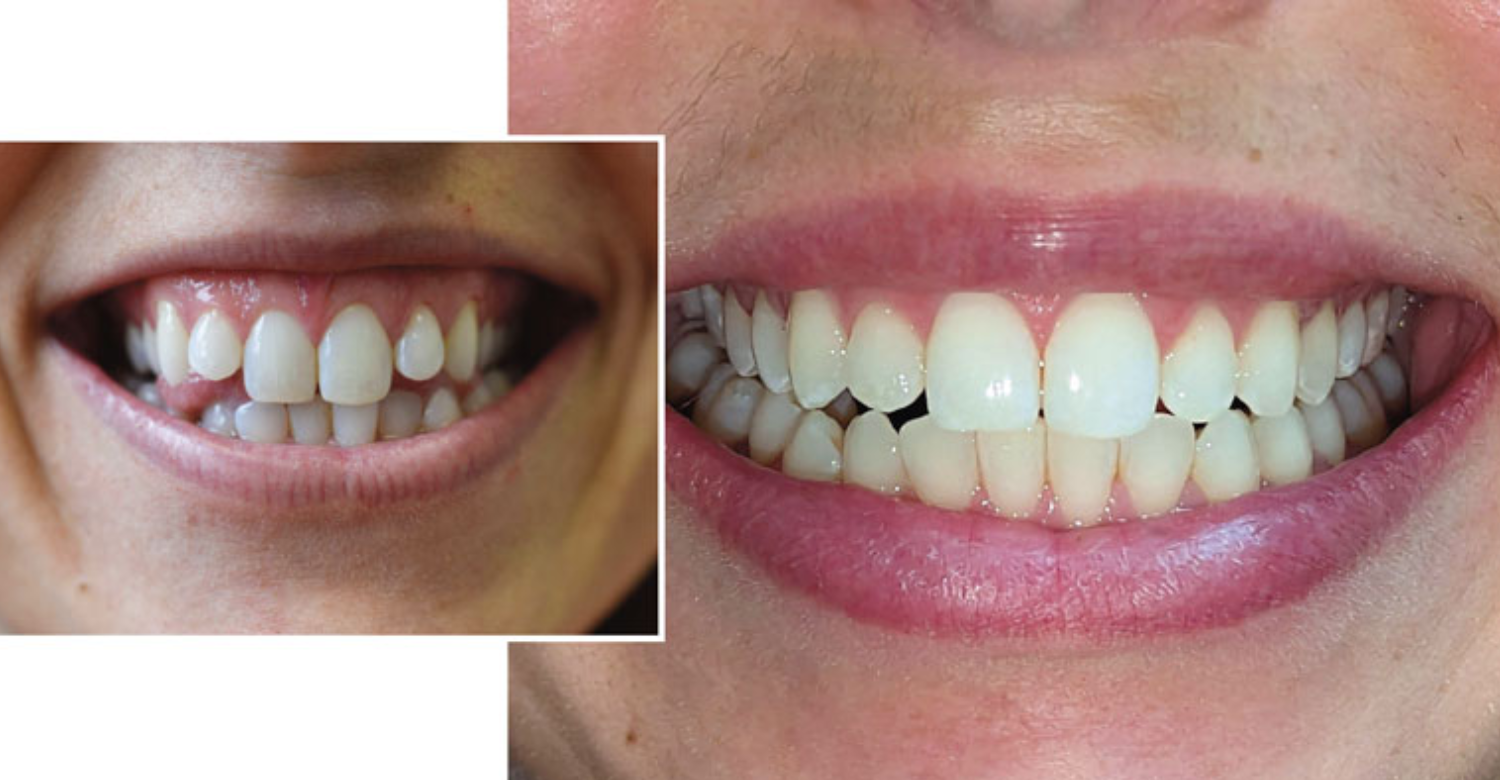
Note : All images used are for editorial and illustrative purposes only and may not originate from the original news provider or associated company.
What Is the Best Oral Care for Patients With Myotonic Dystrophy?
Myotonic Dystrophy and Oral Health benefit from consistent preventive care tailored to individual physical abilities. Daily plaque removal is especially important because muscle weakness can make brushing and interdental cleaning difficult. Powered toothbrushes may reduce the effort required for effective brushing. Floss holders or interdental brushes can also help patients with limited hand control. Fluoride toothpaste remains important for reducing the risk of dental caries. Professional dental cleanings can provide additional plaque control when home care is insufficient. Research has reported higher plaque, caries, and gingivitis levels among people with DM1. Regular dental examinations can identify problems before they become advanced. Vitrin Clinic can develop individualized preventive plans based on oral function, dexterity, and dental risk. Consistent prevention can reduce the need for complex dental treatment.
Oral Care for Patients With Myotonic Dystrophy
Myotonic Dystrophy and Oral Health require practical hygiene routines that match the patient's physical abilities. Brushing should generally occur twice daily using fluoride toothpaste. Patients with reduced hand strength may find powered toothbrushes easier to control. Interdental brushes can provide an alternative when conventional flossing is difficult. Caregivers may assist when patients cannot achieve adequate plaque removal independently. Drinking water regularly may help maintain oral comfort when dry mouth symptoms occur. Patients should also limit frequent exposure to sugary foods and drinks. Professional examinations can identify early caries, gingival inflammation, and tooth wear. Research demonstrates that people with DM1 may have higher plaque and caries levels. Individualized preventive plans can make daily oral care more achievable and sustainable.
Daily Brushing and Plaque Control
Myotonic Dystrophy and Oral Health depend heavily on effective plaque control. Brushing twice daily helps remove bacterial plaque from tooth surfaces and gum margins. A powered toothbrush may be useful when hand or finger strength is limited. Patients should choose a comfortable toothbrush handle that allows secure control. Brushing should cover the outer, inner, and chewing surfaces of every tooth. The gumline deserves particular attention because plaque frequently accumulates in this area. Caregivers can provide assistance when independent brushing becomes unreliable. Research has linked reduced motor strength with poorer oral hygiene in people with myotonic dystrophy. Dentists can demonstrate brushing techniques during routine appointments. Consistency is often more important than using complicated oral-care routines.
Interdental Cleaning
Myotonic Dystrophy and Oral Health can benefit from effective cleaning between teeth. Toothbrush bristles cannot completely clean many interdental surfaces. Interdental brushes may be easier to handle than traditional floss for patients with limited dexterity. Floss holders can provide another option when finger control is reduced. The appropriate method depends on tooth spacing, gum condition, dexterity, and patient preference. Dental professionals should demonstrate the selected technique and verify that it can be performed safely. Caregivers can assist when independent interdental cleaning is difficult. Regular interdental cleaning helps reduce plaque accumulation around areas that are difficult to reach. Professional dental appointments can identify whether the chosen technique is working effectively. A simple routine that the patient can consistently perform is often preferable to an impractical method.
Professional Dental Cleanings
Myotonic Dystrophy and Oral Health can benefit from professional dental cleanings when daily plaque removal is challenging. Professional cleaning can remove deposits that patients cannot effectively eliminate at home. This support becomes particularly valuable when dexterity or muscle weakness affects brushing ability. Research has documented higher plaque and gingivitis levels among people with DM1. Dental professionals can also assess whether home-care methods are producing adequate results. Cleaning intervals should be individualized according to periodontal risk and plaque accumulation. Regular monitoring may prevent minor inflammation from progressing. Patients should continue daily brushing even when professional cleaning is provided. Vitrin Clinic can combine professional hygiene appointments with individualized home-care education. This combination supports more consistent long-term oral health maintenance.
Tips for Patients
Myotonic Dystrophy and Oral Health can be supported through small changes that make daily hygiene easier. Use a powered toothbrush if manual brushing feels tiring or difficult. Choose a toothbrush handle that provides a comfortable and secure grip. Use fluoride toothpaste twice daily unless your dentist recommends another routine. Consider interdental brushes when conventional flossing requires excessive hand control. Ask a caregiver for assistance when independent brushing becomes inadequate. Keep regular dental appointments for professional cleaning and early detection. Tell your dentist about jaw fatigue, swallowing problems, or difficulty opening your mouth. Take breaks during longer dental appointments when necessary. Avoid frequent sugary snacks and drinks between meals. Vitrin Clinic can help patients develop personalized preventive routines based on their specific dental and functional needs.
Discover more about thyroid eye disease and oral health
How Can Dental Treatment Be Adapted for Myotonic Dystrophy Patients?
Myotonic Dystrophy and Oral Health require dental treatment that accommodates muscle weakness, fatigue, jaw limitations, and swallowing concerns. Dental professionals can modify appointments by reducing treatment duration and allowing regular breaks. Comfortable positioning may also help patients tolerate procedures more easily. Treatment plans should prioritize preventive care because prevention can reduce the need for lengthy interventions. Patients with significant functional limitations may benefit from caregiver involvement during hygiene education. Dentists should review medical history carefully before complex treatment. Communication with physicians may be appropriate when significant swallowing or respiratory concerns exist. Research demonstrates that orofacial dysfunction can affect chewing, swallowing, and facial function in DM1. Individualized dental planning can therefore improve treatment practicality and patient comfort.
Making Dental Visits More Comfortable
Myotonic Dystrophy and Oral Health can be managed more comfortably when dental visits are adapted to individual endurance. Long procedures may increase jaw fatigue and general physical exhaustion. Shorter appointments can allow patients to tolerate treatment more comfortably. Scheduled breaks can provide opportunities to relax the jaw and facial muscles. Dentists should explain the procedure before beginning treatment. Clear communication allows patients to signal discomfort or fatigue early. Treatment can sometimes be divided into several smaller appointments. Preventive care can reduce the frequency of lengthy restorative procedures. Comfortable positioning is also important when patients have swallowing or respiratory limitations. Vitrin Clinic can incorporate patient-specific scheduling and comfort measures into treatment planning. These adjustments can make dental care more accessible without reducing clinical quality.
Positioning During Dental Treatment
Myotonic Dystrophy and Oral Health require attention to positioning during dental procedures. Muscle weakness can affect a patient's ability to maintain a position for extended periods. Swallowing difficulties may also influence how comfortably a patient tolerates certain treatment positions. Dental professionals should assess individual needs before beginning longer procedures. Appropriate support can help reduce unnecessary muscle strain. Treatment teams should also monitor patient comfort throughout the appointment. Patients should be able to communicate when they need a pause or positional adjustment. Complex procedures may require shorter sessions to reduce physical fatigue. Medical considerations should be reviewed when significant respiratory or swallowing problems are present. Careful planning can improve the overall safety and comfort of dental treatment.
Preventive Dentistry and Regular Monitoring
Myotonic Dystrophy and Oral Health are strongly supported by prevention and regular monitoring. Dental examinations can detect caries, gingivitis, tooth wear, and occlusal changes at earlier stages. Early treatment may prevent problems from becoming more extensive. Regular hygiene appointments can provide additional plaque control when home care is limited. Research has demonstrated increased plaque and caries among DM1 patients compared with controls. Monitoring should also consider jaw function and chewing difficulties. Changes in swallowing should be communicated to the appropriate healthcare professional. Preventive dentistry can reduce the number of complex procedures required over time. Individual recall intervals should reflect the patient's oral-health risk. A personalized monitoring schedule can support long-term dental stability.
When Multidisciplinary Care May Be Needed
Myotonic Dystrophy and Oral Health may require collaboration between dental and medical professionals. Myotonic dystrophy can affect multiple body systems beyond the oral cavity. Swallowing problems may require assessment by specialists experienced in dysphagia. Significant respiratory concerns may require additional medical planning before certain dental procedures. Nutrition professionals may also help when chewing or swallowing difficulties influence food intake. Physiotherapy or occupational therapy may support broader functional needs. Dental professionals can contribute by identifying oral signs and communicating relevant findings. Research has shown substantial rates of swallowing dysfunction among patients with DM1. Collaboration allows each professional to address their specific area of expertise. This coordinated approach can support safer and more comprehensive patient care.
Learn more about polyarteritis nodosa and oral health
What We Notice Clinically
Myotonic Dystrophy and Oral Health may present with functional changes that are visible during routine dental examinations. Clinicians may notice open-mouth posture, reduced lip strength, limited jaw movement, or altered chewing patterns. Dental examinations may reveal plaque accumulation, gingivitis, caries, tooth wear, or occlusal changes. Research involving 143 people with DM1 found open-mouth posture in 79% of participants. Open bite occurred in 37% of that study population. Clinicians should therefore evaluate functional and structural findings together. Asking about chewing and swallowing can reveal important problems that teeth alone cannot explain. Early recognition allows dental care to be adapted before complications become more difficult to manage.
Recognizing Functional Oral Changes
Myotonic Dystrophy and Oral Health should include careful observation of everyday oral functions. Dentists can assess lip closure, mouth posture, tongue movement, jaw opening, and chewing ability. Facial-expression changes may provide additional clues about facial muscle weakness. Research reported facial-expression dysfunction in 68% of studied DM1 participants. Chewing and swallowing dysfunction was also reported in 51% of participants. These statistics demonstrate why functional assessment is clinically relevant. Patients may describe fatigue while chewing or difficulty moving food around the mouth. Such information can influence preventive and restorative treatment decisions. A functional assessment complements conventional examination of teeth and periodontal tissues.
Assessing Teeth, Gums, Jaw, and Oral Muscles
Myotonic Dystrophy and Oral Health require assessment of both oral structures and muscular function. Teeth should be examined for caries, fractures, wear, sensitivity, and missing structures. Gingival tissues should be evaluated for inflammation, bleeding, and periodontal changes. Jaw function should include assessment of opening, closing, movement, pain, and possible joint symptoms. Oral muscles should be considered when evaluating lip, cheek, and tongue function. Research has identified reduced bite force and jaw symptoms among adults with DM1. Comprehensive assessment helps dentists identify interacting causes of oral difficulties. This information can guide prevention, restorative treatment, and appropriate referrals. Vitrin Clinic can incorporate these findings into individualized treatment planning.
Why Early Dental Monitoring Matters
Myotonic Dystrophy and Oral Health benefit from early dental monitoring because preventable problems can become more difficult when muscle weakness progresses. Early examinations can identify plaque accumulation, caries, gingivitis, tooth wear, and occlusal changes. Dental teams can also identify difficulties with brushing or interdental cleaning. Research demonstrates increased caries and gingivitis among people with DM1. Early intervention may reduce the need for complex restorative treatment. Regular appointments also allow dentists to update hygiene recommendations as functional abilities change. Patients can receive assistance before oral hygiene becomes severely compromised. Preventive monitoring should therefore remain part of long-term care. Consistent dental follow-up supports healthier teeth, gums, and oral function.
Explore HIV symptoms and oral health
Why Choose Vitrin Clinic for Dental Care?
Myotonic Dystrophy and Oral Health require dental care that recognizes individual functional differences. Vitrin Clinic can provide a patient-centered approach focused on assessment, prevention, and individualized treatment planning. Patients may require different levels of assistance depending on muscle strength and oral function. A comprehensive dental examination can identify caries, periodontal concerns, tooth wear, and occlusal changes. Functional concerns can also be discussed during the consultation. Treatment can then be organized according to urgency and patient tolerance. Preventive care may be prioritized to reduce future treatment demands. The clinical team can also discuss practical home-care techniques. Personalized scheduling may help patients manage fatigue during dental visits. The overall goal is to support comfortable, practical, and sustainable dental care.
Personalized Dental Treatment Planning
Myotonic Dystrophy and Oral Health require treatment plans based on individual needs rather than assumptions about the diagnosis. Vitrin Clinic can evaluate dental conditions alongside relevant functional limitations. The assessment may consider hygiene ability, jaw movement, chewing function, and treatment tolerance. This information can help determine which procedures should receive priority. Preventive measures can be introduced before extensive restorative needs develop. Treatment appointments can also be organized according to patient endurance. Patients may benefit from modified oral hygiene tools or caregiver assistance. Functional considerations can influence restorative and prosthetic treatment decisions. Regular reassessment allows the plan to change as the patient's needs evolve. Individualized planning can make dental care more manageable over the long term.
Comprehensive Oral Health Assessment
Myotonic Dystrophy and Oral Health require more than checking for cavities. Vitrin Clinic can assess teeth, gums, occlusion, jaw movement, and oral hygiene. Functional questions can identify difficulties with chewing, swallowing, or maintaining daily hygiene. Dental imaging may be recommended when clinically appropriate. Periodontal evaluation can identify inflammation or other gum-related concerns. Occlusal assessment can identify open bite or other functional relationships. Research has documented open bites in 37% of participants in one DM1 study. A comprehensive examination helps connect functional symptoms with dental findings. This information supports more precise treatment recommendations. Regular reassessment can identify new concerns as the patient's condition changes.
Patient-Centered Dental Care
Myotonic Dystrophy and Oral Health should be managed with respect for individual comfort, abilities, and treatment preferences. Patient-centered care means adapting communication and procedures to the patient's functional needs. Some patients may require longer explanations or additional time between treatment steps. Others may need caregiver involvement with home-care instructions. Appointment duration can be adjusted when fatigue becomes an issue. Dental professionals should encourage patients to communicate discomfort during procedures. Vitrin Clinic can incorporate these considerations into personalized dental care. The aim is to create a treatment experience that remains practical and comfortable. Preventive education can also help patients participate actively in maintaining oral health. Consistent communication strengthens long-term cooperation between patients and dental professionals.
Discover more about ferroptosis in periodontitis
Myotonic Dystrophy and Dental Care at Vitrin Clinic
Myotonic Dystrophy and Oral Health can benefit from structured dental care that combines prevention, monitoring, and individualized treatment. Vitrin Clinic can support patients through comprehensive dental assessments and personalized treatment planning. Each patient's muscular limitations can affect brushing, chewing, swallowing, and dental-treatment tolerance differently. Therefore, dental care should be adjusted according to functional ability and current oral-health findings. Preventive appointments can help identify plaque accumulation, cavities, gum inflammation, and tooth wear early. Treatment can then be organized according to urgency and patient comfort. Research has demonstrated increased dental disease among people with DM1, emphasizing the importance of regular monitoring. Vitrin Clinic can integrate preventive dentistry with individualized restorative solutions when treatment becomes necessary. Long-term monitoring helps maintain oral health as functional needs change.
Preventive Dental Care
Myotonic Dystrophy and Oral Health should include prevention because avoiding extensive dental disease can reduce treatment demands. Vitrin Clinic can focus on regular examinations, professional cleaning, fluoride-based prevention, and personalized hygiene education. Patients may require different recall intervals depending on plaque levels and periodontal risk. Powered toothbrushes can be recommended when manual brushing is physically difficult. Interdental cleaning should also be adapted according to dexterity and tooth spacing. Professional monitoring can detect early caries and gingival inflammation before they become advanced. Research has reported higher levels of plaque and gingivitis among people with DM1. Prevention can therefore reduce avoidable complications and preserve natural teeth. A consistent routine also makes long-term dental care easier for patients and caregivers.
Individualized Treatment Solutions
Myotonic Dystrophy and Oral Health may require treatment solutions that account for muscle weakness and functional limitations. Vitrin Clinic can develop treatment plans based on individual dental findings and patient capabilities. Restorative treatment should consider whether patients can maintain the proposed restoration effectively. Prosthetic options should also be evaluated according to chewing function and daily maintenance requirements. Complex procedures may be divided across several shorter appointments. Jaw fatigue and limited mouth opening should be considered before lengthy treatment. Swallowing difficulties may require additional precautions and medical coordination. Individualized planning can reduce unnecessary physical demands during dental treatment. Research has demonstrated reduced bite force and chewing difficulties in adults with DM1. Functional considerations should therefore remain part of comprehensive treatment decisions.
Long-Term Oral Health Support
Myotonic Dystrophy and Oral Health require ongoing support because muscular symptoms and dental needs may change over time. Vitrin Clinic can provide continued monitoring after preventive or restorative treatment. Regular appointments allow dentists to reassess plaque control, gum health, tooth condition, and oral function. Home-care recommendations can be updated when dexterity or muscle strength changes. Caregivers can receive practical guidance when additional hygiene assistance becomes necessary. Dental professionals can also monitor changes in chewing and jaw function. Research has shown that oral and facial dysfunction can be common among people with DM1. Long-term monitoring may therefore help identify changes before they cause significant dental complications. Consistent preventive care can support natural teeth and comfortable oral function.
Conclusion About Myotonic Dystrophy and Oral Health
Myotonic Dystrophy and Oral Health are connected through muscular, functional, dental, and hygiene-related factors. Facial weakness can affect lip closure and resting mouth posture. Jaw weakness can reduce bite force and chewing efficiency. Tongue dysfunction can interfere with food movement and swallowing. Limited hand strength may make brushing and interdental cleaning more difficult. Research has reported increased plaque, caries, and gingivitis among people with DM1. Open-mouth posture and open bite are also reported orofacial findings. Preventive dentistry should therefore remain central to long-term care. Regular examinations can identify problems early and allow treatment to be adapted. Vitrin Clinic can provide individualized dental planning focused on comfort, prevention, function, and long-term oral health.
Reference
FAQs
Dr. Rifat Alsaman has more than 5 years of clinical experience in dentistry and currently serves as the Head of the Medical Team at Vitrin Clinic. He is dedicated to providing exceptional patient care, overseeing treatment planning, and ensuring the highest clinical standards across the team. His expertise, attention to detail, and commitment to continuous professional development have helped countless patients achieve healthier, more confident smiles.


