
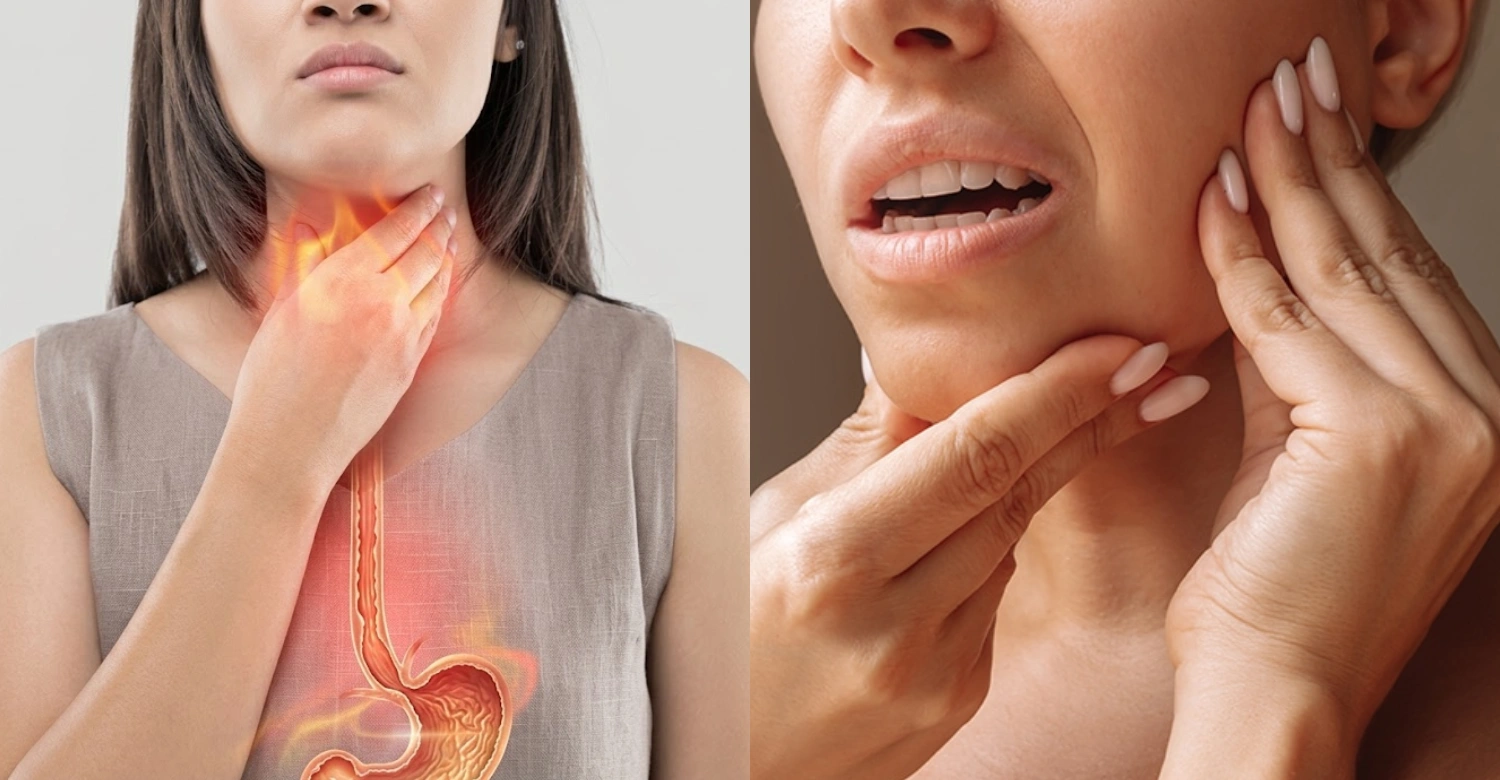
Heartburn and jaw pain sometimes appear together, and this can be confusing for patients. A burning sensation in the chest is easy to recognize, but jaw discomfort is harder to explain. Some patients wonder whether one symptom is causing the other. Jaw pain can come from several sources, including referred pain, dental problems, or issues that need urgent medical attention. It should never be automatically blamed on acid reflux. This guide looks at Heartburn and Jaw Discomfort from a dental perspective, helping patients understand what might be happening and when to seek help. Persistent or unexplained jaw pain always deserves a professional evaluation rather than guesswork at home.
Heartburn and Jaw Pain: Can Acid Reflux Really Cause Jaw Discomfort?
Heartburn and Jaw Discomfort can occur at the same time, but that does not always mean one directly causes the other. Acid reflux itself does not typically damage the jaw joint or its surrounding muscles. Instead, reflux can trigger sensations that patients notice around the mouth, throat, face, or jaw area. These sensations may feel like jaw discomfort even when the actual source is somewhere else. Because jaw pain has many possible causes, from dental issues to muscle tension, it should always be properly assessed rather than assumed to be reflux-related.
Can Heartburn Cause Jaw Pain?
Can heartburn cause jaw pain directly? Usually, the connection between heartburn and jaw pain is indirect rather than direct. Reflux can create referred discomfort that overlaps with other symptoms near the face and mouth. This overlap can make it seem like heartburn causing jaw pain is straightforward, but it rarely is. Jaw pain frequently originates elsewhere, including dental problems, muscular strain, or issues with the temporomandibular joint. A dentist can help separate these possibilities through careful examination rather than assumption.
Heartburn Causing Jaw Pain: What Patients May Notice
Patients dealing with heartburn causing jaw pain often notice a cluster of related symptoms rather than jaw pain alone. Common patterns include jaw discomfort alongside reflux symptoms, burning sensations in the throat or mouth, and general facial discomfort. Symptoms often appear after meals, which can make the reflux connection seem obvious. They may also become more noticeable when lying down. This position allows stomach acid to travel upward more easily, intensifying the sensations patients feel near the jaw and face.
When Jaw Pain May Not Be Related to Heartburn
Not every case of jaw pain is connected to heartburn and jaw pain overlap; often, jaw discomfort has nothing to do with reflux at all. Tooth decay or a dental infection can cause deep, throbbing discomfort near the jaw. Cracked teeth may produce sharp pain during chewing. Temporomandibular disorders, commonly called TMD, affect the jaw joint directly. Bruxism, or teeth grinding, places repeated strain on jaw muscles, especially overnight. General muscle tension from stress can mimic joint pain. Sinus-related facial pain can also radiate toward the jaw, particularly during colds or allergy flare-ups.
Note: All images used are for editorial and illustrative purposes only and may not originate from the original news provider or associated company.
Learn more about sialadenitis
Acid Reflux and Jaw Pain: Understanding the Possible Connection
Acid reflux and jaw pain are sometimes discussed together, and the topic of heartburn and jaw pain is more nuanced than many patients expect. Reflux primarily affects the oesophagus and throat, not the jaw joint itself. However, repeated acid exposure can affect the mouth in ways that feel connected to jaw discomfort. Understanding this distinction helps patients avoid misdiagnosing a dental or joint problem as simple heartburn. It also encourages proper evaluation when jaw symptoms persist or worsen over time.
How Acid Reflux Affects the Mouth
Repeated exposure to stomach acid can gradually affect oral tissues. Enamel erosion is one of the most common effects, thinning the protective outer layer of the teeth. This erosion often leads to increased tooth sensitivity, particularly to hot, cold, or sweet foods. Patients experiencing what feels like Heartburn and Jaw Discomfort together may actually be feeling dental sensitivity rather than a true jaw joint problem. Recognizing this difference is important, since the treatment approach for enamel damage differs significantly from treatment for a jaw or muscular issue.
GERD and Jaw Pain
GERD, or gastroesophageal reflux disease, is a chronic form of acid reflux that occurs regularly over time, and patients often ask whether it explains their heartburn and jaw pain. GERD and jaw pain can appear connected because GERD symptoms sometimes overlap with oral and facial complaints, including a sour taste or throat irritation. Still, this overlap does not confirm a direct cause. Distinguishing GERD-related symptoms from genuine dental problems matters. Ongoing GERD may need medical management, while dental symptoms need a separate dental evaluation and treatment plan.
Jaw Pain from Acid Reflux vs Dental Jaw Pain
Understanding heartburn and jaw pain from acid reflux versus dental jaw pain becomes easier with a direct comparison.
Feature | Possible reflux-related symptoms | Possible dental/TMJ cause |
Timing | Often associated with meals or lying down | May occur with chewing or jaw movement |
Burning sensation | More common | Less typical |
Tooth sensitivity | Possible | Possible |
Jaw clicking | Not typical | Common with some TMJ problems |
Toothache | Not usually caused directly by reflux | Common with dental disease |
Muscle tenderness | Possible indirectly | Common with bruxism/TMJ |
Tips for Patients
Brush twice daily with fluoride toothpaste.
Clean between the teeth daily.
Avoid aggressive brushing, particularly when enamel is compromised.
Attend regular dental examinations.
Keep track of:
When heartburn occurs.
When jaw pain begins.
Whether symptoms follow meals.
Whether chewing makes the pain worse.
Whether symptoms occur during sleep or upon waking.
Do not ignore toothache.
Do not ignore jaw clicking or locking.
Do not delay assessment of persistent facial pain.
Seek urgent medical care concerning chest-pain symptoms.
Discover what can cause loss of taste
Heartburn and Facial Pain: Could Reflux Explain Your Symptoms?
Heartburn and facial pain sometimes appear in the same conversation as heartburn and jaw pain. Facial pain, however, has a broad differential diagnosis that extends well beyond reflux. Patients often describe their discomfort differently depending on where it actually originates, whether that is the sinuses, teeth, jaw joint, or muscles. Reflux is only one possible explanation among many, so facial pain deserves careful, individualized assessment rather than a quick assumption.
Acid Reflux and Facial Pain
Acid reflux and facial pain can overlap through shared sensations like throat irritation, a sour or acidic taste, and mouth discomfort. Dental symptoms, such as sensitivity from enamel erosion, may also contribute to how facial discomfort feels. However, facial pain should never be automatically diagnosed as reflux-related. Sinus issues, dental infections, and TMJ problems can all produce similar sensations, so proper evaluation remains essential before assuming reflux is the cause.
Heartburn Symptoms and Jaw Pain
Several heartburn symptoms jaw pain patterns tend to occur together, which is why patients often link Heartburn and Jaw Discomfort so closely. These include heartburn itself, an acid taste in the mouth, regurgitation, throat irritation, dental sensitivity, and facial or jaw discomfort. Noticing this pattern is useful information for a dentist, but it does not replace a proper clinical assessment of the jaw, teeth, and surrounding structures.
Learn more about yellow tongue
Heartburn, Chest Pain and Jaw Pain: When Should You Seek Urgent Care?
Heartburn chest pain and jaw pain occurring together should never be automatically assumed to be simple reflux. This combination can sometimes indicate a cardiac problem, and urgent medical assessment is essential in these situations. Warning signs include chest pressure or tightness, shortness of breath, sweating, nausea, and dizziness. Pain spreading to the arm, shoulder, neck, or jaw is another significant warning sign, as is any sudden or severe onset of symptoms. Patients experiencing potentially serious symptoms should seek emergency medical care immediately rather than waiting for a dental appointment. Timing can matter significantly in cardiac situations.
Heartburn or Something More Serious?
Symptom overlap between heartburn and jaw pain and more serious conditions can be genuinely misleading. Reflux, dental problems, and cardiac issues can all produce sensations near the chest, jaw, and face. Dentists can evaluate oral and jaw-related causes thoroughly, but they cannot replace emergency medical assessment when cardiac symptoms are suspected. When in doubt, especially with chest pain, emergency care should always come first.
Discover more about salivary gland stones
How Dentists Diagnose Jaw Pain in Patients with Heartburn
Diagnosing Heartburn and Jaw Discomfort requires a structured, thorough approach rather than assumptions. Dentists gather detailed history, examine the mouth and jaw closely, and use imaging when clinically appropriate. This process helps separate reflux-related sensations from genuine dental or joint problems, ensuring that treatment addresses the actual underlying cause rather than a suspected one.
Dental and Medical History
Diagnosing heartburn and jaw pain starts with a thorough history, including questions about heartburn frequency, any existing reflux diagnosis, and current medication use. Dentists also ask about the timing of jaw pain and its relationship to eating. Additional questions cover tooth sensitivity, jaw clicking or locking, and any history of teeth grinding. This information helps build a clearer picture before any physical examination begins, guiding which areas deserve closer attention during the clinical assessment that follows.
Clinical Examination
The clinical examination looks closely at the teeth for enamel erosion, cracks, caries, tooth wear, and sensitivity. The jaw itself receives equal attention, with assessment of the jaw muscles, the temporomandibular joint, the bite, and the range of jaw movement. Dentists also check for signs of bruxism, such as flattened or worn tooth surfaces. Together, these findings help clarify whether heartburn and jaw pain are truly connected or simply coinciding.
When Dental Imaging May Be Needed
Dental imaging, including X-rays, can help confirm findings when a dental infection, tooth damage, or TMJ-related concern is suspected. Imaging is not performed routinely for every patient reporting jaw discomfort. Instead, it is selected based on clinical findings from the history and examination. This ensures imaging adds real diagnostic value rather than being used as a default step for every case.
Clinical Note
Reflux and jaw discomfort can occur together without one necessarily causing the other, so self-diagnosis carries real risk. Dental problems can produce pain that patients interpret as facial or jaw discomfort, delaying appropriate treatment. TMJ disorders and bruxism should always be considered alongside reflux as possible explanations. Chest pain accompanied by jaw pain requires particular caution, since this combination may signal a cardiac emergency rather than a dental or digestive issue.
When a Dental Appointment Is Recommended
Even when heartburn and jaw pain seem connected, a dental evaluation is recommended when jaw pain persists over time or occurs repeatedly while chewing. Tooth sensitivity and visible signs of enamel erosion are also strong reasons to book an appointment. If the jaw clicks, locks, or becomes difficult to open, professional assessment should not be delayed. Unexplained facial pain, along with symptoms that interfere with eating or sleep, also warrants a dental visit rather than continued self-monitoring at home.
Learn more about salivary glands
How Is Jaw Pain Treated When the Cause Is Dental?
Treatment for jaw pain should always depend on the actual diagnosis rather than the simple presence of heartburn. Assuming reflux is responsible without proper assessment can delay effective dental care, allowing underlying problems to worsen over time.
Treatment for Tooth-Related Pain
Once heartburn and jaw pain have been properly separated, dental decay is treated directly, and damaged teeth are restored to protect their structure. Cracked teeth are managed appropriately based on severity, while dental infections receive targeted treatment to resolve the underlying issue. Significant tooth sensitivity is also addressed, often through protective measures that reduce discomfort during eating and drinking, particularly with hot, cold, or acidic foods.
Treatment for Bruxism and Jaw Muscle Pain
Identifying teeth grinding or clenching is an important first step in managing bruxism-related jaw pain. Night-guard therapy may be discussed where clinically indicated, helping protect teeth and reduce muscle strain overnight. A bite and muscle assessment can reveal additional contributing factors. Personalized behavioral and preventive advice rounds out the treatment approach, helping patients reduce grinding habits over time.
Treatment for TMJ-Related Jaw Pain
When heartburn and jaw pain are ruled out as a shared cause, conservative management is typically the first approach for TMJ-related discomfort. Jaw-rest strategies and muscle-focused approaches can ease symptoms without invasive treatment. Occlusal appliances may be recommended when appropriate for the individual case. For persistent or more complex cases, further specialist assessment ensures that patients receive the most suitable, targeted care for their specific TMJ concerns.
Managing Acid-Related Dental Damage
Enamel erosion and sensitivity linked to acid exposure are addressed through targeted dental care. Strengthening preventive oral-care routines helps protect remaining tooth structure from further damage. Appropriate fluoride care is recommended to support enamel resilience. Coordination with the patient's medical provider regarding reflux management may also be necessary. This ensures both the dental and digestive sides of the concern are properly managed together.
Discover more about white tongue
What Results Can Patients Expect After Treatment?
Before Treatment
Before treatment, patients often experience jaw tenderness alongside tooth sensitivity, particularly when eating or drinking. Pain while chewing is common, along with general facial discomfort that can be hard to pinpoint. Many patients struggle to identify the exact source of their symptoms. This is precisely why a proper dental evaluation matters before assuming heartburn and jaw pain are directly connected.
After the Underlying Cause Is Addressed
Once the correct cause behind heartburn and jaw pain is identified and treated, patients often notice reduced pain or sensitivity. Chewing comfort typically improves, and remaining tooth structure receives better protection going forward. Patients also gain a clearer understanding of reflux-related oral risks, supporting better long-term habits. A personalized preventive-care plan helps maintain these improvements. Complete pain relief cannot be promised, since outcomes always depend on the specific underlying diagnosis identified during assessment.
Learn more about tongue bumps
When Should You See a Dentist About Jaw Pain?
Book a Dental Assessment If:
A dental assessment is worthwhile if pain lasts or repeatedly returns over time. Tooth sensitivity or unexplained tooth pain is another clear signal, as is jaw clicking or locking during normal movement. Pain that increases while chewing deserves attention, along with habitual grinding or clenching of the teeth. Noticeable tooth wear or changes to the enamel surface should also prompt a booking, since early evaluation can prevent further damage.
Seek Emergency Medical Attention If:
When it comes to heartburn and jaw pain, emergency care is necessary if jaw pain occurs alongside unexplained chest pressure. Shortness of breath alongside jaw discomfort is a serious warning sign. Sudden sweating, dizziness, or nausea combined with jaw pain also warrants urgent attention. If pain spreads from the chest toward the jaw, neck, shoulder, or arm, this is serious. Emergency services should be contacted immediately rather than waiting to see how symptoms develop.
What We Notice Clinically
Dr. Rifat Alsaman, Head of the Medical Team at Vitrin Clinic and a cosmetic dentist, emphasizes careful assessment. Patients presenting with jaw discomfort should be checked for multiple potential causes rather than assuming reflux is responsible. Identifying dental erosion, tooth sensitivity, bruxism, TMJ symptoms, and other oral findings is essential to reaching an accurate diagnosis. As Dr. Rifat Alsaman explains, "When a patient reports jaw pain together with heartburn, we look at the complete clinical picture. The goal is to determine whether the discomfort is associated with a dental condition, jaw-joint or muscle problem, or symptoms occurring alongside reflux. A careful examination helps us avoid treating the wrong cause."
Why Clinical Context Matters
Timing alone does not establish a diagnosis, even when symptoms appear closely linked. A patient experiencing jaw pain after eating heartburn may have several possible explanations beyond reflux itself. Dental examination can identify oral causes that might otherwise be overlooked entirely. Persistent symptoms may require collaboration between dental and medical professionals, ensuring that both digestive and oral health concerns receive appropriate, coordinated attention. Learn more about swollen tongue
Vitrin Clinic: Professional Assessment for Jaw and Dental Concerns
Vitrin Clinic offers comprehensive dental assessment for patients experiencing jaw discomfort, particularly when heartburn and jaw pain seem to overlap. A thorough evaluation always precedes any treatment recommendation, ensuring accuracy rather than assumption. The clinic focuses on modern diagnostic and digital dentistry technologies where relevant to the individual case. Dental evaluation at Vitrin Clinic may include assessment of the teeth and gums, the bite, and the TMJ. It also covers the jaw muscles, tooth wear, enamel erosion, and dental sensitivity. Dr. Rifat Alsaman, Head of the Medical Team at Vitrin Clinic and a cosmetic dentist, contributes clinical expertise to this evaluation process. Personalized treatment planning remains the priority, rather than assuming heartburn is automatically the cause of jaw pain. Patients experiencing persistent jaw or dental symptoms are encouraged to arrange a professional consultation at Vitrin Clinic for a clear, individualized diagnosis.
Discover more about tongue tie
References:
FAQs

Dr. Rifat Alsaman has more than 5 years of clinical experience in dentistry and currently serves as the Head of the Medical Team at Vitrin Clinic. He is dedicated to providing exceptional patient care, overseeing treatment planning, and ensuring the highest clinical standards across the team. His expertise, attention to detail, and commitment to continuous professional development have helped countless patients achieve healthier, more confident smiles.


.webp&w=3840&q=75)