Dental Care Guide
August 13, 2026
General Dental Care for Teens: What Parents and Teens Should Know
 Dr. Rifat Alsaman
General Dental Care for Teens matters most during adolescence, a stage when habits, diet, orthodontic changes, and lifestyle shifts shape long-term oral health. Teens move from parental supervision toward independent hygiene, which makes professional monitoring essential. Advice should always be personalized according to a teenager's oral health, diet, hygiene habits, orthodontic status, and individual risk factors. This guide covers practical strategies, common problems, treatment options, and prevention tips that support strong General Dental Care for Teens throughout these formative years, with guidance drawn from clinical dental practice. See how this compares to earlier and later life stages in dental care by life stage.
General Dental Care for Teens: Why Is It Important?
Teen Dental Care shapes future oral health outcomes well into adulthood. Diet changes, hormonal shifts, busier lifestyles, and inconsistent hygiene routines all increase risk during these years. Teenagers often become more susceptible to plaque buildup and cavities as independence grows and supervision decreases. Establishing consistent, independent dental habits before adulthood matters. Regular professional monitoring helps catch problems early, before they become complex or costly. Oral health for teenagers isn't static; it evolves constantly, which is why ongoing attention throughout adolescence protects both function and confidence.
How Teen Dental Needs Differ From Children's and Adults' Needs
Teen dental needs sit between childhood and adult care. Permanent teeth are still erupting, and changing dentition requires monitoring. Orthodontic treatment adds cleaning challenges around brackets and wires. Teenagers also gain more independence over food choices and hygiene routines, for better or worse. Sports participation, energy drinks, and exposure to smoking or vaping introduce new risks. Cosmetic concerns often become more important during adolescence too. Teen Dental Care must account for all these overlapping factors rather than treating teens like smaller adults or older children.
The Clinical Team's Perspective
Prevention during teenage years can reduce the need for invasive treatment later in life. Rather than assuming every teenager shares the same risks, personalized assessment matters far more than generic advice. Diet, hygiene consistency, orthodontic status, and genetics all vary widely between patients. Teen oral hygiene habits built early tend to carry into adulthood, reducing long-term treatment needs. A tailored approach, reviewed regularly, allows small issues to be caught and managed before they progress into something more complicated or costly to treat.
Common Dental Problems in Teenagers
Common dental problems in teenagers vary in cause, warning signs, and urgency. Understanding these issues early helps parents and teens know when professional assessment is genuinely needed. From cavities to orthodontic complications, most concerns during adolescence are preventable with consistent dental hygiene for teens. The sections below outline what to watch for, why these problems develop, and how Teen Dental Care addresses each one through prevention-first strategies rather than reactive treatment after damage has already occurred.
Tooth Decay and Teen Cavities
Cavities become more common during adolescence due to frequent snacking, sugary drinks, and inconsistent brushing. Plaque accumulates quickly when hygiene routines slip, especially around exam periods or busy schedules. Early warning signs include sensitivity, mild discomfort, or visible changes like white or brown spots on enamel. Left unaddressed, these signs can progress toward more significant decay. Teen cavities prevention starts with recognizing these early indicators and adjusting diet and brushing frequency before a small problem turns into a restorative treatment need. Learn exactly how this process unfolds in the causes of tooth decay.
Gum Problems and Plaque Buildup
Gingivitis and bleeding gums are common during teenage years, often linked to hormonal changes that make gum tissue more sensitive to plaque. Even minor plaque buildup near the gumline can trigger inflammation and bleeding during brushing. This isn't something to dismiss as normal. Removing plaque consistently along the gumline reduces inflammation and prevents progression toward more serious gum disease. General Dental Care for Teens includes close attention to gum health alongside cavity prevention, since both problems often develop from the same root cause. Don't dismiss bleeding gums as normal — see what they mean in how gingivitis starts.
Orthodontic-Related Dental Problems
Braces and clear aligners make cleaning noticeably harder. Plaque accumulates easily around brackets, wires, and elastic bands, creating hidden spots that regular brushing can miss. Teens undergoing orthodontic treatment need more detailed hygiene instruction and often benefit from specialized cleaning tools. Without extra care, white spot lesions or gum inflammation can develop around appliances. Dental hygiene for teens wearing braces requires more time and attention than a standard routine, making consistent daily cleaning and professional monitoring especially important throughout treatment. Get the full cleaning strategy for this exact challenge in braces and oral hygiene.
Tooth Erosion and Acid Exposure
Acidic soft drinks, sports drinks, energy drinks, and frequent acidic snacks gradually weaken tooth enamel. Repeated acid exposure softens the enamel surface, making it more vulnerable to wear and sensitivity over time. Practical prevention includes limiting frequency rather than eliminating everything entirely, using a straw for acidic drinks, and avoiding brushing immediately after acid exposure. Rinsing with water afterward helps neutralize acidity. Teen Dental Care should always address beverage habits, since erosion often develops gradually and quietly before symptoms appear. Curious how sports drinks and soda affect enamel specifically? Read tooth enamel erosion.
Wisdom Teeth and Developing Third Molars
Wisdom teeth typically begin developing or erupting during the later teenage years, though timing varies between individuals. Some teens experience discomfort, swelling, or signs of impaction as these molars emerge. Monitoring through periodic imaging may be recommended when symptoms suggest a wisdom tooth isn't erupting properly. Not every teenager needs immediate intervention, but tracking development helps avoid unexpected complications. Regular dental checkups for teenagers often include wisdom tooth monitoring as part of a broader assessment of jaw and bite development. Get the full breakdown of this procedure in wisdom tooth extraction.
Dental Injuries and Sports-Related Trauma
Chipped, fractured, displaced, or knocked-out teeth are relatively common among active teenagers, particularly those in contact sports. Protective mouthguards significantly reduce the risk of injury during sports and should be worn consistently, not just occasionally. When trauma does occur, urgent professional assessment is important, even if the tooth looks fine. Delayed treatment can worsen outcomes. General Dental Care for Teens depends partly on injury prevention, so encouraging mouthguard use is a simple, effective part of Teen Dental Care. Protect your teen's smile with our full guide to mouthguards for sports.
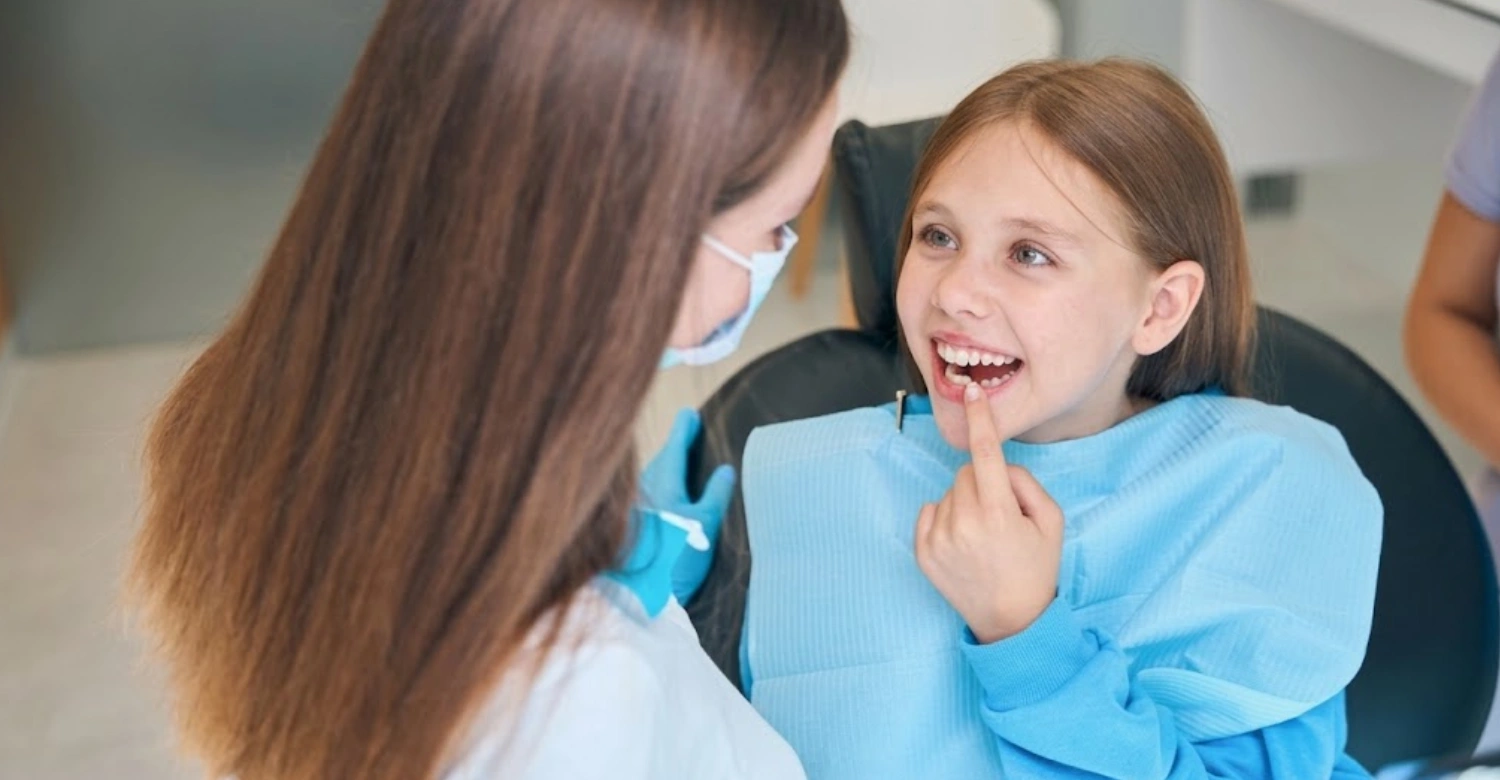
Teen Oral Hygiene: What Should a Daily Routine Include?
Teen oral hygiene works best as a realistic, sustainable routine rather than a complicated set of rules. A practical daily approach covers brushing, interdental cleaning, and appropriate fluoride use. Consistency matters more than intensity. Teens are more likely to stick with habits that fit naturally into their schedule. The sections below break down brushing teeth for teens, cleaning between teeth, and fluoride's role, giving a foundation that supports long-term General Dental Care for Teens without demanding excessive daily effort.
Brushing Teeth for Teens
Brushing teeth for teens should happen twice daily using fluoride toothpaste. Technique matters as much as frequency: gentle, controlled pressure works better than aggressive scrubbing, which can damage gum tissue over time. Aim for roughly two minutes per session, making sure to reach the gumline and back molars where plaque tends to hide. Teenagers wearing braces or other orthodontic appliances need extra care around brackets and wires. Teen Dental Care starts with this simple, consistent brushing foundation. Still choosing the right toothpaste? Compare your options in fluoridated vs. fluoride-free toothpaste.
Cleaning Between the Teeth
Flossing or using interdental brushes reaches surfaces that brushing alone cannot clean. Plaque and food particles build up between teeth throughout the day, and skipping this step leaves gums vulnerable to inflammation. Teens with orthodontic appliances often need specialized tools, like floss threaders or interdental brushes, to navigate around brackets and wires effectively. Making interdental cleaning a daily habit, not an occasional one, significantly reduces gum problems and supports the broader goals of dental hygiene for teens over time. Not flossing correctly around braces yet? Learn how in how to use dental floss.
Fluoride and Enamel Protection
Fluoride strengthens enamel and helps teeth resist acid attacks from diet and plaque. Fluoride toothpaste forms the daily foundation, while professional fluoride treatments may be considered for teenagers with higher cavity risk. Not every teen needs additional fluoride treatment beyond toothpaste; it depends on individual risk factors like diet, hygiene consistency, and cavity history. General Dental Care for Teens should be personalized here too, since fluoride needs vary significantly between low-risk and high-risk patients. See how this connects to cavity risk specifically in the causes of tooth decay.
How to Take Care of Teeth as a Teenager: A Practical Routine
How to take care of teeth as a teenager comes down to realistic daily and weekly habits rather than perfection. Breaking hygiene into morning, daytime, and evening routines makes consistency easier to maintain. Small, repeated actions matter more than occasional intense effort. The following breakdown offers a practical structure that fits into a typical teen schedule, supporting teen dental care without requiring major lifestyle disruption or unrealistic time commitments each day.
Morning Routine
Start each morning by brushing thoroughly with fluoride toothpaste. Teens with orthodontic appliances should clean around brackets and wires carefully before heading out. After brushing, avoid rinsing immediately with large amounts of water, since this washes away the fluoride before it can fully protect enamel throughout the day. A quick spit-and-go approach preserves more benefit. This small adjustment is an easy addition to teen oral hygiene that takes no extra time but improves protection meaningfully.
Throughout the Day
Choosing water over sugary or acidic drinks throughout the day reduces cumulative risk significantly. Frequent snacking on sugary foods keeps teeth under near-constant acid attack, even if total sugar intake seems moderate. Limiting snack frequency matters more than eliminating treats entirely. Constantly sipping sweetened or acidic beverages, like soda sipped over hours, is particularly harmful since it prolongs acid exposure. Simple daytime choices add up, making a real difference in teen cavities prevention over weeks and months.
Evening Routine
Evening brushing deserves extra attention since saliva flow decreases overnight, reducing the mouth's natural defense against bacteria. Brush thoroughly before bed, then clean between teeth to remove anything brushing missed. Areas that commonly retain plaque, like back molars and the gumline, need particular focus during this session. Skipping evening care, even occasionally, allows plaque to sit undisturbed for hours. A consistent evening routine is one of the most impactful habits within General Dental Care for Teens.
When a Teenager Has Braces
Braces require additional cleaning attention around brackets and wires where plaque hides easily. Interdental brushes and orthodontic-specific cleaning aids help reach these tricky spots that standard brushing misses. Food particles trapped around appliances can lead to decalcification if left uncleaned. Regular professional orthodontic and dental reviews remain important throughout treatment to catch early signs of trouble. Dental hygiene for teens with braces takes more time daily, but it protects both the teeth and the investment in orthodontic treatment. Get the full daily maintenance routine in braces cleaning tips.
Clinical Note
Dr. Rifat Alsaman, Head of the Medical Team at Vitrin Clinic and a cosmetic dentist, notes that teenagers with braces consistently benefit from more frequent hygiene check-ins during active orthodontic treatment. Reinforcing technique regularly, rather than assuming it was learned once and retained, helps prevent decalcification and gum inflammation around appliances. This reflects a broader principle within Teen Dental Care: habits need reinforcement over time, not just initial instruction, especially during periods of appliance-related complexity.
Dental Checkups for Teenagers: How Often Are They Needed?
Dental checkups for teenagers should be based on individual risk rather than a single fixed schedule applied to everyone. A routine appointment typically includes examination of teeth, gums, bite, and eruption patterns alongside a review of oral hygiene habits. Professional cleaning is provided when indicated, not automatically at every visit. X-rays may be considered when clinically justified, and wisdom tooth or orthodontic development is monitored over time as part of comprehensive, ongoing General Dental Care for Teens. See what a proactive checkup routine actually involves in preventive dentistry at Vitrin Clinic.
What Happens During a Teen Dental Appointment?
A typical appointment starts with a review of medical and dental history, followed by examination of teeth and gums. Plaque levels and oral hygiene habits are assessed, along with bite alignment and tooth development. Diet and lifestyle factors are discussed to identify risk areas. Preventive treatment is provided when appropriate, and personalized home-care recommendations are given afterward. This structured approach ensures each visit addresses the teenager's specific needs rather than following a generic checklist.
Teen Cavities Prevention: How Can Teenagers Protect Their Teeth?
Teen cavities prevention depends on daily choices more than occasional professional intervention. Frequency of sugar and acid exposure, combined with consistent oral hygiene for teenagers, determines most of the risk. Small, repeatable habits outperform sporadic intense effort. The sections below break prevention into specific, practical strategies covering diet, hydration, and hygiene consistency, all central to reducing cavity risk and supporting broader teen dental care throughout adolescence and beyond.
Reduce Frequent Sugar Exposure
Frequency matters as much as quantity when it comes to sugar and cavity risk. Each sugar exposure triggers an acid attack on enamel that lasts roughly twenty minutes, so frequent snacking creates near-constant acid exposure throughout the day. Choosing water as the primary everyday drink reduces this cumulative effect significantly. Saving sugary treats for mealtimes, rather than spreading them throughout the day, gives teeth recovery time between exposures and meaningfully lowers overall cavity risk. Wondering if sparkling water is a safer swap? See what the research says in sparkling water and teeth.
Protect Teeth From Acidic Drinks
Acidic beverages, including sports drinks and flavoured waters, gradually erode enamel even without added sugar. Reducing frequency and avoiding prolonged sipping sessions are practical, realistic strategies. Using a straw helps limit direct contact between acid and tooth surfaces. Rinsing with plain water afterward, rather than brushing immediately, also helps protect softened enamel. These small adjustments fit easily into a teenager's routine without requiring major dietary overhaul or unrealistic restriction. Curious about the science behind acid and enamel? Read tooth enamel erosion.
Maintain Consistent Teen Oral Hygiene
Consistency outperforms complexity when it comes to teen oral hygiene. Brushing twice daily and cleaning between teeth once a day forms the core of effective prevention. Elaborate routines that are hard to maintain often get abandoned within weeks. Simple, repeatable habits stick better over the long term. teen dental care works best when routines are realistic enough to survive busy school schedules, sports commitments, and the natural inconsistency of teenage life.
Tips for Parents
Brush twice daily with fluoride toothpaste
Clean between teeth every day
Drink water regularly
Limit frequent sugary snacks and drinks
Reduce prolonged exposure to acidic beverages
Do not ignore bleeding or swollen gums
Use appropriate cleaning aids if wearing braces
Wear a mouthguard during contact or high-risk sports
Attend recommended dental checkups for teenagers
Ask a dentist about any pain, sensitivity, discoloration, or changes
Encourage independence while still monitoring habits when needed
Avoid using dental visits only when there is pain
Help teenagers understand why prevention matters
Support healthy food and drink choices
Encourage teenagers to discuss cosmetic concerns openly
Available Dental Treatments for Teenagers
Treatment always depends on diagnosis, age, dental development, and individual risk factors rather than a one-size-fits-all approach. teen dental care includes a range of preventive and restorative options tailored to each patient's needs. From professional cleaning to orthodontic treatment, decisions should reflect what a teenager's mouth actually requires. The sections below outline the main treatment categories available and when each might be considered appropriate for a teenage patient.
Professional Dental Cleaning
Professional cleaning may be recommended when plaque and calculus have built up beyond what home brushing can remove. This process clears hardened deposits along the gumline and between teeth, reducing inflammation risk. Realistic expectations matter: cleaning addresses existing buildup but doesn't replace daily hygiene going forward. Teens who receive periodic professional cleaning alongside consistent home care generally see better gum health outcomes than those relying on either approach alone.
Fluoride Treatments
Professional fluoride treatments can support enamel protection in teenagers with elevated cavity risk, supplementing daily fluoride toothpaste use. Not every teen needs this additional step; it depends on diet, hygiene consistency, and prior cavity history. Teenagers with higher risk factors, such as frequent sugar exposure or orthodontic appliances, may benefit most. This targeted approach avoids unnecessary treatment while still addressing genuine risk where it exists, consistent with a personalized approach to care.
Dental Sealants
Sealants protect the vulnerable grooves on permanent molars where cavities frequently develop, since these deep grooves are hard to clean thoroughly with a toothbrush. They may be considered shortly after molars fully erupt, when the tooth surface is still healthy. Sealants complement daily oral hygiene rather than replacing it entirely. Teens still need to brush and floss consistently even with sealants in place, since they only protect specific surfaces, not the whole tooth. Get the full breakdown of this protective treatment in dental sealants for kids.
Treatment of Cavities
Early-stage cavities may sometimes be managed conservatively, while more advanced decay requires restorative treatment. Treating cavities early generally means simpler, less invasive care and better long-term outcomes. Not every cavity requires the same approach; the right treatment depends on depth, location, and progression. General Dental Care for Teens emphasizes catching problems early through regular checkups, since early intervention consistently leads to more conservative, less complex treatment options for teenage patients.
Orthodontic Treatment
Braces or clear aligners can address alignment and bite problems that develop or become more apparent during adolescence. Maintaining excellent oral hygiene throughout orthodontic treatment is essential, since appliances make plaque control more challenging. Teens undergoing treatment need reinforced brushing and interdental cleaning habits to avoid decalcification or gum inflammation. When combined with consistent hygiene, orthodontic treatment can meaningfully improve both function and long-term dental health outcomes. See the full range of options available for this age group in orthodontics for teens.
What Are the Benefits of Good Teen Dental Care?
Lower risk of tooth decay
Healthier gums
Better enamel protection
Earlier detection of dental problems
Improved confidence in oral hygiene
Better preparation for adult dental care
Potentially less complex treatment later
General Dental Care for Teens delivers benefits that extend well beyond adolescence itself. Teens who build consistent habits early tend to carry them into adulthood, reducing lifetime treatment needs. Early detection through regular checkups keeps small problems from becoming complicated ones, protecting both oral health and long-term treatment costs.
Before and After: What Can Teens Realistically Expect?
Preventive care isn't primarily about cosmetic transformation; it's about function and long-term health. Realistic improvements include cleaner teeth, healthier gums, reduced plaque, and stronger daily hygiene habits over time. Restorative or orthodontic treatment may produce more visible changes, depending on the specific condition being addressed. Guaranteed cosmetic outcomes should never be promised, since results vary by individual case.
When Should a Teenager See a Dentist?
Certain warning signs should prompt prompt professional assessment rather than waiting for a routine appointment:
Persistent toothache
Sensitivity that does not resolve
Swollen or bleeding gums
Persistent bad breath
White, brown, or dark spots on teeth
Broken or chipped teeth
Dental trauma
Difficulty chewing
Jaw discomfort or clicking with symptoms
Problems associated with braces or orthodontic appliances
Suspected wisdom-tooth problems
Addressing these signs early supports better outcomes and reflects a core principle of Teen Dental Care: earlier assessment generally means simpler treatment.
What We Notice Clinically
Dr. Rifat Alsaman, Head of the Medical Team at Vitrin Clinic and a cosmetic dentist, observes that teenagers often know they should brush but may not fully understand how technique, frequency, diet, and consistency interact together. He points out that bleeding gums should never automatically be dismissed as normal; it frequently signals inadequate plaque control or gingival inflammation. Parents should watch for repeated sensitivity, visible white or brown spots, bad breath, or persistent gum bleeding. Teens with braces typically need more detailed hygiene instruction. He recommends approaching cosmetic concerns conservatively during adolescence, prioritizing healthy tooth structure and appropriate development.
A Key Clinical Message From the Team
Prevention, personalized monitoring, and building sustainable habits during adolescence matter more than any single treatment. Teen Dental Care works best as an ongoing process, not a one-time intervention. Teenagers who receive consistent, individualized guidance are far more likely to maintain healthy habits into adulthood, reducing the likelihood of complex treatment later. Small, steady investments in prevention during these years tend to pay off significantly over the following decades.
How Vitrin Clinic Supports Teen Dental Care
Vitrin Clinic approaches General Dental Care for Teens through personalized assessment rather than standardized procedures applied uniformly. Comprehensive examination and preventive planning form the foundation of every teenage patient's care. Modern dental technology is used where clinically appropriate, supporting accurate diagnosis and monitoring. Treatment recommendations are based on individual findings, not unnecessary procedures. Clear communication and patient education remain central throughout, keeping focus on healthy teeth, prevention, and conservative treatment. Parents or teenagers with concerns are encouraged to arrange a professional assessment with Vitrin Clinic to discuss personalized oral health for teenagers and long-term dental planning.
Referenes:
FAQs
Dr. Rifat Alsaman has more than 5 years of clinical experience in dentistry and currently serves as the Head of the Medical Team at Vitrin Clinic. He is dedicated to providing exceptional patient care, overseeing treatment planning, and ensuring the highest clinical standards across the team. His expertise, attention to detail, and commitment to continuous professional development have helped countless patients achieve healthier, more confident smiles.


