
How Sugar and Acidic Foods Damage Tooth Enamel is one of the most common concerns patients raise during consultations. Enamel is the hardest tissue in the human body. Yet it is not indestructible. Every sugary snack and every acidic drink chips away at this protective shield, slowly but steadily. Understanding How Sugar and Acidic Foods Affect Tooth Enamel helps patients make smarter daily choices. At Vitrin Clinic, this topic comes up constantly. Patients often ask how to keep their smiles bright after cosmetic treatment.
How Sugar and Acidic Foods Damage Tooth Enamel?
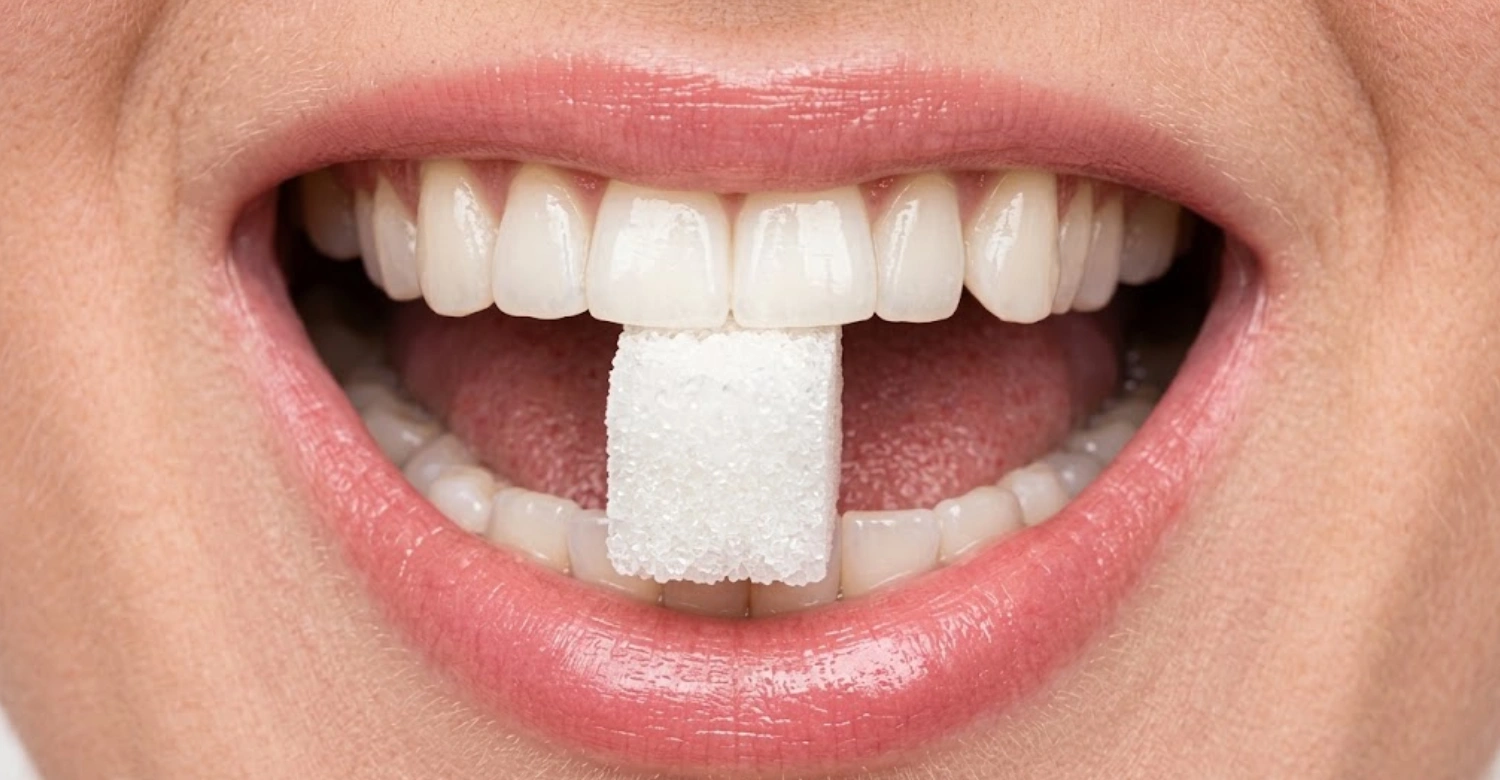
begins with a simple chemical chain reaction. Sugar itself does not touch enamel directly. Bacteria in the mouth feed on sugar residue and produce acid as a byproduct. That acid is what actually erodes the enamel surface. This process, known as sugar and tooth enamel erosion, happens every time sugar sits on teeth for too long. The longer sugar lingers, the more acid bacteria produce. Enamel weakens with each repeated exposure throughout the day.
Frequent snacking multiplies this effect. Each sugary bite triggers a fresh acid attack. That attack can last twenty minutes or more. Patients who sip sugary drinks slowly, rather than finishing them quickly, unknowingly extend the acid exposure across hours. Sugar and dental health are deeply connected. This connection is rarely limited to cavities alone. Weakened enamel also becomes more sensitive to temperature and pressure over time, which is often the first sign patients actually notice.
The Role of Plaque Bacteria in Sugar and Tooth Enamel Erosion
Plaque is a sticky film of bacteria that forms constantly on tooth surfaces. When sugar is available, these bacteria multiply rapidly and release acidic byproducts. This is the core mechanism behind sugar and tooth enamel erosion. Without regular brushing, plaque hardens into tartar. Tartar traps even more bacteria against the enamel. Removing plaque daily interrupts this cycle before serious damage sets in, which is why consistent brushing matters more than occasional deep cleaning.
Sugar and Dental Health: Long-Term Effects
Over months and years, untreated sugar exposure compounds. Sugar and dental health research consistently links high sugar intake with thinner enamel, more cavities, and higher rates of sensitivity. Some patients also develop visible enamel pitting. These changes rarely happen overnight. They build slowly. That is why many people underestimate the risk until enamel loss becomes noticeable in the mirror or during a routine checkup.
Why Sticky and Slow-Release Sugars Are Worse
Not all sugar exposure is equal. Sticky candies and chewy sweets cling to enamel far longer than liquids. This extends the acid attack well beyond the moment of eating. Slow-dissolving lozenges and gummies keep sugar in contact with teeth for extended periods. How Sugar and Acidic Foods Affect Tooth Enamel becomes especially relevant here. Duration of exposure often matters more than total sugar quantity consumed in a single sitting.
How Acidic Foods Damage Teeth
How Sugar and Acidic Foods Damage Tooth Enamel is not only about sugar. Acidic foods and drinks attack enamel directly, without needing bacteria as a middleman. Citrus fruits, vinegar-based dressings, and carbonated drinks all lower the pH inside the mouth. When pH drops below a critical threshold, enamel begins to soften and dissolve. This is the essence of acid erosion of teeth, a process distinct from but often paired with sugar-related decay.
Acidic foods and enamel erosion move faster than most people expect. A single glass of soda can lower mouth pH within minutes. Saliva usually neutralizes acid over time. Frequent exposure overwhelms this natural defense, though. That is why constant sipping throughout the day is often worse for enamel than drinking a soda quickly with a meal and moving on.
Common Acidic Foods That Damage Tooth Enamel
Citrus fruits like lemons and oranges, tomatoes, wine, and sports drinks are frequent offenders. Acidic foods and enamel erosion often start with foods patients consider healthy, like fruit smoothies or vinegar-based salad dressings. Even sparkling water carries mild acidity. Pickles, certain salad dressings, and some herbal teas also register as more acidic than most people assume. None of these foods need to be eliminated entirely. Timing and frequency matter far more than most patients realize when planning daily meals. A dentist can often estimate typical acid exposure just by reviewing a patient's usual weekly diet.
Acid Erosion of Teeth vs. Cavities
Acid erosion of teeth is a chemical process that thins enamel evenly across a surface. Cavities, by contrast, are localized holes caused by bacterial acid concentrated in one spot. Both share sugar and acid as root causes. Erosion often affects front teeth and biting edges first. Cavities tend to hide in grooves and between teeth where brushing struggles to reach.
Saliva's Role in Buffering Acid
Saliva naturally raises mouth pH after eating, helping enamel recover from acid exposure. Chewing sugar-free gum stimulates saliva flow and speeds this recovery process. Dehydration, certain medications, and mouth breathing all reduce saliva output. This leaves enamel more vulnerable. How Sugar and Acidic Foods Affect Tooth Enamel is partly a story about overwhelming this natural defense faster than the body can repair itself.
Foods That Damage Tooth Enamel
How Sugar and Acidic Foods Damage Tooth Enamel becomes clearer once specific foods are named. Certain everyday items combine both sugar and acid, doubling the risk. Foods that damage tooth enamel are not always obvious. Some marketed as healthy still carry significant erosive potential. Reading labels and understanding pH levels helps patients avoid unpleasant surprises at the grocery store and dinner table alike.
Foods That Weaken Tooth Enamel: A Quick List
Foods that weaken tooth enamel include candy, dried fruit, citrus, soda, energy drinks, and pickled foods. Sticky sweets are particularly damaging because they cling to enamel surfaces far longer than liquids. Dried fruit, despite feeling like a healthy snack, is concentrated in sugar. It often sticks between teeth. Balancing these foods with water and fibrous vegetables reduces their overall impact on enamel over time.
Hidden Sugars in Everyday Foods
Many processed foods hide sugar under names like fructose, dextrose, or cane syrup. Sauces, bread, and flavored yogurts often contain more sugar than expected. Breakfast cereals, granola bars, and even some crackers can carry surprising amounts as well. How Sugar and Acidic Foods Affect Tooth Enamel is easy to underestimate when sugar is disguised in savory foods rather than obvious sweets. Checking ingredient labels reveals just how widespread hidden sugar really is across a typical grocery cart. Ingredients are listed by weight, so sugar near the top of a list is worth noticing.
Acidic Drinks and Snacks to Watch
Sports drinks, flavored waters, and energy drinks often combine sugar with citric acid for taste. This pairing accelerates enamel damage compared to sugar or acid alone. Coffee with added syrup, kombucha, and wine also deserve attention. None require complete avoidance. Rinsing with water afterward meaningfully reduces their impact on enamel strength and comfort.
Fruit and Smoothies: A Hidden Risk
Whole fruit is healthy. Blended smoothies, though, concentrate both sugar and acid while coating teeth more thoroughly than whole pieces. Citrus-heavy smoothies are especially risky when sipped slowly over an hour. Foods that damage tooth enamel are not always the ones patients expect. That is why smoothies deserve the same mindful timing given to soda or candy.
Tips for Patients
Rinse with plain water immediately after sugary or acidic foods.
Wait at least thirty minutes before brushing following acidic meals.
Use a straw when drinking soda, juice, or sports drinks.
Choose fluoride toothpaste with at least 1,450 ppm fluoride.
Limit sipping sugary or acidic drinks slowly across long periods.
Pair acidic snacks with dairy or water to buffer pH levels.
Chew sugar-free gum after meals to stimulate saliva flow.
Schedule regular checkups so early enamel changes are caught sooner.
Enamel Erosion in Children vs. Adults
How Sugar and Acidic Foods AffectTooth Enamel plays out differently depending on age. Children's enamel is thinner and less mineralized than adult enamel, which makes it more vulnerable to early damage from juice, candy, and soda. Adults face a different risk profile, shaped by decades of accumulated exposure combined with naturally thinning enamel over time.
Why Children's Enamel Needs Extra Protection
Baby teeth and newly erupted permanent teeth have not fully mineralized. This makes early exposure to sugar and acid especially damaging. Sippy cups filled with juice, used throughout the day, are a common source of prolonged acid contact. Parents can reduce risk by offering water between meals and reserving juice for mealtimes only.
Adult Enamel and Cumulative Exposure
Adult enamel does not regenerate once lost, so decades of dietary habits leave a lasting mark. How Sugar and Acidic Foods Affect Tooth Enamel becomes more visible with age, often showing up as thinning edges or increased sensitivity around the forties and fifties. Consistent prevention earlier in life pays off significantly later, reducing the need for restorative treatment.
How Enamel Health Relates to Cosmetic Treatment
How Sugar and Acidic Foods Damage Tooth Enamel matters just as much after cosmetic dentistry as before it. Veneers, bonding, and whitening all depend on a stable, healthy tooth structure underneath. Ongoing sugar and acid exposure can undermine even the best cosmetic work if habits do not change alongside the smile.
Protecting an Investment in Your Smile
Patients who invest in veneers or bonding often ask how to keep results looking their best. The same habits that prevent enamel erosion, like rinsing after acidic meals and limiting sugary sipping, also protect the margins around cosmetic restorations. Ignoring diet after treatment can shorten the lifespan of otherwise excellent dental work.
Why Vitrin Clinic Discusses Diet During Consultations
Before recommending any cosmetic treatment, Vitrin Clinic reviews a patient's dietary habits alongside clinical findings. This helps set realistic expectations for how long results will last. How Sugar and Acidic Foods Affect Tooth Enamel is part of that conversation, since a stable foundation matters as much as the cosmetic outcome itself.
Signs of Enamel Erosion to Watch For
How Sugar and Acidic Foods Affect Tooth Enamel often shows warning signs long before serious damage occurs. Recognizing these early cues gives patients a chance to act before erosion becomes harder to reverse. Awareness, paired with a quick review of daily habits, is often enough to catch the problem early.
Early Physical Signs
Increased sensitivity to hot, cold, or sweet foods is usually the first sign patients notice. Teeth may also appear slightly more yellow, as thinning enamel reveals the darker dentin layer underneath. Rounded edges on front teeth, small chips, and a glassy or translucent appearance near the tips are also common indicators worth mentioning at a checkup.
When to See a Dentist
Persistent sensitivity, visible changes in tooth color or shape, or discomfort while chewing all warrant a professional evaluation. Waiting too long allows How Sugar and Acidic Foods Damage Tooth Enamel to progress from a reversible early stage into permanent structural loss. Early evaluation at Vitrin Clinic keeps treatment options simpler and more affordable.
Common Myths About Sugar, Acid, and Enamel
How Sugar and Acidic Foods Affect Tooth Enamel is surrounded by misconceptions that lead patients to make the wrong choices. Some myths minimize real risks, while others create unnecessary worry over foods that are actually manageable in moderation. Clearing up these misunderstandings makes prevention far more practical day to day.
Myth: Only Candy and Soda Are Risky
Many patients assume enamel damage only comes from obvious sweets. In reality, How Sugar and Acidic Foods Damage Tooth Enamel includes savory sauces, salad dressings, and even some "healthy" snacks loaded with hidden sugar or acid. Focusing only on candy and soda leaves other everyday risks unaddressed.
Myth: Brushing Right After Eating Always Helps
Brushing immediately after acidic meals feels proactive, but it can actually do more harm. Acid temporarily softens enamel, and brushing during this window can wear away the softened surface. Waiting thirty minutes allows saliva to restore mineral balance first, which protects enamel far better than rushing to brush right away.
Myth: Sugar-Free Means Enamel-Safe
Sugar-free drinks and candies avoid feeding decay-causing bacteria, but many still contain citric or phosphoric acid. Acidic foods and enamel erosion do not require sugar to occur. Reading labels for both sugar content and acidity gives a more complete picture than checking for sugar-free claims alone.
How to Prevent Enamel Erosion
How Sugar and Acidic Foods Affect Tooth Enamel is preventable with consistent daily habits. Prevention does not require dramatic lifestyle changes. Small, repeatable actions protect enamel far more effectively than occasional intense efforts. Learning how to prevent enamel erosion starts with understanding timing, technique, and the right dental products for daily use at home.
Daily Habits to Protect Enamel
Rinsing with water after sugary or acidic foods helps neutralize residual acid before it settles on enamel. Waiting thirty minutes before brushing after acidic meals prevents brushing softened enamel away. Using a straw for acidic drinks limits direct contact with front teeth. These habits, though simple, form the foundation of how to protect tooth enamel from sugar and acid over the long term and across every stage of life.
Professional Treatments for Enamel Protection
Fluoride treatments strengthen enamel and help it resist acid attacks more effectively. Dental sealants add a protective barrier over vulnerable grooves. Regular cleanings remove plaque before it hardens into tartar. Combined with home care, these professional steps form a complete approach to how to prevent enamel erosion across every stage of life, from childhood through adulthood and into the senior years.
Enamel-Friendly Alternatives Worth Trying
Swapping soda for water, choosing cheese over candy, and finishing meals with dairy can all buffer acid naturally. Sugar-free gum after meals boosts saliva flow and supports remineralization. How to protect tooth enamel from sugar and acid often comes down to substitution rather than elimination. That makes these changes easier to sustain than strict, all-or-nothing dietary rules.
Clinical Note
Enamel erosion is largely irreversible once it progresses past the earliest stages. This is why Dr. Rifat Alsaman emphasizes prevention over correction. Diagnostic checks at Vitrin Clinic include visual inspection for surface dullness, translucency near biting edges, and sensitivity testing. How Sugar and Acidic Foods Damage Tooth Enamel is assessed alongside a patient's full dietary pattern, not just isolated food choices, since combined exposures accelerate damage far more than any single item reviewed in isolation.
Building an Enamel-Friendly Daily Routine
How Sugar and Acidic Foods Affect Tooth Enamel becomes far less of a threat once protective habits are built into a normal day. A routine does not need to be complicated. It simply needs to be consistent, covering morning, mealtimes, and evening care in a way that fits naturally into daily life.
Morning Habits
Start the day with water rather than juice or sweetened coffee whenever possible. Brushing with fluoride toothpaste after breakfast, rather than immediately before, avoids brushing over any acidic residue from morning drinks. A short pause between eating and brushing protects enamel right from the start of the day.
After-Meal Habits
Rinsing with water after lunch or snacks removes lingering sugar and acid before they have time to act. Chewing sugar-free gum for a few minutes afterward boosts saliva flow further. These small after-meal steps are where how to protect tooth enamel from sugar and acid really adds up over a week.
Evening Habits
Evening is often when sugary or acidic snacking happens without much thought, since routines relax after a long day. Choosing water over soda, and brushing thoroughly before bed, gives enamel a full overnight recovery window. Consistent evening habits close the loop on how sugar and acidic foods damage tooth enamel across an entire day.
What We Notice Clinically
Dr. Rifat Alsaman, Head of the Medical Team and cosmetic dentist at Vitrin Clinic, notes that patients rarely connect gradual tooth sensitivity with years of dietary acid exposure. Dr. Rifat Alsaman explains that How Sugar and Acidic Foods Damage Tooth Enamel is often misunderstood as a sudden event rather than a slow accumulation. In clinical practice, Dr. Rifat Alsaman frequently observes thinning enamel on front teeth in patients who consume citrus or soda daily, even those with otherwise excellent oral hygiene. Dr. Rifat Alsaman adds that patients who switch to water and time their acidic meals more carefully often see sensitivity improve within a few months.
About Vitrin Clinic
Vitrin Clinic is an internationally recognized dental clinic serving patients from around the world. The team combines cosmetic and restorative dentistry with a strong focus on patient education, including guidance on how sugar and acidic foods affect long-term oral health. Led by Dr. Rifat Alsaman, Head of the Medical Team, Vitrin Clinic offers personalized consultations, transparent pricing, and multilingual support throughout every stage of treatment. Every consultation includes a full review of a patient's dental history, current habits, and cosmetic goals before any treatment plan is proposed. Patients considering veneers, bonding, or preventive enamel care can reach out to Vitrin Clinic for a tailored assessment built around their diet, habits, and long-term smile goals. The clinic also provides aftercare guidance so results remain protected long after treatment ends.
References:
FAQs

Dr. Rifat Alsaman has more than 5 years of clinical experience in dentistry and currently serves as the Head of the Medical Team at Vitrin Clinic. He is dedicated to providing exceptional patient care, overseeing treatment planning, and ensuring the highest clinical standards across the team. His expertise, attention to detail, and commitment to continuous professional development have helped countless patients achieve healthier, more confident smiles.


