
Hypophosphatasia adult teeth issues are more common than most people realize. They often appear years before the underlying condition is diagnosed. Research shows premature tooth loss affects roughly 63% of adults with hypophosphatasia. This pattern is linked to measurable biomarkers, not chance. Early tooth loss can precede a formal diagnosis by decades. That's why understanding these dental changes matters, especially for anyone with a family history of the condition or unexplained dental instability. This article walks through why hypophosphatasia dental problems occur, what to watch for, and how a dental team can help manage them.
What Is Hypophosphatasia and How Does It Affect Adult Teeth?
Hypophosphatasia is a rare inherited metabolic disorder. It is linked to low activity of an enzyme called tissue-nonspecific alkaline phosphatase, which the body needs for normal mineralization. When this enzyme doesn't work properly, bones and teeth struggle to mineralize correctly. This leads to fragility in both skeletal and dental tissue. The condition spans a wide severity spectrum, from serious forms detected at birth to a milder dental-only form. Adult presentations are often marked by bone fragility alongside early loss of adult teeth. Sometimes these dental signs are the first visible clue to the disorder. For patients with complex medical backgrounds, understanding the importance of dental care alongside chronic health conditions can also help support long-term oral health.
What Is Hypophosphatasia?
Hypophosphatasia is a genetic condition caused by reduced alkaline phosphatase activity. This disrupts normal bone and tooth mineralization. It ranges from severe infantile forms to a mild adult or dental-only form. Because mineralization affects both skeleton and teeth, dental problems can be one of the earliest and most noticeable signs in otherwise healthy-looking adults.
How Does Hypophosphatasia Affect Adult Teeth?
Hypophosphatasia can disrupt tooth development, mineral density, and the tissues that anchor teeth in place. Not every patient is affected the same way. Some people experience mild sensitivity. Others face significant mobility or loss. The common thread is that these dental concerns usually stem from weakened supporting structures rather than decay alone. That sets them apart from typical dental wear. Patients experiencing unusual dental instability may benefit from reading about dental care for special needs and circumstances.
Clinical Note
Severity and dental presentation vary significantly from person to person. Some adults with hypophosphatasia experience minimal oral symptoms. Others develop noticeable dental problems, such as early tooth mobility or loss. A personalized evaluation is always more reliable than assuming a fixed pattern applies to every case.
What Are the Common Hypophosphatasia Dental Manifestations?
These dental manifestations generally center on tooth stability rather than the tooth surface itself. The underlying issue affects mineralization and the tissues anchoring the tooth root. As a result, the problems can look different from ordinary dental wear. They often need a broader clinical picture to interpret correctly. This is particularly important because tooth loss can have many different causes, and the treatment approach depends on identifying the underlying reason.
Premature Tooth Loss
Premature tooth loss is one of the most recognized signs in adults. An unselected cohort study found it in about 63% of adults with the condition. This pattern was linked to lower alkaline phosphatase levels, not coincidence. Affected teeth are often structurally intact. They simply lose their anchoring support, causing them to loosen or fall out earlier than expected. When a tooth is already missing, patients can also review options for replacing a missing tooth and discuss which approach may be appropriate.
Tooth Mobility
Unusual tooth mobility can occur when the tissues supporting the tooth root are compromised. Mobility has many possible causes. It should always be assessed by a dental professional rather than assumed to be linked to hypophosphatasia. Still, unexplained looseness is a symptom worth investigating, especially without other obvious dental disease. General oral-health guidance also emphasizes that loose teeth and bite changes should receive professional evaluation.
Enamel and Tooth Mineralization Problems
Some adults experience mineralization irregularities affecting the strength or appearance of tooth structure. Weaker or poorly mineralized tissue may be more vulnerable to sensitivity or structural strain over time. These teeth often benefit from closer, more frequent monitoring. This is one of several dental problems that can appear gradually rather than all at once.
Hypophosphatasia Dental Symptoms
Common symptoms include premature tooth loss, unexpected looseness, sensitivity, and structural changes noted during a routine exam. Every patient experiences a different combination. Some symptoms are subtle enough to go unnoticed until a dental visit. Recognizing them early gives patients and dental teams more options for monitoring and care. Patients should also remember that dental problems in older adults can have several contributing factors and should not automatically be attributed to aging.
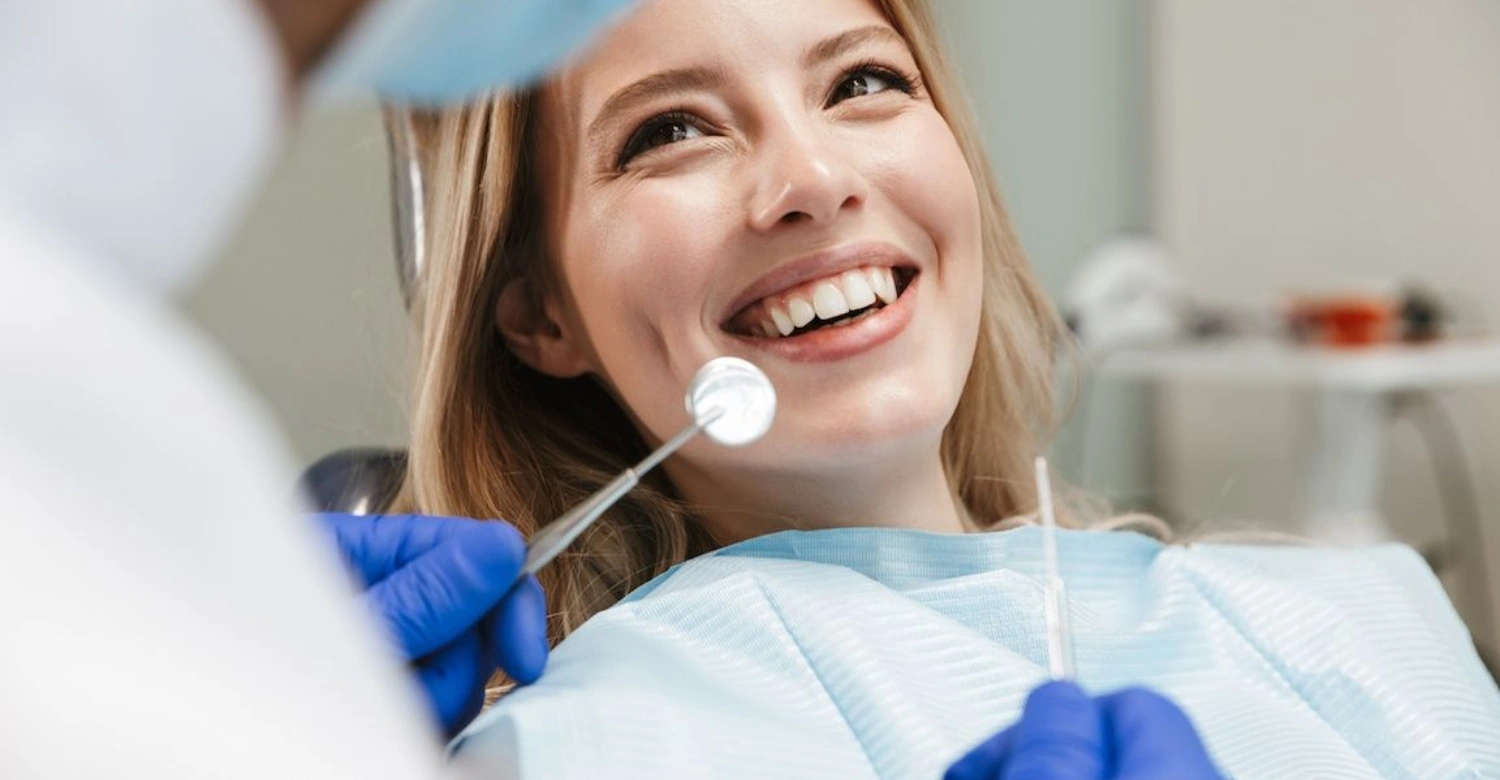
Why Can Hypophosphatasia Cause Tooth Loss in Adults?
Understanding why adult teeth become loose or fall out starts with the tissues that anchor a tooth in place, not the tooth itself. Once these supporting structures weaken, even a healthy, cavity-free tooth can lose its foundation. This is a very different process from ordinary decay-driven tooth loss.
Hypophosphatasia and the Tooth-Supporting Tissues
Healthy periodontal and root-supporting tissues are essential for keeping teeth anchored in place. In hypophosphatasia, the tooth root often lacks acellular cementum, the tissue that normally anchors the periodontal ligament. This can prevent teeth from staying properly attached, even when the tooth itself is structurally sound. This mechanism explains much of the tooth loss seen in both children and adults. Because other periodontal conditions can also affect tooth support, understanding what causes periodontitis can help explain why differential diagnosis matters.
Hypophosphatasia Tooth Loss vs. Common Tooth Loss
This type of tooth loss tends to affect intact, cavity-free teeth that loosen because of weak anchoring tissue. That's unlike typical tooth loss from periodontal disease or untreated infection. Distinguishing between the two requires a professional evaluation. The outward appearance of early tooth loss can look similar, even though the underlying cause is very different. That's why accurate diagnosis matters. For comparison, untreated periodontal disease can also damage the supporting structures of teeth, as explained in this guide to whether periodontal disease can be reversed.
Can Hypophosphatasia Cause Premature Tooth Loss?
Yes. It's considered one of the more distinctive dental manifestations of the condition. This becomes an especially important clue when a healthy-looking, cavity-free tooth becomes loose or falls out. This happens without the usual causes of decay, gum disease, or trauma present.
Tips for the Patients
Do not ignore loose adult teeth, even if they seem minor.
Seek evaluation promptly when a tooth becomes unexpectedly mobile.
Maintain regular dental examinations to track changes over time.
Share relevant medical history with your dental provider, including any suspected hypophosphatasia adult teeth concerns.
What Are the Most Common Hypophosphatasia Teeth Problems?
These problems generally fall into a few recurring categories: mobility, premature loss, sensitivity, and ongoing maintenance challenges. Reviewing them individually helps patients understand what to watch for. It also helps them know when a dental visit is warranted.
Loose or Mobile Adult Teeth
Loose adult teeth should be assessed promptly rather than monitored at home. This kind of mobility often reflects weakened anchoring tissue rather than an active infection. A dental exam is needed to determine the underlying cause. It also helps identify the appropriate next steps before the situation progresses further. A detailed periodontal disease diagnosis may be useful when gum or bone loss is also suspected.
Premature Tooth Loss
When teeth are lost prematurely, chewing efficiency, speech, and bite alignment can all be affected. Planning for appropriate replacement is important, since missing teeth can shift surrounding teeth over time. Addressing this early helps preserve overall oral function. It also helps prevent secondary complications. Depending on the clinical situation, dental bridge treatment may be one of several replacement approaches considered.
Dental Sensitivity and Structural Concerns
Sensitivity and structural weakness are possible concerns, though they vary widely between individuals. Some patients notice temperature sensitivity. Others have no symptoms at all despite underlying mineralization changes. A dental exam can help identify which structural concerns need attention. Maintaining an appropriate daily oral hygiene routine can also support general oral health.
Difficulty Maintaining Oral Health
Adults with existing dental abnormalities may find routine hygiene more challenging. This is particularly true around mobile or structurally compromised teeth. Individualized preventive care, rather than a one-size-fits-all routine, tends to produce better long-term outcomes. Patients with multiple health considerations can also benefit from guidance on special needs dental care.
Clinical Note
Dental symptoms alone should never be used to diagnose hypophosphatasia. A complete medical and dental assessment is necessary. This includes relevant history and testing, to confirm the condition and rule out more common causes of tooth loss or mobility.
How Is Hypophosphatasia Diagnosed in Adults With Dental Problems?
Diagnosing hypophosphatasia in adulthood often starts in the dental chair. Dental findings can appear well before other systemic signs are recognized. A combination of dental history, clinical examination, and medical testing is usually needed to reach a confident diagnosis. When periodontal disease is part of the differential diagnosis, dentists may also evaluate pocket depths, bleeding, mobility, and bone levels as described in periodontal disease diagnostic procedures.
Can Premature Tooth Loss Be a Sign of Hypophosphatasia?
Unexplained early tooth loss can reasonably raise clinical suspicion of hypophosphatasia, particularly when it affects otherwise healthy teeth. One case series found that most adults with the condition had childhood dental signs as their first symptom. Yet diagnosis was often delayed by decades. Still, premature tooth loss has multiple possible causes. These findings are only one part of the diagnostic picture. For example, periodontal disease is another major cause of tooth instability and loss, so understanding how long teeth can be kept with periodontal disease provides useful context.
What Dental Examinations May Be Used?
Clinical examination of the teeth and surrounding tissue
Evaluation of tooth mobility
Assessment of gums and supporting structures
Dental imaging when clinically indicated
Review of prior dental history, including any childhood tooth loss
Clinical Note
Dentists are often well positioned to notice concerning oral findings first. Dental changes may appear before a systemic diagnosis is made. However, confirming the condition and managing it overall requires appropriate medical evaluation beyond the dental chair.
How Are Hypophosphatasia Dental Problems Managed?
Managing hypophosphatasia adult teeth typically combines prevention, close monitoring, and individually tailored treatment, rather than a single standard protocol. The right approach depends on how much tooth loss or mobility has already occurred. It also depends on how stable the remaining teeth are. Where periodontal inflammation or supporting-tissue problems are present, appropriate periodontal treatment may form part of the overall dental plan.
Preventive Dental Care
Regular dental examinations to monitor changes
Professional cleaning when clinically indicated
Personalized oral-hygiene guidance suited to each patient
Ongoing monitoring of tooth mobility and supporting tissues
Managing Tooth Loss
Options for replacing missing teeth depend on bone condition, remaining oral health, bite alignment, and individual circumstances. In some pediatric cases, enzyme replacement therapy has been associated with stabilization of dental status after previous tooth and bone loss. This suggests that broader disease management can influence these outcomes over time, even though adult data remains more limited. Patients exploring replacement options can also review tooth loss and replacement options before discussing their individual case with a dentist.
Can Adults With Hypophosphatasia Get Dental Implants?
Dental implants may be an option for some adults, but treatment always requires individualized assessment. Bone health, surrounding tissue condition, overall disease status, and treatment suitability must all be evaluated first. Implants should never be assumed to be automatically safe or unsafe without this type of evaluation. Patients considering this option can learn more about how dental implants work before discussing candidacy with an implant specialist.
For suitable candidates, dental implant treatment can provide a fixed option for replacing missing teeth. However, patients with hypophosphatasia require individualized assessment of bone quality and overall disease status before implant treatment is considered.
Hypophosphatasia and Teeth: What Should Adults Know?
Adults with hypophosphatasia should treat their teeth as an early warning system, not just a cosmetic concern. Risk rises with age. Older adults lose teeth at nearly twice the rate of younger patients, so early dental evaluation matters more over time. Watch for unexpected mobility, premature tooth loss, new sensitivity, or any unexplained change in chewing or dental stability. These signs shouldn't be dismissed as normal aging. Reporting them promptly gives dental and medical teams the best chance to manage these concerns before they progress further. General guidance on oral health for older adults also highlights the importance of monitoring loose teeth, gum problems, sensitivity, and changes in chewing.
Why Early Dental Evaluation Matters
Early assessment can help identify tooth-support problems before they progress further. This is especially relevant since risk appears to increase with age. One study found adults 65 and older lost teeth at nearly twice the rate of younger participants. Monitoring these changes early supports better long-term oral function. Early intervention is also important because untreated periodontal disease can progressively damage the structures supporting teeth.
What Oral Changes Should Adults Watch For?
Unexpected tooth mobility
Premature tooth loss
New or increasing sensitivity
Changes in chewing comfort or ability
Gum or supporting-tissue concerns
Any unexplained change in dental stability
Clinical Note
Patients should report significant or unexplained dental changes rather than assuming they are simply a normal part of aging. Early reporting gives dental teams the best chance to evaluate these concerns before they become more difficult to manage. This is particularly important when symptoms such as bleeding gums or mobility could also indicate periodontal disease.
Can Hypophosphatasia Dental Problems Be Prevented?
The underlying mineralization deficit cannot be reversed through hygiene alone. Still, consistent care can reduce complications affecting adult teeth. Combining daily habits with professional monitoring gives patients the best chance of catching changes early. Patients can follow evidence-based guidance on daily oral hygiene while continuing regular professional examinations.
Maintaining Good Oral Hygiene
Daily brushing and interdental cleaning
Professional dental care tailored to individual needs
Ongoing monitoring of teeth and supporting tissues
Monitoring Tooth Mobility
Reporting loose teeth early, rather than waiting until mobility becomes severe, gives dental teams more options. This helps manage dental problems before they progress. Consistent monitoring is one of the most practical ways patients can help protect long-term oral function. If periodontal disease is suspected, professional care such as scaling and root planing may be considered when clinically appropriate.
Hypophosphatasia Dental Care at Vitrin Clinic
Patients managing hypophosphatasia adult teeth often benefit from a dental team that looks at the full picture: bone condition, bite, and long-term function, rather than treating each symptom in isolation.
How Can Vitrin Clinic Help With Hypophosphatasia Adult Teeth?
Vitrin Clinic offers a dental-care option for adults who need a thorough evaluation of complex concerns, including these dental changes. This includes a comprehensive assessment of teeth, gums, bite alignment, and any missing teeth. The goal is a personalized treatment plan suited to each patient's specific oral condition. Patients who require restorative treatment may also want to understand the role of dental crowns when damaged or weakened teeth need additional protection.
Personalized Treatment Planning at Vitrin Clinic
Vitrin Clinic approaches restorative and cosmetic dental concerns based on each patient's individual oral condition. The goal is to maintain function while also addressing aesthetic goals. For patients managing hypophosphatasia dental problems, this often means balancing tooth replacement, bite stability, and appearance within one coordinated plan. When several teeth are missing, a dental bridge may also be discussed as one possible restorative option when clinically suitable.
What We Notice Clinically
Our clinical team has observed that a comprehensive assessment becomes particularly important when an adult presents with unexplained tooth loss or unusual dental findings. In these situations, evaluating hypophosphatasia adult teeth as part of a broader clinical picture helps guide more accurate, individualized care. This broader approach is consistent with the principles described in dental care for patients with chronic health conditions.
Tips for the Patients
Keep regular dental appointments, even without active symptoms.
Report unexplained tooth mobility or tooth loss promptly.
Follow an individualized preventive-care routine suited to your needs.
Inform the dental team about a hypophosphatasia diagnosis, if known.
Resource:
In conclusion, hypophosphatasia adult teeth can be affected by poor mineralization, premature tooth loss, and other dental complications. Early recognition and appropriate dental care are essential for protecting oral health and maintaining function. The referenced study highlights the importance of recognizing the dental manifestations of hypophosphatasia. It reinforces the need for a multidisciplinary approach to diagnosis and long-term management.
https://pmc.ncbi.nlm.nih.gov/articles/PMC9458606/
https://pmc.ncbi.nlm.nih.gov/articles/PMC5440952/
https://pmc.ncbi.nlm.nih.gov/articles/PMC5762223/
FAQs

Dr. Rifat Alsaman has more than 5 years of clinical experience in dentistry and currently serves as the Head of the Medical Team at Vitrin Clinic. He is dedicated to providing exceptional patient care, overseeing treatment planning, and ensuring the highest clinical standards across the team. His expertise, attention to detail, and commitment to continuous professional development have helped countless patients achieve healthier, more confident smiles.

.webp&w=3840&q=75)

.webp&w=3840&q=75)

