General Dentistry
August 16, 2026
Laryngopharyngeal Reflux on Teeth: How Does LPR Affect Your Dental Health?

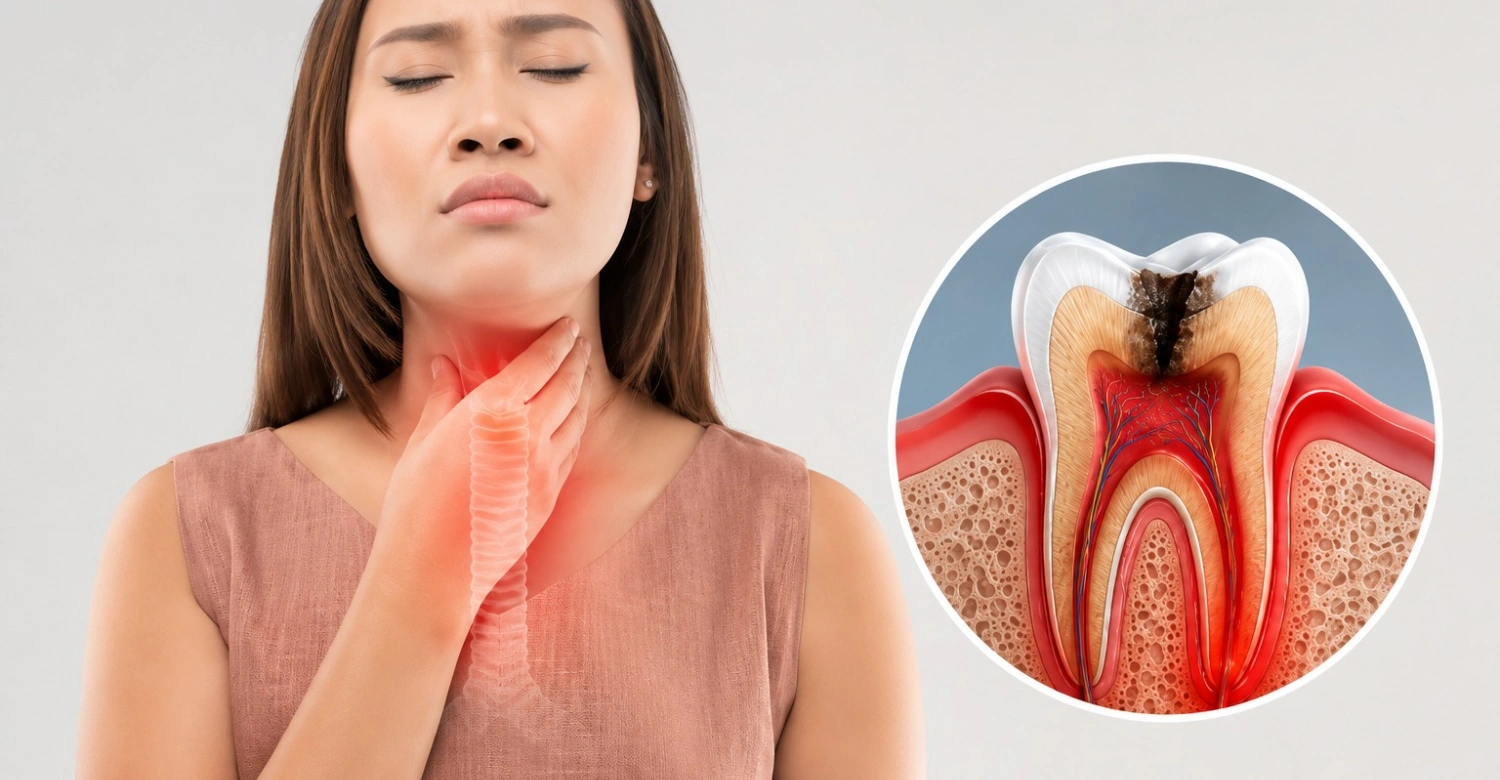
Laryngopharyngeal reflux, or LPR, occurs when stomach contents travel up toward the throat and mouth. Unlike typical reflux, LPR contents don't stay confined to the esophagus. The connection between reflux and oral health is increasingly well documented. One systematic review found dental erosion prevalence in reflux patients ranging from 16% to 44%. That is well above rates seen in healthy individuals. Laryngopharyngeal reflux on teeth can appear gradually. Repeated acidic exposure slowly softens enamel over time. Some people experience LPR without the classic burning sensation of heartburn. This means dental changes can sometimes be the first noticeable clue that reflux is present.
What Is Laryngopharyngeal Reflux?
Laryngopharyngeal reflux describes stomach acid and digestive contents moving upward past the esophagus. These contents travel toward the throat, voice box, and mouth. Unlike typical acid reflux, LPR often causes throat irritation, hoarseness, or a chronic cough. Heartburn is frequently absent. This distinction matters clinically. LPR-related enamel damage can develop quietly while classic GERD symptoms stay minimal or absent.
Can Laryngopharyngeal Reflux Affect Your Teeth?
Yes, acidic exposure from LPR may gradually weaken tooth enamel. This happens over repeated episodes. Dental erosion is one of the primary oral concerns linked to reflux. It appears as smooth, thinned, or discolored surfaces. Reflux is only one possible contributing factor. Diet, vomiting, and other conditions can also cause enamel damage. So Laryngopharyngeal reflux on teeth should be considered alongside other possible causes. Curious exactly how enamel breaks down over time? Read tooth enamel erosion.
Laryngopharyngeal Reflux and Teeth: What Is the Connection?
Laryngopharyngeal reflux and teeth are connected through repeated acid contact with oral tissue. A meta-analysis of 28 studies involving 4,379 patients found pooled dental erosion prevalence of 51.5% in GERD patients versus 21.4% in controls. Reflux was linked to roughly five times higher odds of erosion. This finding illustrates why the connection deserves clinical attention.
How Does LPR Affect Tooth Enamel?
Repeated acid exposure can chemically soften enamel's mineral structure. This makes it progressively more vulnerable to wear from brushing and chewing. Dual-probe pH testing found dental erosion in 70% of LPR patients. That compares with 30% of GERD patients and just 10% of healthy controls. This suggests LPR may carry a distinct, possibly higher, erosion risk than typical reflux alone.
Can Laryngopharyngeal Reflux Cause Dental Erosion?
Laryngopharyngeal reflux and dental erosion are frequently studied together. Evidence supports a meaningful association between the two. Common signs include smooth or glossy enamel, increased sensitivity, and subtle shape changes. Early detection matters, because enamel cannot regenerate once significant structural loss occurs. Prompt recognition of reflux-related enamel damage is an important part of preventive dental care.
Can Laryngopharyngeal Reflux Cause Tooth Erosion?
Laryngopharyngeal reflux and tooth erosion differ from bacterial cavities. Acid directly dissolves mineral content rather than requiring bacterial byproducts. Patients may notice sensitivity, thinning enamel, or a change in how teeth catch the light. In one study, upper incisors showed erosion at 32.5% versus just 7.8% for lower incisors. This reflects where reflux tends to contact teeth most.
Clinical Note
Repeated acid exposure can contribute to enamel loss. But dental erosion may also have dietary and other causes unrelated to reflux. Patients should receive a professional dental assessment rather than assuming reflux is the sole explanation. Weighing possible reflux effects on teeth alongside the full clinical picture supports more accurate diagnosis and treatment planning.
Laryngopharyngeal Reflux and Oral Health
Laryngopharyngeal reflux and oral health intersect in several ways beyond enamel erosion. These include saliva changes, tissue irritation, and broader dental risk. An updated systematic review spanning 22 studies from 1999 to 2024 confirmed a significant association between GERD or LPR and dental erosion in adults. This reinforces why oral health screening matters for reflux patients.
How Does Silent Reflux Affect Oral Health?
Silent reflux and teeth are closely linked. LPR frequently occurs without obvious heartburn, earning it the "silent" label. Patients may notice dental symptoms, such as sensitivity, roughness, or discoloration, well before connecting them to an underlying reflux condition. This is why dentists sometimes raise the possibility of reflux during a routine exam.
Can Silent Reflux Cause Dental Erosion?
Silent reflux and dental erosion can occur even when symptoms feel subtle or go unnoticed. Acid exposure doesn't require classic heartburn to affect enamel. A cross-sectional study from Iran found dental erosion in 22.6% of confirmed reflux-positive patients. That compares with just 7% in healthy controls, a statistically significant difference worth noting.
What Other Oral Problems Can Be Associated With Reflux?
Beyond enamel erosion, reflux has been associated with several other oral problems. These include tooth sensitivity, general enamel wear, and dry mouth symptoms that leave the mouth less protected against acid. Some patients also notice changes in tooth appearance, such as a duller or more translucent look, well before connecting it to reflux. Risk factors like poor hydration or acidic diets can increase susceptibility further. Recognizing these patterns early supports timely evaluation before symptoms progress.
Laryngopharyngeal Reflux and Cavities
Laryngopharyngeal reflux and cavities are related but distinct concepts. Acid erosion involves direct chemical dissolution of enamel. Cavities, by contrast, form through bacterial acids produced from fermentable carbohydrates. Enamel already weakened by reflux-related erosion can become more vulnerable to decay. Reflux itself is not the direct cause of cavities. See the full comparison between these two conditions in tooth decay vs. cavity.
Can Laryngopharyngeal Reflux Cause Cavities?
Reflux does not directly cause bacterial cavities. But eroded, weakened enamel can make teeth more susceptible to decay. This risk grows when combined with poor oral hygiene or a sugar-heavy diet. Clinical studies have observed a higher incidence of decayed and missing teeth among GERD patients. Some patients also develop periodontitis alongside generally poorer oral hygiene.
Does Laryngopharyngeal Reflux Cause Tooth Decay?
Laryngopharyngeal reflux and tooth decay should not be described as a simple cause-and-effect relationship. Reflux itself does not directly produce decay-causing bacteria. Instead, multiple oral-health factors work together: weakened enamel, dry mouth, hygiene habits, and diet. Laryngopharyngeal reflux on teeth is best understood as one contributing risk factor among several. Learn exactly how this process unfolds in the causes of tooth decay.
Clinical Note
A cavity and acid erosion can occur at the same time. They are not the same condition, though. A dentist can identify whether tooth structure has been lost through erosion, decay, abrasion, attrition, or a combination of factors. This ensures that reflux-related tooth damage is properly distinguished from purely bacterial dental disease.
Laryngopharyngeal Reflux and Dry Mouth
Laryngopharyngeal reflux and dry mouth often appear together in clinical discussions. The relationship involves several contributing factors, though. Mouth breathing, throat discomfort, hydration habits, and reflux medications can all influence how dry the mouth feels. So LPR should not be presented as the only possible cause of oral dryness. Get the full connection explained in dry mouth and periodontal disease.
Can Laryngopharyngeal Reflux Cause Dry Mouth?
Reflux symptoms, throat irritation, and related medications may all contribute to a sensation of dryness. The cause is often multifactorial rather than singular. Patients experiencing persistent dryness alongside reflux symptoms should mention both concerns during dental visits. This lets the full picture, including possible reflux effects on teeth, be evaluated together.
How Does Dry Mouth Affect Your Teeth?
Reduced saliva means less natural protection against acids. Saliva normally neutralizes acidic conditions and supplies minerals that support enamel. Persistent dry mouth can therefore increase the risk of cavities, discomfort, and accelerated wear. It can also compound enamel changes already caused by Laryngopharyngeal reflux on teeth. See the full dedicated breakdown of this exact condition in chronic dry mouth and dental health.
Tips for the Patients
Patients can take several practical steps to reduce discomfort. Start with staying adequately hydrated throughout the day and maintaining consistent oral hygiene habits. It also helps to avoid frequent acidic drinks and foods when they trigger symptoms. Repeated exposure adds up over time. Any persistent dry-mouth symptoms are worth discussing with a dental professional rather than managing alone. Following the treatment plan recommended for reflux is just as important as dental care itself. Consistent hydration habits can meaningfully reduce the impact of Laryngopharyngeal reflux on teeth over time.
Signs of Laryngopharyngeal Reflux on Teeth
Recognizing early signs of Laryngopharyngeal reflux on teeth can help patients seek evaluation before damage becomes extensive. Symptoms can range from subtle surface changes to more advanced structural loss. Severity does not always match how noticeable a patient's reflux symptoms feel.
What Are the Early Signs of Dental Erosion?
Early signs often include increased tooth sensitivity. Enamel surfaces may look smooth or unusually shiny, feeling different from healthy tooth structure. Some patients notice subtle changes in tooth shape or a yellowish appearance, as enamel thins and underlying dentin shows through. Increased sensitivity to cold or acidic foods can also develop gradually. This sometimes happens before any visible changes are obvious. Already feeling discomfort when you eat or drink? Read why your teeth hurt when you eat.
What Are the Advanced Signs?
More advanced signs include noticeable loss of tooth structure. Teeth may shorten or thin, changing how they look and function. Cracks or weakened surfaces may also develop as erosion progresses. In severe cases, patients can experience difficulty chewing comfortably. Sensitivity often becomes more pronounced at this stage, alongside growing aesthetic concerns.
Clinical Note
The severity of tooth wear does not necessarily indicate how severe a patient's reflux is. A comprehensive dental examination is important before deciding on restorative treatment. Visible reflux-related damage can vary considerably, even among patients with similar reflux histories.
How Can You Protect Your Teeth From Laryngopharyngeal Reflux?
Protecting enamel involves a combination of daily habits and professional monitoring. Reducing the cumulative impact of Laryngopharyngeal reflux on teeth starts with consistent, gentle oral care. Appropriate reflux management from a physician matters just as much.
Oral Hygiene Tips for Patients With LPR
Patients with LPR benefit from using fluoride toothpaste consistently. It helps strengthen enamel that may already be under stress from acid exposure. Brushing gently with a soft-bristled toothbrush protects softened surfaces from unnecessary abrasion. Regular dental examinations allow changes to be caught early. It's also important to avoid aggressive brushing immediately after acidic exposure. Enamel can be temporarily more vulnerable during that window. Still choosing the right toothpaste? Compare your options in fluoridated vs. fluoride-free toothpaste.
What Should You Do After Acid Exposure?
After an acid exposure, rinsing the mouth with water helps clear residual acid before it lingers on tooth surfaces. It's best to let the mouth recover before brushing. Enamel can be temporarily softened right after exposure. Avoiding repeated exposure to acidic foods and beverages throughout the day also reduces the cumulative burden on enamel. Following individualized dental recommendations from a professional ties these habits into a coherent routine. These simple habits form the foundation of protecting teeth from reflux-related damage after each exposure.
Tips for the Patients
Patients should avoid brushing aggressively, especially after reflux episodes. Firm pressure can wear down already-softened enamel. Abrasive whitening products should also be avoided without professional advice, as they can worsen sensitivity in affected teeth. Keeping regular dental appointments allows for ongoing monitoring. It's worth telling your dentist if you have diagnosed or suspected LPR, so findings can be interpreted in that context.
Treatment for Laryngopharyngeal Reflux on Teeth
Treatment approaches for Laryngopharyngeal reflux on teeth depend heavily on two things: how much enamel has already been lost, and whether acid exposure is ongoing. Reduced salivary buffering capacity and altered oral microbiota have been proposed as mechanisms linking reflux episodes to enamel demineralization. This helps explain why treatment often addresses both dental and digestive factors together.
How Do Dentists Treat Dental Erosion From Reflux?
Dentists typically begin by identifying the cause and severity of enamel loss. They then monitor early erosion closely. Preventive fluoride strategies are commonly used when appropriate. Bonding or other restorative options may be considered once tooth structure has been significantly affected by ongoing acid exposure. Get the full breakdown of this conservative option in cosmetic bonding.
Can Damaged Enamel Grow Back?
Enamel does not naturally regenerate once it has been permanently lost. Early mineral changes, however, can sometimes undergo remineralization before structural damage becomes irreversible. This distinction is why prevention and early intervention remain the most effective strategy for managing this condition.
When Do You Need Dental Restoration?
Dental restoration usually becomes relevant in two situations. The first is persistent sensitivity that doesn't respond to preventive measures. The second is when a significant amount of tooth structure has already been lost. Functional problems, such as difficulty chewing comfortably, and aesthetic concerns are also common reasons patients seek treatment. Progressive erosion despite consistent preventive care is another clear signal that restorative options should be discussed. Any of these signs, when tied to Laryngopharyngeal reflux on teeth, warrant a professional restorative evaluation.
Laryngopharyngeal Reflux and Cosmetic Dentistry
Cosmetic treatment decisions for patients affected by Laryngopharyngeal reflux on teeth should always follow a careful assessment. This means evaluating remaining tooth structure and ongoing acid exposure risk, rather than treating it as a purely aesthetic fix.
Can You Get Veneers If You Have LPR?
Having LPR does not automatically rule out veneers. Controlling ongoing causes of enamel damage matters first, though. Sufficient healthy tooth structure needs to remain before cosmetic treatment can be reliably placed. This especially matters when erosion has been progressive. Explore your veneer options in detail with our full guide to porcelain veneers.
Can Dental Crowns Help Severely Damaged Teeth?
Crowns may be considered when a significant amount of tooth structure has been lost. They offer more coverage than bonding alone. The distinction between preventive care and restorative treatment matters here. Treatment approach ultimately depends on how much natural tooth structure remains intact. Compare your full range of restorative options in the types of dental crowns.
What We Notice Clinically
At Vitrin Clinic, cosmetic dentistry is never used to simply mask ongoing enamel damage. The clinical approach involves evaluating the condition of the teeth first. A treatment plan is then developed that considers both function and aesthetics, before addressing any concerns related to Laryngopharyngeal reflux on teeth. Curious how your treatment plan gets mapped out digitally? Explore Digital Smile Design.
Preventing Laryngopharyngeal Reflux on Teeth Damage
Preventing progression requires consistent daily habits paired with professional monitoring. This matters especially for silent reflux, which can be easy to overlook without obvious symptoms.
How Can You Prevent Silent Reflux From Damaging Your Teeth?
Preventing further damage starts with maintaining excellent oral hygiene. Reducing repeated exposure to acidic foods and drinks whenever possible also helps. Staying hydrated supports natural saliva production. Following appropriate reflux-management advice from a healthcare professional addresses the underlying source of acid exposure. Scheduling routine dental examinations helps track changes over time. Addressing sensitivity or enamel changes early gives patients the best chance of preserving natural tooth structure.
Tips for the Patients
Patients should not ignore unexplained tooth sensitivity. It can be an early signal worth investigating rather than dismissing. Mentioning reflux symptoms during dental visits, even if they seem unrelated, gives the dentist important context. It's best to avoid self-diagnosing the cause of tooth erosion. Instead, seek professional evaluation if enamel changes appear to progress over time.
How Vitrin Clinic Can Help Patients With LPR-Related Dental Problems
Vitrin Clinic approaches Laryngopharyngeal reflux on teeth through individualized assessment, not a one-size-fits-all treatment protocol. Erosion severity and underlying causes vary significantly between patients.
Dental Evaluation at Vitrin Clinic
Vitrin Clinic assesses enamel wear and overall oral health through detailed examination and treatment planning. The dental team works to determine whether tooth wear is related to erosion, decay, grinding, or other causes. This ensures that any findings connected to Laryngopharyngeal reflux on teeth are accurately identified.
Personalized Treatment Planning at Vitrin Clinic
Treatment planning at Vitrin Clinic typically includes preventive care for early enamel changes. The aim is to stop progression before structural loss becomes significant. When tooth structure has already been compromised, restorative treatment is considered based on the extent of the damage. Cosmetic options are introduced only when clinically appropriate. Every recommendation is individualized according to the patient's specific dental condition, rather than following a fixed template. See what a proactive dental routine actually involves in preventive dentistry at Vitrin Clinic.
What We Notice Clinically
At Vitrin Clinic, the clinical priority is preserving natural tooth structure whenever possible. Patients with suspected reflux-related erosion have their underlying risk factors considered carefully. This happens before any extensive cosmetic treatment is planned, since untreated reflux can undermine even well-executed restorative work.
Clinical Note
Erosive tooth wear affects a wide range of the population. One review found rates ranging from 13% to 87% across pooled studies in children. Some groups showed particularly high prevalence. This wide variation underscores why individualized dental evaluation remains essential, rather than relying on general assumptions.
Resource
Laryngopharyngeal reflux can affect more than the throat. It may also threaten dental health through repeated acid exposure. A 2025 systematic review found an association between laryngopharyngeal reflux, gastroesophageal reflux disease, and dental erosion. This highlights the importance of recognizing reflux as a potential contributor to enamel damage. Protecting your teeth therefore requires both effective reflux management and regular dental care.
https://pubmed.ncbi.nlm.nih.gov/39826062/
https://pmc.ncbi.nlm.nih.gov/articles/PMC8775268/
https://pmc.ncbi.nlm.nih.gov/articles/PMC3238367/
FAQs

Dr. Rifat Alsaman has more than 5 years of clinical experience in dentistry and currently serves as the Head of the Medical Team at Vitrin Clinic. He is dedicated to providing exceptional patient care, overseeing treatment planning, and ensuring the highest clinical standards across the team. His expertise, attention to detail, and commitment to continuous professional development have helped countless patients achieve healthier, more confident smiles.


