Dental Implant
September 16, 2026
Methotrexate and Dental Implants: What Should I Know Before Surgery?
 Dr. Rifat Alsaman
Methotrexate and dental implants is a topic many patients think about before they schedule surgery. Taking this medication naturally raises questions. Patients wonder about healing speed, infection risk, and how their medication schedule should be managed around treatment. It helps to know upfront that methotrexate and dental implant are not automatically incompatible. Suitability depends on the full picture. This includes the patient's medical history, the methotrexate dose, the reason for treatment, immune status, oral health, and the specific implant procedure being planned. One point matters above all else. Medication changes should only happen with the prescribing physician and the dental or implant team working together, never independently. This overview walks through methotrexate and dental implant step by step, from planning through recovery.
Methotrexate and Dental Implants: Can You Have Implant Treatment Safely?
Methotrexate and dental implants can often be approached safely. The answer depends on the individual, not the medication alone. Methotrexate is prescribed for various inflammatory and autoimmune conditions. Its presence matters when planning invasive dental work. Implant suitability is shaped by several factors. These include the reason methotrexate is taken, the dose, and how long treatment has continued. Other medications, general health, existing gum disease, bone quality, smoking, and oral hygiene all play a role too. Clear communication between the dentist, the implant team, and the prescribing physician supports a safe, individualized plan. No single protocol fits every patient equally. For most people, methotrexate and dental implant can coexist within a carefully managed treatment plan.
Why Methotrexate Matters During Implant Planning
Methotrexate affects the immune system. It can also modulate the body's inflammatory response. This is why clinicians consider it carefully before implant surgery. Infection control matters. Predictable wound healing matters too. Both are central to a successful outcome. Low-dose therapeutic use is common in many chronic conditions. It is generally viewed differently than higher-dose or specialized medical regimens. Understanding which category applies to a patient helps the dental team judge realistic risk levels. Not every methotrexate prescription carries the same weight during surgical planning, and treating them identically would miss important clinical nuance. This is one of the central questions behind methotrexate and dental implants planning overall.
Dental Implants While Taking Methotrexate: What Should Be Checked?
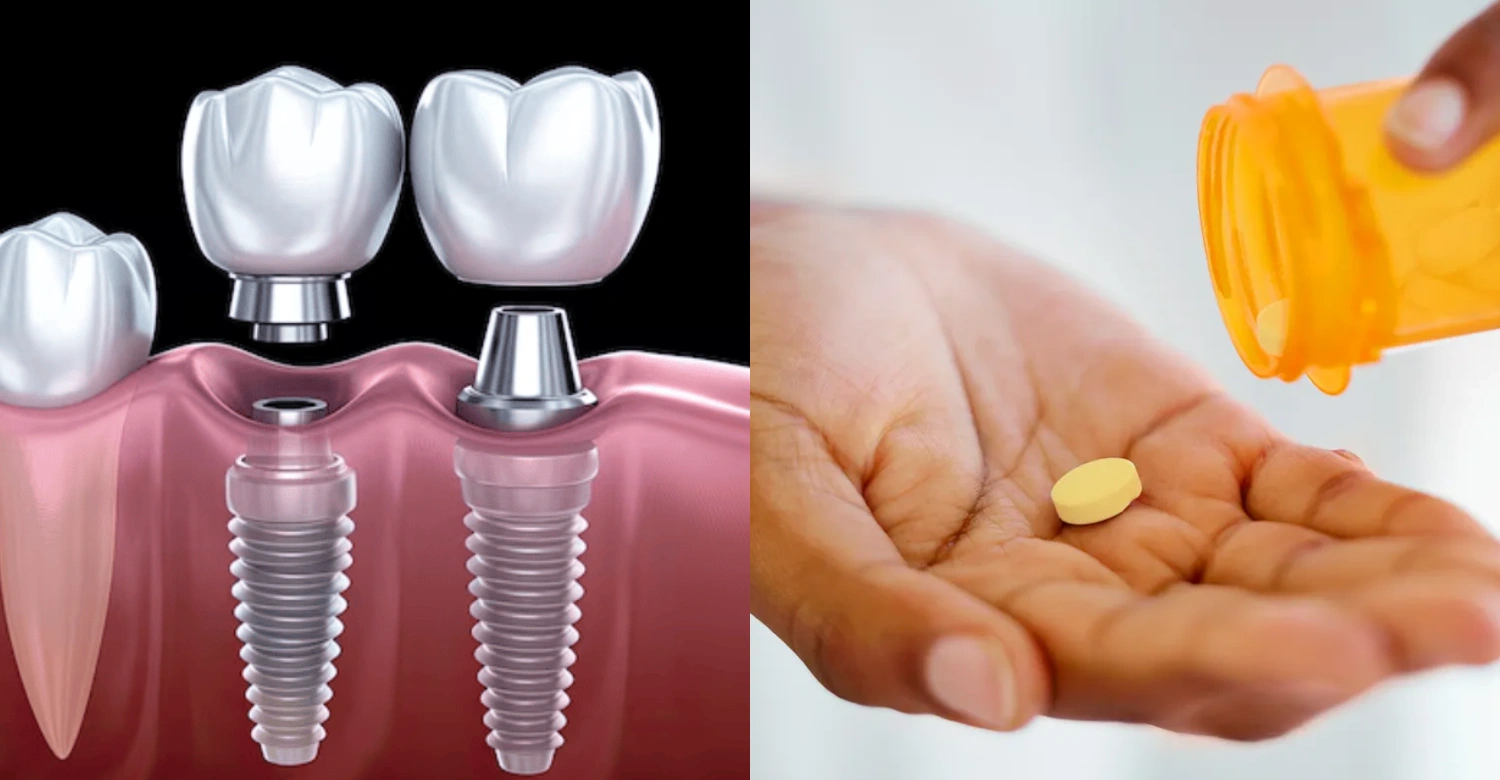
Dental implants while taking methotrexate call for several checks before treatment begins. A full medical history and medication review comes first. Current oral infection or periodontal disease must be ruled out or addressed. Bone volume and density are evaluated carefully. CBCT findings may be reviewed when clinically indicated. Relevant laboratory results are considered if the medical history warrants them. Other immunosuppressive medications the patient may be taking are also reviewed. Combined effects between drugs can influence how surgery and healing are planned, so this step is rarely skipped in a thorough workup. This checklist is a core part of assessing methotrexate and dental implant safely.
Note: All images used are for editorial and illustrative purposes only and may not originate from the original news provider or associated company. Learn more about tongue thrust
Methotrexate Before Dental Implants: Should You Stop Taking It?
Methotrexate before dental implants should never be stopped by a patient acting alone. Medication planning has to be individualized. Whether methotrexate continues or pauses depends on the underlying medical condition, the dose, the complexity of the planned surgery, and the physician's judgment. The goal is straightforward. Avoid unnecessary interruption of a treatment that may be managing a serious condition. At the same time, keep surgical safety firmly in view. This balance explains why physician involvement matters just as much as dental assessment once implant surgery is being scheduled and planned in detail. This question sits at the heart of methotrexate and dental implants planning for many patients.
Methotrexate and Dental Implant Surgery: What Does the Dental Team Consider?
Methotrexate and dental implant surgery planning weighs several elements together. Surgical complexity comes first. The presence of active infection is checked closely. Soft-tissue condition is assessed alongside bone quality. The patient's overall immune and medical status is factored in as well. Expected healing requirements matter too. More extensive procedures may call for cautious timing. Some cases need additional monitoring beyond what a single, straightforward implant placement would typically require. This layered review helps the team avoid surprises later in treatment, since each factor can shift the plan in a different direction. These considerations shape every methotrexate and dental implant case a little differently.
When Might Additional Medical Coordination Be Needed?
Extra medical coordination becomes more relevant in specific situations. Patients receiving methotrexate alongside other immunosuppressive drugs often need this, since combined effects on healing are harder to predict. Patients with significant systemic disease may also benefit. The same applies to those undergoing extensive bone grafting or multiple implants. A history of delayed wound healing or previous infections is another signal. In these cases, closer collaboration between the physician and dental team, both before and after surgery, tends to produce steadier, more predictable outcomes. This kind of coordination is a recurring theme across methotrexate and dental implants care.
Tips for Patients
Bring a complete list of medications and supplements.
Tell the dental team why methotrexate was prescribed.
Provide the current dose and treatment schedule.
Never change or stop methotrexate without medical guidance.
Treat gum disease and dental infections before implant surgery when appropriate.
Follow prescribed oral-hygiene instructions carefully.
Avoid smoking because it can negatively affect implant healing.
Attend every recommended follow-up appointment.
Contact the clinic promptly if unusual pain, swelling, discharge, fever, or implant mobility develops.
Keep communication open between the dental team and the physician managing the underlying condition. Explore more on tongue thrust open bite
Methotrexate After Dental Implant Surgery: What Happens During Healing?
Methotrexate after dental implant surgery involves normal stages of soft-tissue and bone healing, much like any implant case. Clinicians tend to monitor the site a bit more closely, though. This is because immunomodulatory medication can affect how early warning signs appear or progress. Patients should watch for increasing pain, persistent swelling, pus or drainage, and fever. Wound opening, persistent bleeding, and implant mobility are also signs worth reporting quickly. None of these should be ignored or dismissed as minor. Reporting them early allows the dental team to intervene sooner, which generally supports a better overall healing outcome for the patient. Understanding methotrexate and dental implants recovery starts with realistic, patient-specific expectations.
Methotrexate and Implant Healing: What Patients Should Expect
Methotrexate and implant healing timelines vary from one patient to another. There is no single fixed schedule that applies universally to every case. Gum healing generally happens faster than the deeper bone healing required for full implant stability. This difference matters. It is exactly why follow-up appointments play such an important role in the process. They let the dental team track progress at both levels. They also confirm healing is proceeding as expected. If anything needs closer attention, the treatment timeline can be adjusted before restorative work begins. This kind of variability is normal within methotrexate and dental implant cases generally.
Methotrexate and Bone Healing After Dental Implants
Methotrexate and bone healing after dental implants relates to a biological process called bone remodeling. Bone gradually forms and matures around the implant surface over time. Several factors influence how this unfolds. Bone quality, blood supply, oral hygiene, systemic health, and smoking status all play a part. It would be inaccurate to suggest that methotrexate automatically prevents or slows bone healing on its own. Instead, each patient's healing capacity depends on a combination of personal health factors, evaluated together rather than viewing the medication in isolation from everything else at play. Bone biology remains central to methotrexate and dental implants outcomes overall.
Methotrexate and Osseointegration: Does the Medication Affect Implant Stability?
Methotrexate and osseointegration is a common concern for patients researching implant treatment. Osseointegration is simply the process by which an implant becomes firmly fused with the surrounding jawbone. Several factors influence how successfully this happens. Bone quality matters. Oral hygiene matters. General health matters too. Rather than assuming methotrexate alone determines the outcome, clinicians evaluate each patient's individual risk profile in detail. Clinical and radiographic follow-up over time helps confirm whether osseointegration is progressing normally. It also confirms whether the implant is achieving the stability needed for long-term function and everyday use. Osseointegration sits at the core of methotrexate and dental implants stability discussions.
How Implant Healing Is Monitored
Implant healing is typically monitored through clinical examination first. The soft tissue around the implant site is checked for signs of irritation or infection. Implant stability may be evaluated when clinically appropriate. Radiographic monitoring is used when needed to assess the bone forming around the implant. Before progressing to the final restoration, the dental team confirms healing has reached a suitable stage. This step ensures the foundation is solid enough to support the planned crown or prosthesis for the long term, without rushing ahead prematurely. Ongoing monitoring protects methotrexate and dental implants patients over the long run. Discover more about vitamin a deficiency and tooth development
Methotrexate and Dental Implant Failure: What Could Increase the Risk?
Methotrexate and dental implant failure is a concern patients sometimes raise during consultation. It helps to understand what implant failure actually means first. It refers to an implant not integrating properly, or later developing complications that compromise its function. Early biological failure differs from later mechanical or biological complications that develop after successful integration. Contributing factors can include poor oral hygiene, untreated periodontal disease, and smoking. Infection, poor bone conditions, excessive mechanical loading, certain systemic health factors, and inadequate postoperative care matter too, often far more than methotrexate use on its own. These failure risk factors apply broadly across methotrexate and dental implants cases in general.
Dental Implant Complications With Methotrexate
Dental implant complications with methotrexate mainly center around concerns about infection and potentially delayed healing. These concerns should always be evaluated on an individual basis rather than assumed automatically for every patient. Early diagnosis matters considerably here. Waiting for symptoms to worsen before seeking evaluation generally makes treatment more complicated. It can also extend recovery time significantly. Regular follow-up appointments give the dental team an opportunity to catch subtle changes early. Catching problems sooner, before they develop into more significant complications, usually means simpler and faster intervention overall. This kind of complication awareness matters greatly for methotrexate and dental implant patients. Dive deeper into when to stop pacifier
Methotrexate and Oral Surgery: How Is Implant Surgery Planned?
Methotrexate and oral surgery planning differs from routine dental procedures in several ways. Implant placement is more invasive. It requires more detailed preparation beforehand. Planning is individualized and built around a careful review of medical history and current medications. Clinicians may use CBCT imaging and digital planning tools when appropriate to map bone structure precisely. The surgical approach can differ significantly depending on patient needs. A single implant, multiple implants, bone grafting, or a full-mouth rehabilitation each carry their own planning requirements, timelines, and considerations that shape the overall treatment path. Careful sequencing defines successful methotrexate and dental implants treatment from start to finish.
Clinical Note
Implant planning should begin with a broad risk assessment. Focusing narrowly on methotrexate alone would miss the bigger picture. Periodontal health needs evaluation before surgery starts. Active dental infections should generally be addressed as part of the treatment plan, not left for later. Individualized follow-up and healing assessment are built into the process from the very start. Coordination with the patient's physician remains important whenever medication management decisions intersect with the surgical timeline, and this collaboration often continues well past the initial consultation. This mindset underlies every methotrexate and dental implants case reviewed at the clinic. Read more about bacteria in the mouth
What We Notice Clinically
Dr. Rifat Alsaman explains that a patient taking methotrexate should prompt a detailed medical review, not an automatic decision against implants. He approaches treatment planning by weighing several things together. Overall health, oral condition, medication history, bone status, and surgical requirements all factor in. Dr. Rifat Alsaman emphasizes communication between the dental team and the physician managing methotrexate treatment whenever medication decisions are involved in the plan. The objective, in his view, is always an individualized treatment pathway. Applying the same protocol to every patient regardless of circumstances simply does not reflect good clinical practice. His perspective shapes how methotrexate and dental implant cases are handled at Vitrin Clinic.
How Dr. Rifat Alsaman Approaches Complex Implant Planning
Dr. Rifat Alsaman's approach begins with a thorough medical and dental history review. Evaluation of gum and bone health follows closely behind. Digital imaging and treatment planning are used when indicated to map out the safest surgical path forward. Periodontal, surgical, and restorative treatment are sequenced appropriately rather than rushed through quickly. Postoperative monitoring is individualized to each patient's medical background. This allows adjustments to follow-up frequency or care instructions whenever a patient's health profile calls for closer attention during the recovery period. This method applies consistently across methotrexate and dental implant cases at the clinic.
What Are the Expected Benefits of a Carefully Planned Implant Treatment?
Dental implants serve a clear functional purpose. They restore chewing ability and replace missing teeth in a stable, long-lasting way. Implant-supported restorations can also support broader rehabilitation plans for patients needing more extensive dental work done together. That said, outcomes vary. Individual health, bone conditions, oral hygiene, and the overall complexity of treatment all shape the result. No specific outcome or guaranteed success should ever be promised. Every patient's biology and circumstances differ, and honest planning always reflects that reality rather than offering false certainty. These benefits apply whether or not methotrexate and dental implants intersect in a given case.
What Should Patients Expect Before and After Implant Treatment?
Before treatment, patients undergo examination, imaging, and a full medical history review. Detailed treatment planning follows these initial steps. During surgery, implant placement follows the individualized plan under controlled conditions throughout. After surgery, patients move through soft-tissue recovery and osseointegration, supported by scheduled follow-up visits along the way. Restorative treatment, such as placing the final crown, follows once healing is confirmed by the team. Each phase builds on the one before it, which is exactly why consistent follow-up matters throughout the entire journey. This sequence holds true for nearly every methotrexate and dental implants patient.
How Vitrin Clinic Approaches Implant Treatment for Medically Complex Patients
Vitrin Clinic provides dental implant treatment for medically complex patients through individualized consultations and careful treatment planning. The dental team reviews each patient's oral and medical history, including current medications such as methotrexate. When clinically appropriate, CBCT and 3D treatment planning help assess bone structure and support precise implant placement. Medical coordination may also be arranged when needed. Dr. Rifat Alsaman oversees this process. Book Your FREE Treatment Plan to explore your personalized dental implant options. Learn more about bacteria on teeth
Book a our FREE Treatment Plan
Patients taking methotrexate are encouraged to discuss their medication openly during consultation, without hesitation or worry about being turned away. The dental team can evaluate oral health, bone conditions, and specific implant requirements based on a complete picture of the patient's situation. Medication changes always require appropriate medical guidance from the prescribing physician. They should never be adjusted based on dental scheduling alone. Booking a consultation is the right first step for any methotrexate and dental implants patient. Book Your FREE Treatment Plan with Vitrin Clinic to start a thorough, individualized implant assessment built around your complete medical history and current needs.
References:
FAQs
Dr. Rifat Alsaman has more than 5 years of clinical experience in dentistry and currently serves as the Head of the Medical Team at Vitrin Clinic. He is dedicated to providing exceptional patient care, overseeing treatment planning, and ensuring the highest clinical standards across the team. His expertise, attention to detail, and commitment to continuous professional development have helped countless patients achieve healthier, more confident smiles.


