General Dentistry
September 13, 2026
What Is Tongue Thrust and How Can It Affect Teeth?
 Dr. Rifat Alsaman
Tongue thrust is a common oral habit in which the tongue pushes against or between the teeth. This can happen during swallowing, speaking, or at rest, instead of the tongue staying in its normal resting position. Over time, this pattern can influence the swallowing pattern, speech, and teeth alignment. Understanding this pattern helps in recognizing early signs and knowing when a professional evaluation may be useful.
What Is Tongue Thrust?
Tongue thrust refers to a swallowing pattern in which the tongue presses forward against or between the front teeth. Instead, the tongue should rest against the roof of the mouth. It can appear in both children and adults, and when it persists, it may influence oral development. Recognizing this oral habit is an important first step toward proper evaluation.
Understanding Tongue Thrusting
During a normal swallowing pattern, the tongue rests behind the upper front teeth without pressing against them. This action occurs when the tongue moves forward instead, applying pressure directly against or between the teeth. Unlike typical swallowing, this habit repeats with nearly every swallow. That is why a persistent pattern like this is often worth monitoring closely.
What Causes Tongue Thrust?
Several factors may contribute to this oral habit, including childhood habits such as thumb sucking or prolonged pacifier use. Enlarged tonsils or adenoids and nasal breathing difficulties can also play a part. Changes in tongue position during growth, along with other developmental factors, may also contribute. Because causes vary, each case benefits from individual evaluation.
Common Signs of Tongue Thrust
Common signs include the tongue pushing against or between the teeth and an open bite. Difficulty keeping the lips comfortably closed is another sign to watch for. Speech changes, teeth alignment concerns, and an unusual swallowing pattern may also be present. Noticing these signs early can help determine whether further evaluation is needed.
Learn more about hemochromatosis and dental extractions
How Does Tongue Thrust Affect Your Teeth?
Tongue thrust can influence how teeth come together over time. Repeated pressure from the tongue against the teeth may affect bite development and alignment. This is especially true when the habit continues for a long period. The extent of the impact generally depends on the strength, frequency, and duration of the pattern.
Tongue Thrust and Open Bite
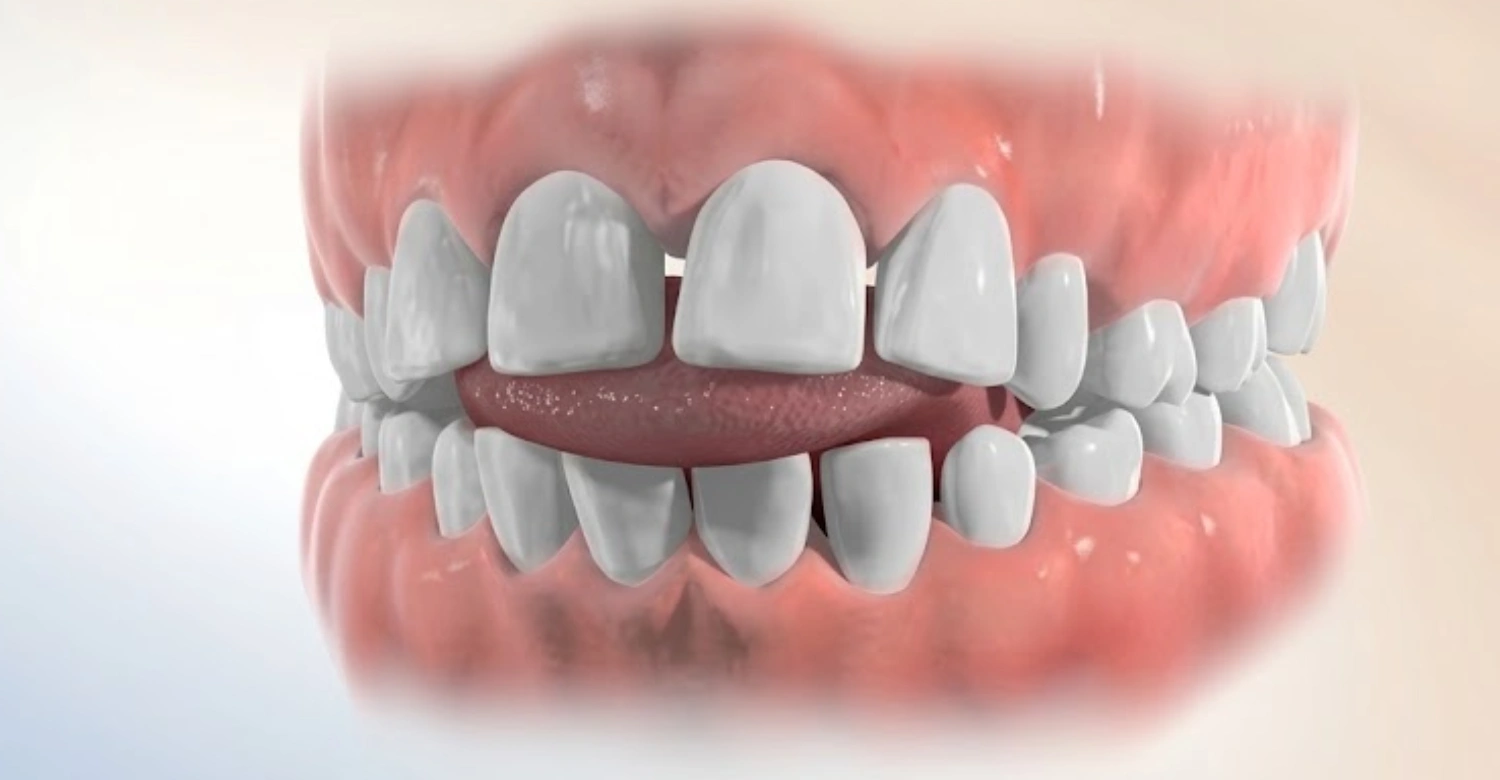
Repeated tongue pressure during this habit can contribute to an open bite. This happens where the front teeth fail to meet properly when biting down. This tends to happen because the tongue's forward position interferes with normal tooth contact. The relationship between tongue position and bite development is an important part of any assessment.
Tongue Thrust and Teeth Alignment
An ongoing oral habit such as this may influence tooth positioning, sometimes leading to gradual movement of the front teeth. Correcting the underlying habit can be important for maintaining long-term teeth alignment. Left unaddressed, the pattern may continue to place pressure on the teeth during daily swallowing and speech.
Can Tongue Thrust Move Your Teeth?
Repeated tongue pressure can, in some cases, gradually move teeth, though this outcome is not guaranteed for everyone. Normal tongue pressure during swallowing is brief and balanced. Abnormal pressure from this habit tends to be more forceful and frequent. A professional dental evaluation can help determine whether intervention is appropriate.
Clinical Note
This habit does not automatically mean that significant tooth movement will occur. The effect depends on factors such as the frequency, duration, and strength of the habit. The patient's dental development also plays a role. Because outcomes vary from person to person, each case is best assessed individually rather than assumed.
Note : All images used are for editorial and illustrative purposes only and may not originate from the original news provider or associated company.
Discover more about hypogammaglobulinemia and gum disease
What Are the Effects of Tongue Thrust on Oral Health?
Tongue thrust can affect more than tooth position alone. Over time, this oral habit may influence bite development, speech, swallowing patterns, and resting tongue posture. Recognizing these broader effects helps explain why the habit matters. It is often evaluated alongside overall oral health rather than as an isolated concern.
Effects on Bite Development
When the habit persists, bite development may be affected. This can include an open bite, changes in tooth alignment, and an altered relationship between the upper and lower teeth. These changes generally develop gradually, which is why early recognition of this pattern can be helpful.
Effects on Speech and Swallowing
This habit may also affect speech and swallowing. Some individuals notice speech changes or difficulty pronouncing certain sounds that require the tongue to stay behind the teeth. Changes in the swallowing pattern are also common, since the tongue moves differently than it would with normal function.
Effects of Incorrect Tongue Position
Incorrect tongue position at rest, not only during swallowing, is a key part of this habit. Constant tongue pressure against the teeth, even between swallows, may influence oral development over time. Understanding resting tongue posture helps clarify how this habit affects the mouth beyond active movement alone.
Tips for the Patients
Patients should avoid trying to forcefully change their tongue position without professional guidance, as improper correction may cause discomfort. If this pattern is affecting the bite, speech, or teeth alignment, a proper evaluation can help identify the underlying cause. This should happen before any treatment begins.
Explore the connection between cardiometabolic disease and oral health
How Is Tongue Thrust Diagnosed?
Diagnosing tongue thrust typically involves a combination of dental examination and observation of swallowing behavior. Dentists look for physical signs such as an open bite or teeth alignment changes. They also look for functional signs like abnormal tongue movement. This combined approach helps confirm whether the habit is present and how it may be affecting the mouth.
Dental Examination
A dental examination typically includes checking teeth alignment and evaluating the bite for irregularities such as an open bite. The dentist also observes tongue position at rest and during function. These findings help build a clearer picture of whether the habit is present and how significant it may be.
Evaluating the Swallowing Pattern
Evaluating the swallowing pattern involves observing how the tongue moves while a patient swallows. Dentists look for abnormal tongue movement, such as forward pressure against the teeth, to identify this pattern. This assessment helps determine whether the habit is contributing to existing dental problems like an open bite or misalignment.
Learn more about Lyme disease and oral health
How Is Tongue Thrust Treated?
Treating tongue thrust often depends on the underlying cause, the patient's age, and the severity of the habit. Options range from habit correction and myofunctional therapy to orthodontic treatment for related bite or alignment issues. A personalized plan usually offers the best chance of managing the habit effectively.
Correcting the Tongue Thrust Habit
Correcting this habit starts with identifying its underlying cause, whether related to childhood habits or other contributing factors. Treatment often focuses on improving tongue position and addressing related oral habits such as thumb sucking. Progress is also monitored over time to ensure the pattern improves gradually and consistently.
Orthodontic Treatment
Orthodontic treatment may be recommended when this habit has contributed to teeth alignment issues or an open bite. Braces or other appliances can help correct tooth position, while addressing the underlying habit supports long-term stability. Maintaining results afterward often requires continued attention to tongue posture and swallowing patterns.
Myofunctional Therapy and Tongue Posture
Myofunctional therapy uses oral muscle exercises to help retrain tongue posture and reduce this behavior. The goal is improving the tongue's resting position and supporting a healthier swallowing pattern over time. Because every case differs, treatment should be individualized based on the patient's specific needs and habit severity.
Tips for the Patients
Patients should follow their treatment plan consistently and attend all recommended follow-up appointments. Maintaining the correct tongue position and following professional instructions can support long-term dental stability. Skipping steps in the process may slow progress or allow the habit to return.
Discover what causes a swollen roof of mouth
Can Tongue Thrust Be Prevented?
While not every case can be fully prevented, certain early habits may reduce the likelihood of this pattern becoming persistent. Encouraging healthy oral development and monitoring swallowing patterns early on can help. Parents who notice ongoing signs should consider seeking a professional opinion.
Healthy Oral Habits in Children
Encouraging healthy oral habits in children may help reduce the risk of the pattern becoming lasting. This includes avoiding prolonged thumb sucking, managing extended pacifier use, and supporting healthy oral development overall. Monitoring for unusual swallowing patterns early allows for timely attention if signs of the habit appear.
When Should Parents Seek Dental Advice?
Parents should seek dental advice if they notice persistent tongue thrusting or an open bite. Ongoing speech concerns in their child are also worth mentioning to a dentist. Noticeable teeth alignment changes and difficulty with normal swallowing are also reasons to schedule an evaluation. Early attention to these signs can support better long-term outcomes.
Learn more about sleeping with mouth open and teeth
Vitrin Clinic: Tongue Thrust and Dental Evaluation
Vitrin Clinic offers personalized evaluation for patients concerned about tongue thrust and its potential effects on the teeth. Each assessment considers tongue position, bite relationship, and any related oral habits. This individualized approach helps guide appropriate next steps based on the specific needs of every patient at Vitrin Clinic.
Personalized Assessment at Vitrin Clinic
At Vitrin Clinic, a personalized assessment includes evaluating tongue position, assessing teeth alignment, and examining the bite relationship. The team also identifies any contributing oral habits before developing a personalized treatment plan. This thorough process helps ensure recommendations are suited to each patient's unique presentation.
What We Notice Clinically
Dr. Rifat Alsaman is Head of the Medical team at Vitrin Clinic and a cosmetics dentist. He emphasizes the importance of assessing the relationship between oral habits, tongue position, and dental alignment. At Vitrin Clinic, patients can receive an individualized evaluation based on their specific dental needs. This helps clarify whether the pattern is contributing to any bite or alignment concerns.
Clinical Note
The appropriate approach depends on the patient's age, dental development, bite, tongue position, and the severity of the oral habit. Vitrin Clinic can evaluate these factors before recommending an appropriate treatment pathway suited to each individual case.
Explore the tooth decay stages
Resource:
https://pmc.ncbi.nlm.nih.gov/articles/PMC8343673/
FAQs
Dr. Rifat Alsaman has more than 5 years of clinical experience in dentistry and currently serves as the Head of the Medical Team at Vitrin Clinic. He is dedicated to providing exceptional patient care, overseeing treatment planning, and ensuring the highest clinical standards across the team. His expertise, attention to detail, and commitment to continuous professional development have helped countless patients achieve healthier, more confident smiles.


