General Dentistry
September 16, 2026
Bacteria in the Mouth: What are The Types, What They Do, and When Do They Become Harmful?
 Dr. Rifat Alsaman
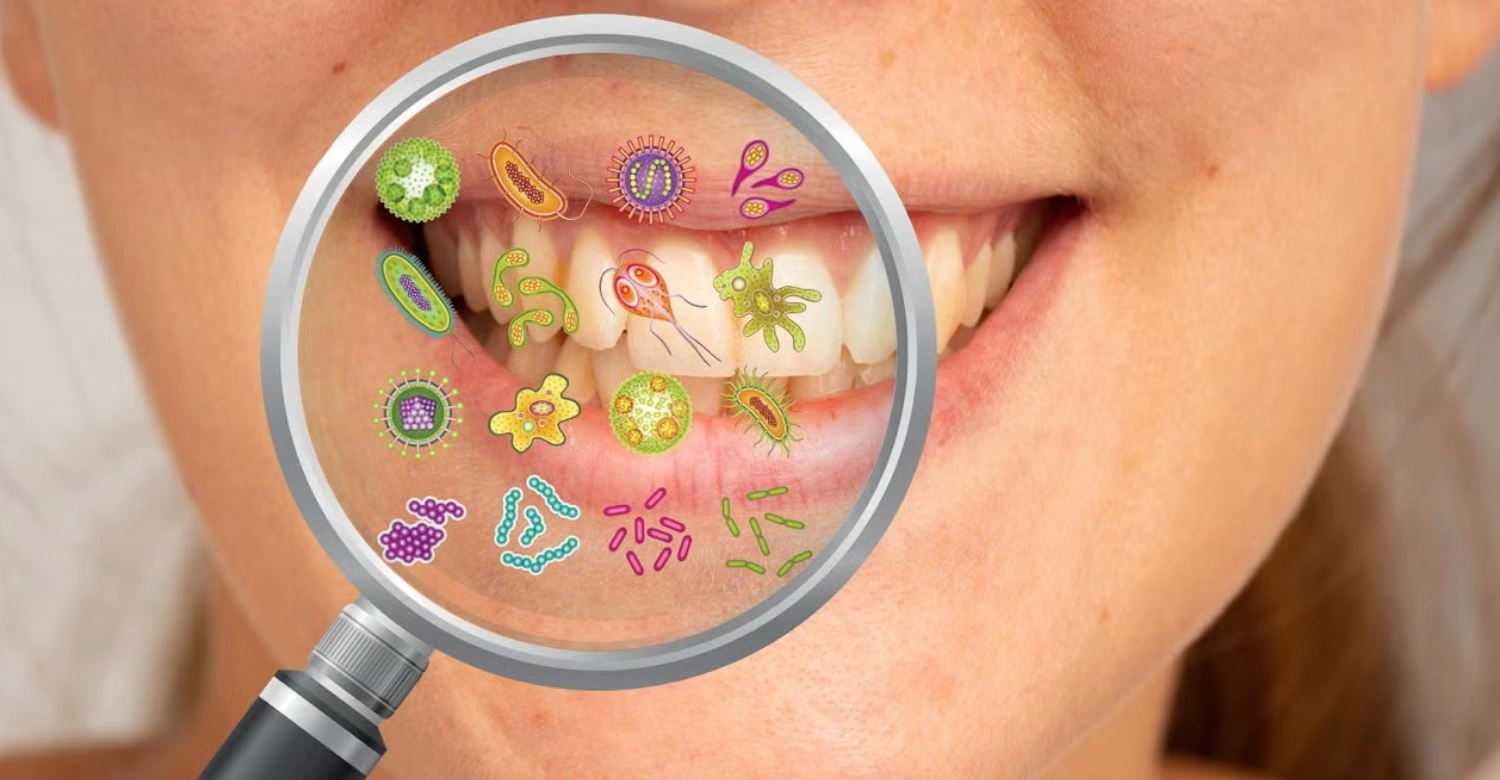
Bacteria in the mouth form a natural, living community. It begins developing in early childhood. It stays active for life. The human mouth naturally contains a complex mix of microorganisms. They live on the teeth, gums, tongue, and cheeks. Not all bacteria found in the mouth are harmful. Many are part of a healthy oral microbiome. Others can contribute to tooth decay, gum disease, and bad breath once the balance shifts. Oral hygiene, diet, saliva flow, smoking, dry mouth, and existing dental conditions all influence these populations. This guide explains what bacteria in mouth of a human actually look like. It covers how much may be present, and how patients can support a healthier microbial balance through daily habits and professional care. Understanding this balance also helps explain why two people with similar routines can still have very different oral health outcomes.
Bacteria in the Mouth: What Lives Inside the Human Oral Cavity?
Bacteria in mouth thrive because the oral cavity offers moisture, warmth, and nutrients. It also offers many surfaces for attachment. Teeth, gums, cheeks, and the tongue each host slightly different microbial communities. Local conditions like oxygen exposure and saliva contact shape these differences. Rather than viewing every microorganism as a threat, dentists describe this population as the oral microbiome. It is a living ecosystem, not simply a collection of germs. Bacteria found in the mouth of humans vary from person to person. Diet, hygiene habits, genetics, and saliva composition all play a role. This diversity is normal and expected. The presence of microorganisms in the mouth is not itself a problem. What matters is how balanced that population stays, and how consistently it is managed through brushing, flossing, and dental visits. Saliva also plays a quiet but constant role, rinsing surfaces and buffering acids throughout the day.
Are There Good Bacteria in the Mouth?
Yes. Many microorganisms play a protective role. They compete with harmful species for space and nutrients on oral surfaces. These relatively harmless residents help maintain a stable environment. They can limit overgrowth of disease-associated microbes. Labeling species strictly as "good" or "bad" simplifies a complex ecosystem. Still, it helps patients grasp the basic concept without microbiology training. A healthy balance of bacteria found in the mouth supports normal digestion and fresher breath. It also builds stronger resistance against decay-causing organisms when hygiene stays consistent. Disrupting this balance too aggressively, for instance through harsh antibacterial products, can sometimes do more harm than good.
What Are Considered Bad Bacteria in the Mouth?
Bad bacteria in mouth are species linked to dental caries, plaque buildup, gingivitis, and periodontitis. Their presence alone does not guarantee disease. Risk depends on the overall microbial environment, not one species acting alone. When harmful microorganisms multiply unchecked, they can dominate the biofilm. This often happens with poor hygiene or frequent sugar exposure. Regular brushing, flossing, and professional monitoring help keep these populations controlled. Early control prevents progression into more serious oral health concerns.
How Many Bacteria Are in the Human Mouth?
How many bacteria are in the human mouth? There is no single fixed number for every person. Bacterial counts shift constantly. Plaque levels, saliva flow, tongue coating, hygiene habits, diet, smoking, dry mouth, and gum health all play a part. Bacteria in the mouth can be measured in different ways. These include bacterial cells, bacterial species, and the broader oral microbiome as a whole. Because these measurements vary by site and method, dentists avoid quoting one universal figure. Instead, they focus on clinical indicators like plaque, calculus, and gum condition to assess balance realistically. Lab-based bacterial counts exist for research purposes, but they rarely change day-to-day clinical decisions.
How Much Bacteria Is in the Human Mouth?
How much bacteria is in the human mouth depends on where and when it is measured. Estimates differ across the tongue, teeth, gums, and saliva. Different testing methods can produce different results. Bacterial levels are not constant throughout the day. They rise after eating and fall after brushing or rinsing. Dental plaque can contain particularly dense microbial communities. This is compared with saliva or the inner cheek surfaces. This variability is why professionals rarely rely on counts alone. Instead, they evaluate the mouth clinically for signs of imbalance.
How Many Bacteria Species Are in the Human Mouth?
How many bacteria species are in the human mouth is a question researchers still study. The oral cavity hosts a wide diversity of microorganisms. Scientists keep identifying and characterizing new species using improved genetic testing. Quoting an outdated fixed number is misleading, since research keeps reshaping these estimates. Different people carry different microbial profiles. Genetics, diet, geography, and personal hygiene all shape this diversity. This variety among microorganisms in the mouth is one reason dental problems vary so much between patients with similar habits.
Tips for Patients
Brush Twice a Day With Fluoride Toothpaste
Clean Between Your Teeth Daily
Clean Your Tongue
Limit Frequent Sugary Snacks and Drinks
Stay Hydrated and Support Normal Saliva Flow
Do Not Overuse Antibacterial Mouthwash
Note: All images used are for editorial and illustrative purposes only and may not originate from the original news provider or associated company. Learn more about bacteria on teeth
Why Does the Mouth Have So Many Different Types of Bacteria?
The mouth supports many different types of microorganisms because conditions vary between locations inside it. The tongue, tooth surfaces, gumline, saliva, and inner cheeks each offer different oxygen levels, pH, moisture, and food availability. These differences create distinct micro-environments. Certain species thrive over others depending on local conditions. As bacteria attach to surfaces, they organize into structured communities known as biofilms. Layered colonies build gradually over time. This is how dental plaque forms. Understanding this diversity explains why oral hygiene must address multiple surfaces, not just the teeth, to keep bacteria in the mouth reasonably balanced. Cleaning only the front teeth, for example, leaves the tongue and gumline largely untouched.
Dental Plaque Is More Than Just Food Debris
Dental plaque is not simply leftover food. It is a structured microbial biofilm containing bound-together microorganisms organized in layers. Brushing removes plaque mechanically by disrupting this structure. It does not simply "kill" bacteria outright. Left undisturbed long enough, plaque hardens into calculus. Calculus cannot be removed with a toothbrush alone. Persistent plaque accumulation is closely linked with tooth decay and gum inflammation. Consistent daily removal is one of the most important habits for long-term oral health. Even a single missed day can allow a noticeable film to redevelop along the gumline.
How Diet Can Change Oral Bacteria
Diet directly shapes bacteria in mouth of a human over time. Frequent sugar and fermentable-carbohydrate exposure feeds acid-producing species. This allows them to multiply more quickly than usual. These bacteria metabolize sugars and release acids. The acids contribute to gradual enamel demineralization. Frequency of exposure often matters more than total sugar consumed in one sitting. Snacking throughout the day keeps the mouth acidic longer than eating the same sugar during a single meal. This gives harmful microorganisms more opportunity to damage enamel. Explore more on bacteriophage therapy for gum disease
How Much Bacteria Is in Your Mouth in the Morning?
How much bacteria is in your mouth in the morning often feels higher because saliva flow slows during sleep. Saliva normally washes away food particles and buffers acids. Reduced flow allows microorganisms to concentrate overnight without regular clearing. Tongue coating, dried plaque, mouth breathing, and continued bacterial metabolism all contribute to that familiar morning sensation. There is no universal number describing overnight levels. It depends on individual hydration, breathing patterns, and hygiene habits before sleep.
Does Morning Bad Breath Mean You Have Too Much Bacteria?
Morning breath is normal and usually temporary. It eases quickly after brushing and a glass of water. Persistent halitosis is different from this everyday experience. If bad breath continues despite good hygiene, it may point to plaque, tongue coating, gum disease, or dry mouth. Bad bacteria in the mouth thriving on trapped debris are often responsible for this lingering odor. When morning odor continues all day or worsens over time, a professional assessment can find the real cause. Discover more about bile acid malabsorption and dental health
When Do Bacteria in the Mouth Become a Dental Problem?
Bacteria in mouth become a dental problem when the balanced microbiome shifts toward dysbiosis. This means harmful species begin to outnumber protective ones. This shift is closely tied to biofilm buildup and ongoing tissue inflammation. Once bacterial communities become imbalanced, decay, gingivitis, and periodontitis become more likely. Recognizing early signs, like bleeding gums or increasing plaque, allows patients and dentists to intervene early. Early intervention prevents lasting damage to teeth and supporting tissue.
Bacteria and Tooth Decay
Acid-producing microorganisms are central to the caries process that leads to cavities. They metabolize sugars from food. They release acids that repeatedly attack tooth enamel. Over time, repeated acid exposure leads to demineralization and eventually visible cavities. Fluoride strengthens enamel against these acid attacks. Consistent plaque control limits the bacterial load driving decay forward. Combining both approaches remains the most effective way to prevent decay from progressing into deeper structural damage.
Bacteria and Gum Disease
Persistent plaque around the gumline allows harmful microorganisms to trigger gingival inflammation. This is the earliest stage of gum disease. Left untreated, this inflammation can progress to periodontal disease in susceptible patients. Genetics, smoking, and inconsistent hygiene all raise this risk. Symptoms like redness, swelling, and bleeding during brushing often signal early progression. Professional periodontal care becomes necessary once home care alone cannot control the buildup.
Bacteria and Bad Breath
Bacteria in the mouth break down proteins from food debris and dead cells. This releases volatile sulfur compounds responsible for unpleasant odor. The tongue, with its rough surface, is a particularly important site for these odor-producing microorganisms. While oral bacteria are a common cause of bad breath, persistent halitosis can also stem from non-dental sources. Sinus issues or digestive conditions are common examples. Identifying the true cause ensures treatment addresses the actual source. Dive deeper into bite strength
Can Bacteria in the Mouth Affect Overall Health?
Bacteria in the mouth can be associated with broader inflammation. Researchers continue studying possible links to systemic health conditions. However, association is not the same as proof that oral microorganisms directly cause disease elsewhere in the body. Maintaining a healthy microbial balance remains an important part of general preventive healthcare. Patients experiencing significant gum problems or persistent oral symptoms should seek professional evaluation. These issues are not always unrelated to broader wellbeing.
Clinical Note: What a Dentist Looks for When Evaluating Oral Bacteria
Dentists do not typically diagnose oral health by directly counting microorganisms. Instead, they examine clinical indicators. These include plaque accumulation, calculus, bleeding gums, pocket depth, gingival swelling, caries, tongue coating, and persistent bad breath. Periodontal examination, dental X-rays, or other diagnostic tools may be used when signs suggest deeper issues. Treatment always targets the specific oral condition causing bacterial imbalance. Eliminating all bacteria in the mouth is neither realistic nor necessary. The clinical exam itself usually takes just a few minutes but guides the entire treatment plan. Read the full article on biting cheek while eating
How Dentists Manage Harmful Bacterial Buildup
Treatment for harmful bacterial buildup depends on the specific condition causing it. Not every intervention applies to every case. Dentists tailor recommendations to individual findings from a clinical exam. Options range from routine cleaning to periodontal therapy or restorative work. The goal is always to address the specific cause behind the buildup. This might be inconsistent home care, anatomical factors, dry mouth, or an existing dental condition. A short conversation about daily habits often reveals more than the exam alone.
Professional Dental Cleaning
Professional cleaning removes plaque and calculus that home brushing cannot reach. It reaches particularly well along the gumline and between teeth. Scaling disrupts hardened bacterial deposits mechanically. This reduces the load responsible for early gum inflammation and bleeding. Regular cleaning visits support long-term gum health. They can also catch early warning signs before they progress. For most patients, routine cleaning remains one of the simplest ways to manage bacteria in the mouth alongside daily hygiene.
Periodontal Treatment
Deeper cleaning or periodontal treatment becomes necessary when gum inflammation, periodontal pockets, and calculus indicate advanced disease. Treatment choice depends on severity. It can range from deep scaling and root planing to surgical periodontal therapy. The goal is to reduce harmful microorganisms below the gumline. Regular brushing simply cannot reach that area effectively. Addressing periodontal disease early helps prevent further attachment loss.
Treatment for Tooth Decay
Cavities caused by acid-producing bacteria in the mouth may require restorative treatment. The approach depends on how advanced the decay has become. Early lesions sometimes respond well to preventive fluoride care alone. More established cavities require fillings or other restorative work. Catching decay early keeps treatment simpler and less invasive. Preventive strategies, combined with prompt intervention, remain the most reliable path forward.
Treating Persistent Bad Breath
Treating persistent bad breath starts with identifying its underlying cause. Simply masking the odor with products rarely works long term. Tongue cleaning reduces bacterial coating where odor-causing compounds form. Plaque control and periodontal assessment address gum-related sources. Managing dry mouth restores saliva's natural cleansing role. When oral bacteria are the confirmed source, addressing hygiene and gum health typically resolves the issue. Persistent cases despite good hygiene warrant a full dental evaluation. Find out more about biting tongue while eating
Benefits of Controlling Harmful Bacterial Buildup
Controlling bacteria in the mouth offers realistic, noticeable benefits. A completely bacteria-free mouth is not achievable or even necessary. Patients can expect healthier gums and lower plaque accumulation. They can also expect reduced risk of tooth decay, fresher breath, and better oral hygiene overall. Reduced risk of periodontal complications is another benefit. Many notice a smoother tooth surface and less gum sensitivity shortly after cleaning or periodontal treatment. Some also report fresher breath within days of a thorough cleaning. Results vary depending on the condition treated and how consistently the patient maintains home care afterward.
When Should You See a Dentist About Bacteria in the Mouth?
Persistent bad breath despite good oral hygiene
Bleeding or swollen gums
Recurrent cavities
Tooth sensitivity or pain
Heavy plaque or calculus
Gum recession
Loose teeth
Persistent dry mouth
Unusual changes in the mouth
Any of these signs can indicate that microbial balance has shifted. Early assessment allows a dentist to intervene before minor imbalances progress into more advanced dental conditions. Waiting often allows plaque and calculus to accumulate further. Treatment becomes more involved and time-consuming later. Scheduling an evaluation early typically leads to simpler, less invasive treatment. It also leads to a better long-term outcome for teeth and gums. Get the details on chewing gum teeth
What We Notice Clinically
Dr. Rifat Alsaman, Head of the Medical Team at Vitrin Clinic and cosmetic dentist, explains that patients sometimes assume all bacteria in the mouth are harmful. Clinically, Dr. Rifat Alsaman emphasizes that the goal is never a completely bacteria-free mouth. That outcome is neither realistic nor desirable. Instead, the focus stays on controlling plaque, maintaining healthy gums, preventing tooth decay, and keeping the oral environment balanced. This perspective shapes how treatment plans are built around each patient's actual clinical findings.
Dr. Rifat Alsaman's Clinical Perspective on Oral Bacteria
Dr. Rifat Alsaman can explain why two patients with similar brushing routines may show different levels of plaque, inflammation, or dental problems. Evaluating the actual condition of teeth and gums matters more than estimating bacterial quantity alone. Dr. Rifat Alsaman approaches oral health as one part of a patient's overall dental treatment plan. Professional diagnosis becomes especially important for patients experiencing recurrent cavities, bleeding gums, or persistent bad breath. These symptoms often need more than home care alone.
Why Choose Vitrin Clinic for Comprehensive Oral Care?
Vitrin Clinic is a dental clinic in Istanbul offering comprehensive oral care. Its approach is built around individual diagnosis and treatment planning, not a one-size-fits-all method. The clinical team evaluates teeth, gums, and each patient's specific needs before recommending any treatment. Vitrin Clinic uses relevant technologies, including CBCT and 3D imaging alongside digital diagnostic tools, when clinically indicated. Dr. Rifat Alsaman, Head of the Medical Team at Vitrin Clinic, contributes directly to treatment planning and patient care. Recommendations stay realistic, focused on managing bacteria in the mouth rather than promising to eliminate it. Patients can discuss concerns directly with the team before committing to any procedure. Book Your FREE Treatment Plan or Online FREE Consultation & Assessment.
References:
FAQs
Dr. Rifat Alsaman has more than 5 years of clinical experience in dentistry and currently serves as the Head of the Medical Team at Vitrin Clinic. He is dedicated to providing exceptional patient care, overseeing treatment planning, and ensuring the highest clinical standards across the team. His expertise, attention to detail, and commitment to continuous professional development have helped countless patients achieve healthier, more confident smiles.


