General Dentistry
September 13, 2026
When to Stop Pacifier: What Is the Best Age to Quit?
 Dr. Rifat Alsaman
When to stop Pacifier use is an important question because timing can affect comfort, sleep, and developing oral structures. Pacifiers can provide soothing benefits during infancy, particularly around naps, bedtime, and stressful situations.
The American Academy of Pediatrics recommends offering a pacifier during naps and bedtime because it can reduce the risk of sudden infant death syndrome (SIDS). Breastfeeding families are generally advised to wait until breastfeeding is well established before introducing one.
However, prolonged nonnutritive sucking can influence developing teeth and the surrounding oral structures. The American Academy of Pediatric Dentistry states that use beyond 18 months can affect the developing orofacial complex. Possible changes include anterior open bite and posterior crossbite. The AAPD encourages discontinuing nonnutritive sucking habits by 36 months.
For many families, gradual weaning during the second and third years provides a practical approach. The ideal timing can vary according to the child’s development, pacifier dependence, sleep routine, and dental findings. A pediatric dentist can help parents decide when additional guidance is appropriate.
When Should a Baby Stop Using a Pacifier?
When to stop Pacifier use depends partly on the child’s age and how frequently the pacifier is used. During early infancy, sucking can provide comfort and help some babies settle during sleep. The AAP continues to recommend offering a pacifier during naps and bedtime because pacifier use is associated with a lower SIDS risk.
As children grow, parents should gradually reduce reliance on the pacifier. The AAPD notes that use after 12 months may increase the risk of acute otitis media. Continued use beyond 18 months may influence developing oral structures.
A practical goal is to begin reducing daytime dependence during the second year. Parents can then work toward eliminating the habit completely before the child reaches three years. The AAPD specifically encourages discontinuation of nonnutritive sucking habits by 36 months.
Parents should consider individual circumstances rather than treating one age as a strict deadline. A child who uses a pacifier occasionally may need a different approach from one who relies on it throughout the day and night.
What Age Is Best to Stop Using a Pacifier?
When to Stop Pacifier use is often best considered as a gradual process rather than a single fixed birthday. The AAPD recommends discontinuing nonnutritive sucking habits by 36 months. It also identifies the period after 18 months as important because continued use may affect the developing orofacial complex.
This does not mean every child will develop dental problems after reaching 18 months. The effect depends on factors such as frequency, duration, intensity, and individual oral development. AAPD guidance indicates that the duration of the habit can be particularly important when assessing potential occlusal changes.
For parents, beginning weaning during the second year can create a comfortable transition. Daytime use can usually be reduced first, while the pacifier remains available temporarily for sleep if necessary. Eventually, parents can remove it from bedtime routines as the child becomes comfortable with other soothing strategies.
A dental assessment can provide additional reassurance when parents notice changes in tooth position or the child continues using the pacifier frequently.
When Do Babies Need to Stop Using a Pacifier?
When to Stop Pacifier use should be planned around the child’s developmental stage rather than stopped abruptly because of fear. Pacifier use is common during infancy, and the AAP recognizes benefits associated with offering one during naps and bedtime.
The dental considerations become more important as the child gets older. The AAPD reports that pacifier use beyond 18 months can influence developing oral structures. The organization encourages parents to discontinue nonnutritive sucking habits by 36 months.
Parents can therefore start preparing for weaning during the second year. The first step may involve restricting use to specific situations, such as sleep or periods of distress. Later, parents can remove it from naps and bedtime when the child develops alternative calming routines.
Statistics from AAPD-cited research show that pacifier use naturally decreases with age. One large longitudinal dataset reported pacifier use in approximately 38% of children at 12 months, 25% at 24 months, and 10% at 36 months. This pattern shows that gradual reduction is achievable for many families.
Learn more about restorative dentistry
When to Stop Pacifier Use for Teeth and Oral Development
When to Stop Pacifier use becomes especially relevant once primary teeth are developing and the habit becomes frequent or prolonged. Sucking creates repeated forces around the teeth, palate, and surrounding oral structures. These forces can influence dental relationships when the habit continues for an extended period.
The AAPD identifies anterior open bite and posterior crossbite among the dental changes associated with prolonged nonnutritive sucking habits. It also reports that pacifier use beyond 18 months can influence the developing orofacial complex.
Importantly, pacifier use does not automatically mean a child will develop malocclusion. Duration, frequency, intensity, pacifier design, and individual development can all influence the outcome. AAPD evidence indicates that duration may have a stronger relationship with malocclusion than frequency alone.
Parents should therefore focus on reducing prolonged dependence rather than becoming alarmed by occasional use. Regular dental monitoring can help identify developing changes before they become more established.
When to Stop Pacifier for Teeth?
When to Stop Pacifier use for dental protection is commonly discussed around 18 months and three years. The AAPD states that use beyond 18 months can influence the developing orofacial complex. It encourages discontinuation of nonnutritive sucking habits by 36 months.
The reason for this guidance is the continued pressure created by repetitive sucking. Prolonged habits can contribute to changes involving tooth position and the relationship between the upper and lower dental arches. Anterior open bite and posterior crossbite are among the changes reported with prolonged pacifier habits.
Parents should not interpret the 18-month point as evidence that dental damage has already occurred. Instead, it is a useful age for actively limiting and monitoring the habit. Reducing use earlier can make the transition easier for some children.
Parents can begin by restricting the pacifier to bedtime, then gradually remove it from sleep routines. If a child already shows an unusual bite, delayed weaning may deserve discussion with a pediatric dentist. Early professional assessment can help distinguish normal development from changes potentially associated with prolonged sucking.
Can Pacifier Use Change a Baby’s Bite?
When to stop Pacifier use matters because prolonged sucking can influence how developing teeth and oral structures relate to each other. The AAPD recognizes associations between long-term nonnutritive sucking and certain occlusal changes. These include anterior open bite and posterior crossbite.
An anterior open bite occurs when some upper and lower front teeth do not meet properly when the mouth closes. A posterior crossbite can occur when upper back teeth bite inside the corresponding lower teeth. These changes do not develop in every child who uses a pacifier.
The duration of the habit is particularly relevant. AAPD guidance indicates that malocclusion can be influenced more by duration than frequency. Parents should therefore monitor persistent use as children become older.
A dental examination can assess whether the developing bite appears age appropriate. If changes are identified, reducing or stopping the habit may be recommended as part of preventive care. The earlier a concern is recognized, the more opportunity there may be to monitor natural improvement after the habit ends.
How Does Prolonged Pacifier Affect Teeth?
When to stop, pacifier use becomes increasingly important when sucking continues for long periods during dental development. Repeated sucking can place pressure against the palate and developing teeth. Over time, these forces may contribute to changes in the way the dental arches meet.
The AAPD specifically identifies anterior open bite and posterior crossbite as possible outcomes associated with prolonged nonnutritive sucking. It also notes that continued use beyond 18 months can influence the developing orofacial complex.
The risk is not determined by age alone. Frequency, intensity, duration, and individual anatomy can influence how a habit affects oral development. Some children may show noticeable changes, while others may have minimal effects.
One important insight from AAPD-reviewed evidence is that duration can be more influential than frequency. This supports gradually reducing prolonged dependence rather than focusing only on how many times the pacifier is used each day. Parents who notice changes in the bite should arrange an appropriate dental assessment rather than waiting until permanent teeth erupt.
Can Dental Changes Improve After Stopping the Pacifier?
When to Stop Pacifier use can influence whether developing dental changes have an opportunity to improve naturally. Some bite changes associated with sucking habits may improve after the habit ends, particularly when the child is still young. However, the amount of improvement varies between children.
The AAPD notes that some changes associated with nonnutritive sucking may persist after the habit stops. This is one reason early dental visits can provide useful guidance and monitoring.
A child with an anterior open bite may gradually show improved tooth contact after stopping the habit. A posterior crossbite may require closer evaluation because spontaneous correction is not guaranteed. The timing of intervention depends on the child’s age and the specific dental relationship.
Parents should avoid assuming that stopping the pacifier will immediately correct every bite concern. A dentist can monitor changes during routine examinations and determine whether further assessment is appropriate. Early evaluation is particularly useful when the pacifier habit has continued beyond the recommended weaning period or visible changes are already present.
Discover more about impacted canine tooth
When to Stop Using a Pacifier at Night
When to stop Pacifier use at night is an important consideration because nighttime sucking can become a strong sleep association. During infancy, pacifiers may provide comfort and are associated with a lower risk of sudden infant death syndrome when offered during sleep. The American Academy of Pediatrics recommends offering a pacifier at naps and bedtime during the first year. As children grow older, parents can gradually reduce nighttime dependence and introduce other calming routines. The dental considerations become increasingly relevant after 18 months, when prolonged sucking may influence developing oral structures. The AAPD recommends discontinuing nonnutritive sucking habits by 36 months. Parents do not need to remove the pacifier suddenly unless advised by a healthcare professional. A gradual transition can help children adapt while maintaining predictable bedtime routines.
When to Stop Pacifier at Night?
When to stop Pacifier use during nighttime sleep depends on the child’s age, sleep habits, and reliance on sucking for comfort. During infancy, nighttime pacifier use can have an important protective role because pacifier use during sleep is associated with reduced SIDS risk. Parents should therefore avoid treating nighttime weaning as an urgent requirement during early infancy. As the child becomes older, reducing dependence becomes more appropriate, particularly when the pacifier is used throughout the night. The AAPD identifies prolonged nonnutritive sucking as a potential influence on developing oral structures. It recommends stopping these habits by 36 months. Parents can begin by limiting the pacifier to bedtime rather than allowing unrestricted daytime use. Later, they can introduce a pacifier-free bedtime routine using stories, cuddling, music, or another familiar comfort strategy.
When to Stop Using Pacifiers for Sleep?
When to Stop Pacifier use for sleep should consider both infant sleep guidance and developing oral health. During the first year, the American Academy of Pediatrics recommends offering a pacifier when placing an infant down for naps and bedtime. This recommendation reflects evidence concerning SIDS prevention rather than dental development. After infancy, parents can gradually shift toward independent sleep without a pacifier. This transition may be especially useful when the child wakes repeatedly because the pacifier has fallen out. Frequent nighttime replacement can make the habit harder to discontinue. The AAPD recommends eliminating nonnutritive sucking habits by 36 months because prolonged habits can affect developing oral structures. Parents can introduce alternative sleep cues, such as a consistent bedtime story, quiet music, or a favorite comfort object that is appropriate for the child’s age.
How Can Parents Stop Nighttime Pacifier Use?
When to Stop Pacifier use at bedtime can become easier when parents create a predictable transition instead of removing the habit without preparation. Start by explaining the change using simple language that matches the child’s developmental level. Parents can first restrict the pacifier to sleep and remove it during daytime activities. The next step can involve shortening the amount of time the child uses it before falling asleep. A consistent bedtime sequence can then replace the sucking habit with a bath, story, song, cuddling, or another calming activity. Parents should respond calmly if the child protests because strong emotional reactions can make the transition more difficult. Positive reinforcement can encourage progress without creating fear or shame. If sleep becomes temporarily disrupted, maintaining the same bedtime and wake-time routine can provide reassurance. Persistent dental concerns should be discussed with a pediatric dentist.
Should Parents Stop Daytime or Nighttime Pacifier Use First?
When to Stop Pacifier use can often begin with daytime restriction because nighttime sucking may provide stronger emotional comfort. During the day, parents can identify situations where the pacifier is used automatically rather than for sleep. Removing it during play, meals, travel, and other activities can gradually reduce dependence. Keeping the pacifier available for bedtime initially may make the transition feel less disruptive. Once daytime use has decreased, parents can focus on nighttime routines. This approach gives the child time to develop alternative ways of calming down before the most challenging part of weaning begins. The AAPD emphasizes reducing prolonged nonnutritive sucking habits because continued use can influence developing oral structures. However, there is no universal sequence that works for every child. Parents should adapt the process according to age, temperament, sleep patterns, and dental development.
Learn more about abscessed tooth
When to Stop Giving a Baby a Pacifier During the Day
When to Stop Pacifier use during the daytime is often easier than removing it from bedtime routines. Babies and toddlers may use pacifiers for comfort, boredom, transitions, or emotional regulation. Parents can gradually identify situations where the pacifier is unnecessary and begin limiting access during those periods. The goal is not necessarily to remove it from every situation immediately. Instead, parents can create clear boundaries around when it is available. For example, the pacifier might remain available for naps while being removed during playtime. As the child becomes comfortable with this change, parents can reduce use further. This gradual approach can also help parents observe how strongly the child depends on the habit. The AAPD recommends discontinuing nonnutritive sucking habits by 36 months. Starting earlier can make the transition more manageable for many families.
When to Stop Giving Pacifier to Baby?
When to Stop Pacifier use during daytime hours depends on how frequently the child relies on it and why it is being used. During infancy, pacifiers can be useful for soothing and sleep. As babies become more mobile and socially engaged, parents can begin limiting unnecessary daytime use. The AAPD reports that pacifier use becomes less common as children grow. One longitudinal study cited by the organization found use in approximately 38% of children at 12 months, 25% at 24 months, and 10% at 36 months. These figures show that many children naturally reduce their dependence with age. Parents can support this process by keeping the pacifier for specific situations rather than offering it automatically. During play, conversation, and meals, removing it can encourage normal oral movement and communication. Gradual limits can prepare the child for complete weaning later.
How to Reduce Daytime Pacifier Use?
When to Stop Pacifier use becomes easier when daytime access is reduced through clear and predictable rules. Parents can begin by choosing specific periods when the pacifier is unavailable, such as meals, outdoor play, or family activities. The child can then learn that the pacifier is reserved for particular situations rather than being continuously available. Parents should offer alternative forms of comfort when the pacifier is removed. Cuddling, reading, singing, playing, or talking can provide reassurance without reinforcing the sucking habit. Positive language can also make the transition less stressful. Instead of saying that the child is doing something wrong, parents can explain that the pacifier is becoming a sleep-only item. Consistency is important because changing the rule repeatedly can increase confusion. If the child becomes very distressed, parents can slow the process and try again after establishing a stronger routine.
What Can Replace a Pacifier During the Day?
When to Stop Pacifier use during daytime activities can be supported by replacing the comfort function rather than simply removing the object. Young children often need reassurance, distraction, or predictable sensory comfort when they are tired or upset. Parents can use cuddling, singing, storytelling, gentle conversation, or interactive play as alternatives. Older toddlers may respond well to a favorite age-appropriate comfort object during quiet activities. A consistent routine can also reduce situations where the child automatically requests the pacifier. Parents should avoid replacing the habit with foods, sugary drinks, or constant snacking because these alternatives may create other oral-health concerns. During meals, children should follow age-appropriate feeding recommendations from their healthcare professionals. The goal is to teach the child several ways to self-soothe without relying on prolonged sucking. If the child continues intense dependence despite consistent efforts, professional guidance can help identify a suitable weaning strategy.
Explore more about dental resorption
When to Stop Pacifier According to the AAP
When to Stop Pacifier use requires understanding that AAP guidance focuses on both infant safety and developmental considerations. The American Academy of Pediatrics recommends offering a pacifier during naps and bedtime because pacifier use is associated with reduced SIDS risk. The recommendation is particularly relevant during the first year, when SIDS prevention remains an important concern. Dental considerations become increasingly important as children grow older. The American Academy of Pediatric Dentistry explains that prolonged nonnutritive sucking can affect developing oral structures. It recommends discontinuing these habits by 36 months. Parents should therefore avoid interpreting infant sleep guidance as an instruction to maintain pacifier use indefinitely. The appropriate approach changes as the child develops. Families can gradually reduce dependence while maintaining safe sleep practices during infancy and monitoring oral development during regular dental visits.
What Does the AAP Say About Pacifier Use?
When to Stop Pacifier use should be considered alongside the American Academy of Pediatrics recommendations for infant sleep. The AAP recommends offering a pacifier during naps and bedtime during infancy because evidence associates pacifier use with a reduced risk of SIDS. The organization also emphasizes safe sleep practices, including placing infants on their backs and keeping the sleep environment free from loose bedding and other hazards. Pacifiers should not be forced if an infant does not want one. Parents should also avoid attaching pacifiers to clothing or other objects during sleep because of safety concerns. The AAP’s recommendations primarily address infant safety rather than setting one universal age for complete weaning. Dental organizations provide additional guidance as children grow. The AAPD recommends eliminating nonnutritive sucking habits by 36 months because prolonged use can influence developing oral structures.
When Does the AAP Recommend Stopping Pacifier Use?
When to Stop Pacifier use does not have one simple AAP deadline that applies identically to every child. The AAP focuses strongly on safe sleep during infancy and recommends offering a pacifier for naps and bedtime. Dental guidance becomes important as the child gets older. The AAPD recommends discontinuing nonnutritive sucking habits by 36 months and highlights potential oral effects when habits continue beyond 18 months. Parents can therefore view the second and third years as an appropriate period for active weaning. This does not mean every child must stop on the same day or follow an identical schedule. Some children respond well to gradual restriction, while others adapt better to a clear stopping point. Parents should consider the child’s sleep needs, emotional dependence, oral development, and overall routine. A pediatric dentist can provide individualized guidance when the habit persists.
Are AAP Recommendations Different for Sleep and Daytime Use?
When to Stop Pacifier use differs in importance between sleep and daytime routines during infancy. The AAP recommends offering a pacifier during naps and bedtime because of its association with reduced SIDS risk. During daytime activities, the pacifier does not serve the same sleep-related purpose. Parents can therefore begin limiting unnecessary daytime use as the child becomes older. This can help reduce overall dependence before nighttime weaning begins. Dental considerations apply to prolonged use in both settings because repeated sucking can influence developing oral structures. The AAPD identifies use beyond 18 months as a period requiring greater attention and recommends discontinuation by 36 months. Parents should balance these recommendations according to the child’s age. For infants, safe sleep guidance remains especially important. For toddlers, gradual weaning and oral development become increasingly important priorities.
Discover more about recessed maxilla
When to Stop Using a Pacifier to Protect Teeth
When to Stop Pacifier use can become particularly important when a child continues sucking beyond infancy. Developing teeth and oral structures respond to repeated forces, and prolonged nonnutritive sucking can contribute to certain bite changes. The AAPD identifies anterior open bite and posterior crossbite among the possible dental effects associated with prolonged sucking habits. The organization also notes that use beyond 18 months can influence the developing orofacial complex. Parents should understand that these are associations rather than guaranteed outcomes. Children differ in sucking intensity, duration, frequency, and oral anatomy. The timing of weaning can therefore influence individual risk. Regular dental examinations can help monitor developing teeth and identify changes early. Parents should pay attention to persistent changes in how the front or back teeth meet. Early professional advice can help determine whether simply stopping the habit is sufficient or whether additional monitoring is appropriate.
Why Can Long-Term Pacifier Use Affect the Bite?
When to Stop Pacifier use matters because prolonged sucking repeatedly places pressure on developing oral structures. A pacifier can influence the position and relationship of teeth when it remains between the dental arches for extended periods. The AAPD identifies anterior open bite and posterior crossbite as dental changes associated with prolonged nonnutritive sucking. An anterior open bite may appear when the front teeth do not meet normally during closure. A posterior crossbite may occur when some upper back teeth bite inside the lower teeth. These changes are not inevitable, and individual susceptibility varies. The duration of the habit is an important consideration when evaluating potential effects. AAPD guidance indicates that longer-lasting habits are associated with greater concern than short-term use. Reducing prolonged use during early childhood can therefore support healthier developing occlusion.
When Should Parents See a Pediatric Dentist About Pacifier Use?
When to Stop Pacifier use is worth discussing with a pediatric dentist when the habit continues into the later toddler years. The AAPD recommends establishing a dental home by 12 months of age. Regular dental visits allow professionals to monitor tooth eruption, oral hygiene, bite development, and habits such as prolonged pacifier use. Parents should seek advice sooner if they notice an open bite, crossbite, unusual tooth positioning, or difficulty bringing the teeth together. A dental consultation can also help when repeated attempts at weaning have been unsuccessful. Children who use the pacifier throughout the day and night may benefit from individualized guidance. The dentist can evaluate whether the habit appears to be affecting developing structures. Parents do not need to wait until permanent teeth appear before discussing concerns. Early monitoring can provide reassurance and help identify changes while the child is still developing.
What Signs Suggest a Pacifier Is Affecting Oral Development?
When to Stop Pacifier use should be reconsidered when parents notice changes in the way the child’s teeth meet. A visible gap between the upper and lower front teeth can be one possible sign of an anterior open bite. Changes involving the relationship between the upper and lower back teeth may suggest a posterior crossbite. Parents may also notice that the child’s teeth appear to shift or that the bite looks different from previous dental examinations. These observations do not prove that the pacifier caused the change. Dental development is influenced by multiple factors, including genetics, oral habits, and individual growth patterns. The AAPD recognizes prolonged nonnutritive sucking as one factor associated with developing malocclusion. Parents should avoid diagnosing bite problems at home. A pediatric dentist can examine the teeth and determine whether the observed changes require monitoring or intervention.
What Dental Changes Should Parents Look For?
When to Stop Pacifier use may become more urgent when parents observe persistent changes in the developing bite. One change to watch for is an anterior open bite, where the upper and lower front teeth fail to meet normally. Another possible finding is posterior crossbite, where some upper back teeth sit inside the lower teeth during biting. The AAPD identifies both conditions among the occlusal changes associated with prolonged nonnutritive sucking. Parents can also observe whether the child’s bite appears different during routine dental visits. However, photographs or home observations cannot replace professional assessment. Children’s teeth naturally change as they erupt, so temporary differences may not indicate a problem. A pediatric dentist can distinguish normal developmental changes from potentially significant occlusal changes. Early monitoring can help determine whether stopping the habit allows the bite to improve naturally or whether additional care may eventually be needed.
Compare root canal vs implant
How to Stop a Pacifier Habit
When to Stop Pacifier use can feel challenging when the object has become an important source of comfort. The most effective approach often involves consistency, preparation, and gradual changes. Parents can first identify when the child uses the pacifier most frequently. Daytime use can then be restricted before parents address sleep-related dependence. Another approach involves setting clear rules about where and when the pacifier is available. Children often respond better when expectations remain predictable. Parents can also introduce alternative soothing activities, such as reading, cuddling, music, or quiet play. Positive reinforcement can encourage cooperation without creating fear or embarrassment. The AAPD recommends discontinuing nonnutritive sucking habits by 36 months. Families should therefore aim toward complete weaning during early childhood. If the process becomes extremely difficult, a pediatric dentist can help develop a practical strategy based on the child’s age and oral development.
What Is the Easiest Way to Stop Using a Pacifier?
When to Stop Pacifier use becomes easier when parents choose a strategy that matches the child’s temperament and daily routine. For many families, gradual restriction provides a manageable starting point. Parents can first remove the pacifier during play and other daytime activities. They can then reserve it for naps or bedtime before eventually eliminating it completely. Clear and consistent rules help children understand when the pacifier is available. Parents should use simple explanations rather than lengthy discussions about dental consequences. A predictable bedtime routine can replace the comfort associated with sucking. Stories, cuddling, quiet music, and familiar activities can help create new sleep associations. Praise can reinforce successful periods without the pacifier. Parents should avoid shaming or frightening the child because emotional pressure can make the process harder. If the habit continues despite consistent efforts, professional dental guidance may be useful.
Should You Stop the Pacifier Suddenly or Gradually?
When to Stop Pacifier use can be approached gradually or suddenly, depending on the child and family circumstances. A gradual method may work well for children who strongly associate the pacifier with comfort or sleep. Parents can begin by limiting use to specific situations before removing it completely. A sudden approach can also work for some children, especially when parents can maintain consistent expectations afterward. There is no single method that guarantees success for every family. The most important factor is consistency once the chosen strategy begins. Parents should also consider the child’s age, emotional readiness, sleep patterns, and current reliance on the pacifier. If dental changes are already visible, discussing the timing with a dentist can provide additional guidance. The AAPD encourages discontinuing nonnutritive sucking habits by 36 months. Parents can choose the weaning method that supports this goal while minimizing unnecessary distress.
How Long Does It Take to Break a Pacifier Habit?
When to Stop Pacifier use does not have a universal timeline because children respond differently to changes in familiar routines. Some children adapt within several days, while others may need several weeks of consistent support. The process can take longer when the pacifier is strongly associated with falling asleep. Parents can make the transition easier by maintaining predictable routines throughout the day. They should expect some requests or temporary frustration during the adjustment period. Responding calmly can help the child understand that the new routine is permanent. Parents should avoid repeatedly restoring unrestricted access after setting limits because inconsistent rules can prolong the transition. A gradual approach may involve removing daytime use first and addressing bedtime later. A more direct approach may work for children who adapt quickly to clear changes. If the child remains highly dependent for an extended period, professional guidance can help identify barriers to successful weaning.
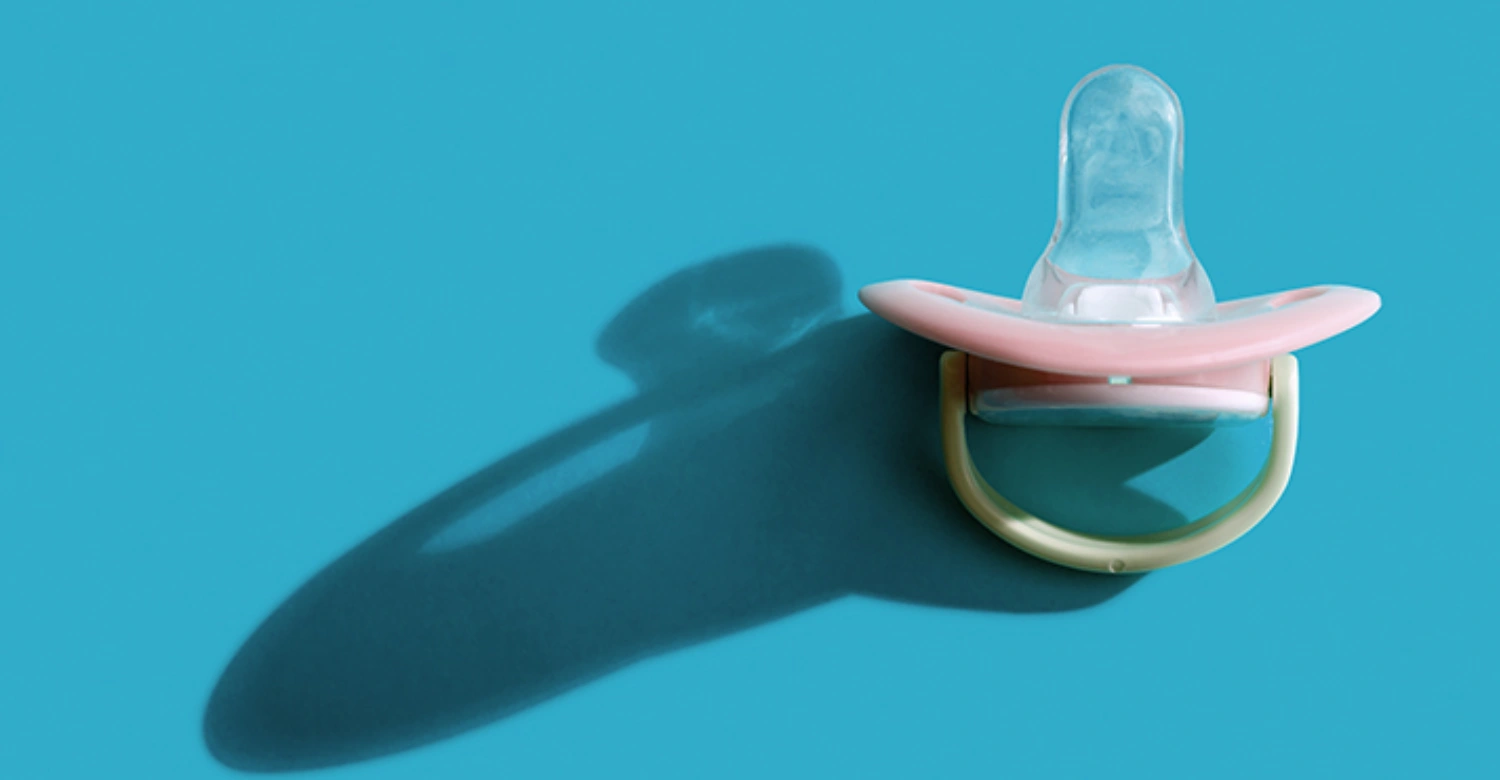
Note : All images used are for editorial and illustrative purposes only and may not originate from the original news provider or associated company.
How to Stop Using a Pacifier Without Disrupting Sleep?
When to Stop Pacifier use can affect sleep temporarily when the child has learned to associate sucking with falling asleep. Parents can reduce disruption by introducing a consistent bedtime routine before removing the pacifier. A bath, pajamas, story, cuddling, and quiet music can become predictable signals that sleep is approaching. Parents may initially restrict the pacifier to the final part of the routine before removing it completely. If the child wakes during the night, parents can offer reassurance without immediately restoring the old habit. Keeping bedtime and wake-up times consistent can provide additional stability. Parents should avoid introducing several major changes simultaneously when possible. The transition may involve a few difficult nights before the new routine becomes familiar. During infancy, parents should continue following safe-sleep recommendations from the AAP. Older toddlers can gradually develop alternative methods for settling themselves back to sleep.
Learn more about copper deficiency and tooth damage
What to Do If Your Child Refuses to Give Up the Pacifier
When to Stop Pacifier use can become difficult when a child strongly associates sucking with safety, comfort, or sleep. Refusal does not necessarily mean the child is being stubborn. Pacifiers can become powerful behavioral cues because they are repeatedly used during moments of tiredness, distress, and bedtime. Parents can begin by identifying the situations that trigger requests most often. Limiting access during easier periods may build confidence before tackling bedtime use. Parents should explain the new routine calmly and avoid turning the pacifier into a source of conflict. Positive reinforcement can encourage cooperation when the child manages short periods without it. The AAPD recommends eliminating nonnutritive sucking habits by 36 months. If a child continues to struggle beyond this period, a pediatric dental assessment can help determine whether additional support is appropriate.
Why Do Some Children Struggle to Stop Using a Pacifier?
When to Stop Pacifier use may be challenging because the habit can provide both physical and emotional comfort. Some children rely on sucking when they feel tired, anxious, bored, or overwhelmed. Others mainly associate the pacifier with falling asleep and may request it whenever they become sleepy. The longer a routine remains consistent, the more predictable it becomes for the child. Sudden changes can therefore cause temporary frustration. Children also differ naturally in temperament and adaptability. One child may accept a new bedtime routine quickly, while another may need repeated reassurance. Parents can help by identifying the specific function the pacifier serves. If it provides comfort, cuddling may help. If it signals bedtime, a story or song can replace that cue. If the child uses it constantly, gradual daytime restriction may be easier than immediate complete removal.
Should Parents Use Rewards to Stop Pacifier Use?
When to Stop Pacifier use can be supported by positive reinforcement when rewards remain simple and appropriate. Parents can praise the child for completing a period without the pacifier rather than focusing on mistakes. Verbal encouragement, hugs, stickers, or another small non-food reward can reinforce progress. The purpose is to make the new behavior feel successful rather than creating pressure. Parents should avoid using sugary treats as rewards because frequent sugar exposure can increase dental caries risk. A reward can instead recognize effort, such as staying calm during bedtime without the pacifier. Parents should also avoid making the child feel ashamed for wanting comfort. The AAPD recommends discontinuing nonnutritive sucking habits by 36 months, but the organization does not require one specific behavioral method. Families can therefore choose positive strategies that suit the child’s personality and developmental level.
What Should Parents Avoid When Weaning From a Pacifier?
When to Stop Pacifier use should not involve frightening, humiliating, or punishing the child. Parents should avoid telling children that using the pacifier makes them bad, childish, or unattractive. These messages can create unnecessary shame without addressing the underlying habit. Parents should also avoid repeatedly changing the rules because inconsistency can make expectations unclear. Another concern is damaging or modifying the pacifier to make it unpleasant. Parents should not cut, alter, or modify a pacifier because damaged products can create safety hazards. Offering sugary foods as substitutes should also be avoided because frequent sugar exposure can contribute to tooth decay. Instead, parents can provide affection, attention, stories, and other age-appropriate comfort strategies. The goal is to establish a predictable transition while protecting the child’s emotional wellbeing. If the habit remains difficult to stop, professional advice can help parents choose a safer and more structured approach.
Discover the connection between eczema and dental health
What We Notice Clinically: Pacifier Habits and Developing Teeth
When to Stop Pacifier use is clinically important because developing teeth respond to repeated oral habits. During dental assessments, clinicians consider the child’s age, sucking frequency, duration, intensity, and overall oral development. A pacifier habit does not automatically indicate abnormal dental development. However, prolonged use can be associated with specific occlusal changes, including anterior open bite and posterior crossbite. Clinicians also consider whether the child has other oral habits that may contribute to bite development. Regular dental examinations allow changes to be monitored rather than judged from appearance alone. Parents can benefit from discussing pacifier habits during routine pediatric dental appointments. The AAPD recommends establishing a dental home by 12 months and encourages discontinuing nonnutritive sucking habits by 36 months. Early monitoring can help families make informed decisions about weaning and follow-up.
Clinical Note: When Pacifier Use Needs Closer Monitoring
When to Stop Pacifier use deserves closer clinical attention when a child continues frequent sucking into the later toddler years. The AAPD identifies 18 months as an important point because prolonged nonnutritive sucking can influence the developing orofacial complex. Monitoring may also be appropriate when parents notice an open bite, crossbite, or unusual changes in tooth positioning. Children who rely on the pacifier throughout the day may need a more structured weaning strategy. Clinicians consider the entire oral environment rather than evaluating the pacifier habit alone. They may assess tooth eruption, occlusion, oral hygiene, jaw relationships, and other oral habits. This broader assessment helps determine whether observed changes are likely developmental or habit-related. Parents should not assume that every dental change is caused by pacifier use. Professional examination provides a more reliable assessment and helps determine whether continued observation is appropriate.
How Dentists Assess the Effects of Pacifier Use
When to Stop Pacifier use can be discussed more accurately after evaluating the child’s developing oral structures. Dentists begin by asking about the child’s age, frequency of use, duration, and situations when the pacifier is needed. They then examine tooth eruption, alignment, the dental arches, and the way the upper and lower teeth meet. The dentist may look for signs such as anterior open bite or posterior crossbite. These findings can be associated with prolonged nonnutritive sucking habits. Most routine pediatric dental assessments do not require advanced imaging simply because a child uses a pacifier. Clinical examination is often sufficient for monitoring developing occlusion. Additional diagnostic procedures are considered when specific dental concerns require further evaluation. The dentist can then explain whether the child should continue gradual weaning or whether a more immediate change would be beneficial.
Dr. Rifat Alsaman’s Clinical Opinion on Pacifier Use
When to Stop Pacifier use should be approached as part of the child’s overall oral development rather than as an isolated habit. Dr. Rifat Alsaman, Head of the Medical Team at Vitrin Clinic and cosmetic dentist, emphasizes the importance of observing developing teeth while children are still young. Prolonged sucking can influence the relationship between developing teeth and oral structures in some children. For this reason, parents should pay attention to how frequently the pacifier is used and whether it remains necessary throughout the day. Dr. Rifat Alsaman recommends discussing persistent habits with a dental professional when parents notice changes in the bite or difficulty reducing use. A calm, gradual approach can help children adapt without unnecessary pressure. Early dental monitoring can also provide reassurance when development appears normal. Each child should be assessed individually because oral development and responses to weaning vary considerably.
Learn more about IBD and oral health
Tips for Patients and Parents When Stopping Pacifier Use
When to Stop Pacifier use can become easier when parents create a clear plan before beginning the transition. The first step is identifying when the child relies on the pacifier most strongly. Parents can then reduce use during easier daytime situations before addressing sleep-related dependence. Consistent rules are important because children learn expectations through repetition. Parents should explain changes calmly and use language appropriate for the child’s age. Alternative comfort strategies can include cuddling, reading, music, storytelling, and quiet play. Positive reinforcement can encourage progress without punishment. Parents should also expect temporary frustration and avoid interpreting this response as failure. Dental monitoring remains important when the habit continues into the toddler years. The AAPD recommends discontinuation of nonnutritive sucking habits by 36 months. Families can use that recommendation as a general goal while adapting the process to their child’s needs.
Create a Gradual Pacifier-Weaning Routine
When to Stop Pacifier use can be easier when the child knows exactly when the pacifier will be available. Parents can begin by removing it during activities where the child is distracted and comfortable. Meals, outdoor play, storytelling, and active games can become pacifier-free periods. Once the child accepts these limits, parents can reduce use during quiet daytime periods. The next stage can involve limiting the pacifier to bedtime or another specific routine. Parents should maintain the same boundaries every day because inconsistent rules can delay progress. A visual routine can help older toddlers understand what will happen next. Praise can reinforce successful periods without the pacifier. Parents should avoid creating fear around dental treatment or making negative comments about the child’s behavior. A gradual routine gives the child opportunities to develop alternative ways of managing tiredness, boredom, and emotional discomfort.
Establish a Pacifier-Free Bedtime Routine
When to Stop Pacifier use at bedtime can be easier when another predictable sleep association replaces the habit. Parents can begin the routine before removing the pacifier completely. A consistent sequence might include bathing, changing into pajamas, brushing teeth, reading a story, and quiet cuddling. The same order should be repeated each evening so the child knows when sleep is approaching. Parents can gradually move the pacifier earlier in the routine before removing it entirely. If the child asks for it, parents can acknowledge the request without changing the established rule. Comfort and reassurance can help the child adjust without creating conflict. The transition may temporarily increase bedtime resistance. Maintaining consistent sleep and wake times can help stabilize the routine. During infancy, parents should continue following AAP safe-sleep guidance. For older children, the focus can shift toward independent sleep without prolonged sucking.
Use Positive Reinforcement Instead of Punishment
When to Stop Pacifier use should ideally be presented as a positive developmental step rather than a punishment. Parents can praise specific behaviors, such as playing without the pacifier or completing bedtime without requesting it. Simple encouragement can help children recognize their progress. Stickers or other small non-food rewards may work for some older toddlers. Parents should avoid sugary treats because frequent sugar exposure can contribute to dental caries. They should also avoid criticism when the child struggles or asks for the pacifier again. A calm response can prevent the habit from becoming a source of anxiety. Positive reinforcement works best when expectations remain realistic. Children may need several attempts before they become comfortable with a new routine. Parents can celebrate gradual progress rather than expecting immediate perfection. If the child continues to rely heavily on the pacifier, a pediatric dentist can provide individualized guidance.
Know When to Ask a Dentist for Help
When to Stop Pacifier use should be discussed with a dentist when parents have concerns about developing teeth or difficulty ending the habit. The AAPD recommends establishing a dental home by 12 months. A dentist can monitor eruption, oral hygiene, bite development, and the effects of persistent oral habits. Parents should consider an assessment when they notice an open bite, crossbite, unusual tooth positioning, or other persistent changes. Professional guidance can also help when repeated home strategies have not worked. A pediatric dentist can explain whether gradual or more direct weaning is appropriate. The clinician can also determine whether the child’s bite appears within an expected developmental range. Early assessment does not necessarily mean treatment will be required. In many situations, monitoring and habit reduction may be sufficient. The goal is to identify concerns early while supporting normal oral development.
Explore the link between bronchitis and tooth loss
Vitrin Clinic: Supporting Healthy Oral Development in Children
When to Stop Pacifier use is one part of maintaining healthy oral development during early childhood. At Vitrin Clinic, monitoring developing teeth can help parents understand whether oral structures are progressing appropriately. Dental assessments can evaluate tooth eruption, alignment, bite relationships, and oral hygiene. Parents can also discuss persistent habits that may influence developing structures. Vitrin Clinic emphasizes individualized assessment rather than assuming that every child who uses a pacifier will develop dental problems. The appropriate recommendation depends on age, frequency of use, duration, and observed oral development. Parents can receive guidance about reducing daytime use, establishing healthier bedtime routines, and recognizing signs that require professional evaluation. Regular dental monitoring provides an opportunity to identify concerns before they become more complicated. Vitrin Clinic can support families through preventive dental assessment and individualized recommendations focused on the child’s developing smile.
How Vitrin Clinic Can Help Monitor Children’s Oral Development
When to Stop Pacifier use can be discussed during a broader assessment of the child’s developing oral structures. At Vitrin Clinic, dental professionals can examine tooth eruption, alignment, bite relationships, and general oral health. Monitoring can help parents understand whether a pacifier habit appears to be influencing the developing bite. The assessment also provides an opportunity to discuss practical weaning strategies based on the child’s age and routine. Parents may benefit from guidance when a child strongly depends on the pacifier during sleep or daytime activities. The purpose of an assessment is not to create unnecessary concern. Instead, it provides parents with professional information about the child’s current oral development. If a bite change is present, monitoring can help determine whether it improves after the habit ends. Individualized follow-up can then be recommended when appropriate.
Dr. Rifat Alsaman’s Clinical Perspective on Developing Teeth
When to Stop Pacifier use should be considered alongside the child’s overall dental development. Dr. Rifat Alsaman, Head of the Medical Team at Vitrin Clinic and cosmetic dentist, emphasizes that children’s teeth should be monitored as they erupt. Persistent oral habits can sometimes influence the developing bite, particularly when sucking continues for long periods. Parents should therefore observe how frequently the child uses the pacifier and whether it remains necessary during normal daytime activities. Dr. Rifat Alsaman’s clinical perspective supports early observation rather than waiting until significant bite changes become obvious. Parents can discuss concerns during routine dental visits and receive guidance about practical weaning strategies. The objective is to protect developing oral structures while keeping the transition comfortable for the child. Every child develops differently, so recommendations should reflect individual dental findings rather than relying on age alone.
Vitrin Clinic: When Pacifier Use Has Already Affected the Bite
When to Stop Pacifier use may become especially important when a child already shows changes in the developing bite. Prolonged sucking can be associated with anterior open bite and posterior crossbite, although not every child develops these changes. At Vitrin Clinic, dental assessment can help determine whether the observed bite relationship requires monitoring or further evaluation. The first step is understanding the child’s current dental development and the history of pacifier use. Clinicians can then assess how the upper and lower teeth meet and whether the observed relationship appears age appropriate. Stopping the habit may allow some developmental changes to improve naturally, particularly in younger children. However, improvement cannot be guaranteed in every case. Continued monitoring helps determine whether the bite is changing after weaning. Parents should seek professional advice rather than attempting to correct dental changes independently.
How Dental Assessment Can Identify Bite Changes
When to Stop Pacifier use can be evaluated more accurately through a professional dental examination. Dentists examine how the upper and lower teeth meet during normal closure and movement. They assess the front teeth for gaps that may indicate an anterior open bite. They also evaluate the back teeth for relationships that could suggest a posterior crossbite. The AAPD recognizes these conditions as possible occlusal effects associated with prolonged nonnutritive sucking. Dentists also consider tooth eruption, jaw growth, oral habits, and the child’s overall developmental stage. Not every unusual-looking bite requires immediate treatment. Some changes may improve after the habit stops and normal growth continues. A professional assessment can establish a baseline for future comparison. This allows parents to make decisions based on observed dental development rather than assumptions about pacifier use.
Digital Dental Diagnostics at Vitrin Clinic
When to Stop Pacifier use is primarily a behavioral and developmental decision, but digital diagnostics can support dental assessment when clinically appropriate. At Vitrin Clinic, digital dental technologies can help clinicians document oral conditions and evaluate specific dental concerns. Digital photographs and intraoral scanning can provide detailed records of the teeth and surrounding structures. These records may help clinicians compare changes over time when monitoring developing dentition. Advanced imaging is not automatically required for every child who uses a pacifier. Diagnostic procedures should be selected according to the child’s individual clinical needs. The purpose of technology is to support professional examination rather than replace it. Vitrin Clinic can use appropriate digital tools when additional information is needed for assessment or treatment planning. Parents can discuss which diagnostic methods are suitable during the child’s dental consultation.
Individualized Care for Children’s Dental Development
When to Stop Pacifier use should be personalized because children differ in development, habits, and emotional readiness. At Vitrin Clinic, an individualized assessment can consider the child’s age, pacifier frequency, duration, sleep routine, and dental development. This information helps clinicians provide practical recommendations rather than applying one identical approach to every child. Some children may benefit from gradual daytime restriction before bedtime weaning. Others may respond better to a clear stopping point with consistent parental support. If a bite change is already present, monitoring can help determine whether it improves after the habit ends. Parents can also receive guidance about oral hygiene and healthy routines during early childhood. The AAPD recommends discontinuing nonnutritive sucking habits by 36 months. Individualized care can help families work toward that goal while respecting the child’s developmental needs.
Discover more about calming supplements and oral health
Reference
FAQs
Dr. Rifat Alsaman has more than 5 years of clinical experience in dentistry and currently serves as the Head of the Medical Team at Vitrin Clinic. He is dedicated to providing exceptional patient care, overseeing treatment planning, and ensuring the highest clinical standards across the team. His expertise, attention to detail, and commitment to continuous professional development have helped countless patients achieve healthier, more confident smiles.


